PoolGearGuide

Best Pool Floats for Adults That Do Not Instantly Betray You

By the PoolGearGuide editorial team · Updated 2026-07-03

Share

The best pool floats for adults are comfortable, stable, easy to climb onto, and not secretly designed to dump you sideways the second a leaf sneezes nearby. Choose by float type, weight rating, storage space, material, and how you actually relax in the pool.

Key takeaways

What makes a pool float good for adults?

A good adult pool float supports the person using it without turning every pool day into a balance test. Comfort matters, but stability matters first.

Look for:

  • Clear weight rating
  • Enough length and width
  • Stable shape
  • Head or neck support if you like lounging
  • Material that fits your storage habits
  • Easy entry and exit
  • Smooth seams
  • Strong valves on inflatables
  • Drying/storage plan
  • Repair or replacement options

A float can look great in product photos and still be annoying in your pool. The photo usually shows a calm person drifting in perfectly flat water. It does not show the wind, the dog, three kids, a skimmer basket, or your personal dignity trying to climb onto the thing.

The best float is not always the biggest one. A huge float can block steps, bump into walls, cover returns, trap leaves, and make the pool feel smaller. Buy for the pool you have, not the resort scene in your imagination.

Which type of pool float should you buy?

Choose the pool float type based on how you relax, how much storage you have, and how often you want to replace it. There is no universal best float because “float in peace” means different things to different people.

Float typeBest forTradeoffs
Foam matDurability, simple lounging, no inflationMore expensive, bulky storage
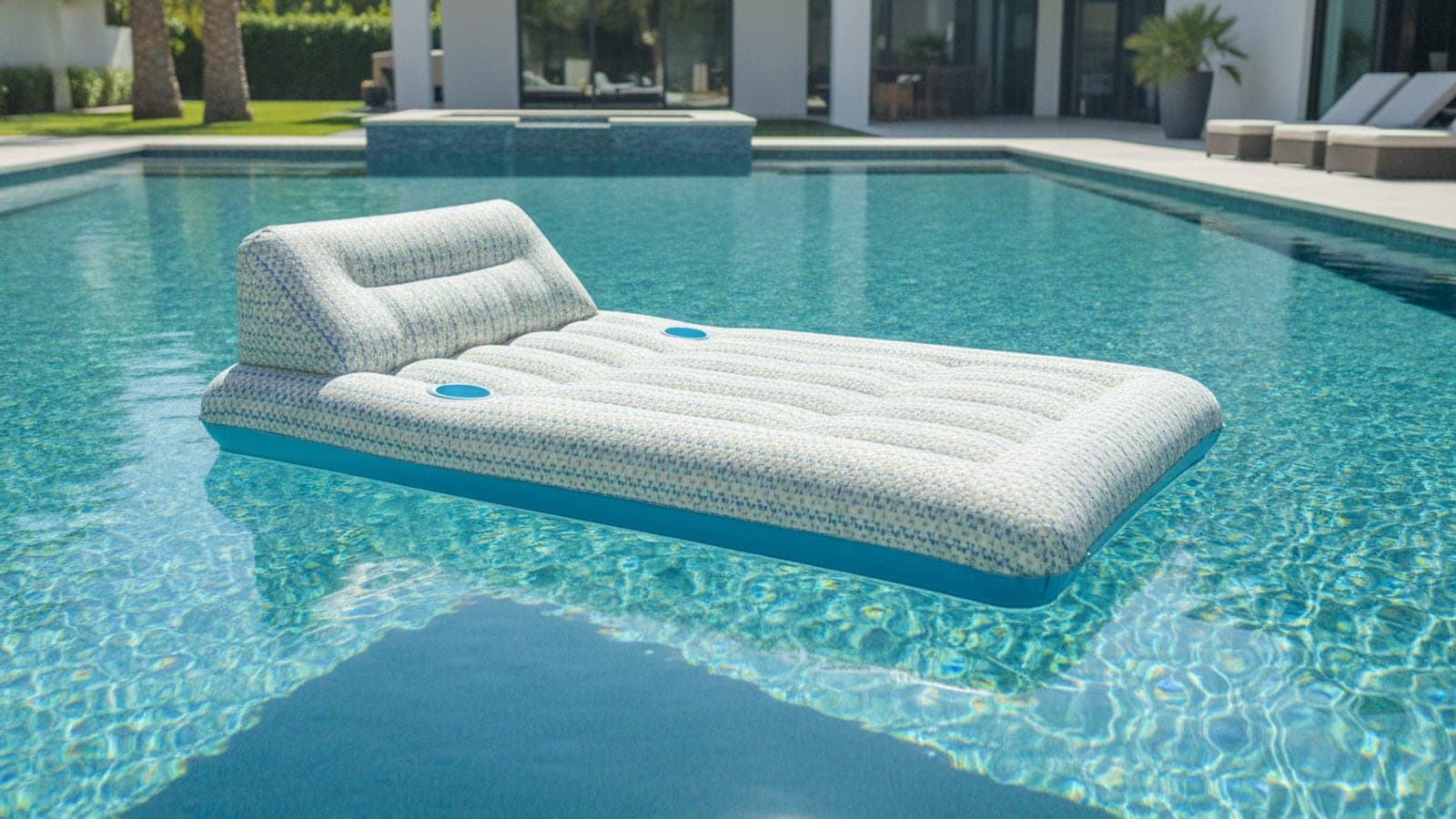
Inflatable loungerBudget, fun shapes, easy seasonal storagePunctures, leaks, more setup
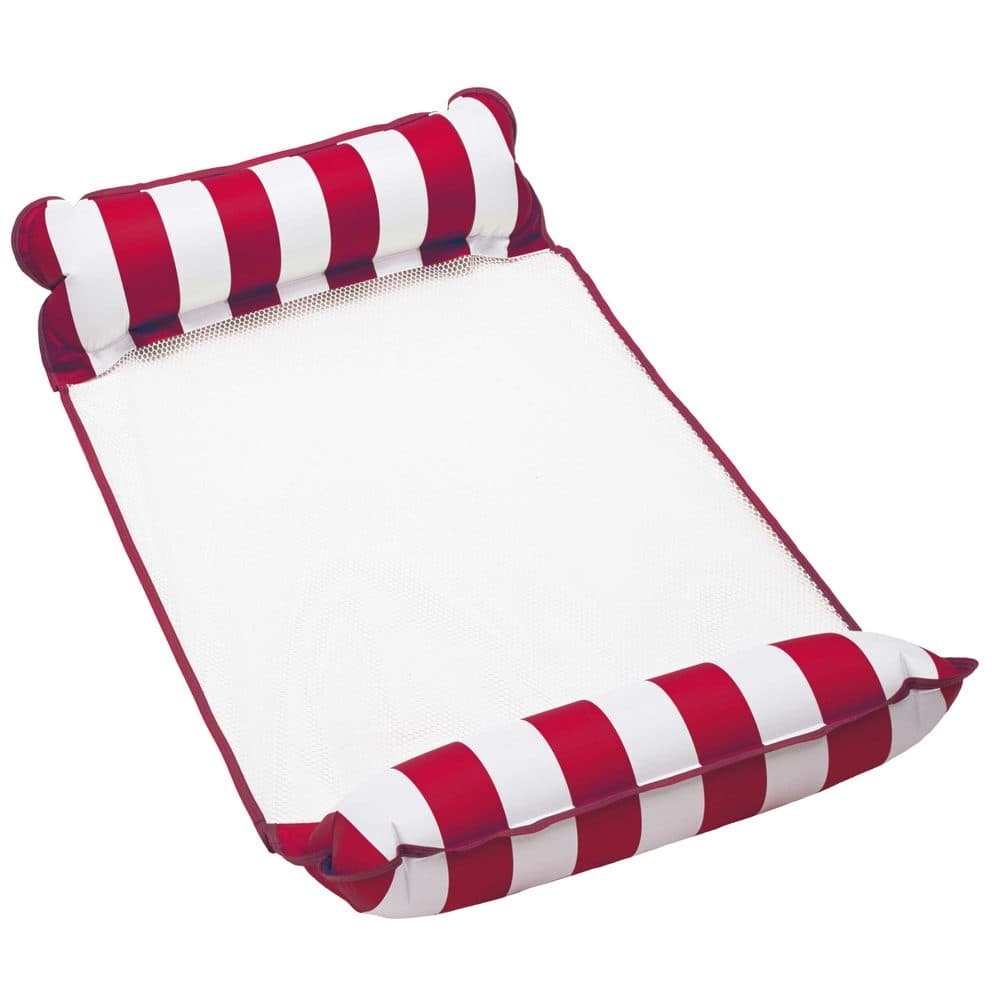
Mesh hammockCooling off while partly submergedLess support, can be awkward to enter
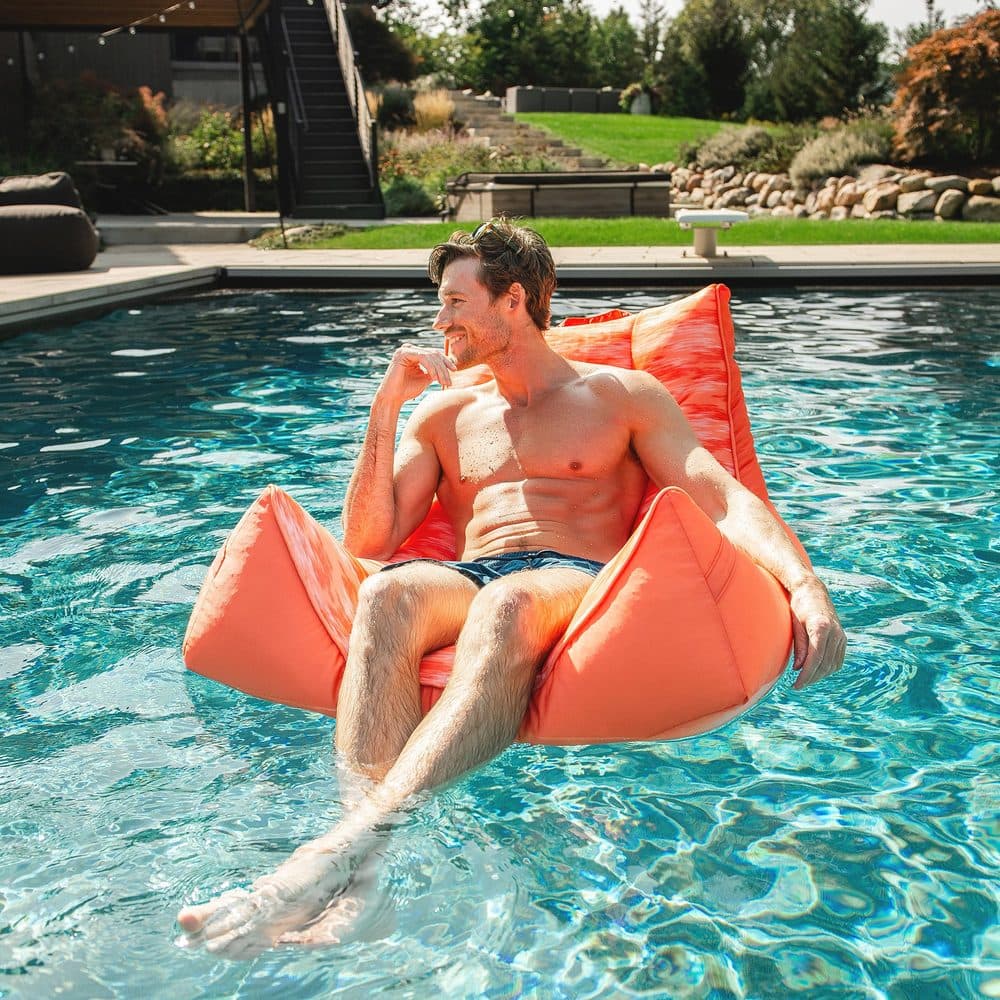
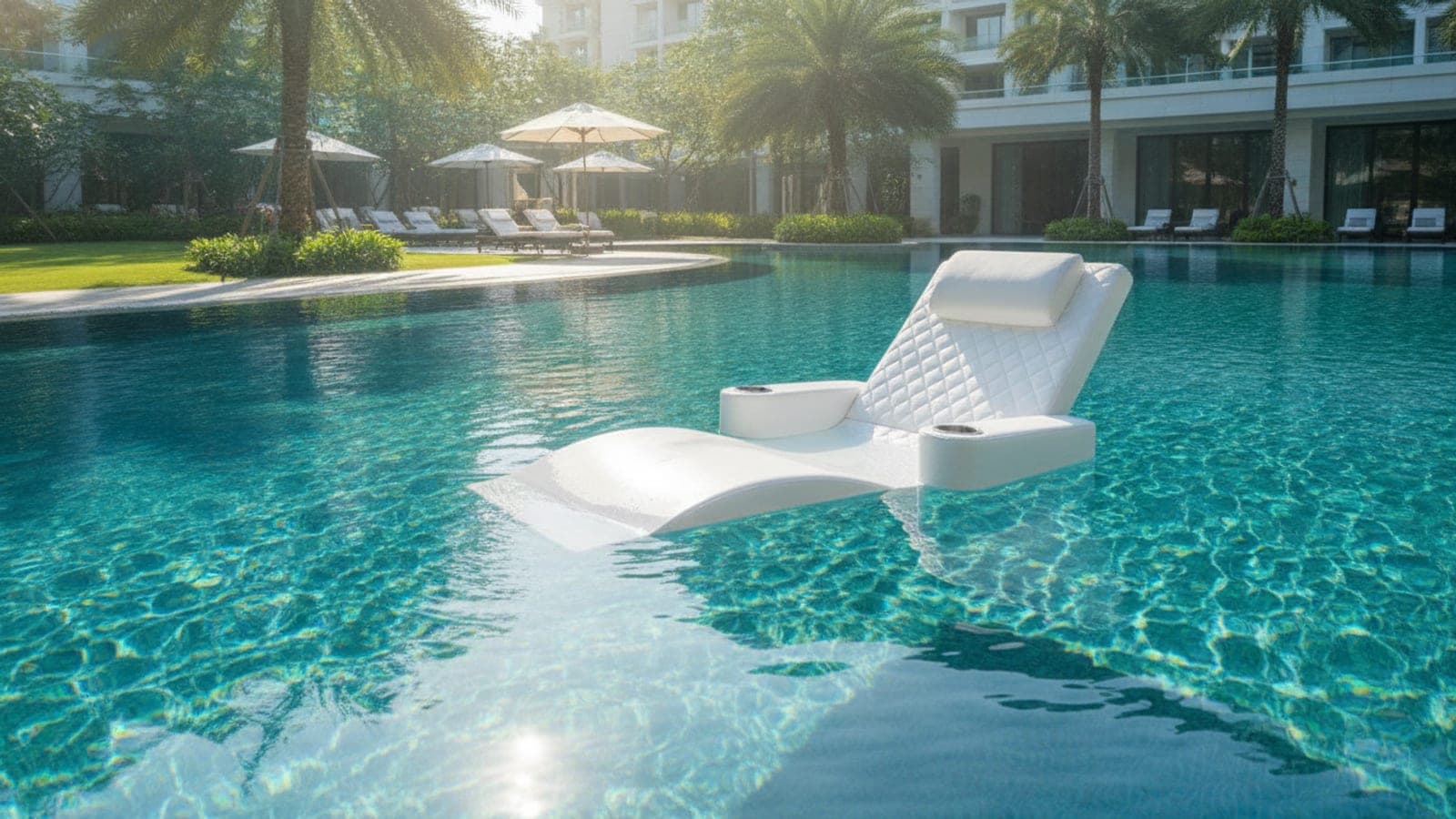
Pool chair floatSitting upright, reading, talkingCan tip if poorly designed
Noodle-style slingCheap, simple, quick useLess full-body support
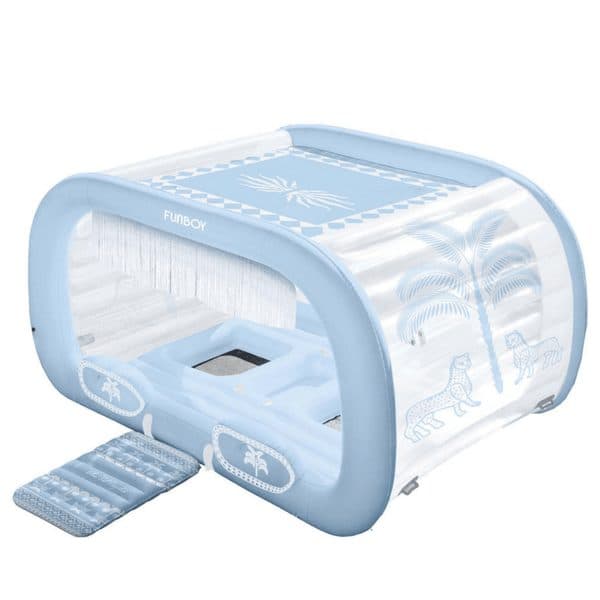
Floating islandGroups, kids, lake-style loungingToo large for many home pools

For most adults, the sweet spot is either a quality foam float or a stable inflatable lounger with a real weight rating and repair patch. Mesh hammocks are nice in hot weather because you stay partly in the water instead of roasting on top like a tortilla.

If you mostly read or chat, look at pool chair floats. If you want to fully stretch out, compare foam mats and inflatable loungers.

Are foam pool floats worth the money?

Foam pool floats can be worth it if you use the pool often and hate dealing with leaks. They cost more upfront, but they avoid the whole “why is this flatter than yesterday?” conversation.

Foam float strengths:

  • No inflation
  • No valve leaks
  • Usually better durability
  • Often better body support
  • Easy to rinse
  • Good for frequent use

Foam float weaknesses:

  • Higher upfront cost
  • Bulky storage
  • Can fade or crack if abused
  • Can be heavy when large
  • Not as easy to pack away

A foam float is the sensible adult choice if you have storage. The problem is storage. A big foam mat needs a place to dry and live. If you toss it behind a shed, leave it in the sun, or let it sit in wet grass, it will age like milk.

A wall rack, deck box, or covered storage spot can make foam floats much easier to own. This is one of those boring accessories that matters more than another cup holder.

Are inflatable pool floats still worth buying?

Inflatable floats are still worth buying when you want lower cost, fun designs, easy off-season storage, or occasional use. They are not the best choice if you want maximum durability and zero fuss.

Inflatables are great for:

  • Guests
  • Seasonal use
  • Small storage spaces
  • Lower budgets
  • Parties
  • Trying different styles

They are weaker for:

  • Daily use
  • Rough surfaces
  • Pets with claws
  • Kids using them as landing pads
  • Long-term durability
  • People who despise inflating things

The better inflatables have thicker material, reliable valves, included repair patches, and shapes that do not fold in half under adult weight. The cheap ones may still be fun. Just do not be shocked when one starts sighing air by August.

If you buy inflatables, buy a small air pump and a patch kit. Lung-powered inflation is how people accidentally turn pool relaxation into a cardio event.

What features actually matter?

The features that matter are support, stability, durability, entry, storage, and whether the float fits your pool. Decorative features come after that.

Useful features:

FeatureWhy it matters
Weight ratingPrevents under-supported floating sadness
Wide baseReduces tipping
HeadrestHelps if you lounge for more than five minutes
Mesh centerKeeps you cooler in hot climates
Strong seamsReduces leaks and early failure
Quality valvesMakes inflation less annoying
Repair patchSaves a float from tiny punctures
Tether pointKeeps floats from drifting into skimmers or returns
Easy-drain shapeHelps the float dry before storage

Cup holders are fine. They are just not the main event. A cup holder on an unstable float is basically a beverage catapult.

Also check dimensions. Some floats look huge online but feel narrow in use. Others are so large they turn a normal backyard pool into an obstacle course. Measure your pool steps, shallow end, and storage spot before you buy the floating couch of your dreams.

What should bigger adults check before buying?

Bigger adults should check the stated weight rating, width, material thickness, and float style before buying. Comfort and stability matter more than the product photo.

Do not rely only on the phrase “adult size.” That can mean anything from “comfortable adult lounger” to “technically not a toddler float.”

Check:

  • Published weight capacity
  • Overall width
  • Usable body length
  • Number of air chambers on inflatables
  • Seam strength
  • Foam thickness
  • Entry style
  • Reviews mentioning adult support
  • Return policy

A thicker foam mat or wide inflatable lounger is usually better than a narrow novelty float. Mesh hammocks can be comfortable, but some sit low in the water and may not provide the support you want.

If the product does not list dimensions or weight capacity, skip it unless returns are easy. Mystery specs are not cute when you are trying to relax.

What pool floats should you avoid?

Avoid pool floats with unclear weight ratings, fragile seams, tiny valves, poor reviews about leaks, or shapes that look funny but make no sense in water. The best-looking float is not always the one you will keep.

Be careful with:

  • Giant novelty floats in small pools
  • Floats with no listed capacity
  • Thin inflatables with many leak complaints
  • Floats that block the pool steps
  • Dark surfaces that get hot in direct sun
  • Floats that are hard to climb onto
  • Floats with rough seams
  • Floats marketed like safety equipment

The safety point matters. CDC drowning prevention guidance says not to rely on air-filled or foam toys as safety devices. That includes floats, noodles, and similar toys.

A float can help someone lounge. It should not be treated like supervision, a life jacket, or a rescue device.

How do floats affect pool cleaning?

Pool floats affect cleaning by trapping debris, blocking skimmers, hiding pollen, and making it easier to ignore what is happening under the water. A pool full of floats can look fun and still make maintenance worse.

Common float problems:

  • Leaves collect around them
  • Bugs hide under them
  • Skimmers get blocked
  • Covers become harder to use
  • Sunlight is blocked unevenly
  • Water circulation gets weird in small pools
  • Floats left in the water get slimy

A simple routine helps:

  1. Pull floats out after use.
  2. Rinse sunscreen and pool water off when needed.
  3. Let them dry.
  4. Store them out of direct sun when possible.
  5. Skim the pool after heavy use.
  6. Check the skimmer basket.
  7. Test water after parties or heavy sunscreen use.

Use the pool maintenance schedule generator if your pool tends to become a floating furniture showroom by Saturday.

What should you buy with pool floats?

The best pool float accessories are the things that keep the floats inflated, patched, dry, and out of the way. This is not exciting. It is also why your backyard does not look like a yard sale in July.

Helpful add-ons:

Add-onWhy it helps
Air pumpSaves time and breath
Patch kitFixes small punctures before the float dies
Storage rackKeeps foam floats from baking on the deck
Deck boxStores inflatables, pumps, patches, and towels
Float hooksKeeps mats off the ground
Skimmer netHandles the leaves that floats trap
Test kitHeavy use changes water demand
Floating thermometerUseful if lounging comfort matters

This article should not push a single miracle float. It should show product cards by type so readers can choose the best fit for their pool and storage.

How should this page handle affiliate recommendations?

Affiliate recommendations should be grouped by use case, not dumped into one giant list. People shopping for floats usually know how they want to relax. Help them get there faster.

Recommended product groups:

  • Best foam float for frequent use
  • Best inflatable lounger for adults
  • Best mesh hammock for hot weather
  • Best pool chair float
  • Best budget float
  • Best float for small pools
  • Best storage accessory
  • Best repair/inflation kit

Each product card should include:

  • Weight rating
  • Dimensions
  • Material
  • Storage notes
  • Best use
  • Main drawback
  • Amazon CTA
  • Specialty/retailer CTA if available
  • Clear affiliate disclosure

Do not rank products only by commission. Rank by fit. The fastest way to lose trust is recommending a huge float to someone with a tiny above-ground pool and no storage.

What is the practical answer?

The best pool float is the one that fits your body, your pool, your storage, and your patience. Foam is usually better for frequent adult lounging. Inflatable is usually better for budget, guests, and easy storage. Mesh is great when you want to stay cool. Chair floats are best when you want to sit upright instead of drift like patio furniture.

Start with these questions:

  • Do you want to lie flat or sit up?
  • Do you have storage space?
  • Do you need a higher weight rating?
  • Do you want durability or low cost?
  • Will the float fit your pool?
  • Will you actually pull it out and dry it?

Then buy the boring accessories: pump, patch kit, storage, and skimmer net.

That is how pool floats stay fun instead of becoming another wet object you trip over.

Frequently asked questions

What type of pool float is best for adults?

For most adults, the best pool float is stable, comfortable, easy to get on, rated for the user’s weight, and simple to store. Foam floats are usually more durable, while inflatables are cheaper and easier to pack away.

Are foam pool floats better than inflatable floats?

Foam floats usually last longer and do not need inflation, but they cost more and take up more storage space. Inflatable floats are more affordable and compact, but punctures, valve leaks, and slow deflation are common tradeoffs.

Can pool floats be used as safety devices?

No. Pool floats, noodles, air mattresses, and foam toys are not safety devices. Use proper supervision and approved life jackets where needed.

What should I check before buying a pool float?

Check weight rating, dimensions, material thickness, seams, cup holders, head support, storage needs, repair options, and whether the float fits your pool without blocking steps or skimmers.

How many pool floats should I keep?

Keep only the floats you can store and dry properly. Too many floats can clutter the pool, block skimmers, trap debris, and make cleaning more annoying.
The weekly skim

One short email a week: what to test, what to buy, and what to skip. No daily drip. Unsubscribe anytime.

Keep reading