
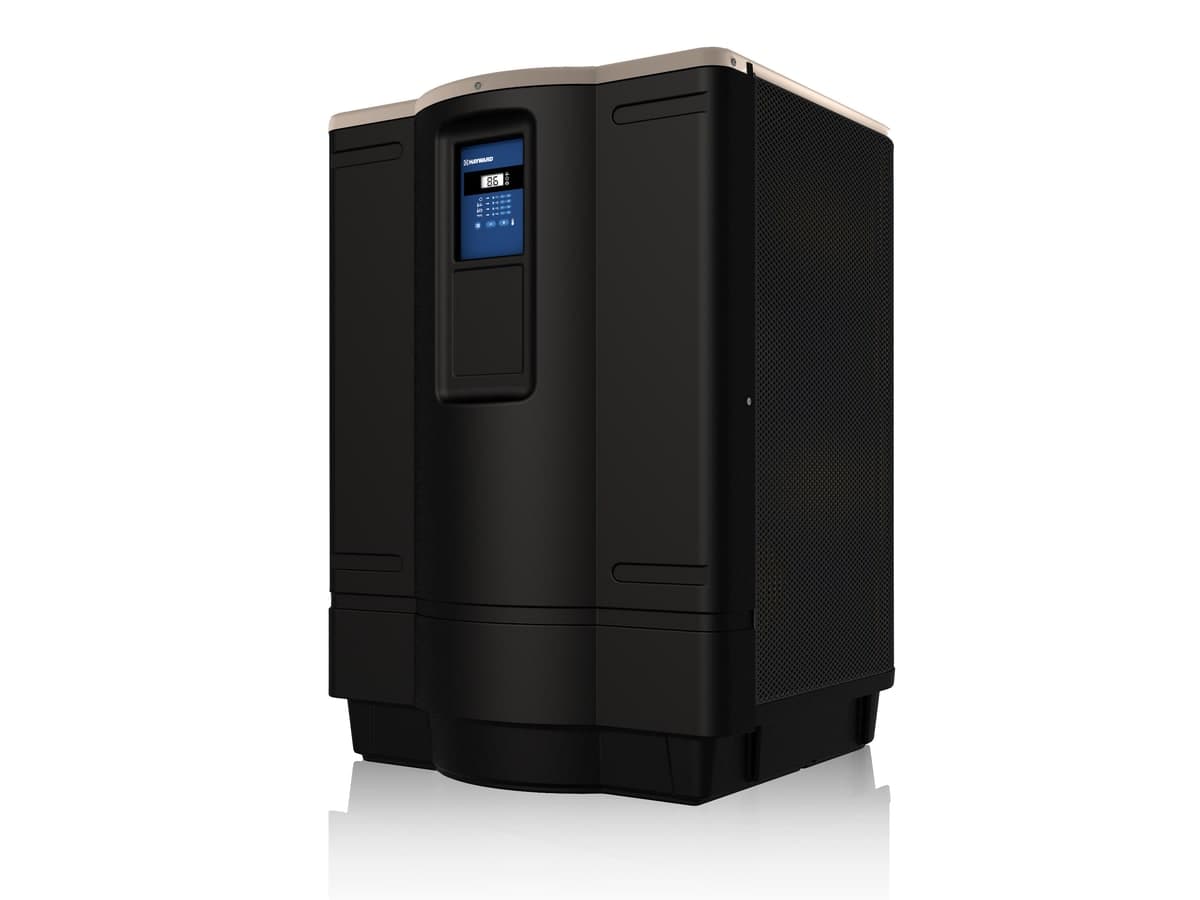
Hayward
Hayward HeatPro 90,000 BTU Heat Pump
Best overall heat pump
Hayward's mainstream heat pump — a durable, titanium-core workhorse that heats mid-size in-ground pools efficiently and quietly.
Gas heaters and electric heat pumps that extend your swim season. We compare heating output (BTU), running cost, efficiency (COP), and how each is sized to real pools — not marketing gallons.
Hayward
Best overall heat pump
Hayward's mainstream heat pump — a durable, titanium-core workhorse that heats mid-size in-ground pools efficiently and quietly.
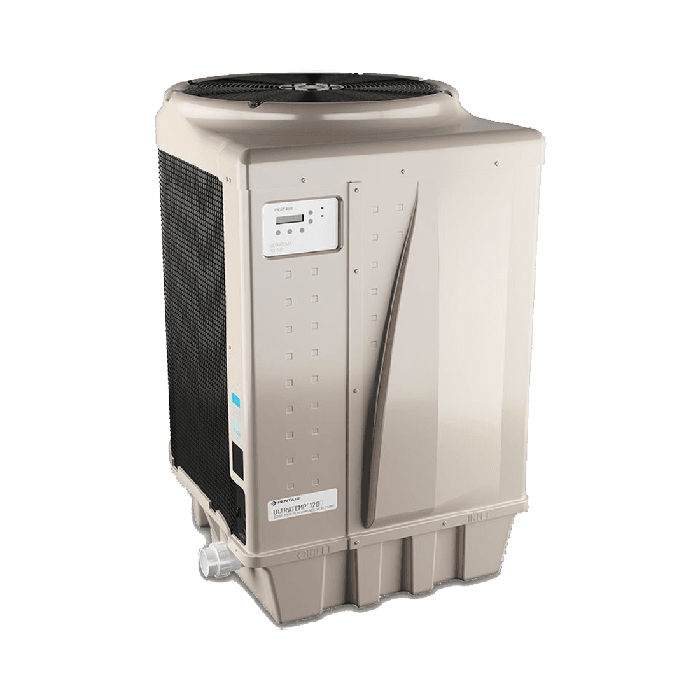
Pentair
Premium pick
Pentair's flagship heat pump — premium build, very quiet, titanium exchanger, and easy integration with Pentair automation.
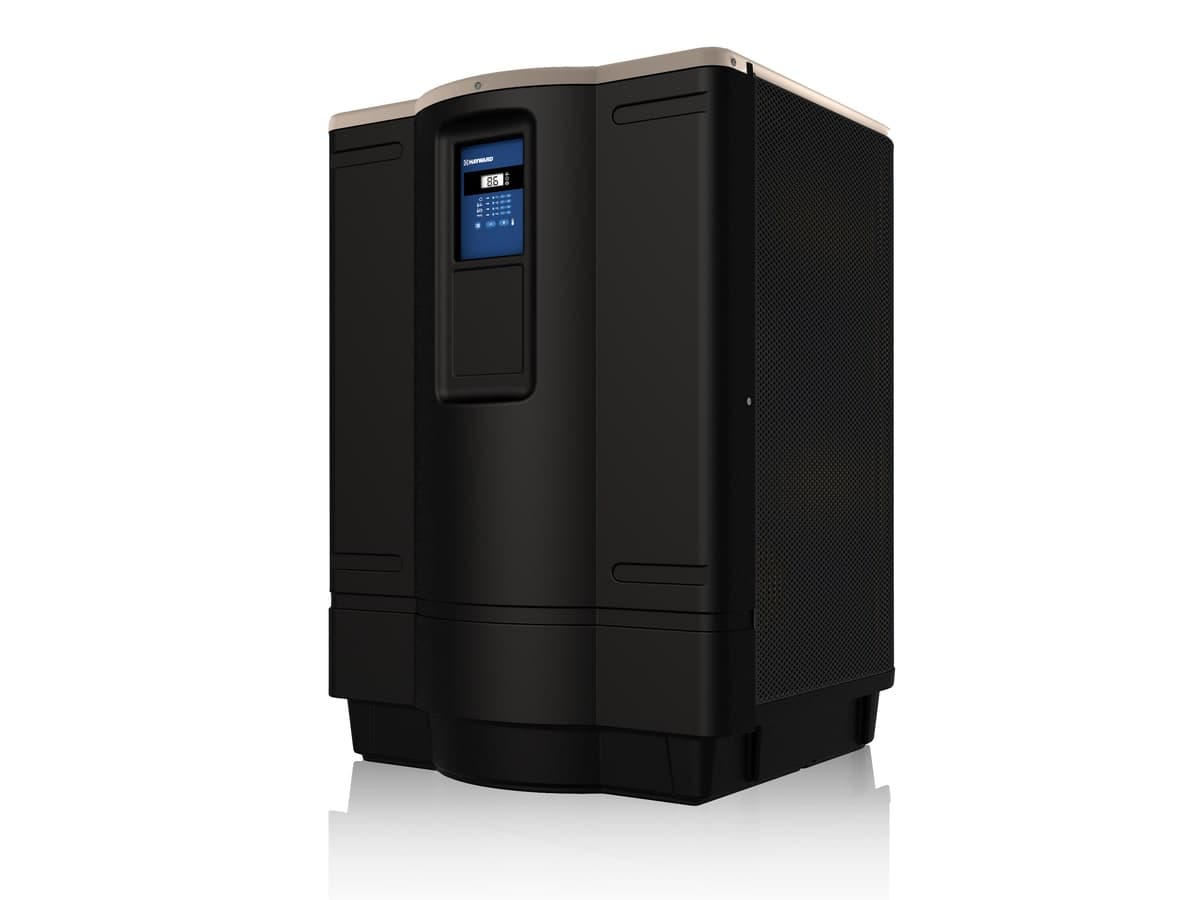
Hayward
Best for large pools
The big-output HeatPro — same titanium durability, more BTUs to heat larger in-ground pools faster.
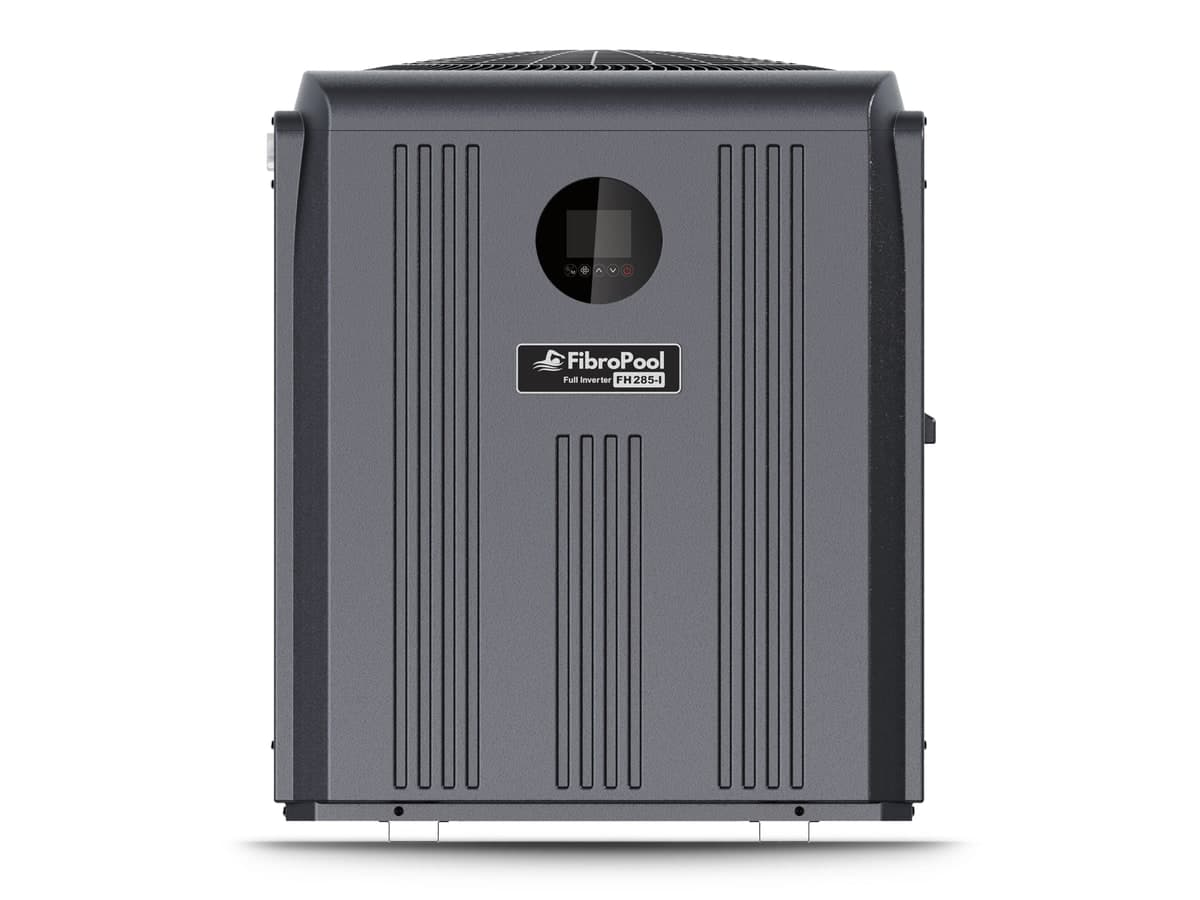
FibroPool
Best inverter value
An inverter heat pump at a non-inverter price — variable output for quieter, steadier, more efficient heating with Wi-Fi control.
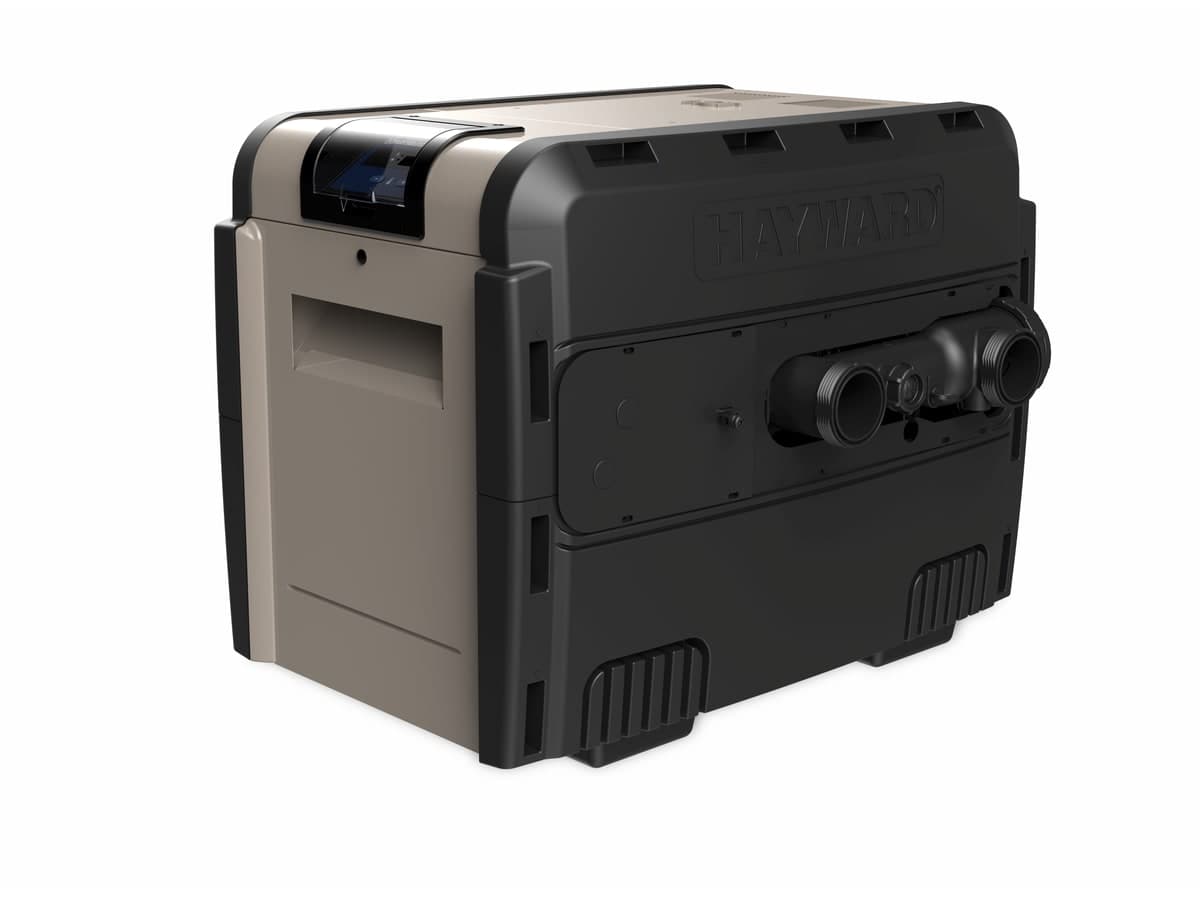
Hayward
Best gas heater
A do-anything gas heater — universal left/right connections, cupro-nickel exchanger, and low-NOx burners for reliable fast heat.
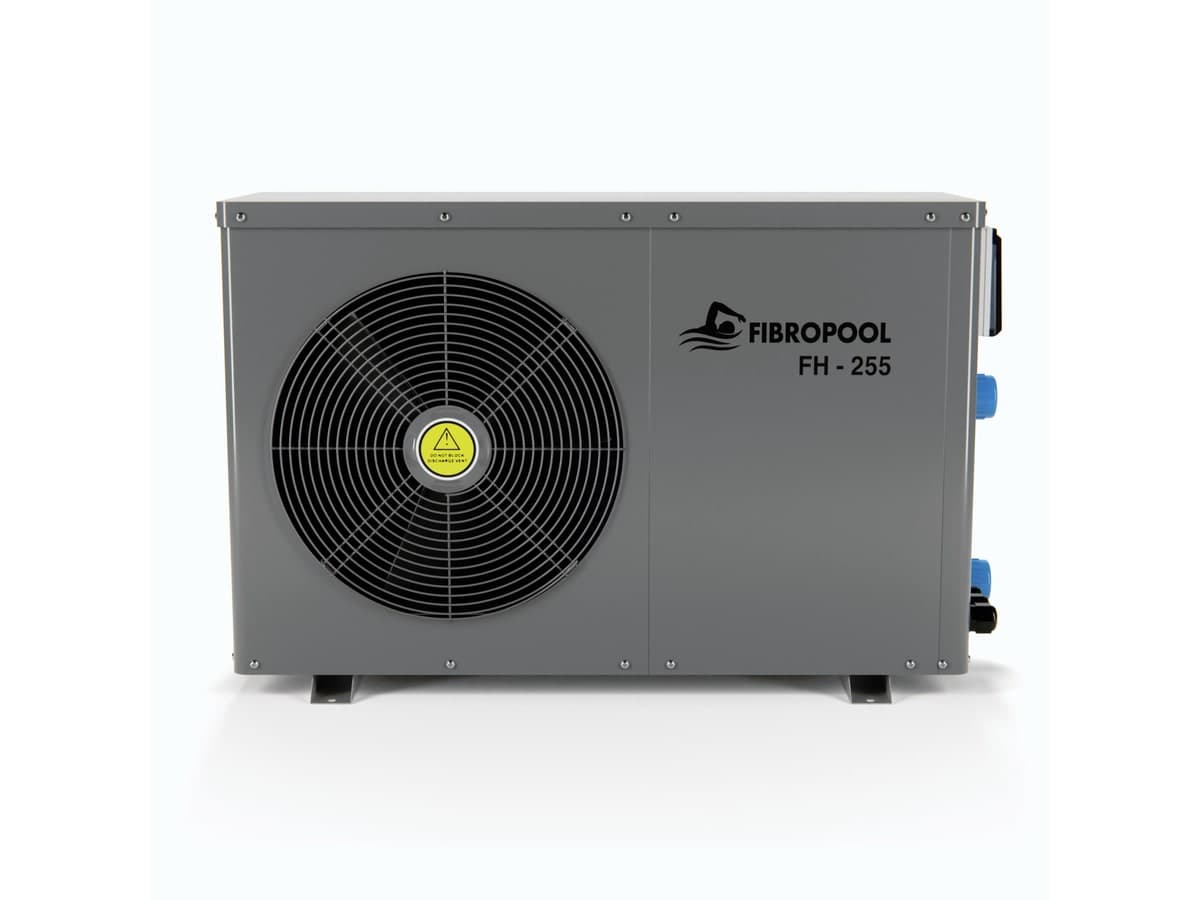
FibroPool
Best value heat pump
The value heat pump — strong efficiency (COP 5.92), titanium core, and a price that undercuts the big brands for small-to-mid pools.
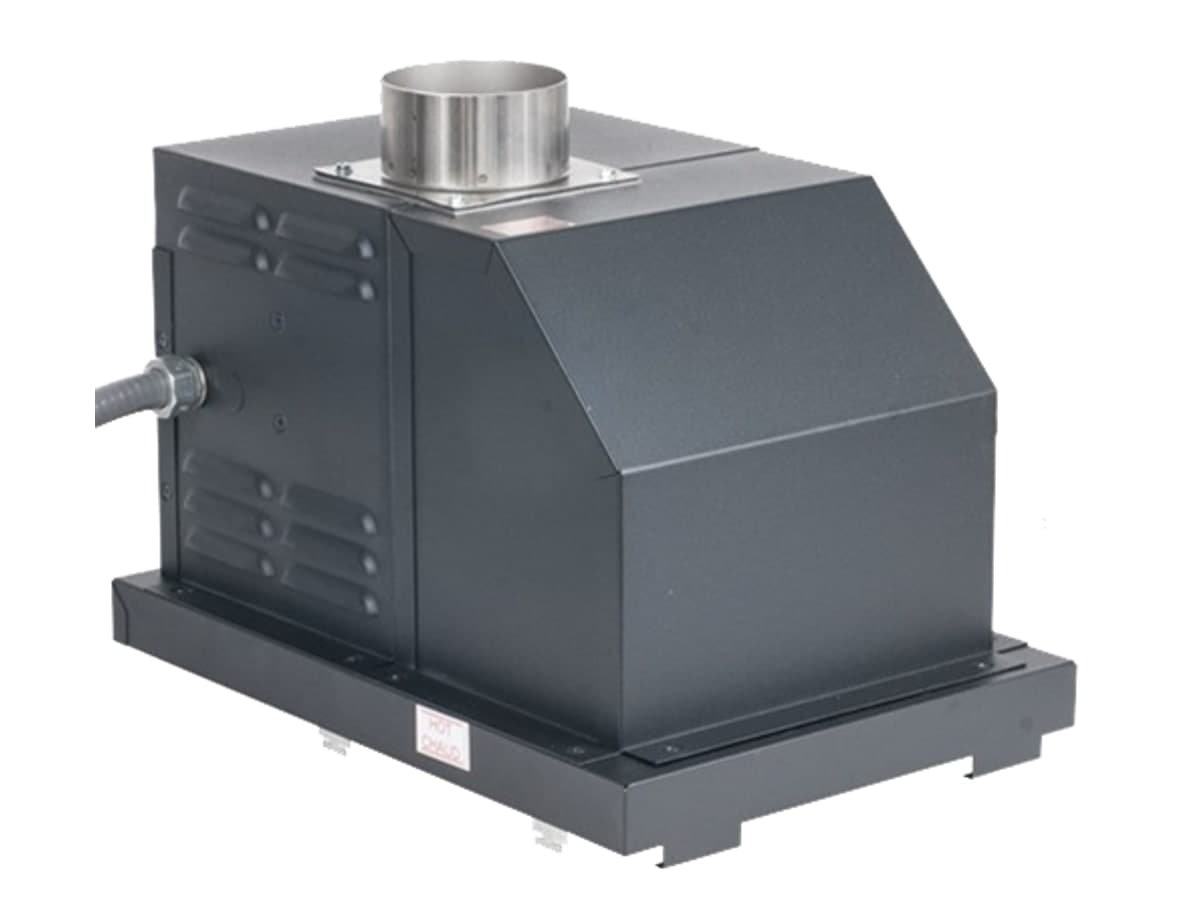
Raypak
Fastest heat / large pools
The big, fast gas heater — 266,000 BTU to bring large pools up to temperature quickly, with simple digital control.
Pentair
Best for spas / fast heat
A compact, fast gas heater — instant on-demand heat for small pools and spas, with low-NOx emissions and quiet operation.
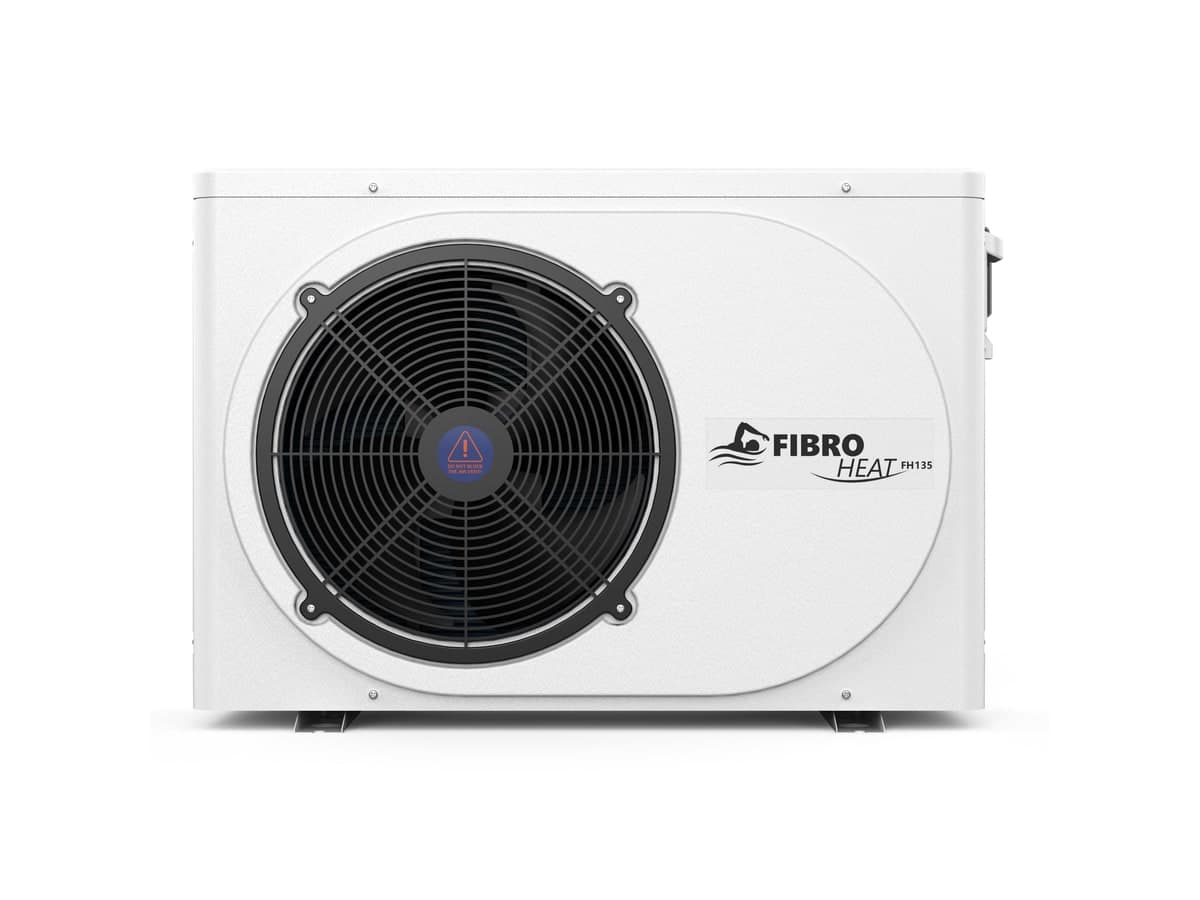
FibroPool
Best budget / plug-in
The 120V plug-in heat pump — no electrician required. The easiest way to add efficient heat to a small above-ground pool.
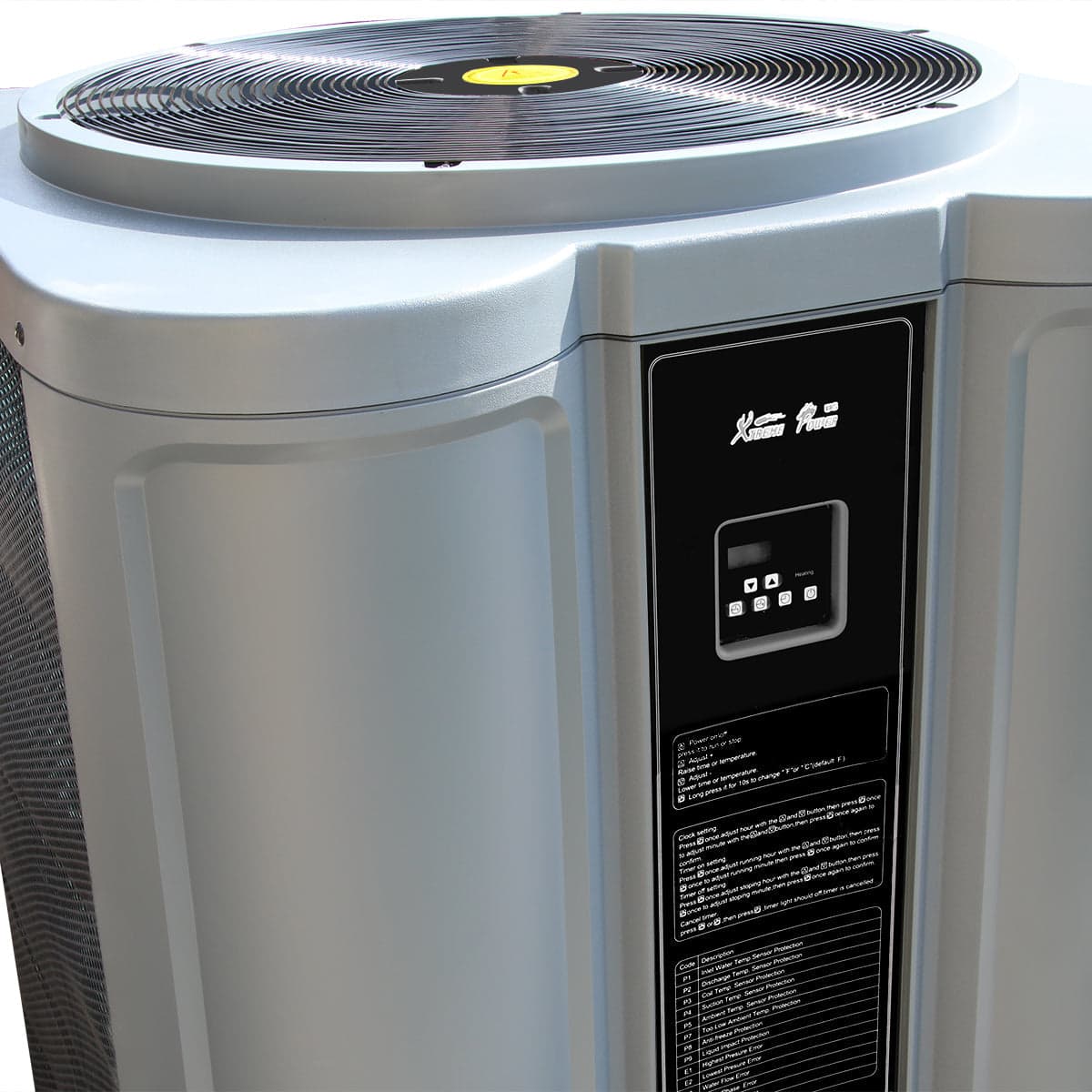
XtremepowerUS
Most output per dollar
A lot of BTUs for the money — a budget titanium heat pump that brings large-pool output to a value price.
Gas heaters warm water fast and work in any weather, but burn fuel every minute they run — best for spas and on-demand heating. Air-source heat pumps cost a fraction to run once the water's warm, but heat slowly and lose output in cold air. Most season-long pool owners pick a heat pump; spa and occasional users pick gas.
A heater's BTU rating has to overcome heat lost to air, wind, and evaporation — which depends on surface area and climate far more than gallons alone. Undersize it and you'll never reach temperature on a cool, windy day. Use a sizing calculator as a starting point, then confirm against the manufacturer's chart.
For heat pumps, the Coefficient of Performance (COP) is heat produced per unit of electricity — higher is cheaper to run, and figures of 5–6 are common. COP is measured under specific conditions, so treat published numbers as a best case that drops as the air gets colder.
Most of a pool’s heat escapes overnight through evaporation. A solar cover holds that heat, so whichever heater you buy works less and costs less to run. Budget for one alongside the heater — it changes the math.
A heat pump, usually by a wide margin, because it moves heat from the air instead of burning fuel. The tradeoffs are slower heating and reduced output in cold weather. Gas wins on speed and cold-weather reliability, not running cost.
It depends on your pool's surface area, your climate and wind, your target temperature, and whether you use a cover — not just gallons. Start with a heater-size calculator, then verify against the manufacturer's sizing chart before buying.
Gas heaters require a correctly sized gas line, venting, and clearances and should be professionally installed. Most 240V heat pumps need a dedicated circuit and professional placement. The exception is small 120V plug-in heat pumps, which an above-ground owner can often set up without an electrician.
Their output falls as the air gets colder, so they're best for maintaining temperature through the swim season rather than heating from cold in early spring. In cold climates or for on-demand heat, gas is more dependable.