
Taylor
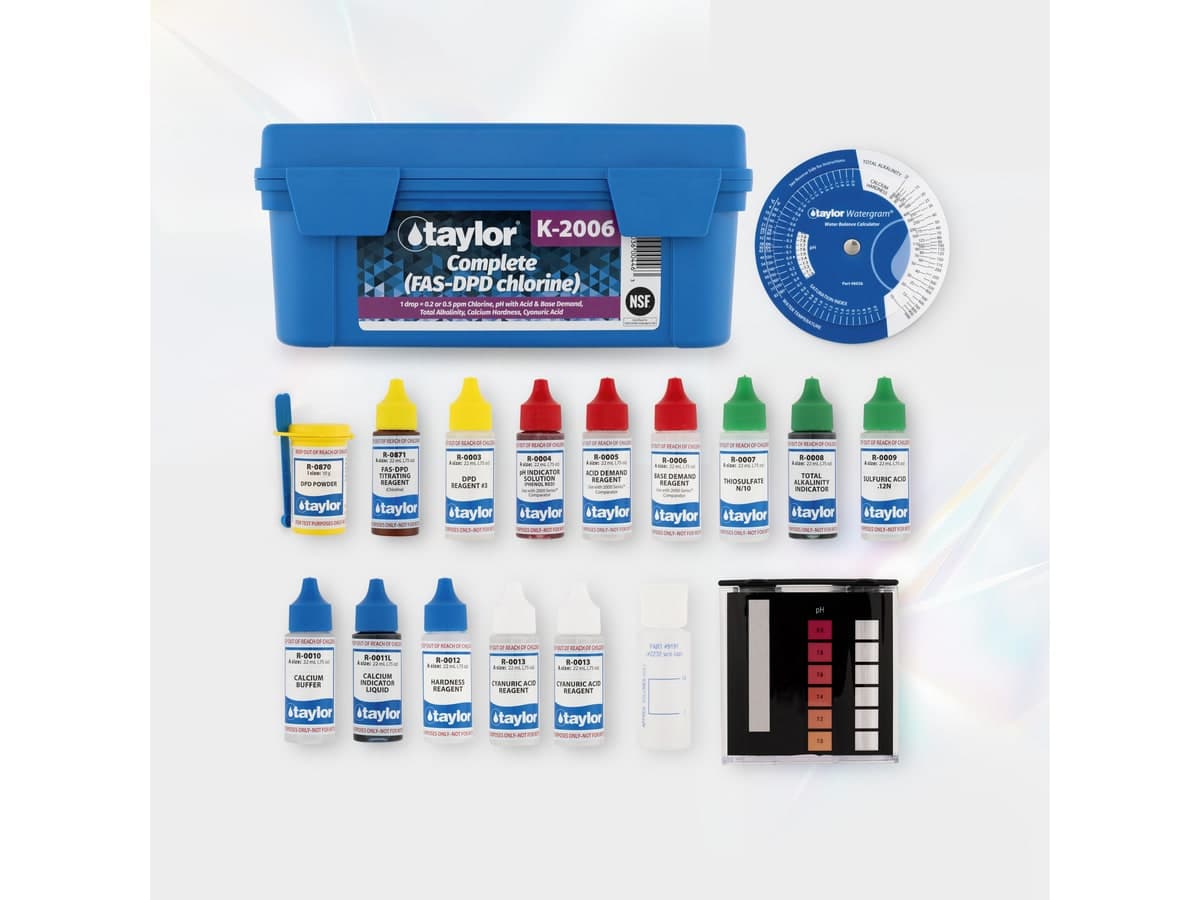
Taylor K-2006 Complete Test Kit (FAS-DPD)
Best test kit, period
The drop-based test kit that pool professionals and serious owners standardize on — precise chlorine readings that strips can't match.
Chemicals, test kits, and care essentials that keep water safe and clear. We compare active ingredients, real coverage per dollar, and compatibility with different pool types.
Taylor
Best test kit, period
The drop-based test kit that pool professionals and serious owners standardize on — precise chlorine readings that strips can't match.
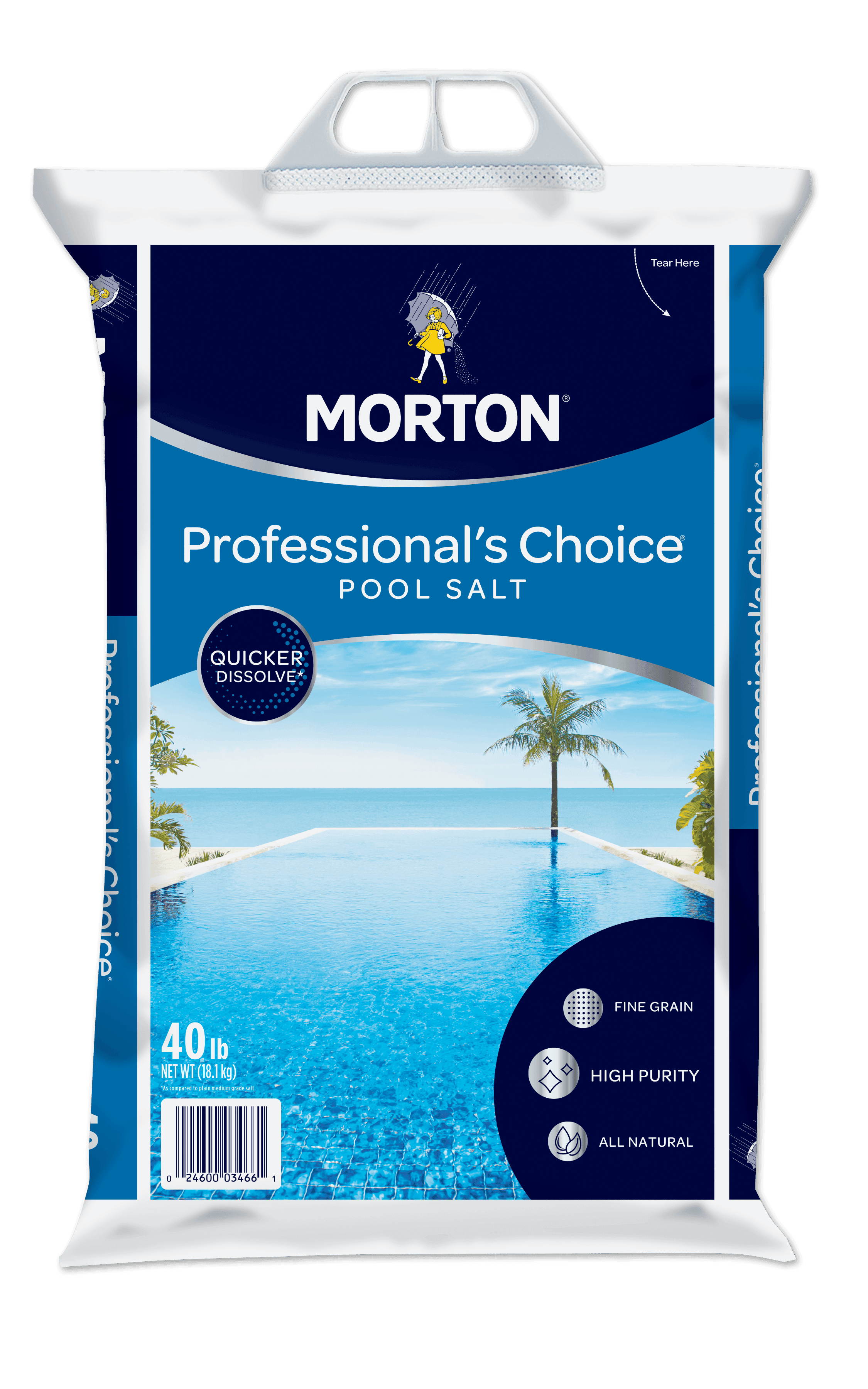
Morton
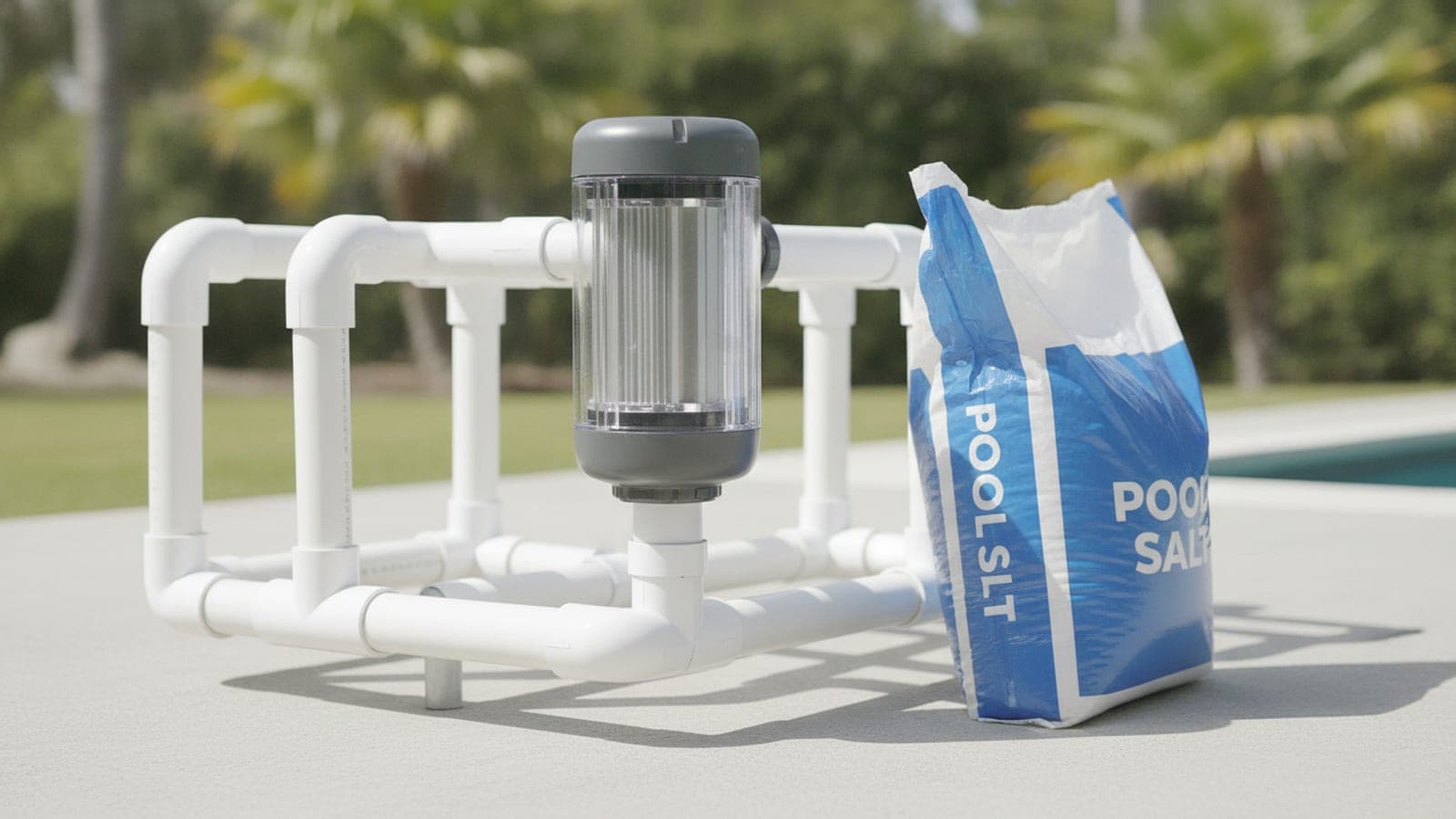
For salt systems
High-purity pool salt for salt chlorine generators — the raw material your salt system turns into chlorine.
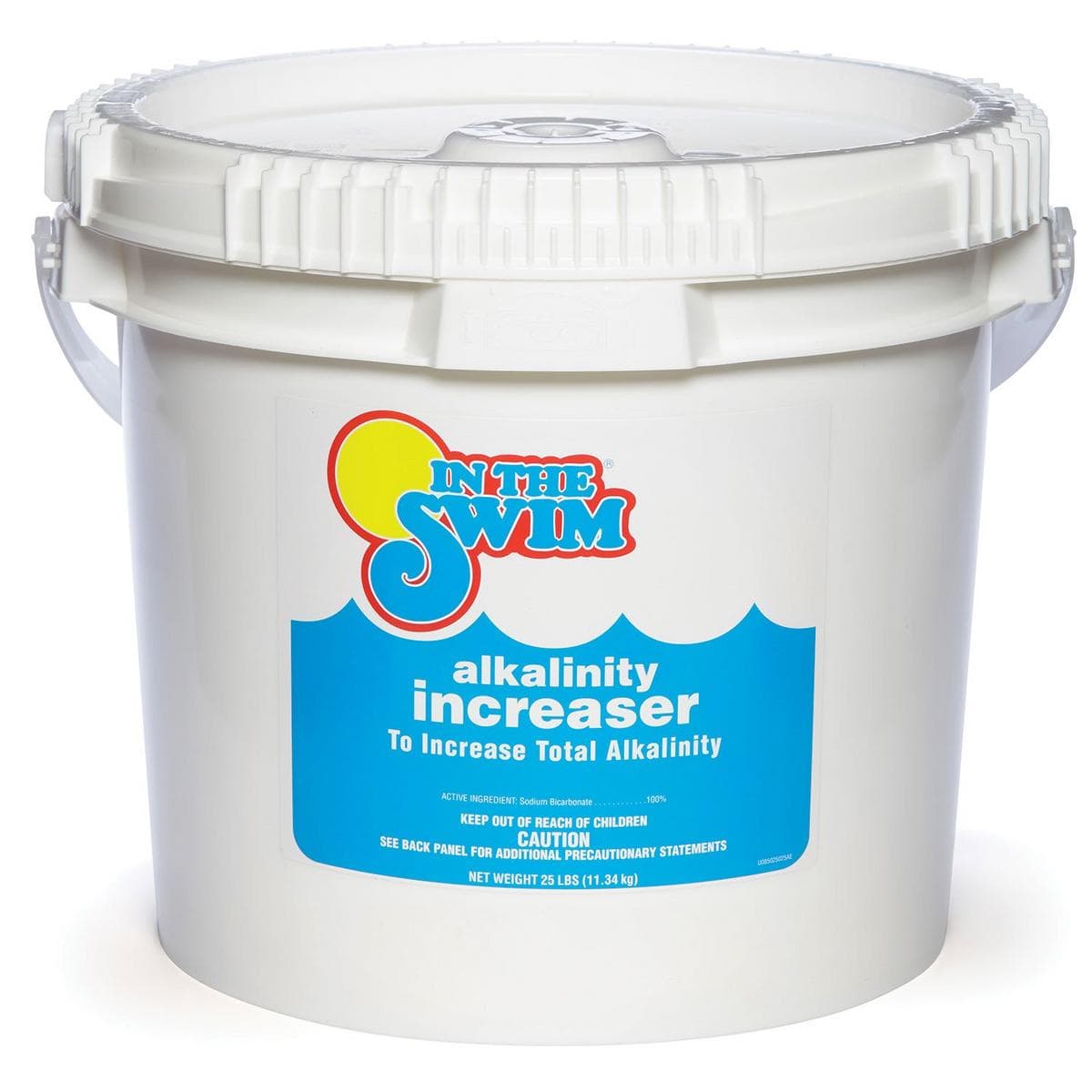
In The Swim
Raise alkalinity
Pure sodium bicarbonate to raise total alkalinity — the buffer that keeps your pH from bouncing around.
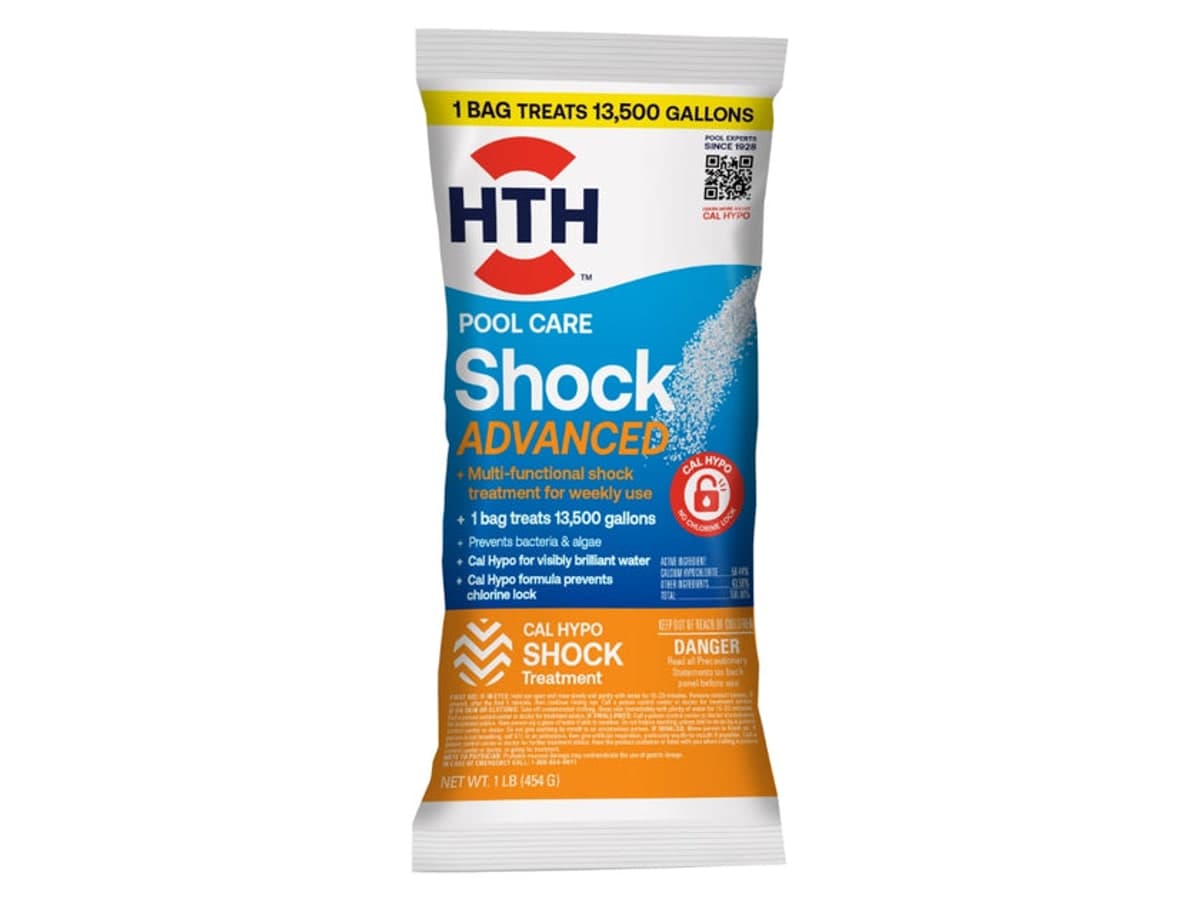
HTH
Best default shock
Widely available calcium hypochlorite shock that raises chlorine fast without adding cyanuric acid — the right default for most pools.
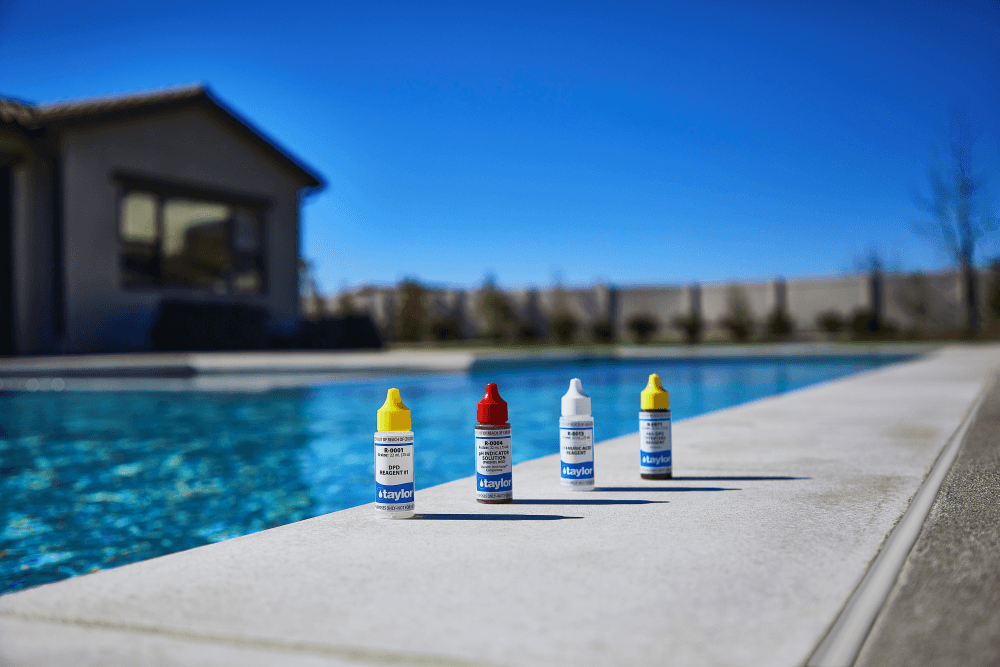
Taylor
Best kit refresh
Fresh reagents for your Taylor kit — because expired reagents read wrong, not just weak.
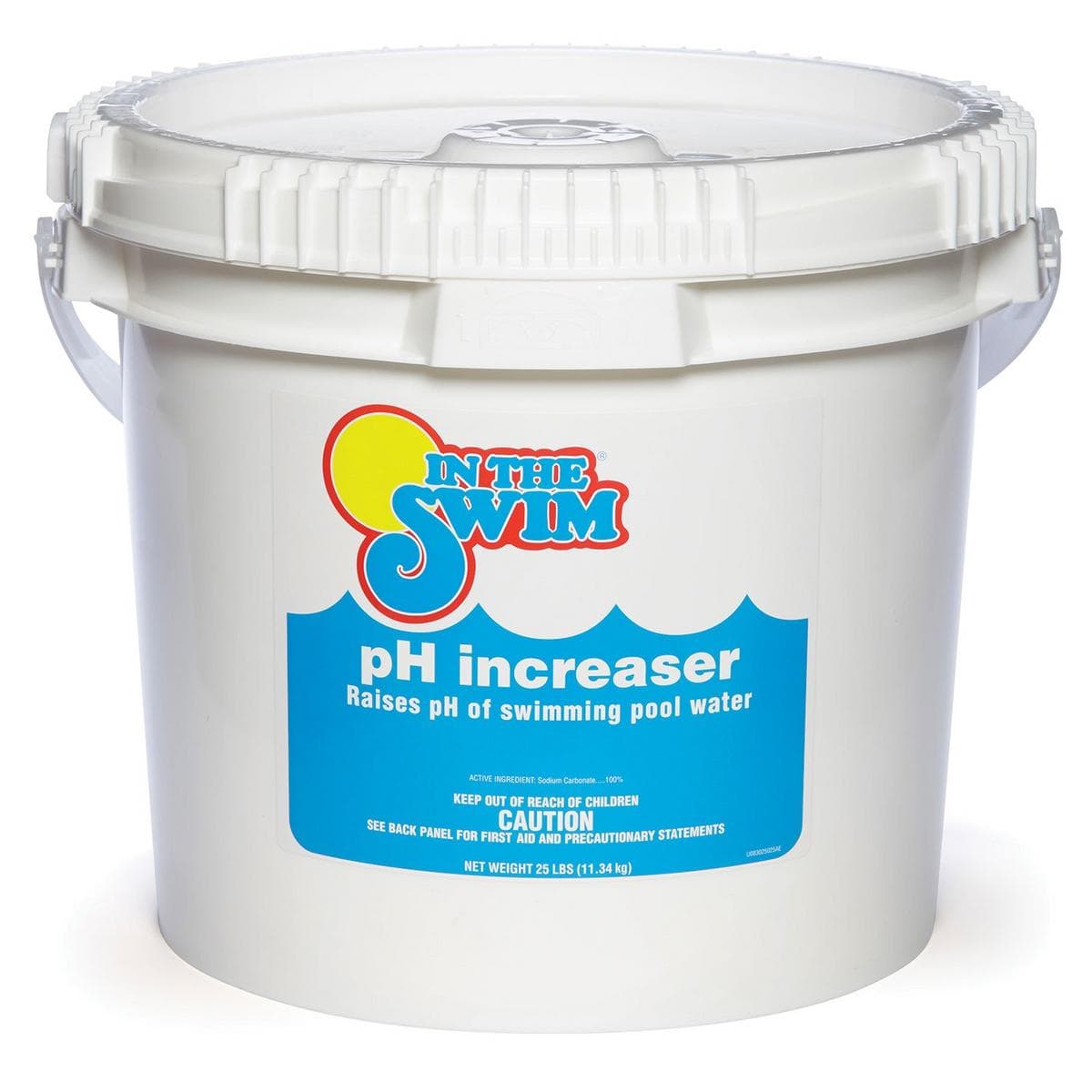
In The Swim
Raise pH
Granular soda ash to bring low pH back up — the fix when your water tests acidic and starts eating equipment and comfort.
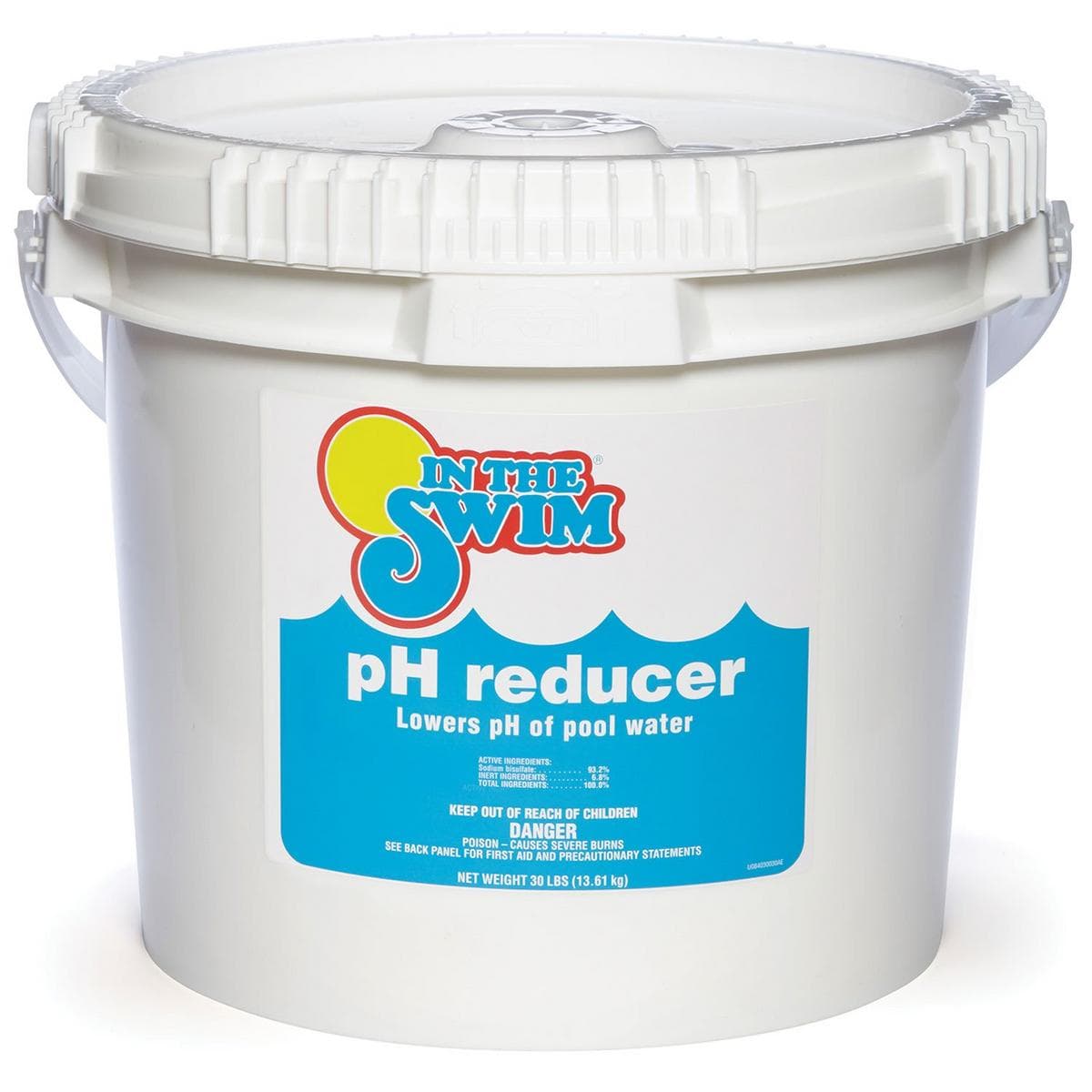
In The Swim
Lower pH
Dry acid granules to bring high pH and alkalinity down — safer to handle than liquid muriatic acid.
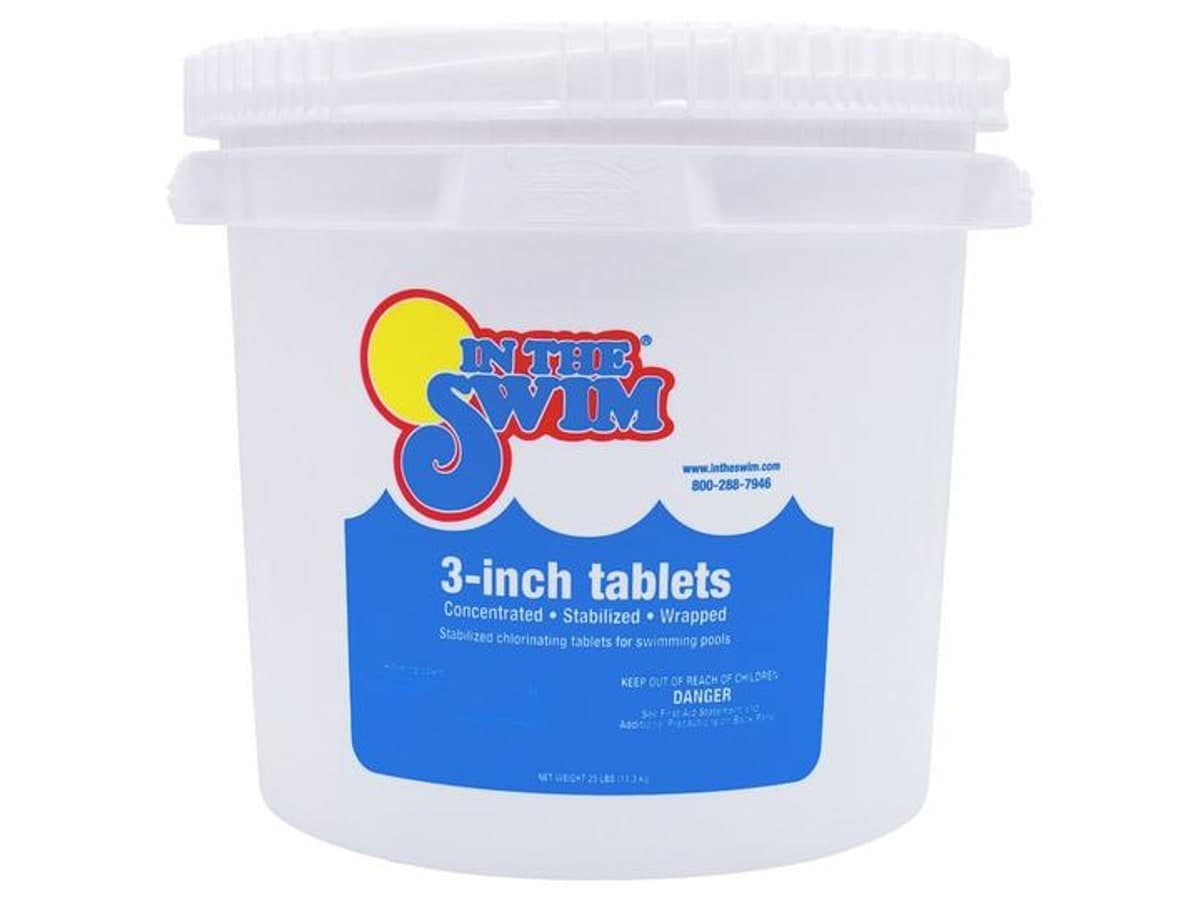
In The Swim
Best value chlorine tablets
Individually wrapped trichlor tablets from a specialty retailer that competes hard on per-pound price — the maintenance backbone for most residential pools.
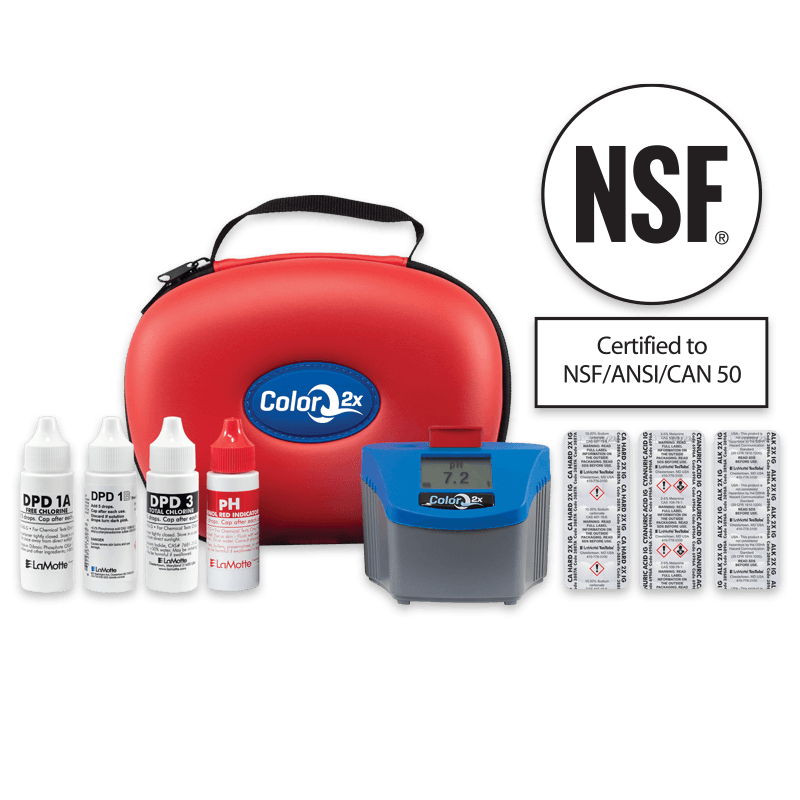
LaMotte
Best digital tester
A digital photometer that reads seven parameters and removes the color-matching guesswork from testing.
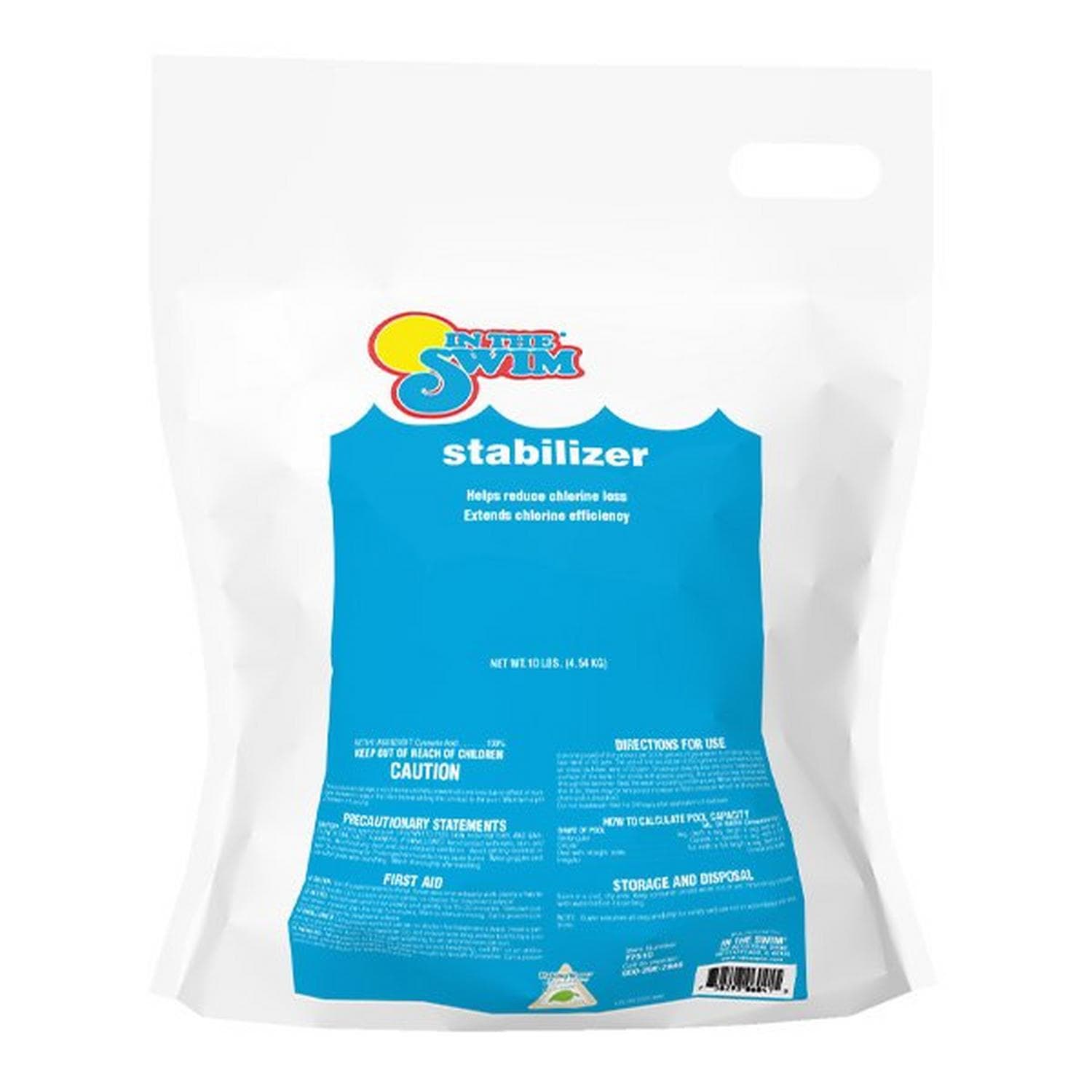
In The Swim
Protect chlorine (CYA)
Cyanuric acid that shields chlorine from sunlight — without it, the sun burns off your sanitizer in hours.
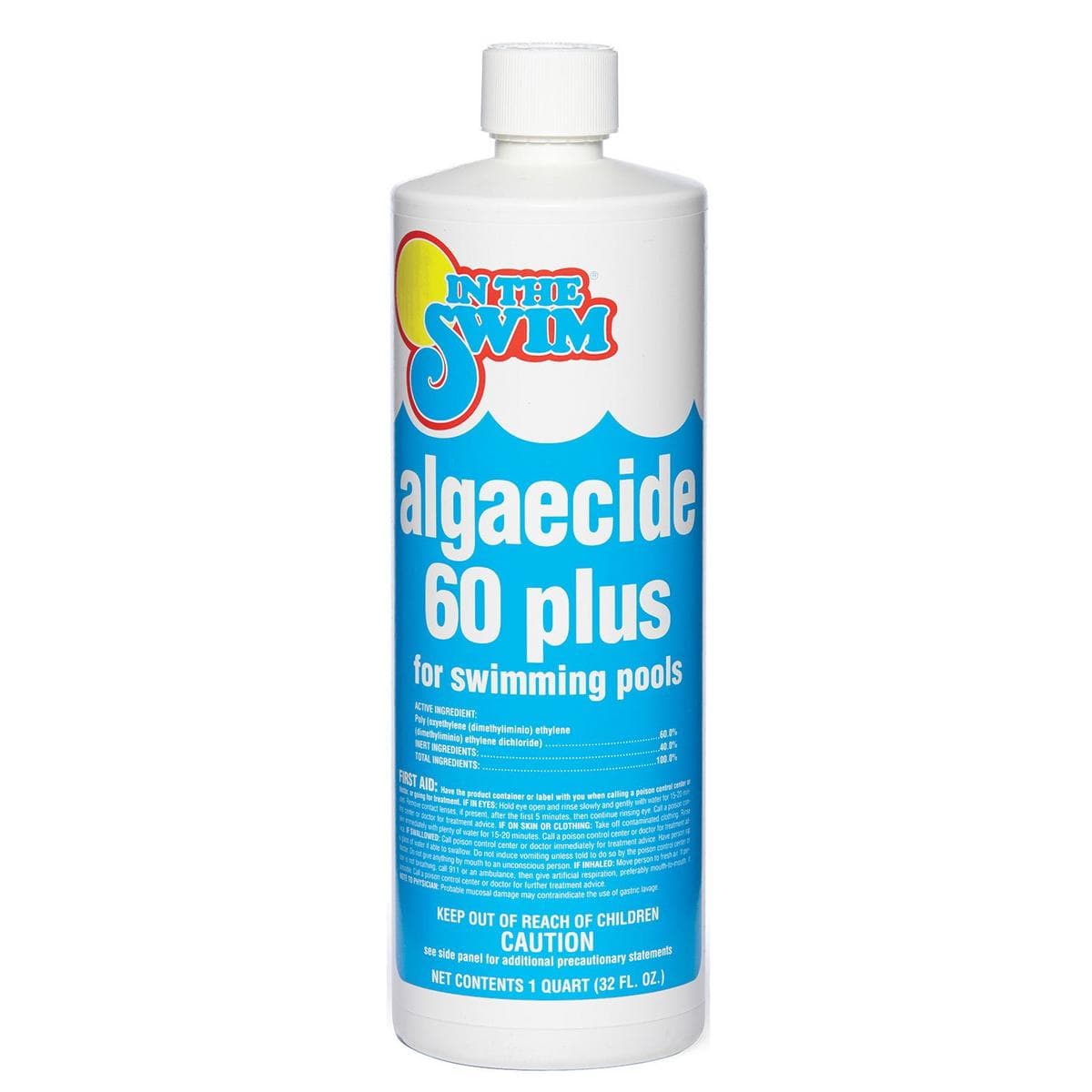
In The Swim
Prevent algae
A concentrated, non-metallic poly-quat algaecide that prevents algae blooms without staining or foaming.
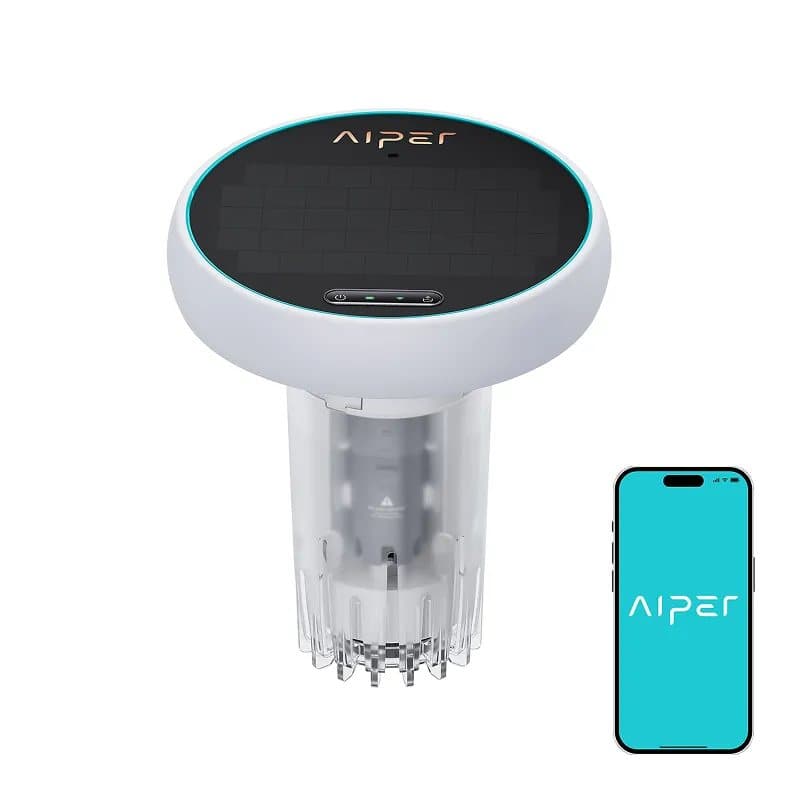
Aiper
Best for Aiper Scuba X owners
The HydroComm monitor plus an underwater-communication station for Aiper Scuba X robots: 5-in-1 water testing and one-click robot retrieval in one solar device.
In The Swim
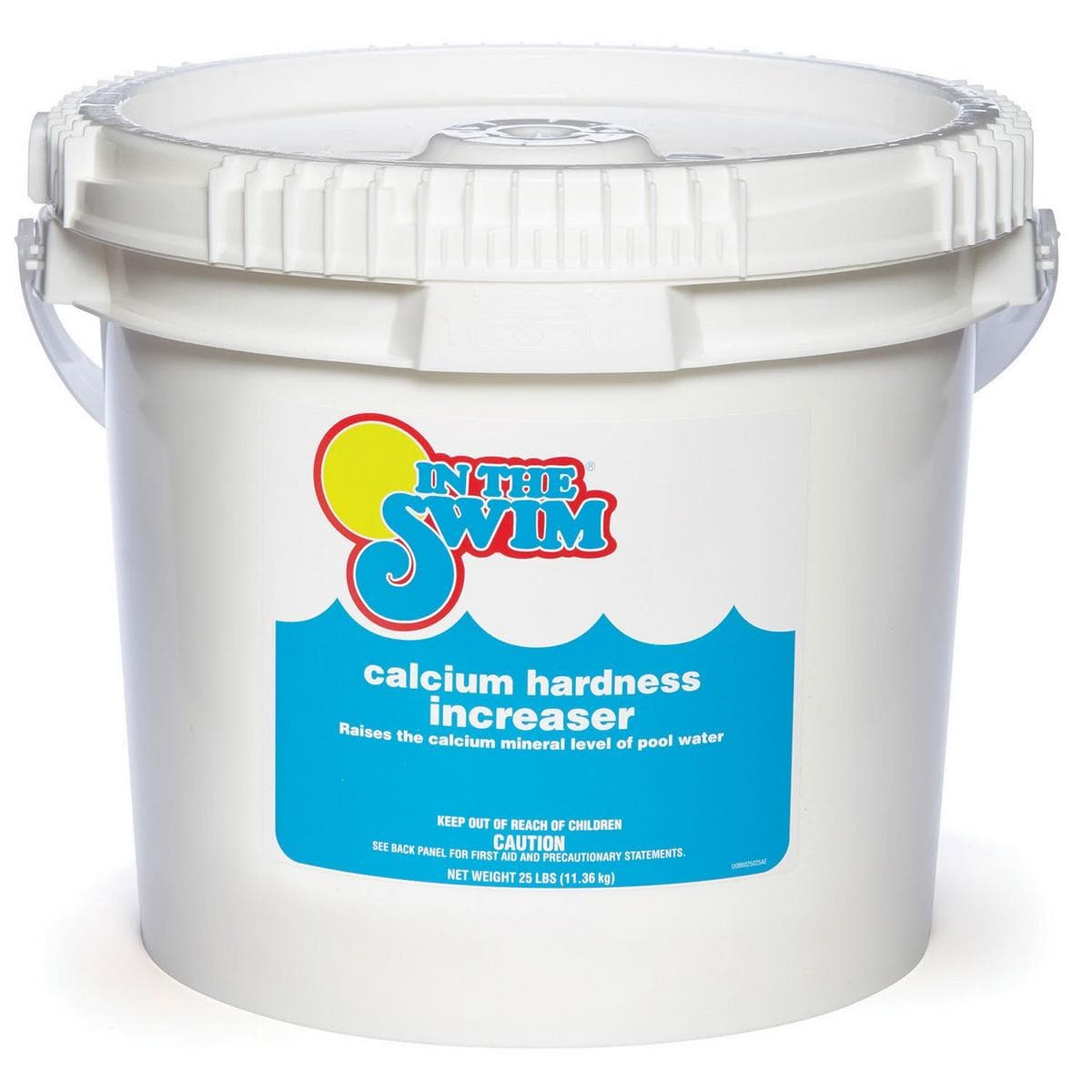
Raise calcium
Calcium chloride to raise low water hardness — the fix for soft water that etches plaster and corrodes surfaces.
In The Swim
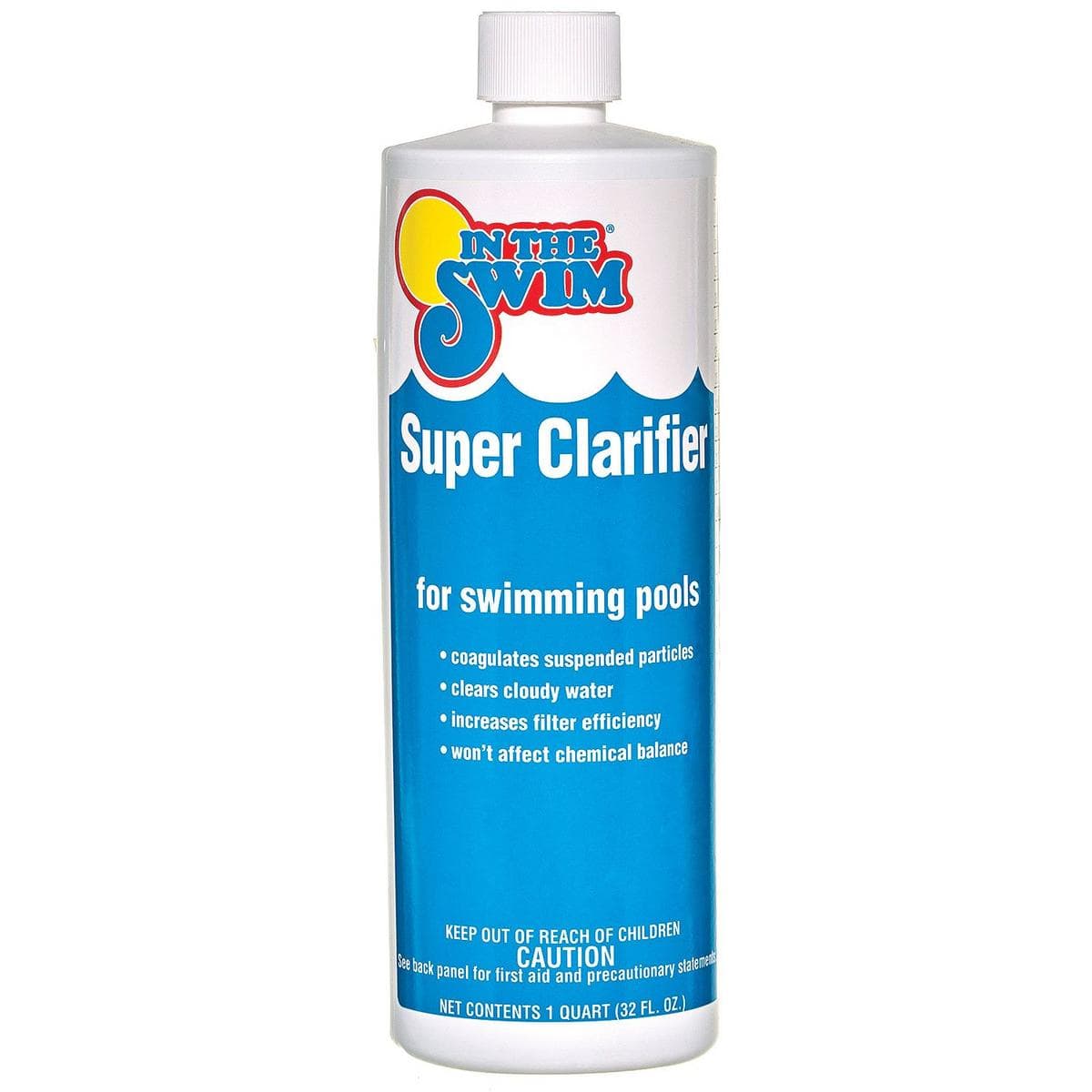
Clear cloudy water
A concentrated coagulant that clumps tiny particles so your filter can catch them — the fast fix for dull, cloudy water.
Aiper
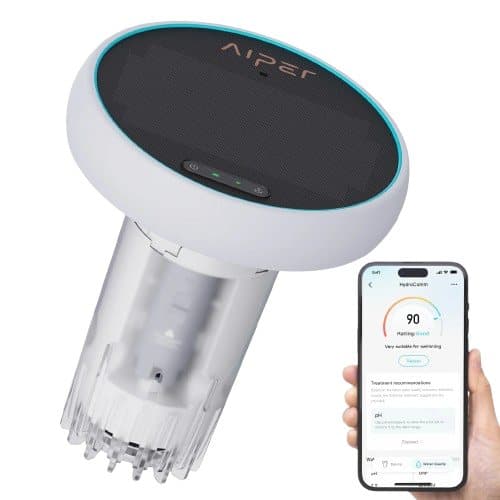
Best-value smart monitor
A solar-powered floating monitor that tracks five water metrics and pushes a water-quality score plus dosing tips to the Aiper app.
Aiper
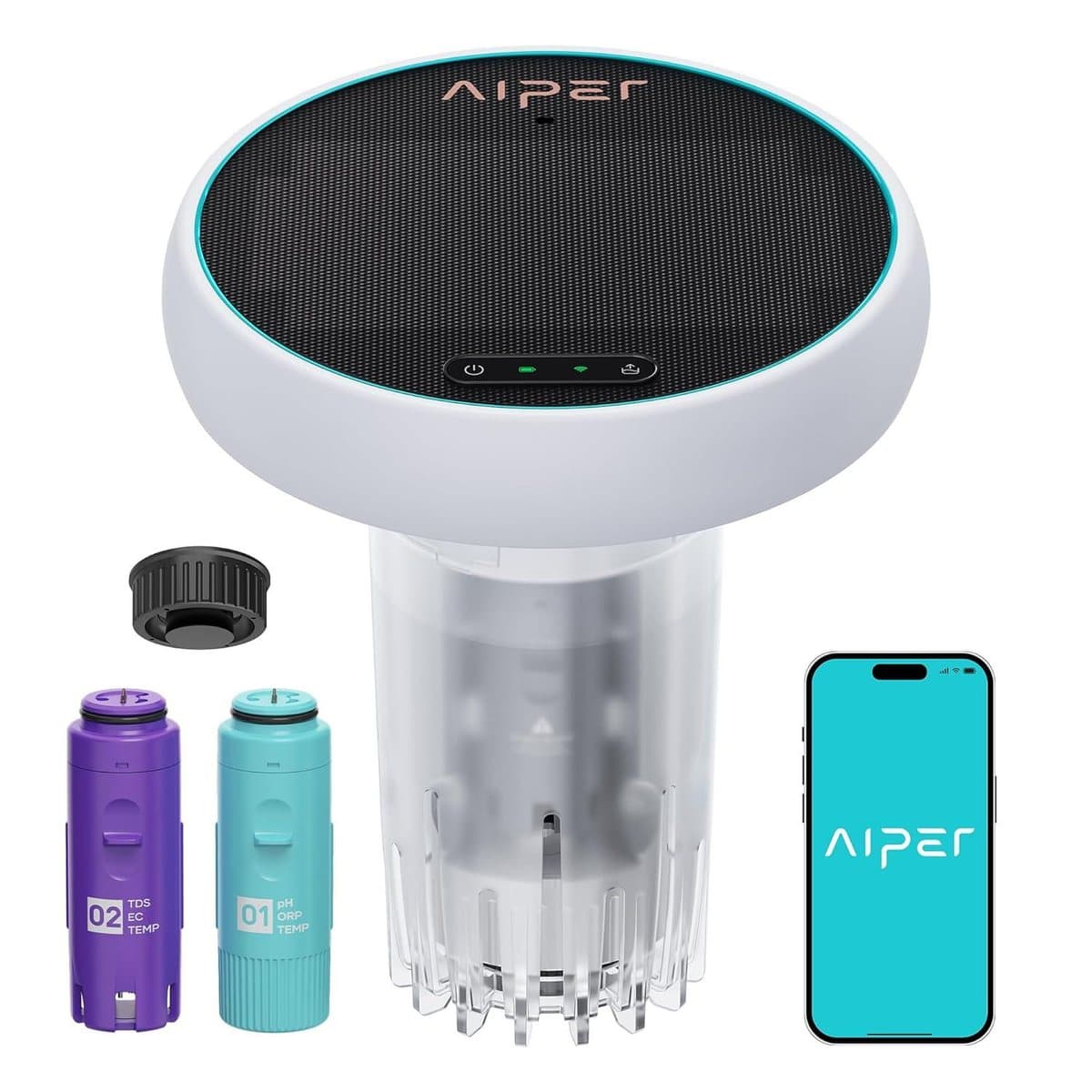
Most complete monitor (2026)
Aiper's 2026 top monitor: 5-in-1 water analysis plus underwater robot comms and Wi-Fi app remote control, with automatic hourly readings.
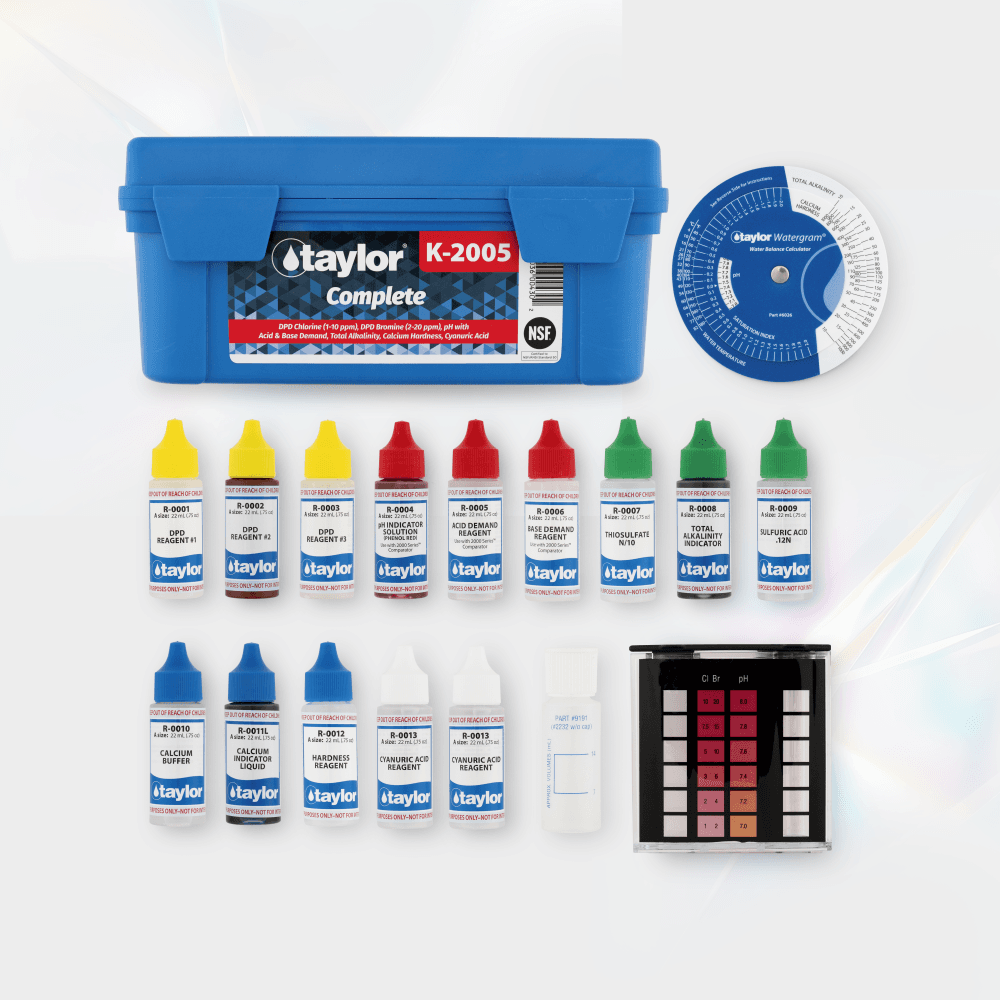
Taylor
Best value Taylor kit
The DPD-based sibling of the K-2006: the same five-parameter coverage using color-match chlorine instead of drop titration.
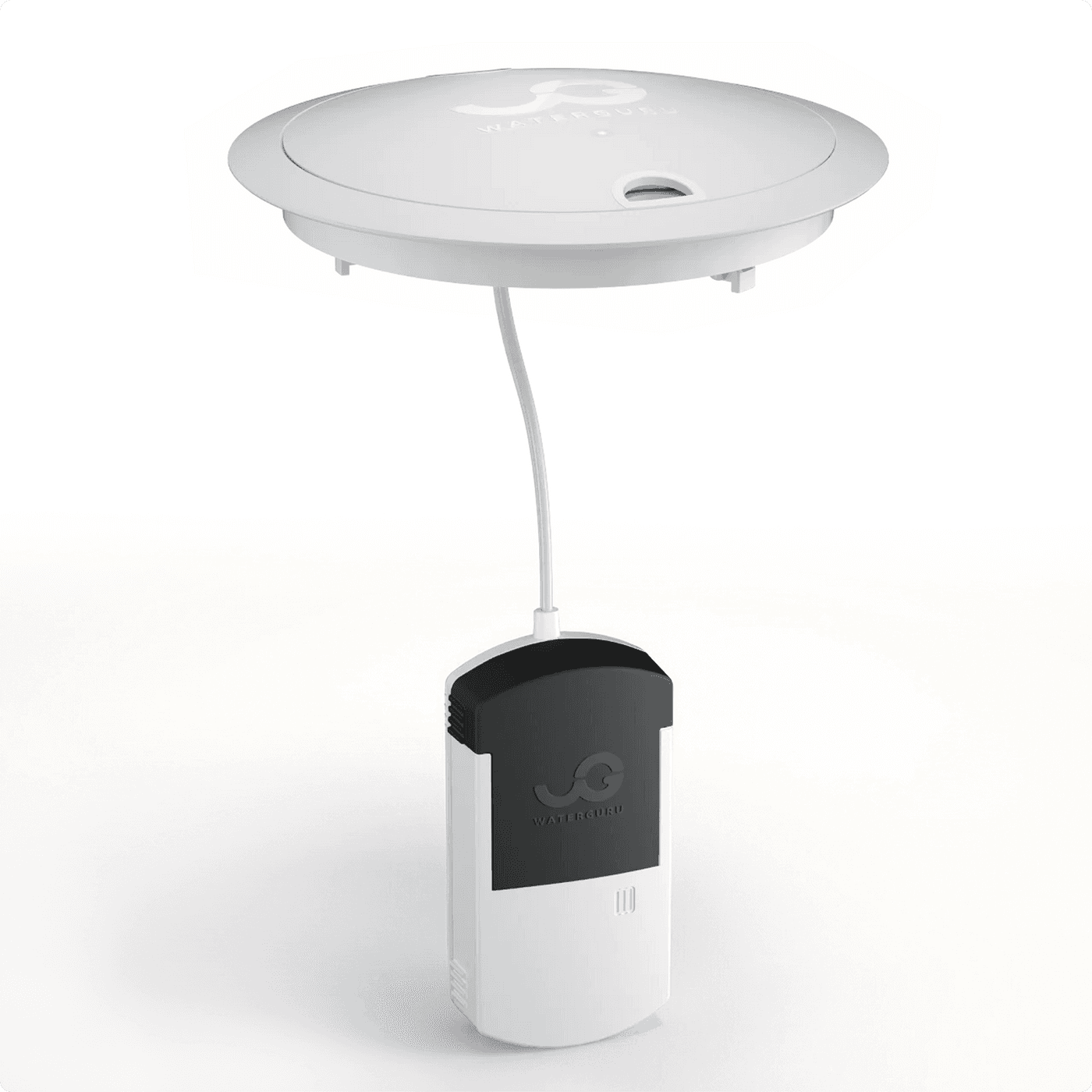
WaterGuru
Best automated monitor
A skimmer-mounted smart monitor that automatically tests chlorine and pH and texts you what to add.
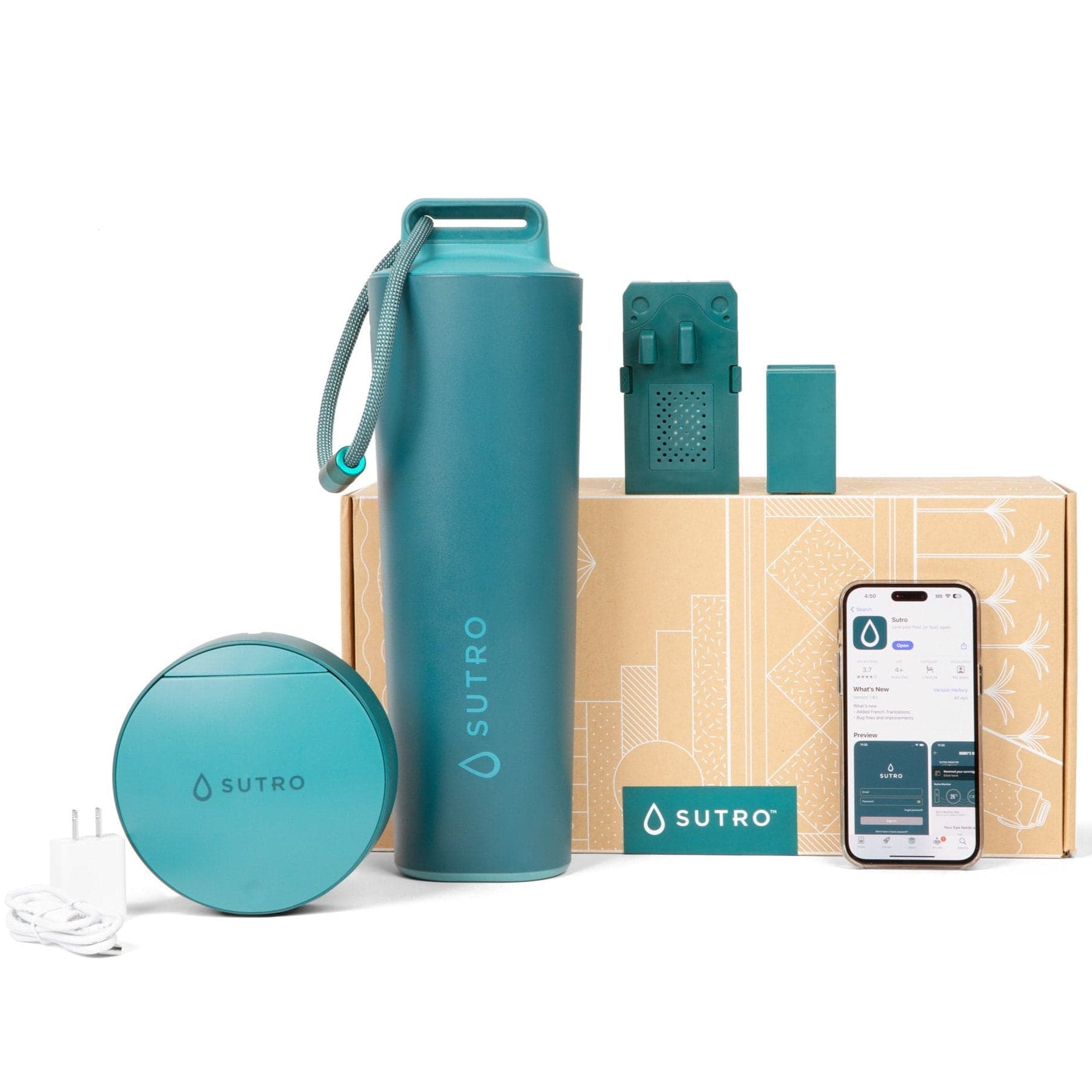
Sutro
Best multi-parameter monitor
A floating smart monitor that auto-tests free chlorine, pH, and alkalinity multiple times a day.
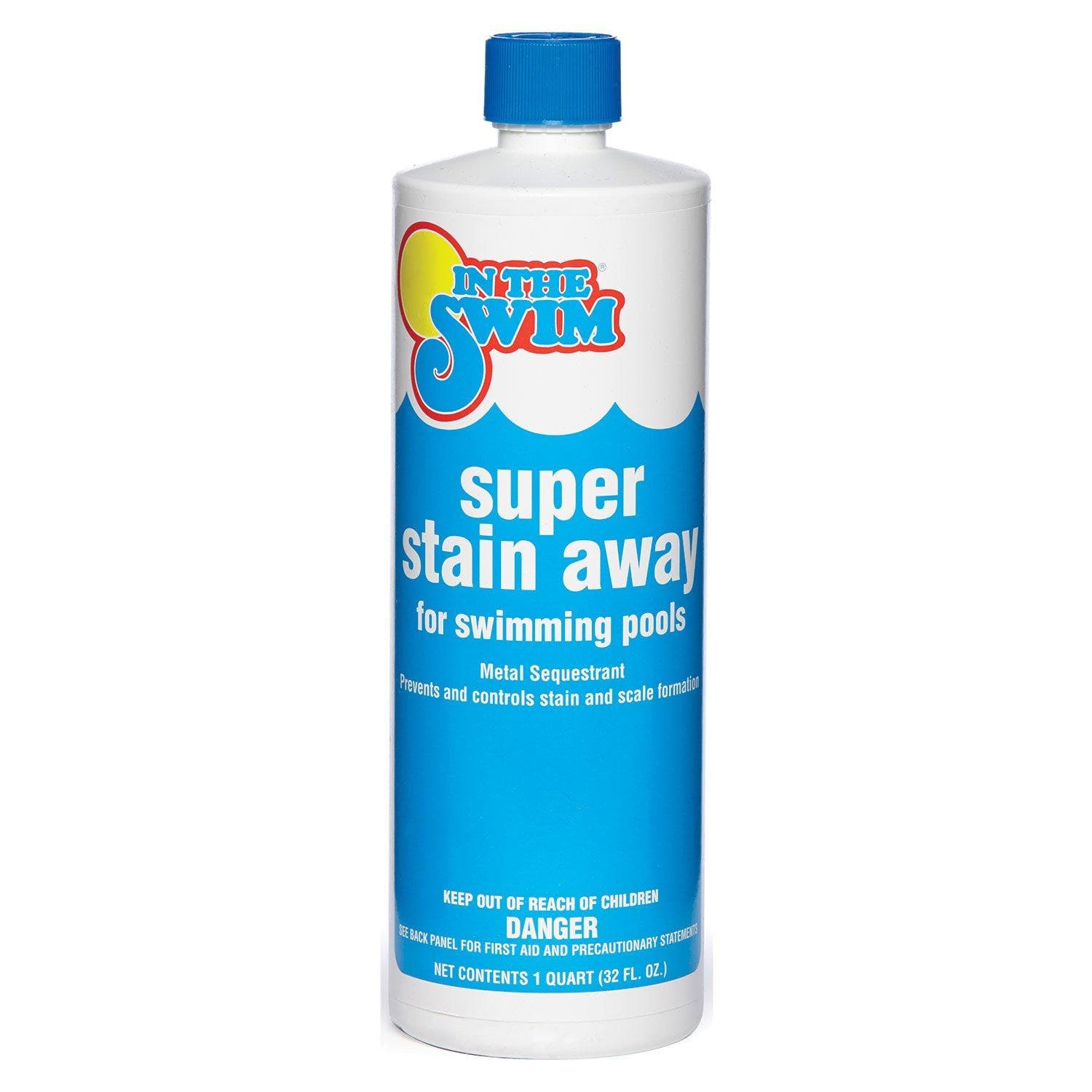
In The Swim
Remove stains & metals
A sequestering agent that locks up iron and copper so they can’t stain surfaces or discolor your water.
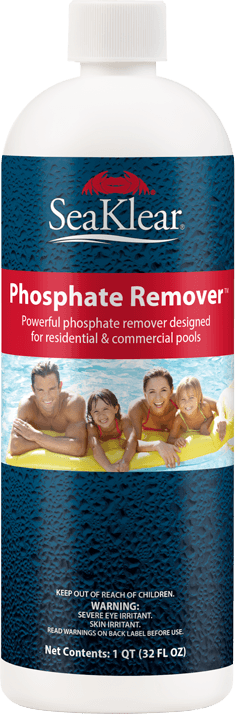
SeaKlear
Remove phosphates
A lanthanum-based treatment that strips phosphates — algae’s food source — to make your chlorine and salt system work less hard.
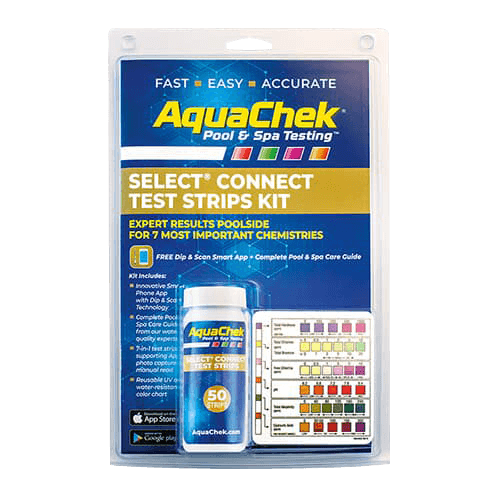
AquaChek
Best quick-check strips
The best of the strip options for quick daily checks — as long as you understand what strips can and can't tell you.
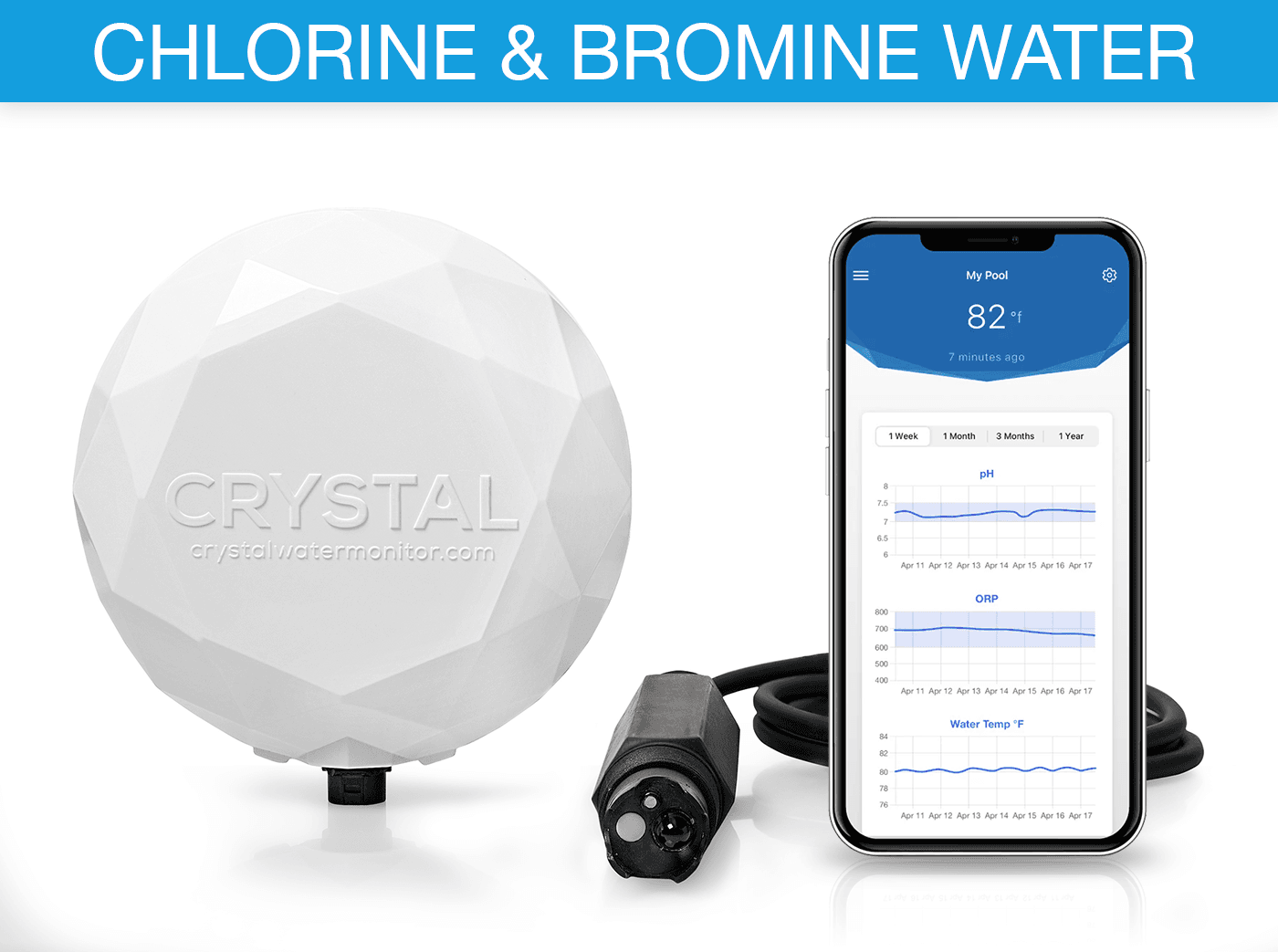
Crystal
Best budget monitor
A budget-friendly smart water monitor for owners who want app-based readings without top-tier pricing.
"Shock" can mean calcium hypochlorite (cal-hypo), dichlor, or non-chlorine MPS — and they behave differently. Cal-hypo adds calcium (a concern for hard-water areas), dichlor adds cyanuric acid (which accumulates), and MPS oxidizes without chlorinating. Match the chemistry to your pool, not the label.
Stabilized chlorine (trichlor tablets, dichlor shock) adds cyanuric acid with every dose. Over a season, CYA can climb high enough to make chlorine sluggish. If your water reads high CYA, switch shocks to cal-hypo or liquid chlorine and test regularly.
Test strips drift and are hard to read precisely. A drop-based (titration) kit costs more upfront but tells you exactly what to dose, which usually pays for itself in chemicals you don't waste.
A common baseline is every 1–2 weeks in season, plus after heavy use, heavy rain, or any algae sign. Your actual cadence should follow test readings — shock when combined chlorine rises or free chlorine can't hold its level.
Tablets (usually trichlor) dissolve slowly to maintain a steady chlorine residual. Shock is a large oxidizing dose that breaks down contaminants and combined chlorine quickly. Most pools use both: tablets for maintenance, shock for correction.
Strips are fine for quick daily glances, but drop-based kits are meaningfully more precise for chlorine, pH, and alkalinity — and precision matters when you're deciding how much acid or shock to add.
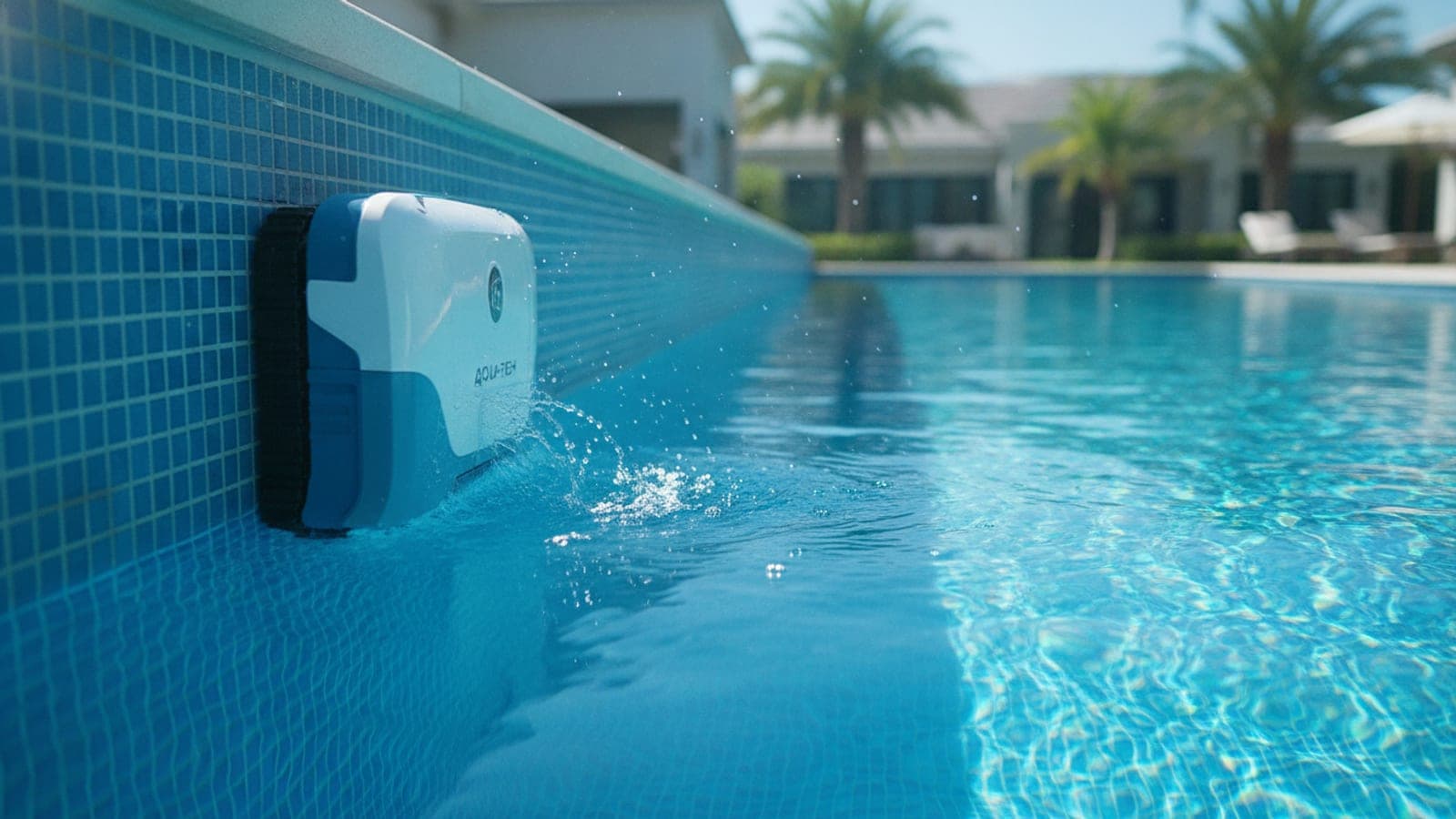
Water Chemistry Guide
Learn which robotic pool cleaners scrub the waterline, which only climb walls, and what to buy if your tile line gets dirty.
Read more →
Routine Care
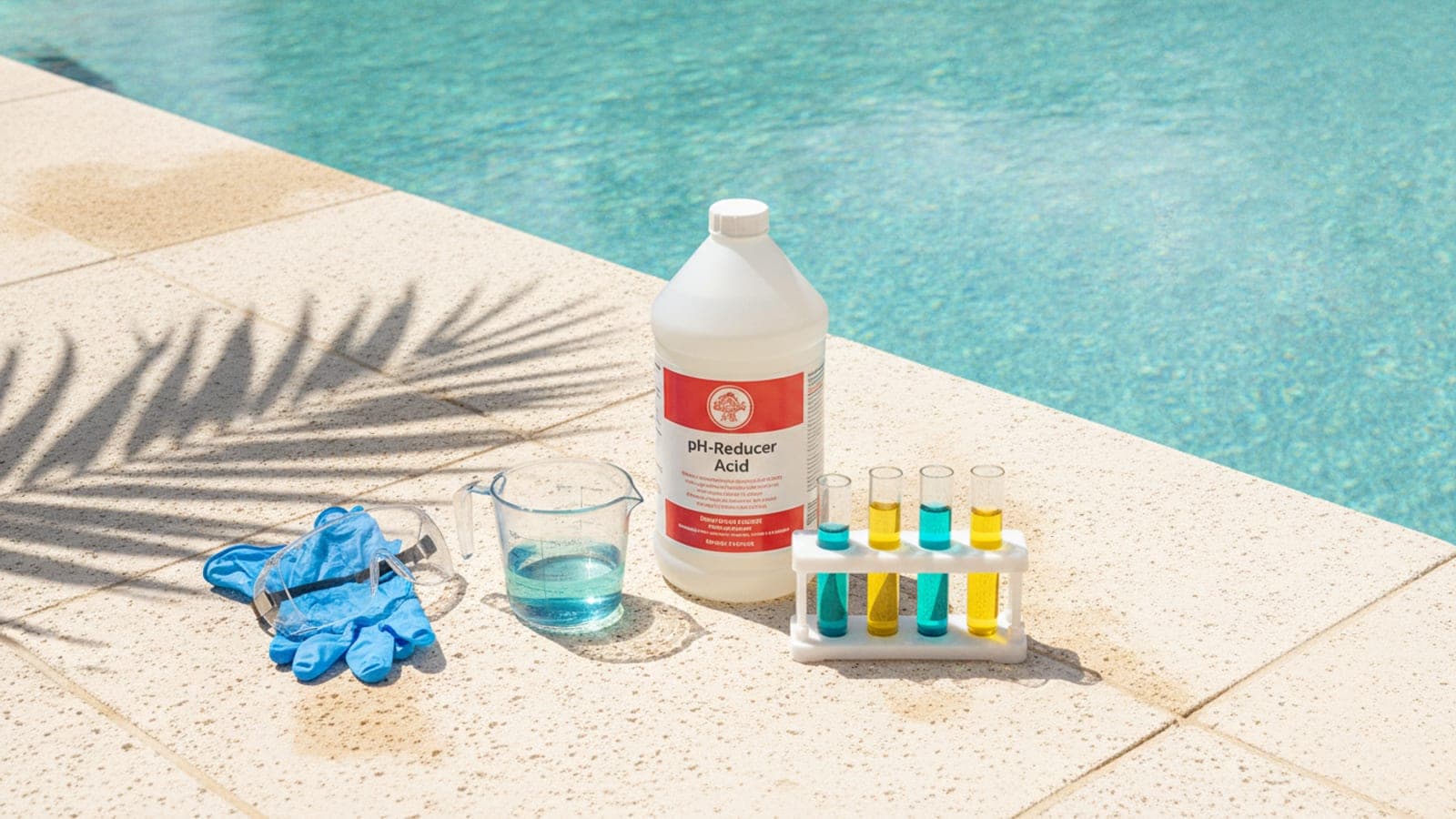
A practical winter pool closing guide: clean the pool, balance water, protect equipment, lower water if needed, add closing products, and cover it without guessing.
Read more →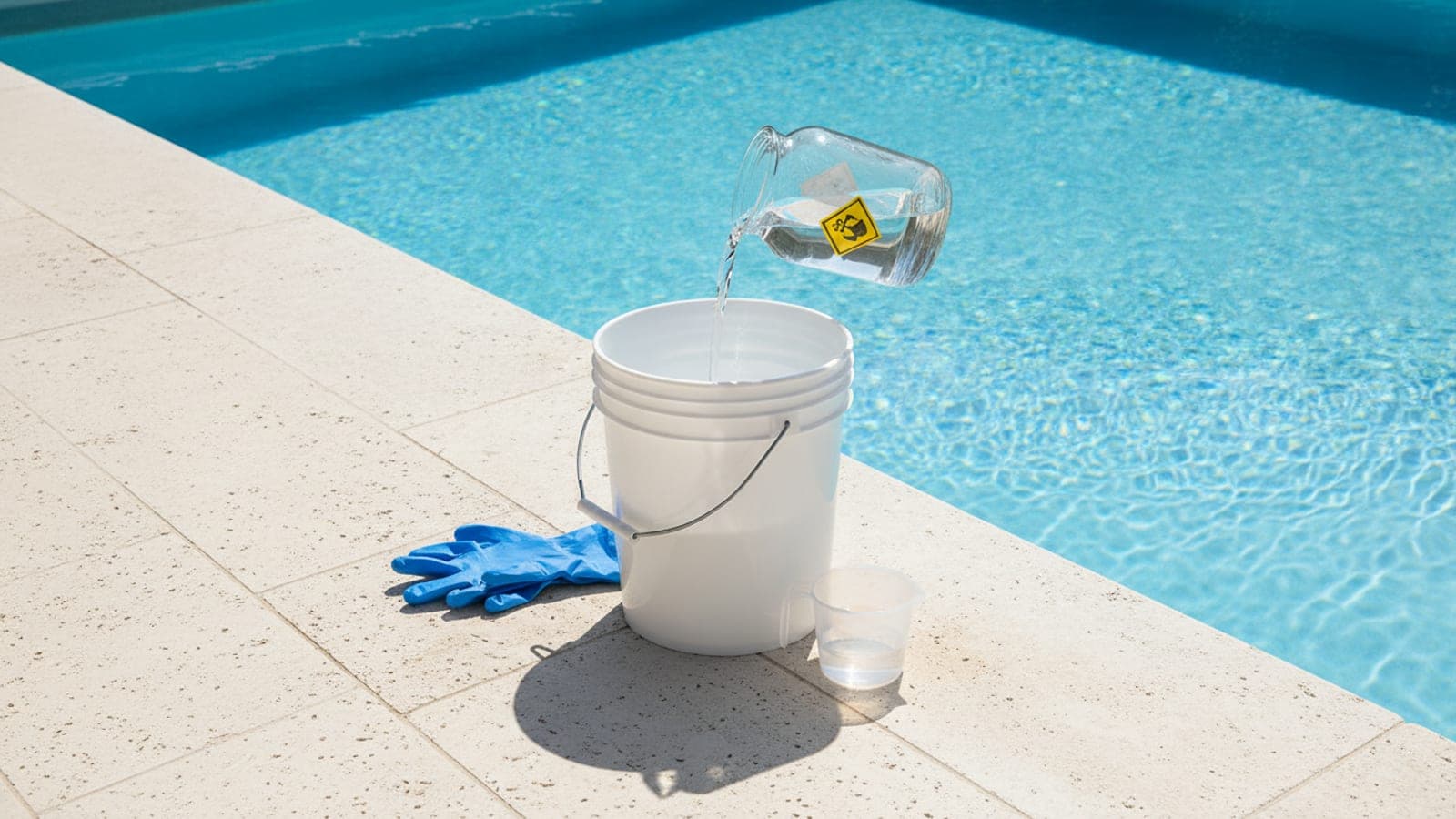
Routine Care
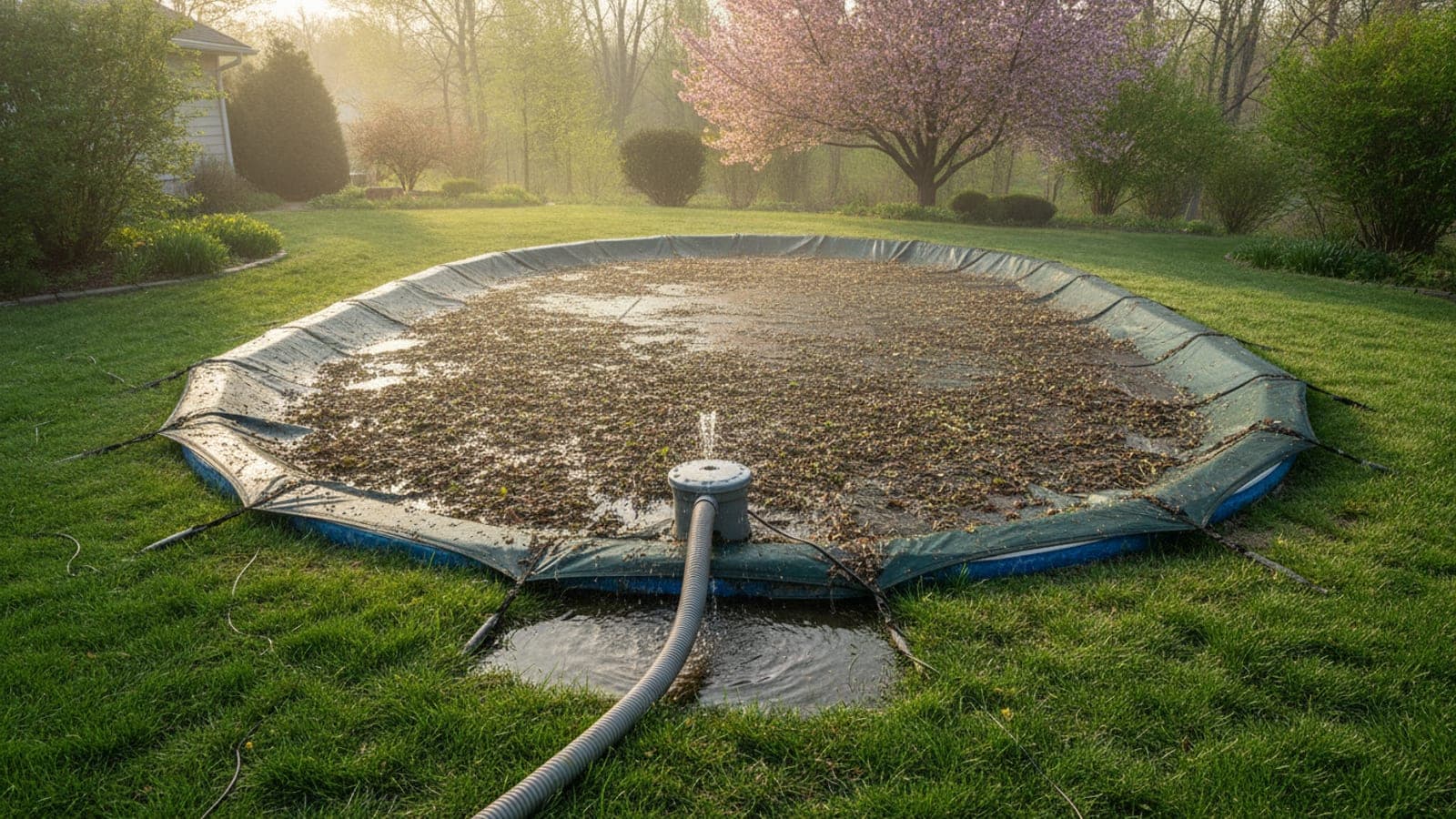
A practical first-weekend plan to open an above-ground pool, clear the cover, start circulation, balance water, and avoid turning spring cleanup into swamp soup.
Read more →