
Bestway
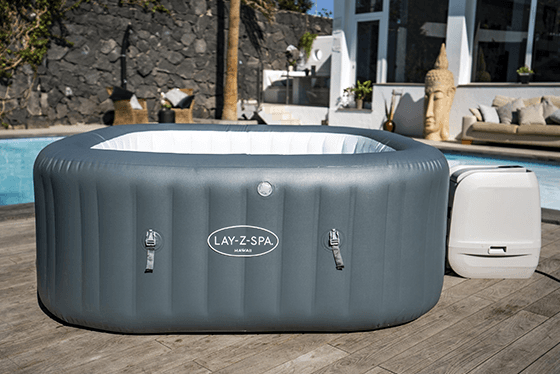
Bestway SaluSpa Hawaii HydroJet Pro Inflatable Hot Tub (4–6 Person)
Best jets (real HydroJets)
The one with real water jets — 140 AirJets plus 8 targeted HydroJets for a genuine massage, with app control and LED.
Portable inflatable hot tubs that deliver a real soak without the cost or permanence of a built-in spa. We compare jet type and count, capacity, heating, durability, and which fits your budget and group size.
Bestway
Best jets (real HydroJets)
The one with real water jets — 140 AirJets plus 8 targeted HydroJets for a genuine massage, with app control and LED.
Coleman
SaluSpa AirJet
Coleman
Best overall
The default inflatable hot tub — a proven 4–6 person AirJet spa that gets the basics right at a fair price.
Coleman
Best app control
The connected SaluSpa — 4–6 person AirJet spa with smartphone app control and an EnergySense insulated cover.
Coleman
Best energy-efficient
The efficiency-focused SaluSpa — smart AirJet spa built around EnergySense insulation to keep running costs down.
Intex
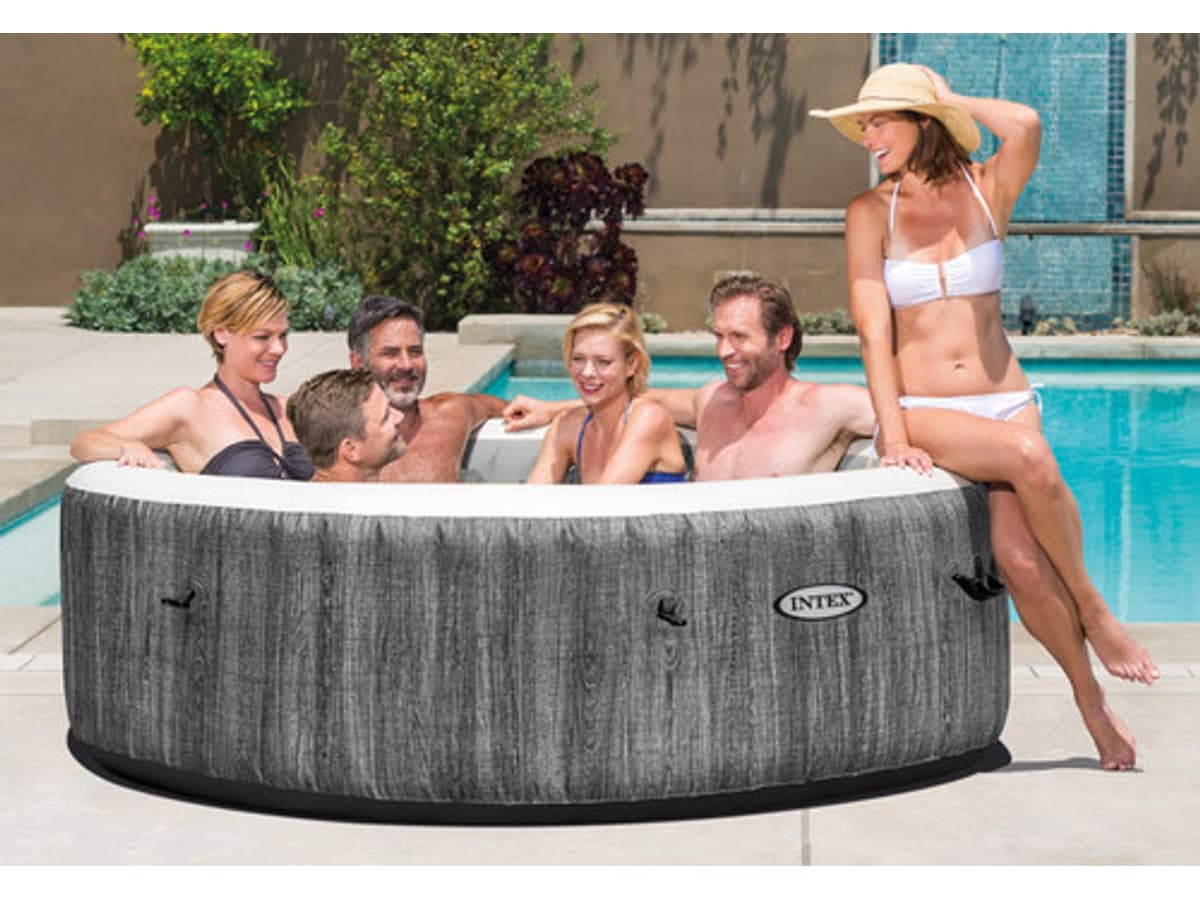
Most jets / big groups
The big-group Intex — a 6-person round spa with 170 bubble jets and a built-in hard-water treatment system.
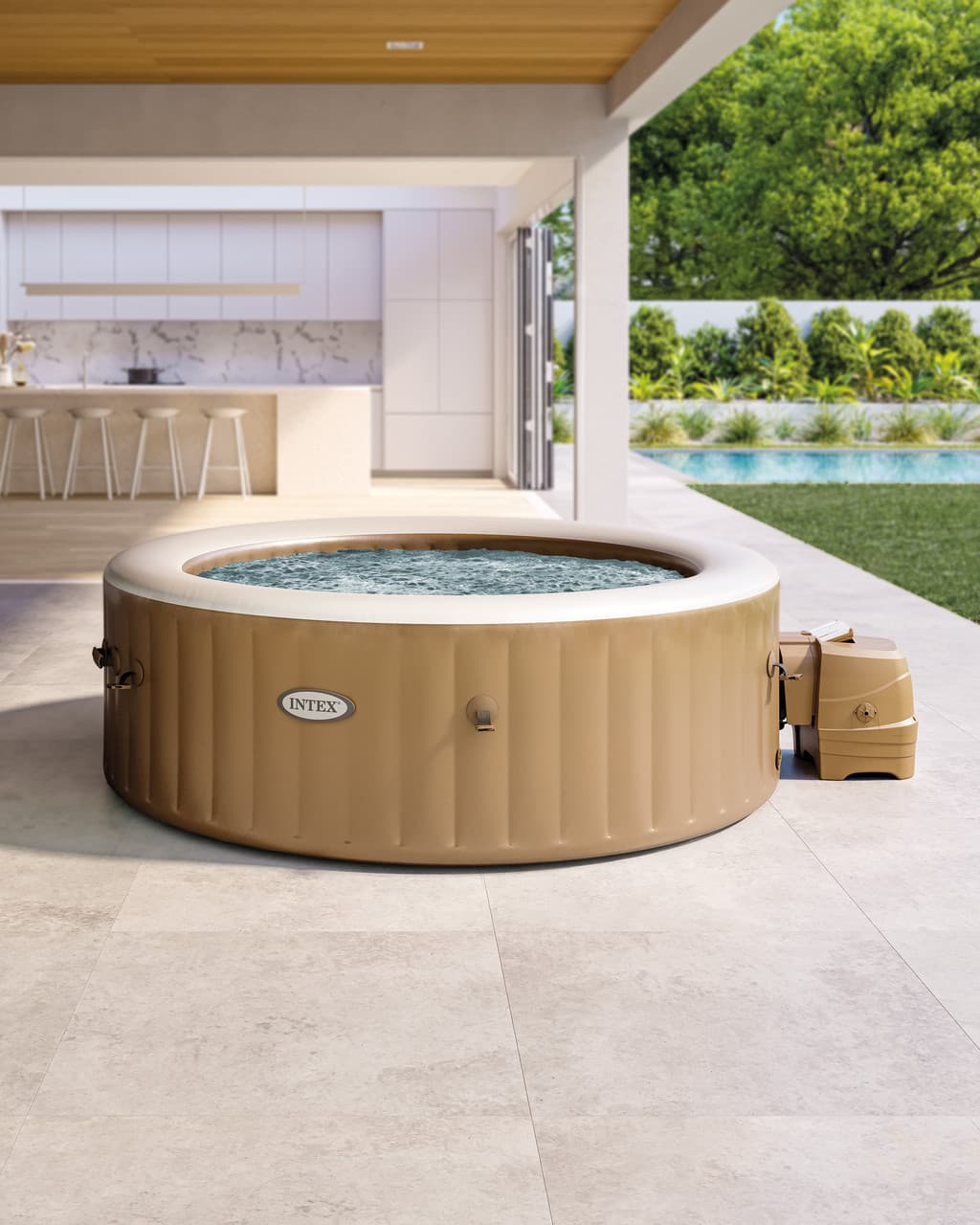
Intex
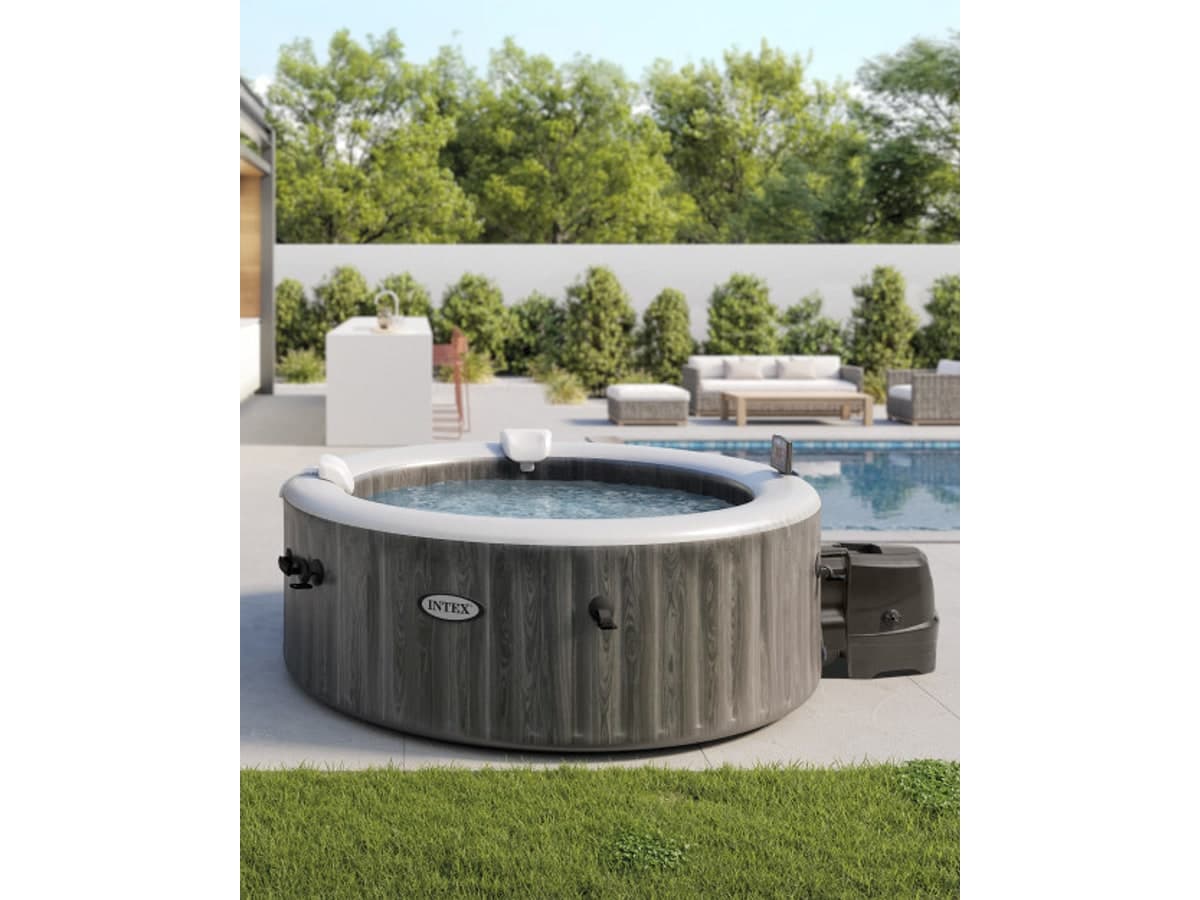
Best large Intex
The big, comfort-loaded Intex — a 6-person greywood spa with LED, headrests, and built-in hard-water treatment.
Intex
Best with LED lighting
A comfort-focused 4-person Intex — 140 bubble jets plus multi-color LED lighting and foam headrests for evening soaks.
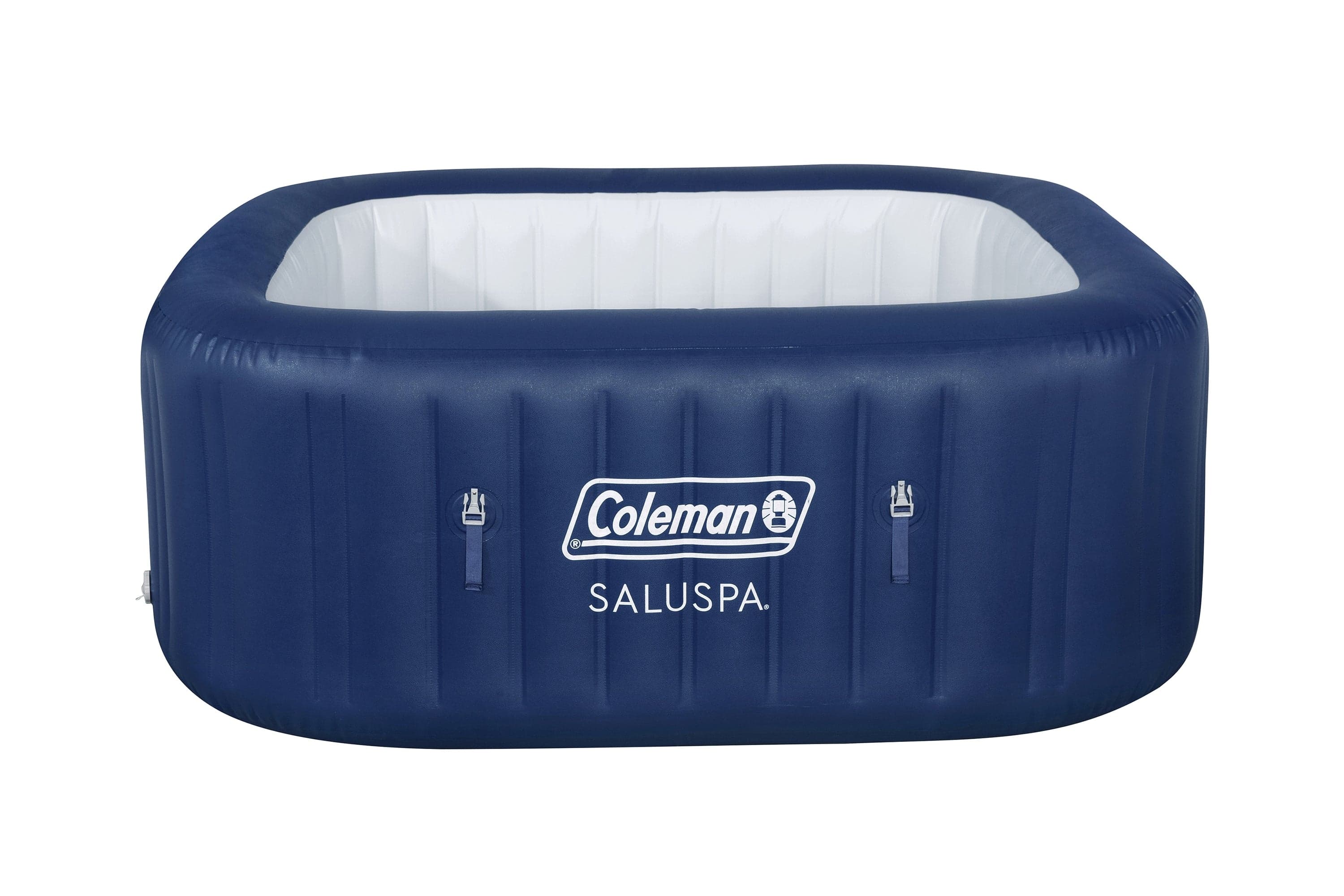
Coleman
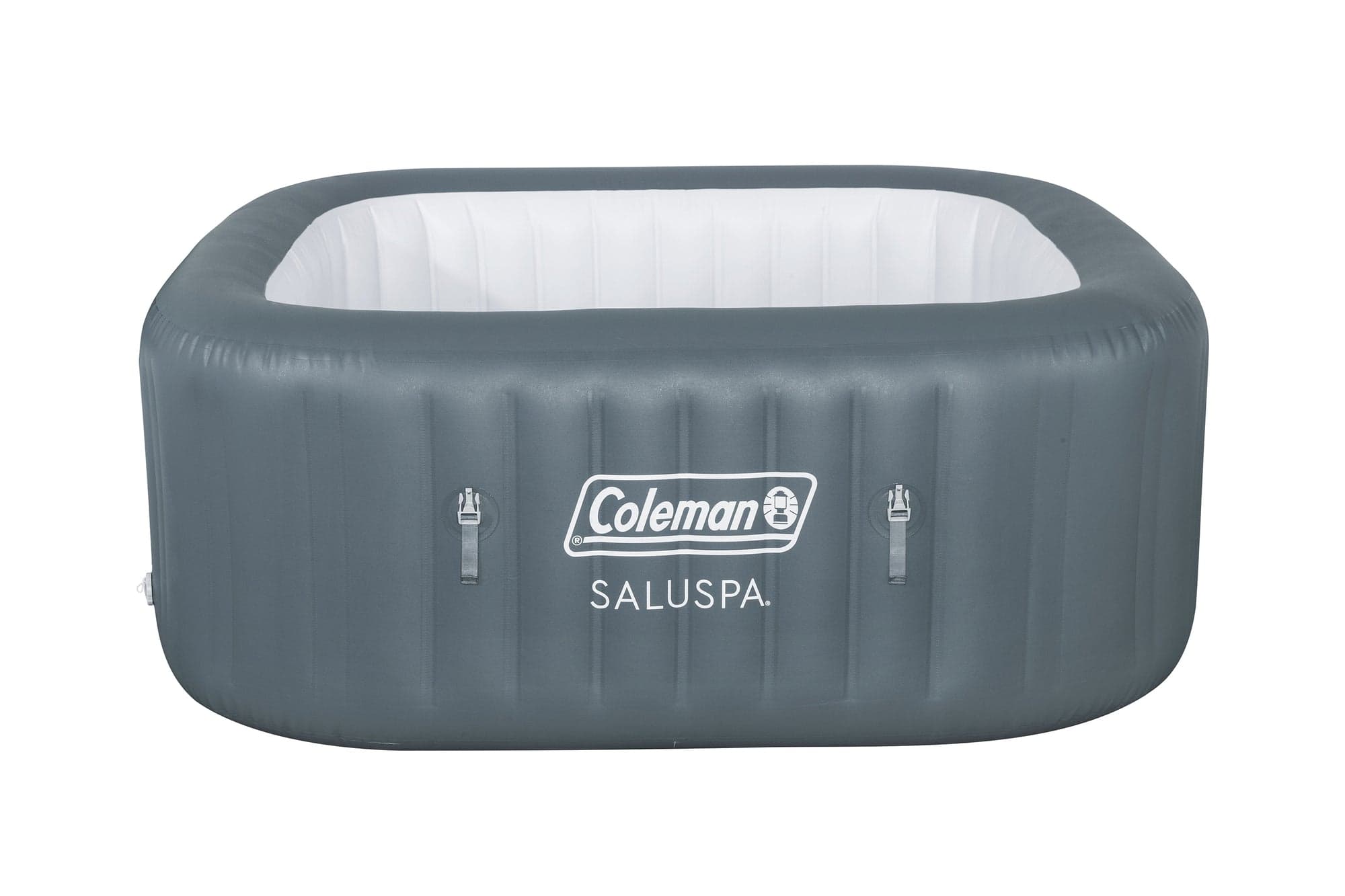
Best value 6-person
A roomy square SaluSpa — 4–6 person AirJet spa with an EnergySense cover, a value pick for a larger group.
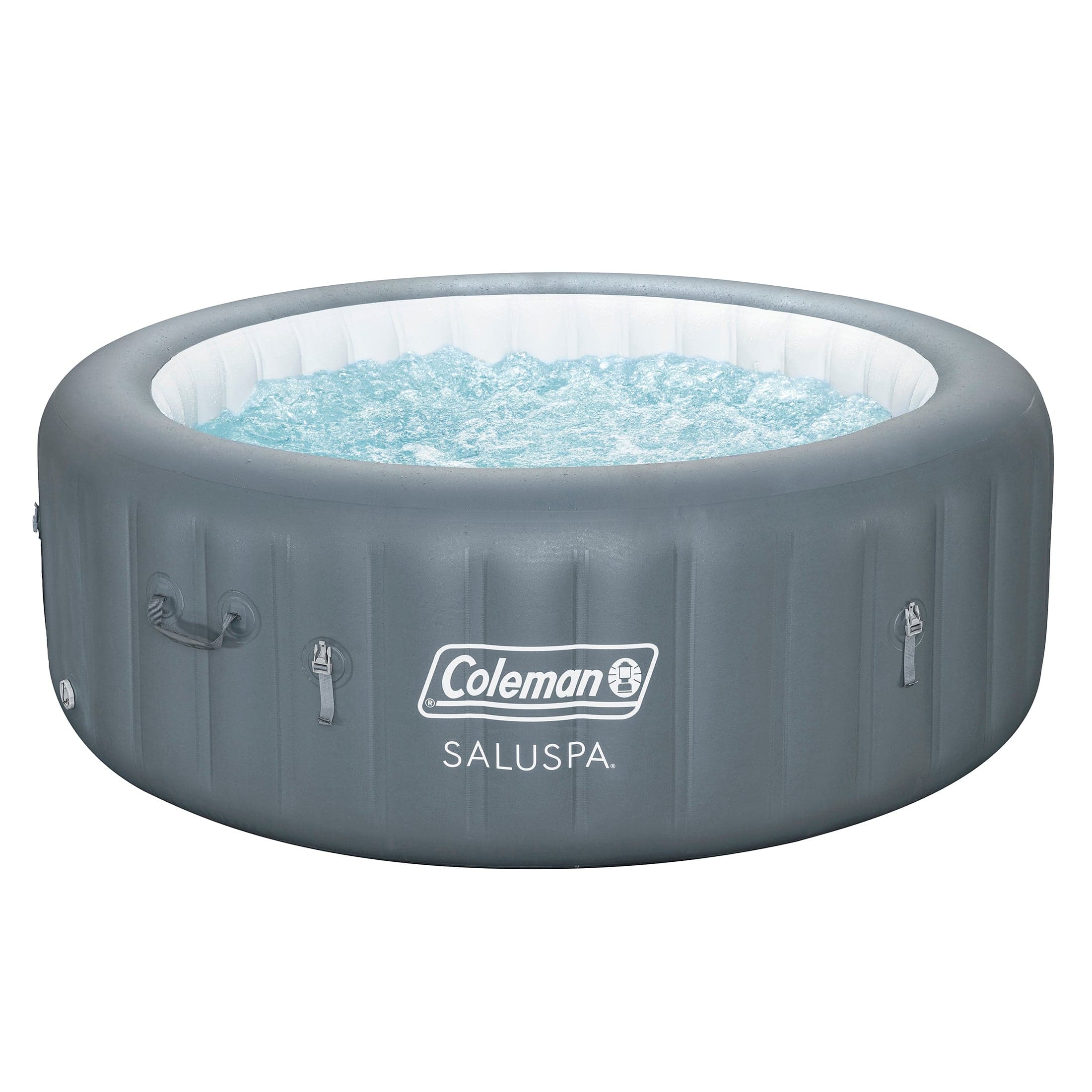
Coleman
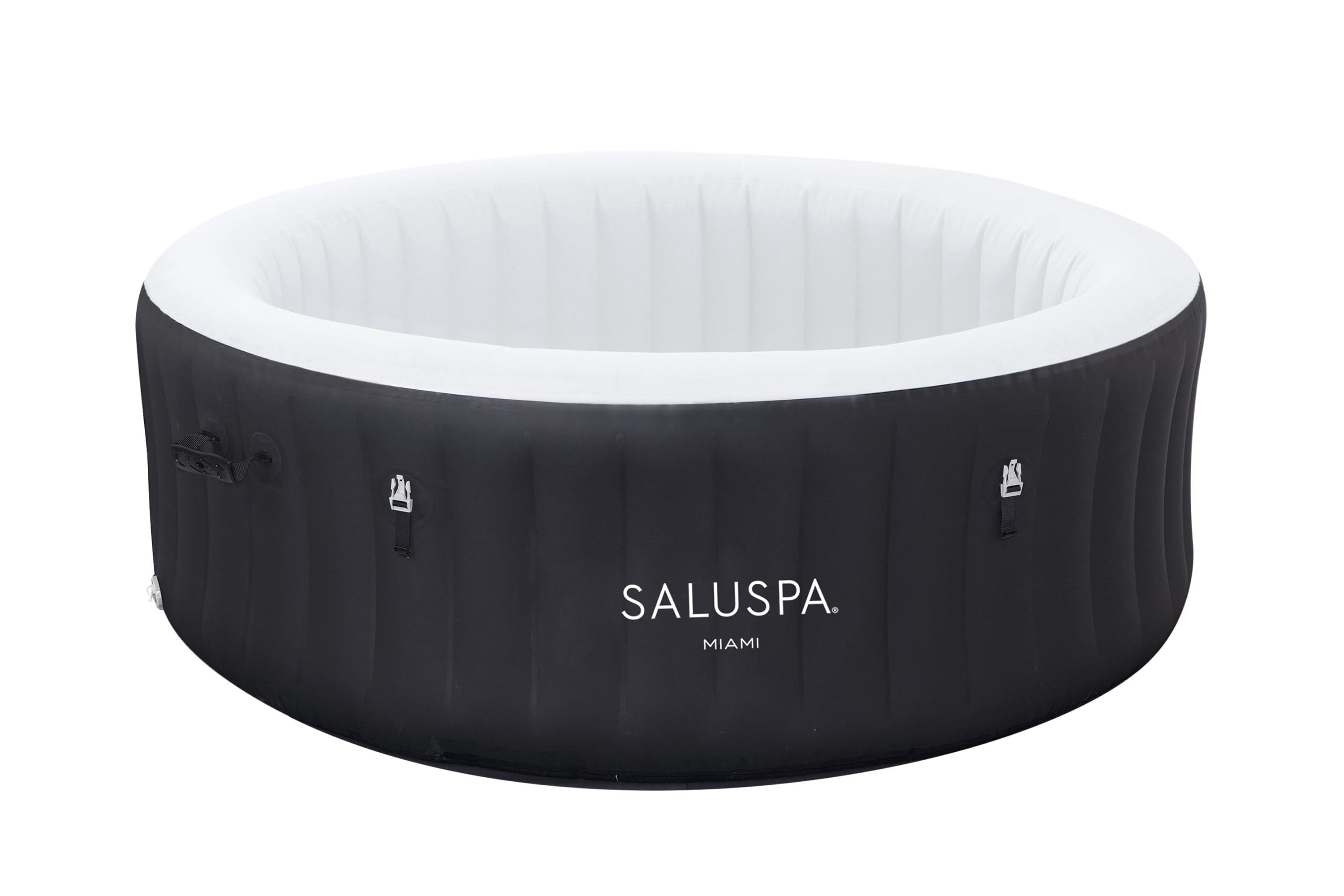
Best budget (2–4 person)
The compact, cheapest way in — a 2–4 person round AirJet spa that’s easy to place and easy to afford.
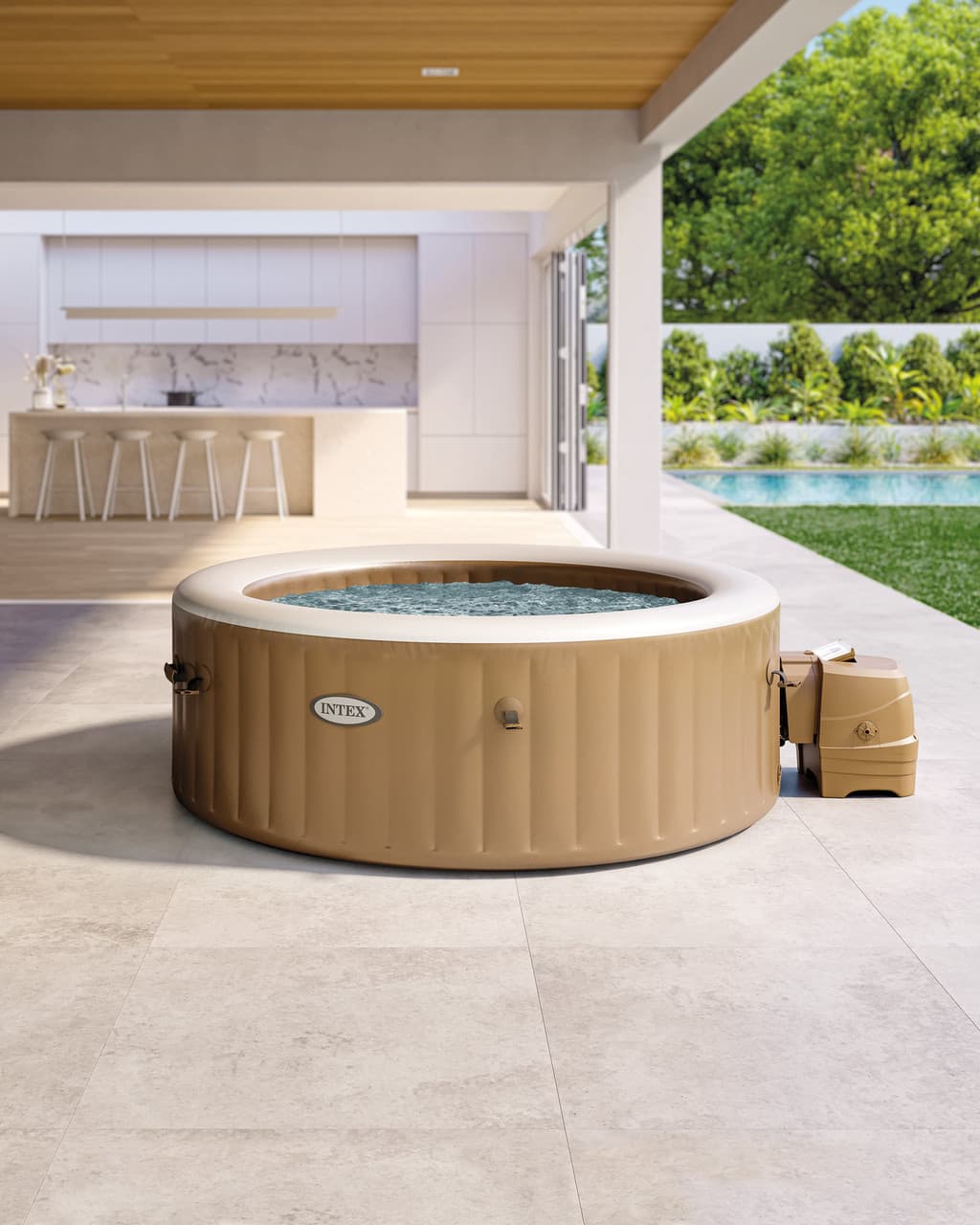
Intex
Best compact Intex
The right-sized value Intex — a 4-person round spa with 140 bubble jets and a built-in heater at a friendly price.
Most inflatable spas use AirJets (bubblers) that blow warm air for a fizzy, all-over massage — pleasant but gentle. A few models add HydroJets (real pressurized water jets) for a targeted, deeper massage closer to a rigid spa. If you want a genuine massage rather than bubbles, look specifically for HydroJet/water-jet models; expect to pay more.
Inflatable spas heat roughly 1–2°F per hour and (on most models) can’t heat while the jets run, since the same pump does both. Budget several hours to reach the 104°F max from cold, use the insulated cover religiously, and in cool weather an EnergySense/insulated model saves real money and time.
A "4–6 person" tub seats that many shoulder-to-shoulder with no legroom. For comfortable soaking, assume one or two fewer than the rating. Water capacity (gallons) and inflated diameter tell you more about real room than the headline person-count.
Puncture-resistant materials (Fiber-Tech, DuraPlus) resist the inevitable bumps, and freeze-protection prevents cold-weather damage. The ongoing costs are electricity (heating is the big one) and cartridge filters, which need frequent changing. A good cover and balanced water chemistry cut both.
For the price, yes — they deliver a genuine warm soak up to 104°F without the cost or permanence of a built-in spa. The tradeoffs are slower heating, gentler (usually air-bubble) jets, and cartridge filters to maintain. For casual relaxation, most owners are happy.
Electricity to heat and maintain temperature is the main cost, and it rises in cold weather. Using the insulated cover whenever it’s not in use, choosing an energy-efficient (EnergySense/insulated) model, and keeping it somewhere sheltered all make a real difference.
Typically several hours from cold — roughly 1–2°F per hour — and most models can’t heat while the jets run. Many owners heat it the day before, then keep it covered and warm between uses rather than heating from scratch each time.
AirJets blow warm air for a bubbly, all-over massage; HydroJets use pressurized water for a targeted, deeper massage more like a rigid spa. Most inflatable tubs are AirJet-only; if you want a real massage, choose a model that specifically lists HydroJets/water jets.
Many can, especially models with freeze-protection (Freeze Shield) that keeps internal components from freezing. Heating costs climb in the cold and very low temperatures can be hard on the material, so an insulated cover and a sheltered spot matter even more in winter.