
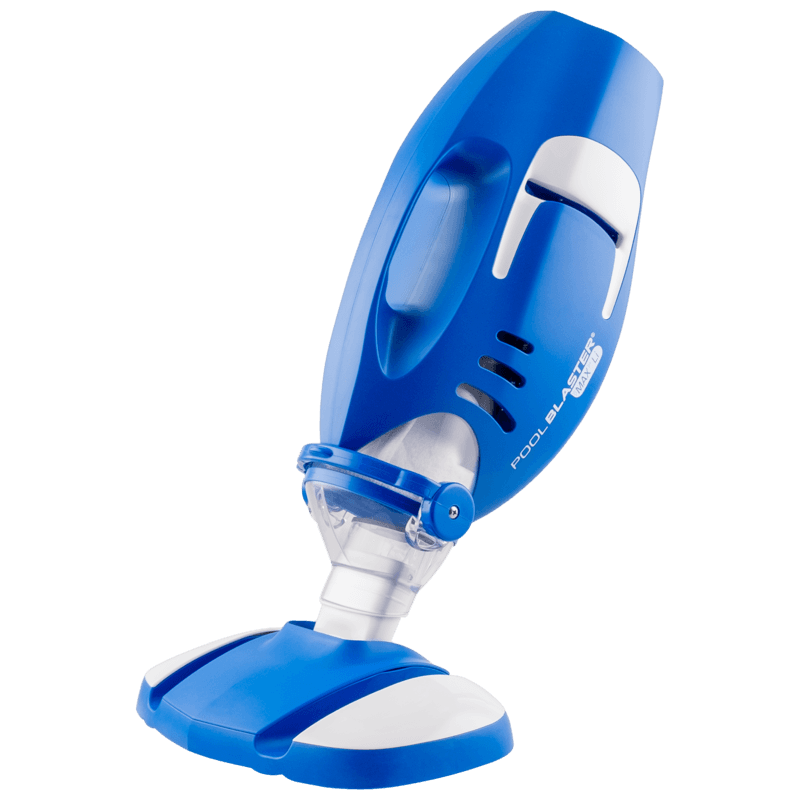
Pool Blaster
Pool Blaster Max Li Cordless Pool Vacuum
Best overall
The category benchmark — a wide-head, strong-suction cordless vacuum that clears floors and steps fast, hose-free.
Rechargeable spot vacuums that clean steps, corners, spas, and messes a robot skips — no hoses, cords, or setup. We compare suction, runtime, head size, filtration, and which handles your debris.
Pool Blaster
Best overall
The category benchmark — a wide-head, strong-suction cordless vacuum that clears floors and steps fast, hose-free.
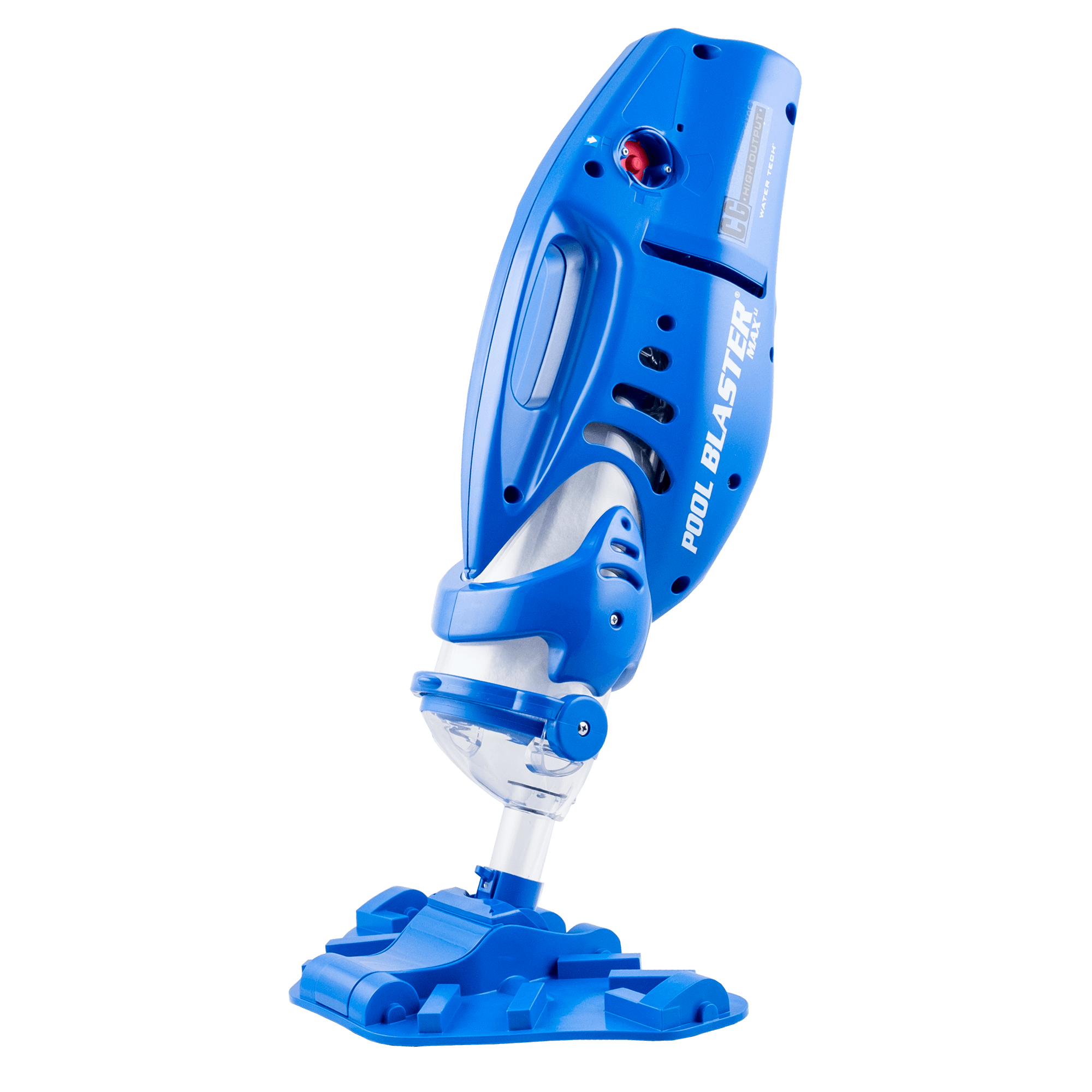
Pool Blaster
Premium / commercial-grade
The heavy-duty Max — commercial-grade build and power for frequent or demanding cleaning, with genuine microfilter bags.
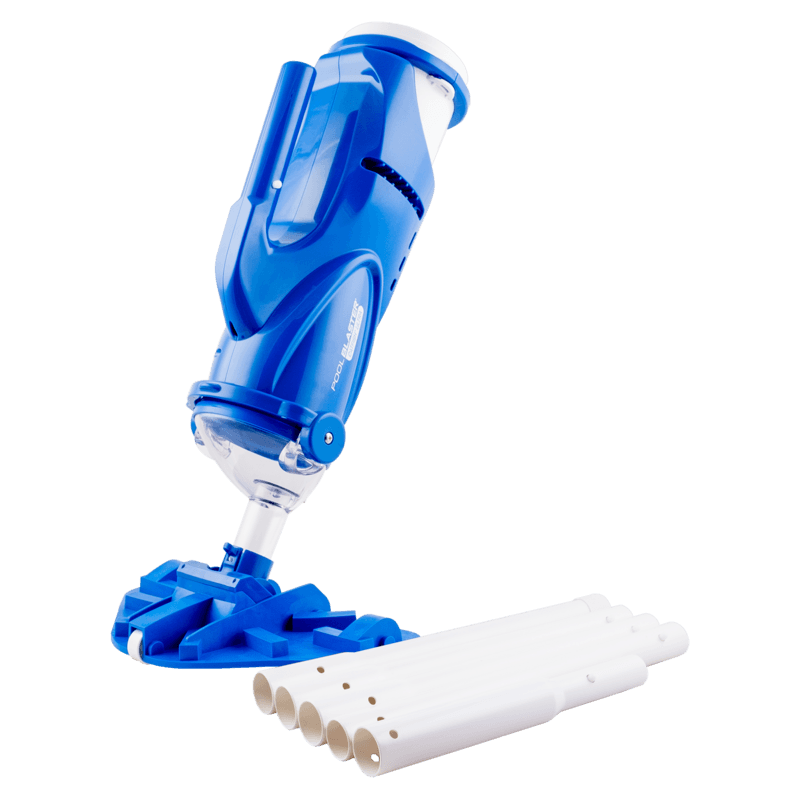
Pool Blaster
Best upgraded spot vac
The Catfish grown up — more power and capacity than the original for spot cleaning that spills over into light pool duty.
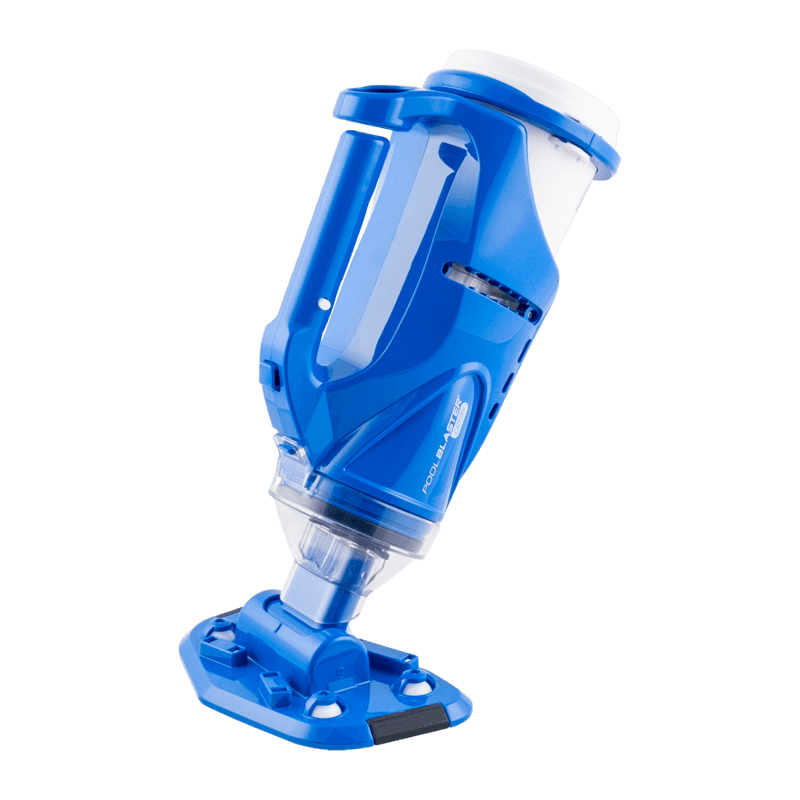
Pool Blaster
Best for spas & steps
The nimble spot vac — a light, narrow-head Catfish built for hot tubs, spa corners, and pool steps.
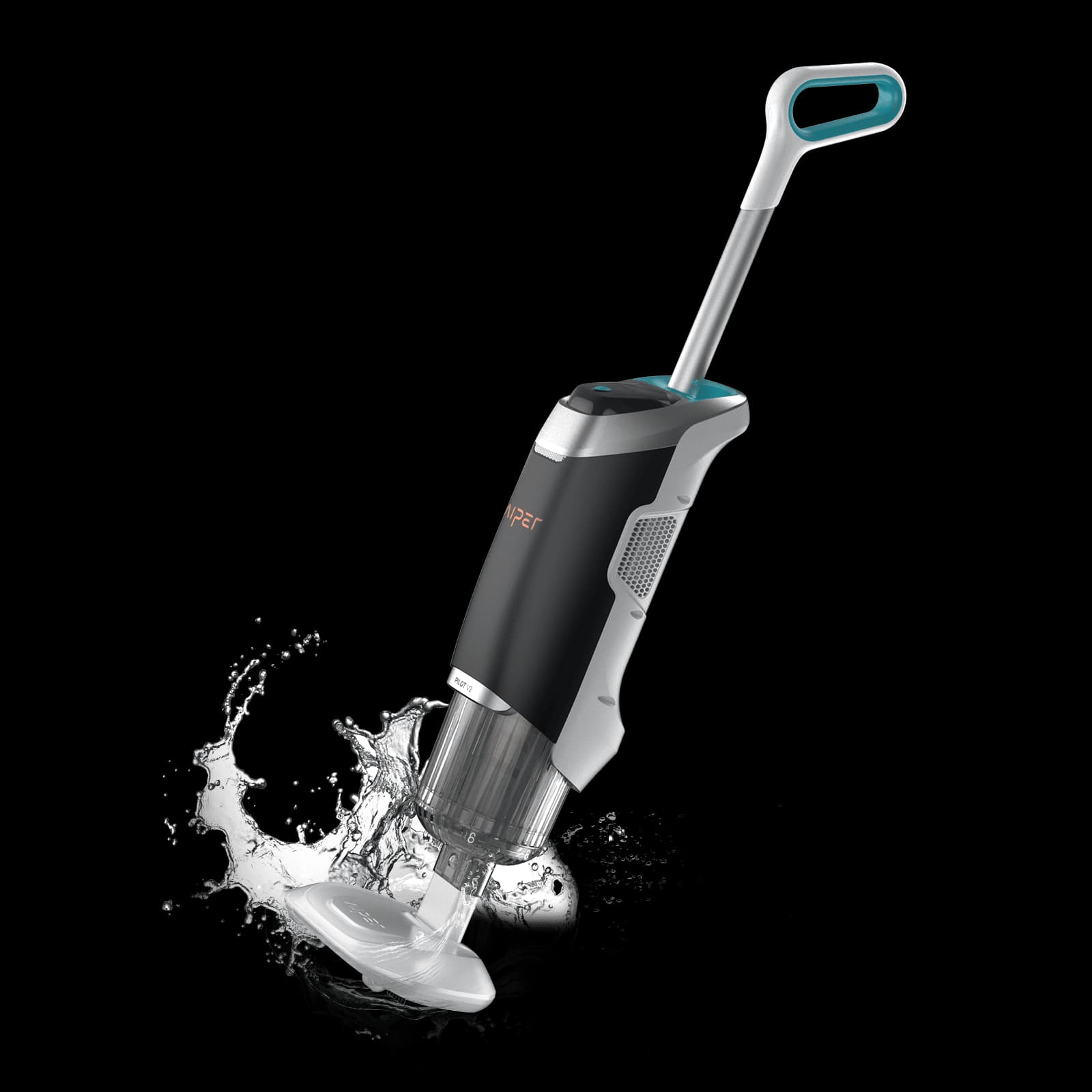
Aiper
Best handheld for scrubbing
The step-up handheld: 1,260 GPH suction plus bottom-scrubbing brushes, Standard and Power modes, and up to 70 minutes of runtime for tougher spot cleaning.
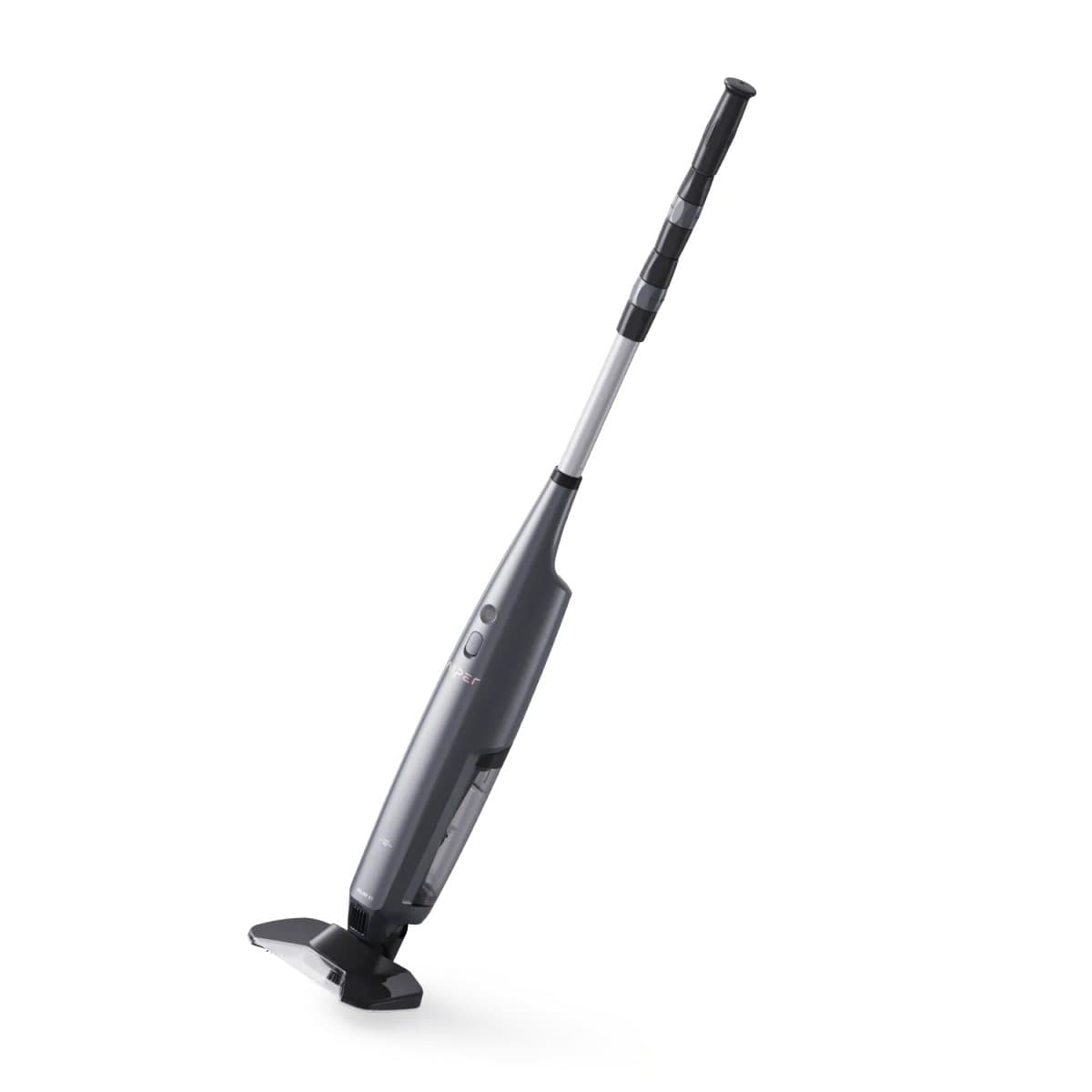
Aiper
Best for shallow spot-cleaning
A cordless spot-cleaning vacuum with 1,260 GPH suction, two-stage filtration, and a depth range from 0.2m steps to 3m deep, plus a self-cleaning backwash that fights clogs.
Aiper
Best Aiper handheld
A well-priced cordless handheld from a familiar pool-robot brand — 60 minutes of runtime for pools, spas, and even ponds.
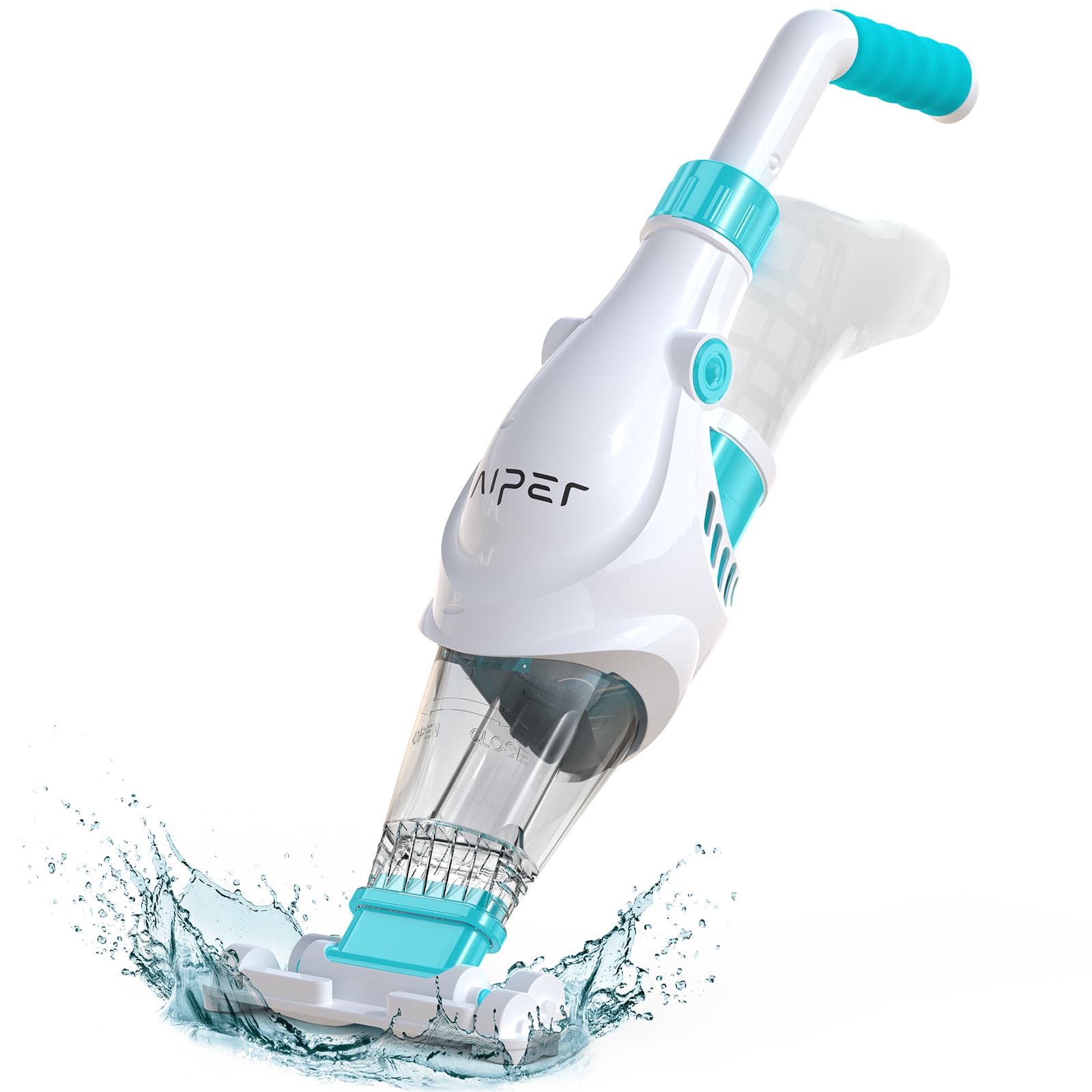
Aiper
Best with scrub brush
A cordless handheld with a scrub-brush head and large filter bag — vacuum and loosen stuck-on grime in one pass.
Aiper
Spa Vacuum
Aiper
Best spa / hot-tub vac
A spa-focused cordless vacuum — 60-minute runtime and fast 2.5-hour charging, tuned for hot tubs, corners, and stairs.
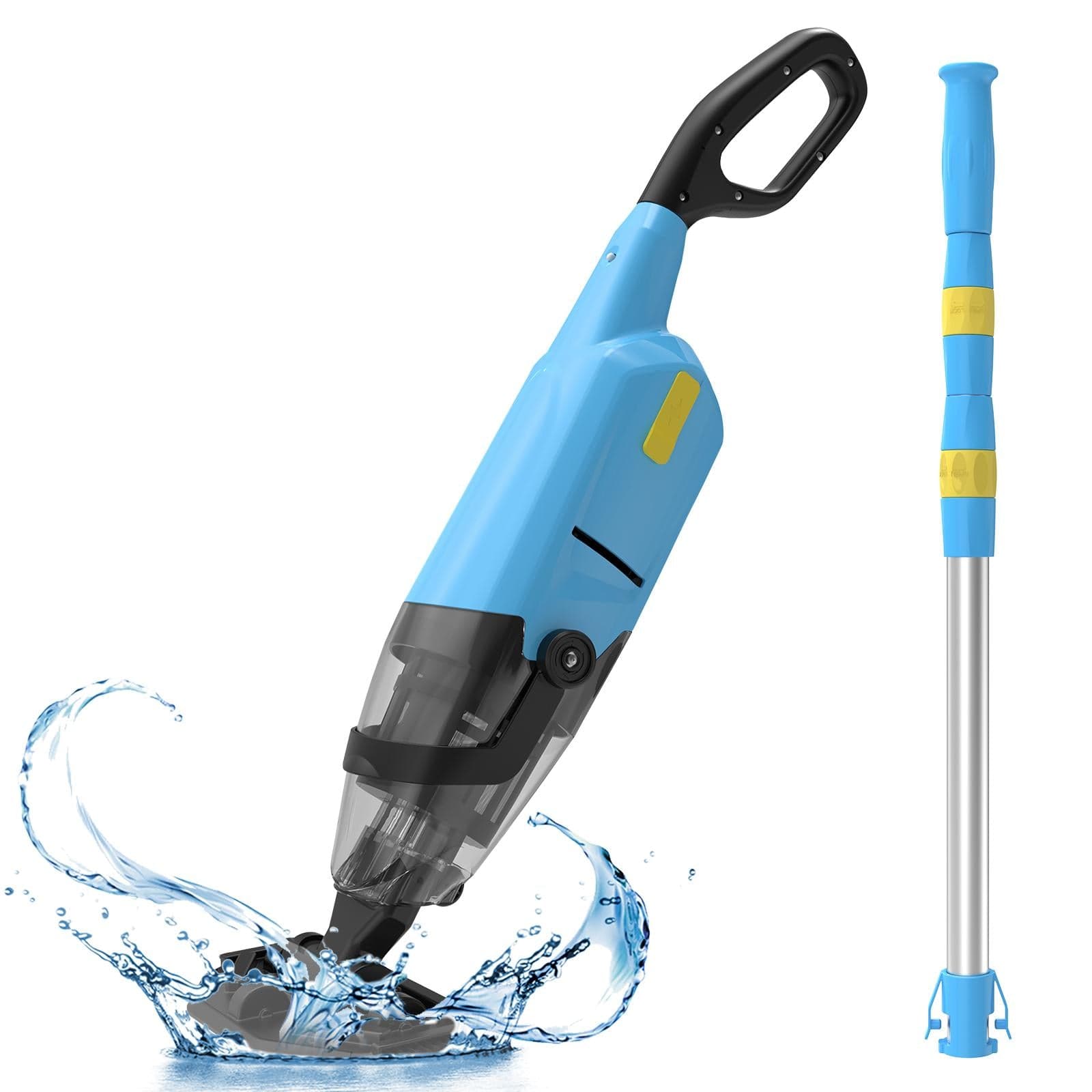
Efurden
Best budget (longest runtime)
The budget endurance pick — up to 90 minutes of runtime and a telescopic pole, at one of the lowest prices here.
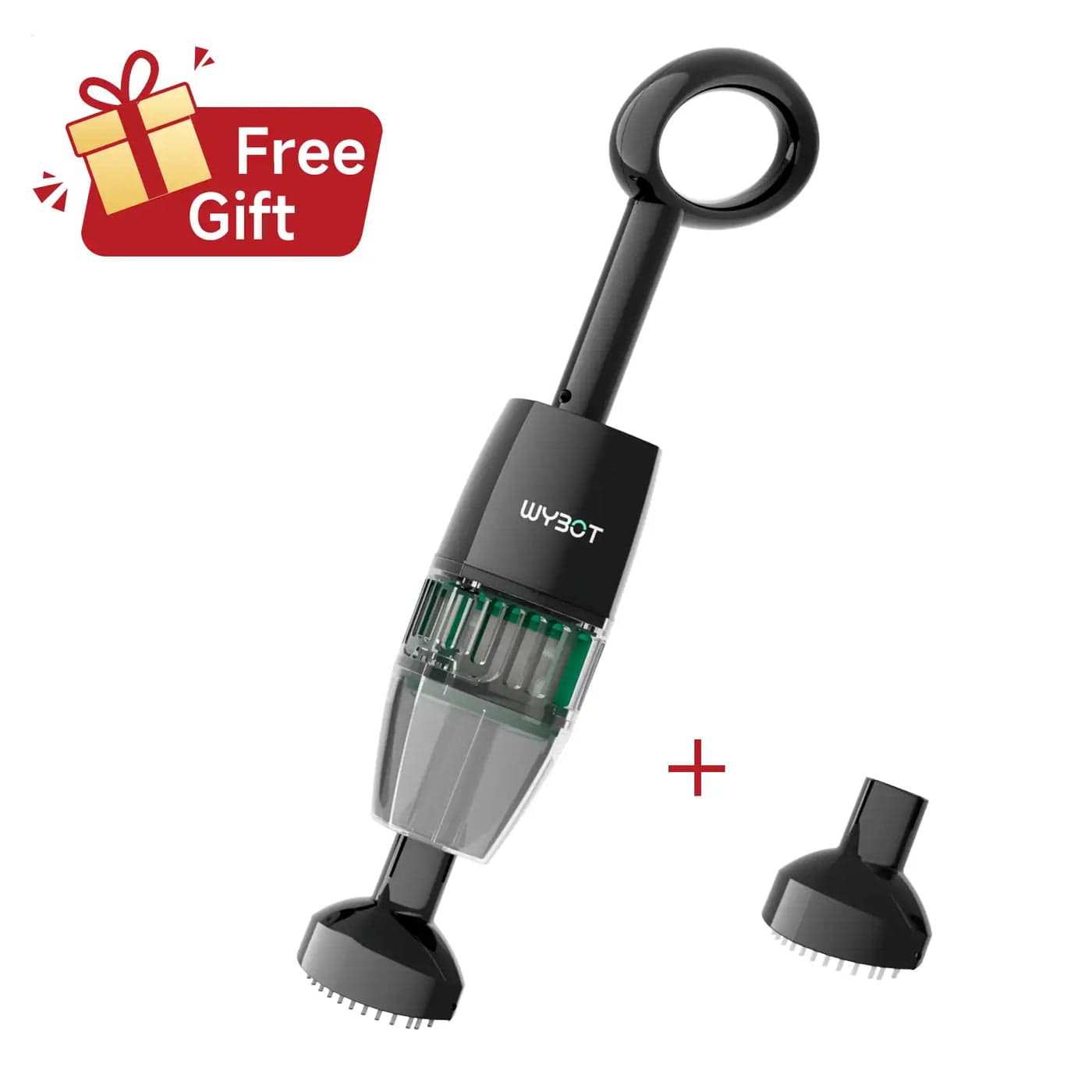
WYBOT
Best WYBOT handheld
A versatile WYBOT handheld with swappable dual suction heads and a telescopic pole for pools, spas, and hot tubs.
Seauto
Cordless Pool Vacuum
Seauto
Strong-suction budget alternative
A budget cordless vacuum with strong claimed suction (18.5 GPM) and an included telescopic pole for pools, corners, and steps.
Robotic cleaners clean the whole pool automatically; a handheld cordless vacuum is a manual spot tool for steps, benches, corners, spas, and quick messes (a pile of leaves, a dust bloom after a storm). Many owners use both: a robot for routine floors and a handheld for the touch-ups the robot can’t reach. If you have a small pool or spa, a handheld alone may be all you need.
Bigger vacuum heads cover more area per pass; stronger suction (flow, in GPM) lifts heavier debris like sand and silt instead of just fine dust. A wide-head, high-suction model like the Pool Blaster Max clears a floor faster; a narrow spot vac like the Catfish is better for tight steps and spa corners.
Most handhelds run 45–90 minutes on a charge and take 2–5 hours (or overnight) to recharge. For a spa or small above-ground pool that’s plenty; for a larger pool, look for 60+ minutes and plan the job around the battery. Fast-charging models get you back in sooner.
These vacuums trap debris in a reusable bag or filter you rinse after each use — there’s no plumbing to backwash. Micro-filter bags catch finer particles (silt, sand) but clog faster; mesh filters handle leaves and pass fine dust. Match the filter to your typical mess, and rinse it every time to keep suction strong.
Often yes, as a complement. Robots clean open floors well but skip steps, benches, tight corners, and spas — exactly where a handheld shines for quick touch-ups. For a small pool or spa, a handheld alone can replace a robot entirely.
Typically 45–90 minutes, with 2–5 hours (sometimes overnight) to recharge. That’s ample for a spa or small pool; for a larger pool, choose a 60+ minute model and work in sections around the battery.
A small above-ground pool or spa, yes — larger pools are slow going by hand and are better served by a robotic or suction cleaner for routine work, with a handheld for spot cleanup. It comes down to pool size and how much manual vacuuming you’ll tolerate.
It depends on suction and filter. Higher-suction models with micro-filter bags (like the Pool Blaster Max) handle sand and silt; lighter models with mesh filters are better for leaves and pass fine dust. Match the model to your typical debris.
Rinse the reusable filter bag or cartridge after every use to keep suction strong, and recharge the battery. There are no hoses or plumbing to service — cleaning the filter is essentially the entire maintenance routine.