
iGarden
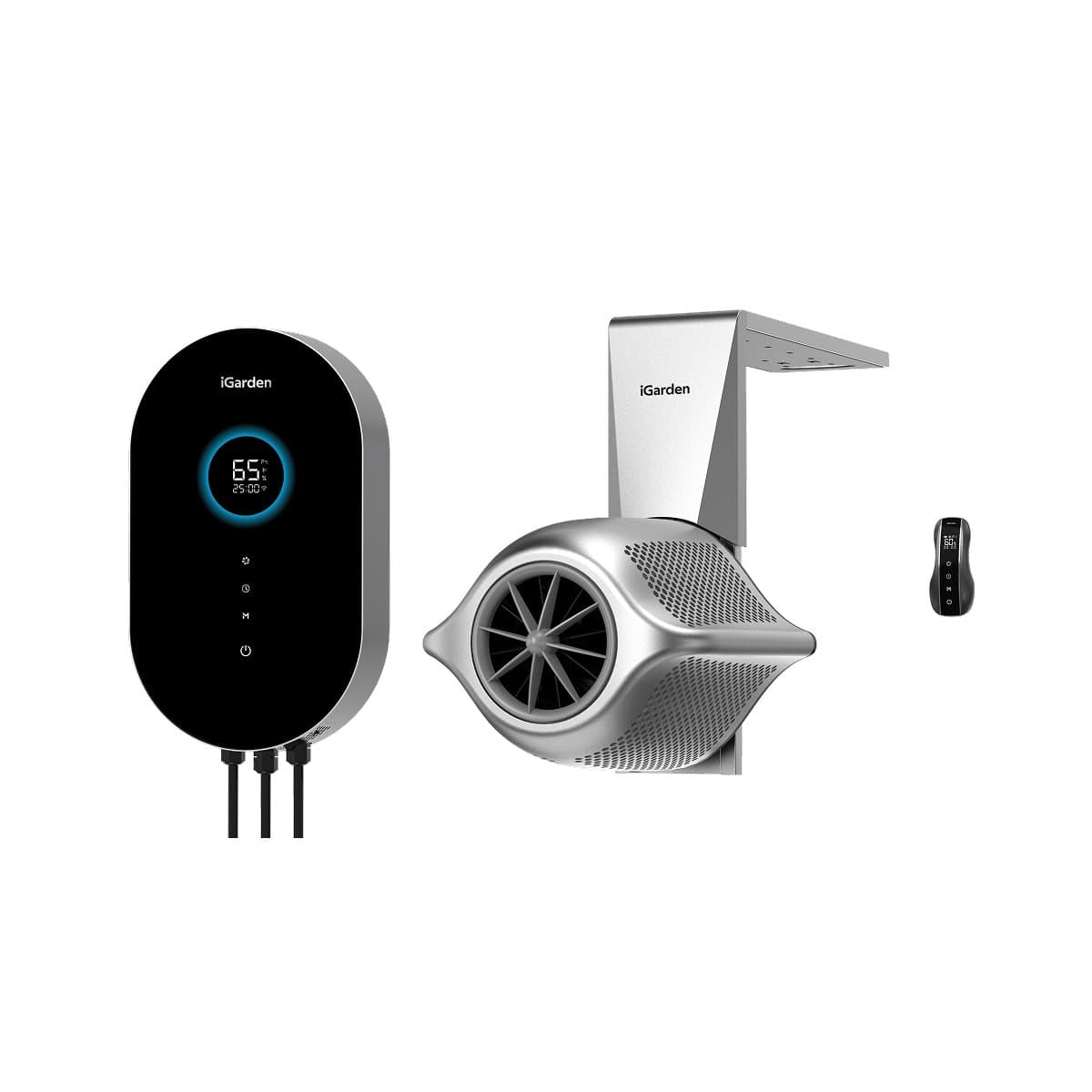
iGarden Swim Jet P Series
Best for serious lap swimmers
A built-in, mains-powered swim current system with unlimited runtime, scaling from 450 to 1,100 GPM across four models.
Counter-current swim machines that turn an ordinary pool into an endless one: you swim in place against an adjustable current. We compare flow rate, swim modes, portable-vs-built-in installation, minimum pool size, and warranty across the models worth considering.
iGarden
Best for serious lap swimmers
A built-in, mains-powered swim current system with unlimited runtime, scaling from 450 to 1,100 GPM across four models.
iGarden
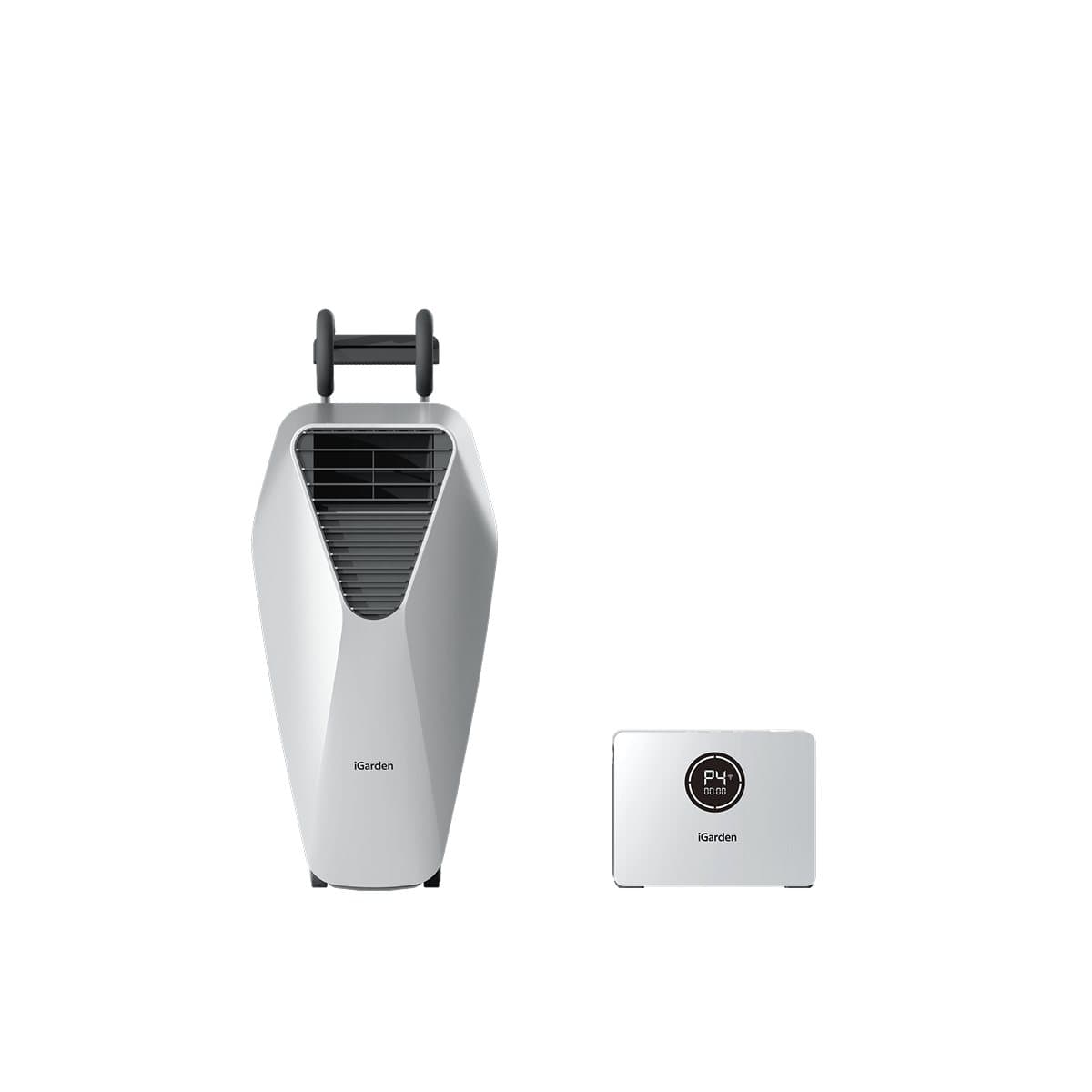
Best portable swim jet
A portable, battery-powered swim jet that clamps onto almost any pool in under a minute and creates a real lap-swimming current with no construction.
Portable, battery-powered jets clamp onto the pool wall and drop in within a minute, with no construction, but they run on a battery so swim time is capped per charge. Built-in jets mount permanently (deck-drilled or set into a new pool wall), run on mains power for unlimited swim time, and hit higher flow rates, but they need installation and a pump/power box. Choose portable for flexibility and renters; built-in for a permanent training setup.
Swim jets are rated in gallons per minute (GPM) and peak water speed. Lower-flow units (around 450 to 720 GPM) suit casual swimmers and family fun; higher-flow units (900 to 1,100 GPM, up to about 4 m/s) create the resistance serious lap swimmers and triathletes need. Buying too weak a jet for a strong swimmer is the most common mismatch, so match the flow to the fastest person who'll use it.
A swim jet needs a clear stretch of water to swim into. Portable units can work in spaces as small as about 8 by 8 feet, which suits plunge pools and compact backyards, while built-in systems are aimed at larger pools. Confirm the mounting style (clamp-on, deck-mount, or in-wall) fits your pool's edge and wall type before you buy.
Any device running a powerful motor in the water should use low-voltage operation, a sealed waterproof motor (look for an IP rating), and automatic shut-off. Warranty length is also a reliability signal on a mechanical, submerged product: better swim jets are backed for two to three years. We treat both as core specs, not fine print.
A swim jet (or counter-current swim machine) pushes a steady, adjustable stream of water across your pool so you can swim in place against it, the way a treadmill lets you run without going anywhere. It turns a normal pool into an 'endless' pool for lap-style training, exercise, or play, without the cost of building a dedicated endless pool.
Match the flow rate to the strongest swimmer who will use it. Casual swimmers and families are well served by lower-flow models around 450 to 720 GPM. Regular lap swimmers want 900 GPM or more, and competitive or triathlon swimmers should look at the top-flow models near 1,100 GPM and 4 m/s, which provide genuine training resistance.
It depends on the type. Portable, battery-powered jets clamp to the pool wall and are ready in under a minute with no construction. Built-in models are mounted permanently, either into a new pool wall or deck-drilled onto an existing pool, and run on mains power, which usually means a short professional or electrician install.
Less than you might think. Portable units can create a usable current in a space around 8 by 8 feet, so plunge pools and compact backyard pools can support in-place swimming. Built-in systems are generally aimed at larger pools. Always check the specific model's minimum pool dimensions before buying.