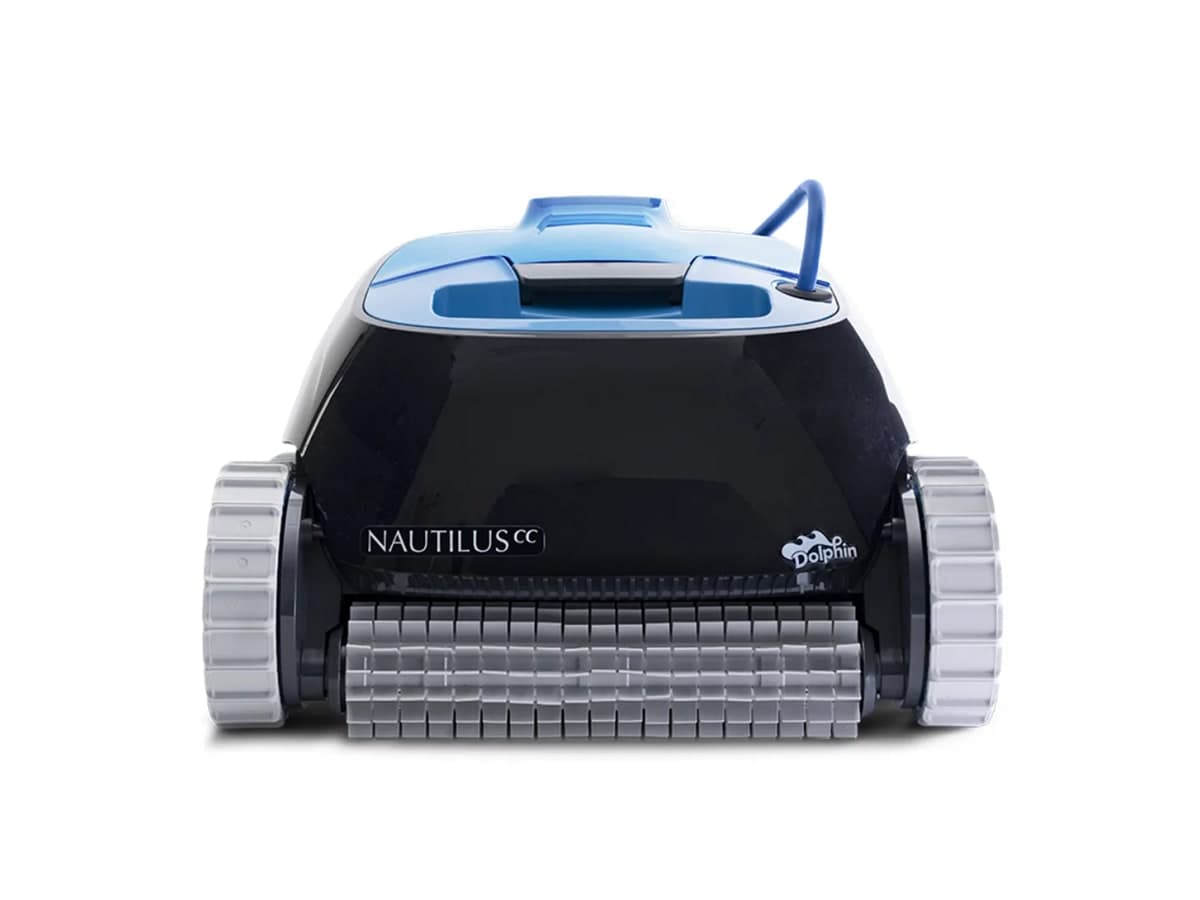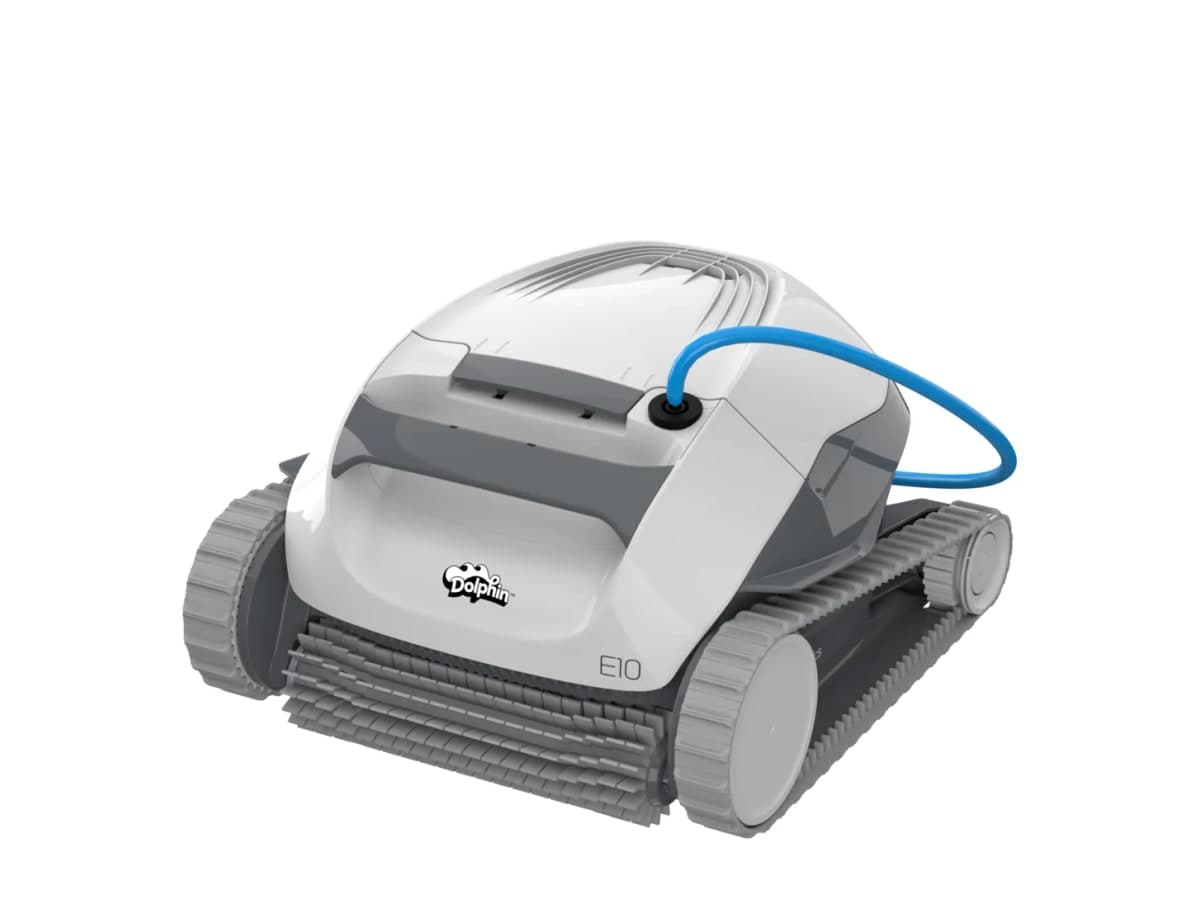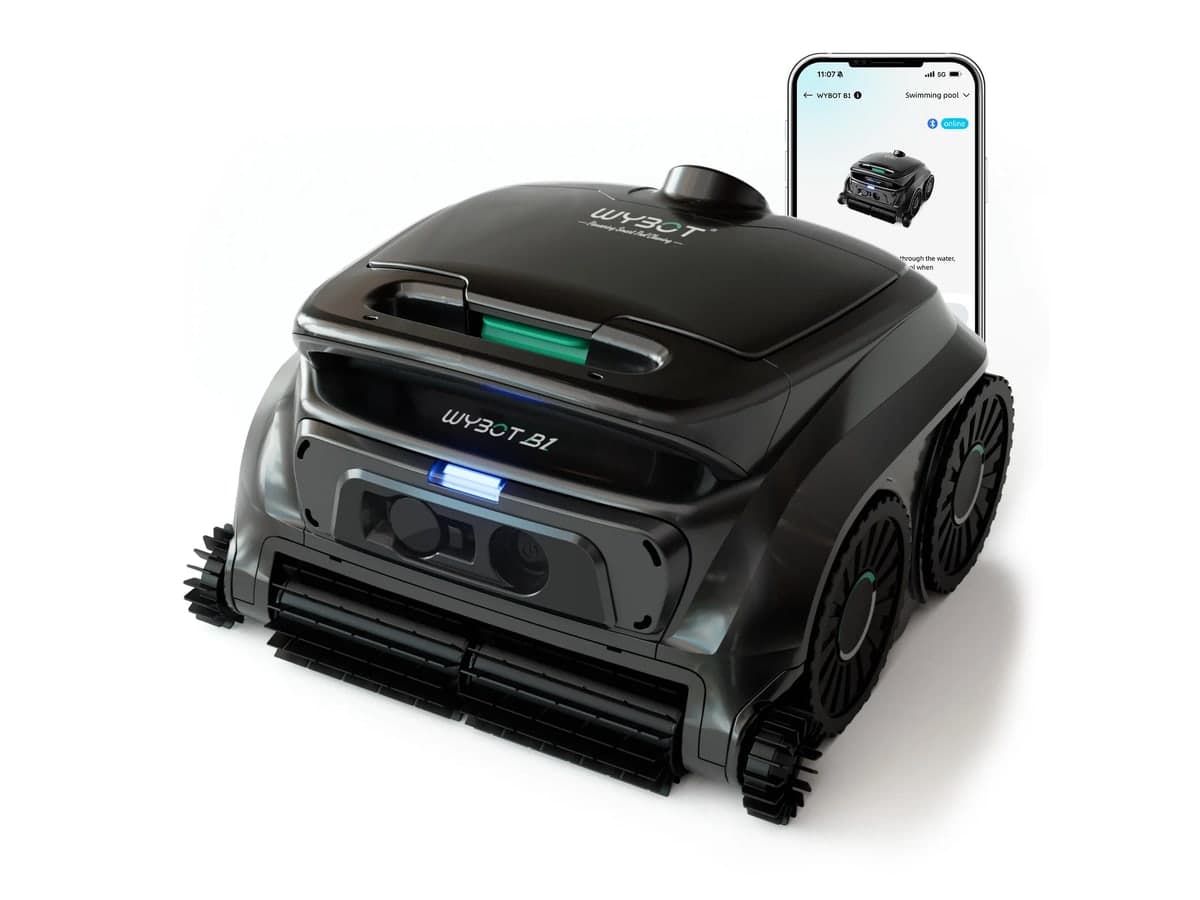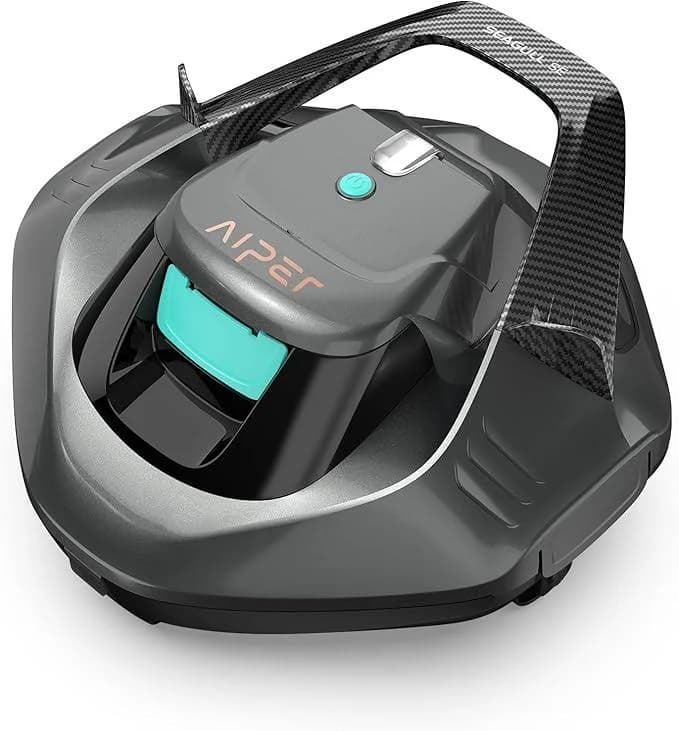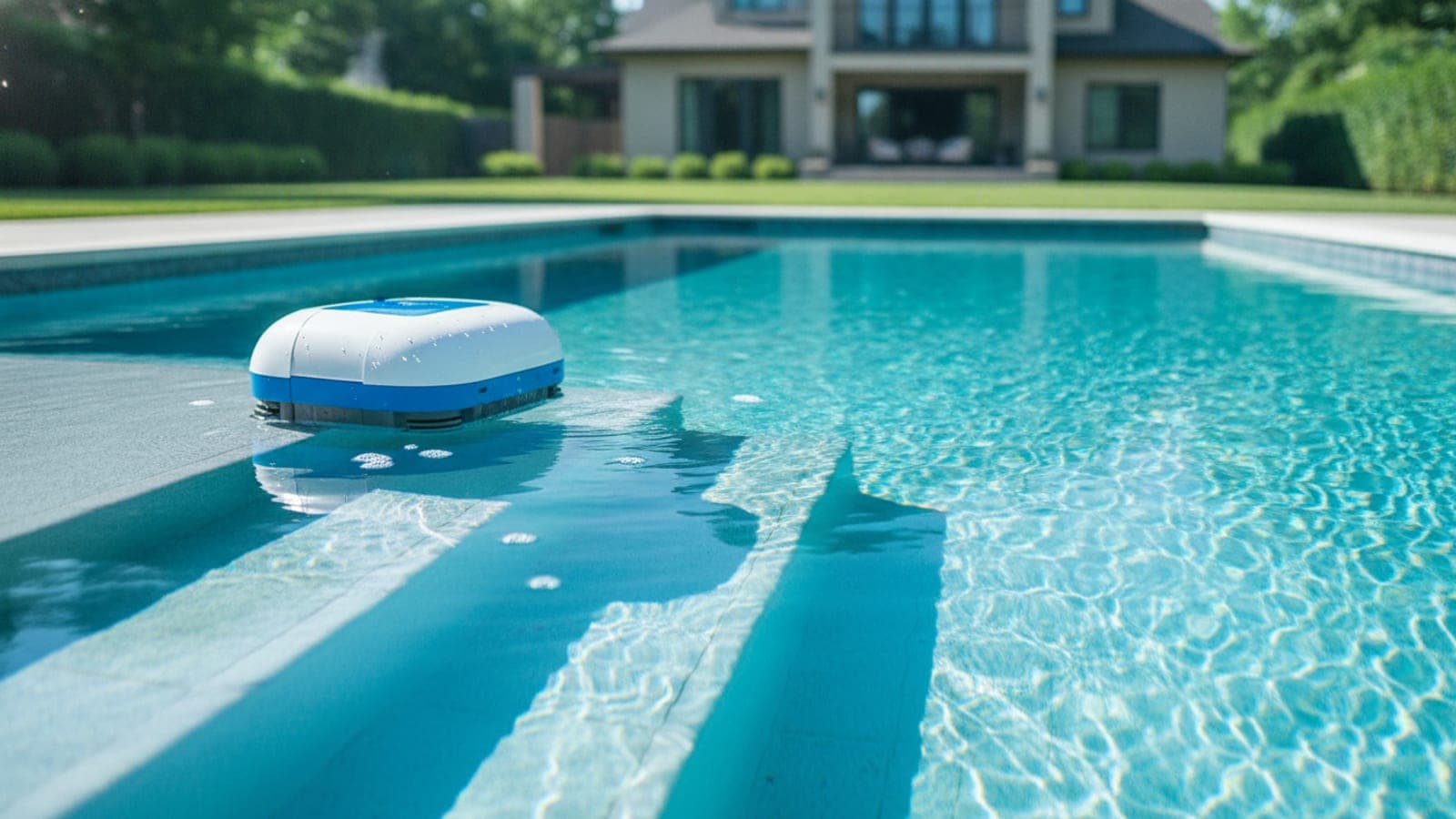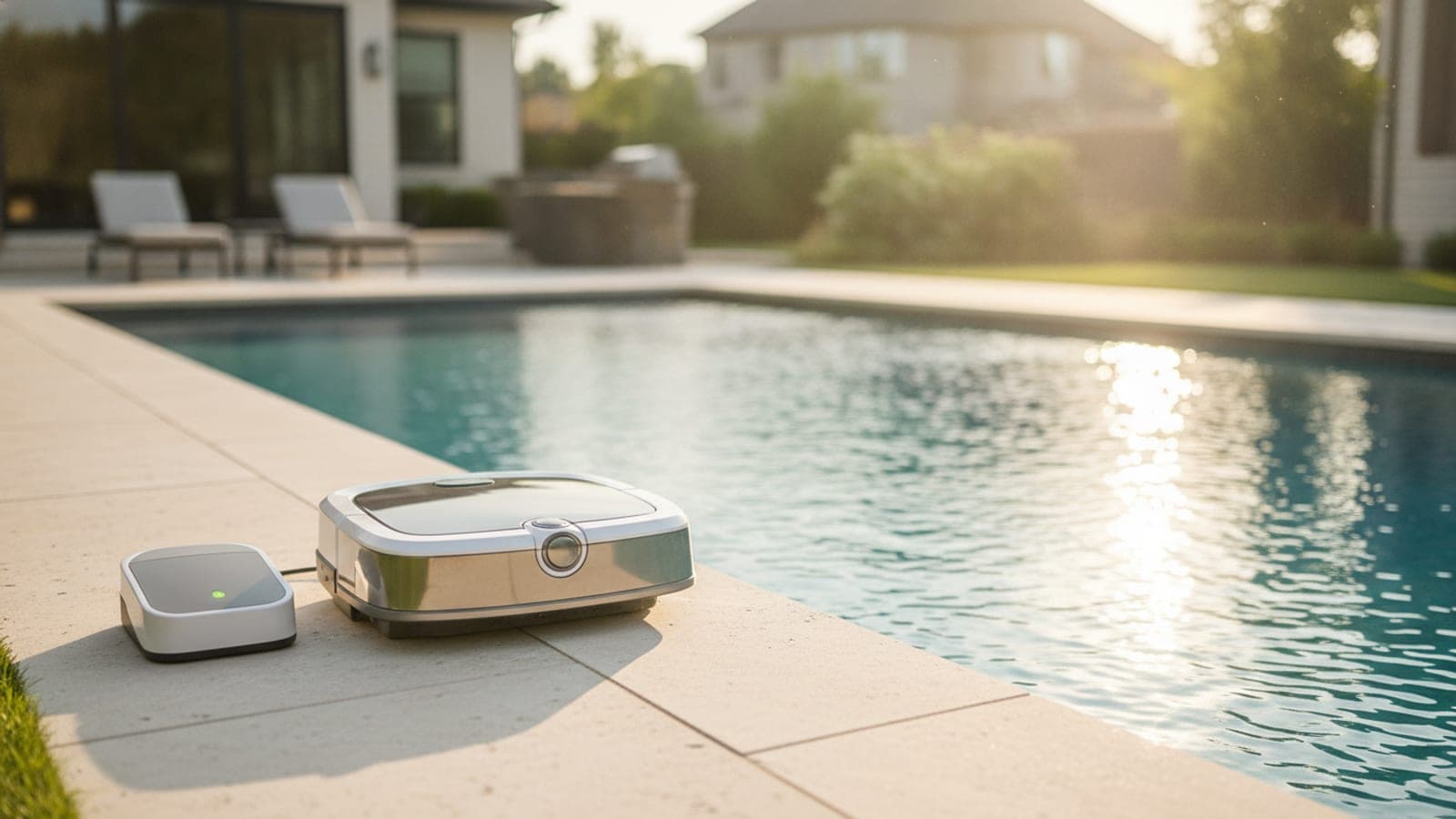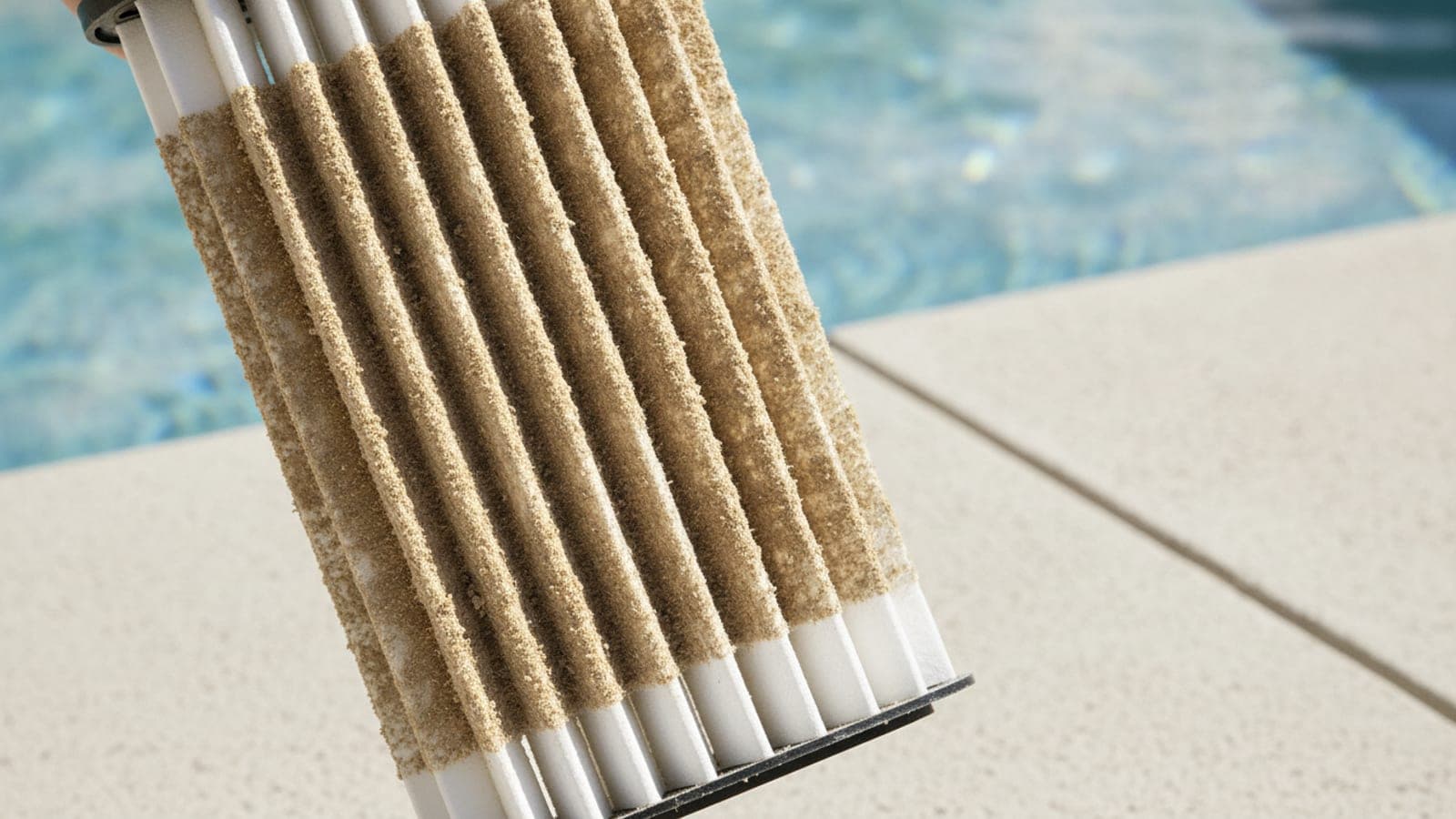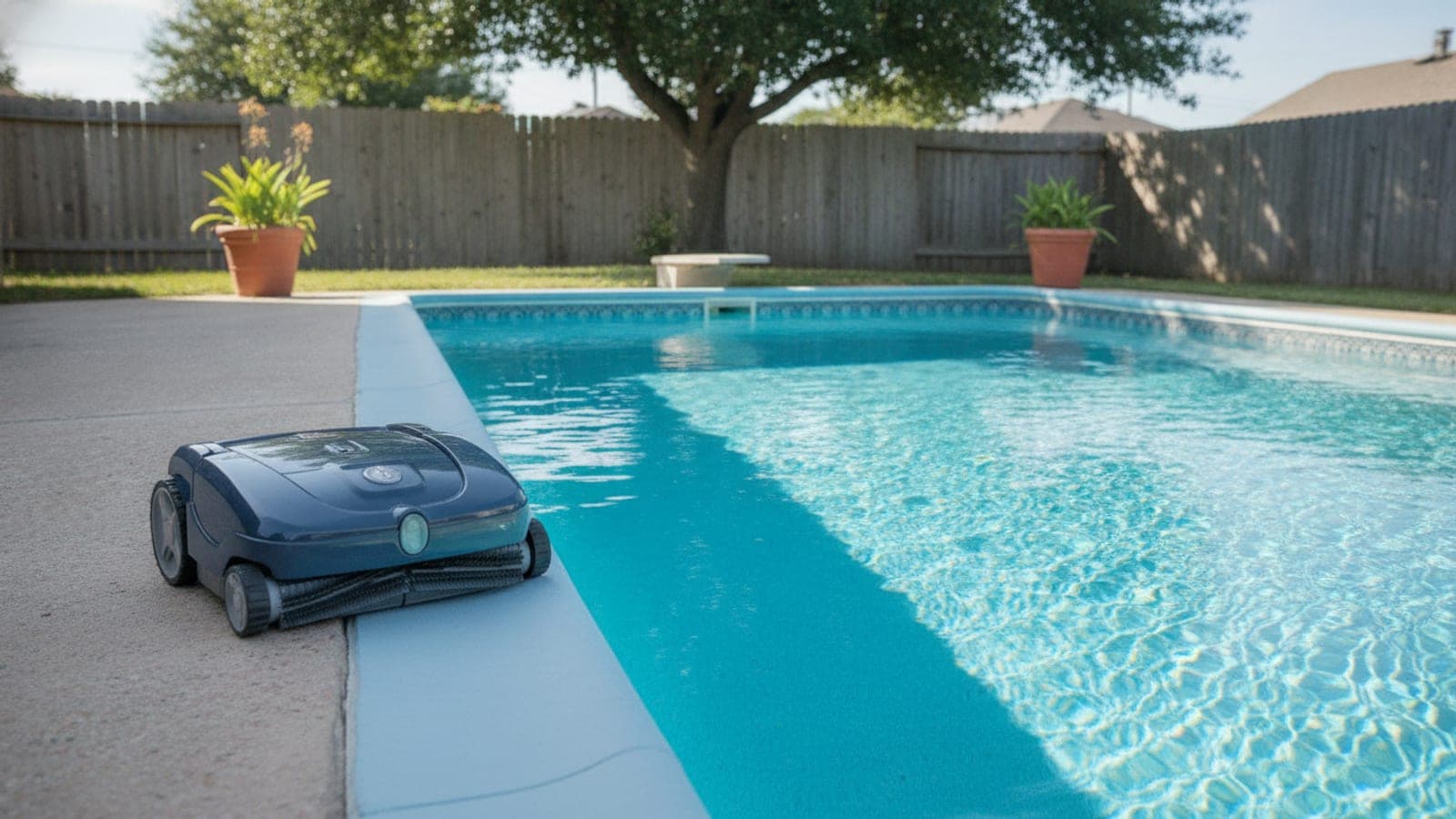
The best robotic pool cleaner under 500 is usually a simple floor cleaner for a small or medium pool, not a magic underwater employee with benefits. Budget robots can be useful, but they work best when you buy them for the right job.
Under-$500 pool robots are tempting because pool ownership already feels like a subscription to random expenses. The trick is knowing what a cheaper cleaner can realistically do and what it usually leaves behind.
Key takeaways
- A robotic pool cleaner under $500 is usually best for smaller pools, above-ground pools, and floor debris.
- Budget models often skip wall cleaning, waterline cleaning, advanced navigation, app control, or larger baskets.
- Cordless budget cleaners can be convenient, but runtime and charging matter.
- Do not buy by price alone. Match the cleaner to pool size, surface, debris type, and warranty.
- Prices change often, so the live product table should verify current price before showing “under $500.”
Table of contents
- Who should buy a robotic pool cleaner under $500?
- What do budget pool robots usually give up?
- Which specs matter most under $500?
- Is cordless better in this price range?
- What should the product table include?
- When should you spend more than $500?
- What does a realistic budget buying scenario look like?
- What affiliate products belong on this page?
- Which pages should this guide link to next?
- Source notes
Who should buy a robotic pool cleaner under $500?
A robotic pool cleaner under $500 makes the most sense for a pool owner with a smaller pool, lighter debris, and realistic expectations. It is a helper, not a replacement for every brush, skimmer, and filter cleaning you own.
Budget robots fit best when:
- The pool is small to medium.
- The main mess is floor dirt, bugs, grit, or light leaves.
- You do not need waterline cleaning.
- You are okay brushing walls yourself.
- You want less manual vacuuming.
- You can clean the basket after runs without making a whole ceremony out of it.
They fit poorly when:
- The pool is large.
- Leaves are heavy.
- The walls or waterline get dirty fast.
- You want scheduling and app control.
- You expect the robot to replace a premium cleaner.
- Replacement filters or parts are hard to find.
This article should connect directly to the Pool Robot Finder, because a budget recommendation without pool size is just a guess wearing sunglasses.
What do budget pool robots usually give up?
Budget robotic pool cleaners usually give up coverage, automation, runtime, warranty length, debris capacity, or advanced navigation. That does not make them bad. It means the buyer needs to know the tradeoff before checkout.
| Feature | Budget cleaner reality | Why it matters |
|---|---|---|
| Wall climbing | Often limited or missing | You may still brush walls manually |
| Waterline cleaning | Usually absent | Sunscreen and film may remain |
| Runtime | Often shorter | Larger pools may need multiple runs |
| Basket capacity | Often smaller | Leaves can fill it quickly |
| Navigation | Usually simpler | May miss spots or repeat areas |
| App control | Often absent | Less scheduling and remote control |
| Warranty | Varies by brand/model | Repairs may change the value math |
| Parts | Can be limited | Filters, tracks, and brushes matter later |
This is the tone to keep on the page: budget is fine, pretending budget is premium is not.
If a product card says it climbs walls, verify the exact claim from the manufacturer. If it only cleans floors, say that plainly. A good budget page earns trust by saying what the cleaner will not do.
Which specs matter most under $500?
The most important specs under $500 are pool size rating, floor coverage, runtime, charge time, filter style, weight, and warranty. Ignore the dramatic marketing words until those basics are clear.
The product card should include:
- Current verified price status.
- Pool type: above-ground, inground, or both.
- Maximum pool size or area.
- Corded or cordless.
- Runtime and charge time if cordless.
- Floor-only vs wall-capable coverage.
- Filter type.
- Weight.
- Warranty length.
- Replacement filter availability.
Price should be handled carefully. Use a live or recently checked price field, not a hardcoded promise. A model that was under $500 during a sale may not be under $500 next week. Nothing says “trustworthy review site” like not lying about a price because a coupon wandered off.
[AFFILIATE_MODULE: budget-pool-robot-cards]
- Best budget robot for above-ground pools.
- Best budget robot for small inground pools.
- Best cordless budget floor cleaner.
- Best budget pick for light debris.
- Best step-up pick if the current price is slightly over $500.
Is cordless better in this price range?
Cordless is common under $500 because many budget robots are designed for simple drop-in floor cleaning. It can be very convenient, but it also means battery care and runtime are part of the deal.
Cordless budget cleaners are good when:
- You hate cable setup.
- The pool is small enough for one cycle.
- You clean often instead of waiting for swamp week.
- The robot is easy to retrieve.
- You do not need long waterline scrubbing.
Cordless budget cleaners are weaker when:
- The pool is large.
- Debris is heavy.
- The robot needs multiple cycles.
- Charging location is awkward.
- Replacement battery service is unclear.
| Budget type | Best use | Tradeoff |
|---|---|---|
| Cordless floor cleaner | Quick floor cleaning | Limited runtime and coverage |
| Corded budget robot | More consistent power | Cable handling |
| Manual vacuum | Spot cleaning | You do the work |
| Used premium robot | Better features for less money | Unknown wear, warranty risk |
Link readers to Corded vs Cordless Pool Robots when they are choosing between convenience and coverage.
What should the product table include?
The under-$500 table should be built around honesty. Do not force a “best overall” if the price range is full of tradeoffs. Make the reader understand the compromises before they click.
| Pick type | Best for | Must verify | Warning |
|---|---|---|---|
| Best budget above-ground pick | Small and medium above-ground pools | Pool size rating and runtime | May be floor-only |
| Best for small inground pools | Light debris and simple shapes | Inground compatibility | May not cover walls |
| Best cordless budget pick | Easy setup | Charge time and retrieval | Battery habits matter |
| Best for light leaves | Occasional debris | Basket size | Not a leaf monster |
| Best step-up pick | Buyers who can stretch budget | Current sale price | May move over $500 |
Add a price note above the table:
Prices and availability change. This table should be checked before publishing and should use the live affiliate-link price status when available.
That tiny note saves you from stale price embarrassment.
When should you spend more than $500?
Spend more than $500 when the pool is large, the debris is heavy, the walls need regular cleaning, or you want better automation. A cheaper robot is not cheaper if it leaves you doing half the pool by hand.
Upgrade when you need:
- Larger pool coverage.
- Wall and waterline cleaning.
- Better navigation.
- Longer runtime or corded reliability.
- Bigger baskets.
- Ultra-fine filter options.
- Better warranty support.
- Easier replacement parts.
A good rule: if you are buying the robot to replace frequent manual vacuuming in a larger inground pool, look at Best Robotic Pool Cleaners Under $1,000 and Best Robotic Pool Cleaners for Large Pools before settling for the lowest price.
If you are trying to reduce service visits, use the Robot vs Pool Service Cost Calculator first. A higher upfront robot can still make sense if it reduces paid cleaning or saves you from hours of manual work.
What does a realistic budget buying scenario look like?
Say you have an 18-foot above-ground pool with a few bugs, some sand, and light leaves. You brush the walls once a week, and you mostly want the floor cleaned without dragging out the vacuum hose.
A budget robot can be a good fit. You would look for a lightweight cordless floor cleaner, enough runtime for the pool, an easy basket, and replacement filters you can actually buy.
Now change the scenario. You have a 40-foot inground pool, oak trees, a dirty waterline, and a deep end that collects fine dirt. A budget floor cleaner may disappoint you. It may help, but it probably will not replace a larger robot with better coverage and filtration.
That is the whole point of this page. The best under-$500 cleaner is only best for the right pool.
What affiliate products belong on this page?
Budget buyers often need supporting products because a cheaper robot may not handle every job. Keep the product modules practical.
Useful modules:
- Budget robotic cleaner cards.
- Replacement filter baskets.
- Fine filter inserts where available.
- Manual skimmer nets.
- Wall brushes.
- Pool test kits.
- Basic leaf rakes.
- Robot retrieval hooks if applicable.
[AFFILIATE_MODULE: budget-robot-accessories]
- Fine filters.
- Replacement basket.
- Skimmer net.
- Wall brush.
- Drop test kit.
- Basic pool pole.
This page should not shame budget buyers. It should help them avoid buying a small helper and expecting it to do a premium robot's job.
Which pages should this guide link to next?
The under-$500 page should move readers into either a better-fit budget pick or a step-up page.
Internal links to include:
- Pool Robot Finder
- Best Robotic Pool Cleaners for Above-Ground Pools
- Best Robotic Pool Cleaners Under $1,000
- Pool Robot Not Picking Up Dirt
- How Long Does a Pool Robot Last
The conversion path is not “buy the cheapest.” It is “buy the cheapest cleaner that actually fits your pool.”
Source notes
Use official manufacturer pages for runtime, pool-size ratings, warranty, and replacement part notes. Aiper publishes product and warranty pages for cordless models. WYBOT publishes warranty duration ranges by product type. Maytronics publishes warranty guidance for Dolphin cleaners and model-specific product pages.
Do not hardcode a robot as under $500 without a recent price check. Use a price_last_checked field in the product record and mark outdated price data clearly.
Frequently asked questions
Are robotic pool cleaners under $500 worth it?
Some robotic pool cleaners under $500 are worth it for small pools, above-ground pools, spot cleaning, and lighter debris. They are usually not the best choice for large inground pools, heavy leaves, waterline cleaning, or owners who expect premium navigation.
What do you give up with a cheap robotic pool cleaner?
Budget robotic pool cleaners often give up wall climbing, waterline cleaning, longer runtime, larger filter baskets, advanced navigation, app control, longer warranties, or easier parts availability.
Can a pool robot under $500 clean an inground pool?
Some can clean the floor of smaller inground pools, but you need to check the exact pool size rating, floor type, runtime, and whether it is intended for inground use. Do not assume every budget robot is an inground cleaner.
Is cordless common under $500?
Yes, many budget robotic cleaners are cordless because they are designed for simple drop-in floor cleaning. Check runtime and charge time carefully before buying.
Should I buy a used premium robot instead of a new budget one?
Sometimes, but used robots carry risk. Check battery age, cord condition, tracks, brushes, filters, warranty transferability, and replacement part availability before choosing used over new.