
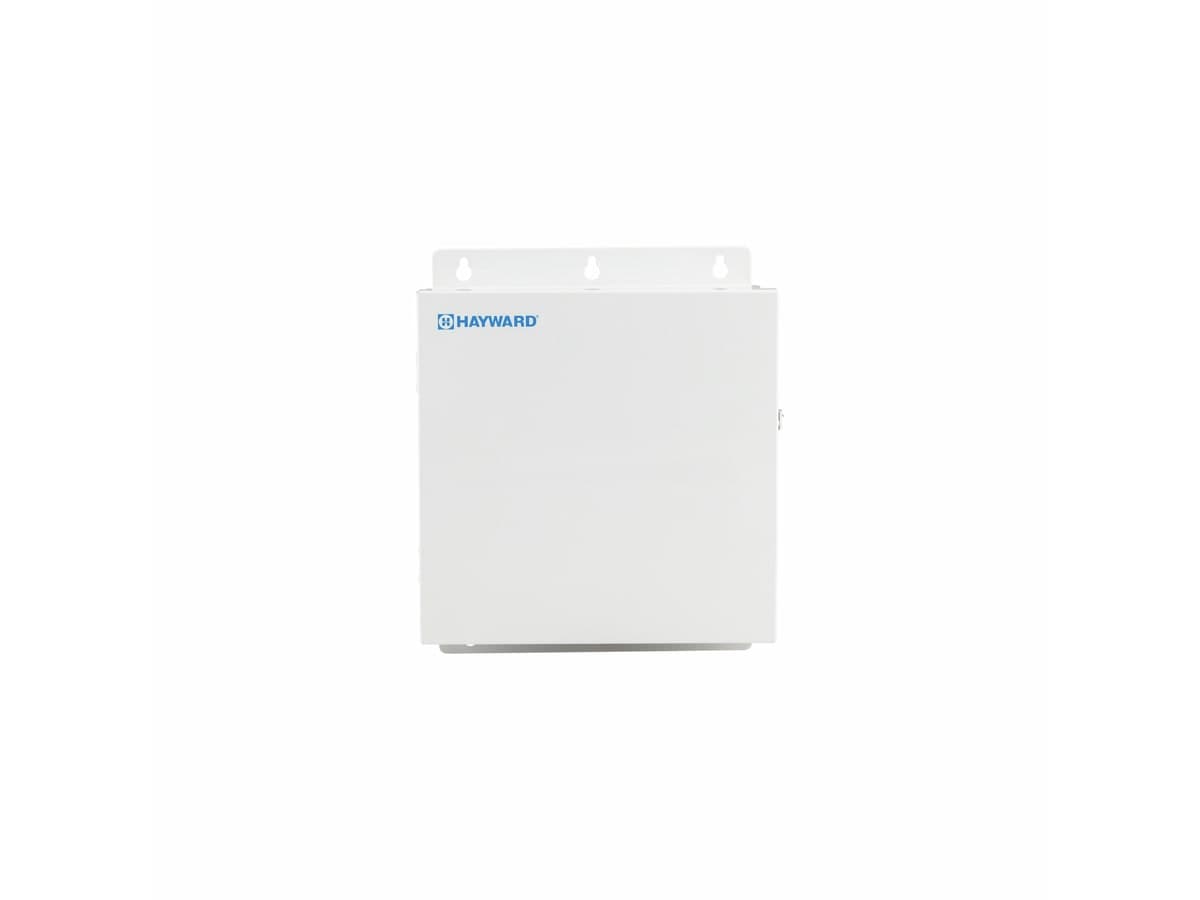
Hayward
Hayward AquaRite Salt System (40,000 gal)
Best overall
The industry-standard salt system — more AquaRites are installed than any competitor, and the ubiquity is the point: parts and service are everywhere.
Salt chlorine generators (saltwater systems) that make chlorine from salt so you stop buying and handling it. We compare cell capacity, chlorine output, warranty length, and how each fits real pools — above-ground to large in-ground.
Hayward
Best overall
The industry-standard salt system — more AquaRites are installed than any competitor, and the ubiquity is the point: parts and service are everywhere.
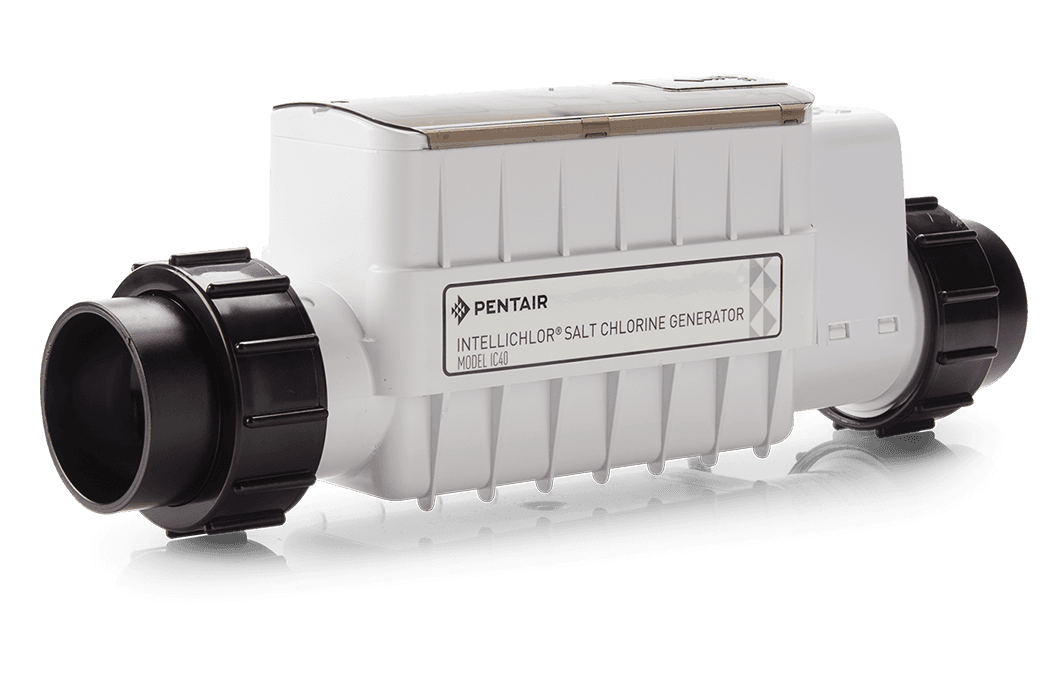
Pentair
Premium pick
Pentair’s premium salt system — excellent diagnostics, real-time cell-life tracking, and seamless integration if you run Pentair automation.
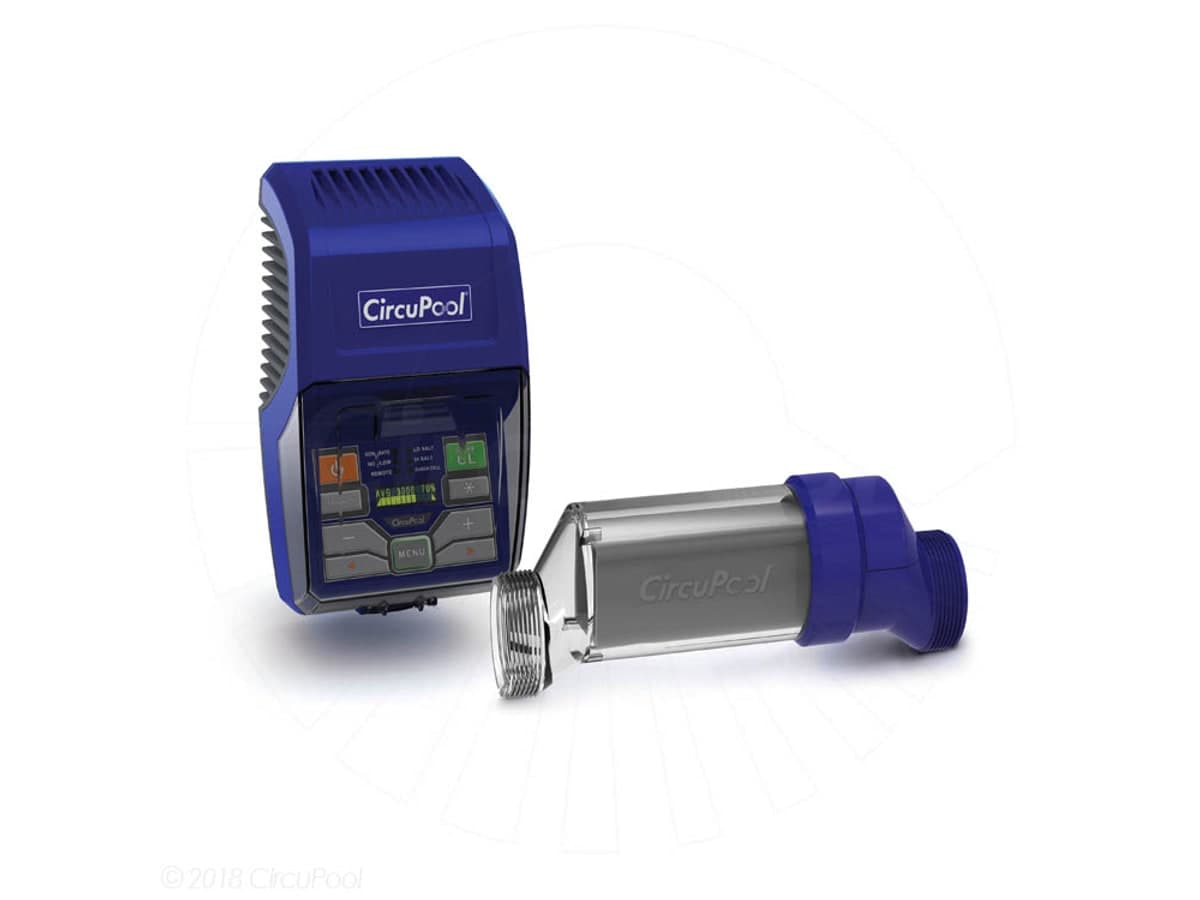
CircuPool
Best warranty
The enthusiast value flagship — a big titanium cell, a 7-year warranty, and no DIY-install penalty, at a price that undercuts the majors.
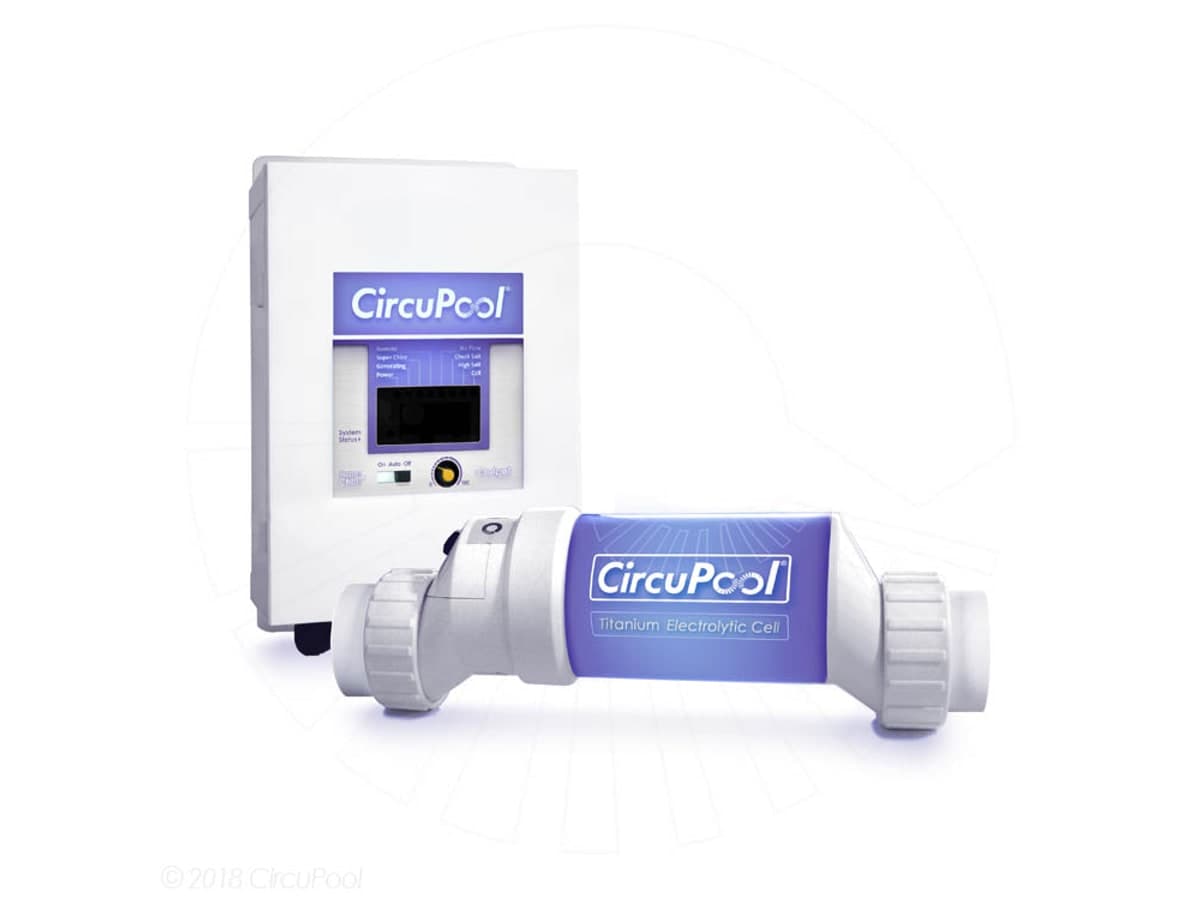
CircuPool
Best DIY value
The easy value pick — a complete titanium-cell system designed to drop onto any pad and be installed by a handy owner, at a mid-range price.
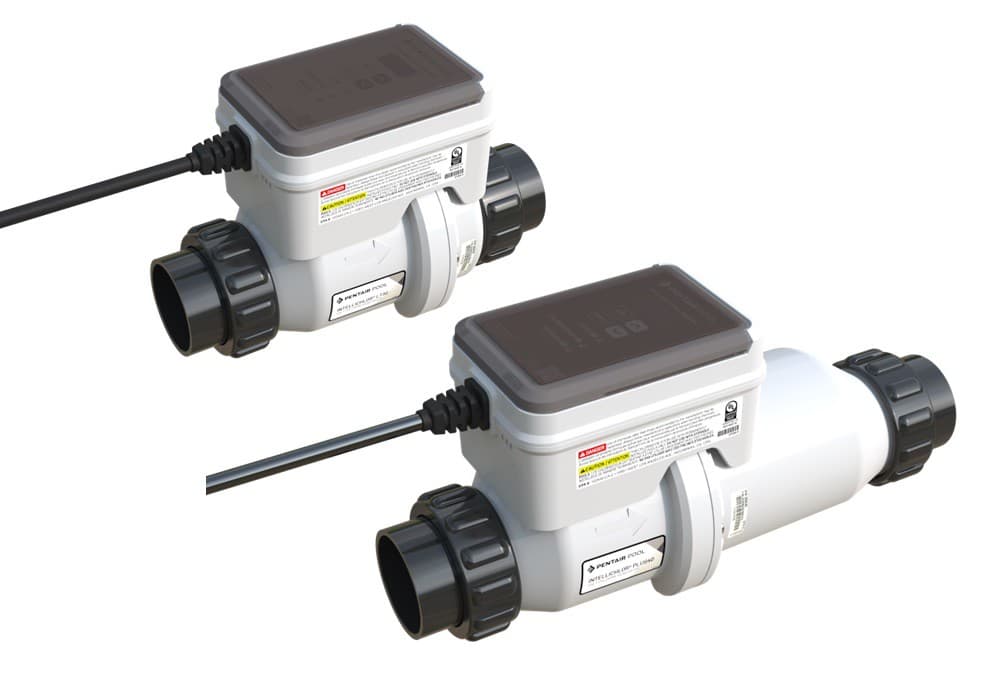
Pentair
Best for small pools
The small-pool Pentair option — IntelliChlor diagnostics and SmartSense in a complete 15,000-gallon cell-and-power-pack bundle.
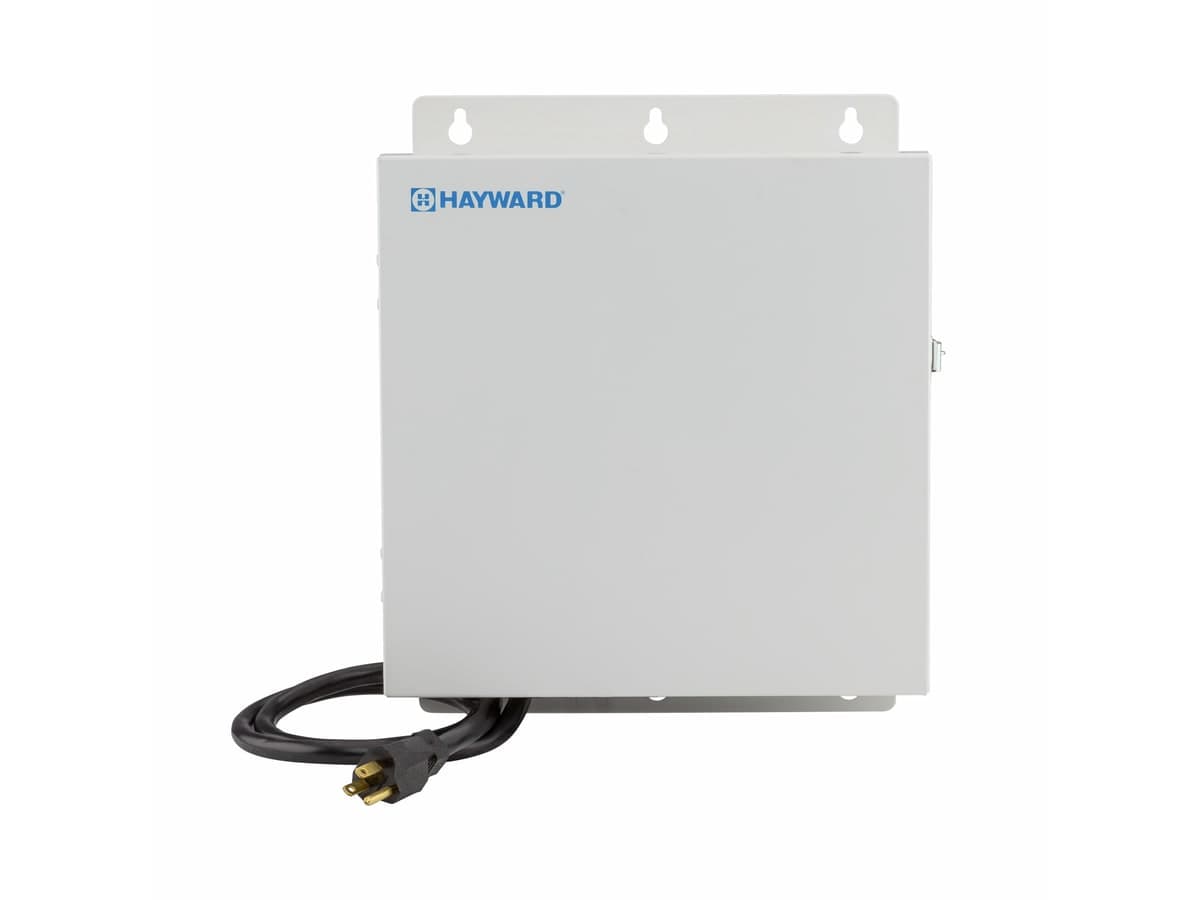
Hayward
Best for above-ground pools
Hayward’s salt system built specifically for above-ground pools — an all-in-one unit that plumbs into the return line with included fittings.
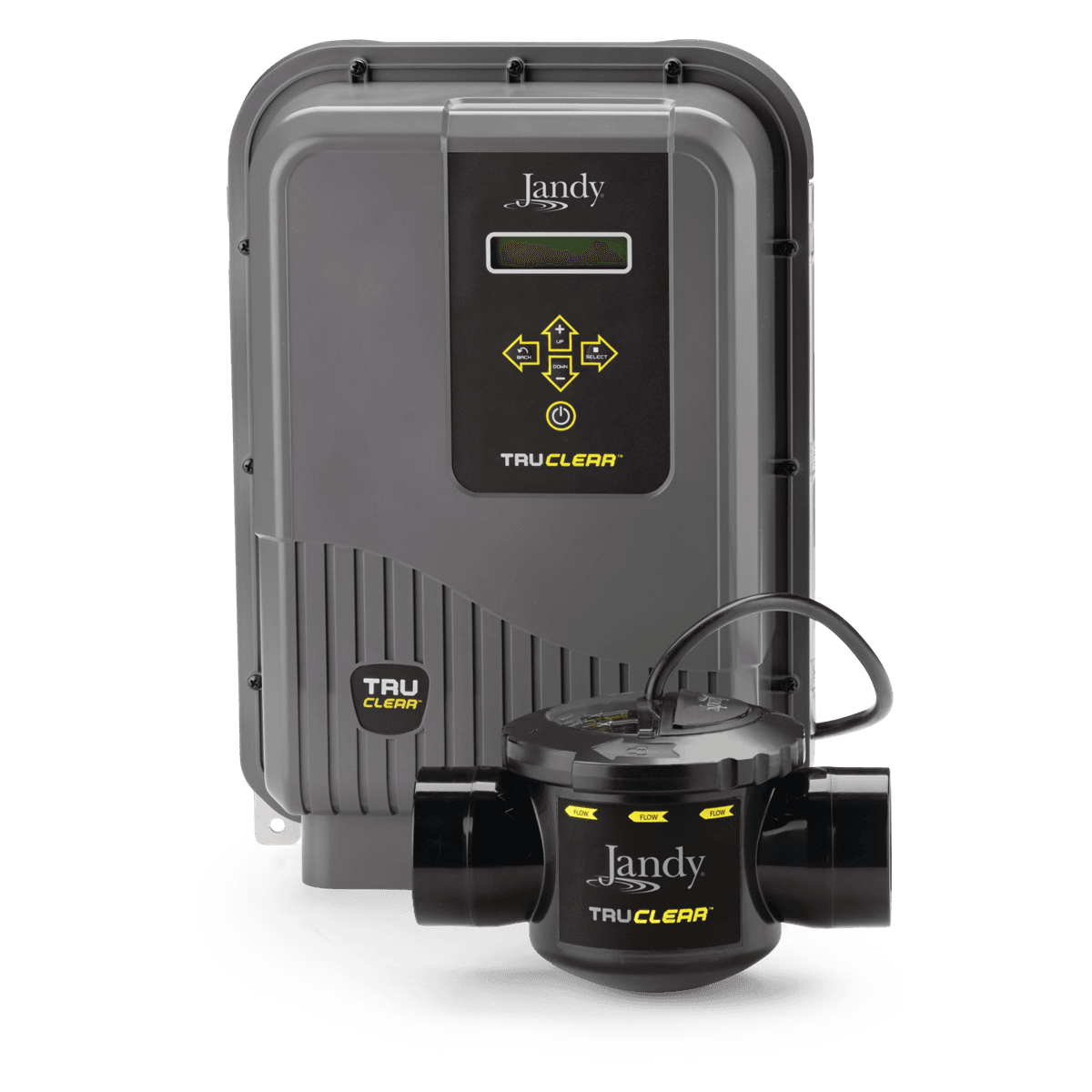
Jandy
Best for Jandy pads
A compact, reliable salt system from the third major brand — steady output and a small footprint, ideal on a Jandy/Zodiac equipment pad.
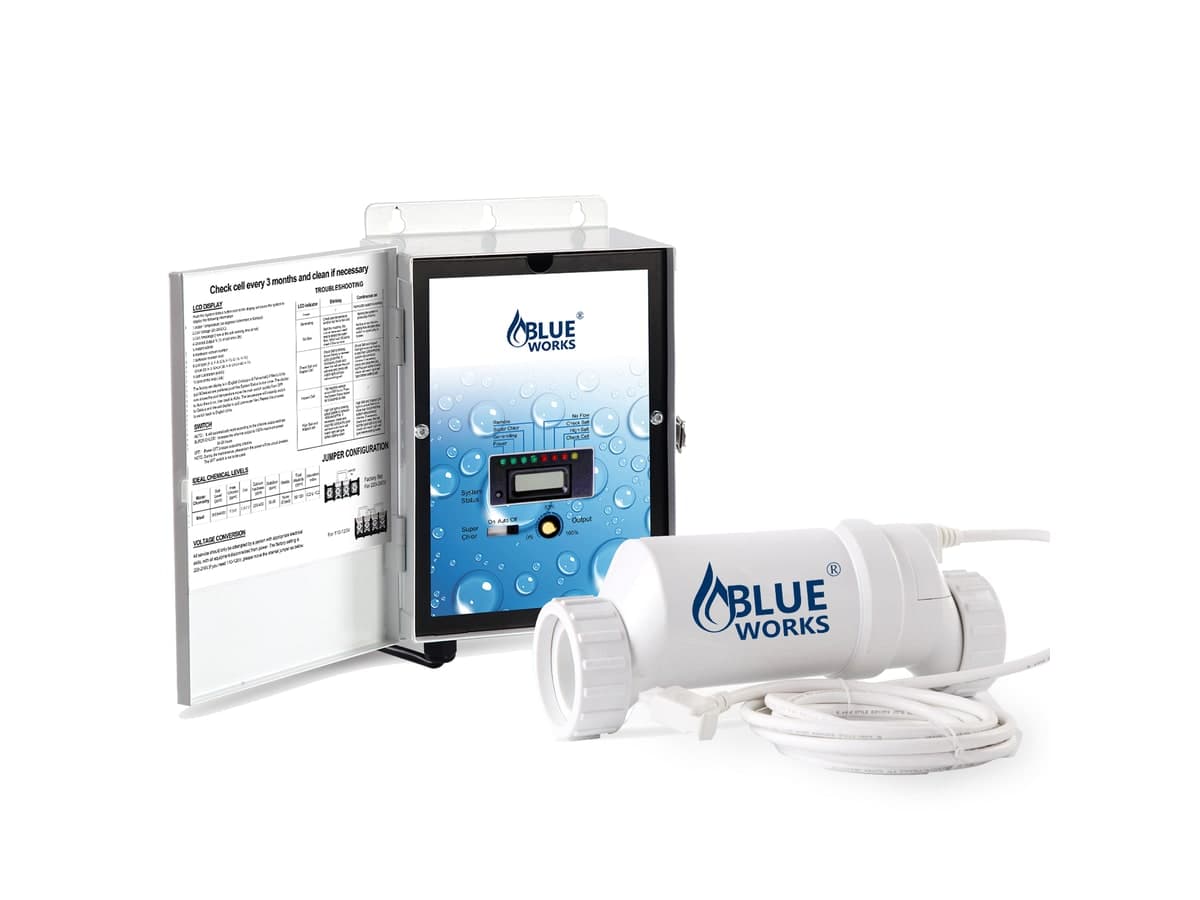
BLUE WORKS
Budget in-ground alternative
A budget in-ground salt system that mimics the AquaRite layout — self-cleaning cell, salt/temperature indicators, and Hayward-cell compatibility at a lower price.
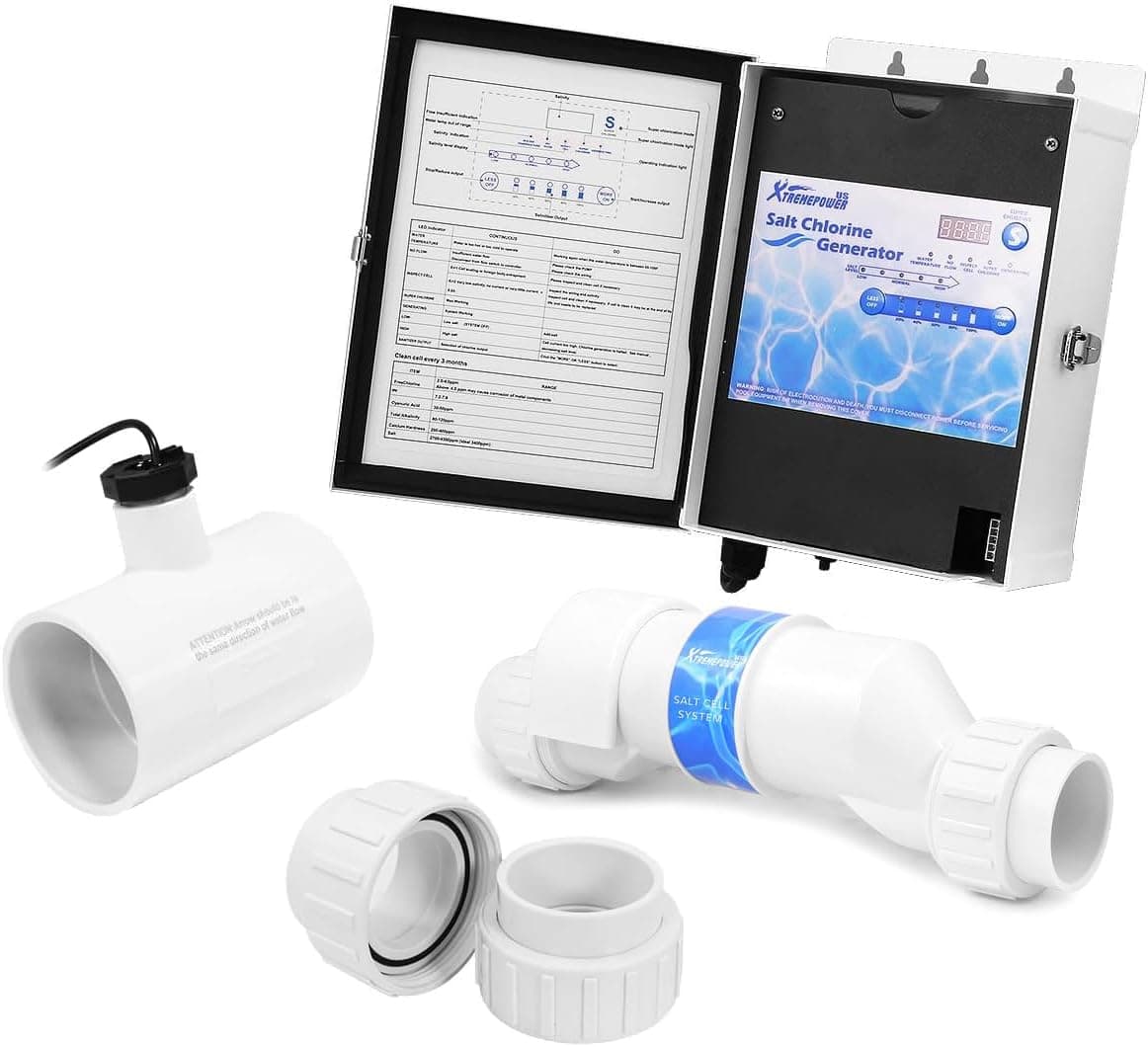
XtremepowerUS
Best budget
The rock-bottom-price salt system — a complete universal kit with flow switch and titanium cell that gets you onto salt for the least money.
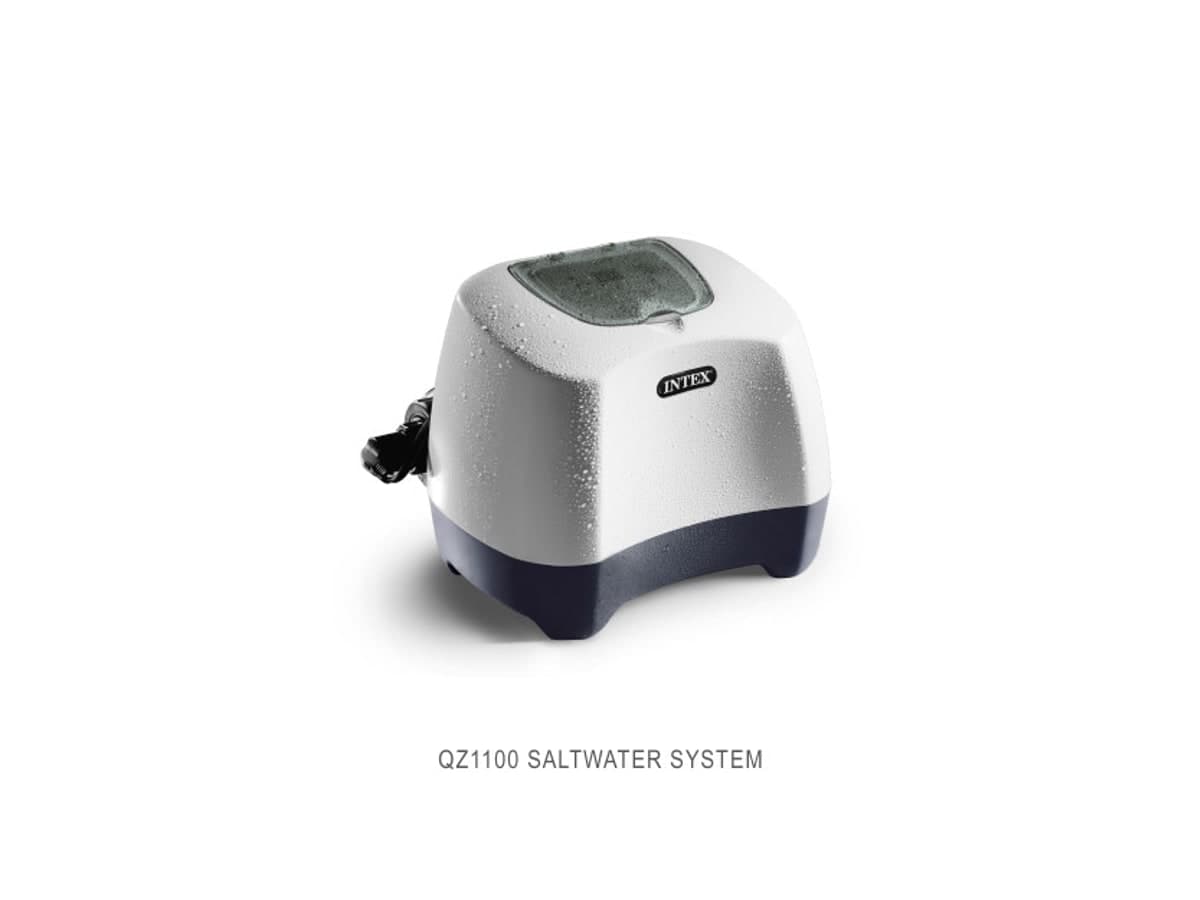
Intex
Best for above-ground / Intex pools
The entry-level, above-ground-pool-friendly salt system — connects to an existing filter pump and cuts chemical use with a simple ECO + salt process.
A salt system doesn't eliminate chlorine; it generates it. Dissolved salt passes through an electrolytic cell that converts it to chlorine, which sanitizes the water and then reverts to salt to repeat the cycle. The payoff is steadier chlorine levels and no jugs to haul or handle — not a chlorine-free pool.
A cell rated for exactly your pool volume has to run near 100% all the time, which wears it out fast. Buy a cell rated well above your pool — a 40,000-gallon cell on a 25,000-gallon pool runs at lower output, lasts longer, and gives you headroom on hot, high-demand days.
Salt cells are consumable: they last roughly 3–7 years and cost several hundred dollars to replace. That makes warranty length (CircuPool famously runs 7 years; many others are 1–3) and the price of a replacement cell as important as the sticker price. Cheap system, expensive cell is a common trap.
Pool salt levels are low — about a teaspoon per gallon (~3,000–3,400 ppm), less salty than a tear. But saltwater can accelerate corrosion on some metals, heaters, and natural stone. Use a sacrificial zinc anode and confirm your heater and fixtures are salt-rated before converting.
No. A salt system continuously generates chlorine from salt, so you are swimming in chlorinated water — just at steadier, lower levels, without buying or handling chlorine.
Typically 3–7 years, depending on run time, water balance, and how oversized the cell is for your pool. Replacement cells cost several hundred dollars, which is why warranty length is a key buying factor.
Many are designed for it — CircuPool and most budget brands don't penalize DIY installs on the warranty. Wiring to the pump circuit and plumbing the cell into the return line is within reach for a handy owner; Hayward/Pentair 'expert line' units are more often pro-installed.
Salt levels are low, but saltwater can accelerate corrosion on some metals, heaters, and stone coping. Use a sacrificial anode and verify your heater and fixtures are salt-compatible before converting.
After the upfront cost, salt is cheap and you stop buying chlorine, so most owners save over a few seasons — offset periodically by cell replacement. The bigger draw for many is convenience and softer-feeling water.