Intex
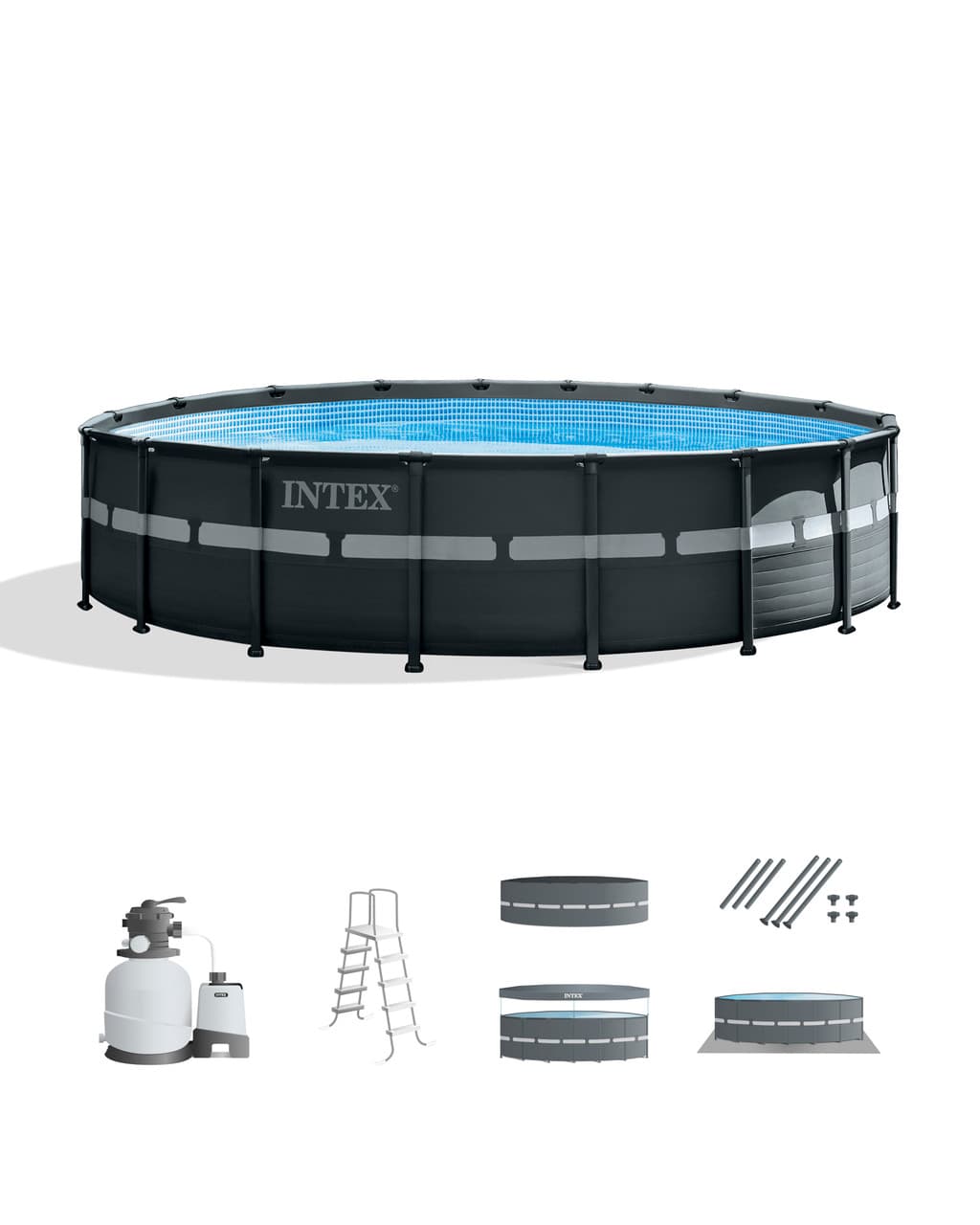
Intex Ultra XTR Frame Pool (18 ft x 52 in)
Best mid-size round (XTR)
The sweet-spot XTR — a deep 18-foot round with real swimming room for a family, in the sturdy dual-frame build.
Frame and steel-wall pools you can install without excavation. We compare real capacity, frame materials, included equipment, setup effort, and how each holds up season over season.
Intex
Best mid-size round (XTR)
The sweet-spot XTR — a deep 18-foot round with real swimming room for a family, in the sturdy dual-frame build.
Intex
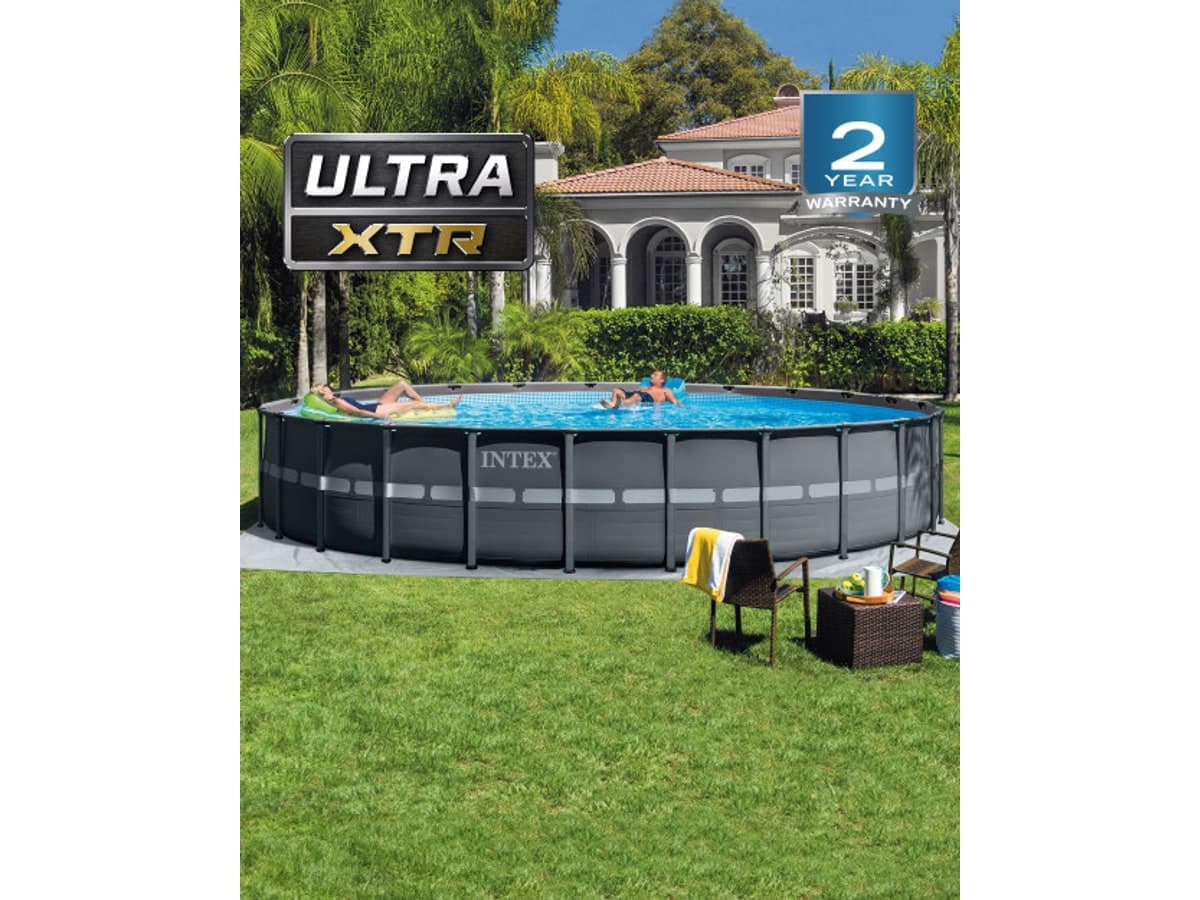
Best full-size frame pool
The biggest mainstream frame pool: a full-size swimming footprint with a powder-coated steel frame and a sand filter pump in the box.
Intex
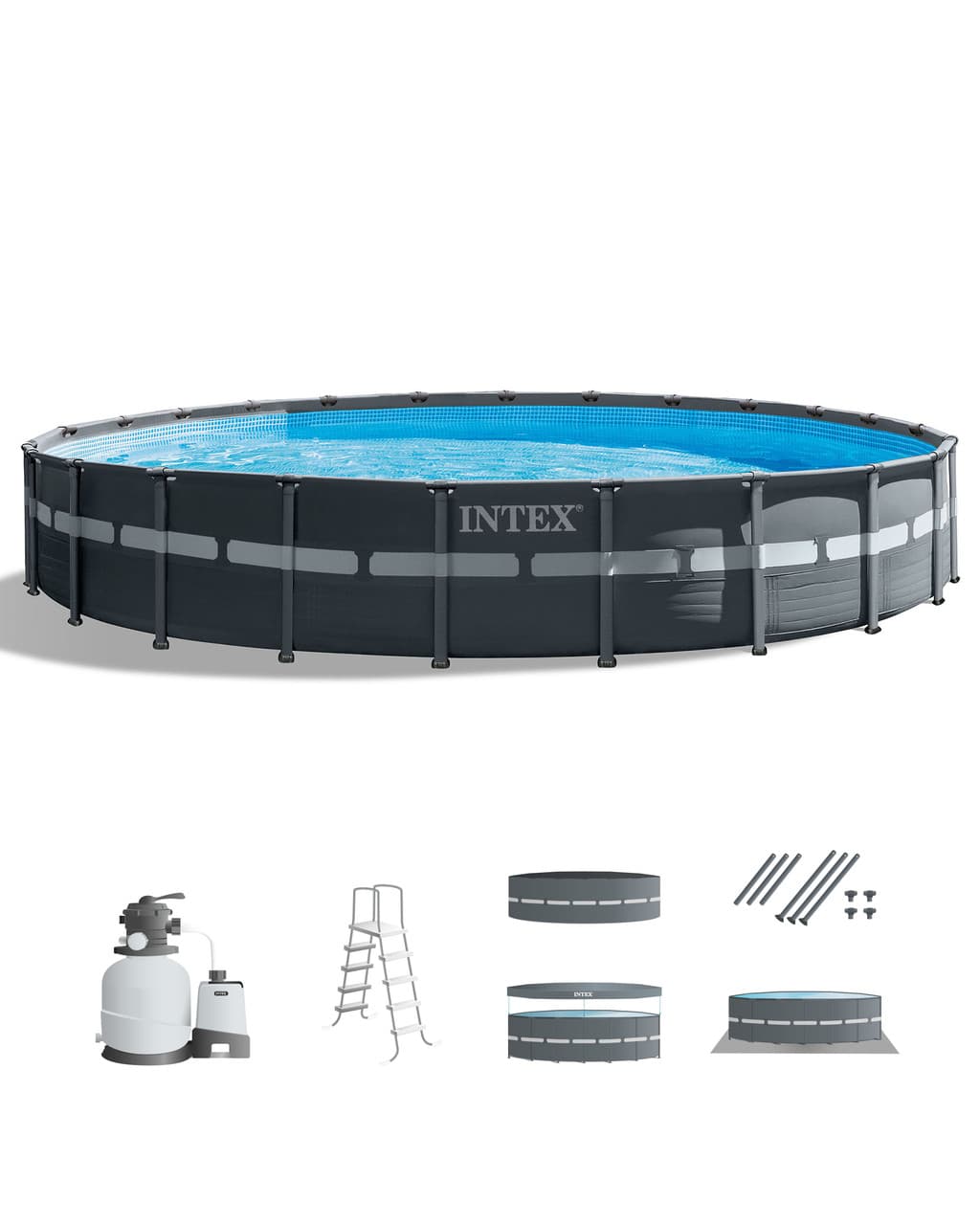
Best large round (XTR)
A big-family XTR — a 26-foot round holding roughly 14,000 gallons, with a high-flow 2,800 GPH sand pump.
Intex
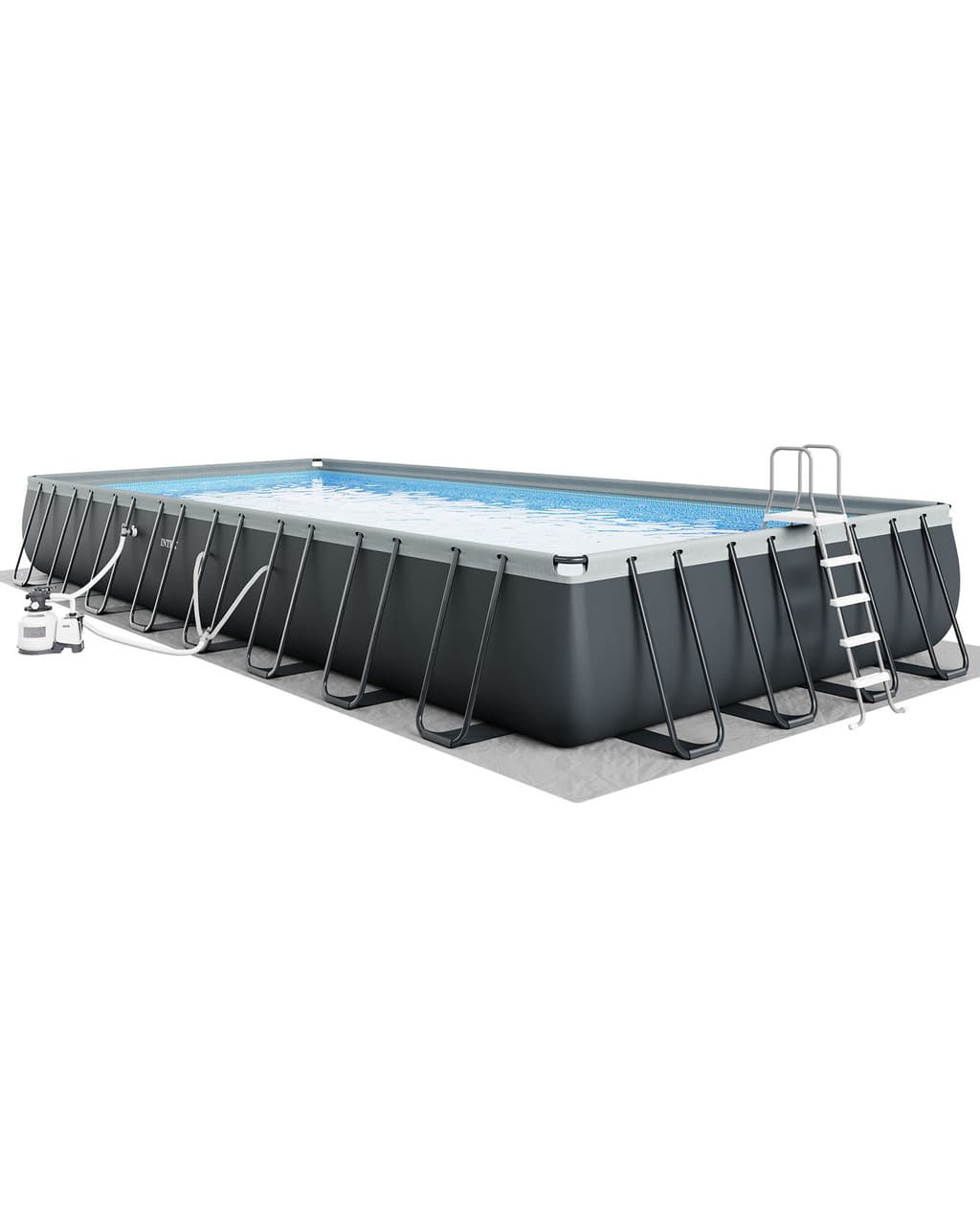
Best extra-large rectangular
The near-in-ground XTR — a huge 32-by-16-foot rectangle for lap swimming and big gatherings, with a 2,800 GPH sand pump.
Intex
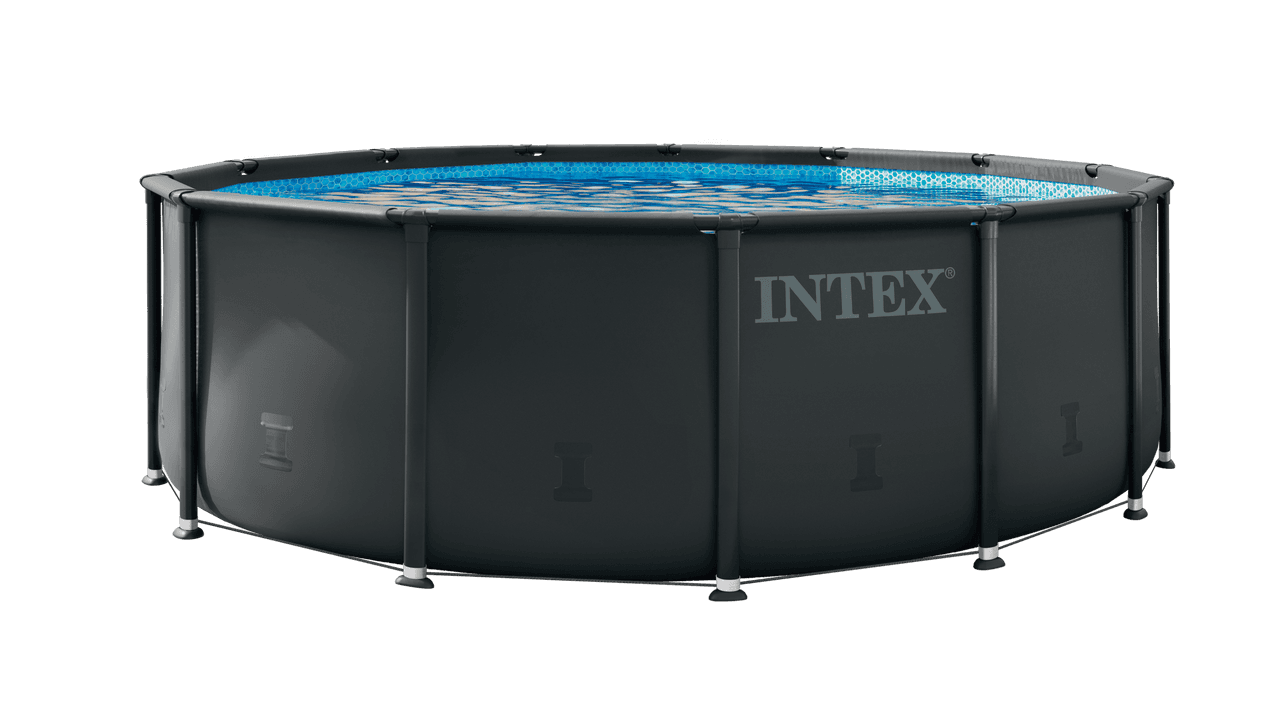
Best small round (XTR)
The small end of Intex’s premium XTR line — a sturdy 14-foot round with the dual-frame build, for compact yards.
Intex
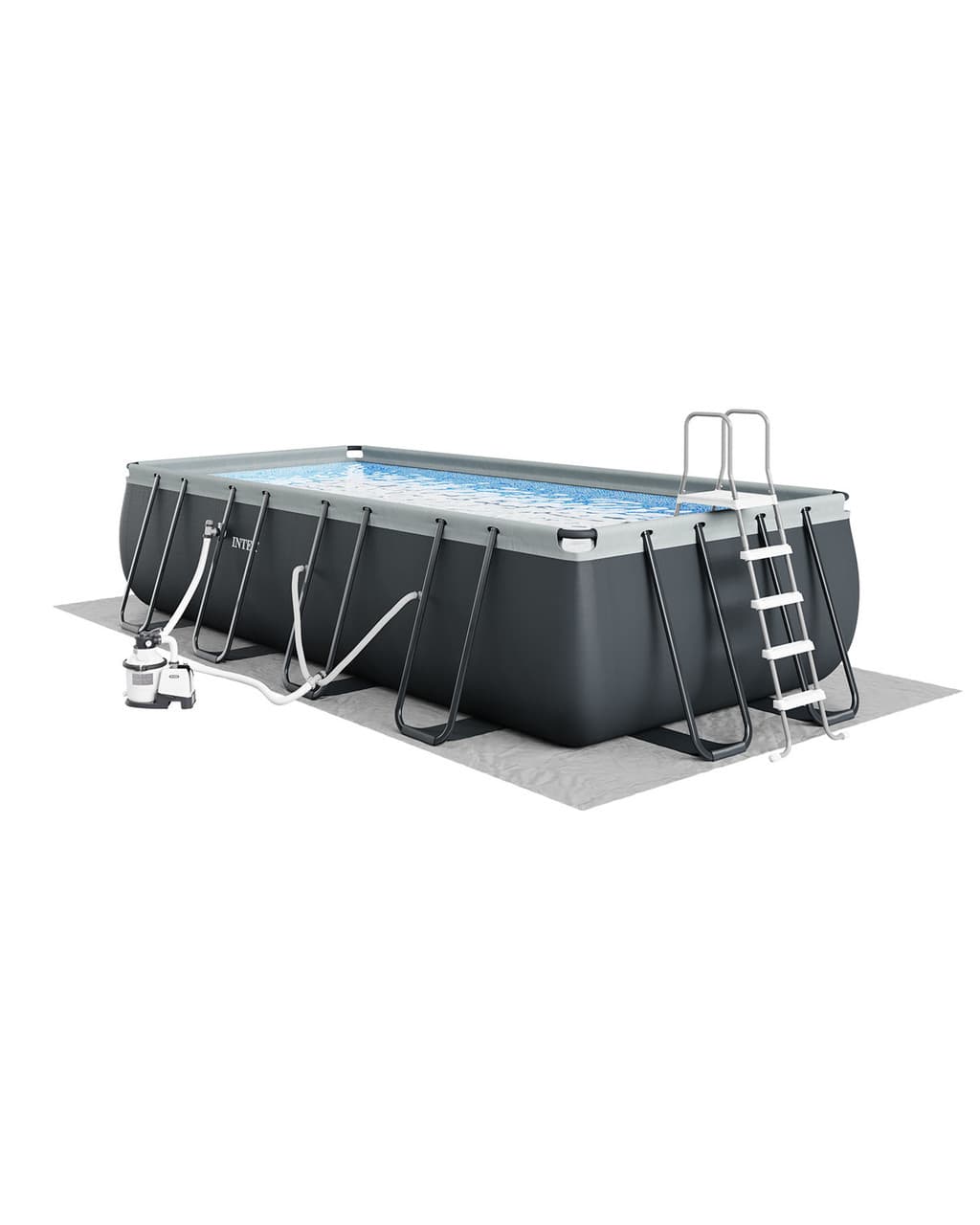
Best small rectangular
A deep rectangular XTR — the shape that fits narrow yards and suits swimming laps better than a round pool.
Intex
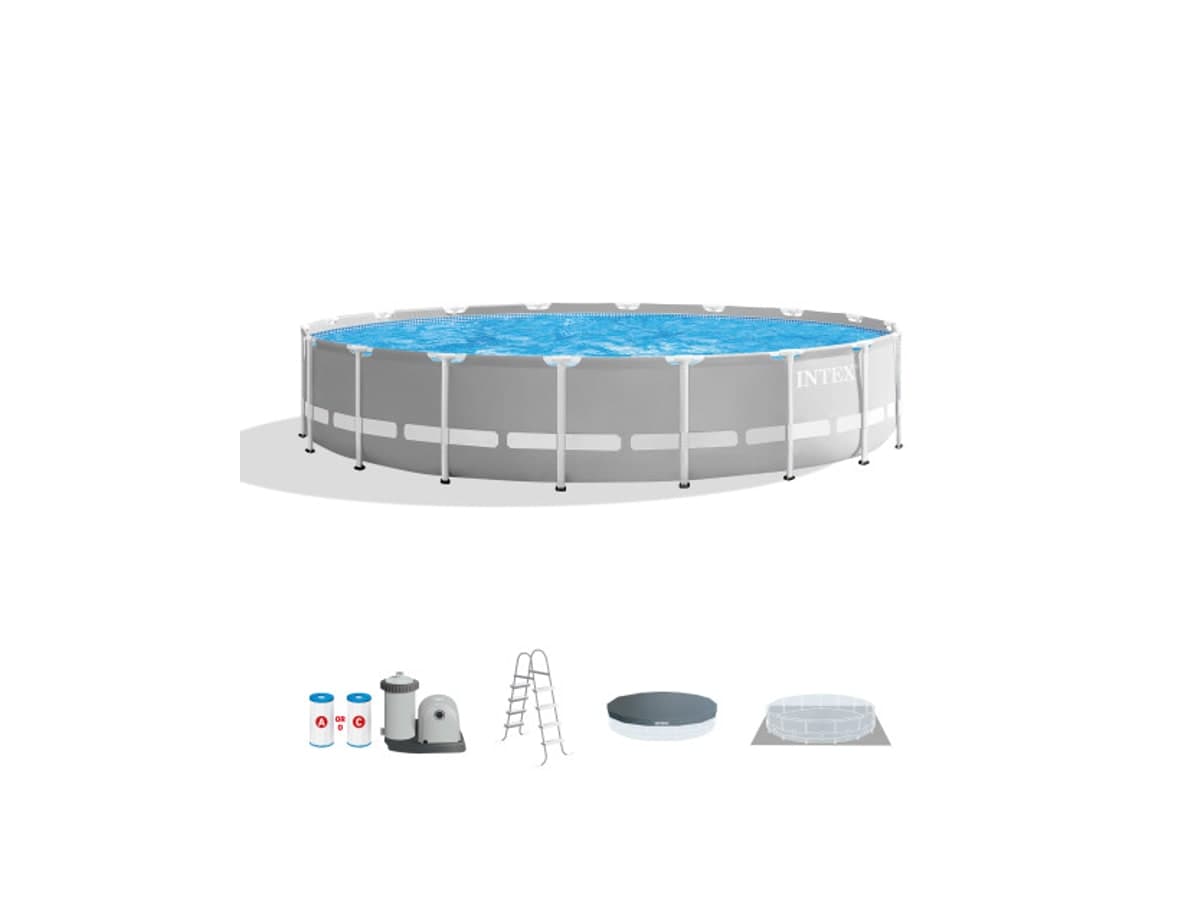
Best mid-size family pool
The mid-size sweet spot: real family swimming room at a price and setup effort most households can handle.
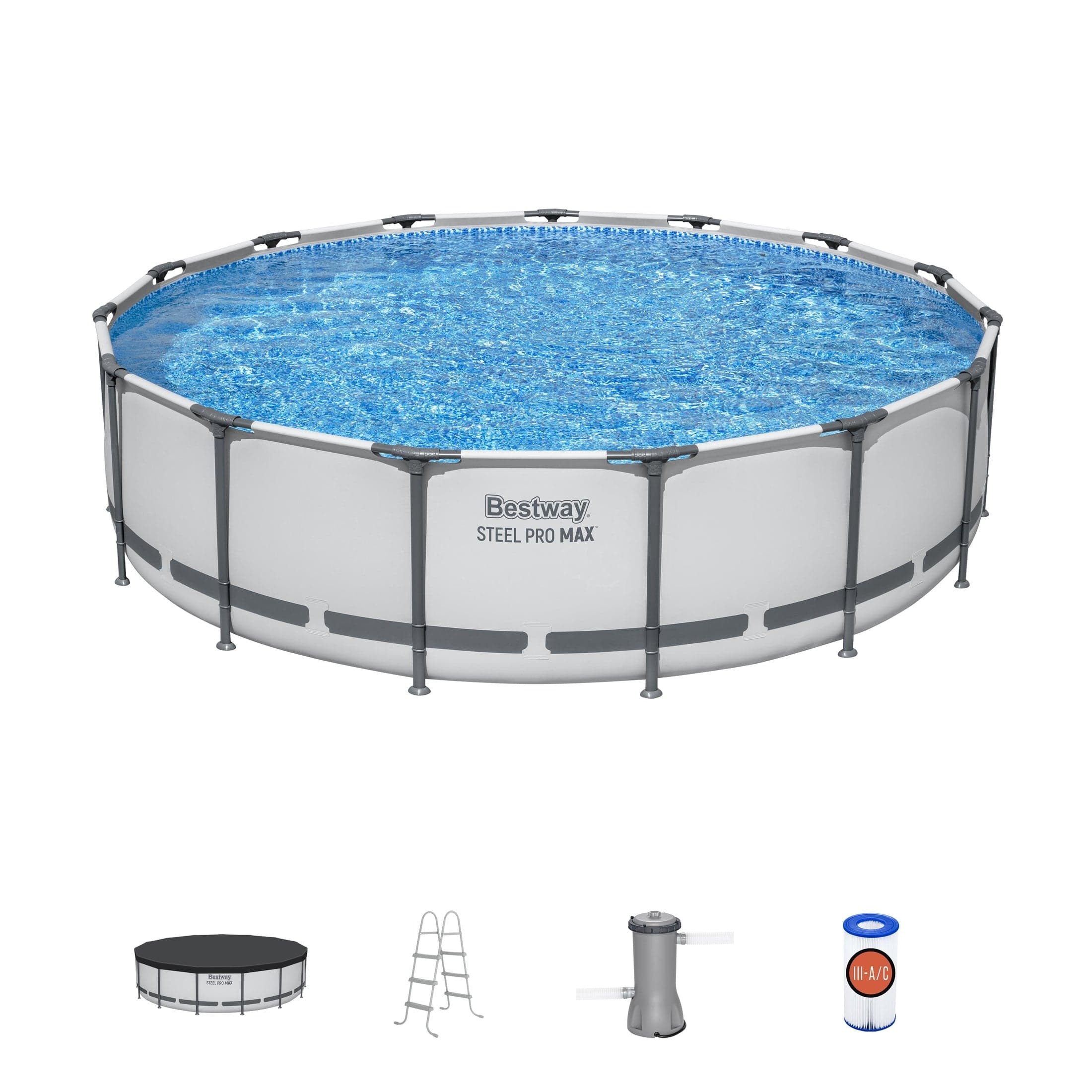
Bestway
Best small starter pool
The cheapest way into a real frame pool — a compact 12-foot round that sets up in under an hour and includes a filter pump.
Bestway
Power Steel 16' x 10' x 42" Oval
Bestway
Best for narrow yards
An oval footprint that fits narrow yards where round pools won't — with Bestway's step-up frame line.
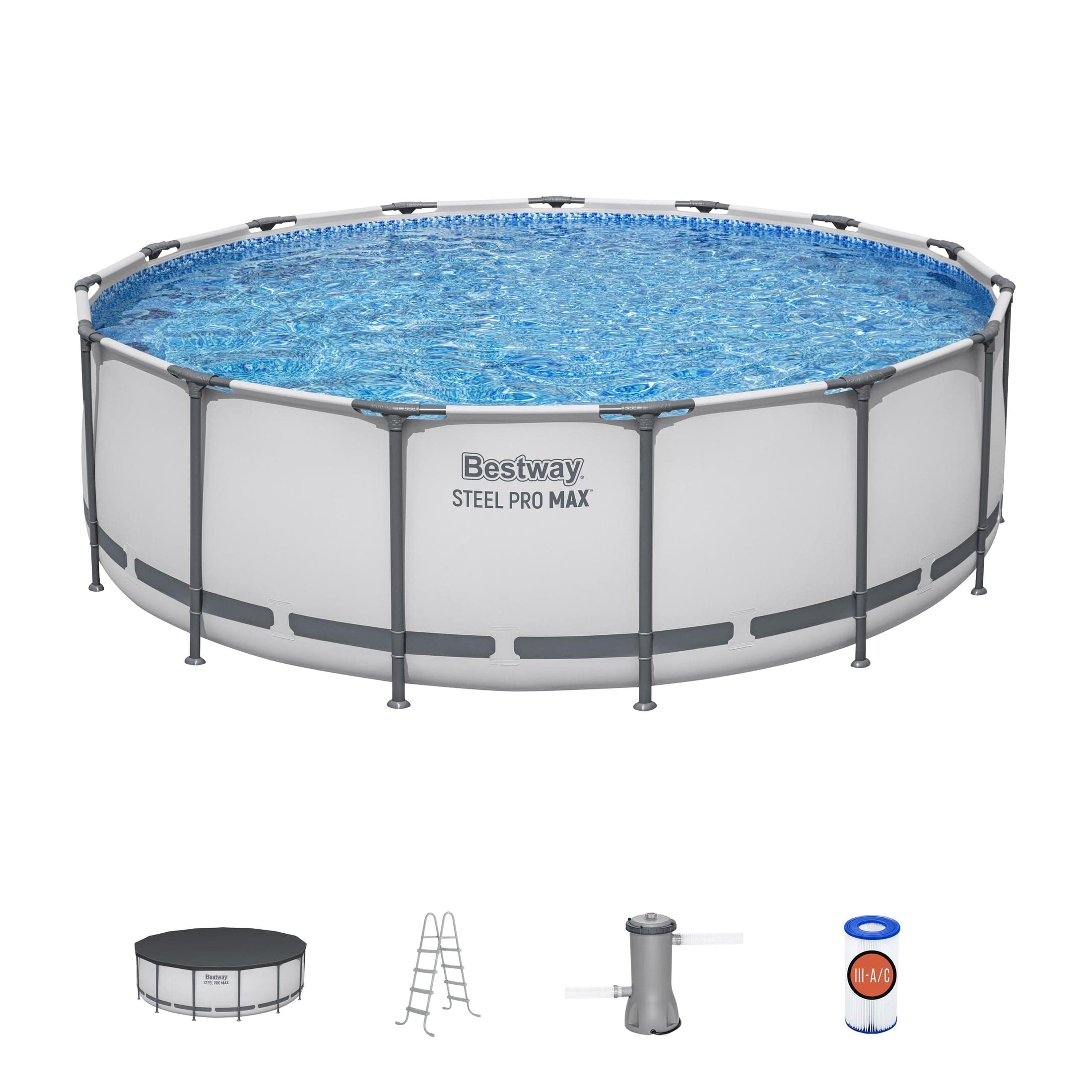
Bestway
Best budget starter pool
The budget gateway: a genuinely usable family pool at an impulse-purchase price, with the compromises that implies.
Most frame pool kits ship with a cartridge pump sized at or below the minimum for the pool's volume. Owners frequently upgrade to a sand filter or larger cartridge pump within the first season. When comparing prices, factor in a realistic pump budget.
Powder-coated steel frames resist rust for several seasons if you keep fittings dry; cheaper painted frames can show corrosion in year one, especially near saltwater systems. Resin-coated components resist UV and chemical wear best.
The most common cause of above-ground pool failure is unlevel or soft ground, not the pool itself. Budget time (and possibly sand or foam board) for a level base — a pool that's off-level by more than an inch or two stresses the frame and liner.
Soft-sided and inflatable pools typically last 1–3 seasons. Metal-frame pools commonly last 3–7 years with care, and traditional steel-wall pools with replaceable liners can last 10–20 years. Liner replacement, not the structure, is the usual recurring cost.
Often yes. Many municipalities require permits and fencing for pools deeper than 24 inches. Check local code before buying — this is on you, not the retailer.
Steel-wall pools are designed to be winterized in place. Frame pools vary: manufacturers of most budget frame pools recommend disassembly below freezing, since ice expansion can damage liners and fittings. Check the manual for your model — we summarize winterization guidance in each review.
Above-Ground Pools
Above-ground pools last about 5 to 15 years depending on type, liner, and care. Here is what shortens that lifespan and how to stretch it.
Read more →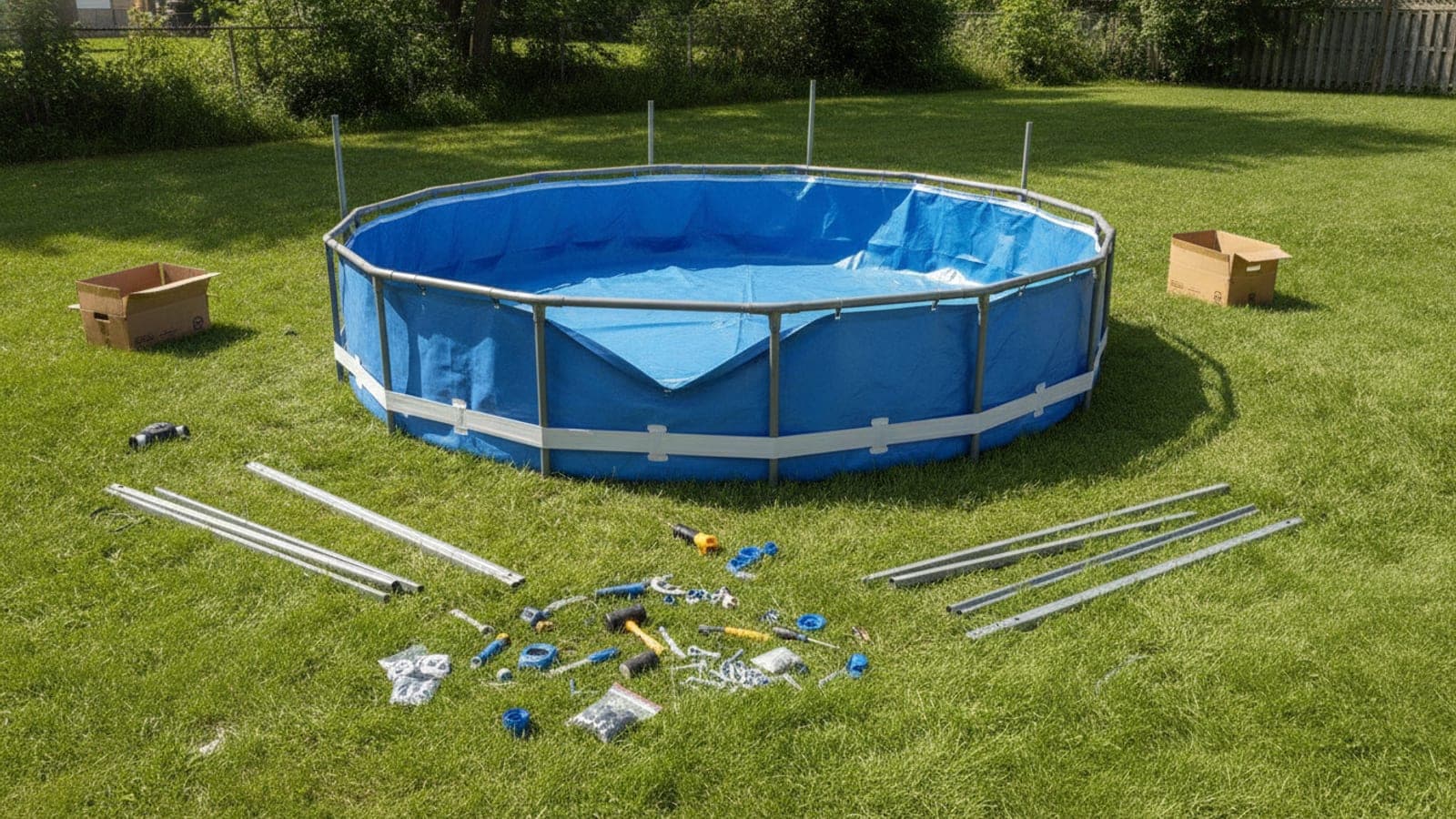
Above-Ground Pools
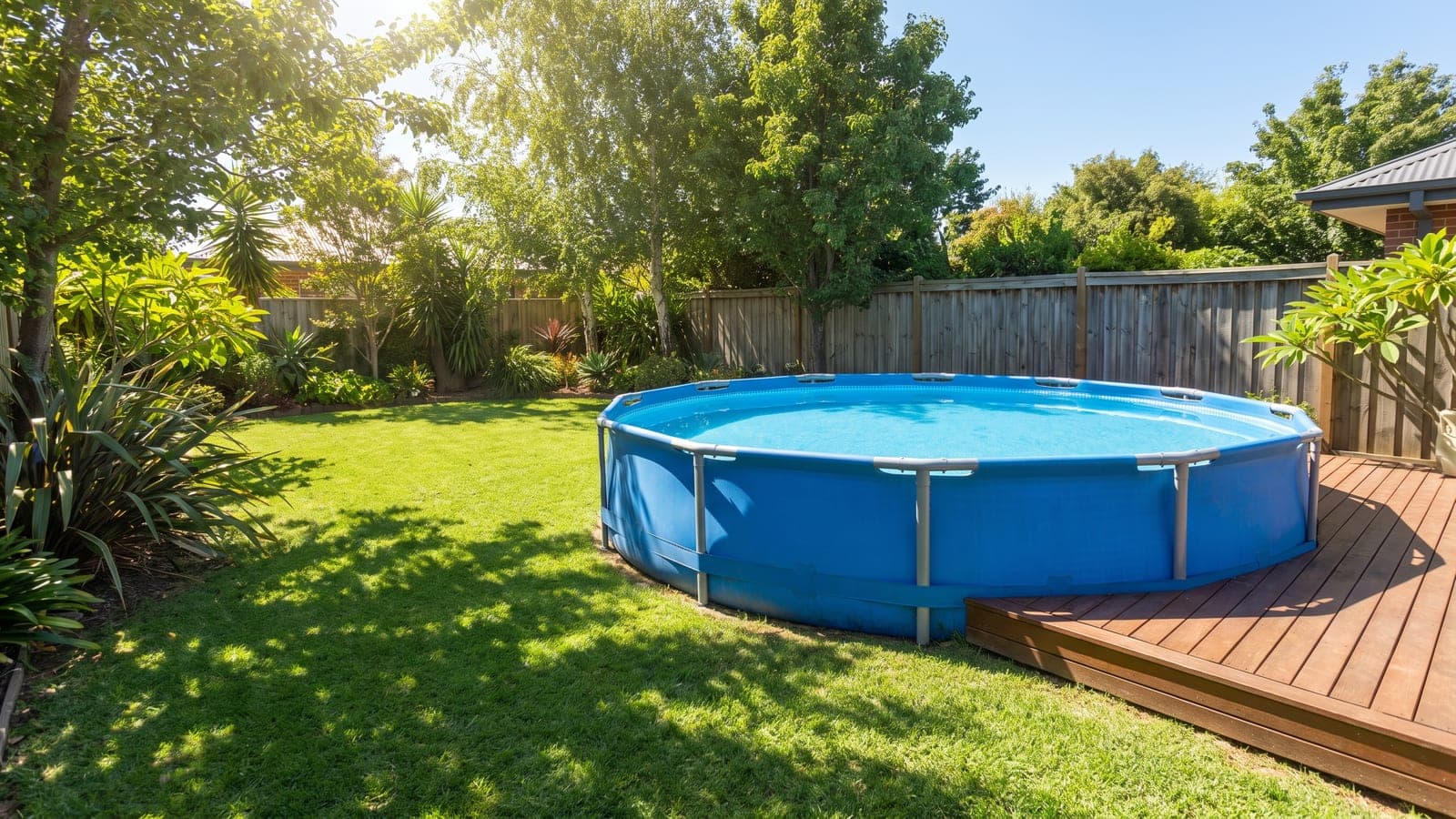
Level ground for an above-ground pool by removing sod, digging down to the low spot, and tamping flat within 1 inch. Here is the step-by-step.
Read more →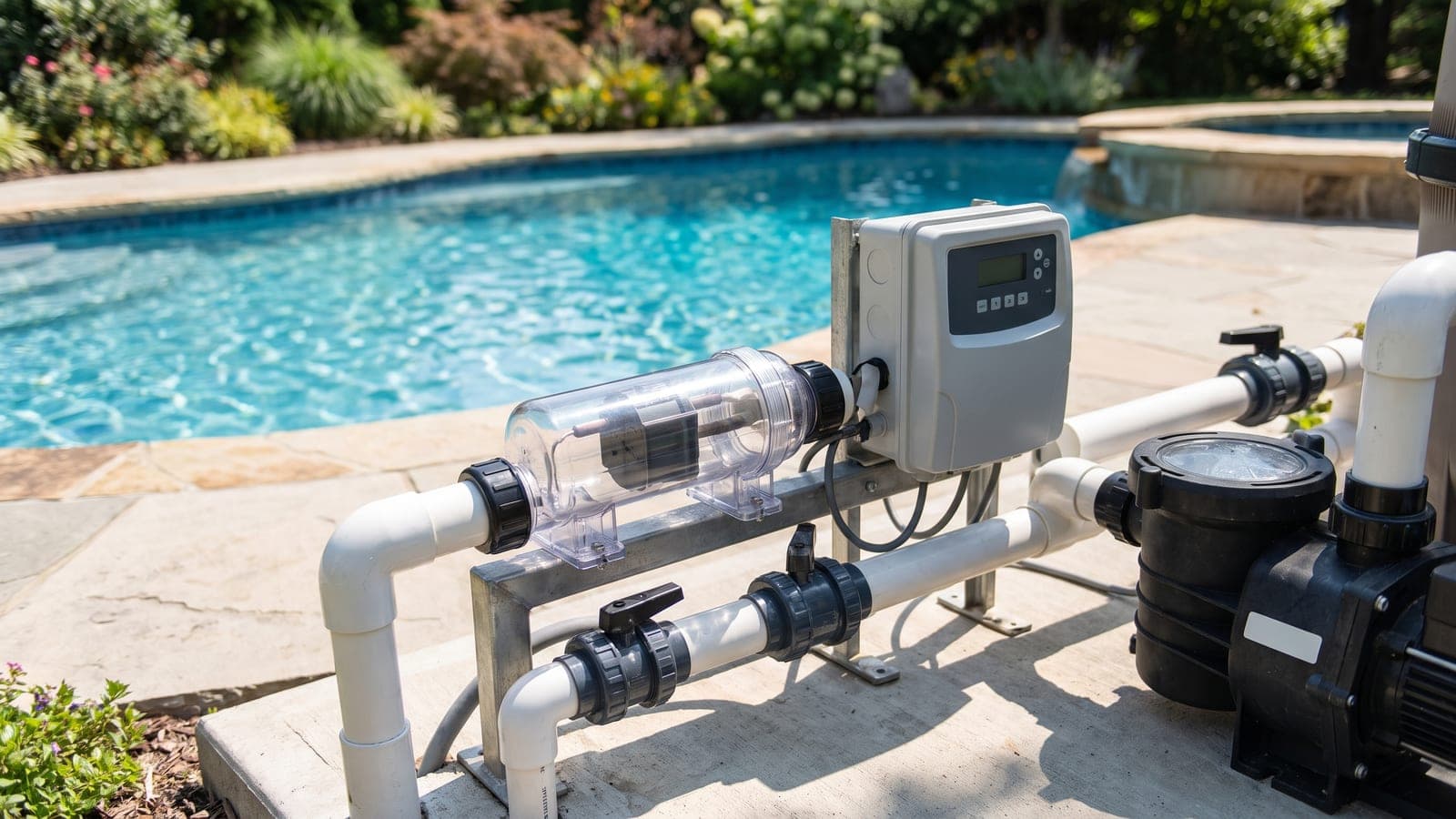
Above-Ground Pools
Steel frame pools cost less and go up fast; resin resists rust and lasts longer. Here is how to pick the right above-ground pool for your yard.
Read more →