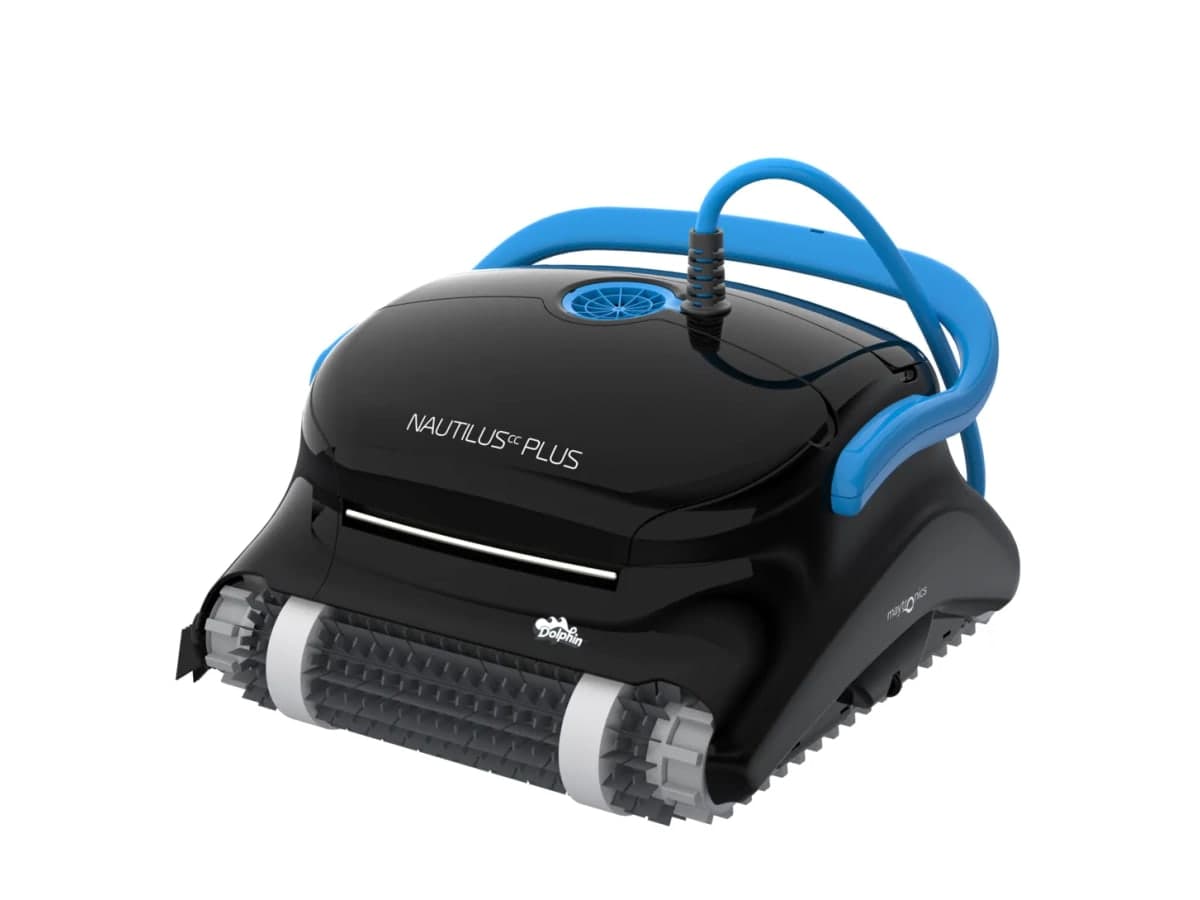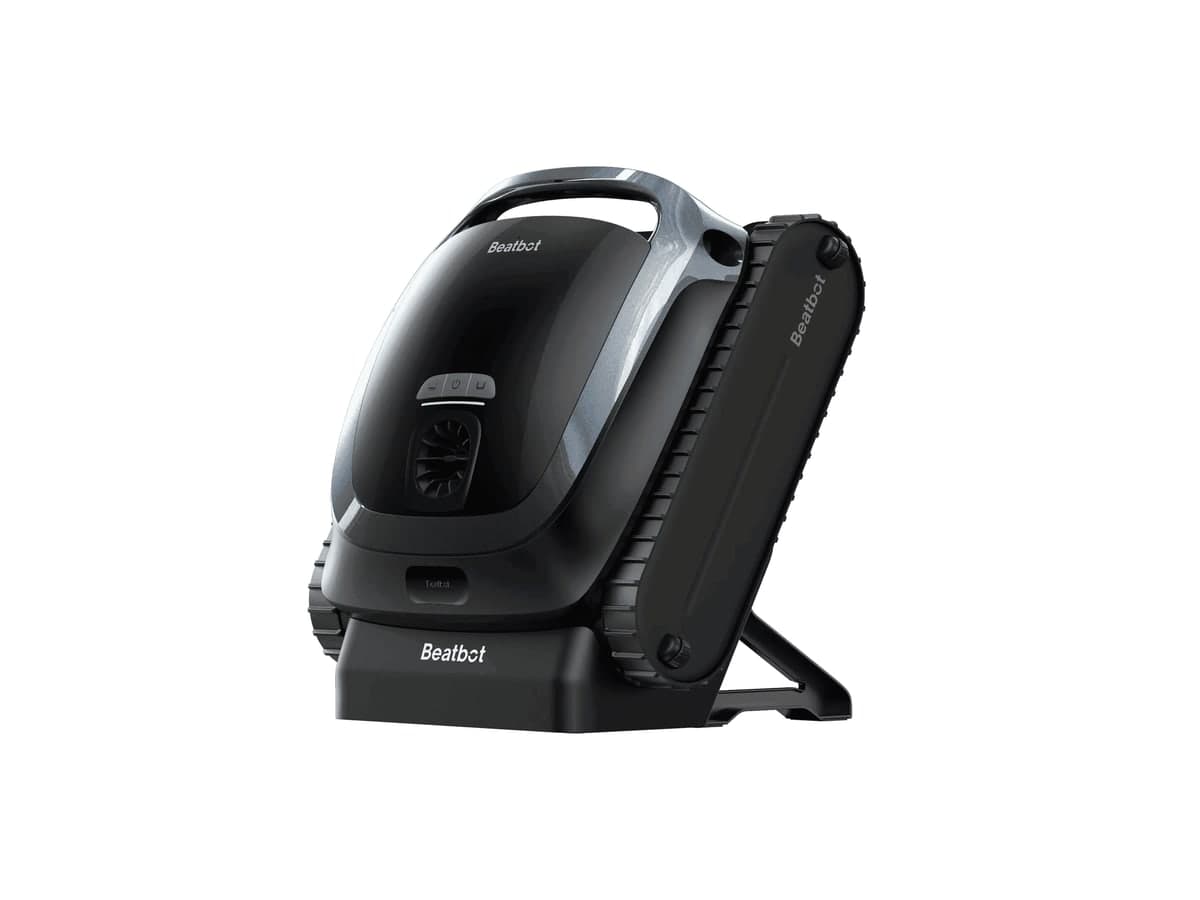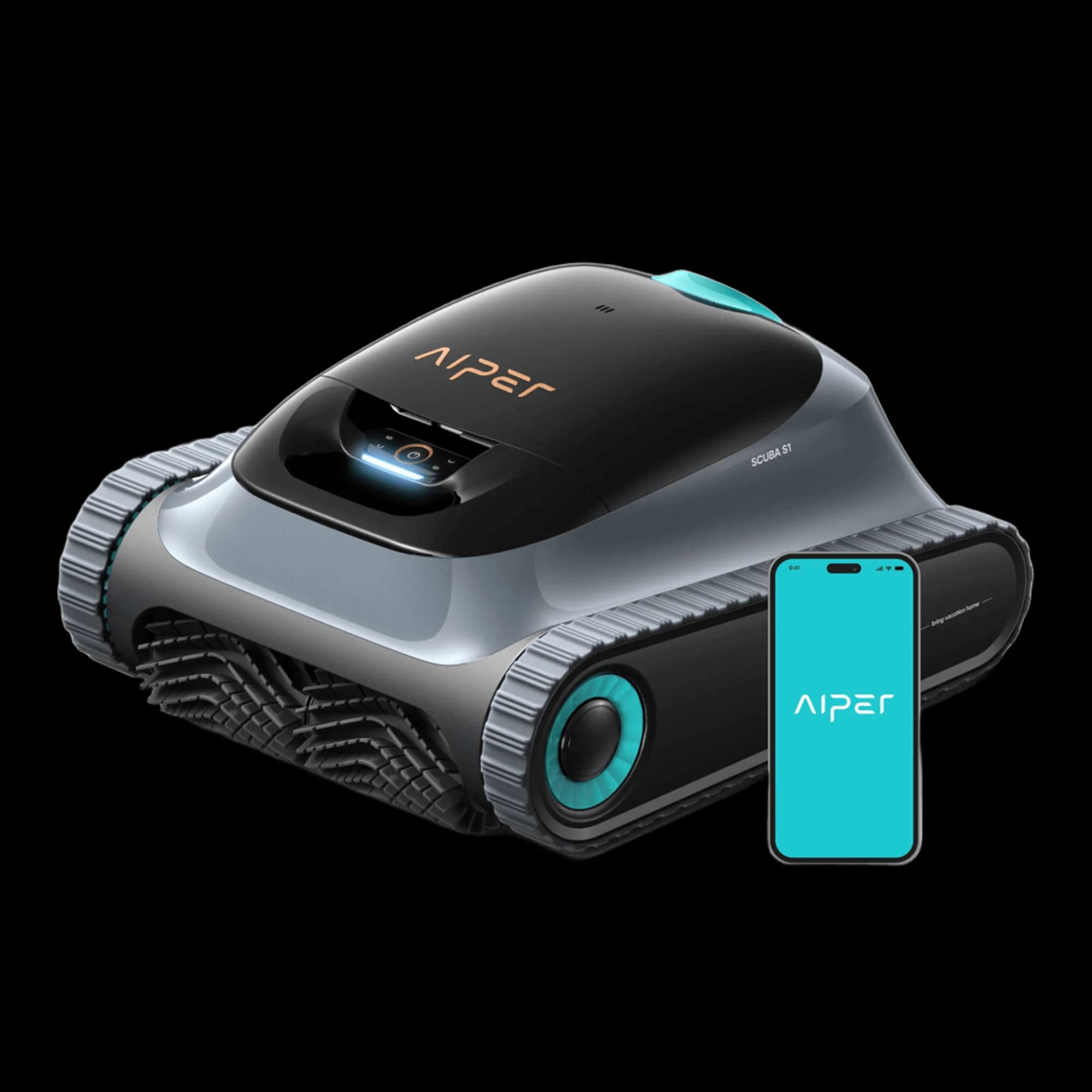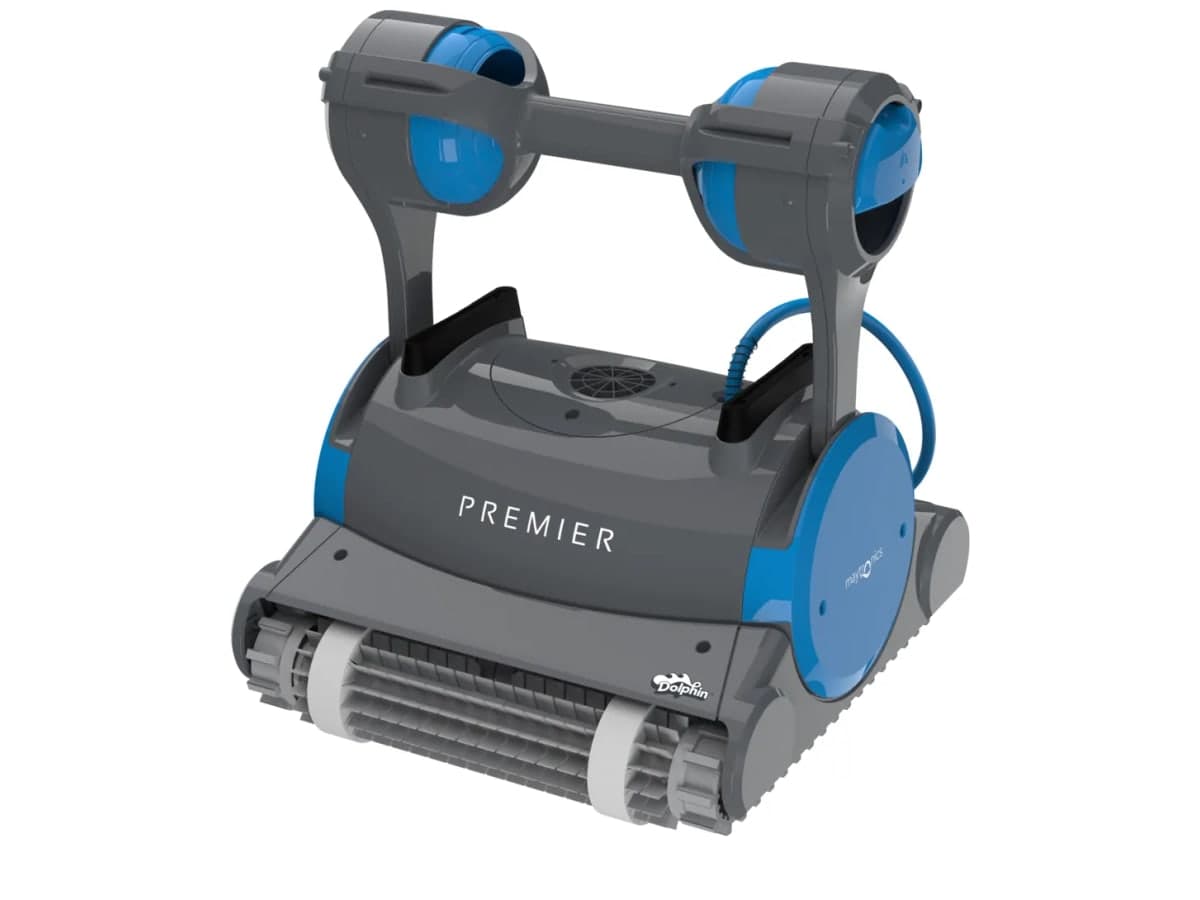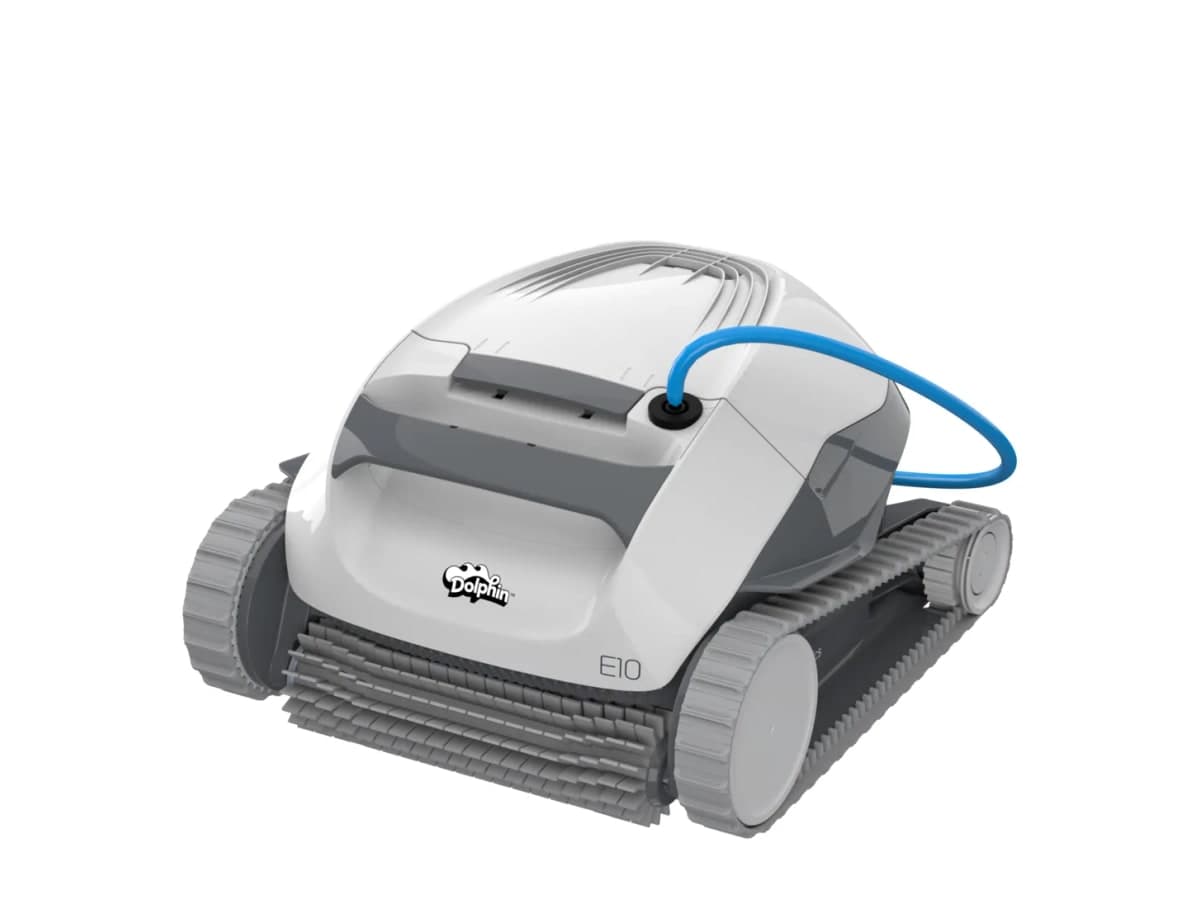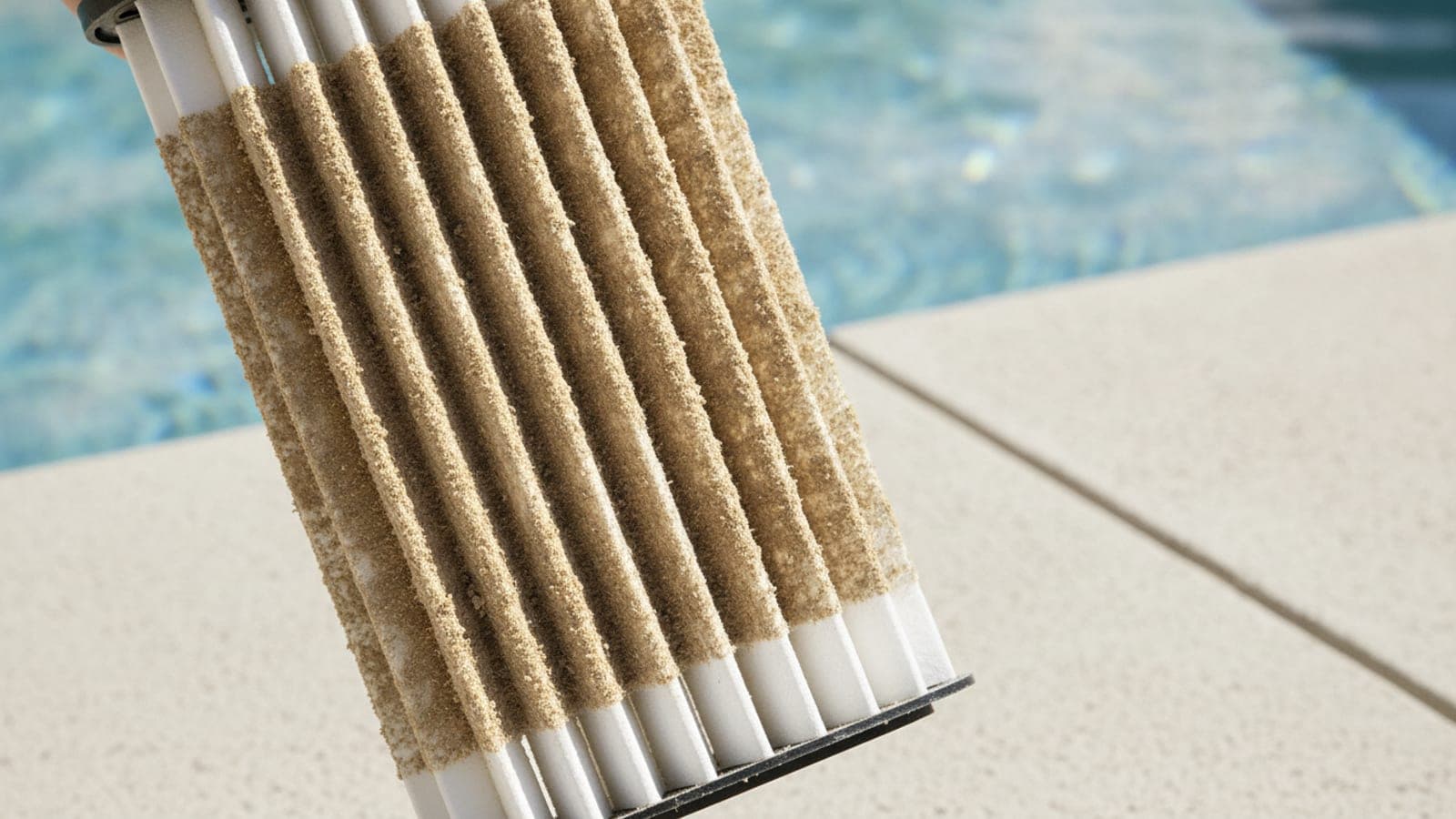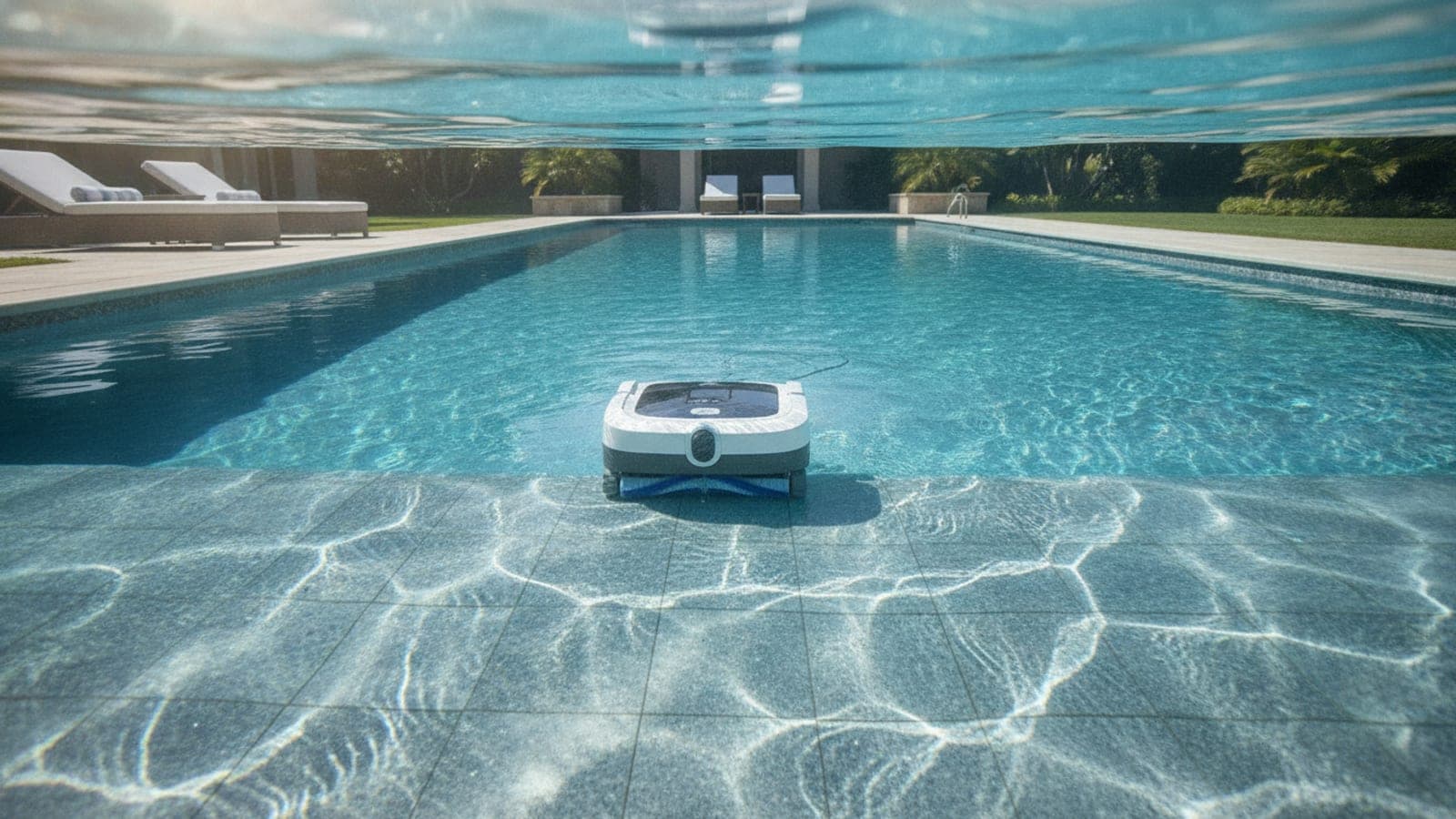
The best robotic pool cleaners are not the fanciest robots on the page. They are the ones that clean your actual pool without turning every Saturday into a small appliance argument.
A great pool robot should match your pool size, surface, debris, stairs, wall needs, waterline grime, and patience level. A $2,000 robot that hates your main drain is not a top pick for your backyard. It is an expensive turtle with opinions.
Key takeaways
- Pick a robotic pool cleaner by pool problem first: leaves, fine dirt, walls, waterline, surface debris, or simple weekly cleaning.
- Cordless cleaners are convenient, but charging, retrieval, runtime, and battery life matter.
- Corded cleaners can be more predictable for long cleaning cycles, but cable management is part of the deal.
- Warranty, filter access, weight, and replacement parts are not boring details. They decide whether you still like the robot in year two.
- Do not publish a fake hands-on ranking unless the specific robot has been tested. Use research-based labels until real testing evidence exists.
Table of contents
What makes a robotic pool cleaner the best choice?
The best robotic pool cleaner is the one that solves your pool's most annoying job. That may be fine dirt. It may be leaves. It may be waterline grime. It may be that you are tired of dragging a vacuum hose around like you are wrestling a sleepy python.
Start with the job, not the brand.
A floor-only robot can be fine for a small, flat, above-ground pool. An inground pool with walls, steps, tanning ledges, trees, and a waterline that looks like it belongs on an old coffee mug needs a different level of cleaner.
Use this simple decision path:
- If debris floats before it sinks, consider a skimmer or surface-cleaning robot too.
- If dirt settles on the floor, prioritize suction, filtration, and floor coverage.
- If walls get slimy, require wall climbing.
- If the waterline gets a ring, require waterline scrubbing.
- If leaves are the problem, prioritize basket size and easy emptying.
- If dust and dead algae are the problem, prioritize ultra-fine filtration.
- If you hate cords more than you hate charging, look at cordless.
- If you want long, predictable sessions, keep corded models in the running.
The page should make this obvious before showing product cards. A buyer should think, "Oh, that's my pool," not, "Cool, 17 boxes with stars."
Which robotic pool cleaner should you buy by pool problem?
Match the cleaner to the mess. This is the fastest way to make the buying guide useful without pretending every pool owner has the same backyard.
| Pool problem | Look for this | Be careful with |
|---|
| Lots of leaves | Large basket, strong pickup, easy rinse-out | Tiny baskets that fill mid-cycle |
| Fine dirt or sand | Fine or ultra-fine filters | Coarse-only baskets that let dust pass through |
| Slimy walls | Wall climbing and strong traction | Floor-only cordless models |
| Waterline ring | Waterline cleaning mode or scrubbing path | Robots that only touch the floor/wall transition |
| Surface bugs and pollen | Surface skimmer or 5-in-1 cleaner | Floor robots that wait until debris sinks |
| Large inground pool | Long cable or long battery runtime, strong navigation | Small-pool models stretched beyond their rating |
| Above-ground pool | Lightweight body, gentle surface compatibility | Heavy robots that are awkward to lift out |
The main best robotic pool cleaners page should probably have product buckets instead of one giant winner. Best overall, best cordless, best budget, best for leaves, best for fine dirt, best for large pools, best for above-ground pools, and best premium. That is easier for readers and better for internal links.
[AFFILIATE_MODULE: robotic-cleaner-top-picks]
- Best overall research-based pick.
- Best cordless research-based pick.
- Best value pick.
- Best premium pick.
- Best for leaves.
- Best for fine dirt.
- Best for above-ground pools.
What specs actually matter?
The specs that matter are the specs that change daily ownership. If a spec does not help the reader picture using the robot, it belongs lower on the page.
Prioritize these:
- Pool size rating: Compare it to your pool surface area, not just gallons.
- Cleaning coverage: Floor only, floor and walls, waterline, or surface too.
- Filter type: Coarse, fine, ultra-fine, basket, cartridge, or layered filter.
- Cable or battery: Corded runtime vs cordless charging routine.
- Weight: A wet robot feels heavier than the product photo suggests.
- Basket access: Top-load baskets are usually less annoying than flipping the robot over.
- Warranty: Check the exact model, seller, and country.
- Parts availability: Filters, brushes, cords, batteries, tracks, baskets, and caddies.
- Navigation: Random bounce, gyroscope, smart mapping, app control, or waterline pathing.
Here is the boring sentence that saves money: a robot's warranty and replacement filters matter almost as much as its cleaning mode. Maytronics says Dolphin warranty length varies by model and is typically 24 to 36 months, while other brands publish different warranty ranges by model and purchase channel. Always check the specific listing before buying.
Should you choose corded or cordless?
Choose corded if you want predictable cleaning and do not mind managing the cable. Choose cordless if your main pain is the cord itself and you are comfortable with charging, battery care, and retrieving the robot after the cycle.
Neither is automatically better. Anyone saying otherwise may be selling something or recently untangled a cable in a bad mood.
| Choice | Best for | Tradeoff |
|---|
| Corded robot | Long sessions, larger pools, consistent power | Cable tangles, storage, deck clutter |
| Cordless robot | Simple setup, no cable across the deck | Charging, battery aging, retrieval routine |
| Surface skimmer robot | Bugs, pollen, leaves before they sink | Does not clean floor like a floor robot |
| Premium 5-in-1 robot | Owners wanting floor, wall, waterline, surface help | Higher cost and heavier body |
The internal link here should point to Corded vs Cordless Pool Robots, then to the Pool Robot Finder. Make the reader choose less by guessing and more by pool reality.
What should the comparison table show?
The comparison table should be brutally practical. Do not make the first table a long spec dump. Make the first table a buyer's shortcut.
| Pick type | Best fit | Must-have specs | Affiliate card note |
|---|
| Best overall | Most inground pools | Floor, walls, waterline, strong filters | Show Amazon and specialty retailer buttons |
| Best cordless | Owners who hate cords | Runtime, charge time, retrieval, battery warranty | Mention charging routine clearly |
| Best budget | Smaller/simple pools | Floor coverage, easy basket, clear warranty | Avoid overpromising wall cleaning |
| Best for leaves | Tree-heavy yards | Large basket, strong debris pickup | Add leaf rake and skimmer links |
| Best for fine dirt | Sand, dust, dead algae | Ultra-fine filters | Add replacement filter pack |
| Best premium | Complex pools | Mapping, app, waterline, surface option | Mention weight and storage |
Then put the full comparison matrix lower on the page. That matrix can include pool size rating, weight, cleaning cycle, filter type, wall climbing, waterline cleaning, surface cleaning, app control, warranty, and the two affiliate CTAs.
What is the biggest mistake when buying a pool robot?
The biggest mistake is buying for the pool you wish you had instead of the pool you actually own. A sleek cordless cleaner may be lovely for a small flat pool and frustrating in a large deep-end inground pool with steps. A heavy premium robot may clean beautifully but annoy someone who cannot comfortably lift it out.
Common mistakes:
- Buying floor-only when the walls are the problem.
- Buying a tiny basket for a tree-heavy yard.
- Ignoring fine filtration when dust is the actual issue.
- Assuming every robot handles steps.
- Forgetting that wet weight matters.
- Buying from a seller that does not qualify for the expected warranty.
- Treating Amazon reviews as a substitute for specs, warranty, and return terms.
The buying guide should say this plainly. It builds trust. A good affiliate site does not push the most expensive robot on every reader. It tells the wrong reader to buy something simpler.
How should affiliate product cards work on this page?
Affiliate product cards should feel like helpful shortcuts, not a wall of buttons. Each product card should explain why the robot is shown, what type of pool it fits, and what to double-check before checkout.
Each card needs:
- Product name.
- Best-for badge.
- Research-based or hands-on-tested badge.
- Short verdict.
- Three practical specs.
- One caution.
- Warranty note.
- "Shop Amazon" button.
- "Shop Specialty Retailer" button.
- Disclosure text above or beside the buttons.
[AFFILIATE_MODULE: robot-card-template]
- Shop Amazon button.
- Shop Specialty Retailer button.
- Replacement filters.
- Caddy.
- Fine filter upgrade.
- Surface skimmer add-on.
Avoid fake urgency. "Check current price" is fine. "Run before this disappears forever" is carnival talk.
What does a real buying scenario look like?
Say the reader has a 16 by 32 inground pool with trees on one side, a shallow sun shelf, and a waterline ring by July. They do not need the cheapest floor robot. They need to decide how much of the whole pool they want automated.
A practical recommendation path could be:
- Require wall climbing.
- Strongly prefer waterline cleaning.
- Consider a larger debris basket because of trees.
- Consider a separate robotic skimmer if leaves and bugs land daily.
- Check the robot's weight because it will be lifted out often.
- Check return policy because sun shelves, drains, and steps are pool-specific troublemakers.
That scenario teaches the reader how to think. It also gives the article a reason to link to pool robot not climbing walls, pool robot not picking up dirt, and pool robot keeps getting stuck on the main drain.
What should you verify before checkout?
Before checkout, verify the exact model, not just the brand family. Model names can be confusing. Retailer bundles can change. Warranty terms can depend on where you buy.
Check this list:
- Is it for above-ground, inground, or both?
- Does it clean only the floor, or also walls and waterline?
- Does it handle your surface type?
- Is the pool size rating enough?
- Is the filter basket right for your debris?
- How heavy is the robot?
- How does it charge or store?
- What is the warranty on that exact model?
- Are filters and brushes easy to buy?
- What is the return window?
This is especially important for comparison pages that include multiple merchants. A robot sold through Amazon, a specialty store, and the manufacturer site may not have identical bundle contents, support paths, or return terms.
Which pages should this guide link to next?
This page should be the hub. It should send readers to narrower pages based on what they clicked.
Use these internal links naturally:
That cluster gives the reader a path from "I want the best" to "I know what I need" to "I am ready to click a product card."
Source notes
Use official sources when filling product records. Maytronics says Dolphin warranty length varies by model and typically ranges from 24 to 36 months. Beatbot's AquaSense 2 Ultra page describes a 5-in-1 cleaner and lists large-pool coverage details. Aiper and WYBOT publish their own warranty and return language. Hayward pages and manuals provide cleaner-specific cycle and maintenance context.