PoolGearGuide

Walmart Swimming Pool Vacuums: Cheap, Useful, or Both?

By the PoolGearGuide editorial team · Updated 2026-07-03

Share

A Walmart swimming pool vacuum can be cheap and useful if your pool problem is small, visible, and not trying to become a lifestyle. For quick cleanup, above-ground pools, and budget maintenance, Walmart can be a reasonable place to shop. For large pools, heavy debris, or hands-off cleaning, compare carefully before you buy the cheapest thing with a blue handle.

The goal is not to buy the lowest price. The goal is to buy the least annoying tool that actually removes the mess.

Key takeaways

  • Walmart pool vacuums can work well for small pools, spot cleaning, and light debris.
  • Manual vacuums are cheaper but need a pole, hose, and some patience from the human holding the pole.
  • Battery vacuums are convenient for quick jobs but may not replace a full cleaner.
  • Check whether the product is sold by Walmart or a Marketplace seller before you rely on returns or support.
  • Green water needs chemistry and filtration first; a vacuum only removes what is already loose enough to collect.

Table of contents

Are Walmart swimming pool vacuums worth buying?

Walmart swimming pool vacuums are worth considering when you need affordable cleaning gear for an above-ground pool, a small pool, a kiddie-style seasonal pool, or quick spot cleanup. They are less ideal when you want full-pool automation or heavy-duty debris handling.

Think of Walmart as a useful starting point for basic gear:

  • Manual vacuum heads.
  • Telescoping poles.
  • Vacuum hoses.
  • Battery-powered spot vacuums.
  • Skimmer nets and leaf rakes.
  • Replacement filter bags or small cartridges.
  • Seasonal above-ground pool accessories.

The danger is buying by price alone. A cheap vacuum without the right hose size, pole connection, suction path, or replacement filter bag can turn into a return errand. Nobody wants to spend Saturday arguing with a plastic fitting.

This page should sit between beginner maintenance and bigger robotic cleaner content. Link readers to pool maintenance for beginners and the pool robot finder so they can decide whether a basic vacuum is enough.

Which type of pool vacuum should you compare?

Compare pool vacuums by how they create suction, what debris they handle, and how much work they leave for you. The word "vacuum" covers several tools that behave very differently.

Vacuum typeBest forWatch out for
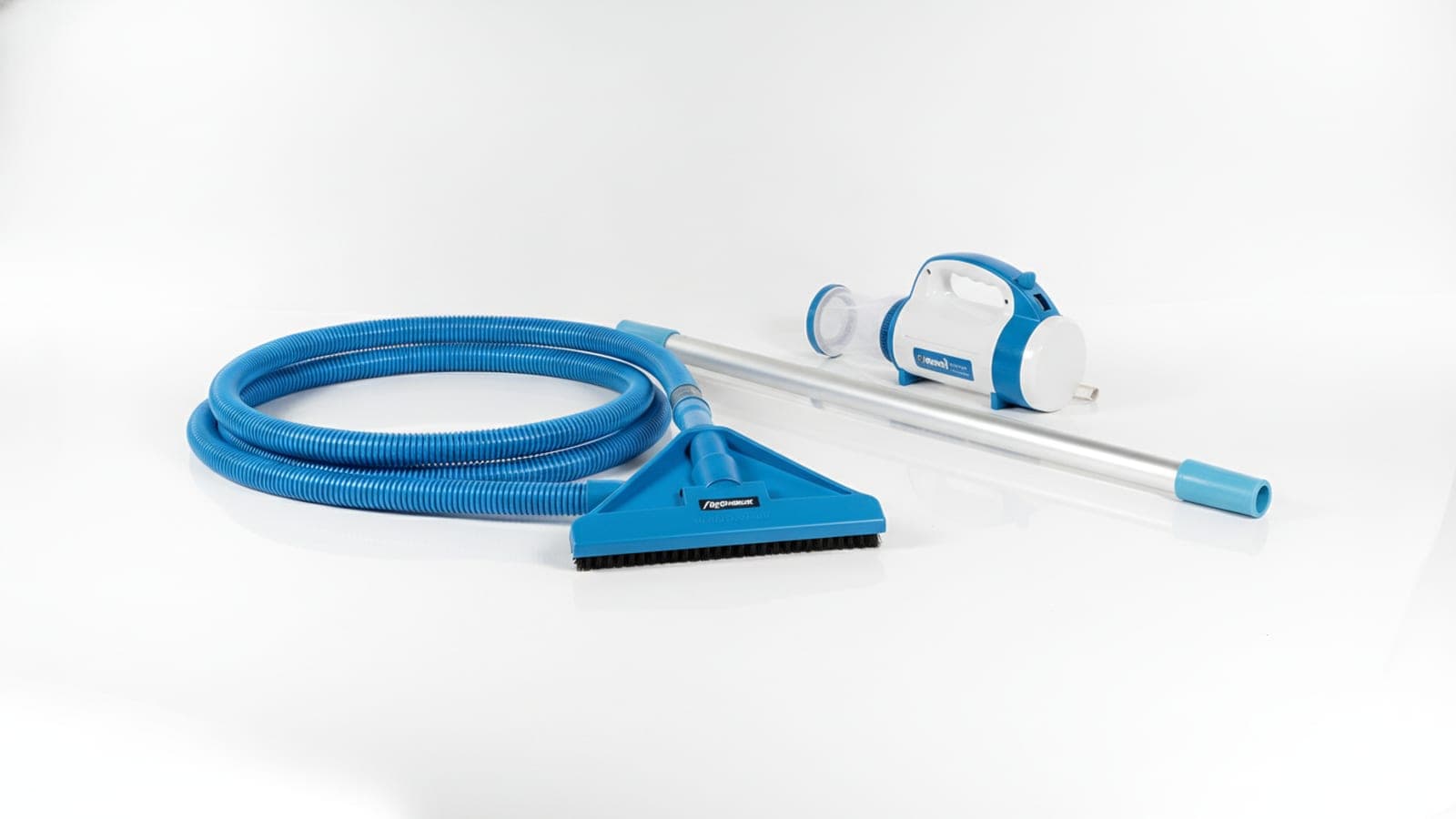
Manual vacuum headLow-cost full-floor cleaningNeeds hose, pole, filter connection, and human effort
Battery spot vacuumSteps, corners, small pools, quick cleanupRuntime, small debris chamber, charging
Venturi garden-hose vacuumTiny pools and light debrisAdds water and can be weak for fine dirt
Suction-side cleanerPools with compatible pump/filter setupsHose setup, pump flow, can stress weak circulation
Robotic cleanerMore hands-off cleaningHigher price, parts, storage, model fit

A manual vacuum is usually the cheapest way to remove dirt from the floor. It is also the most honest. It does not pretend to be a robot. It says, "Here is a pole. Good luck."

A battery vacuum can be great for steps and small above-ground pools. It is not always great for a large pool floor after a storm. Check runtime, filter capacity, and whether replacement bags or filters are sold separately.

A robotic cleaner costs more, but if you clean often or hate vacuuming, the price may make sense. Use the robotic cleaner vs pool service calculator before jumping straight to the cheapest manual kit.

What pool size are cheap vacuums actually good for?

Cheap pool vacuums are usually best for small to medium pools, seasonal above-ground pools, and spot-cleaning jobs. The larger the pool and heavier the debris, the more a low-cost vacuum starts asking for emotional support.

Use this rough decision table:

Pool situationGood budget optionBetter upgrade path
Small above-ground poolBattery spot vacuum or manual vacuumCompact cordless robot if cleaning is frequent
Medium above-ground poolManual vacuum kit with hose and poleAbove-ground robotic cleaner
Large inground poolManual vacuum for backup onlyRobotic cleaner or pressure/suction cleaner
Heavy leavesLeaf rake first, then vacuumRobot with large basket or leaf canister setup
Fine dirt or pollenFine filter, slow vacuumingRobot with fine filtration
Green pool recoveryBrush, shock/cleanup plan, vacuum after algae diesBetter filtration and testing supplies

If you do not know your pool volume, start with the pool volume calculator. Pool size affects chemistry, filtering, cleaning time, and whether a tiny vacuum will feel charming or insulting.

What should you check before buying a Marketplace listing?

Before buying a Walmart pool vacuum, check whether it is sold by Walmart or a Marketplace seller, then check return rules, shipping, warranty, replacement parts, and recent reviews. The product may be on Walmart.com without being handled the same way as a Walmart-sold item.

Review these details before purchase:

  1. Seller name.
  2. Return window.
  3. Whether returns can go to a store.
  4. Shipping speed and carrier.
  5. Warranty provider.
  6. Replacement filter or bag availability.
  7. Hose and pole compatibility.
  8. Review photos from pool owners.
  9. Product dimensions.
  10. What is included in the box.

Marketplace is not automatically bad. It just needs more checking. A basic vacuum head is one thing. A higher-priced battery vacuum or robotic cleaner from an unfamiliar seller deserves more caution.

Also read the return policy before the pool gets involved. Wet, used, oversized, or hazmat-adjacent items can create return friction depending on the seller and item. The boring policy page matters more than the cheerful product badge.

Can a Walmart pool vacuum fix green or cloudy water?

A pool vacuum can help remove settled debris, dead algae, and dirt, but it does not fix the chemistry that caused green or cloudy water. If the water is green, cloudy, or unsafe, start with testing, sanitizer, pH, brushing, circulation, and filtration.

Use the vacuum at the right time:

Water problemVacuum now?What to do first
Leaves on clear floorYesSkim big debris, then vacuum
Sand or dirt on floorYesMove slowly and avoid stirring it up
Green water with algaeNot firstTest, brush, shock/process, filter, then vacuum dead algae
Cloudy waterMaybeTest chemistry and filter condition first
Pollen dustYes, with fine filtrationSkim, run filter, clean cartridge/basket

If the pool is green, send readers to how to clean a green pool. If the pool is cloudy, link to how to clear cloudy pool water. If the issue is surface junk, link to how to skim a pool.

A vacuum is a cleanup tool. It is not a tiny underwater doctor.

What accessories do you need with a manual vacuum?

Most manual pool vacuums need a vacuum head, telescoping pole, vacuum hose, and a way to connect the hose to the skimmer or suction port. Buying only the vacuum head is a classic beginner mistake.

A practical manual setup usually includes:

  • Vacuum head that matches your pool surface.
  • Telescoping pole.
  • Vacuum hose long enough to reach the whole pool.
  • Skim-vac plate or skimmer adapter.
  • Hose cuff that fits your setup.
  • Leaf rake for big debris before vacuuming.
  • Test kit so you know whether the problem is cleaning or chemistry.

For vinyl pools, avoid tools that can damage the liner. For plaster or concrete pools, brush stiffness and wheel design matter. For above-ground pools with smaller pumps, check whether the system has enough suction for the vacuum setup.

The pool filter cartridge cleaner guide should be linked here because vacuuming sends debris to the filter. If the filter is already dirty, vacuuming becomes a slow-motion argument.

What does a worked shopping example look like?

Imagine a homeowner with a 14-foot above-ground pool, a few trees nearby, and dirt collecting after storms. They search for a Walmart swimming pool vacuum and see a cheap manual kit, a battery vacuum, and a small robotic cleaner.

Here is the decision path:

QuestionAnswerBest fit
Pool sizeSmall above-groundManual or battery vacuum can work
Main debrisDirt and a few leavesLeaf rake plus vacuum
Cleaning frequencyOnce or twice a weekManual is fine if owner does not mind it
BudgetTightManual kit first
Annoyance levelMediumBattery spot vacuum if steps/corners are annoying
Automation desireLowNo need for a robot yet

The best cart is probably a manual vacuum kit, a leaf rake, and a better test kit if they do not already have one. The robotic cleaner can wait.

Now imagine the same searcher has a 20-by-40 inground pool under oak trees. The cheap vacuum may still be useful as a backup, but it should not be the main plan. That person should compare robotic cleaners, large baskets, and fine filter options.

What should the affiliate module show?

The affiliate module should group products by job, not just by price. Pool owners need to know what to buy for their actual mess.

Recommended module groups:

For small above-ground pools

  • Battery spot vacuum.
  • Manual vacuum head.
  • Shorter vacuum hose.
  • Skimmer net.

For full manual vacuuming

  • Vacuum head.
  • Telescoping pole.
  • Hose.
  • Skim-vac plate.
  • Filter cleaner.

For leaves

  • Deep leaf rake.
  • Skimmer socks.
  • Large basket robotic cleaner.
  • Surface skimmer.

For fine dirt and pollen

  • Fine filter basket.
  • Cartridge cleaner.
  • Drop-style test kit.
  • Clarifier only when the article explains when not to use it.

Each card should have dual CTAs where available: "Shop Amazon" and "Shop Specialty Retailer." If Walmart is discussed editorially and not monetized, say that plainly.

When should you skip the cheap vacuum and buy something better?

Skip the cheap vacuum when your pool is large, the debris is heavy, the filter system is weak, or you already know you will not manually vacuum every week. The best cheap tool is still a waste if it never leaves the shed.

Upgrade when:

  • The pool is large enough that manual vacuuming takes too long.
  • Leaves are constant.
  • Fine dust returns every week.
  • You travel often.
  • You hate vacuuming and already know it.
  • The pool has steps, deep ends, or lots of corners.
  • You need consistent cleaning before guests arrive.

A manual vacuum belongs in many pool sheds even after a robot arrives. It is useful for spot cleaning and weird corners. But it does not have to be the whole plan.

The right Walmart swimming pool vacuum is the one that fits the pool and the owner. If the owner is allergic to chores, buy accordingly.

Frequently asked questions

Are Walmart swimming pool vacuums good enough?

They can be good enough for small pools, light debris, spot cleaning, and budget setups. They are usually not the best answer for large inground pools, heavy leaves, or owners who want hands-off cleaning.

What type of pool vacuum should I buy at Walmart?

Choose a manual vacuum for low cost and control, a battery vacuum for quick spot cleaning, a suction-side cleaner for compatible pump systems, or a robotic cleaner if you want more automation.

Should I worry about Walmart Marketplace sellers?

Yes. Check whether the item is sold by Walmart or a Marketplace seller, because return handling, customer service, shipping, and warranty support can differ.

Can a cheap pool vacuum clean algae?

A vacuum can remove debris and dead algae, but it does not fix bad chemistry. For green water, test and correct sanitizer, pH, circulation, and filtration first.

What should I buy with a manual pool vacuum?

Most manual setups need a vacuum head, telescoping pole, vacuum hose, skim-vac plate or adapter, and a working filter system. Confirm compatibility before buying.

The weekly skim

One short email a week: what to test, what to buy, and what to skip. No daily drip. Unsubscribe anytime.

Keep reading