
Quick verdict
The safe default salt system. You pay a bit more and cell replacements aren’t cheap, but universal support and a proven track record make it the low-risk pick.
Ideal for
- Most residential in-ground pools
- Owners who want universal parts/service support
- Hayward-automation pools
Not ideal for
- Bargain hunters (cells are pricey)
- Above-ground pools (see AquaTrol)
The full picture
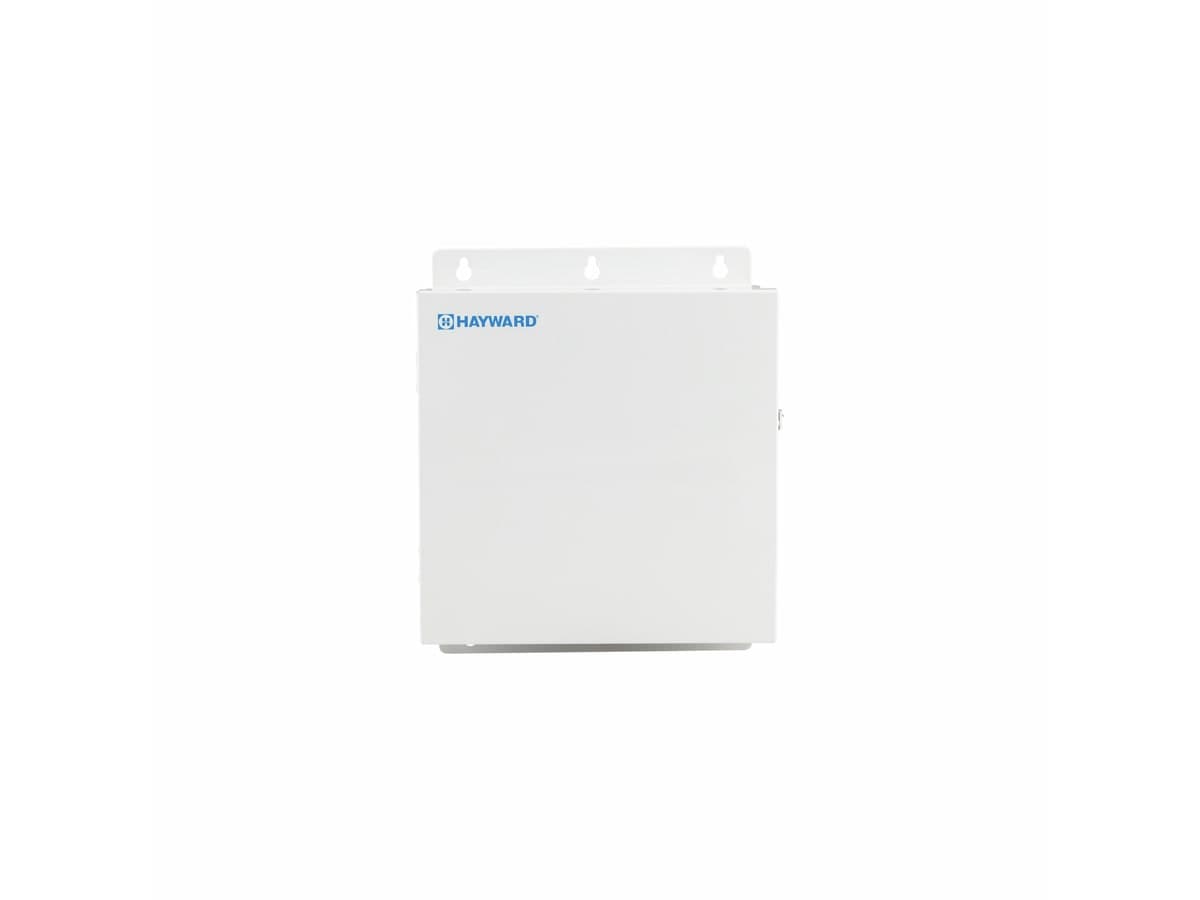
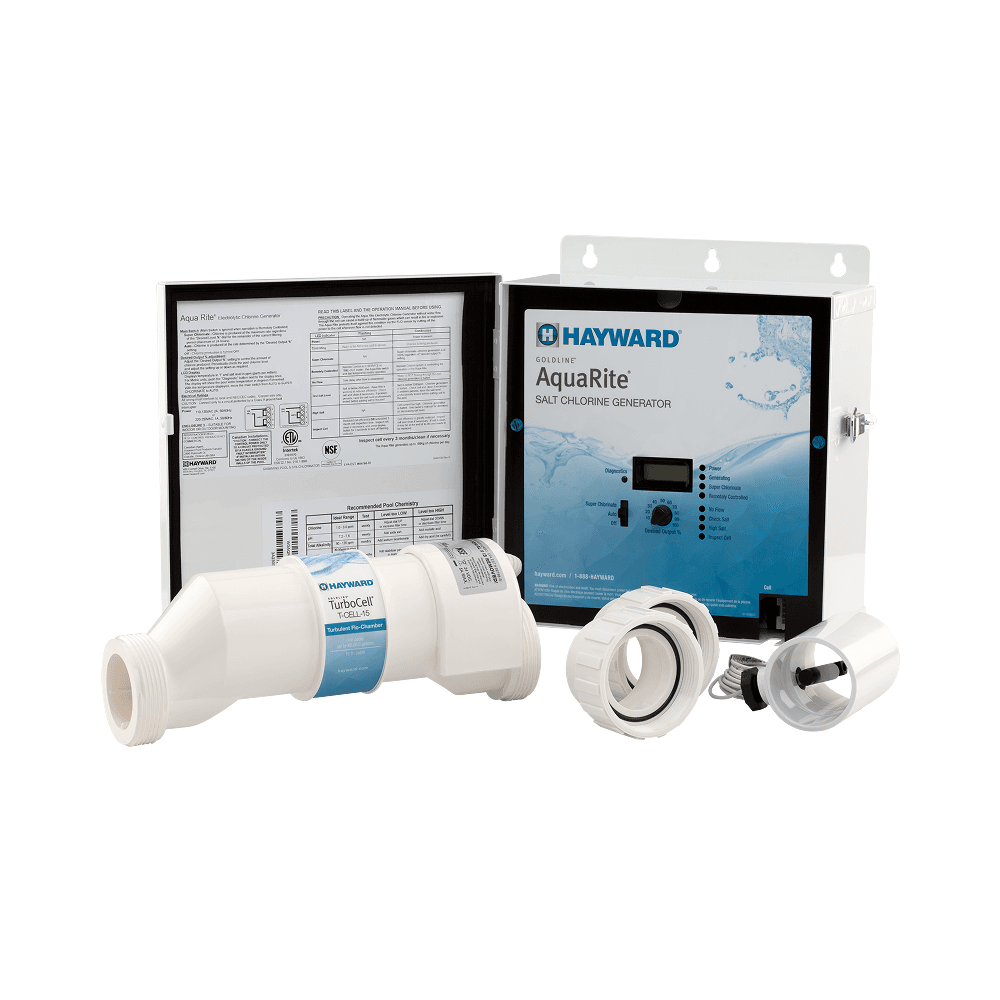
The AquaRite is the salt chlorine generator most pool pros install by default, and its huge installed base is a real advantage — every service tech knows it, and TurboCell replacements and parts are stocked everywhere. This 40,000-gallon version (W3AQR15) suits most residential in-ground pools and, sized above your actual volume, will run gently and last. It converts about a teaspoon of salt per gallon into a steady chlorine supply, integrates with Hayward automation, and shows salt level and diagnostics on a simple display. The one persistent gripe is TurboCell replacement cost — but you're buying the safest, best-supported option on the market.
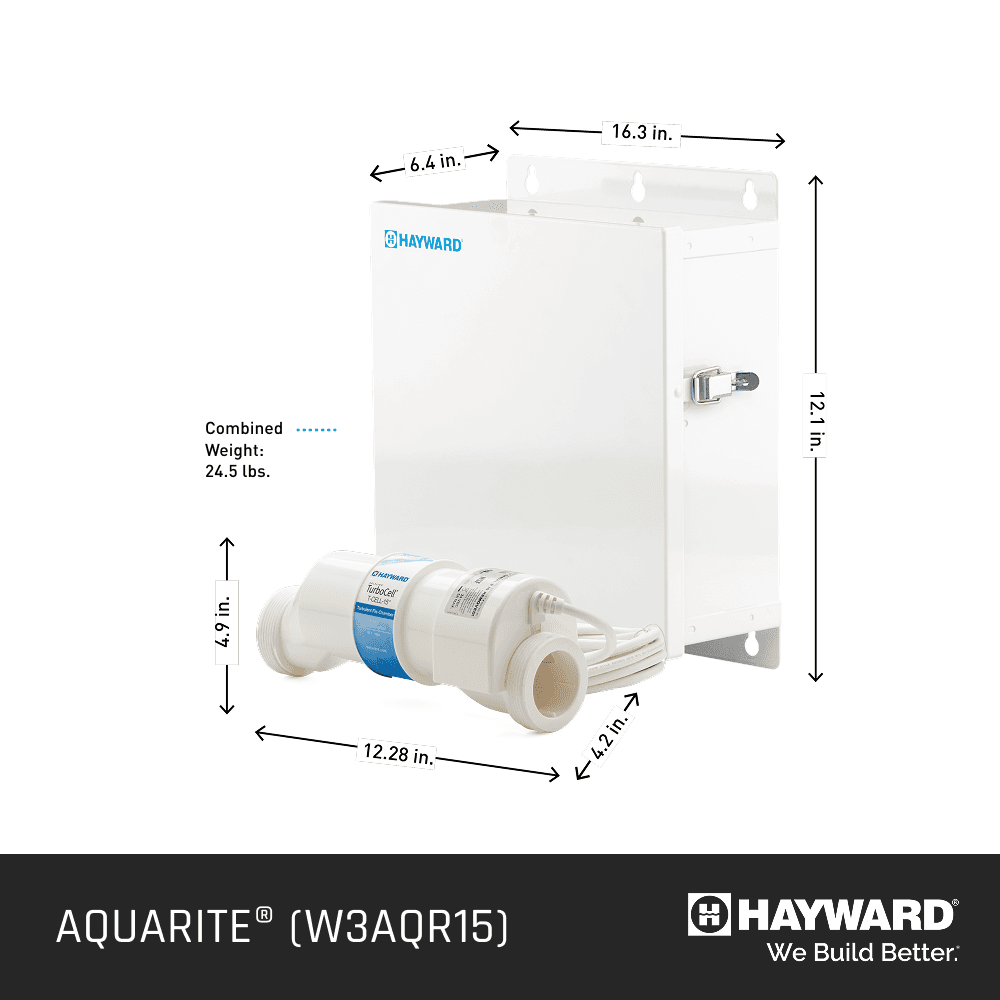
Hayward AquaRite Salt System (40,000 gal) at a glance
- System type
- Complete system
- Max pool size (gal)
- 40,000
- Pool type
- In-ground
- Salt cell
- Titanium TurboCell
- Self-cleaning cell
- Yes
- Voltage
- 110/230V
- Cell warranty (yrs)
- 3
- Automation-compatible
- Yes
- Display
- Digital LED
- Notable feature
- Most-installed salt system — parts and service everywhere
Source: Compiled from manufacturer specifications, retailer listings, and aggregated owner feedback. Specs and prices change — confirm with the retailer before buying.
This is a research-based review — our analysis draws on manufacturer specifications, manuals, warranty terms, and verified owner feedback rather than our own hands-on testing, and we note where a detail couldn't be confirmed. How we review
The in-depth review
The AquaRite is the salt system pool professionals reach for by default, and its dominance is the whole argument for buying it: when a system is this common, parts, cells, and know-how are everywhere.
Why ubiquity is a feature
Salt systems are long-term equipment, and the AquaRite's enormous installed base means any tech can service it and TurboCell replacements are stocked at every pool store. This 40,000-gallon version (W3AQR15) covers most residential in-ground pools, and sized above your real volume it runs gently and lasts. It converts about a teaspoon of salt per gallon into steady chlorine, integrates with Hayward automation, and surfaces salt level and diagnostics on a simple display.
The honest drawback
Replacement TurboCells are expensive, and the base cell warranty (around three years) trails value brands like CircuPool. If you're optimizing purely for lowest lifetime cost, a long-warranty DIY system can beat it. The AquaRite's answer is risk reduction, not the lowest sticker.
Performance breakdown
Research-based editorial judgments from specs, warranty terms, and verified owner feedback — not lab measurements. How we score
Pros and cons
What works
- Ubiquitous — parts and service everywhere
- Proven, reliable platform
- Integrates with Hayward automation
- Simple salt/diagnostic display
What doesn't
- TurboCell replacements are expensive
- Pricier upfront than value brands
- Often pro-installed
- Cell warranty shorter than CircuPool
Best alternatives to Hayward AquaRite Salt System (40,000 gal)
Pentair
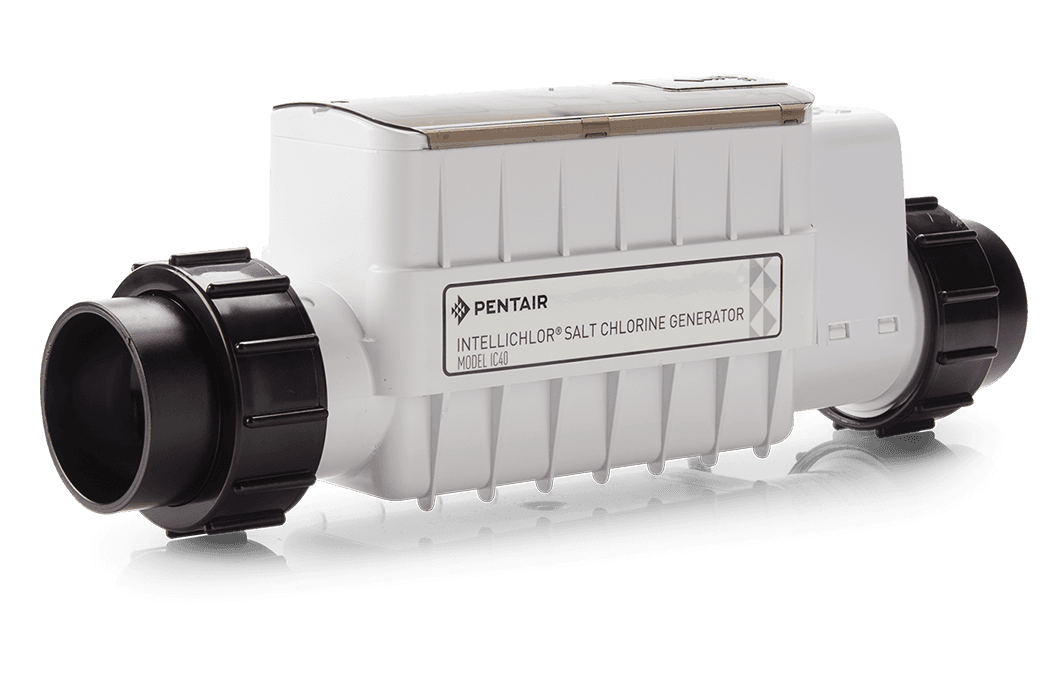
Pentair IntelliChlor IC40 Salt System
Premium pick
Pentair’s premium salt system — excellent diagnostics, real-time cell-life tracking, and seamless integration if you run Pentair automation.
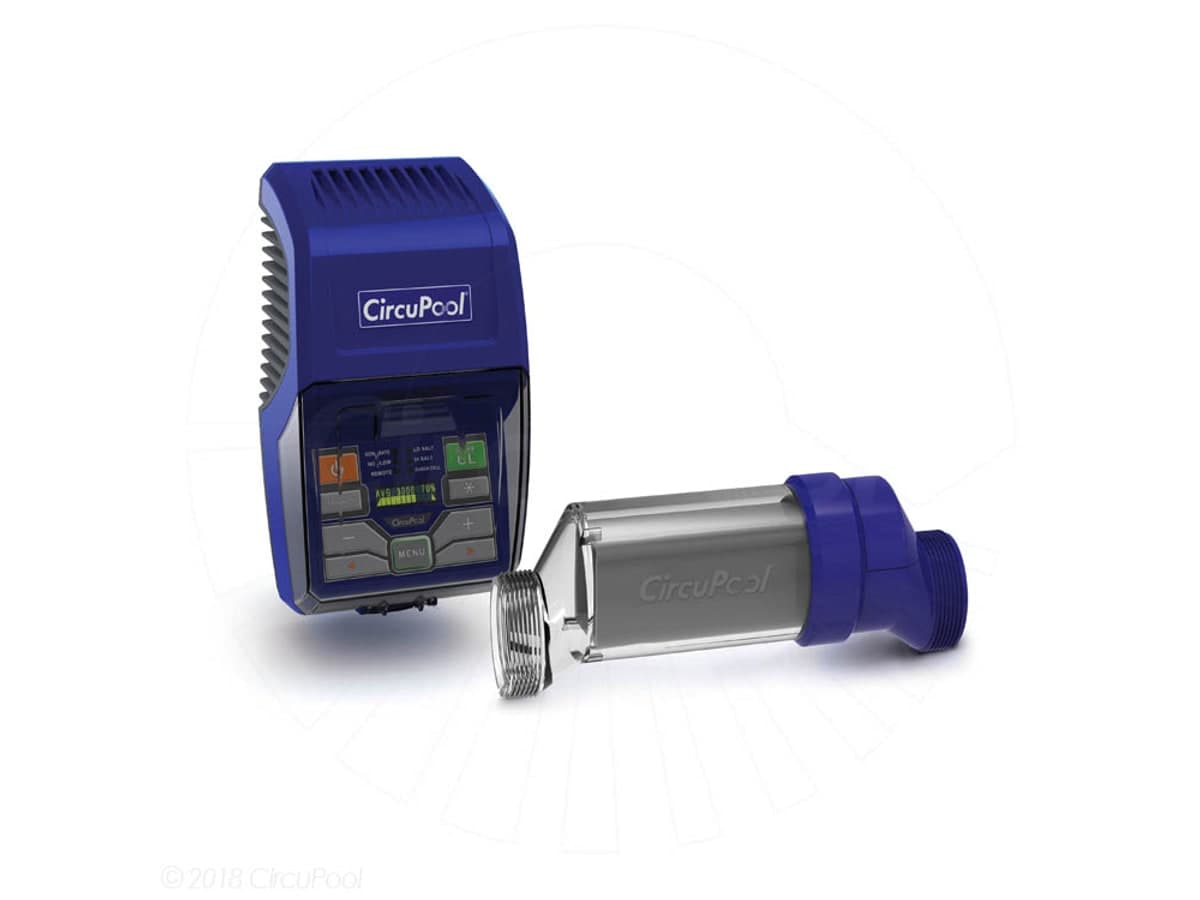
CircuPool
CircuPool RJ45+ Salt System
Best warranty
The enthusiast value flagship — a big titanium cell, a 7-year warranty, and no DIY-install penalty, at a price that undercuts the majors.
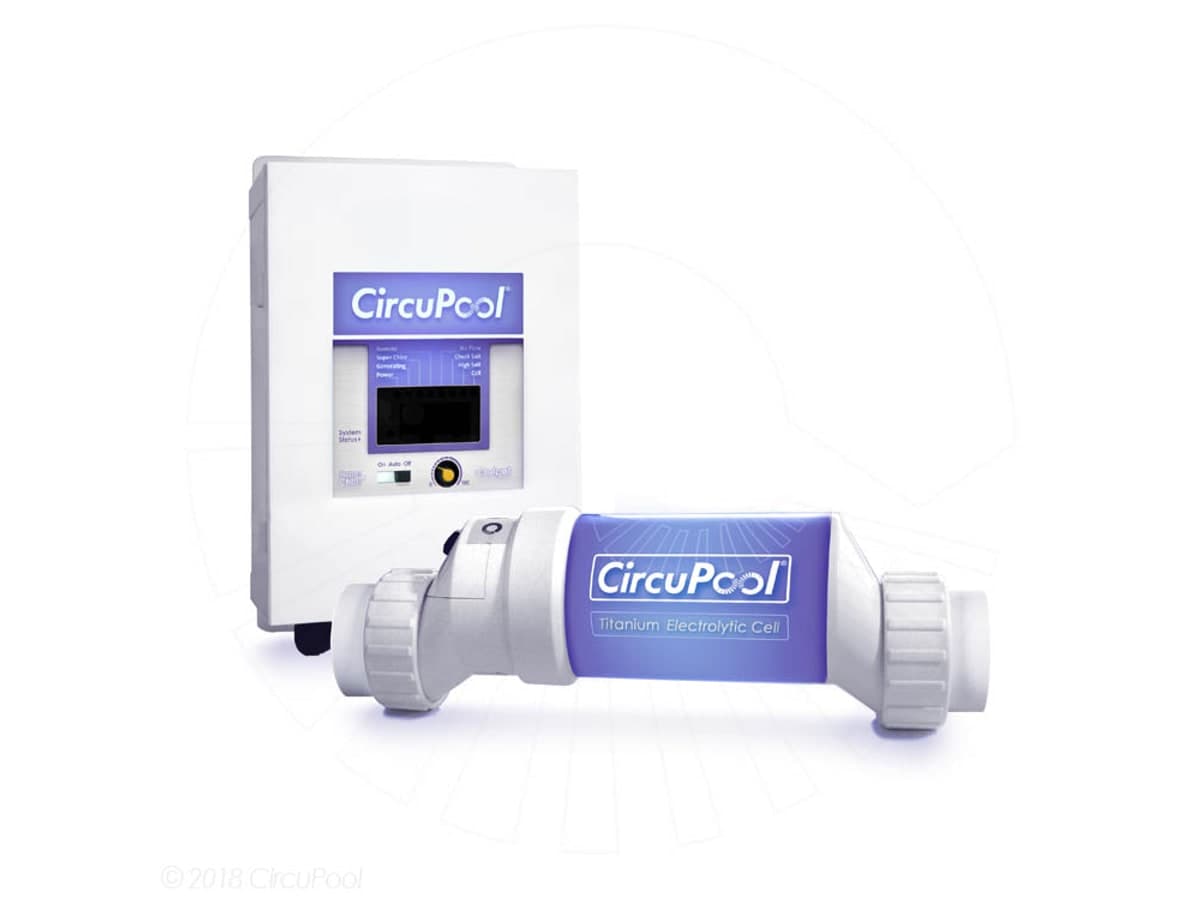
CircuPool
CircuPool Universal40 Salt System
Best DIY value
The easy value pick — a complete titanium-cell system designed to drop onto any pad and be installed by a handy owner, at a mid-range price.
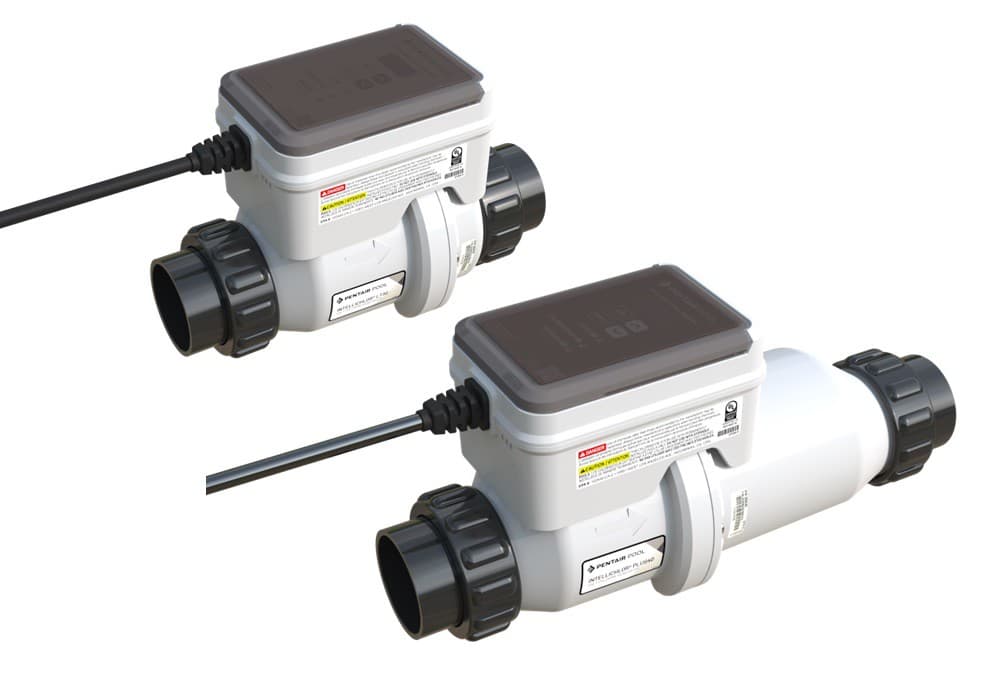
Pentair
Pentair IntelliChlor LT15 Salt System (15,000 gal)
Best for small pools
The small-pool Pentair option — IntelliChlor diagnostics and SmartSense in a complete 15,000-gallon cell-and-power-pack bundle.
Frequently asked questions
Why is the AquaRite so popular?
Sheer installed base. More AquaRites are in the ground than any competing system, so every service tech knows it and replacement cells/parts are stocked everywhere — which lowers your long-term risk.
How much does a replacement TurboCell cost?
Several hundred dollars — it’s the AquaRite’s main downside. Sizing the cell above your pool volume so it runs at lower output is the best way to stretch cell life and delay that cost.
What size AquaRite do I need?
Buy a cell rated above your actual pool volume, not equal to it. This 40,000-gallon model is a good fit for most residential in-ground pools up to roughly 30,000 gallons of real volume, giving it headroom to run gently.
Does it work with pool automation?
Yes — the AquaRite integrates with Hayward’s automation systems for scheduling and monitoring chlorine output, which is a plus if you’re already on Hayward equipment.
Is it hard to install?
It’s a permanent wiring-and-plumbing job — many owners have it professionally installed, though a confident DIYer can manage it. You’ll wire it to the pump circuit and plumb the cell into the return line.
How much salt does it need?
About a teaspoon per gallon — roughly 3,000–3,400 ppm, far less salty than seawater. You add pool-grade salt once, then top up occasionally after heavy rain or splash-out.