Pool heater size calculator
Raising this pool 15°F in 24 hours takes roughly 78k BTU/hr of delivered heat — before heat losses. In practice, size up and use a cover; an uncovered pool sends your heating budget into the sky as steam.
Treat this as a starting dose: add less than the full amount when unsure, circulate for a few hours, retest, repeat. Always follow your product's label.
A pool heater size calculator estimates the heater output you need by looking at pool surface area, desired temperature, average air temperature, cover use, wind exposure, and heater type. Gallons help, but the water surface is where much of the backyard drama happens.
Key takeaways
-
Pool heater sizing should start with surface area and temperature rise, not just gallons.
-
Gas heaters are usually better for fast heat, spas, and occasional use.
-
Heat pumps usually make more sense for steady heating in mild or warm weather.
-
A pool cover can change the math because it reduces heat loss when the pool is not being used.
-
The calculator should give a sizing range, not pretend one number works for every yard, wind tunnel, and impatient swimmer.
How does a pool heater size calculator work?
A pool heater size calculator estimates how many BTUs per hour you need to raise and maintain pool temperature. The useful version asks how big the water surface is, how warm you want the pool, how cool the air gets, and whether the pool is covered.
A weak calculator only asks for gallons. That is better than guessing, but not enough. Two pools can have similar gallons and very different heating behavior. A deep, narrow pool does not lose heat the same way as a wide, shallow pool. A screened Florida pool does not behave like a windy hilltop pool in March.
A good calculator should separate three questions:
- How much water are you trying to warm?
- How fast do you want it to warm up?
- How much heat will the pool lose while you are trying to keep it warm?
The third question is the one homeowners miss. Heating a pool is not like microwaving soup. The pool keeps giving heat back to the air, wind, rain, and night sky. Very rude of it, but there we are.
DOE's consumer guidance for gas pool heaters and heat pump pool heaters both describe sizing as a job affected by pool surface area, temperature rise, wind, humidity, and cool night temperatures. That is why PoolPros should treat the calculator as a sizing assistant, not a replacement for a real installer on expensive jobs.
What numbers do you need before sizing a heater?
Before sizing a heater, you need pool length, width, average depth, desired temperature, average air temperature during swim season, cover use, and heater type. If one of those is guessed badly, the recommendation can lean too small or too large.
Use the pool volume calculator first if you do not know gallons. Then measure surface area separately.
| Input | Why it matters | Reader mistake to avoid |
|---|---|---|
| Pool length and width | Gives surface area | Using only gallons and ignoring surface heat loss |
| Average depth | Helps estimate volume | Treating the deep end as the whole pool |
| Desired water temperature | Sets the target | Sizing for 88°F when you only need 82°F |
| Average cool-season air temperature | Sets temperature rise | Using July weather for March swimming |
| Wind exposure | Increases heat loss | Pretending a windy pool is indoors because hope is free |
| Cover use | Reduces heat loss | Buying a bigger heater instead of using a cover |
| Heater type | Gas, heat pump, and solar behave differently | Comparing only purchase price |
| Utility/fuel cost | Changes operating cost | Forgetting propane, natural gas, and electric rates vary |
The calculator should ask a simple version of each input, then show an advanced toggle for people who want more precision. Most homeowners need a good direction. Pool pros and serious buyers need the details.
Should you size a pool heater by gallons or surface area?
You should use both, but surface area usually drives outdoor pool heater sizing more than homeowners expect. Gallons tell you how much water needs warming; surface area tells you how much water is exposed to the air.
DOE's gas-heater sizing guidance gives a simple approximate formula for outdoor pools:
| Step | What to calculate | Example |
|---|---|---|
| 1 | Desired pool temperature | 84°F |
| 2 | Average temperature in the coldest month of use | 64°F |
| 3 | Temperature rise | 20°F |
| 4 | Pool surface area | 16 × 32 = 512 sq. ft. |
| 5 | Approximate BTU/hr need | Pool area × temperature rise × 12 |
For that example:
512 sq. ft. × 20°F × 12 = 122,880 BTU/hr
That does not automatically mean the homeowner should buy the first 125,000 BTU heater they see. Wind, cover use, heater efficiency, plumbing, gas line sizing, electrical requirements, and desired heat-up speed still matter. It does mean a 40,000 BTU gadget is probably going to feel like asking a toaster to heat a lake.
Gallons still matter for heat-up time. A larger water volume takes more heat energy to move the same number of degrees. That is why the calculator should show both:
- Estimated maintenance size based on area and temperature rise.
- Estimated heat-up behavior based on gallons and heater output.
- Practical range based on whether the pool is covered, exposed, or used only on weekends.
The body copy on the calculator page should explain this plainly. Readers are not trying to become mechanical engineers. They are trying to avoid buying the wrong metal box.
How do gas, heat pump, and solar pool heaters compare?
Gas, heat pump, and solar pool heaters solve different problems. The right choice depends on climate, swim season, desired speed, utility costs, and whether the pool is used every day or only when relatives visit with towels they will not bring home.
| Heater type | Best for | Watch out for | Good affiliate/product module |
|---|---|---|---|
| Gas pool heater | Fast heating, spas, cold snaps, occasional use | Fuel cost, gas line sizing, venting, installation | Gas heaters, heater covers, thermometers |
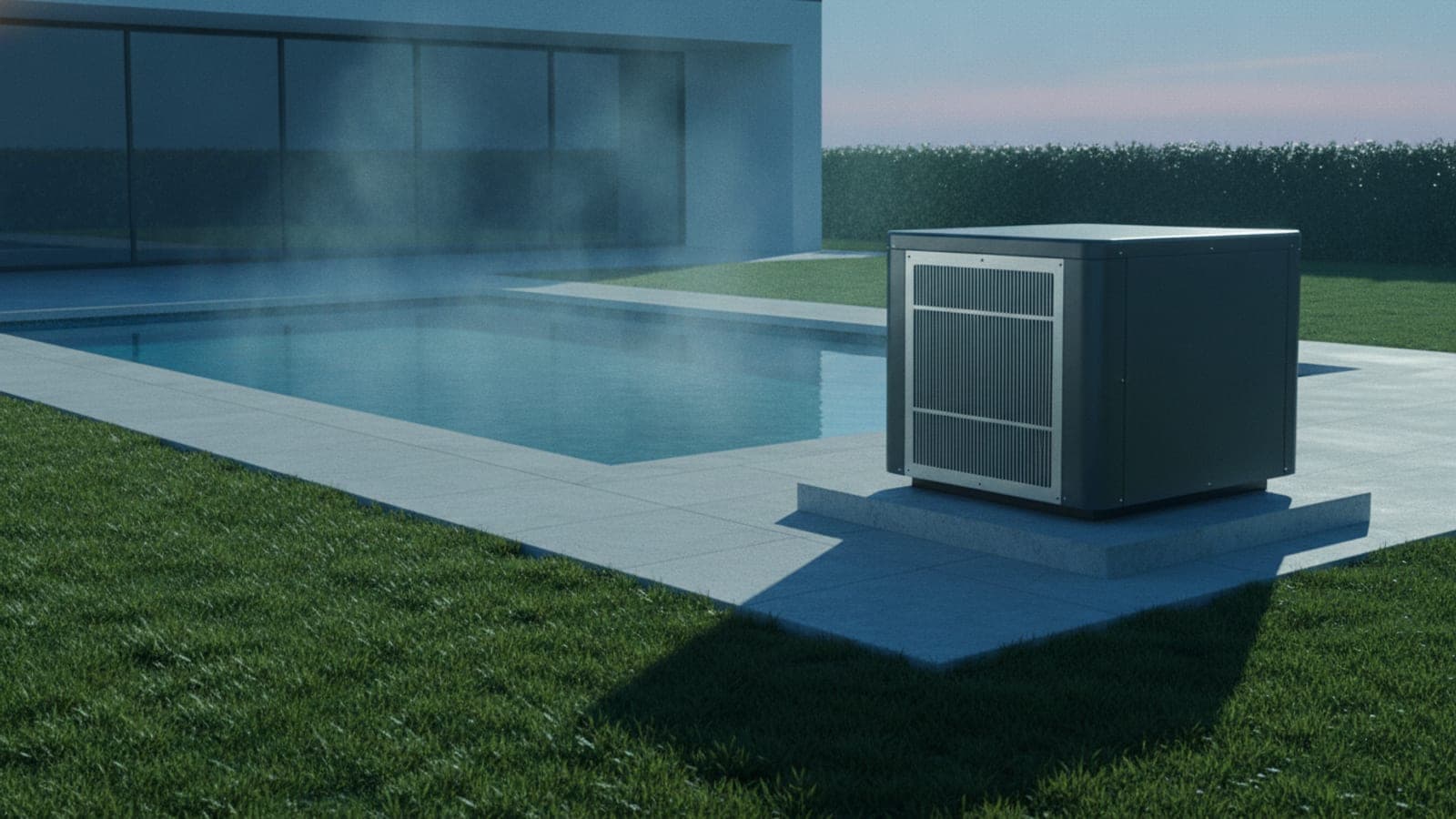
| Heat pump pool heater | Steady heating in mild/warm weather | Slower heat-up, reduced efficiency in colder air | Heat pumps, solar covers, temperature sensors |
| Solar pool heater | Long-season low operating cost where sun and roof/yard space work | Site design, weather dependence, slower heating | Solar kits, solar covers, valves |
| Pool cover only | Reducing heat loss and extending comfort | Does not create heat by itself like a heater | Solar blankets, reels, liquid cover products |
DOE notes that heat pump pool heaters usually cost more upfront than gas heaters but often have lower annual operating costs because of higher efficiency. DOE also says gas heaters can maintain a desired temperature regardless of weather or climate, which is why they remain useful for quick heating and occasional pool use.
That tradeoff should show up in the calculator result. The result should not just say “Buy 125,000 BTU.” It should say something like:
For a 16 × 32 pool targeting a 20°F rise, start your research around this BTU range. If you want fast weekend heat, compare gas heaters. If you want steady warm-weather operation, compare heat pumps. If you use a cover every night, you may be able to choose a smaller or more efficient setup after a pro sizing check.
That is helpful. It keeps the reader from turning a calculator into a shopping cart cannon.
What is a realistic pool heater sizing example?
A realistic example shows why heater size is not just “pool gallons × vibes.” A 16 × 32 rectangular pool with an 84°F target and 64°F cool-month average has a 20°F temperature rise and about 512 square feet of surface area.
Using DOE's approximate outdoor pool heater formula:
512 × 20 × 12 = 122,880 BTU/hr
Now compare two homeowners with the same pool.
| Homeowner | Pool habits | Likely sizing direction |
|---|---|---|
| Family A | Uses the pool most evenings, has a cover, lives in mild weather | Heat pump may make sense; cover helps reduce losses |
| Family B | Uses pool on weekends, wants fast heat, no cover, windy yard | Gas heater may make more sense; higher output may be needed |
| Family C | Wants longer season, has sunny unshaded roof, patient with heat-up | Solar may be worth a contractor quote |
Same pool. Different answer.
This is exactly why the calculator should ask how the pool is used. “How fast do you want it warm?” is not fluff. It is the difference between steady heating and hurry-up heating.
For a PoolPros page, place a small “calculator result explanation” box after the tool:
- Estimated BTU/hr range: based on surface area and temperature rise.
- Heat-up expectation: slow, moderate, or fast.
- Best heater type to research first: gas, heat pump, or solar.
- Cover recommendation: yes/no based on heating goal.
- Next step: compare heater options or ask a licensed installer to confirm sizing.
That makes the article more useful than a bare number.
What changes the heater size more than people expect?
Wind, night temperatures, cover use, and desired water temperature can change the heater need more than small differences in gallons. The pool does not care that you “usually like it warm.” It responds to physics, which has terrible customer service.
The big factors are:
- Temperature rise. Going from 78°F to 84°F is not the same as going from 78°F to 90°F.
- Wind exposure. Wind pulls heat off the surface faster.
- Humidity. Dry air increases evaporation, which also increases heat loss.
- Nighttime temperature. Cool nights can erase daytime gains.
- Cover use. Covered pools hold heat much better.
- Heater type. Gas, heat pump, and solar units have different behavior.
- Desired heat-up speed. “Warm by Friday night” is different from “keep it pleasant all week.”
- Plumbing and equipment pad limits. Existing pipe size, gas line, electrical service, and space may limit choices.
The calculator should include a simple “exposure adjustment” instead of pretending every pool is installed in a laboratory. Something like this works well for readers:
| Pool exposure | Calculator adjustment language |
|---|---|
| Protected yard, cover used | “You may be able to size toward the lower end after pro confirmation.” |
| Normal backyard, partial cover use | “Use the middle of the range as your research starting point.” |
| Windy, uncovered, cool nights | “Research the upper end and strongly consider a cover.” |
| Spa attached | “Do not size from the pool alone. Spa heat-up speed changes the answer.” |
This is also a good place for internal links to pool pump sizing and pool pump run time. Heating and circulation are cousins. They argue at family dinners, but they are related.
How much does a pool cover matter?
A pool cover can matter a lot because it reduces evaporation and heat loss when the pool is not being used. DOE says covering a pool when it is not in use is the most effective way to reduce pool heating costs.
DOE's swimming pool covers guidance says pool covers can significantly reduce pool heating costs and may also reduce the size needed for some solar pool heating systems. That belongs directly on a heater-size page because the cheapest “heater upgrade” is sometimes not losing the heat you already paid for.
For the affiliate module, do not bury covers at the bottom like an afterthought. Use a “Before You Buy a Bigger Heater” product section:
What you need before sizing a heater
- Solar pool cover or safety cover — helps reduce evaporation and heat loss.
- Cover reel — makes the cover less annoying, which means people might actually use it.
- Digital pool thermometer — lets you track whether the heater is doing what you think it is doing.
- Outdoor thermometer/weather check — helps match the calculator to real swim-season air temperature.
- Pool volume calculator — keeps chemical and heating estimates from starting wrong.
Affiliate disclosure: We may earn a commission if you buy through links in this section. Product prices and availability can change.
That section has real buyer value. It also gives the page a chance to monetize even if the reader is not ready to buy a heater today.
What should you buy before choosing a heater?
Before choosing a heater, buy or gather the tools that help you measure the pool and understand how it behaves. Guessing heater size from a listing photo is how people end up angry at a very expensive box.
A useful “what you need” module should include:
| Item | Why it helps | Affiliate angle |
|---|---|---|
| Measuring tape or laser measure | Confirms length and width | Low-cost utility product |
| Pool thermometer | Confirms current and target temperature | Easy add-on |
| Solar cover | Reduces heat loss | High-relevance product |
| Cover reel | Makes cover use realistic | Accessory sale |
| Heater comparison cards | Lets buyers compare gas, heat pump, and solar | Higher-ticket affiliate path |
| Pool test kit | Helps maintain water that will not damage equipment | Recurring maintenance path |
Do not present a heater product card as “best overall” unless the product data is verified. For now, use neutral cards:
- “Compare heat pump pool heaters”
- “Compare gas pool heaters”
- “Compare pool covers”
- “Compare digital thermometers”
Once the product database is built, replace those with researched product modules.
What should the calculator result show?
The calculator result should show a BTU range, recommended heater type to research first, cover recommendation, heat-up expectation, and a warning to confirm sizing before purchase. A single giant number is less useful than a decision path.
The result card should include:
- Estimated surface area. Example: 512 sq. ft.
- Temperature rise. Example: 20°F.
- Estimated BTU/hr research range. Example: lower/mid/upper range, not a fake precise answer.
- Best first heater type. Gas, heat pump, solar, or “compare two.”
- Cover impact. “Using a cover may reduce heat loss and operating cost.”
- Operating note. “Utility rates and climate affect long-term cost.”
- Affiliate card block. Compare heaters and covers.
- Professional check. “Confirm gas, electric, plumbing, and local code requirements before buying.”
The tone should be helpful, not bossy. This is the kind of purchase where the calculator can save someone from a bad shortlist, but the final decision should still involve product manuals and a qualified installer.
When should a professional size the heater?
A professional should size the heater when the project involves gas lines, electrical changes, a spa, automation, major plumbing changes, or a high-ticket heater purchase. This is not the moment to learn gas-line capacity from a comment section.
Tell readers to get a professional check when:
- The pool has an attached spa.
- The yard is very windy or shaded.
- The pool is used in cool months.
- A natural gas line or propane tank is involved.
- A heat pump requires electrical work.
- The heater will connect to automation.
- Local permits or code may apply.
- The homeowner is replacing a failed heater with a different type.
The page can still monetize well without pretending to be an installer. The job of PoolPros is to help readers ask better questions, compare the right equipment, and avoid buying blind.
The final CTA should be simple:
Use the calculator to get your research range. Then compare heater types, price the cover, and confirm the installation requirements before you buy.
That is the honest route. It also happens to be the route that gets better readers to affiliate links with fewer returns and less regret.
Frequently asked questions
What size pool heater do I need?
A quick estimate uses pool surface area, the temperature rise you want, weather exposure, and heater type. DOE's gas-heater sizing guidance uses pool area, temperature rise, and a multiplier, but a pro should size expensive heater installations before purchase.
Is a heat pump or gas pool heater better?
A heat pump is usually better for steady heating in mild or warm weather, while a gas heater is better for faster heating, spas, cold snaps, and pools used occasionally. Local utility costs can change the answer.
Can a pool heater be too big?
Yes. Oversizing can raise equipment cost and may create short-cycling or inefficient operation depending on the system. Undersizing can leave the heater running hard without reaching the temperature you want.
Does a pool cover reduce the heater size I need?
A cover can reduce heat loss, especially evaporative heat loss. DOE says pool covers can significantly reduce pool heating costs, so cover use should be part of the heater sizing conversation.
Should I size a pool heater by gallons?
Gallons matter, but surface area and temperature rise often matter more for outdoor heater sizing because the pool loses heat through the water surface. Use gallons for context and surface area for the main estimate.