PoolGearGuide

Pool Buying Mistakes That Get Expensive Fast

By the PoolGearGuide editorial team · Updated 2026-07-03

Share

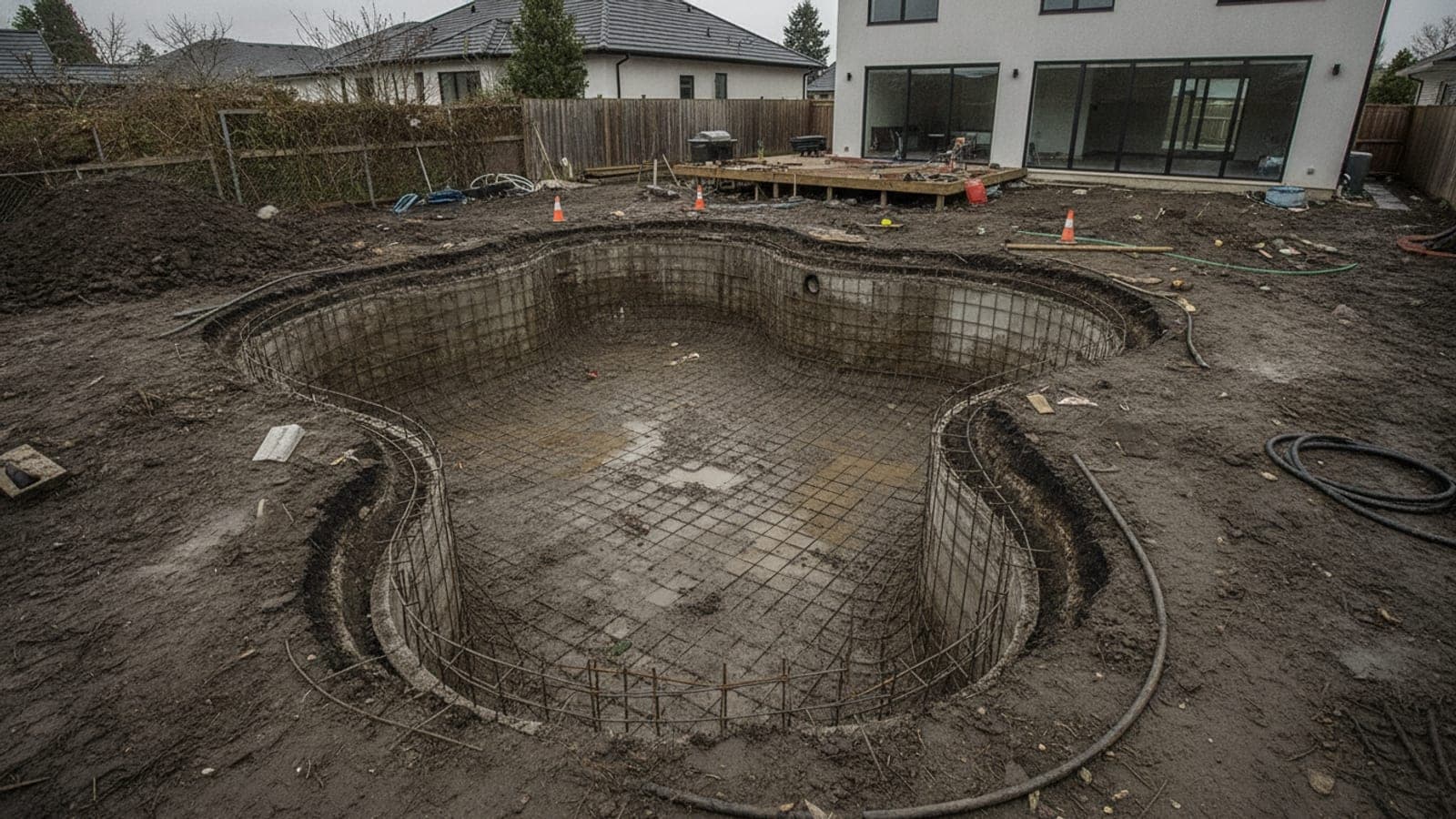
Pool buying mistakes get expensive when the pool purchase is treated like one big item instead of a system. The pool is only the shiny center. The real cost lives in ground prep, equipment, safety, cleaning, chemicals, covers, power, repairs, and the time you will spend trying to keep the water from becoming soup.

A good pool decision is not “what looks amazing in the brochure.” It is “what can I afford to install, maintain, cover, clean, and use without resenting it by August.”

Key takeaways:

  • The pool price is not the pool cost; equipment, prep, safety, and maintenance can change the real number fast.
  • Cheap kits can be fine, but weak pumps, poor covers, and skipped ground prep are where savings disappear.
  • Bigger pools are not automatically better if they require more cleaning and equipment than you planned.
  • Financing should be judged by monthly payment and total cost, not just whether the payment “fits.”
  • Buy the maintenance system with the pool, not three weeks later after algae has filed for residency.

Table of contents

![Family looking over pool plans with a checklist for equipment safety and maintenance costs]([ADD IMAGE URL])

What pool buying mistake costs people the most?

The most expensive pool buying mistake is focusing on the pool price and ignoring the full ownership system. A pool needs a site, circulation, filtration, sanitation, cleaning, safety, covers, and regular attention.

That means the “pool” includes:

  • The shell, frame, liner, or build.
  • Ground prep or excavation.
  • Electrical work.
  • Pump and filter.
  • Heater or heat pump if used.
  • Cover.
  • Cleaner or cleaning tools.
  • Test kit.
  • Chemicals.
  • Safety barriers, gates, covers, alarms, or ladders.
  • Repairs and replacement parts.

The pool is not one purchase. It is a tiny ecosystem with receipts.

Use the pool cost calculator before shopping seriously. It should force you to add the dull line items, because those are usually the ones that bite.

Why is buying only the pool kit a problem?

Buying only the pool kit is a problem because kits are often designed to get you started, not necessarily to give you the best long-term setup. The pump, filter, ladder, cover, and cleaning tools may need upgrades.

This matters with both above-ground and inground pools. A low price can still be a good deal, but only if you know what is missing.

Missing or weak itemWhat happens later
Undersized pump/filterCloudy water and longer cleanup time
No good coverMore leaves, water loss, heat loss, and cleaning
Cheap ladderAnnoying access or safety concerns
No test kitGuessing chemicals instead of measuring
No cleaner planManual vacuuming becomes the weekly punishment
Poor ground prepLiner stress, uneven water, or structural risk

DOE says covering a pool when it is not in use is one of the most effective ways to reduce pool heating costs. ENERGY STAR notes certified pool pumps can use less energy than standard pumps. Those are not glamorous upgrades. They are the kind of boring choices that can make ownership less expensive.

How do people choose the wrong size?

People choose the wrong size by shopping for the fantasy pool instead of the pool that fits their yard, family, cleaning tolerance, and budget. Bigger water is better only if you can manage it.

A bigger pool means:

  • More gallons.
  • More chemical demand.
  • More pump runtime planning.
  • More cover weight.
  • More debris.
  • More brushing.
  • More heater demand if heated.
  • More expensive mistakes when chemistry goes sideways.

Run candidate sizes through the pool volume calculator. Then ask a very honest question: “Do I want to maintain this much water?”

If the answer is “I want someone else to maintain this much water,” then price the service before buying the pool.

What equipment mistakes show up after the first month?

The equipment mistakes show up when the water gets cloudy, leaves arrive, the filter clogs, or the pump schedule becomes guesswork. New pool excitement hides weak equipment for a little while. Heat, rain, debris, and swimmers reveal it.

Watch these decisions closely:

Pump and filter

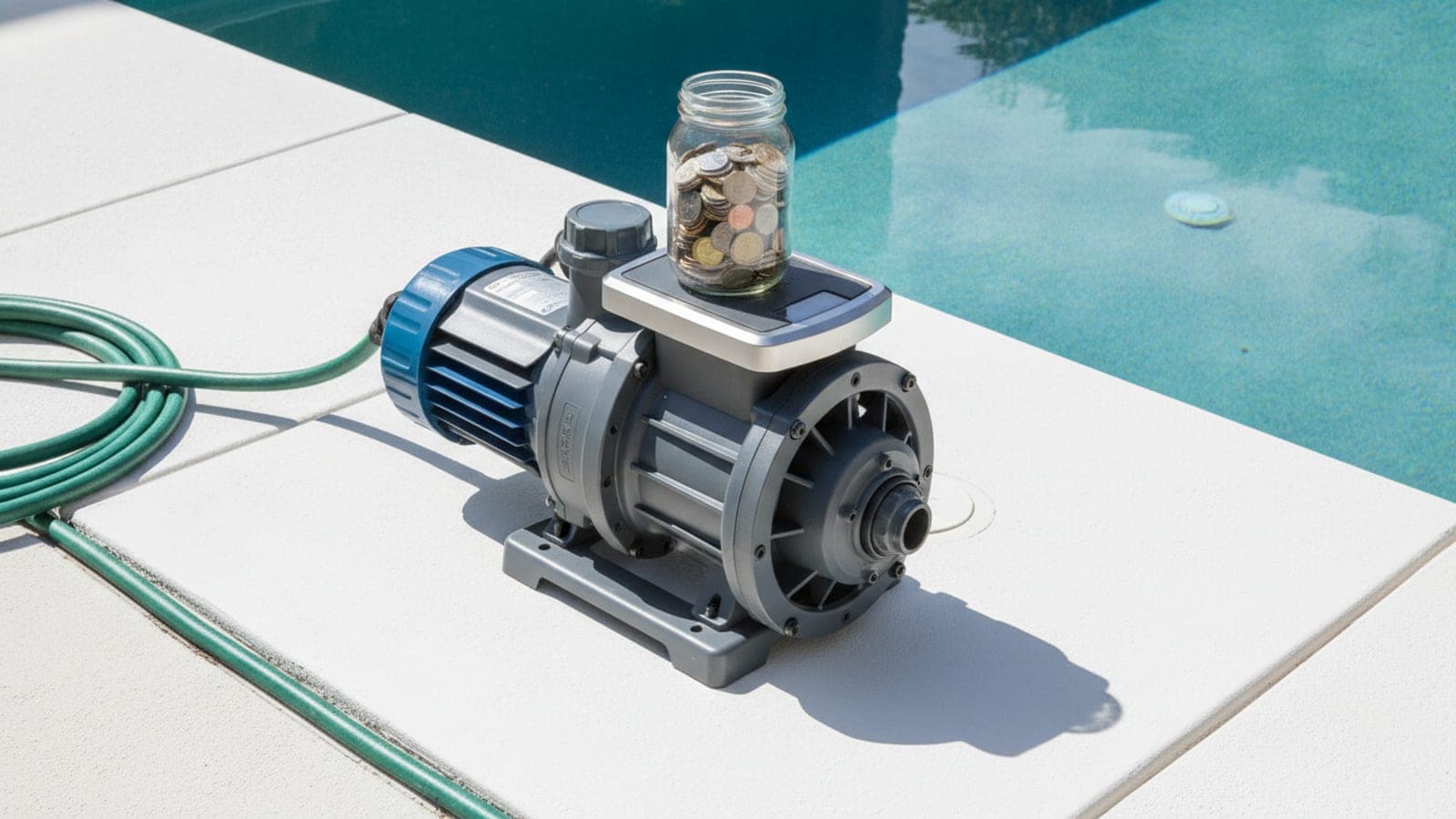
Do not size the pump and filter by vibes. Use manufacturer guidance, your pool volume, and the pool pump size calculator. A weak setup makes every water issue harder.

Cover

A cover reduces debris and evaporation. If the pool is heated, it can also help with heat retention. The cover needs to be realistic to use, not just technically compatible.

Cleaner

A manual vacuum is fine for some pools. A robotic cleaner makes sense when the pool is larger, deeper, leafy, or used often. Use the pool robot finder if you do not know what type fits.

Test kit

Test strips are convenient. A better kit can be more useful when water keeps misbehaving. Do not run a pool on color guesses and optimism.

What safety costs should not be treated as optional?

Safety costs should be part of the buying decision from the beginning. Barriers, gates, covers, ladder controls, drain safety, and supervision plans are not accessories in the same way a cup holder is an accessory.

CPSC’s Pool Safely barrier guidelines are written for residential pools, spas, and hot tubs and focus on preventing young children from accessing water. Local code may require specific fencing, gates, alarms, covers, setbacks, or electrical protections.

Think through:

  • Fencing and gates.
  • Self-closing and self-latching hardware where required.
  • Ladder removal or locking for above-ground pools.
  • Safe drain covers and suction awareness.
  • Lighting around the pool.
  • Non-slip walking areas.
  • Adult supervision habits.
  • CPR and emergency plan.

A pool you cannot secure is not a bargain.

How can financing make a pool feel cheaper than it is?

Financing can make a pool feel cheaper by shrinking the decision into a monthly payment. Monthly payment matters, but total cost matters too.

The CFPB explains that APR includes the interest rate plus certain fees charged with the loan. That makes APR useful when comparing borrowing options, because a lower payment can hide a longer term or higher total cost.

Before financing a pool, compare:

  • Interest rate.
  • APR.
  • Loan term.
  • Fees.
  • Monthly payment.
  • Total repayment amount.
  • Early payoff rules.
  • Whether repairs and upgrades will go on a credit card later.

Use the pool loan calculator before you talk yourself into a payment that feels fine in spring and rude in winter.

What maintenance costs are easy to forget?

The easiest maintenance costs to forget are the recurring small ones. Chemicals, filters, test supplies, water, electricity, replacement baskets, cleaner parts, cover wear, and occasional service calls add up quietly.

Plan for:

  • Chlorine, salt, or sanitizer.
  • Acid or pH increaser.
  • Alkalinity increaser.
  • Stabilizer.
  • Shock.
  • Clarifier only when appropriate.
  • Filter cartridges or sand media.
  • Replacement robot filters or tracks.
  • Skimmer baskets and nets.
  • Water top-offs.
  • Pump electricity.
  • Heater energy.

The pool chemical cost calculator can help you estimate recurring costs instead of doing the traditional method: being surprised at checkout.

What is a realistic mistake scenario?

A homeowner buys a large above-ground pool because the sale price looks great. They skip the upgraded cover, keep the small included pump, buy test strips only, and plan to clean manually. The first month is fine.

Then heat, rain, and leaves arrive. The filter struggles. The pool turns cloudy. The owner buys shock, clarifier, extra cartridges, a better skimmer, and eventually a better pump. Now the “cheap pool” has become a more expensive pool with extra stress included free of charge.

A better path would have been:

  • Slightly smaller pool.
  • Better pump/filter.
  • Good cover.
  • Proper test kit.
  • Cleaner plan.
  • Realistic chemical budget.

Boring? Yes. Cheaper? Often.

![Pool buying checklist with pump cover test kit and cleaner listed beside a pool brochure]([ADD IMAGE URL])

What should you do before signing or ordering?

Before signing or ordering, build the full pool budget and the full maintenance plan. If you cannot explain how the water gets filtered, tested, covered, cleaned, and secured, you are not done shopping.

Use this pre-buy checklist:

  1. Confirm local rules, permits, HOA rules, and safety requirements.
  2. Measure the site.
  3. Estimate gallons with the pool volume calculator.
  4. Price pump, filter, cover, cleaner, and test kit.
  5. Price startup chemicals.
  6. Price monthly care.
  7. Compare financing by APR and total repayment.
  8. Decide who cleans the pool.
  9. Decide what happens during vacations.
  10. Leave budget for repairs and replacements.

The best pool purchase is not the one that makes the cart look good. It is the one that still makes sense after you add the stuff that keeps it clear, safe, and usable.

What questions should you ask every pool seller or builder?

Ask questions that force the quote to become specific. Vague pool quotes are where future invoices grow legs.

Use this list before you agree to anything:

  • What exactly is included in this price?
  • What is specifically excluded?
  • What site conditions could increase the price?
  • What pump, filter, and equipment models are included?
  • Who handles permits and inspections?
  • What safety equipment or barriers are included?
  • What warranty applies to the pool, equipment, liner, surface, and labor?
  • What maintenance does this pool need in the first 30 days?
  • What replacement parts commonly wear out?
  • What happens if the yard is not level, accessible, or suitable?

The goal is not to interrogate someone like a detective in a pool hat. The goal is to find the soft spots before money moves.

What should PoolPros show after this guide?

This guide should end with a decision module, not just another paragraph. Give the reader a next step based on where they are.

Recommended next-step cards:

Reader situationBest next link
Still deciding if a pool fits the budgetPool Cost Calculator
Comparing financing optionsPool Loan Calculator
Planning an above-ground poolAbove-Ground Pool Cost Calculator
Worried about cleaningPool Robot Finder
Trying to estimate upkeepWeekly Pool Maintenance Checklist

That keeps the article from being a dead end and gives the site more internal-link strength.

Frequently asked questions

What is the biggest pool buying mistake?

The biggest mistake is buying the pool before understanding the full cost of site prep, equipment, safety, maintenance, and monthly ownership.

Is the cheapest pool usually a bad deal?

Not always, but the cheapest kit can become expensive if the pump, filter, cover, ladder, or ground prep are inadequate.

What should I price before buying a pool?

Price the pool, installation, electrical work, cover, pump/filter, chemicals, cleaner, safety barriers, maintenance tools, and repairs.

Should I buy a pool robot right away?

If your pool is large, leafy, or hard to manually vacuum, a robot can be worth considering early; otherwise, start with basic tools and upgrade when the pain is clear.

How do I avoid overbuying?

Match the pool and equipment to your yard, usage, cleaning tolerance, and budget instead of buying the biggest or fanciest option first.
The weekly skim

One short email a week: what to test, what to buy, and what to skip. No daily drip. Unsubscribe anytime.

Keep reading