
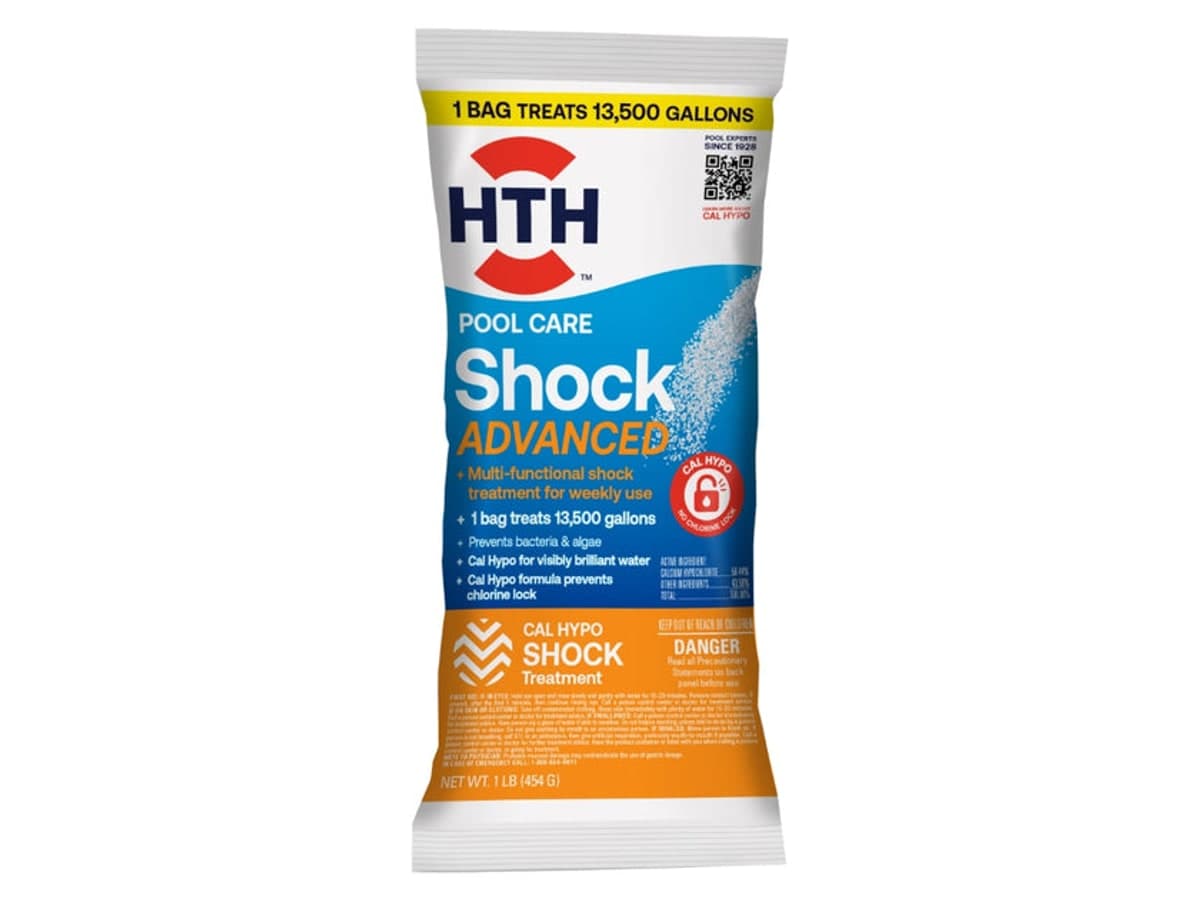
Quick verdict
The sensible default shock for most pools. Watch calcium hardness if your fill water is already hard, and pre-dissolve for vinyl liners.
Ideal for
- Routine weekly/biweekly shocking
- Pools with rising CYA from trichlor tablets
- Algae response
Not ideal for
- Very hard fill-water areas where calcium is already high
- Careless application over vinyl liners
The full picture
Cal-hypo is the workhorse shock chemistry: strong available chlorine, no stabilizer added, and broad retail availability. HTH's Super Shock bags are among the easiest to find at big-box stores, which matters when you need shock tonight, not in two days. Because it's unstabilized, it won't creep your cyanuric acid up the way dichlor shock does — the most common slow-motion water problem we see in owner reports. The tradeoffs: it adds some calcium over time (a consideration in hard-water regions), and it must be pre-dissolved or broadcast carefully over vinyl liners to avoid bleaching.
HTH Super Shock Treatment (Cal-Hypo, 1 lb bags) at a glance
- Type
- Pool shock (calcium hypochlorite)
- How often
- Per label — commonly 1 lb per 13,500 gallons, weekly or as needed
- Size / volume
- 1 lb bags
- Active ingredient
- Calcium hypochlorite
- Coverage
- 1 bag treats ~13,500 gallons per label
- Compatible pools
- All pool types; pre-dissolve for vinyl liners per label
- Safety
- Strong oxidizer — never mix with other chemicals or trichlor, add chemical to water (never water to chemical), keep dry and away from children.
- Storage
- Cool, dry, ventilated storage away from any other pool chemicals. Never store near trichlor tablets.
Source: Compiled from HTH product labeling, SDS documentation, and standard pool-chemistry practice. Dosing figures are from the product label — always follow the label on your specific package.
This is a research-based review — our analysis draws on manufacturer specifications, manuals, warranty terms, and verified owner feedback rather than our own hands-on testing, and we note where a detail couldn't be confirmed. How we review
Performance breakdown
Research-based editorial judgments from specs, warranty terms, and verified owner feedback — not lab measurements. How we score
Pros and cons
What works
- No cyanuric acid added — won't cause CYA creep
- Strong, fast-acting chlorine boost
- Available at nearly every big-box store
- Single-dose bags avoid measuring
What doesn't
- Adds calcium over time
- Must be pre-dissolved for vinyl liners
- Serious storage discipline required (oxidizer)
- Cloudy water for a few hours after dosing is common
Best alternatives to HTH Super Shock Treatment (Cal-Hypo, 1 lb bags)
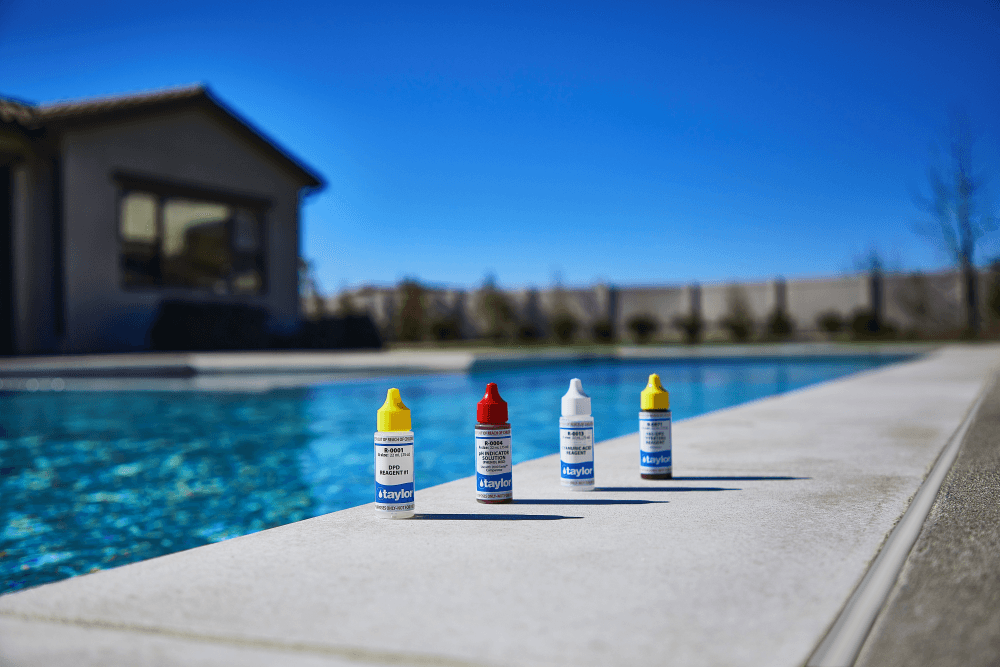
Taylor
Taylor Reagent Refill Set
Best kit refresh
Fresh reagents for your Taylor kit — because expired reagents read wrong, not just weak.
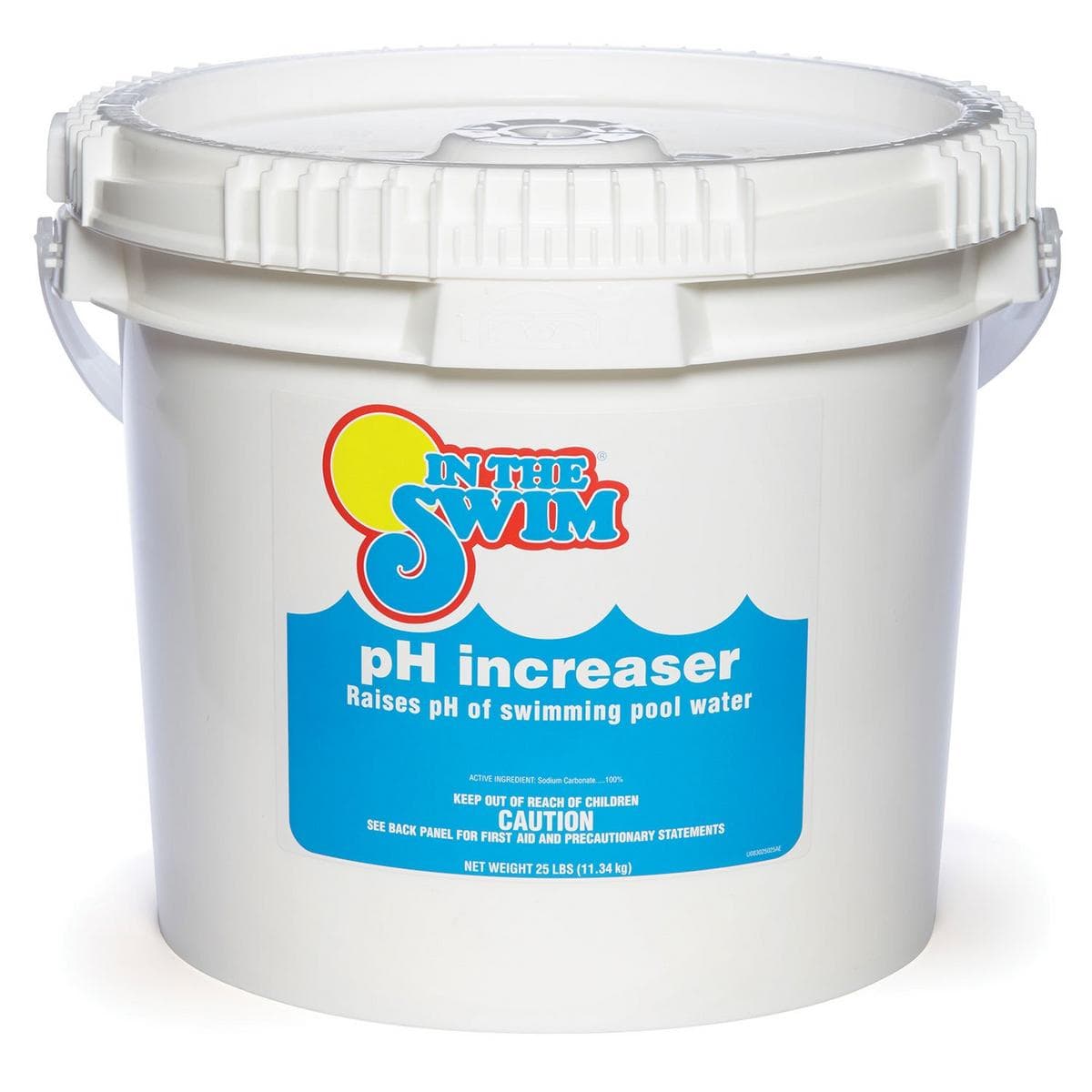
In The Swim
In The Swim pH Increaser (Soda Ash, 25 lb)
Raise pH
Granular soda ash to bring low pH back up — the fix when your water tests acidic and starts eating equipment and comfort.
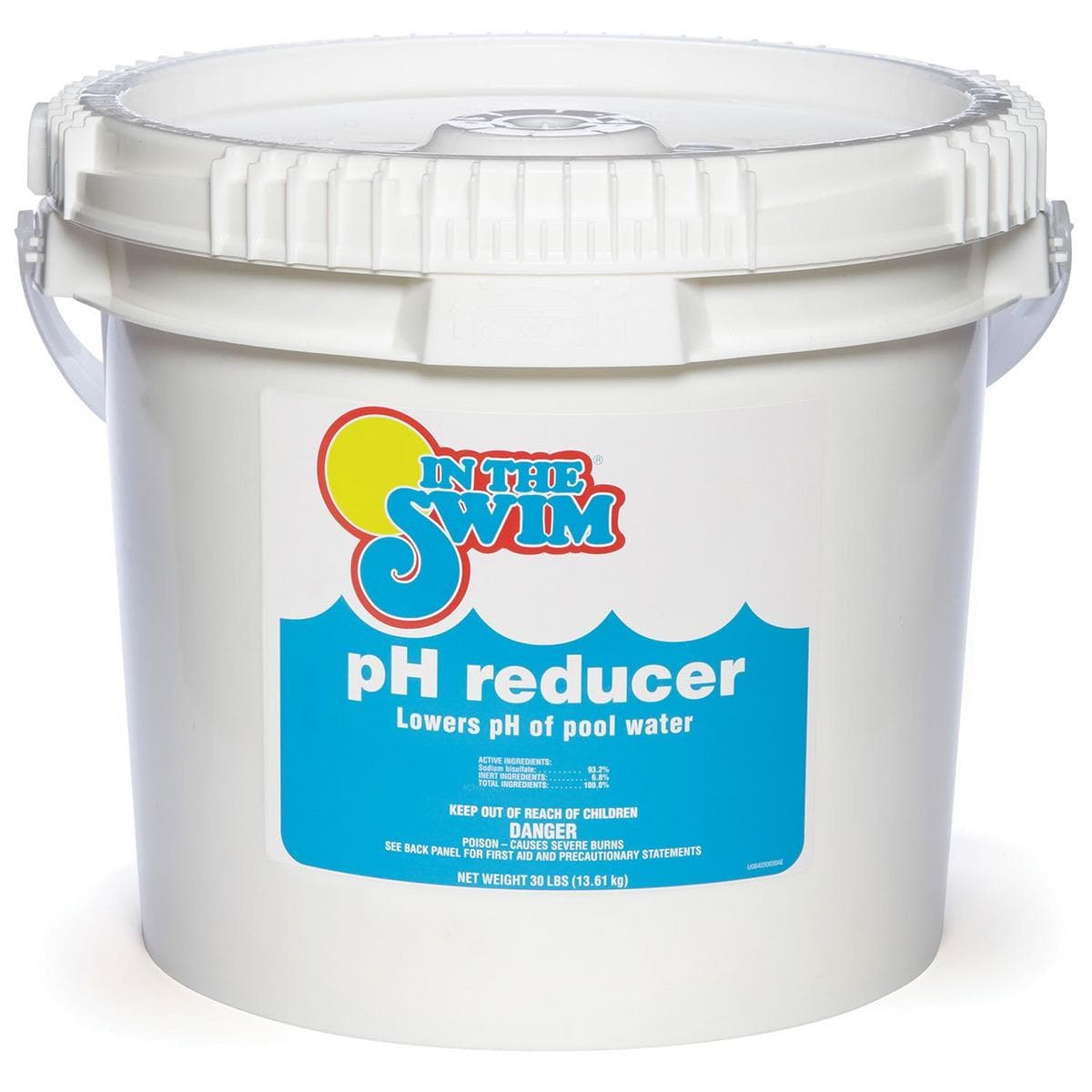
In The Swim
In The Swim pH Reducer (Sodium Bisulfate, 30 lb)
Lower pH
Dry acid granules to bring high pH and alkalinity down — safer to handle than liquid muriatic acid.
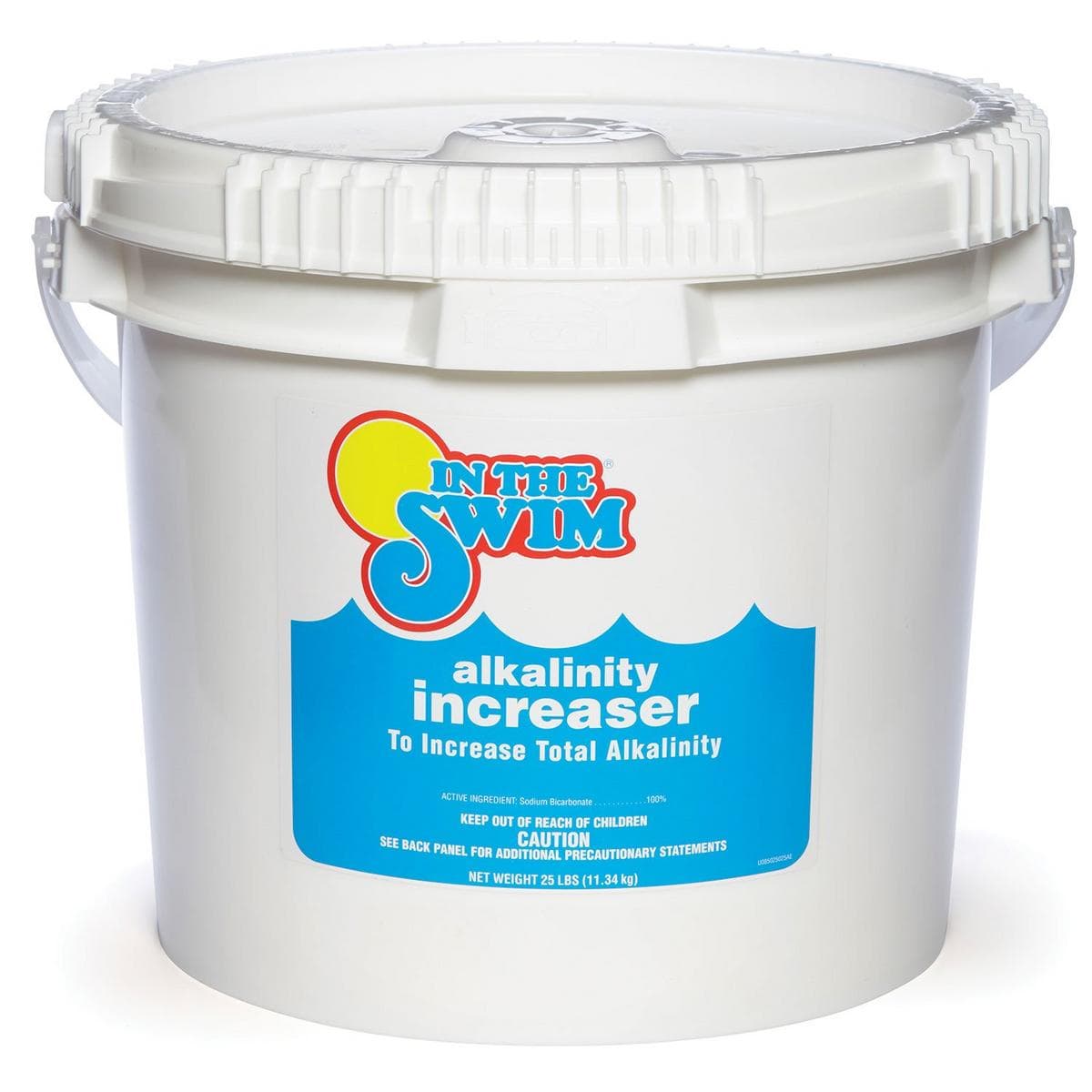
In The Swim
In The Swim Alkalinity Increaser (Sodium Bicarbonate, 25 lb)
Raise alkalinity
Pure sodium bicarbonate to raise total alkalinity — the buffer that keeps your pH from bouncing around.
Frequently asked questions
Cal-hypo vs dichlor shock — which should I buy?
Cal-hypo if your cyanuric acid (CYA) is at or above target — it adds none. Dichlor if your CYA is low and you want to raise it while shocking. If you don't know your CYA, test first (this is exactly what a drop-based kit is for).