
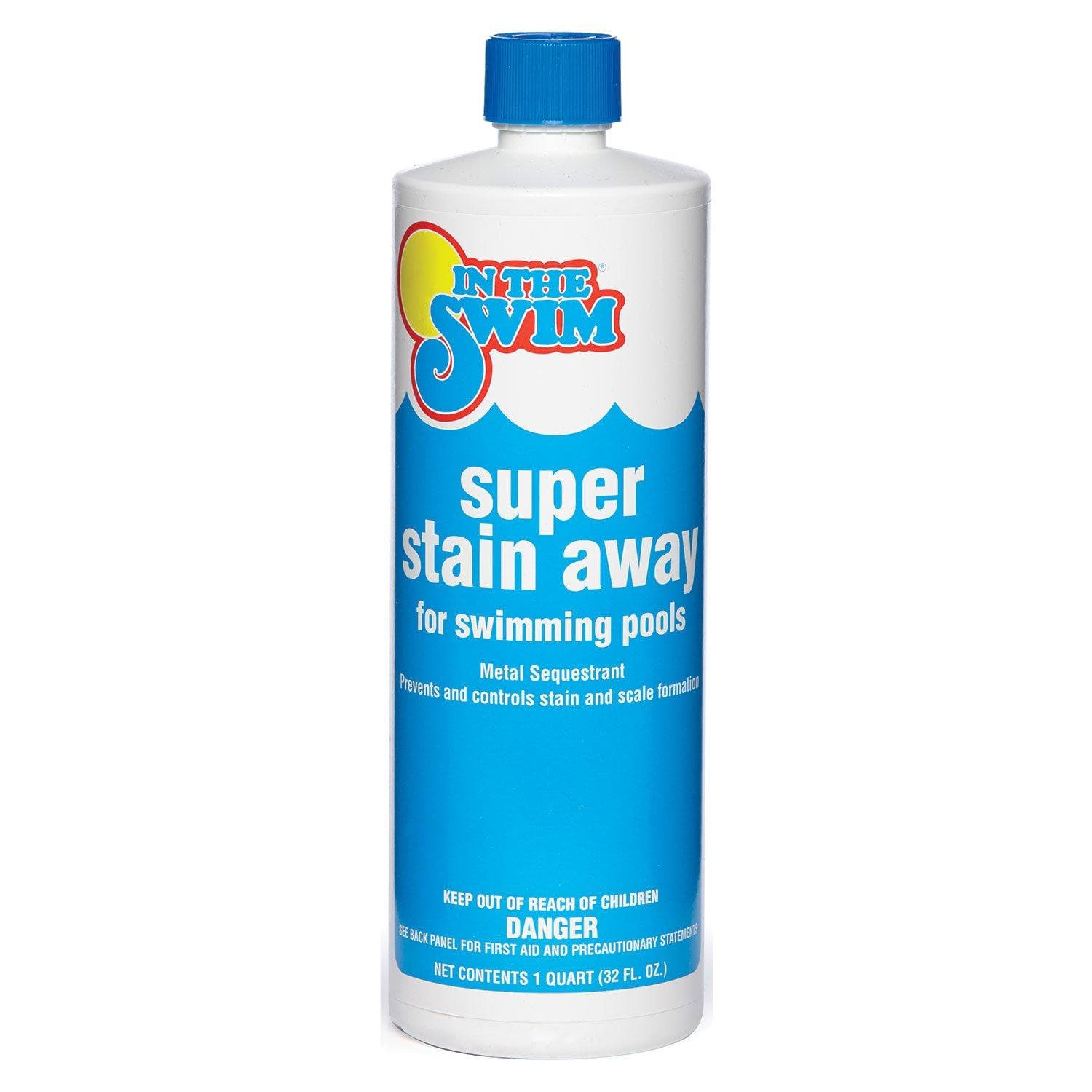
Quick verdict
Essential metal insurance for well-water and older pools — locks up iron/copper so they don’t stain. Re-dose periodically as it depletes.
Ideal for
- Well-water fills (iron/copper)
- Pools that stain or discolor when shocked
- Older plumbing/heaters shedding metal
Not ideal for
- Organic stains (leaves, algae)
- Pools with no metal issues
The full picture
Metals in your water — iron and copper from well water, corroding equipment, or certain algaecides — oxidize and leave rust-brown or blue-green stains and can tint the whole pool when you shock. In The Swim Super Stain Away is a sequestrant (chelating agent) that binds those metals so they stay dissolved and harmless instead of plating out onto surfaces. It both helps lift existing metal stains over time and prevents new ones, which makes it essential for well-water fills and older plumbing. Sequestrants deplete over time, so a maintenance dose keeps protection up. It won't remove organic stains (leaves, algae) — this is specifically for metals.
In The Swim Super Stain Away (Stain & Metal Control, 1 Quart) at a glance
- Type
- Stain & scale / metal sequestrant
- How often
- Initial dose, then maintenance every few weeks
- Size / volume
- 1 quart
- Active ingredient
- Chelating / sequestering agents
- Coverage
- Per label by metal level; typically ~1 qt per 10,000 gal initial
- Compatible pools
- All pool types; key for well water
- Safety
- Keep from children; add with pump running; don’t mix with other chemicals.
- Storage
- Store cool and sealed; keep from freezing.
Source: Compiled from manufacturer specifications, label directions, industry practice, and aggregated owner feedback. Follow label instructions; specs and prices change — confirm before buying.
This is a research-based review — our analysis draws on manufacturer specifications, manuals, warranty terms, and verified owner feedback rather than our own hands-on testing, and we note where a detail couldn't be confirmed. How we review
The in-depth review
Metals in your water — iron and copper from well water, corroding equipment, or copper algaecides — oxidize into rust-brown or blue-green stains and can tint the whole pool when you shock. This prevents that.
What a sequestrant does
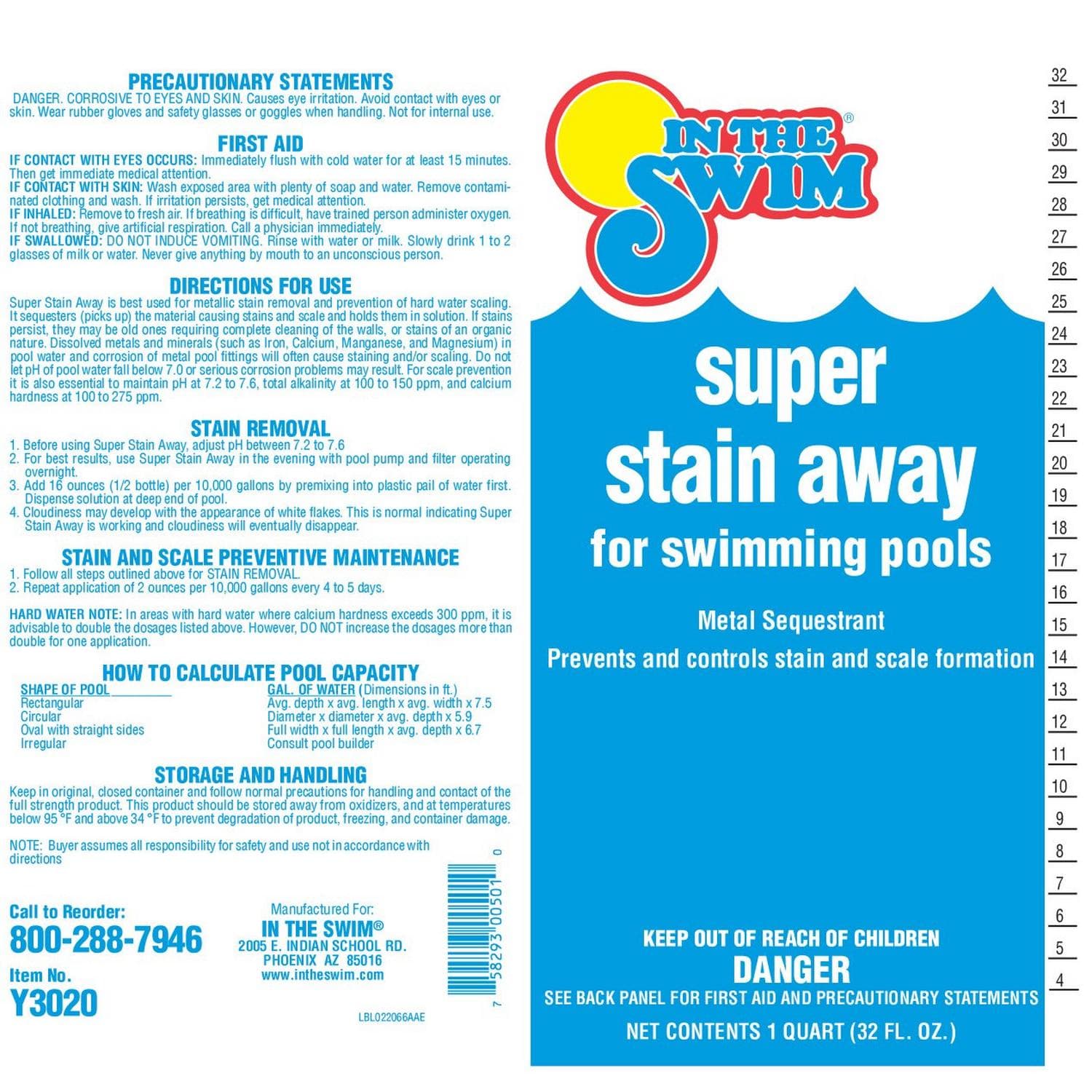
Super Stain Away is a chelating agent that binds dissolved metals so they stay in solution and harmless, instead of plating out onto surfaces. It both helps lift existing metal stains over repeated doses and prevents new ones — which makes it essential for well-water fills and older plumbing that sheds metal.
The details that matter
Sequestrants deplete over time, so an initial dose plus periodic maintenance keeps protection up — especially if you keep topping off with metal-bearing well water. It holds metals rather than removing them, and it only works on metal stains: organic stains from leaves or algae need a different treatment entirely. If your water browns or greens when you shock, a dose beforehand keeps the metals locked up.
Who needs it
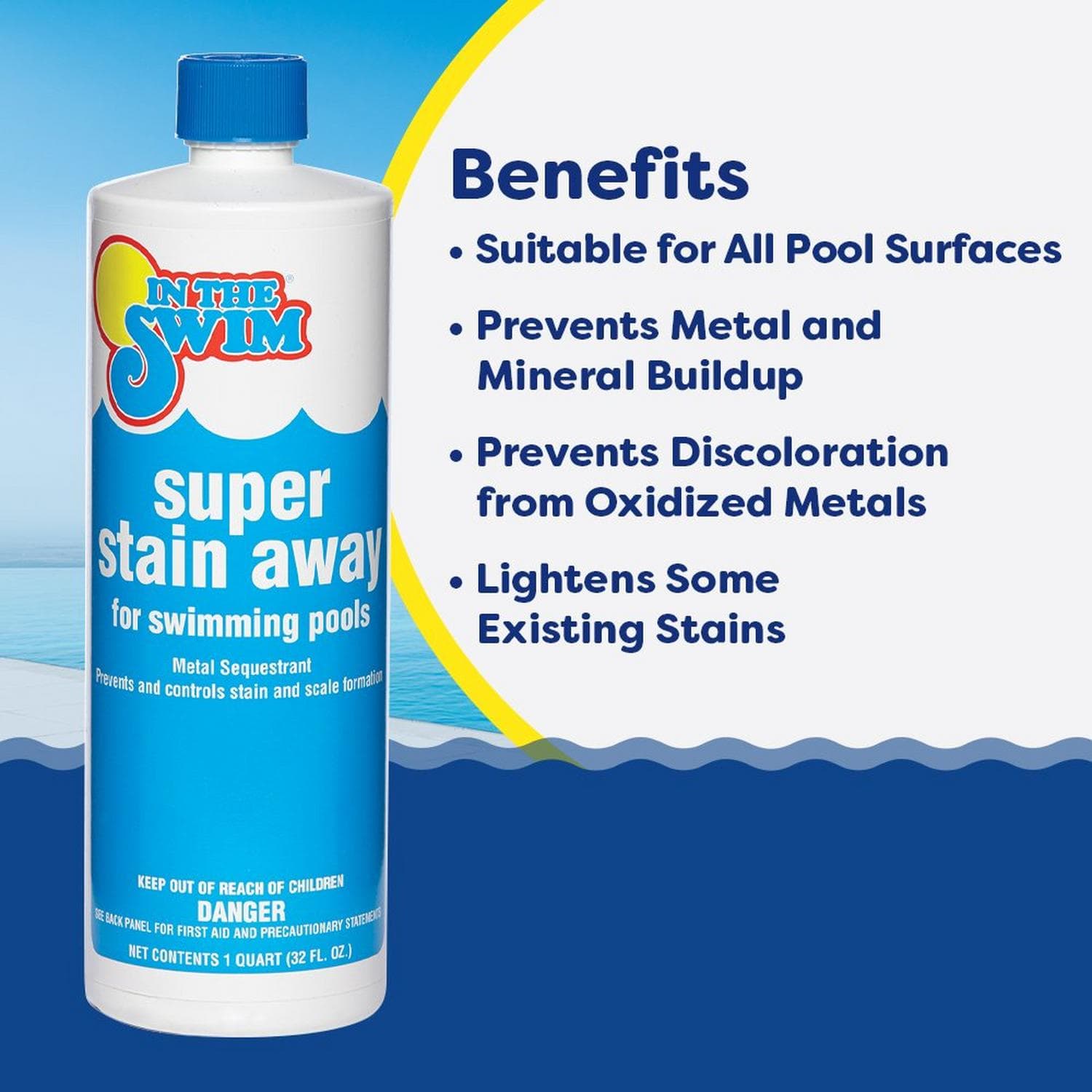
Anyone on well water, or whose pool discolors when shocked, or who has older metal equipment. If your fill water is metal-free and nothing's staining, you may rarely need it.
Performance breakdown
Research-based editorial judgments from specs, warranty terms, and verified owner feedback — not lab measurements. How we score
Pros and cons
What works
- Prevents and helps lift metal stains
- Stops water discoloring when shocking
- Essential for well water
- Works in all pool types
What doesn't
- Depletes — needs re-dosing
- Won’t remove organic stains
- Doesn’t remove metals (just holds them)
- Effect is gradual
Best alternatives to In The Swim Super Stain Away (Stain & Metal Control, 1 Quart)
SeaKlear
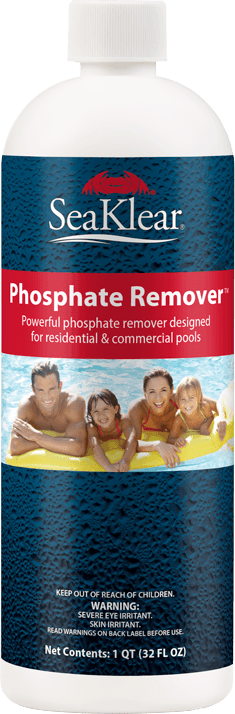
SeaKlear Phosphate Remover (1 Quart)
Remove phosphates
A lanthanum-based treatment that strips phosphates — algae’s food source — to make your chlorine and salt system work less hard.
Taylor
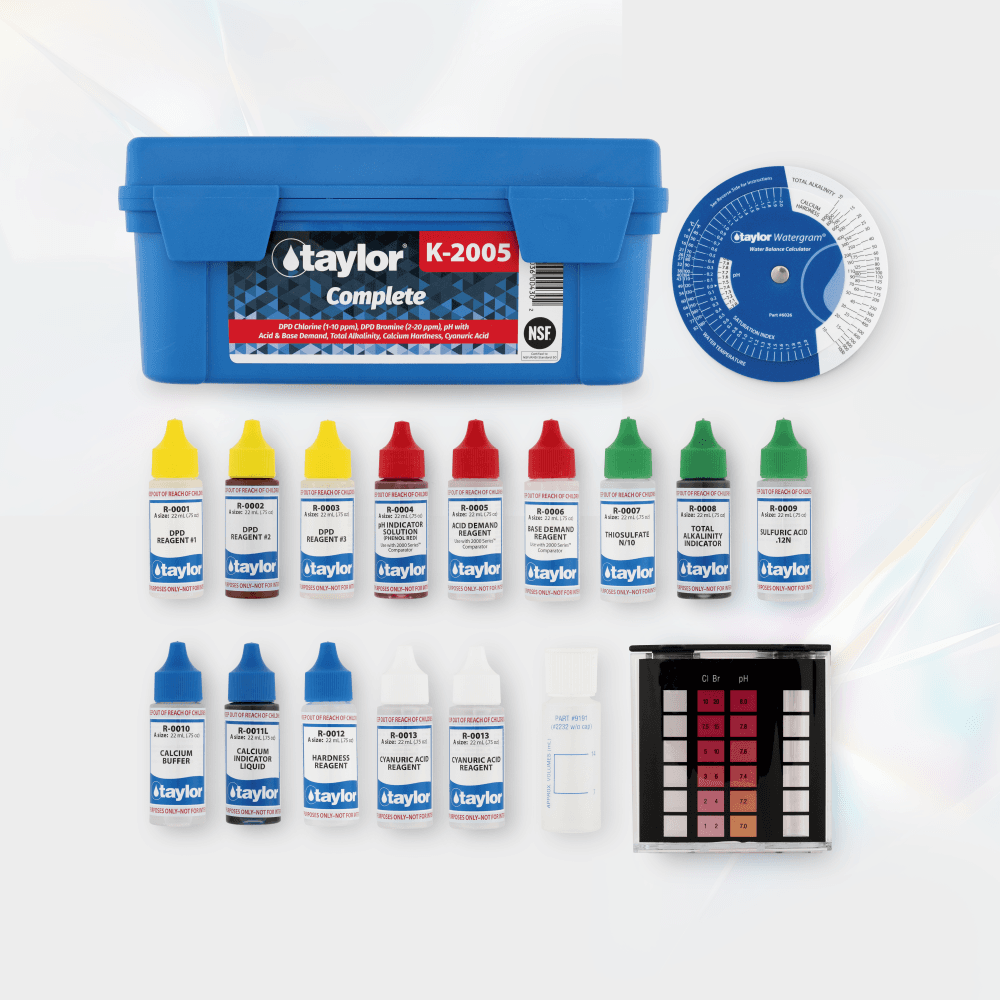
Taylor K-2005 Complete Test Kit (DPD)
Best value Taylor kit
The DPD-based sibling of the K-2006: the same five-parameter coverage using color-match chlorine instead of drop titration.
WaterGuru
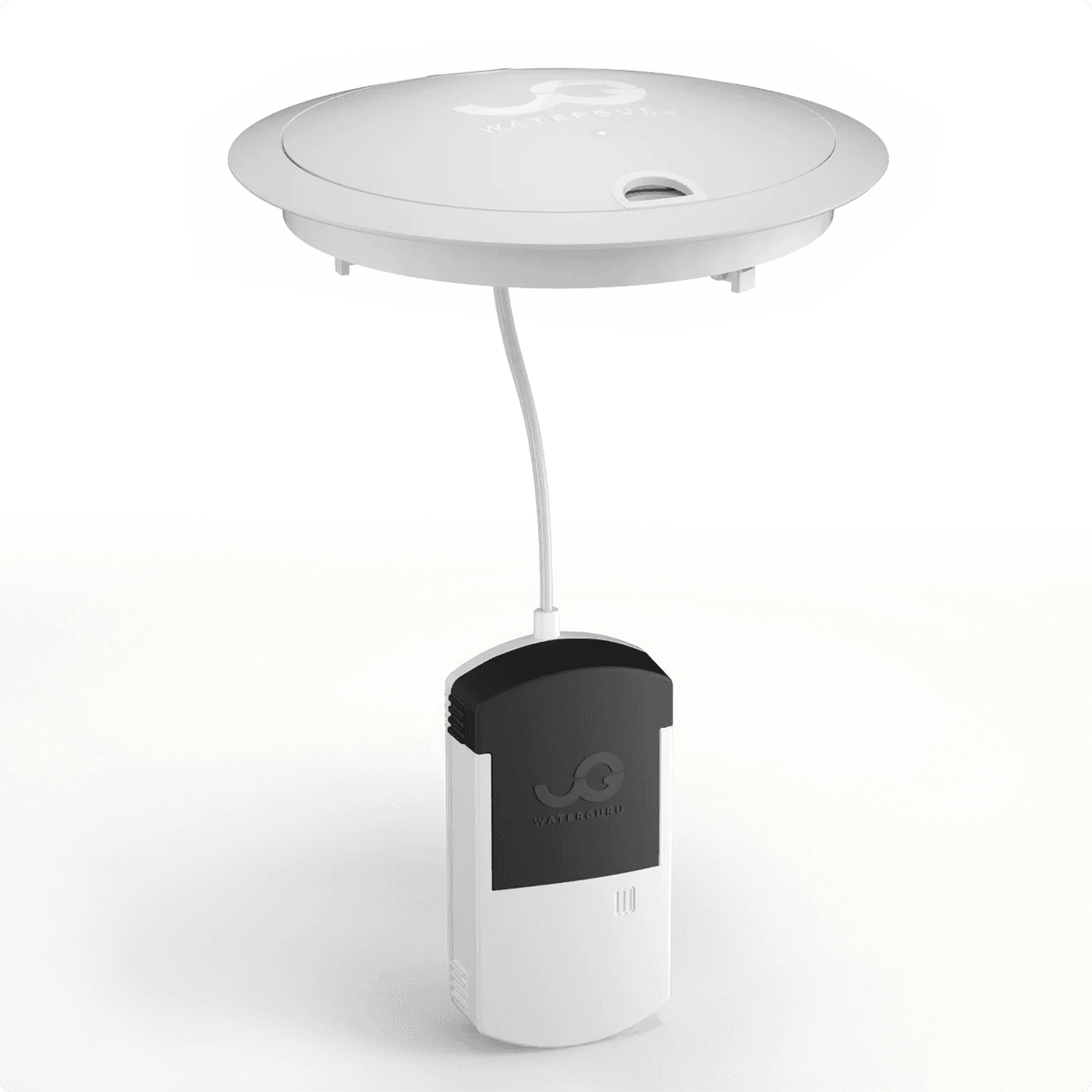
WaterGuru Sense S2 Smart Monitor
Best automated monitor
A skimmer-mounted smart monitor that automatically tests chlorine and pH and texts you what to add.
Sutro
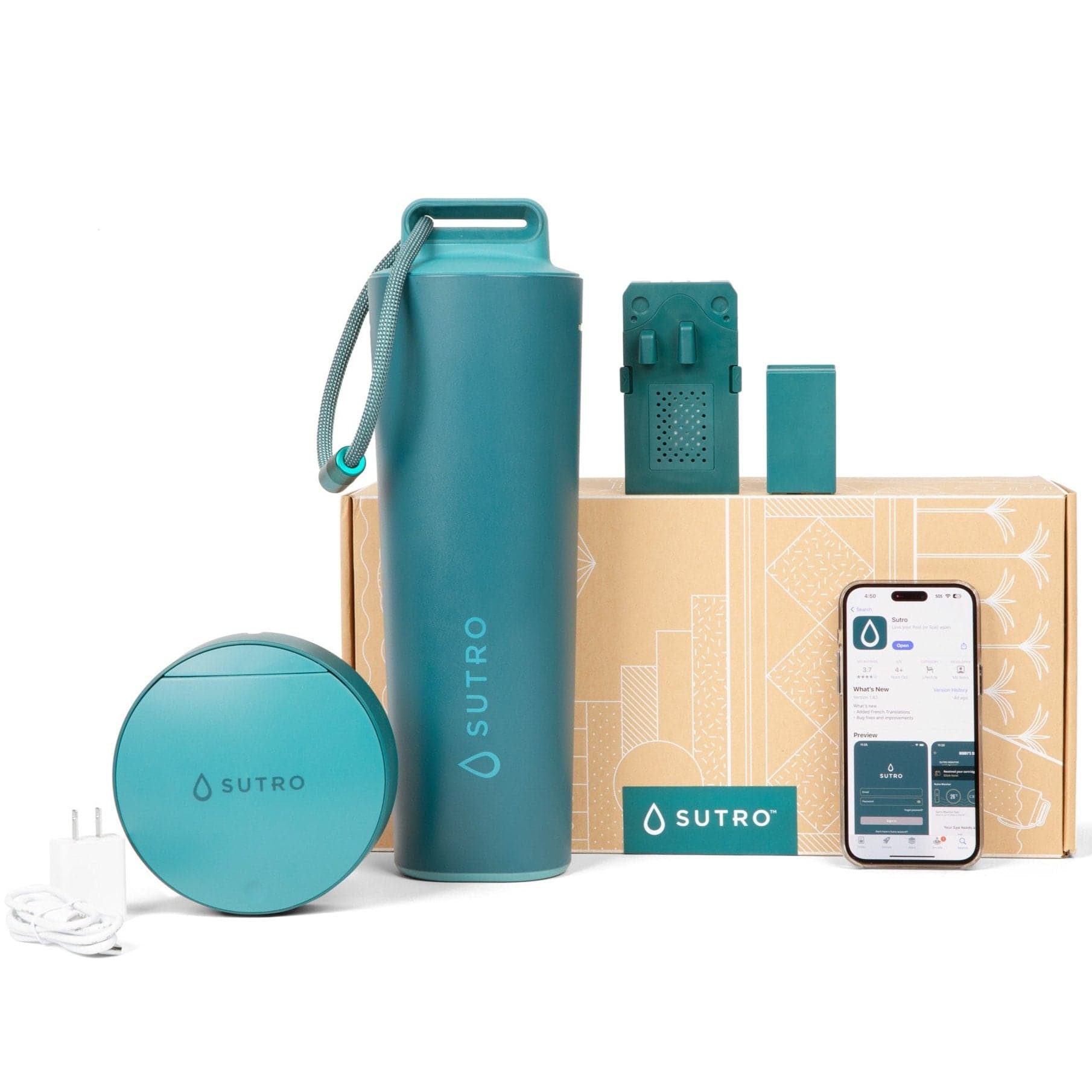
Sutro Smart Pool Monitor
Best multi-parameter monitor
A floating smart monitor that auto-tests free chlorine, pH, and alkalinity multiple times a day.
Frequently asked questions
What does a sequestrant actually do?
It chemically binds (chelates) dissolved metals like iron and copper so they stay in solution instead of oxidizing and staining surfaces or tinting the water. It holds the metals rather than removing them.
Will it remove existing stains?
It can gradually lift metal stains over repeated doses, and it prevents new ones. Deep, set-in stains may need a dedicated stain treatment and good circulation; organic stains need a different approach entirely.
Do I need it on city water?
Usually less than on well water. If your fill water is low in metals and your equipment isn’t corroding, you may rarely need it — but a dose before shocking prevents surprise discoloration.
Why does my water turn brown or green when I shock?
That’s oxidized metal (iron turns brown, copper green) coming out of solution when chlorine spikes. Adding a sequestrant beforehand keeps the metals locked up so shocking doesn’t discolor the pool.
How often do I re-apply?
Sequestrants break down over time, so a maintenance dose every few weeks (per the label) keeps protection up — especially important if you’re continually adding metal-bearing well water.
Can it handle organic stains from leaves?
No — this is specifically for metals. Organic stains from leaves or algae are treated differently, typically with chlorine/enzyme products and brushing.