
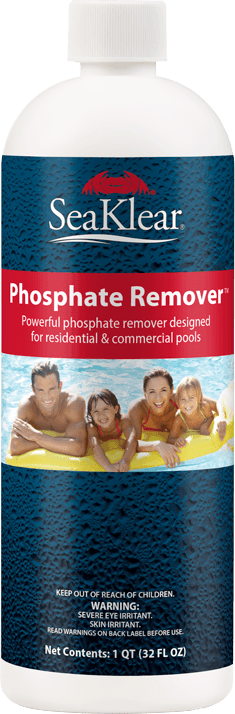
Quick verdict
The hidden-algae fix — strip the phosphates that feed algae so chlorine and salt systems keep up. Especially worth it on salt pools.
Ideal for
- Pools fighting algae despite good chlorine
- Salt pools (eases generator load)
- High-phosphate fill water
Not ideal for
- Pools with low/normal phosphates
- As a chlorine or algaecide replacement
The full picture
Phosphates are algae fertilizer: they enter your pool from fill water, fertilizers, leaves, and some chemicals, and high levels let algae thrive even when chlorine looks adequate. SeaKlear Phosphate Remover uses lanthanum to bind phosphates into particles your filter removes, dropping levels sharply. It's particularly valued on salt pools, where high phosphates make the chlorine generator work harder to keep up. One quart removes roughly 9,000 ppb per 10,000 gallons for an initial knock-down, with small weekly doses to maintain low levels. It's not a sanitizer or an algaecide substitute — but if you keep fighting algae despite good chlorine, phosphates are a common hidden culprit worth testing and treating.
SeaKlear Phosphate Remover (1 Quart) at a glance
- Type
- Phosphate remover
- How often
- Initial knock-down, then weekly maintenance
- Size / volume
- 1 quart
- Active ingredient
- Lanthanum (rare-earth) compound
- Coverage
- ~1 qt removes ~9,000 ppb per 10,000 gal; ~1 oz per 5,000 gal weekly to maintain
- Compatible pools
- All pool types; popular on salt
- Safety
- Keep from children; add with pump running; expect temporary cloudiness.
- Storage
- Store cool and sealed; keep from freezing.
Source: Compiled from manufacturer specifications, label directions, industry practice, and aggregated owner feedback. Follow label instructions; specs and prices change — confirm before buying.
This is a research-based review — our analysis draws on manufacturer specifications, manuals, warranty terms, and verified owner feedback rather than our own hands-on testing, and we note where a detail couldn't be confirmed. How we review
The in-depth review
Phosphates are algae fertilizer. They enter from fill water, fertilizer runoff, leaves, and some chemicals, and high levels let algae thrive even when chlorine looks fine. SeaKlear Phosphate Remover strips them out.
How it works
It uses lanthanum to bind phosphates into particles your filter removes, dropping levels sharply — one quart removes roughly 9,000 ppb per 10,000 gallons for an initial knock-down, with small weekly doses to maintain low levels. Expect temporary cloudiness while it works, and plan to clean or backwash the filter afterward.
When it actually helps
Only when phosphates are genuinely high — test first. If they're low, removing them won't help. But if you keep fighting algae despite good chlorine, phosphates are a common hidden culprit. It's especially valued on salt pools, where high phosphates force the chlorine generator to work harder to keep up; dropping them eases that load and helps the cell.
What it isn't
It's not a sanitizer or an algaecide substitute — it removes algae's food, but chlorine still does the killing. Think of it as a supporting treatment that makes your sanitizer far more effective when phosphates are the problem.
Performance breakdown
Research-based editorial judgments from specs, warranty terms, and verified owner feedback — not lab measurements. How we score
Pros and cons
What works
- Removes algae’s food source
- Eases load on salt chlorine generators
- Strong initial knock-down
- Works in all pool types
What doesn't
- Temporary cloudiness after dosing
- Loads the filter (clean after)
- Not a sanitizer/algaecide substitute
- Only helps if phosphates are actually high
Best alternatives to SeaKlear Phosphate Remover (1 Quart)
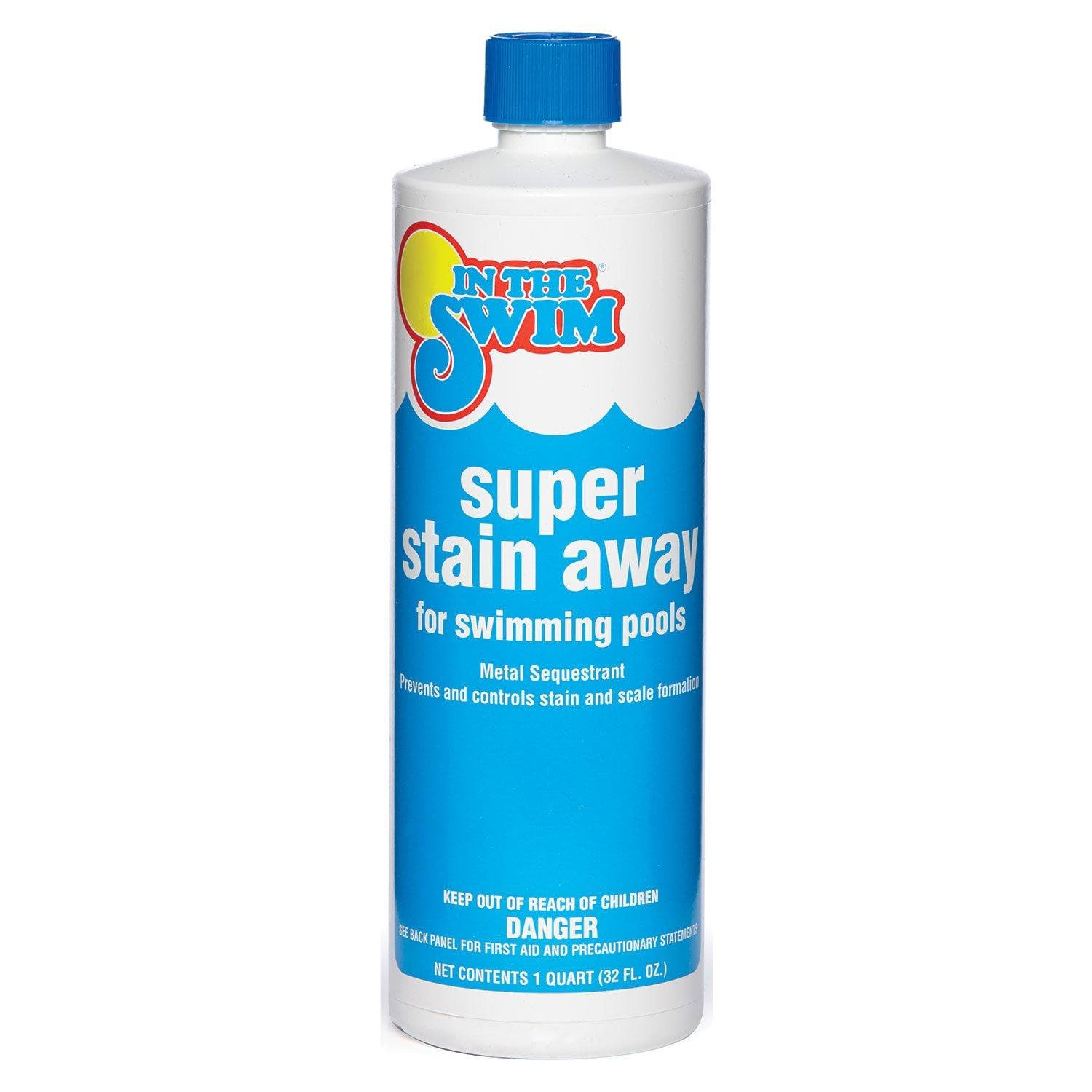
In The Swim
In The Swim Super Stain Away (Stain & Metal Control, 1 Quart)
Remove stains & metals
A sequestering agent that locks up iron and copper so they can’t stain surfaces or discolor your water.
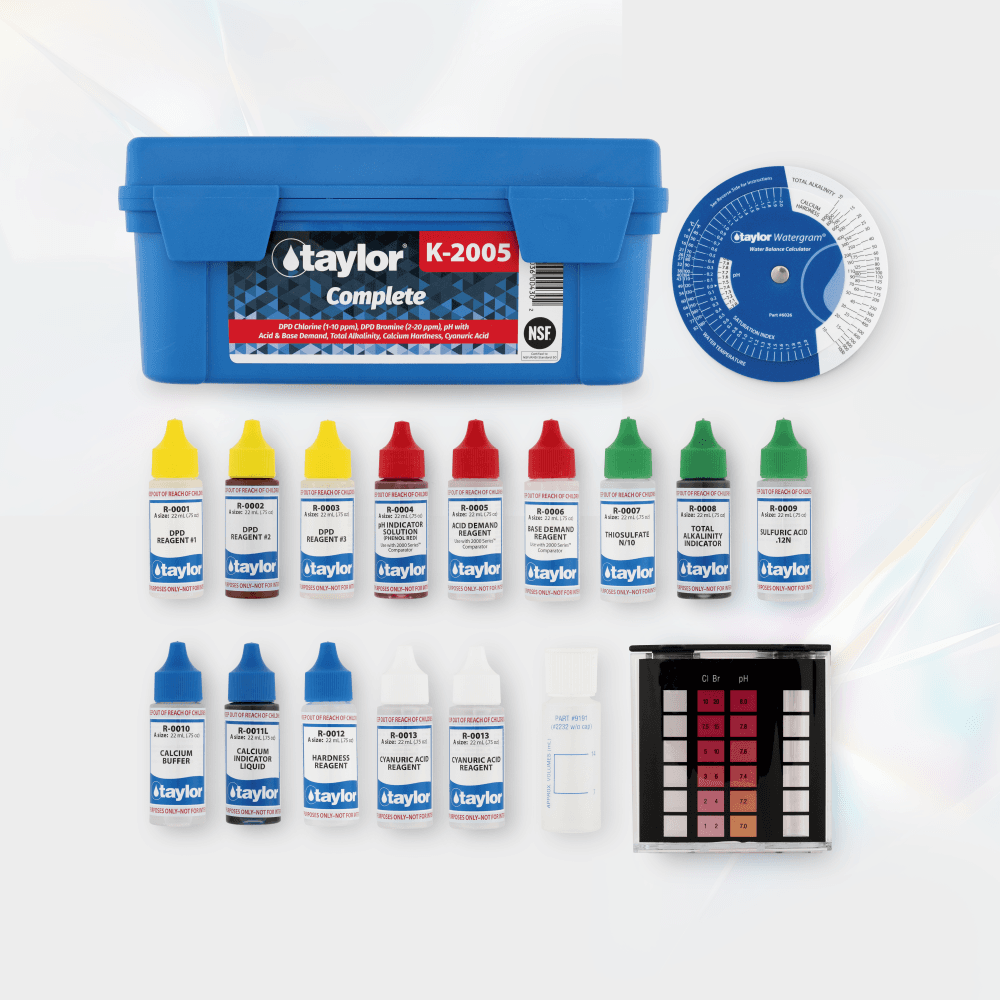
Taylor
Taylor K-2005 Complete Test Kit (DPD)
Best value Taylor kit
The DPD-based sibling of the K-2006: the same five-parameter coverage using color-match chlorine instead of drop titration.
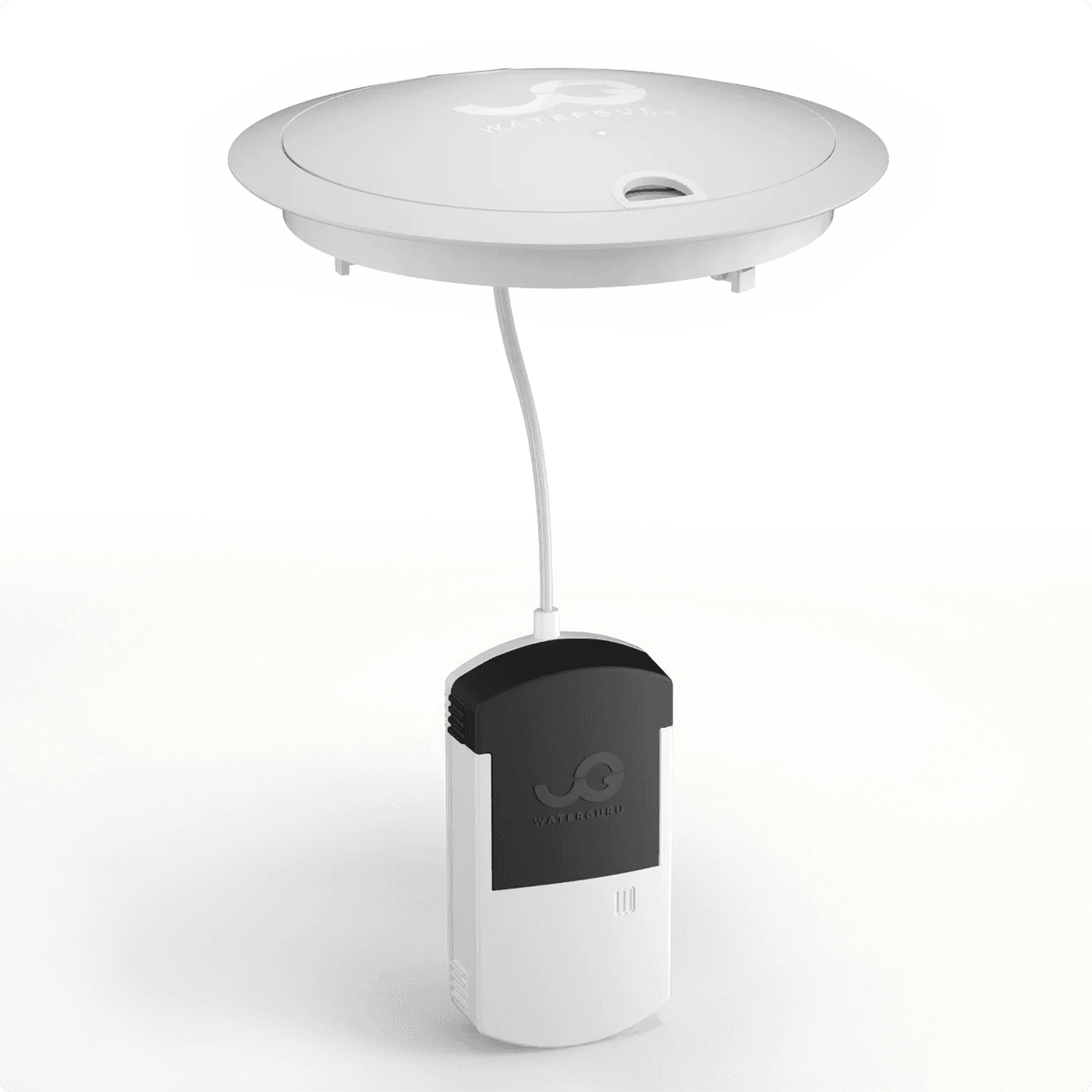
WaterGuru
WaterGuru Sense S2 Smart Monitor
Best automated monitor
A skimmer-mounted smart monitor that automatically tests chlorine and pH and texts you what to add.
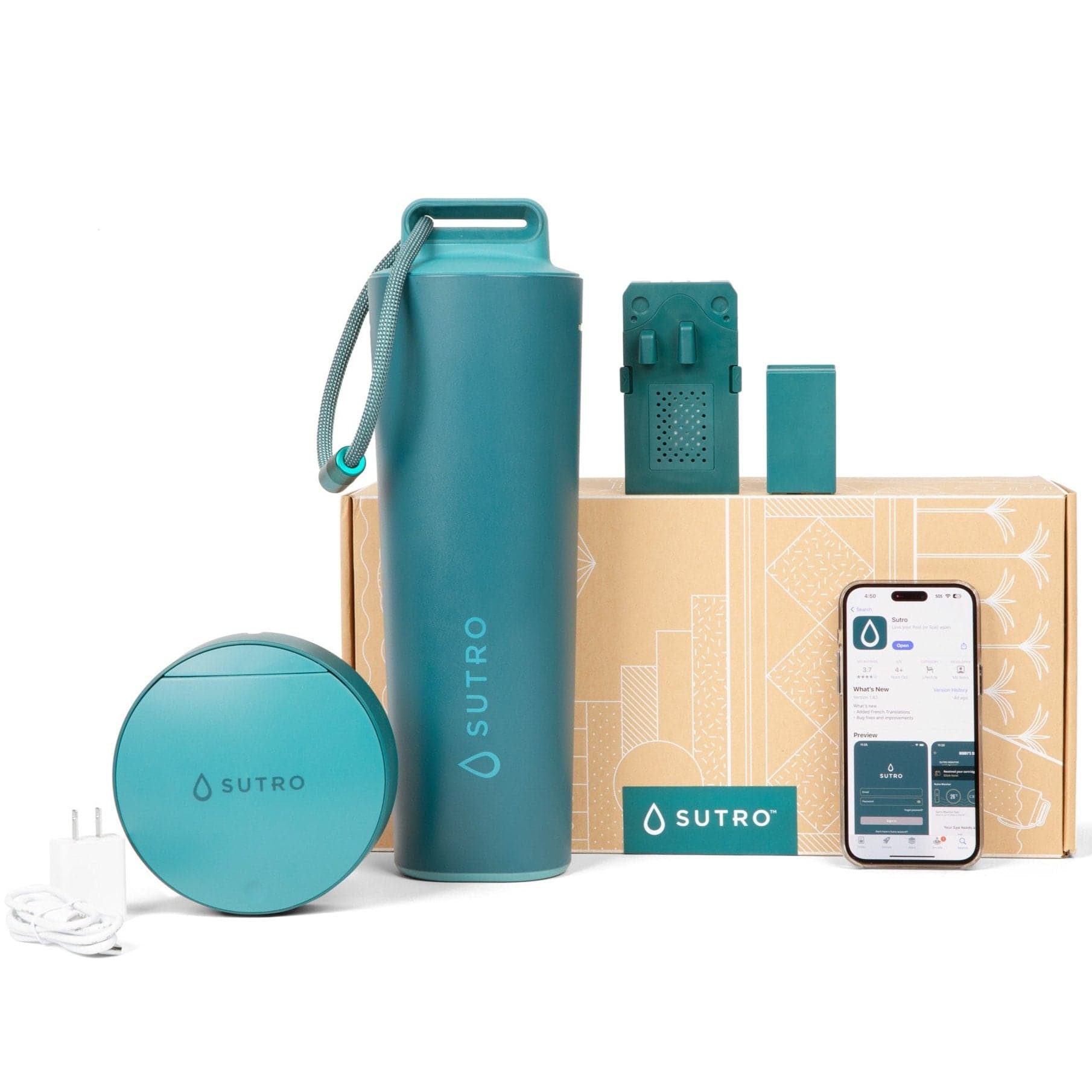
Sutro
Sutro Smart Pool Monitor
Best multi-parameter monitor
A floating smart monitor that auto-tests free chlorine, pH, and alkalinity multiple times a day.
Frequently asked questions
Do I need to remove phosphates?
Only if they’re high and you’re struggling with algae despite adequate chlorine. Test first — if phosphates are low, removing them won’t help. When they’re high, dropping them makes chlorine and salt systems far more effective.
Why do salt pools care about phosphates?
High phosphates let algae grow faster, forcing the salt chlorine generator to run harder to keep up. Keeping phosphates low lets a salt system maintain chlorine more easily and prolongs cell life.
Will my water get cloudy?
Usually yes, temporarily — the lanthanum binds phosphates into particles the filter then removes, so expect some cloudiness for a day and plan to clean or backwash the filter afterward.
Does it kill algae?
No — it removes algae’s food, it doesn’t sanitize. You still need chlorine to kill algae; phosphate remover is a supporting treatment that makes sanitizing more effective.
How much do I use?
For an initial knock-down, about 1 quart per 10,000 gallons handles high levels; then roughly 1 oz per 5,000 gallons weekly maintains low phosphates. Test to confirm you’ve actually brought them down.
Where do phosphates come from?
Fill water, lawn fertilizer runoff, decaying leaves and debris, and some pool chemicals. If a nearby source keeps adding them, expect to dose periodically to keep levels down.