
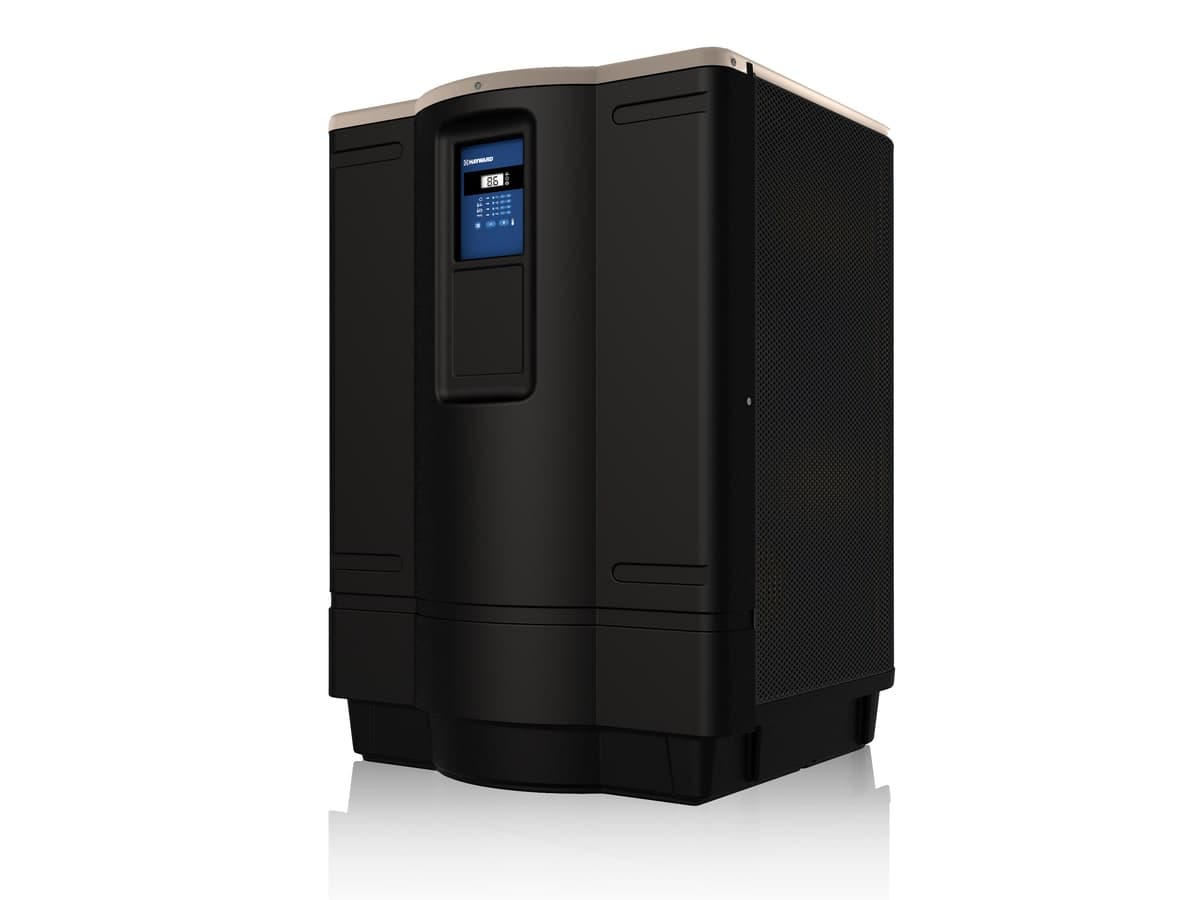
Quick verdict
The heat pump to buy when the 95K is too small. Higher output, same durable core — just size the electrical and clearances properly.
Ideal for
- Larger in-ground pools
- Owners who want faster heat-up than a small heat pump
- Salt/coastal pools
Not ideal for
- Small pools (overkill; buy smaller)
- Anyone without 240V capacity
The full picture
Step up from the 95K when your pool is larger or you want to reach temperature sooner. More heating capacity means shorter run times to hit your set point, though a heat pump is still fundamentally a 'slow and steady' heater compared with gas. Same Ultra-Gold/titanium corrosion package as the rest of the HeatPro line, so it holds up in salt pools. It's a serious appliance: budget for a 240V circuit and professional placement with airflow clearance.
Hayward HeatPro 140,000 BTU Heat Pump at a glance
- Heater type
- Heat pump
- Fuel
- Electric
- Heating output (BTU/hr)
- 140,000
- Voltage
- 240V
- Heat exchanger
- Titanium
- Pool type
- In-ground
- Heats spa
- No
- Notable feature
- High-output HeatPro for larger pools
Source: Compiled from manufacturer specifications, retailer listings, and aggregated owner feedback. Specs and prices change — confirm with the retailer before buying.
This is a research-based review — our analysis draws on manufacturer specifications, manuals, warranty terms, and verified owner feedback rather than our own hands-on testing, and we note where a detail couldn't be confirmed. How we review
The in-depth review
The 140,000 BTU HeatPro is the answer when the popular 95K model is simply too small for your pool. It's the same fundamental heat pump — quiet, efficient, titanium-cored — with meaningfully more heating capacity.
What the extra BTUs buy you
More output means shorter run times to reach your set temperature and better ability to keep a large pool warm on a cool, breezy evening. It doesn't change the fundamental character of a heat pump: this is still steady, efficient heat rather than the instant blast of a gas heater. If your pool is large and you heat it all season, that efficiency saves real money versus gas.
The durability and install reality
You get the same Ultra-Gold evaporator and titanium heat exchanger that make the HeatPro line hold up on salt and coastal pools, plus Hayward's deep service network. The flip side of the bigger output is a bigger, heavier unit: budget for a 240V circuit, a proper pad, and airflow clearance on all sides. This is a professional installation.
Performance breakdown
Research-based editorial judgments from specs, warranty terms, and verified owner feedback — not lab measurements. How we score
Pros and cons
What works
- High heating output for big pools
- Titanium corrosion resistance
- Lower running cost than gas
- Trusted service network
What doesn't
- Expensive upfront
- Large footprint; needs airflow clearance
- 240V install required
- Still slower than gas for on-demand heat
Best alternatives to Hayward HeatPro 140,000 BTU Heat Pump
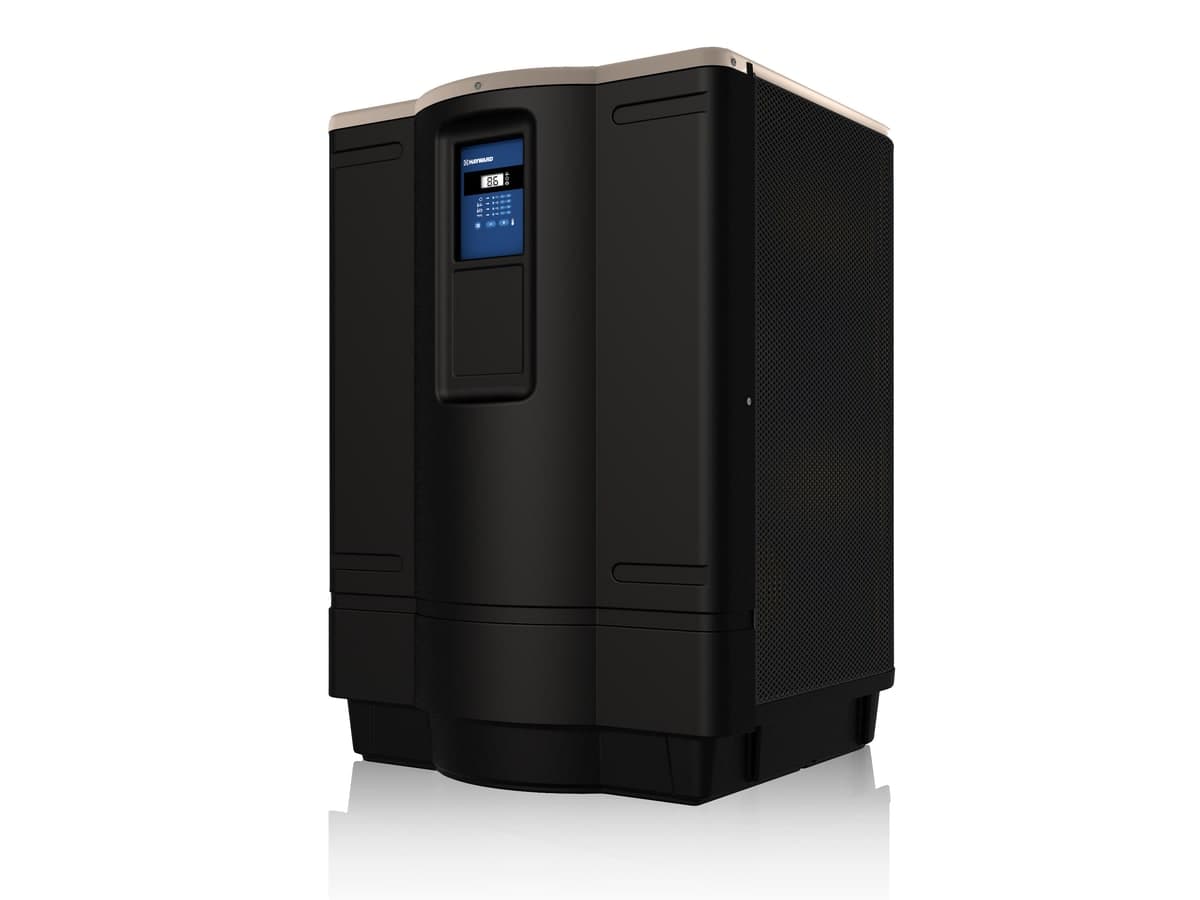
Hayward
Hayward HeatPro 90,000 BTU Heat Pump
Best overall heat pump
Hayward's mainstream heat pump — a durable, titanium-core workhorse that heats mid-size in-ground pools efficiently and quietly.
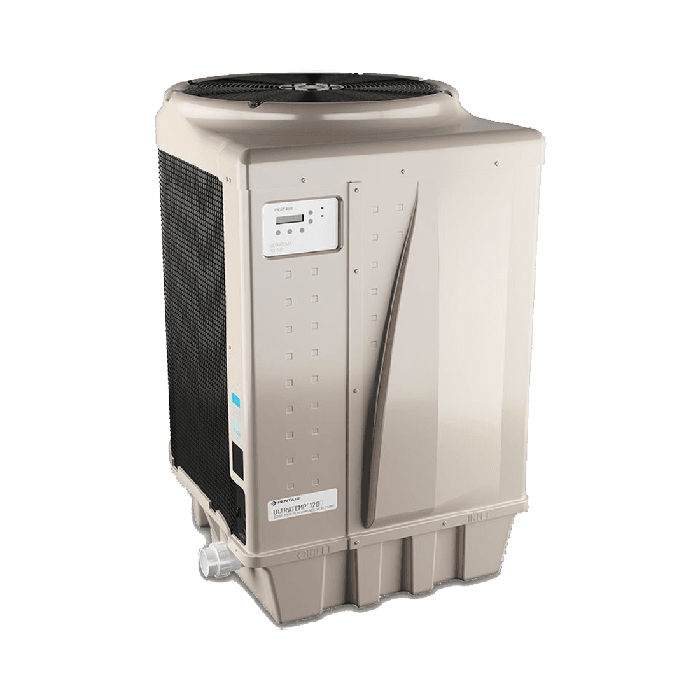
Pentair
Pentair UltraTemp 140K Heat Pump
Premium pick
Pentair's flagship heat pump — premium build, very quiet, titanium exchanger, and easy integration with Pentair automation.
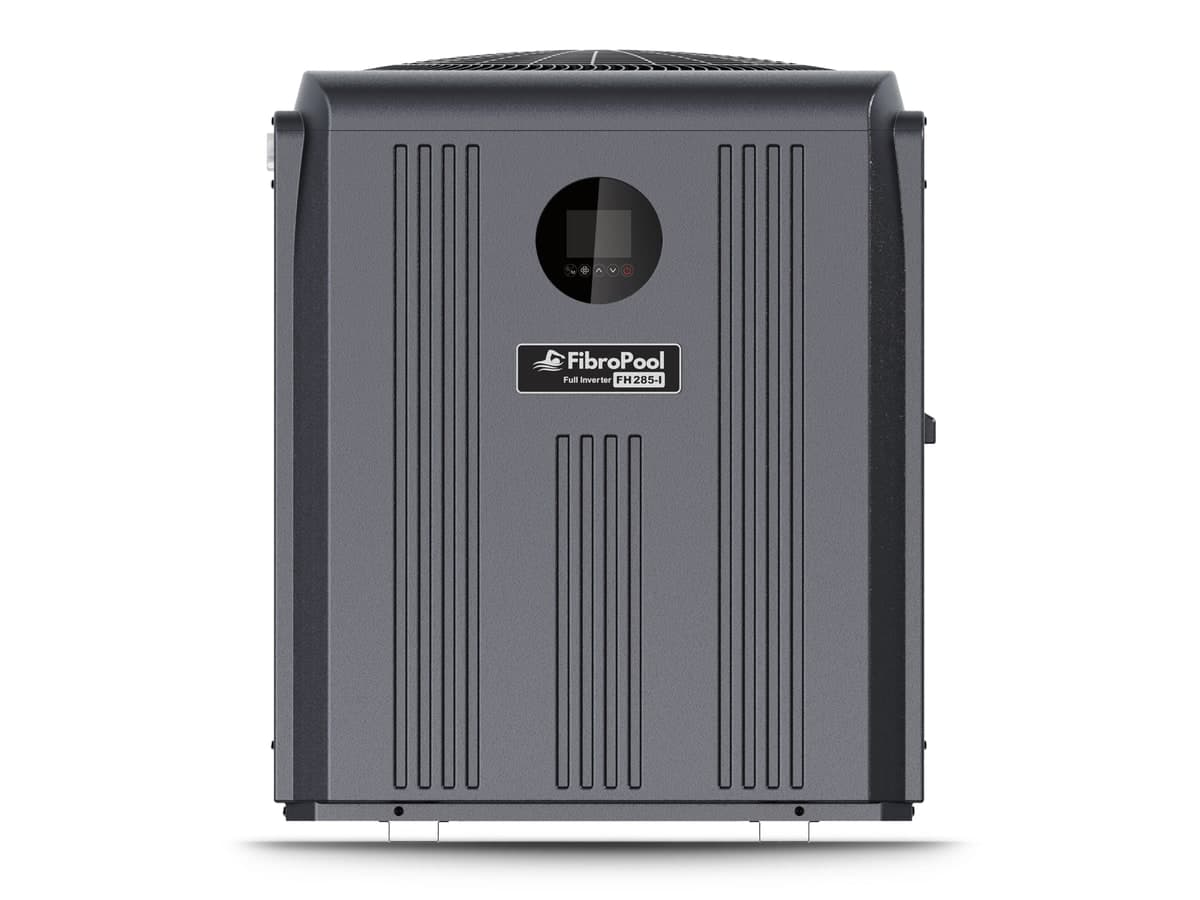
FibroPool
FibroPool FH285-i Inverter Heat Pump (62,000 BTU)
Best inverter value
An inverter heat pump at a non-inverter price — variable output for quieter, steadier, more efficient heating with Wi-Fi control.
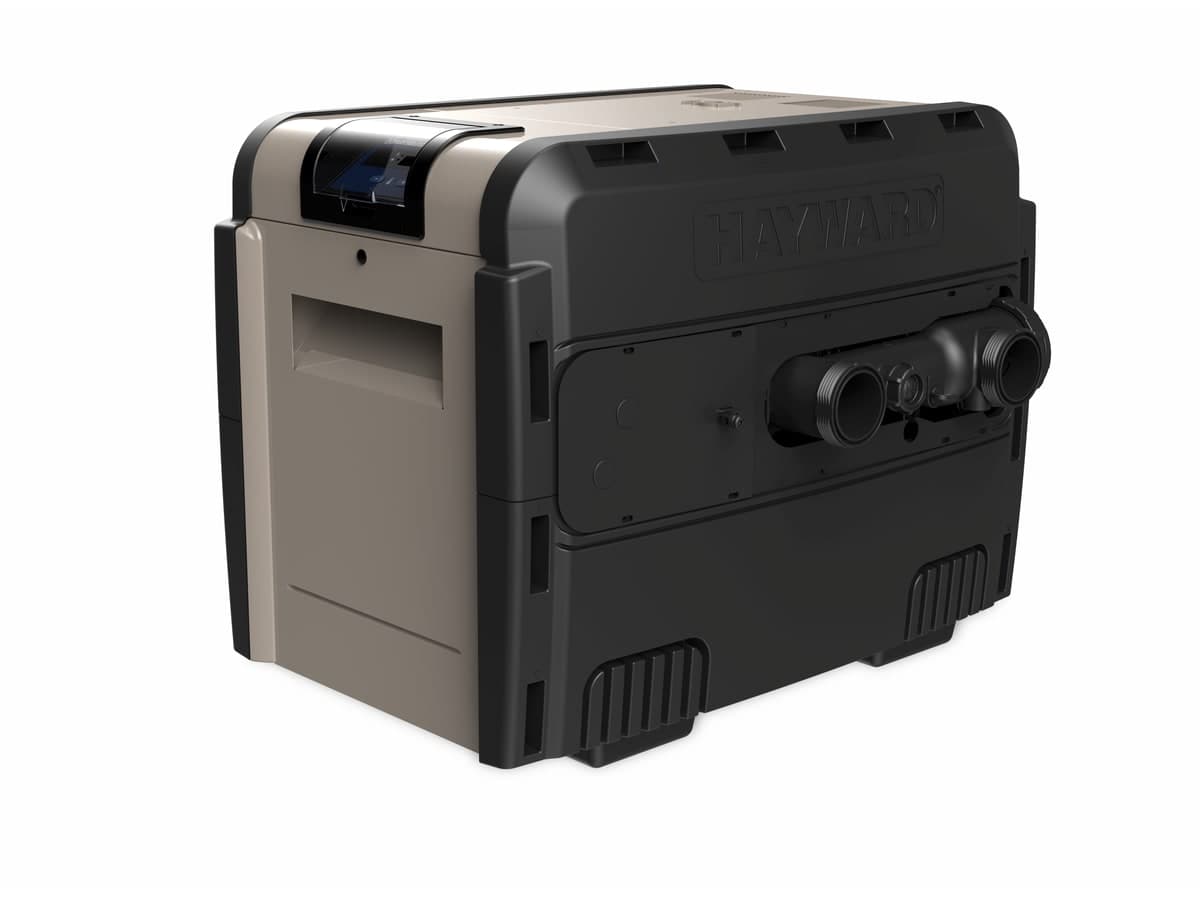
Hayward
Hayward Universal H-Series 150K Natural Gas Heater
Best gas heater
A do-anything gas heater — universal left/right connections, cupro-nickel exchanger, and low-NOx burners for reliable fast heat.
Frequently asked questions
How big a pool does 140,000 BTU heat?
It comfortably serves larger residential in-ground pools, but the right size depends on surface area, climate, wind, and whether you use a cover. Our heater-size calculator gives a starting estimate — always confirm against the manufacturer's sizing chart.
Heat pump or gas for a big pool?
Gas heats fastest and is best for occasional, on-demand use; a heat pump this size costs much less to run for regular season-long heating. Many large pools use gas for quick spa heat and a heat pump for the pool.
Is it much slower than gas?
Yes. Even at 140,000 BTU, a heat pump raises temperature gradually and loses output in cold air, while gas heats fast in any weather. You trade speed for far lower running cost.
Does it work on salt pools?
Yes — same titanium heat exchanger and corrosion-resistant evaporator as the rest of the HeatPro line, which is what lets it survive salt and coastal environments.
What are the install requirements?
A dedicated 240V circuit, plumbing into the return line, a level pad, and airflow clearance around the unit. Given its size and weight, professional installation is the norm.
Will a cover really make a difference?
A big one. Most heat escapes overnight through evaporation; a solar cover holds it, so even a large heat pump reaches and maintains temperature far more cheaply.