
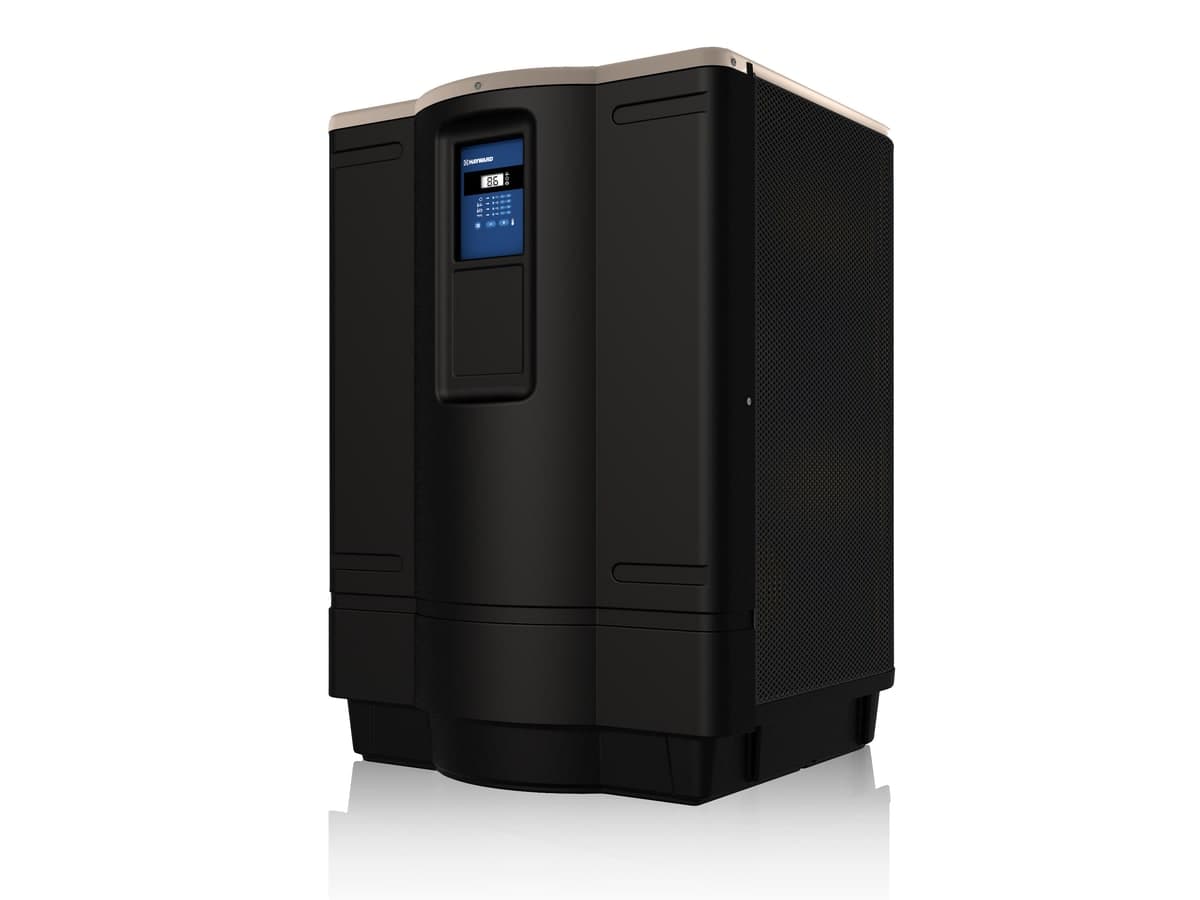
Quick verdict
The safe, durable default heat pump for a typical in-ground pool. You pay for the titanium build and the service network — and it’s usually worth it.
Ideal for
- Mid-size in-ground pools wanting low running costs
- Salt and coastal pools (corrosion-resistant build)
- Owners who want a widely-serviced brand
Not ideal for
- Anyone needing fast, on-demand heat (get gas)
- Very cold-climate early/late-season use
The full picture
The HeatPro line is the heat pump most pool pros reach for when a homeowner wants low running costs without gas bills. The 90,000 BTU size suits typical mid-size in-ground pools; it pulls heat from the air, so it costs a fraction of gas to run once the water's warm — the tradeoff is slower initial heating and reduced output in cold air. The titanium heat exchanger and Ultra-Gold coated evaporator are built for salt and coastal environments, which is where cheaper heat pumps corrode first. Not a bargain, but the durability reputation is why it's a default recommendation.
Hayward HeatPro 90,000 BTU Heat Pump at a glance
- Heater type
- Heat pump
- Fuel
- Electric
- Heating output (BTU/hr)
- 90,000
- Voltage
- 240V
- Heat exchanger
- Titanium
- Pool type
- In-ground
- Heats spa
- No
- Notable feature
- Ultra-Gold corrosion-resistant evaporator fin
Source: Compiled from manufacturer specifications, retailer listings, and aggregated owner feedback. Specs and prices change — confirm with the retailer before buying.
This is a research-based review — our analysis draws on manufacturer specifications, manuals, warranty terms, and verified owner feedback rather than our own hands-on testing, and we note where a detail couldn't be confirmed. How we review
The in-depth review
The HeatPro 90,000 BTU (model W3HP21004T, which some retailers list as 95,000 BTU under different test conditions) is the heat pump most pool professionals recommend by default, and after digging through the specs, warranty terms, and years of owner feedback, the reputation holds up. It's not the cheapest way to heat a pool — it's the safest.
How it heats
Like every air-source heat pump, the HeatPro doesn't make heat so much as move it: it pulls warmth from the outside air and transfers it into your water, which is why it costs a fraction of gas to run once the pool is at temperature. The 90,000 BTU output is sized for a typical mid-size in-ground pool. The tradeoff is patience — it heats gradually, not on demand, and its output falls as the air gets colder, so it's a season-extender, not an instant spa heater.
Why owners keep buying it
The titanium heat exchanger and Ultra-Gold coated evaporator are the real story. Cheaper heat pumps corrode at the exchanger first, especially on salt and coastal pools; the HeatPro's corrosion package is why it survives where budget units don't. Just as important, Hayward's parts and service network is everywhere — when something eventually needs attention, you're not hunting for an obscure importer.
Performance breakdown
Research-based editorial judgments from specs, warranty terms, and verified owner feedback — not lab measurements. How we score
Pros and cons
What works
- Titanium exchanger resists salt/chemical corrosion
- Very low running cost vs. gas
- Widely stocked parts and service
- Quiet operation
What doesn't
- High upfront price
- Slow to heat from cold; weak in cold air
- Needs a dedicated 240V circuit
- Heavy — professional install expected
Best alternatives to Hayward HeatPro 90,000 BTU Heat Pump
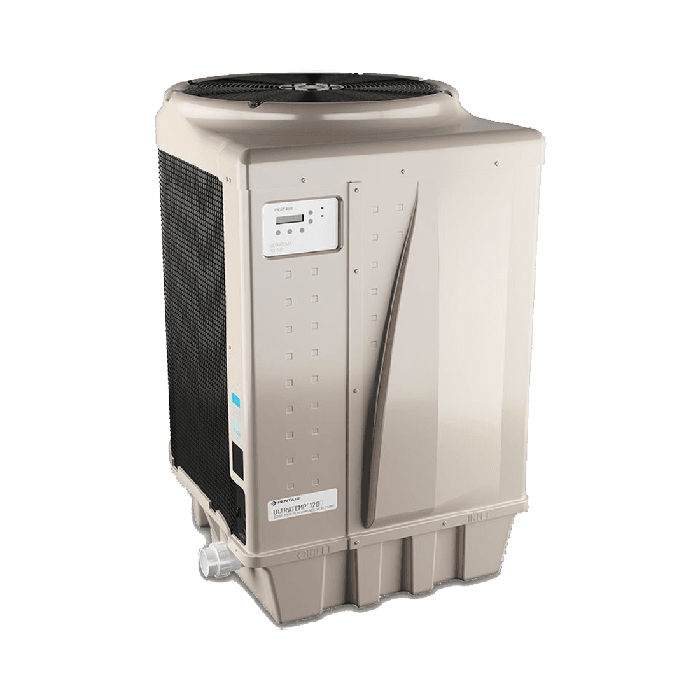
Pentair
Pentair UltraTemp 140K Heat Pump
Premium pick
Pentair's flagship heat pump — premium build, very quiet, titanium exchanger, and easy integration with Pentair automation.
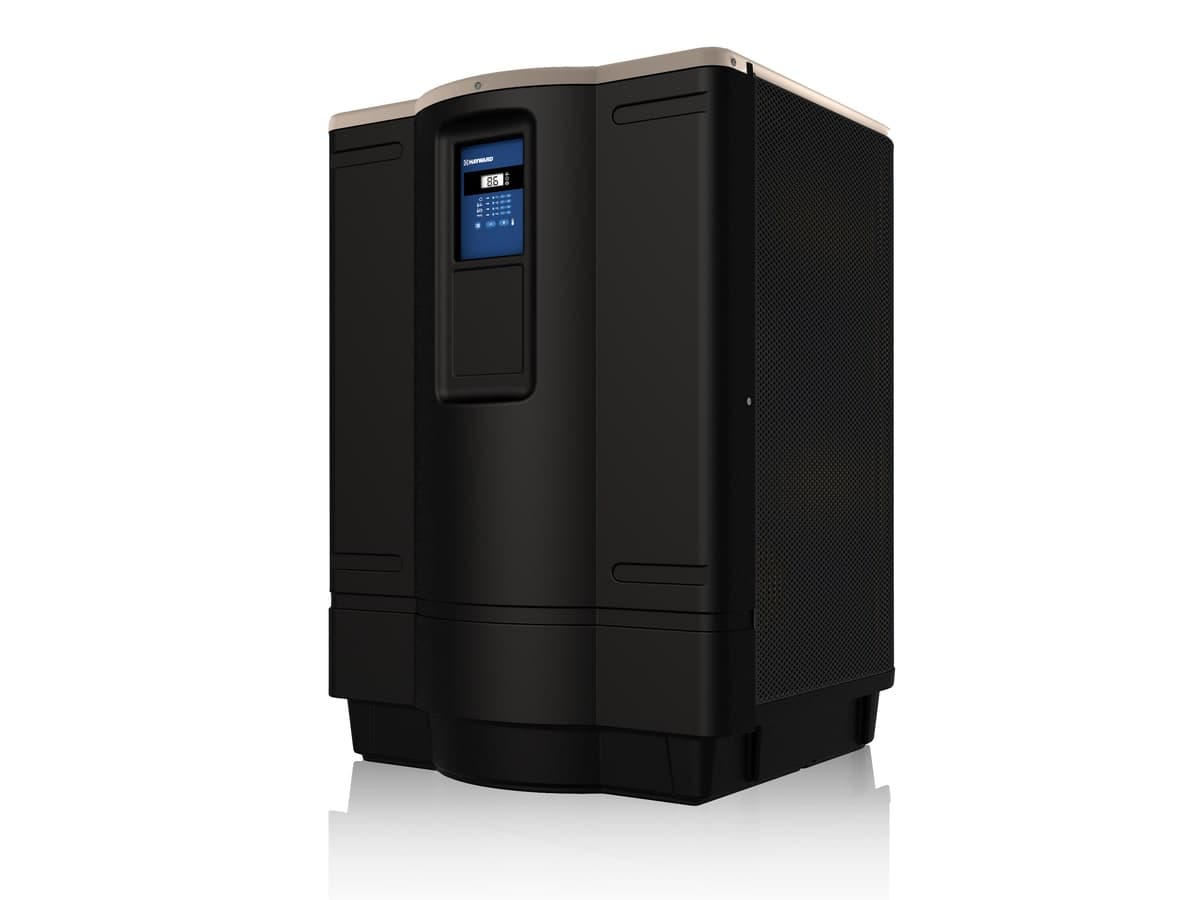
Hayward
Hayward HeatPro 140,000 BTU Heat Pump
Best for large pools
The big-output HeatPro — same titanium durability, more BTUs to heat larger in-ground pools faster.
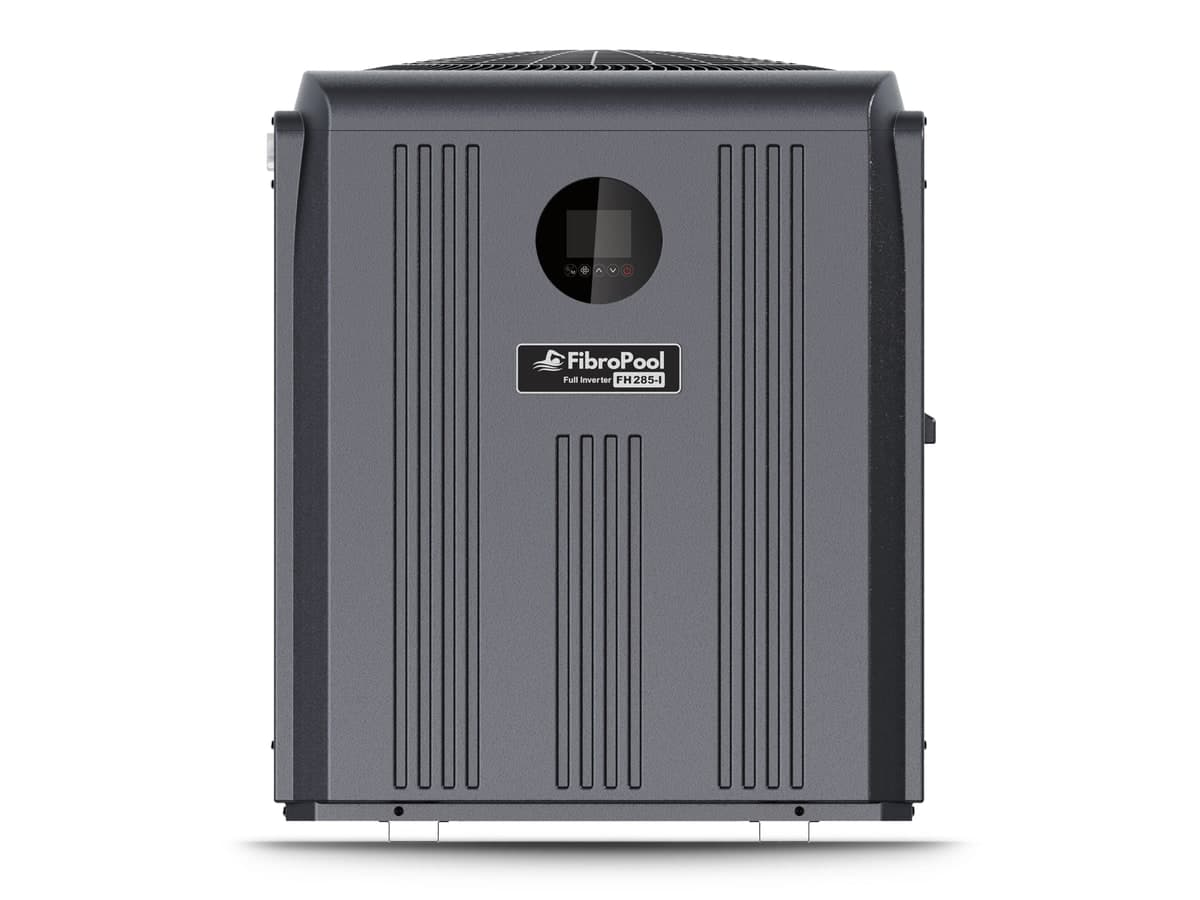
FibroPool
FibroPool FH285-i Inverter Heat Pump (62,000 BTU)
Best inverter value
An inverter heat pump at a non-inverter price — variable output for quieter, steadier, more efficient heating with Wi-Fi control.
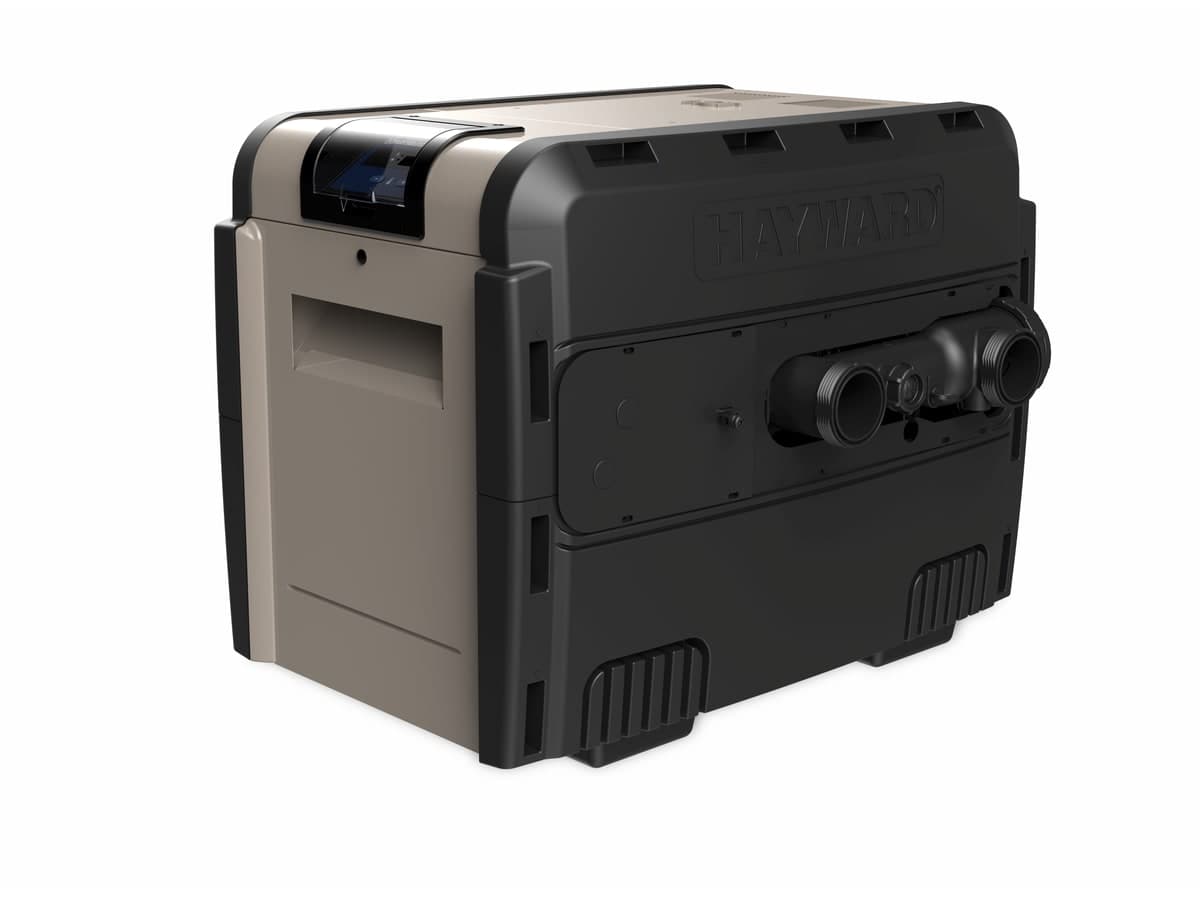
Hayward
Hayward Universal H-Series 150K Natural Gas Heater
Best gas heater
A do-anything gas heater — universal left/right connections, cupro-nickel exchanger, and low-NOx burners for reliable fast heat.
Frequently asked questions
How much does a heat pump cost to run vs gas?
Once the pool is at temperature, an air-source heat pump typically costs far less per degree than gas because it moves heat rather than burning fuel. The tradeoff is slower heating and reduced output when the air is cold.
Does the HeatPro work for above-ground pools?
It can, but it's sized and plumbed for in-ground setups and needs adequate flow (a running filter pump) and a 240V circuit. For a small above-ground pool, a smaller plug-in unit is simpler.
What size pool does 90,000 BTU heat?
It suits a typical mid-size in-ground pool, but the right size depends on surface area, wind, climate, and cover use far more than gallons alone. Start with a heater-size calculator, then confirm against Hayward's sizing chart.
Is the HeatPro OK for a salt pool?
Yes — the titanium heat exchanger and Ultra-Gold evaporator coating are specifically built to resist salt and chemical corrosion, which is a major reason it outlasts cheaper heat pumps on salt systems.
How long does it take to heat the pool?
A heat pump warms water gradually — think days to bring a cold pool up, then steady maintenance. A solar cover dramatically speeds it up by holding the heat overnight; without one, evaporation undoes much of your gain.
Can I install it myself?
It needs a dedicated 240V circuit, correct plumbing into your return line, and clearance for airflow. Most owners have it professionally installed — it's a heavy, permanent piece of equipment, not a plug-in.