PoolGearGuide

Aiper Pool Cleaner Reviews: Which Models Fit Which Pools?

By the PoolGearGuide editorial team · Updated 2026-07-03

Share

Aiper pool cleaner reviews should start with the honest tradeoff: Aiper is appealing because cordless pool robots are convenient, but cordless convenience is not the same thing as automatic perfection. Battery life, charge time, pool size, wall cleaning, filter design, and surface debris all matter.

Aiper makes pool cleaners and smart pool products across several lines, including Scuba models for underwater cleaning, Surfer/EcoSurfer models for surface skimming, and HydroComm smart monitoring products. That gives buyers options, but also plenty of room to buy the wrong gadget for the wrong problem.

This is a research-based guide. Do not treat it as a fake lab test. Use it to understand the product family, then confirm current specs, warranty, and retailer terms before checkout.

Key takeaways

  • Aiper is strongest for buyers who want cordless convenience and are willing to manage charging, retrieval, and model-specific limits.
  • Scuba-style models generally handle underwater cleaning, while Surfer/EcoSurfer-style products focus on surface skimming.
  • Cordless robots are easier to drop in and retrieve, but runtime and recharge time matter.
  • Wall climbing, waterline cleaning, app control, filtration, and basket design vary by model.
  • The best Aiper for one pool may be a poor fit for another, especially if the pool is large, leafy, or needs fine filtration.

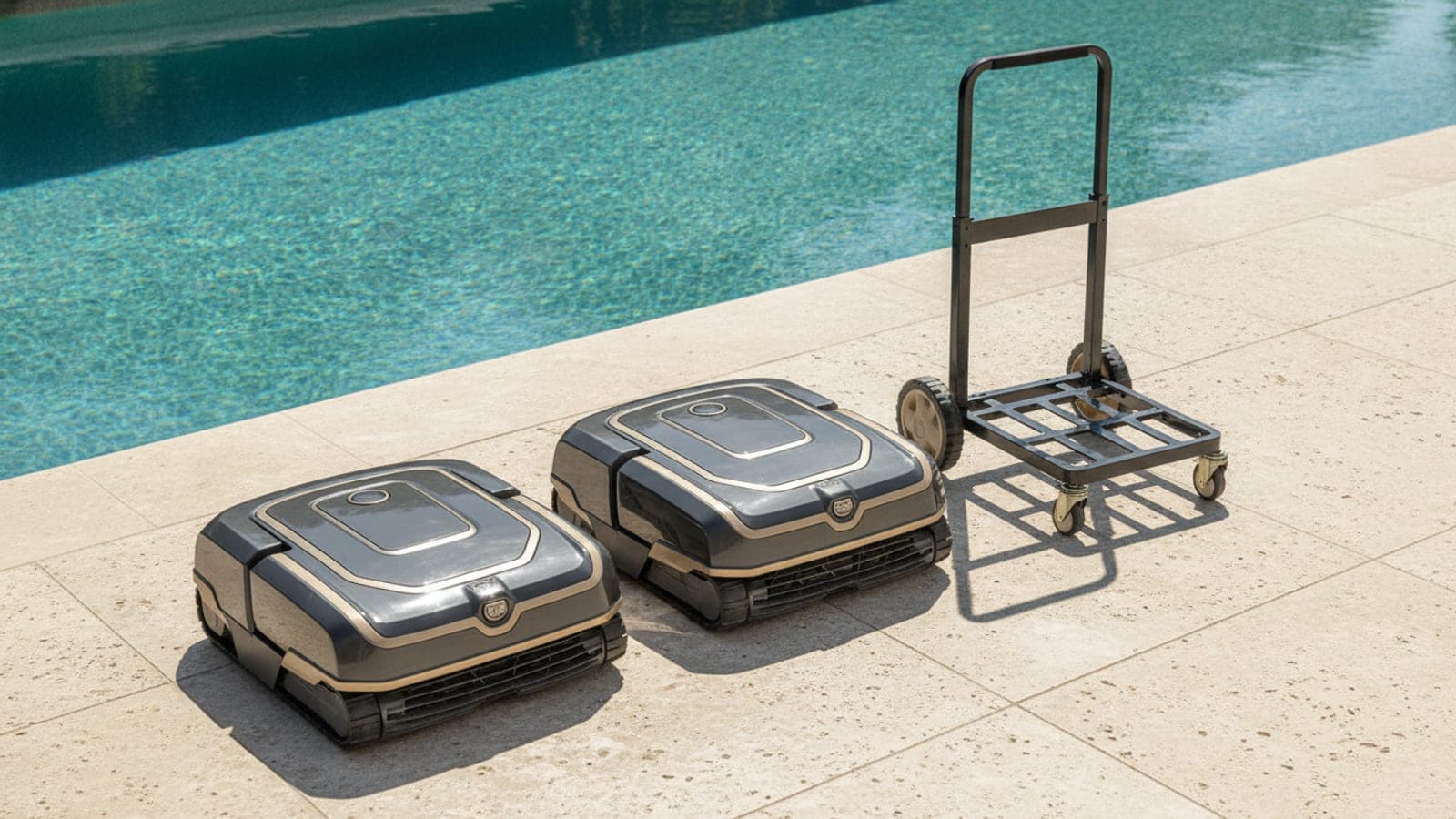
Cordless robotic pool cleaner charging beside a backyard swimming pool

Table of contents

What should you compare first in Aiper pool cleaner reviews?

Start with the pool problem, not the model name. Decide whether you need floor cleaning, wall cleaning, waterline scrubbing, surface skimming, fine filtration, or smarter water monitoring.

Aiper’s support pages list multiple product families, including Scuba models, Surfer/EcoSurfer products, HydroComm monitoring products, and accessories. That tells you something important: not every Aiper product is trying to solve the same job.

Use this order:

  1. Pool size and shape
  2. Floor-only versus wall/waterline cleaning
  3. Surface debris needs
  4. Battery runtime
  5. Recharge time
  6. Filter basket design
  7. App control or smart features
  8. Replacement filter and part availability
  9. Return policy and warranty

The wrong path is buying “the Aiper one” because it was on sale. That is how someone who needs surface skimming ends up with a floor robot, or someone with a large pool ends up with a cleaner that runs out of battery before the job feels finished.

What kind of buyer is Aiper best for?

Aiper is best for buyers who hate cords, want simple drop-in cleaning, and are willing to work within battery limits. It is especially appealing for smaller to medium pools, buyers who do not want to manage a power cable, and owners who like smart-home-style pool gear.

Aiper may be a good fit if:

  • You want cordless convenience.
  • Your pool is not enormous.
  • You can recharge between cleanings.
  • You want a modern app-connected product on higher models.
  • You are comparing floor robots and surface skimmers.
  • You are okay checking specs carefully before buying.

Aiper may be less ideal if:

  • You want unlimited cleaning time.
  • You have heavy leaf load every day.
  • You hate charging anything.
  • Your pool shape regularly traps robots.
  • You need proven fine-filtration performance above all else.
  • You want a traditional corded cleaner with a long support history.

This is where the corded vs cordless pool robots guide should link directly. Aiper will win some buyers and lose others depending on that one decision.

How do Aiper model families differ?

Aiper model families differ by the job they do: submerged floor/wall cleaning, surface skimming, or water monitoring. Do not compare them like they are all versions of the same vacuum.

Aiper product directionMain jobBest buyer fit
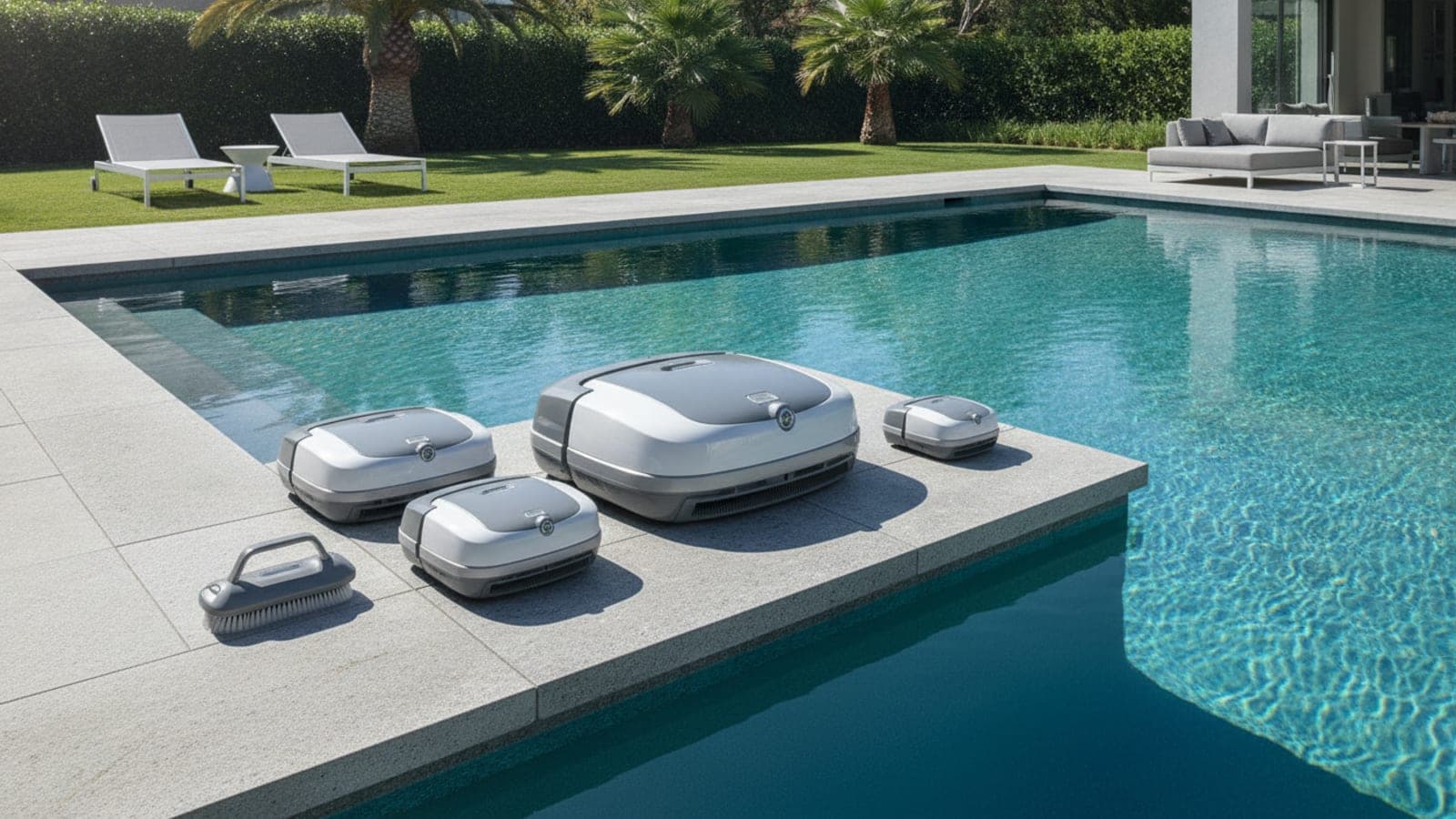
Scuba-style robotic cleanersFloor, wall, and/or waterline cleaning depending on modelPool owners replacing manual vacuuming
Surfer/EcoSurfer-style skimmersSurface debris before it sinksLeafy yards, pollen, bugs, surface junk
HydroComm-style monitorsWater-quality monitoringOwners who want chemistry alerts and app data
Handheld cleanersSpot cleaningSteps, spas, small pools, quick touchups

The right setup may be two products: a floor robot plus a surface skimmer. That sounds like more money because it is more money. But it may also make more sense than expecting one robot to solve every possible pool problem.

A plain-English example

A pool under oak trees may need surface skimming first. If leaves sink, they become floor debris, stain risk, and chemistry demand. A floor robot helps, but it may be working late.

A pool in a screened enclosure with fine dust may not need a surface skimmer as much. That buyer should care more about filter design and fine-debris pickup.

Should you buy a floor robot, surface skimmer, or both?

Buy a floor robot if debris settles on the pool floor. Buy a surface skimmer if leaves, bugs, pollen, and flower bits float before they sink. Buy both if your pool gets attacked from above and below.

Pool problemBetter Aiper direction
Dirt on floorScuba-style pool robot
Leaves floating on surfaceSurfer/EcoSurfer-style skimmer
Bugs and pollen filmSurface skimmer plus fine filtration
Wall grimeWall/waterline-capable robot
Chemistry guessingHydroComm-style monitor or test kit
Quick spa/step messHandheld cleaner

Do not make a floor robot handle every leaf if your surface looks like soup by noon. Surface debris is easier to remove before it sinks. That is the whole point of a robotic skimmer.

Link here to best robotic pool skimmers for surface junk and how to clean leaves out of your pool.

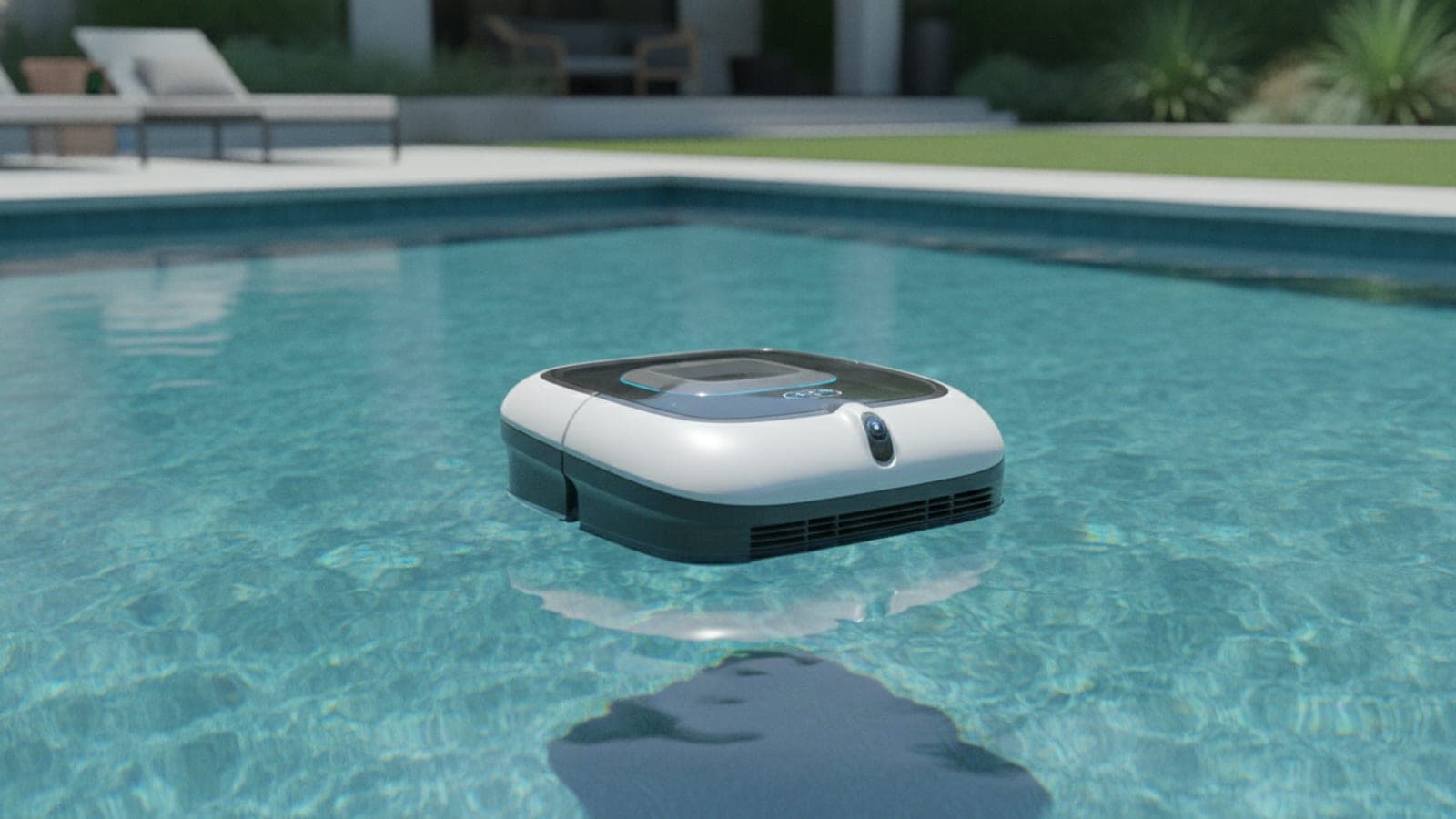
Robotic surface skimmer collecting leaves before they sink in a pool

What cordless tradeoffs should you understand?

Cordless pool robots remove cord management, but they add battery management. That is the deal. Nobody gets free convenience from the pool goblin.

The main cordless tradeoffs:

TradeoffWhy it matters
RuntimeThe robot needs enough time to cover your pool
Recharge timeBack-to-back cleanings may not be possible
Battery agingRuntime may decline over years
RetrievalSome models are easier to pull out than others
StorageCharging and storage need a safe dry spot
Cleaning coverageCordless does not automatically mean better navigation
PricePremium cordless features can get expensive

A corded robot can run as long as the cycle and power supply allow, but the cord can tangle. A cordless robot avoids that cord, but you need to charge it and accept the runtime limit.

For a small pool, that may be perfect. For a large pool after a storm, it may be a compromise.

What features matter most on an Aiper cleaner?

The most important Aiper features are runtime, pool-size rating, wall/waterline ability, basket access, filter type, navigation, app control, and retrieval design. Fancy smart features are only useful after the basic cleaning job is solved.

Prioritize:

  1. Runtime: Enough for your pool, not someone else’s.
  2. Pool compatibility: Above-ground, inground, flat floor, slopes, walls.
  3. Wall and waterline ability: Not all robots climb.
  4. Filter basket design: Easy cleaning matters weekly.
  5. Fine debris handling: Pollen and dust need more than a leaf basket.
  6. Navigation: Smarter pathing may reduce missed areas.
  7. App control: Useful if it controls real features.
  8. Retrieval: Heavy wet robots are less cute in real life.

Aiper’s CES 2026 materials describe newer AI-oriented features in the Scuba V3 Pro, including dual-camera AI Patrol Cleaning and adaptive cleaning modes. That may be interesting, but your article should not translate marketing language into guaranteed real-world performance unless you test it.

The safe wording is: “Aiper markets newer smart-navigation features on select models. Confirm the exact feature set and read current owner feedback before paying extra.”

What pool problems should change your choice?

Leaves, fine dust, walls, waterline grime, large surface area, and heavy pool use should all change which Aiper model you consider. A bargain model can be fine for one pool and useless for another.

Pool issueFeature to prioritize
Floating leavesSurface skimmer
Floor debrisRobotic floor cleaner
Pollen filmSurface skimmer and fine filtration
Sloped floorModel rated for that shape
Wall grimeWall climbing
Waterline ringWaterline cleaning
Large poolLonger runtime and coverage rating
Frequent stormsFaster cleanup and larger debris capacity

Also remember chemistry. A robot does not replace chlorine, pH balance, circulation, or brushing neglected corners. If the pool is green, start with how to clean a green pool, not the robot cart.

How should smart monitors fit into the decision?

Smart pool monitors can help track water-quality trends, but they should not replace common sense, product labels, or occasional manual testing. Aiper’s HydroComm materials describe monitoring for pH, ORP, EC, TDS, and temperature, with app-based scoring and recommendations.

That is useful if the owner will actually read the data.

Smart monitors are best for:

  • Owners who forget to test.
  • Saltwater pool owners watching trends.
  • People who like app dashboards.
  • Pools with recurring balance issues.
  • Vacation homes where water checks get missed.

Smart monitors are less useful if:

  • You will ignore alerts.
  • You never calibrate or maintain probes.
  • You expect the device to add chemicals.
  • You need legally precise commercial-pool testing.

Link to best pool water monitors and pool chemistry basics.

What should you buy with an Aiper cleaner?

A cordless cleaner purchase should include the accessories and maintenance pieces that keep it useful after the first week. The exact items depend on the model.

What you need

[Affiliate module: Aiper cleaner + accessory cards]

Include product cards for:

  • Aiper robotic pool cleaner
  • Aiper robotic surface skimmer
  • Replacement filters or baskets
  • Charging/storage accessories
  • Pool test kit
  • Skimmer net
  • Fine filter accessories if compatible
  • Pool brush for corners and steps

Use dual CTAs:

  • Shop Amazon
  • Shop Specialty Retailer

Disclosure:

We may earn a commission when you buy through links on this page. Always confirm model compatibility, runtime, warranty, and retailer return terms before buying.

This page should also link to your pool robot finder. It can ask whether the reader needs floor cleaning, surface skimming, wall cleaning, or chemistry monitoring.

Which Aiper pool cleaner should you choose?

Choose the Aiper model that solves the specific job you hate most. If you hate cords, start with cordless. If you hate leaves on the surface, look at skimmers. If you hate floor vacuuming, compare Scuba-style cleaners. If you hate chemistry guessing, compare monitors and test kits.

Use this decision path:

  1. Mostly floor dirt: choose a submerged robotic cleaner.
  2. Mostly floating leaves/bugs: choose a robotic surface skimmer.
  3. Both top and bottom debris: consider a skimmer plus floor robot.
  4. Large pool: prioritize runtime and coverage.
  5. Fine dust/pollen: prioritize filtration.
  6. Walls/waterline: confirm wall and waterline cleaning before buying.
  7. Cord anxiety: cordless makes sense.
  8. Charging anxiety: compare corded robots before buying.

Aiper’s appeal is convenience. The smart move is making sure that convenience matches your pool instead of buying the shiniest robot and hoping it becomes a tiny waterproof butler.

This is a research-based review — our analysis draws on manufacturer specifications, manuals, warranty terms, and verified owner feedback rather than our own hands-on testing, and we note where a detail couldn't be confirmed. How we review

Frequently asked questions

Are Aiper pool cleaners worth it?

Aiper pool cleaners can be worth it for buyers who want cordless convenience and are comfortable managing charge time, battery life, and model-specific cleaning limits. They are strongest when the selected model matches the pool size and debris problem.

Are Aiper cleaners corded or cordless?

Aiper is best known for cordless robotic pool cleaners and related smart pool products. Buyers should confirm the exact model specifications because runtime, recharge time, wall cleaning, and waterline features vary.

What is the difference between Aiper Scuba and Surfer models?

Aiper Scuba models generally focus on submerged pool cleaning, while Surfer/EcoSurfer models focus on surface skimming. A floor/wall robot and a surface skimmer solve different problems.

Do Aiper pool cleaners climb walls?

Some Aiper models are designed for wall and waterline cleaning, while simpler models may focus on floor cleaning. Confirm the exact product page before buying.

Should I buy Aiper or a corded pool robot?

Buy Aiper if cordless convenience matters most and the model fits your pool. Consider a corded robot if you want longer uninterrupted cleaning and do not mind managing a cable.
The weekly skim

One short email a week: what to test, what to buy, and what to skip. No daily drip. Unsubscribe anytime.

Keep reading