PoolGearGuide

Dolphin Pool Cleaner Reviews: Compare the Models Without the Alphabet Soup

By the PoolGearGuide editorial team · Updated 2026-07-03

Share

Dolphin pool cleaner reviews can get confusing fast because the model names start to sound like someone spilled alphabet soup into a product catalog. Explorer, Nautilus, Active, Cayman, Quantum, Premier, Sigma, E-series, S-series. Lovely. Very relaxing. Exactly what you wanted while trying to buy a robot to eat leaves.

The practical answer is simpler: choose a Dolphin by pool size, surface coverage, filter type, cable setup, app/timer features, warranty, and parts support. The name matters less than what the robot actually cleans.

This is a research-based review hub, not a fake hands-on test. Use it to narrow the field, then confirm the exact specs on the retailer or manufacturer page before buying.

Key takeaways

  • Dolphin is Maytronics’ robotic pool cleaner brand, with residential models covering different pool sizes, surfaces, and feature levels.
  • The most important differences are floor-only versus wall/waterline cleaning, filtration, cable management, scheduling, and warranty length.
  • Maytronics says Dolphin warranties vary by model and commonly range from 24 to 36 months, so check the product page before buying.
  • A cheaper Dolphin can be a good buy if it matches your pool. A premium model is only worth it if you need the extra coverage, filtration, or controls.
  • Do not choose by model name alone. Compare the cleaning path, pool size rating, filter options, and owner maintenance needs.

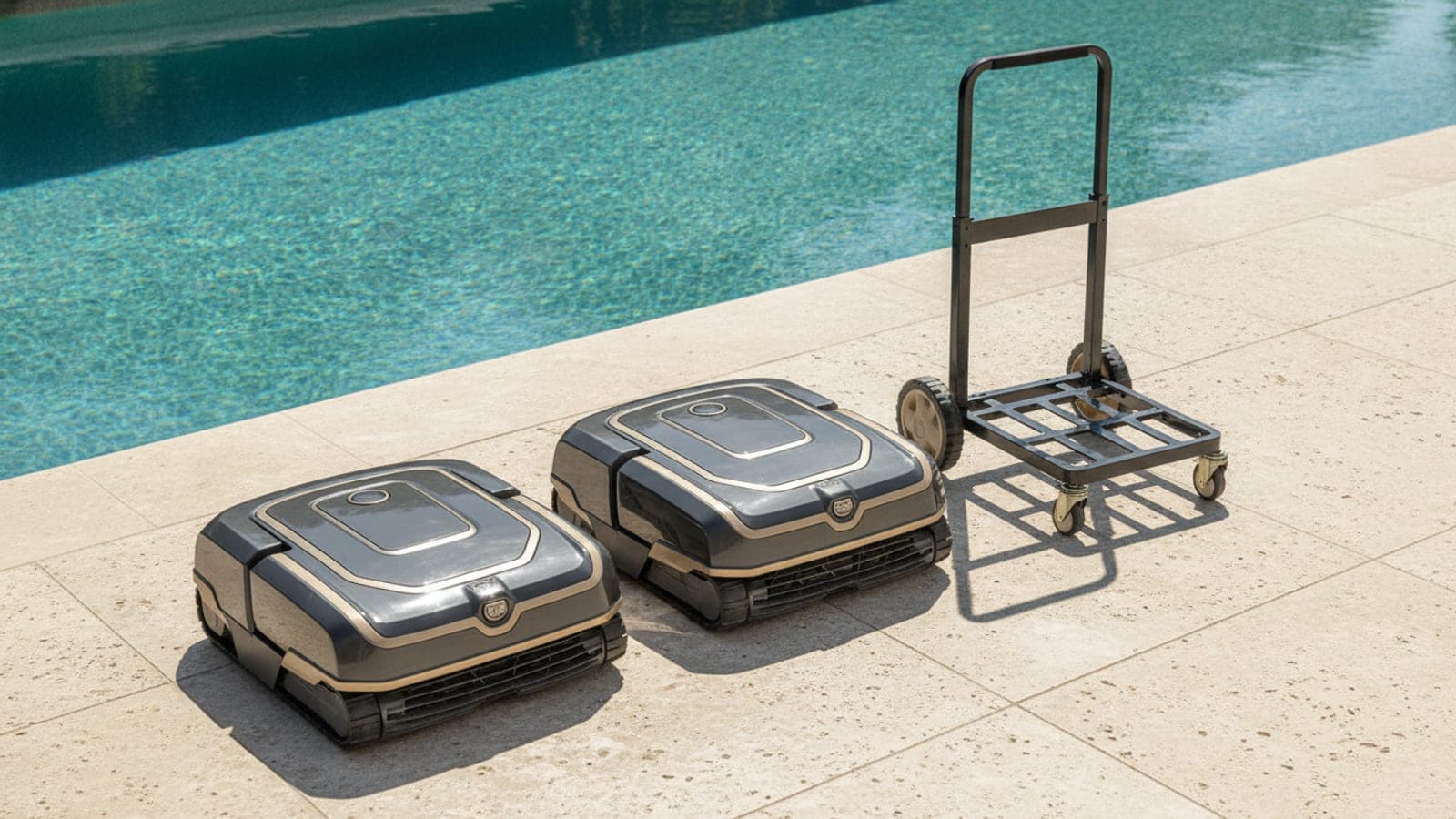
Dolphin-style robotic pool cleaner sitting beside a swimming pool before a cleaning cycle

Table of contents

What should you compare first in Dolphin pool cleaner reviews?

Start by comparing what the robot is built to clean: floor only, floor and walls, or floor, walls, and waterline. Then compare pool size rating, filtration, cable setup, weekly timer, app control, and warranty.

A lot of buyers start with price. Price matters, obviously. But the wrong cheaper robot is not a deal if it refuses to climb your walls, misses fine dust, or needs babysitting every cycle.

Use this order:

  1. Pool type: Inground, above-ground, vinyl, fiberglass, concrete, or tile.
  2. Pool size: Match the cleaner to the pool length and shape.
  3. Cleaning coverage: Floor only, walls, or waterline.
  4. Debris type: Leaves, sand, acorns, pollen, fine dust, or general junk.
  5. Filter access: Top-load filters are easier for most people.
  6. Cord management: Tangle reduction matters in larger or odd-shaped pools.
  7. Controls: Weekly timer and app control are convenient, not magic.
  8. Warranty: Confirm model-specific coverage before buying.

Maytronics describes Dolphin residential robots as options for different pool types and performance levels, including models that scrub floors, walls, and waterlines. That is useful, but you still need to compare the actual product page, not just the brand promise.

Which Dolphin features actually matter?

The features that matter are the ones that reduce your weekly work. Wall climbing, waterline scrubbing, better filtration, an easier basket, and a reliable timer are more important than a dramatic name.

FeatureWhy it mattersWho should care most
Wall climbingHelps scrub vertical surfacesInground pools, algae-prone walls
Waterline cleaningHelps the oily grime linePools with sunscreen, pollen, swimmers
Fine filtrationHelps with dust and pollenScreened pools, sandy areas, pollen seasons
Large debris basketHelps with leavesTree-heavy yards
Weekly timerReduces “I forgot” cleaningBusy owners
App controlConvenient scheduling and modesOwners who like phone control
Tangle-reducing cableLess cord dramaLarger or odd-shaped pools
CaddyBetter storage and transportHeavier robots and bigger yards

If you have a small, simple pool, you may not need every feature. If your pool is large, deep, leafy, or curvy, the cheaper model can get old fast.

This is where the pool robot finder should sit. Let the reader answer five questions and point them toward the right feature tier.

How do Dolphin pool cleaner model families differ?

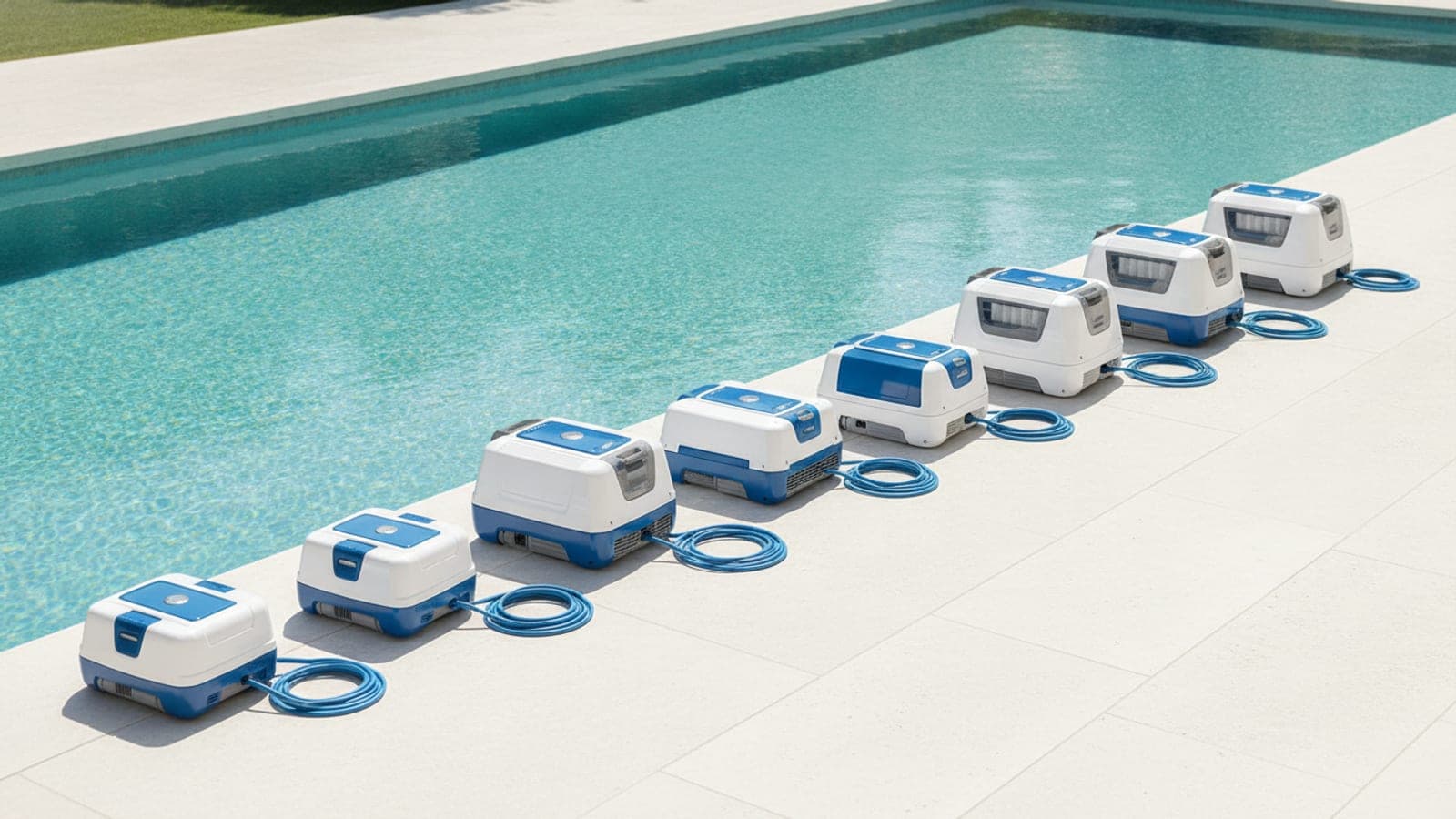
Dolphin model families usually differ by pool size rating, feature level, filtration, controls, and retailer channel. Some models are sold through specific retailers or specialty dealers, which can make direct comparisons annoying.

That annoyance is exactly why your site should exist.

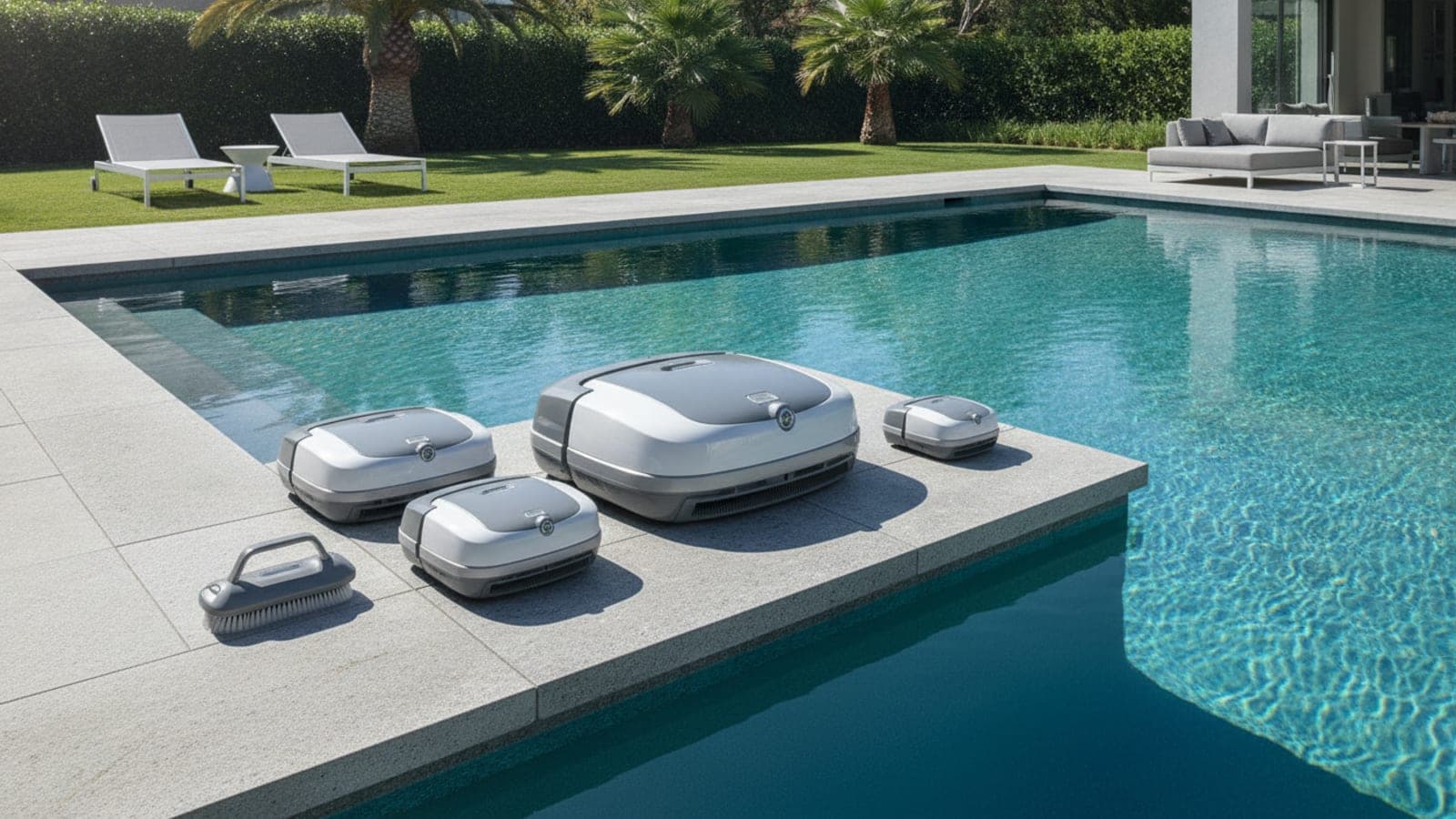
Instead of trying to memorize every name, group them like this:

Dolphin tierTypical fitWhat to check
Entry/basicSmaller or simpler poolsFloor coverage, filter access, wall ability
Mid-rangeMost normal inground poolsWall cleaning, timer, filter options
PremiumLarger pools and heavier debrisWaterline, navigation, app, better filtration
Specialty/dealer modelsBuyers wanting specific support or featuresWarranty, return policy, parts, dealer support

Do not publish a rigid “best model” list until the product database has verified specs and affiliate URLs. For now, a brand hub can honestly explain how to compare them and then link to individual model pages later.

A plain-English example

If someone has a 14-by-28 vinyl inground pool with light leaf debris, a mid-range Dolphin with wall cleaning and a top-load basket may be enough.

If someone has a large gunite pool under oak trees, they should look harder at filter capacity, cable behavior, waterline ability, and a caddy. The robot will be heavy when wet and full of leaves. Glamorous? No. Important? Very.

Should you buy a basic Dolphin or a premium Dolphin?

Buy a basic Dolphin if your pool is small, simple, and mostly needs floor cleaning. Buy a premium Dolphin if your pool has walls, waterline grime, heavy debris, a larger footprint, or you want more automation.

Buyer situationBetter direction
Small above-ground poolBasic or above-ground-specific model
Small inground pool with light debrisEntry or mid-range model
Medium inground poolMid-range model with wall cleaning
Large pool with leavesPremium model with larger basket/filter options
Pollen or fine dust problemModel with fine/ultra-fine filtration support
Busy ownerTimer/app control is worth considering
Owner who hates storage clutterCaddy and easy filter access matter

Premium features are not automatically wasteful. They are wasteful when they solve problems you do not have.

A waterline-cleaning model is wonderful if your tile line gets oily and gross. It is less compelling if you already brush weekly and mostly need floor pickup.

What kind of pool is a Dolphin best for?

A Dolphin can be a strong fit for inground pools, larger pools, and owners who want a plug-in robotic cleaner with established parts and support. The exact fit depends on the model.

Dolphin is especially worth considering when:

  • You want a corded cleaner with long cleaning sessions.
  • You do not want to recharge a battery.
  • You want a brand with lots of model choices.
  • You care about replacement filters and parts.
  • You have walls or waterline cleaning needs.
  • You want a robot that is not tied only to bargain-bin retailer inventory.

That does not mean every Dolphin is perfect. Corded robots come with cords. Cords can tangle. Power supplies need a safe spot. The robot still needs filter cleaning. It will not balance your chemistry, fix your pump, or politely explain to your maple tree that enough leaves have already fallen.

For the cordless comparison, link to corded vs cordless pool robots.

What debris problems should change your choice?

Leaves, pollen, sand, acorns, and algae dust should push you toward different filters and cleaning features. Debris type matters more than brand loyalty.

Debris problemFeature to prioritize
Big leavesLarger basket and strong debris pickup
PollenFine or ultra-fine filtration
SandFine filtration and strong floor coverage
AcornsLarger intake and basket capacity
Wall algaeWall climbing and brushing
Waterline grimeWaterline cleaning
General dirtReliable floor/wall model

If your robot is not picking up dirt, the issue is often not the brand. It may be the filter basket, clogged panels, worn brushes, full basket, algae dust that is too fine, or poor chemistry. Link here to pool robot not picking up dirt.

Pool robot filter basket filled with leaves and fine debris after a cleaning cycle

What should you know about Dolphin filters and maintenance?

A Dolphin robot still needs regular filter cleaning, basket rinsing, cable care, brush checks, and storage. The robot saves work, but it is not a tiny underwater employee with benefits.

Maytronics’ maintenance guidance recommends cleaning filters after use and keeping the robot and power supply properly stored. That is not busywork. A clogged filter can reduce suction, movement, and cleaning performance.

Create a maintenance box on the page:

Quick Dolphin care checklist

  • Remove the robot after the cycle.
  • Open and rinse the filter basket or panels.
  • Check for leaves stuck near the impeller.
  • Let the cable relax if it starts twisting.
  • Store the power supply away from splash zones.
  • Keep the robot out of harsh sun when not in use.
  • Replace worn brushes, tracks, or filters as needed.

Then link to:

How does warranty and support affect the decision?

Warranty matters because pool robots work in water, sun, chemicals, debris, and heat. Maytronics says Dolphin warranty length varies by model and typically ranges from 24 to 36 months, so buyers should confirm the exact model warranty before checkout.

This is one of the best reasons to buy from a reputable retailer instead of only chasing the lowest price. Before buying, check:

  • Is the retailer authorized?
  • What is the return window?
  • Who handles warranty service?
  • Are filters and brushes easy to buy?
  • Does the warranty require registration?
  • Does the model have a clear manual?
  • Are shipping costs covered if there is a problem?

A robot can look cheaper until return shipping, warranty confusion, or missing parts enter the chat.

What should you buy with a Dolphin cleaner?

A good Dolphin setup usually needs filters, storage, and sometimes a caddy. The exact accessories depend on the model.

What you need

[Affiliate module: Dolphin cleaner + accessory cards]

Include product cards for:

  • Dolphin robotic pool cleaner
  • Fine or ultra-fine replacement filters
  • Caddy if not included
  • Replacement basket or panels
  • Brushes/tracks if model-compatible
  • Pool test kit
  • Skimmer net for large surface debris

Use dual CTAs:

  • Shop Amazon
  • Shop Specialty Retailer

Disclosure:

We may earn a commission when you buy through links on this page. Always confirm model compatibility before buying filters, brushes, baskets, or replacement parts.

This is where your affiliate engine should shine. A reader may not buy the robot today, but replacement filters and accessories are natural follow-up purchases.

Which Dolphin should you choose?

Choose the Dolphin that matches your pool’s actual cleaning problem. If your pool mostly needs floor cleaning, do not pay for features you will not use. If your pool has walls, waterline grime, leaves, or fine debris, do not buy too basic and expect miracles.

Use this simple decision path:

  1. Small/simple pool: start with an entry model.
  2. Average inground pool: look at wall-cleaning mid-range models.
  3. Large or leafy pool: prioritize capacity, filtration, and easier handling.
  4. Fine dirt or pollen: check fine-filter availability.
  5. Busy owner: timer/app features may be worth paying for.
  6. Cord-hater: compare cordless options before buying a corded unit.

The final answer is not “Dolphin is always best.” The final answer is: Dolphin is a serious brand to compare, but the right model depends on the pool. That is a much better buying decision than clicking the one with the fanciest model name.

This is a research-based review — our analysis draws on manufacturer specifications, manuals, warranty terms, and verified owner feedback rather than our own hands-on testing, and we note where a detail couldn't be confirmed. How we review

Frequently asked questions

Are Dolphin pool cleaners worth it?

Dolphin pool cleaners can be worth it if you want a corded robotic cleaner with established support, replaceable parts, and model options for floors, walls, and waterline cleaning. The right model depends on your pool size, debris, and filter needs.

What is the main difference between Dolphin models?

The big differences are pool size rating, floor-only versus wall/waterline cleaning, filtration style, navigation, app control, weekly timers, cable features, and warranty length.

How long is the warranty on a Dolphin pool cleaner?

Maytronics says Dolphin warranty length varies by model and typically ranges from 24 to 36 months. Buyers should confirm the exact warranty on the specific product page before purchasing.

Can you leave a Dolphin robot in the pool all the time?

It is usually better to remove the robot after the cleaning cycle, rinse the filters, and store it properly. Check the specific manual for your model.

Which Dolphin pool cleaner should I buy?

Start with pool size, surface type, debris type, wall/waterline needs, and budget. Then compare models by the features that solve those problems instead of choosing by model name alone.
The weekly skim

One short email a week: what to test, what to buy, and what to skip. No daily drip. Unsubscribe anytime.

Keep reading