PoolGearGuide

Best Pool Pumps: What Size and Speed Actually Matter?

By the PoolGearGuide editorial team · Updated 2026-07-03

Share

The best pool pumps are not the ones with the biggest horsepower number on the box. The best pump is the one that moves enough water for your pool, filter, heater, salt system, and plumbing without turning your equipment pad into a tiny electric bill factory.

Pool pumps are where homeowners get bullied by numbers. Horsepower sounds simple. Flow rate sounds official. Variable speed sounds expensive. And then somebody says "turnover" and everyone starts staring at the water like it owes them an apology.

Key takeaways

  • The best pool pump is properly sized, not automatically oversized.
  • Variable-speed pumps are usually worth comparing because they can run lower and quieter for daily circulation.
  • Your filter, plumbing, heater, salt system, and cleaner setup can all limit what pump makes sense.
  • Horsepower alone is a weak way to compare pumps.
  • Use the pump size calculator before shopping so you do not buy power you cannot use.

Table of contents

What makes a pool pump the best choice?

A good pool pump does four jobs well: it circulates water, supports the filter, feeds the equipment that needs flow, and does it without wasting money. If a pump only wins on raw power, it may be the wrong pump.

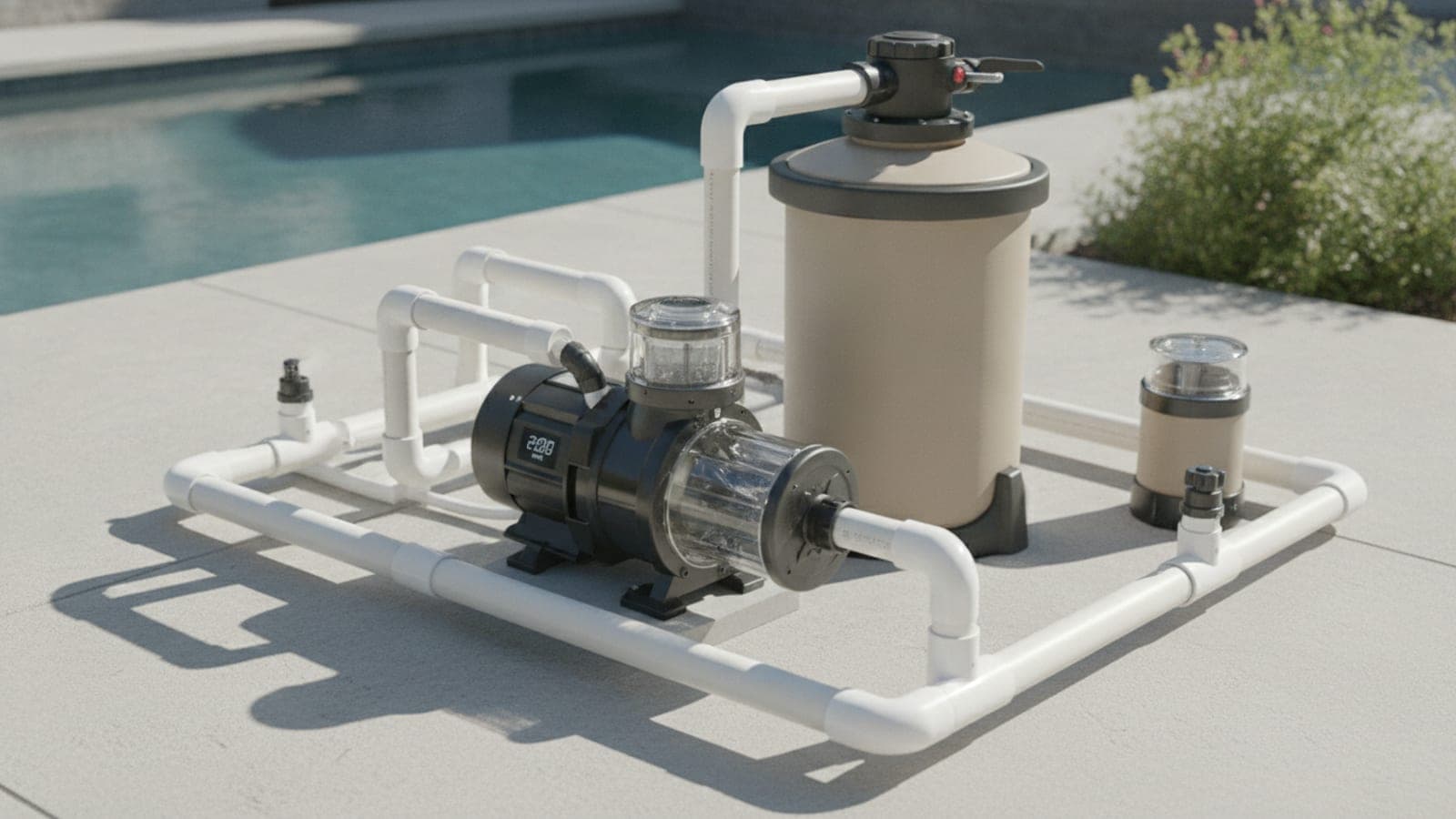
The pool pump sits in the middle of the whole system. It pulls water from skimmers and drains, pushes it through the filter, and sends it back through returns. If you have a heater, salt cell, water feature, cleaner line, or automation system, the pump affects those too.

A strong buying page should compare pumps by:

  • Pool volume and target turnover.
  • Flow range.
  • Variable-speed programming.
  • ENERGY STAR certification.
  • Voltage and installation requirements.
  • Plumbing connection size.
  • Filter compatibility.
  • Noise.
  • Warranty.
  • Replacement-part availability.
  • Controls and automation compatibility.

That is more useful than pretending one pump is best for every backyard. A small above-ground pool, a large inground pool, and a pool with spa spillover do not need the same setup.

Before any product card appears, this page should send readers to the pool pump size calculator. The calculator should estimate target flow based on gallons, turnover goal, equipment, and plumbing caveats. Then the product cards can make sense.

Should you buy a single-speed, two-speed, or variable-speed pump?

Most homeowners comparing new pumps should start with variable-speed models, then work backward only if budget, rules, or equipment constraints require it. Variable-speed pumps can run at lower speeds for routine circulation and higher speeds when the pool needs more flow.

Here is the plain-English version:

Pump typeBest forMain upsideMain downside
Single-speedOlder replacement situations where allowed and appropriateSimpleUsually less efficient and less flexible
Two-speedOwners who want some control without full programmingBetter than one speedLess flexible than variable speed
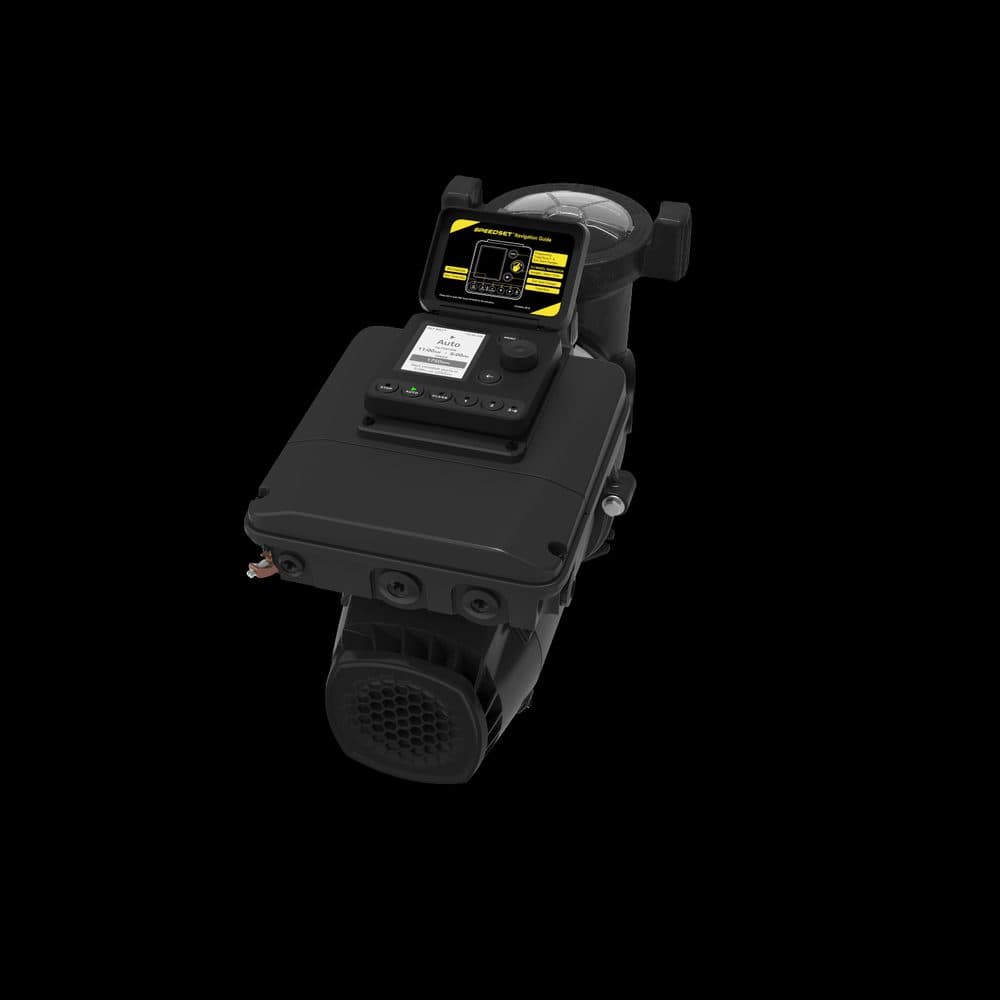
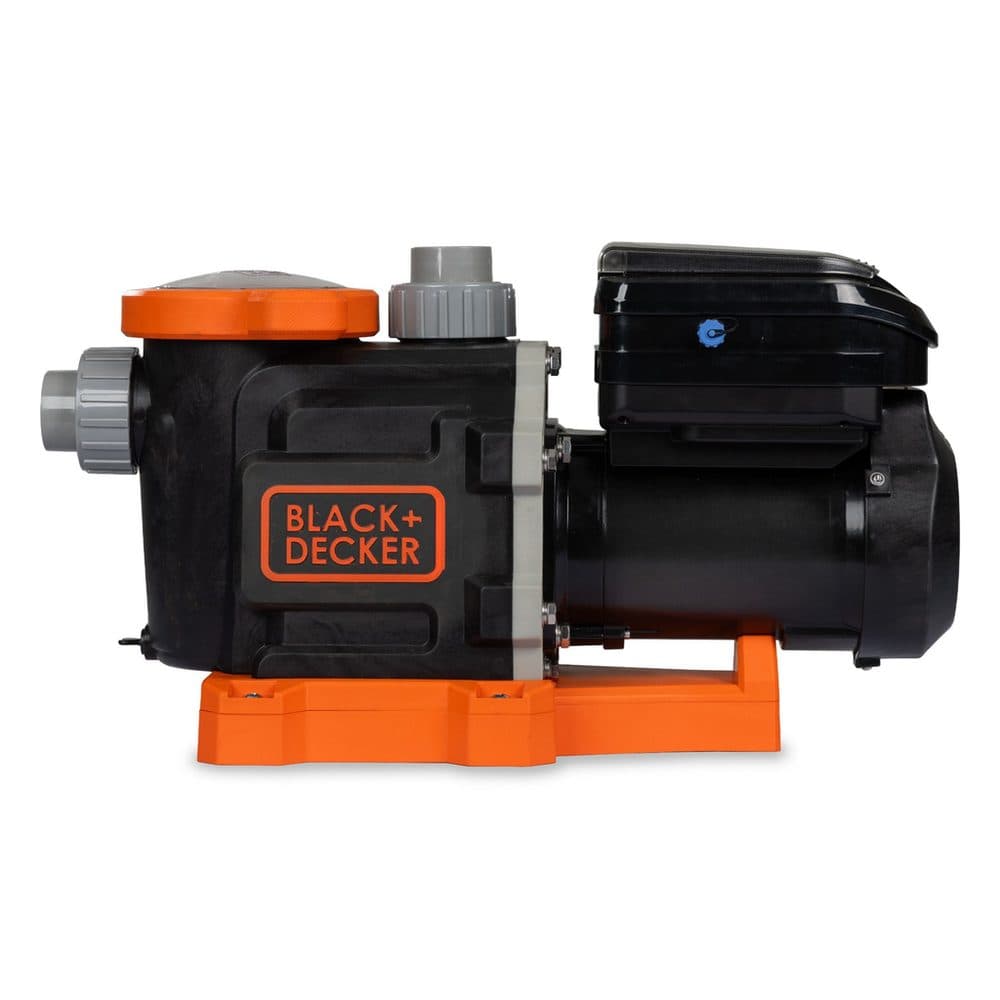
Variable-speedMost serious pump replacementsFlexible, quieter at low speed, energy-saving potentialHigher upfront cost and more settings

ENERGY STAR says certified pool pumps run quieter and can save a lot of energy over their lifetime. That does not mean every owner gets the same savings. A pump running in Arizona all year at high electric rates has a different payback story than a short-season pool that runs lightly.

The point is to compare total ownership cost, not just the checkout price. A cheap pump that runs loudly and wastes electricity is not cheap. It is just quiet about the second bill until the utility company sends it.

How much pump size do you actually need?

You need enough pump to turn over the pool, support the filter, and satisfy flow-dependent equipment. You do not need a pump so strong it overwhelms the plumbing, filter, or wallet.

Start with these inputs:

  1. Pool gallons from the pool volume calculator.
  2. Desired turnover period.
  3. Filter type and maximum flow rating.
  4. Plumbing size and layout.
  5. Heater or salt cell minimum flow needs.
  6. Water features, spa mode, cleaner lines, or automation.
  7. Local electrical and code requirements.

The calculator can estimate a target gallons-per-minute range. But the final pump choice still needs confirmation against the equipment manuals. Filters have limits. Heaters have minimums. Salt cells may require flow switches. Plumbing creates resistance. This is why "my friend has a 2 HP pump" is not a sizing method.

If you are replacing an old pump, do not automatically match the horsepower. Older pumps may have been oversized. Motors and labels can also be confusing because total horsepower and service factor can tell a different story than the big number people remember.

Why is horsepower not enough to compare pool pumps?

Horsepower is only one part of the pump story. A pump's real usefulness depends on its flow curve, motor type, plumbing resistance, speed settings, and how well it works with your pool system.

A homeowner shopping by horsepower alone can make three mistakes:

  • Buy too much pump and waste energy.
  • Buy too little pump and struggle with circulation.
  • Buy a pump that does not match the filter or equipment.

The better question is: what flow does the pump deliver in your system? A pump connected to short, simple plumbing may behave differently than the same pump pushing through long runs, elbows, a heater, a cartridge filter, and a raised spa.

This is where a product comparison table should include more than horsepower.

What specs should the comparison table show?

A useful best-pool-pumps page should compare buying details that change the decision. Do not bury the important stuff under ten paragraphs of shiny motor adjectives.

Use a table like this:

Product slotBest forPump typeVoltageENERGY STARSpeed controlPlumbing sizeWarranty note
Top pickMost inground replacementsVariable-speedConfirm modelYes/NoProgrammableConfirmVerify retailer/manufacturer
Budget pickSimple small poolsTwo-speed or value VSConfirm modelConfirmLimited or programmableConfirmVerify
Above-ground pickSmaller systemsMatched pump/filter setupConfirmConfirmBasicConfirmVerify
Premium pickAutomation-heavy poolsVariable-speedConfirmYes/NoAdvanced controlsConfirmVerify
Quiet pickEquipment near living spaceVariable-speedConfirmYes/NoLow-speed friendlyConfirmVerify

[AFFILIATE_MODULE: best-pool-pumps]

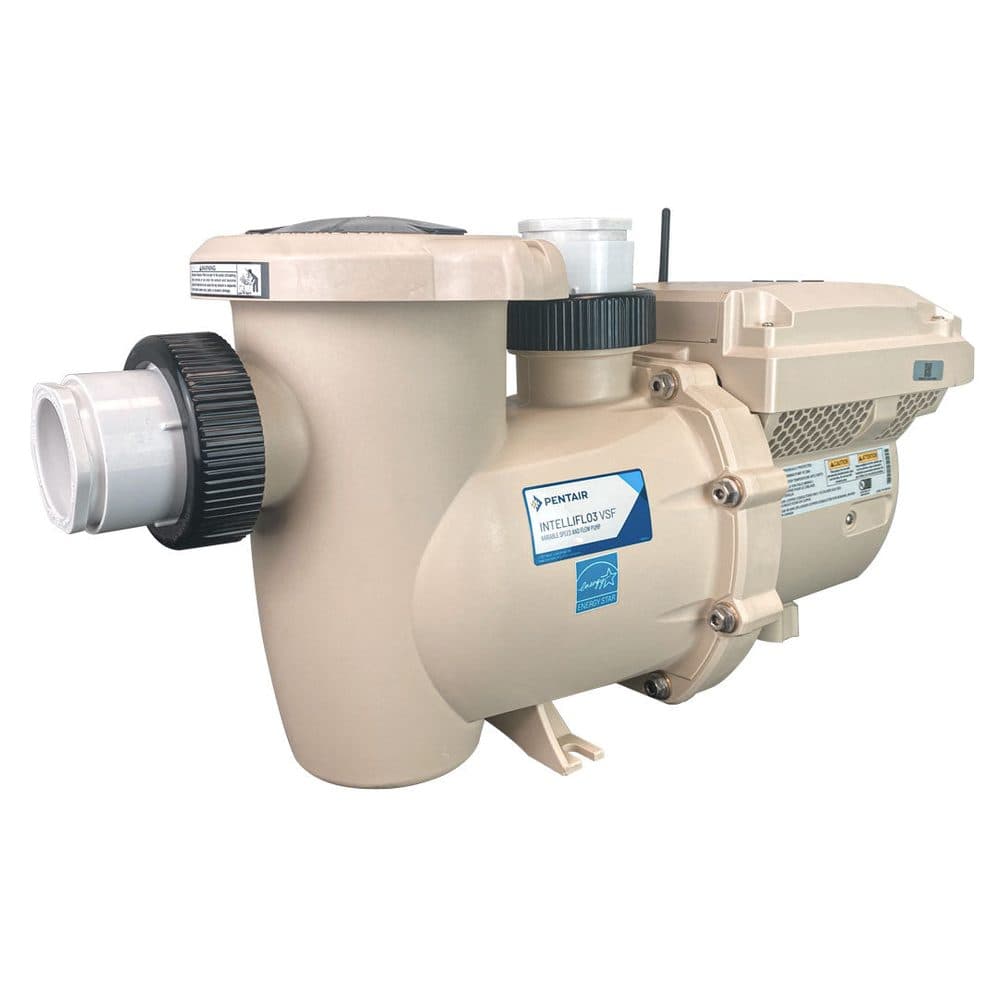
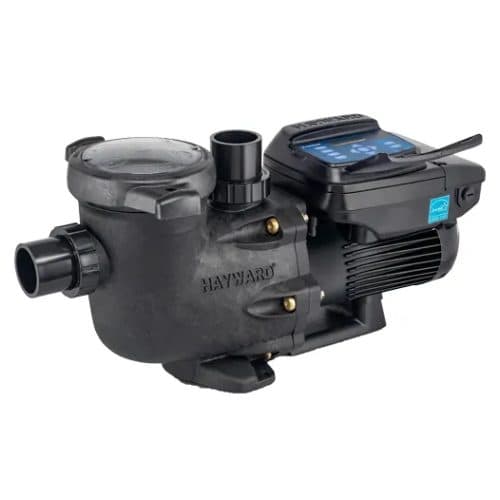
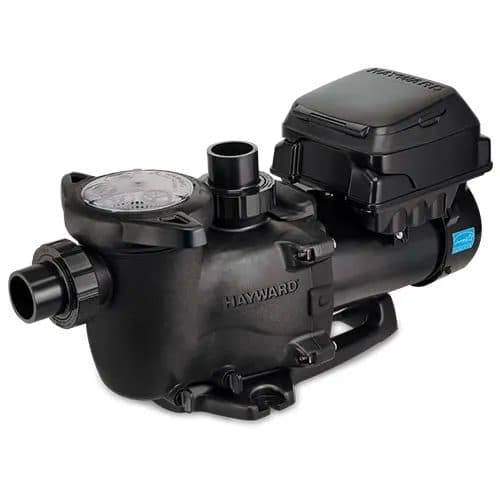
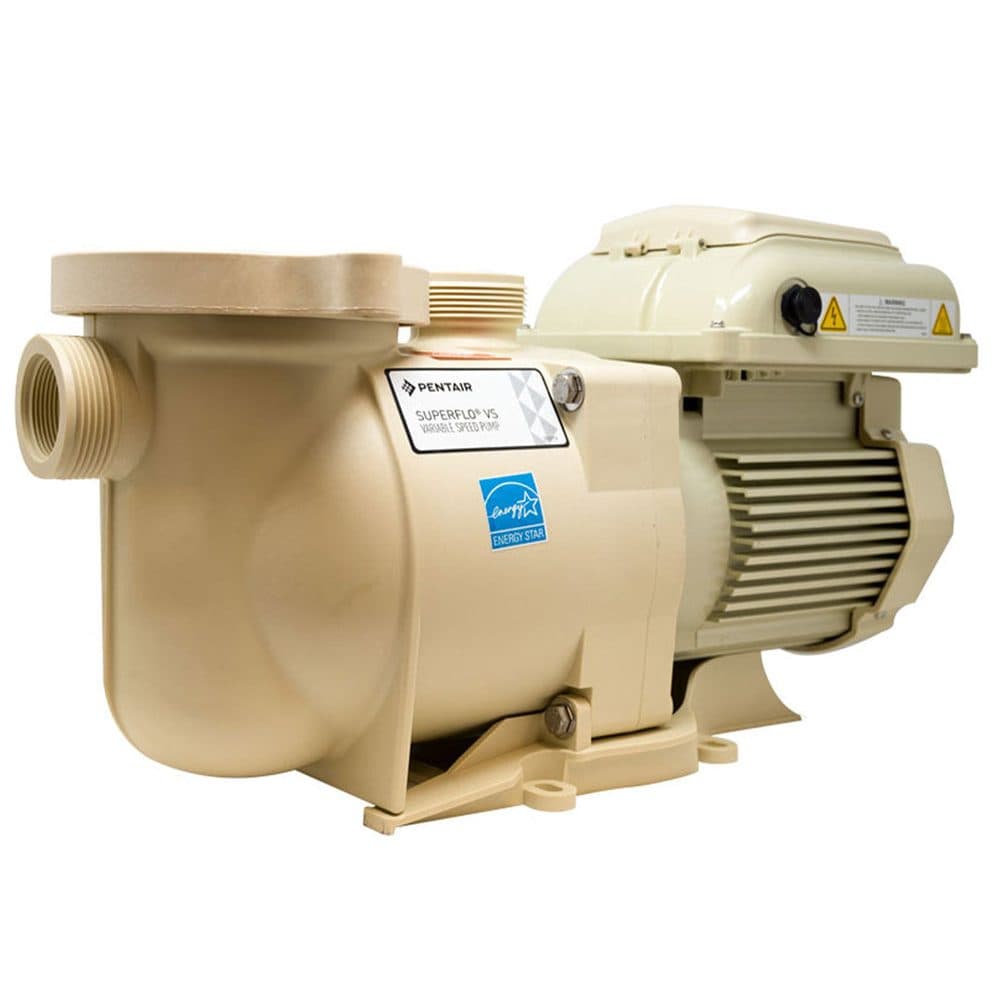
  • Top pick variable-speed pump.
  • Budget variable-speed pump.
  • Above-ground pump/filter option.
  • Replacement pump basket and o-ring.
  • Pump unions and fittings.
  • Timer or automation accessory.

Do not publish fake product rankings. Pull the final product cards from verified product records with current specs, warranty language, and retailer links. If you are not sure, say "spec not confirmed" instead of decorating a guess.

Which pool pump type fits which owner?

A pump choice gets easier when you match it to the owner instead of the fantasy pool in the brochure.

Owner situationUsually compare firstWhy
Existing inground pool with older pumpVariable-speed replacementMore flexible run schedules and potential savings
Small above-ground poolMatched pump/filter systemSimpler setup and lower flow needs
Pool with spa or water featuresHigher-capability variable-speed pumpNeeds different speeds for different modes
Pool with high electric ratesENERGY STAR variable-speed pumpRuntime costs matter more
Cloudy water problemFilter, chemistry, and runtime firstPump may not be the root issue
DIY owner with basic setupSimple controls and clear manualFewer settings to mess up

This article should internally link to sand filter vs cartridge filter because the pump and filter have to work together. A powerful pump attached to the wrong filter is not a flex. It is a plumbing argument.

What affiliate products belong on this page?

The main affiliate module should include pumps, but supporting products can earn too. People replacing a pump often need small parts that become annoying when forgotten.

Recommended modules:

[AFFILIATE_MODULE: pool-pump-main]

  • Variable-speed pump.
  • Above-ground pump/filter system.
  • Pump timer.
  • Automation-compatible controller.
  • Pump unions.
  • Replacement pump basket.
  • Lid o-ring.
  • Pool pump energy monitor.

The page should also include a reminder: electrical work, bonding, plumbing changes, and code-sensitive installation are not good places to improvise. Product affiliate links are helpful. They do not replace a qualified installer.

What does a worked pump choice look like?

Say a homeowner has a 20,000-gallon inground pool, a cartridge filter, no spa, no major water features, and a pump that runs loud enough to make the patio feel like a laundromat in a thunderstorm.

The decision path might be:

  1. Confirm pool volume.
  2. Use the pool pump size calculator to estimate flow needs.
  3. Check the cartridge filter's maximum flow rating.
  4. Check plumbing size.
  5. Compare ENERGY STAR variable-speed pumps that fit the electrical setup.
  6. Favor a programmable model that can run lower for daily circulation.
  7. Use the pool pump run time calculator to plan a schedule.
  8. Confirm installation requirements before ordering.

That is a smarter path than "buy the biggest pump with the most stars."

When should you call a pool professional?

Call a pool professional or electrician when the pump replacement involves wiring, bonding, voltage changes, plumbing changes, automation, heater flow, spa modes, or freeze-risk equipment. Also call someone if your current pump failed because of leaks, air problems, overheating, or repeated breaker trips.

A new pump can expose old problems. Air leaks, clogged lines, undersized plumbing, dirty filters, stuck valves, and bad electrical connections can all make a new pump look guilty.

The best purchase is the one that works after installation, not the one that looked good in the cart.

External sources to verify before publishing

Frequently asked questions

What is the best pool pump for most homeowners?

For many pools, the best pool pump is a properly sized variable-speed pump that matches the pool volume, plumbing, filter, and equipment. Oversizing can waste money and create flow problems.

Is a variable-speed pool pump worth it?

Often, yes, especially for pools that run many hours per day. ENERGY STAR says certified pool pumps run quieter and can save significant energy over their lifetime, but the actual savings depend on electricity rates, run time, plumbing, and settings.

Should I buy the biggest pool pump I can afford?

No. A bigger pump is not automatically better. The pump should match the required flow, filter capacity, plumbing size, heater or salt system requirements, and turnover goals.

How do I know what size pool pump I need?

Start with pool volume, desired turnover, plumbing limits, filter flow rating, and equipment requirements. Use a pump size calculator, then confirm the final choice with the pump manual or a pool professional.

Can a new pump fix cloudy water?

Sometimes, but not always. Cloudy water may come from chemistry, filtration, dead algae, dirty cartridges, poor circulation, or too little run time. Do not replace the pump until you diagnose the actual cause.
The weekly skim

One short email a week: what to test, what to buy, and what to skip. No daily drip. Unsubscribe anytime.

Keep reading