Surface debris is a pool's most visible problem and its sneakiest one — leaves, bugs, pollen, and blossoms that get caught while floating never sink to stain the floor or clog your filter. A skimmer is how you catch them, and "skimmer" covers three very different tools: a manual net, an automatic solar skimmer, and a robotic surface cleaner. Here's the best of each.
Quick answer
| Pick | Type | Best for |
|---|---|---|
| Beatbot iSkim Ultra | Robotic solar | Highest-capacity automatic skimming |
| Aiper Surfer S2 | Robotic solar | Set-and-forget, dispenses chlorine |
| Betta SE Plus | Robotic solar | Value automatic skimming |
| Solar-Breeze NX2 Robotic Skimmer | Robotic solar | The original solar skimmer |
| ProTuff Pool Net Leaf Skimmer Rake | Manual net | Best manual deep net |
| Poolmaster Heavy-Duty Leaf Rake | Manual net | Value manual rake |
Best automatic overall: Beatbot iSkim Ultra
Premium · Cordless · Surface skimmer
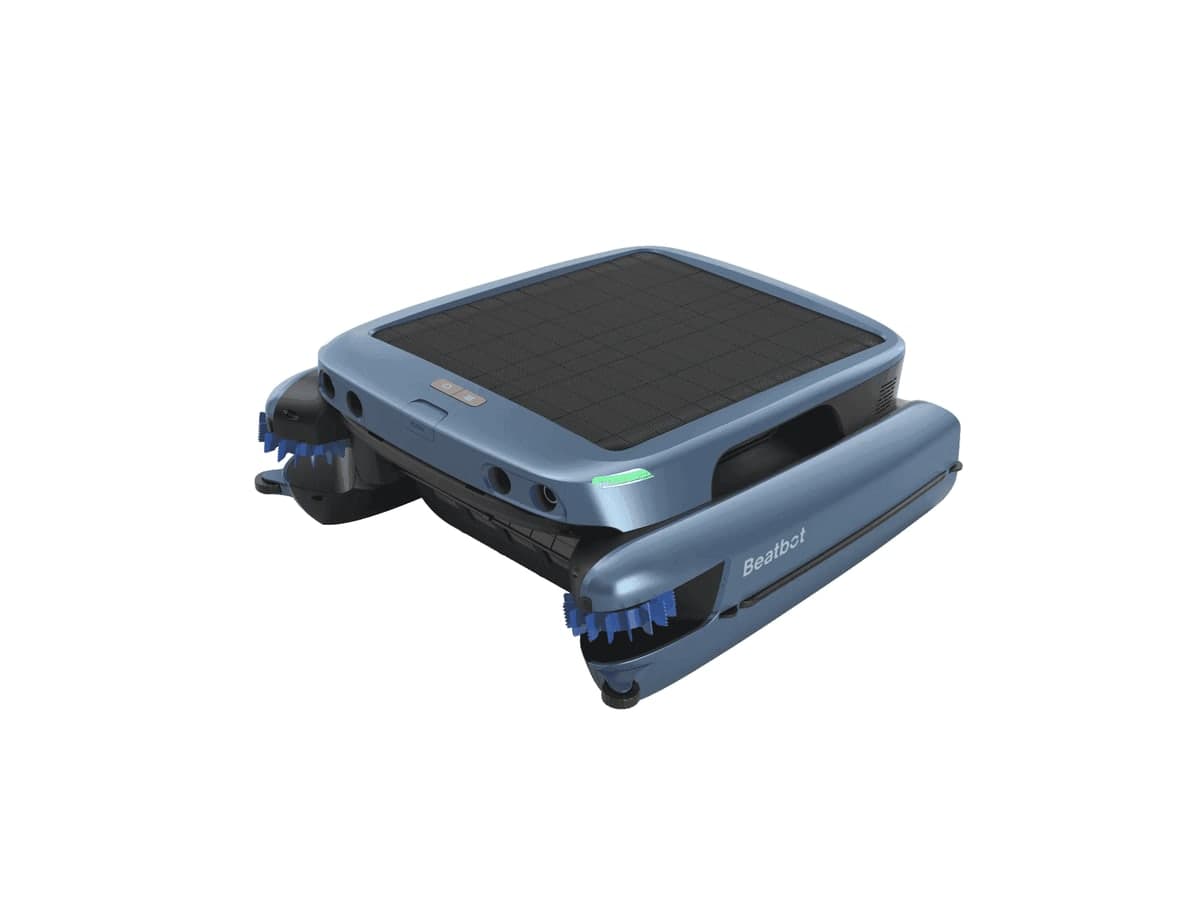
The Beatbot iSkim Ultra is the most capable automatic surface skimmer we've researched: a large, solar-assisted basket clears floating leaves all day and goes days between empties, while smart navigation covers the surface deliberately rather than drifting. In a tree-heavy yard, adding it to a floor robot is the single biggest cut to your workload. It's surface-only — a complement to a floor cleaner, not a replacement — and it sits at the top of the skimmer price range. For heavy leaf loads, nothing here matches its capacity.
Best set-and-forget: Aiper Surfer S2
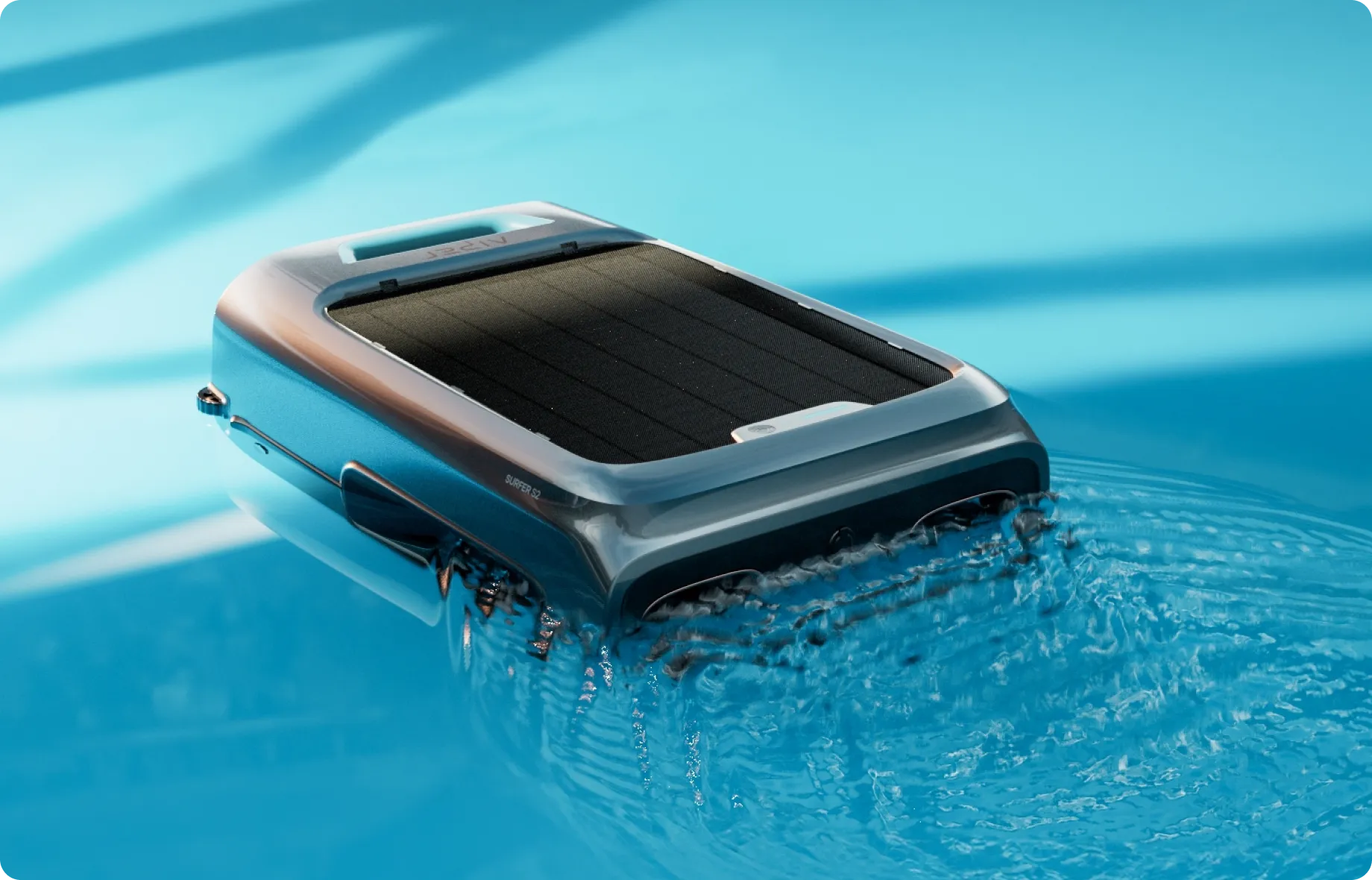
Mid-range · Cordless · Surface skimmer
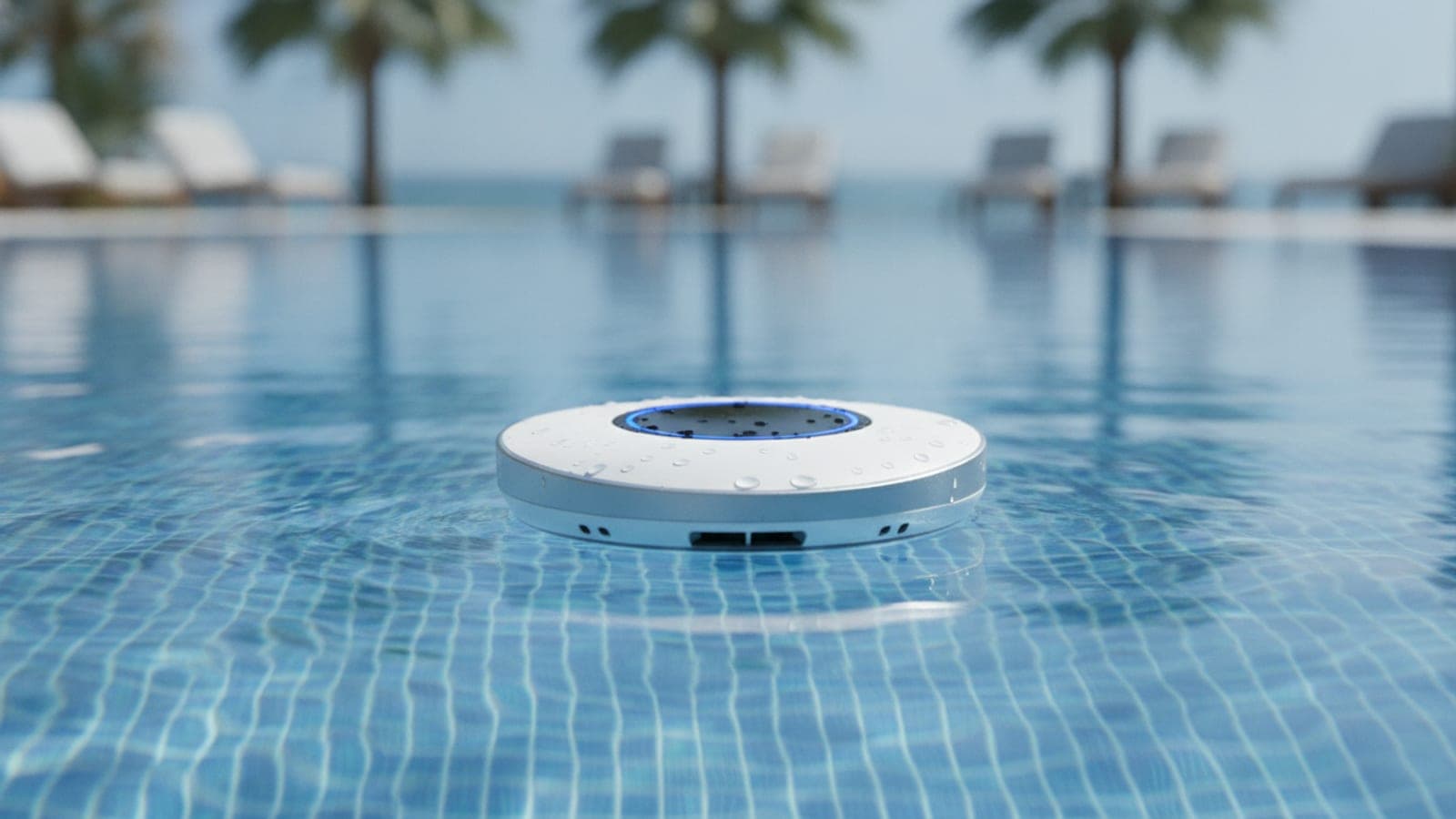
The Aiper Surfer S2 is the low-effort pick: a solar skimmer that runs itself on daylight and even dispenses chlorine as it drifts, so it handles floating debris and a little sanitizing at once. It's genuinely drop-in-and-ignore, with no cable and no daily fuss. The chlorine feature is a convenience, not a substitute for proper dosing, and its basket is smaller than the iSkim Ultra's. For steady, moderate surface debris, it's the easiest option to live with.
Best value automatic: Betta SE Plus
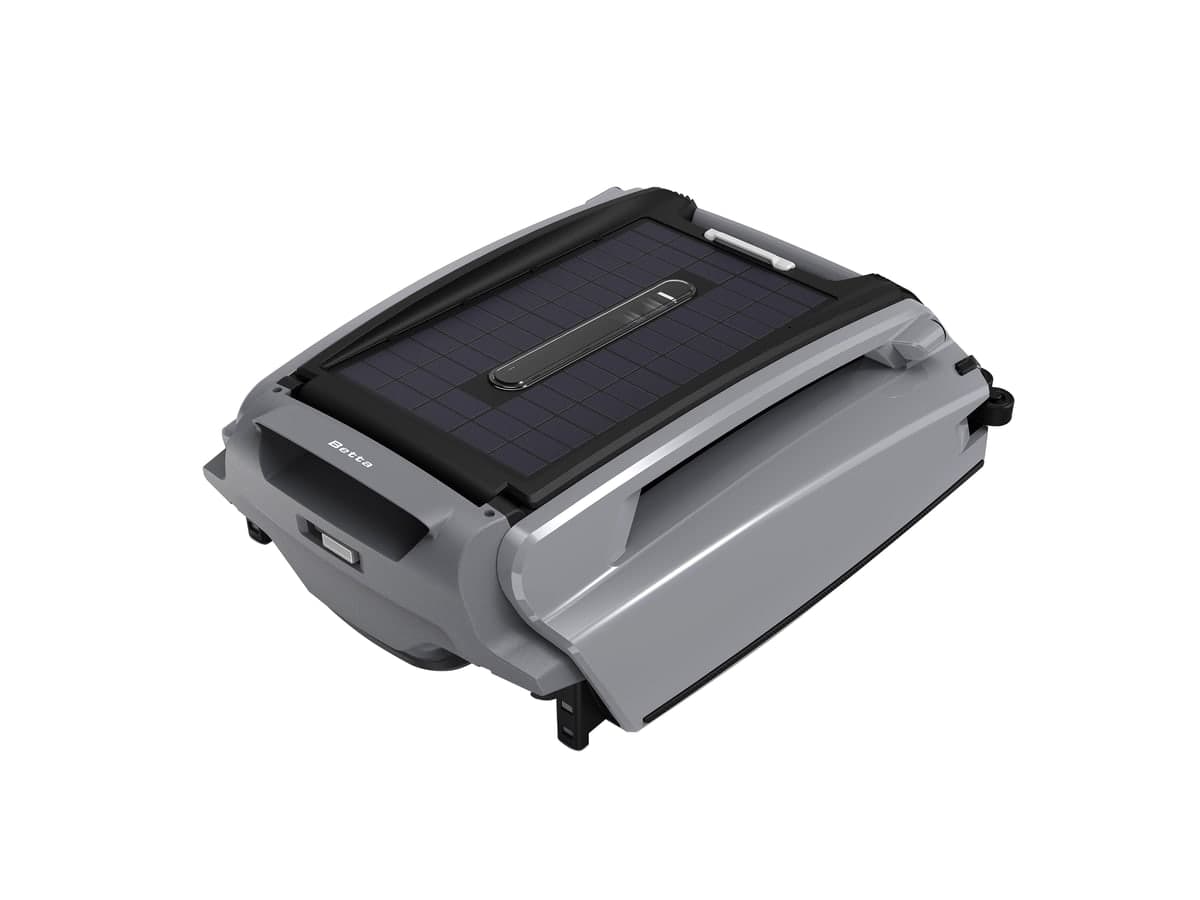
Budget · Cordless · Surface skimmer
The Betta SE Plus delivers automatic solar skimming with twin drive motors for better maneuvering, at a friendlier price than the flagships. It clears the surface on its own through the day and keeps working while you forget about it. The basket and navigation are more basic than the premium units', so expect to empty it more often. For a first robotic skimmer on a budget, it does the core job well.
The original solar skimmer: Solar-Breeze NX2 Robotic Skimmer
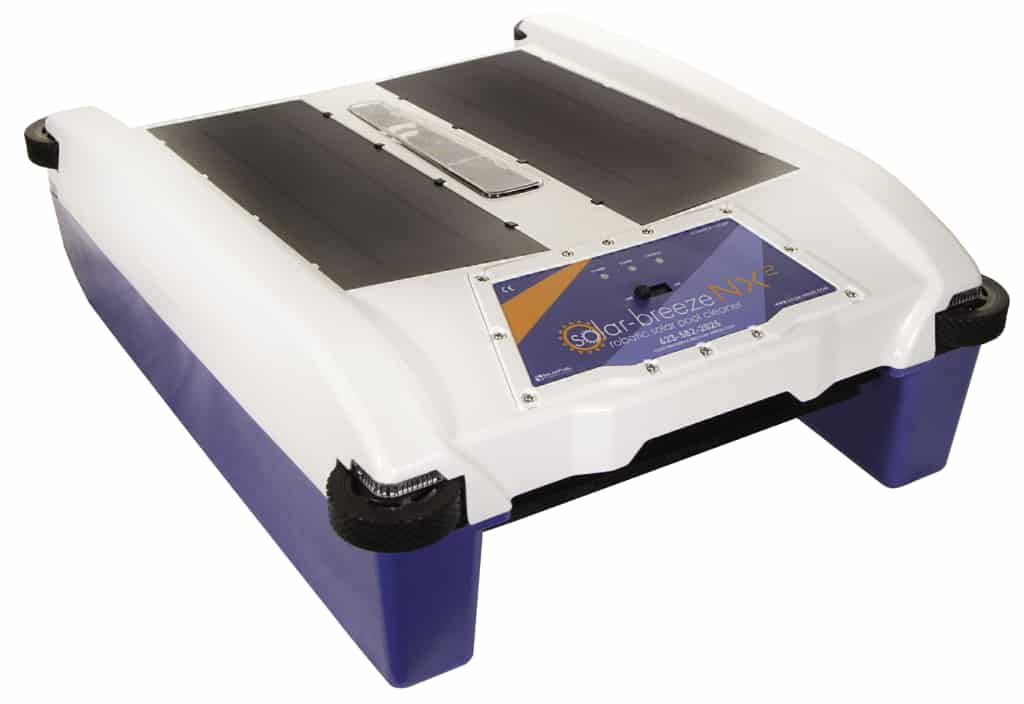
Mid-range · Cordless · Surface skimmer
The Solar-Breeze NX2 Robotic Skimmer popularized the whole category — a solar-powered surface cleaner that skims debris and helps distribute chemicals as it drifts. It's a proven, simple design without the app-driven navigation of the newer units, and it works best on calmer, less-obstructed pools. If you want the established name in solar skimming, this is it.
Best manual net: ProTuff Pool Net Leaf Skimmer Rake
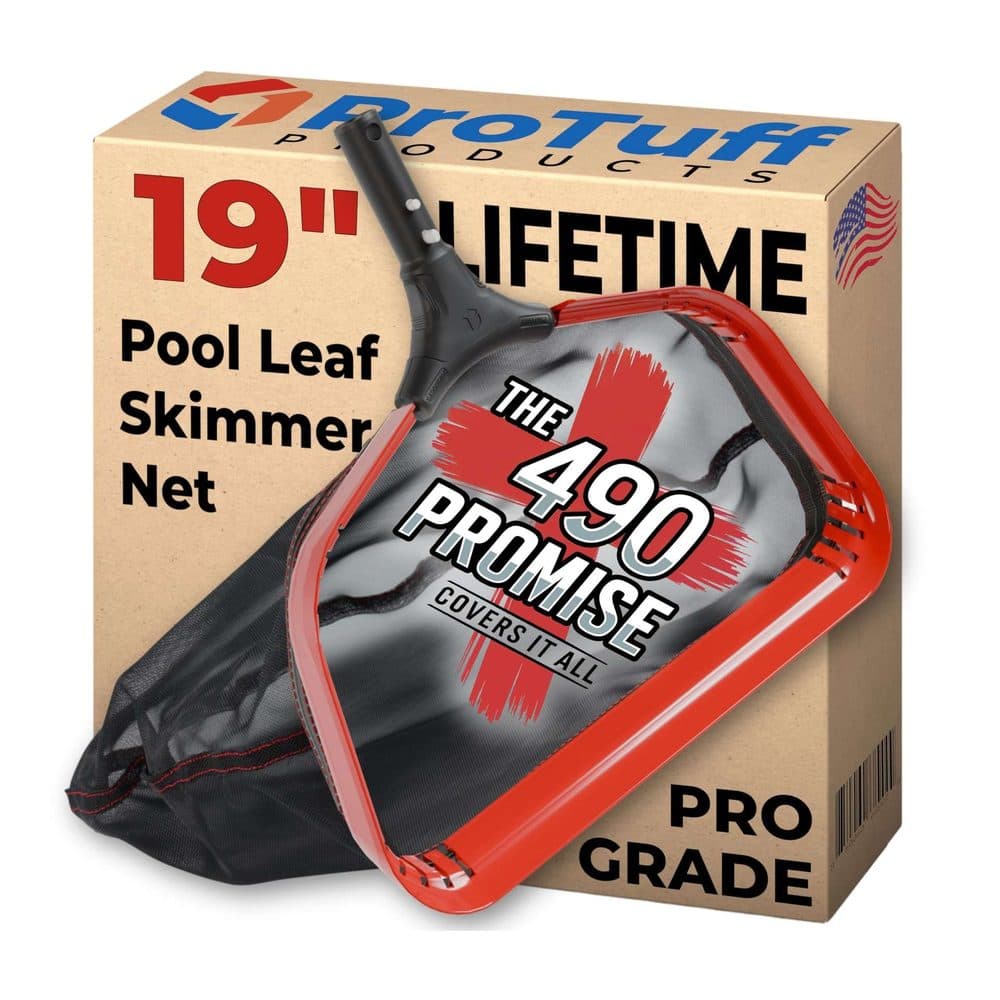
Mid-range
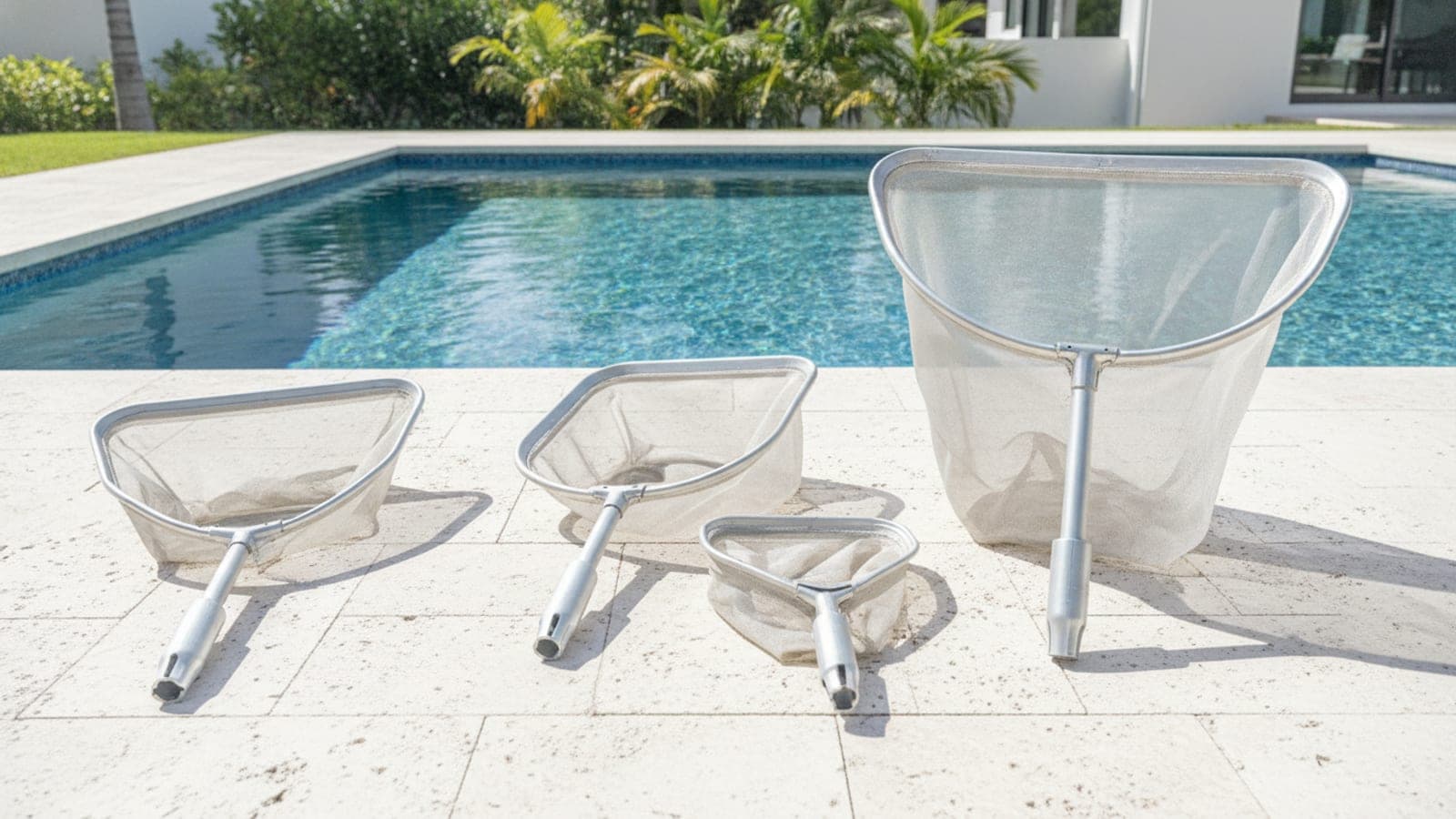
Even with an automatic skimmer, you want one good net — and the ProTuff Pool Net Leaf Skimmer Rake is a deep, sturdy rake that scoops volumes of leaves and sunken debris in one pass rather than the thin flat skimmers that bend and spill. Paired with a telescopic pole, it's the tool for a fast manual clear-out after a storm. For value, the Poolmaster Heavy-Duty Leaf Rake covers the same job at a lower price.
Best value manual rake: Poolmaster Heavy-Duty Leaf Rake
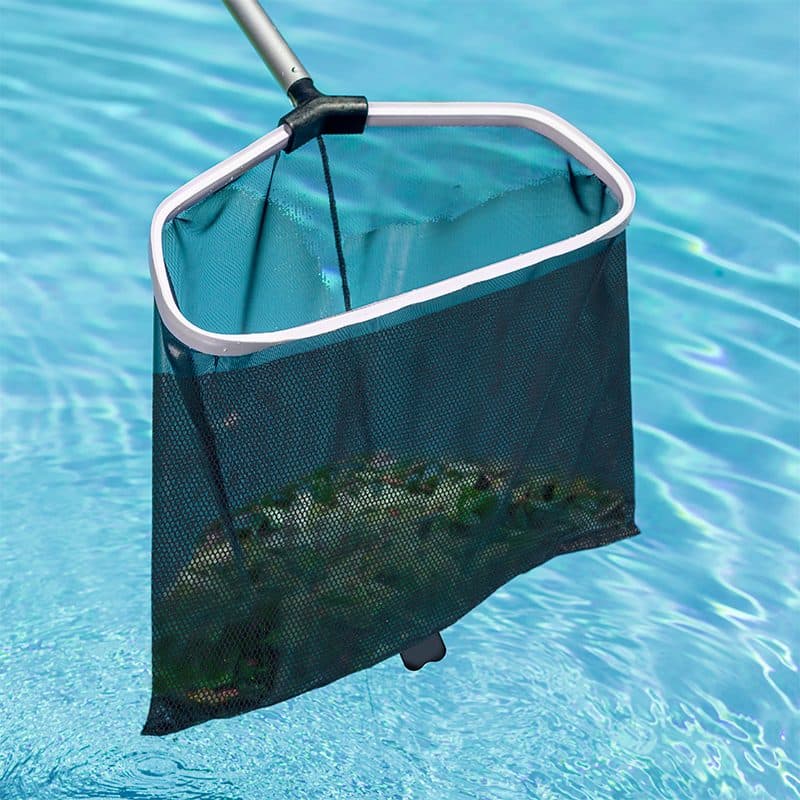
Budget
The Poolmaster Heavy-Duty Leaf Rake is the inexpensive workhorse net every pool should own: a reinforced rake for skimming the surface and scooping debris off the bottom, built tougher than the flimsy nets that ship with pool kits. It's the backup to any automatic system and the primary tool for owners who'd rather skim by hand. Add a Telescopic Pool Pole (8–16 ft) and it reaches the whole pool.
How to choose
Match the tool to the debris. Heavy, constant leaf fall in a treed yard? An automatic solar skimmer like the iSkim Ultra earns its price by working all day. Occasional debris and a tight budget? A good manual rake and pole is all you need. Many owners run both — an automatic skimmer for daily surface work and a deep net for storm cleanups. Prioritize basket capacity and easy emptying on any automatic model; the whole point is going days without touching it. And remember a skimmer collects debris, it doesn't balance water — chemistry is still on you.
Frequently asked questions
What is the best pool skimmer for most pools?
For most pools, the best starting setup is a deep leaf rake, a fine mesh skimmer net, clean skimmer baskets, and skimmer socks during pollen or fine-debris season. A robotic surface skimmer is useful if leaves and bugs land faster than you can manually skim.
Are robotic pool skimmers worth it?
They can be worth it for tree-heavy pools, windy yards, screened enclosures with lots of bugs, and owners who cannot skim every day. They are less necessary for small, low-debris pools.
Do skimmer socks help?
Skimmer socks help catch pollen, hair, insects, and small debris before it reaches the filter, but they must be checked often because a clogged sock can restrict flow.
Can a pool robot replace a skimmer?
A floor-cleaning robot does not replace surface skimming. It handles the floor and sometimes walls; a skimmer handles floating debris before it sinks.
What should I buy first for surface debris?
Buy a quality leaf rake and telescoping pole first. Then add skimmer socks or a robotic surface skimmer if the pool gets constant fine debris or leaf fall.