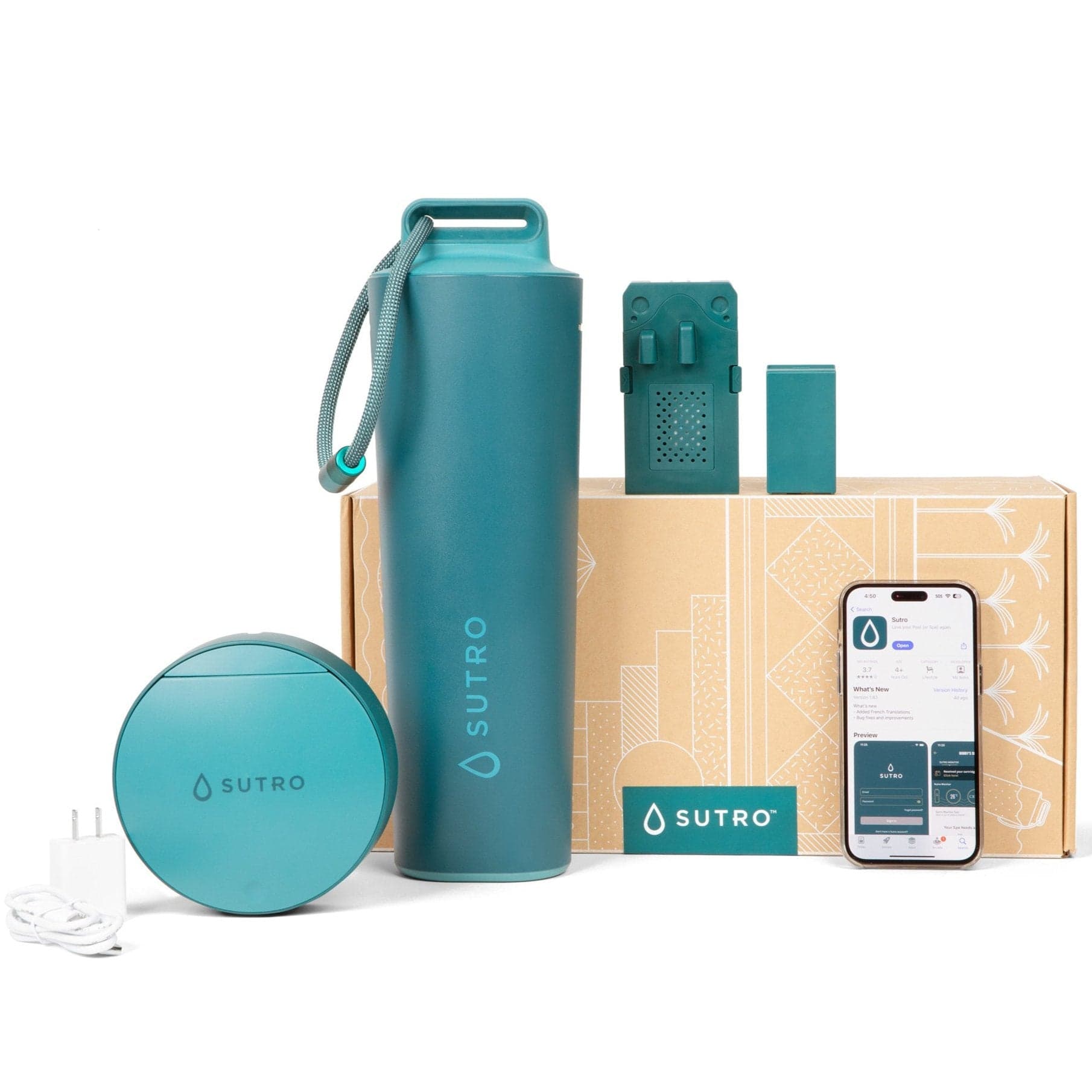
PoolGearGuide

Best Pool Water Monitors: Helpful Gadget or Pool Drama Detector?

By the PoolGearGuide editorial team · Updated 2026-07-03

Share

The best pool water monitors are helpful when they make testing easier and decisions clearer. They are annoying when they become another floating gadget that sends alerts, needs cartridges, loses Wi-Fi, and still leaves you asking whether the pool is safe.

A smart monitor can be a great tool. A test kit can also be a great tool. The trick is not picking the fanciest screen. The trick is knowing what problem you are trying to solve.

Key takeaways

  • A pool water monitor is most useful when it tracks the numbers you actually act on.
  • Smart monitors can reduce missed tests, but they do not remove the need to understand pool basics.
  • Ongoing costs matter: cartridges, sensors, subscriptions, reagents, and replacement parts can change the real price.
  • Always keep a reliable backup test method for strange readings, algae cleanup, opening, and closing.
  • The best choice depends on whether you want alerts, convenience, accuracy checks, or simple weekly testing.

Table of contents

What makes a pool water monitor worth buying?

A pool water monitor is worth buying when it solves a real owner problem: missed testing, confusing readings, travel, a salt system that drifts, or a pool that goes from fine to cloudy faster than your motivation recovers.

It is not worth buying just because the product photo looks futuristic. Pool water still cares about the basics: pH, sanitizer, alkalinity, stabilizer, calcium hardness, circulation, and cleanliness. A monitor can help you watch some of those numbers. It cannot make bad habits disappear.

A good monitor should do at least one of these:

  • Remind you to test.
  • Show trends over time.
  • Alert you when water moves out of range.
  • Help you avoid over-correcting.
  • Reduce trips to the pool store.
  • Make vacation or rental-property monitoring easier.
  • Pair readings with practical dosing guidance.

If it does not change what you do, it is a pool-themed notification device.

What numbers should a pool water monitor track?

The most important numbers are the ones that affect sanitation, comfort, and chemical decisions. CDC guidance for home pools highlights pH and chlorine as core water-quality numbers, with pH in the 7.0 to 7.8 range and chlorine guidance based on pool or hot tub use.

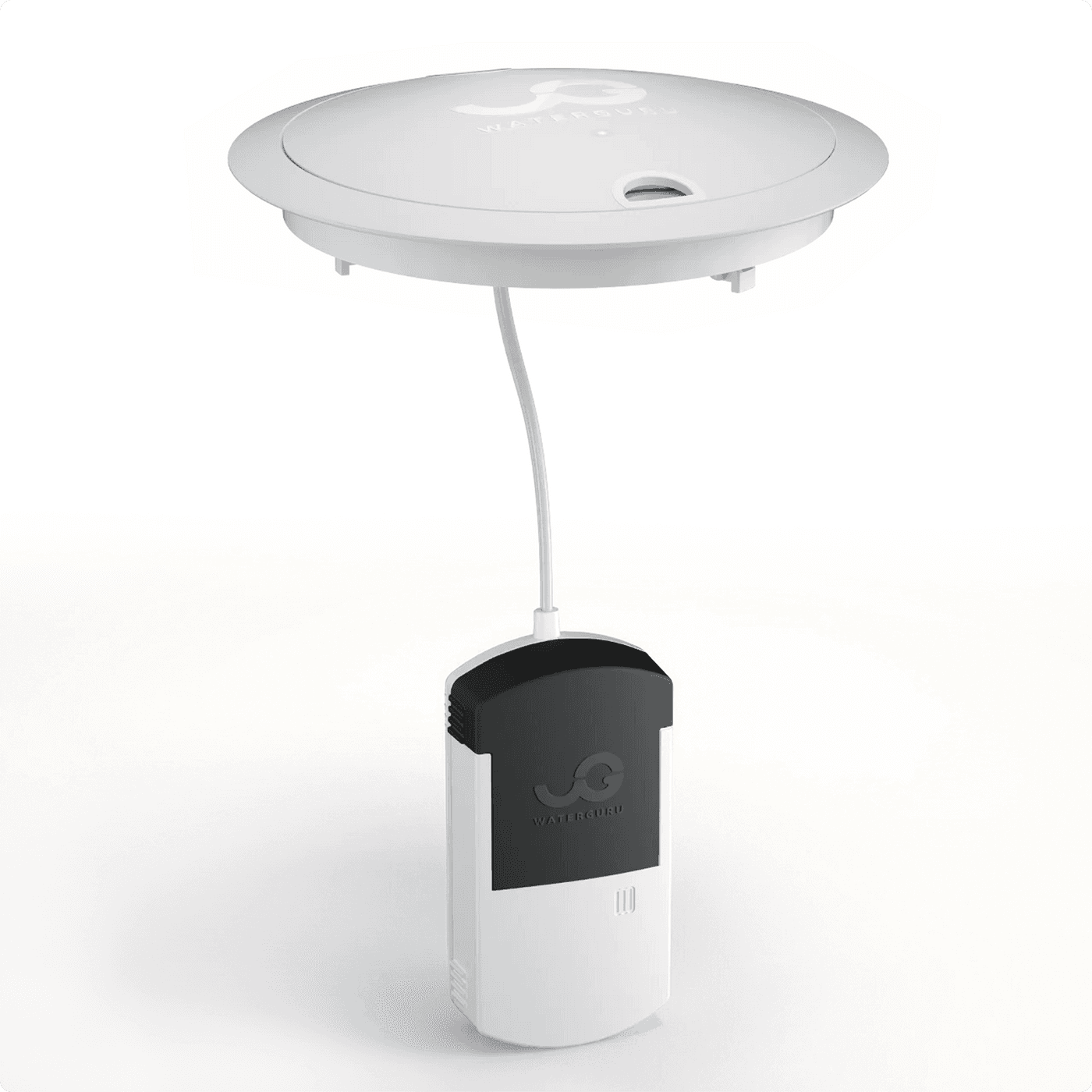
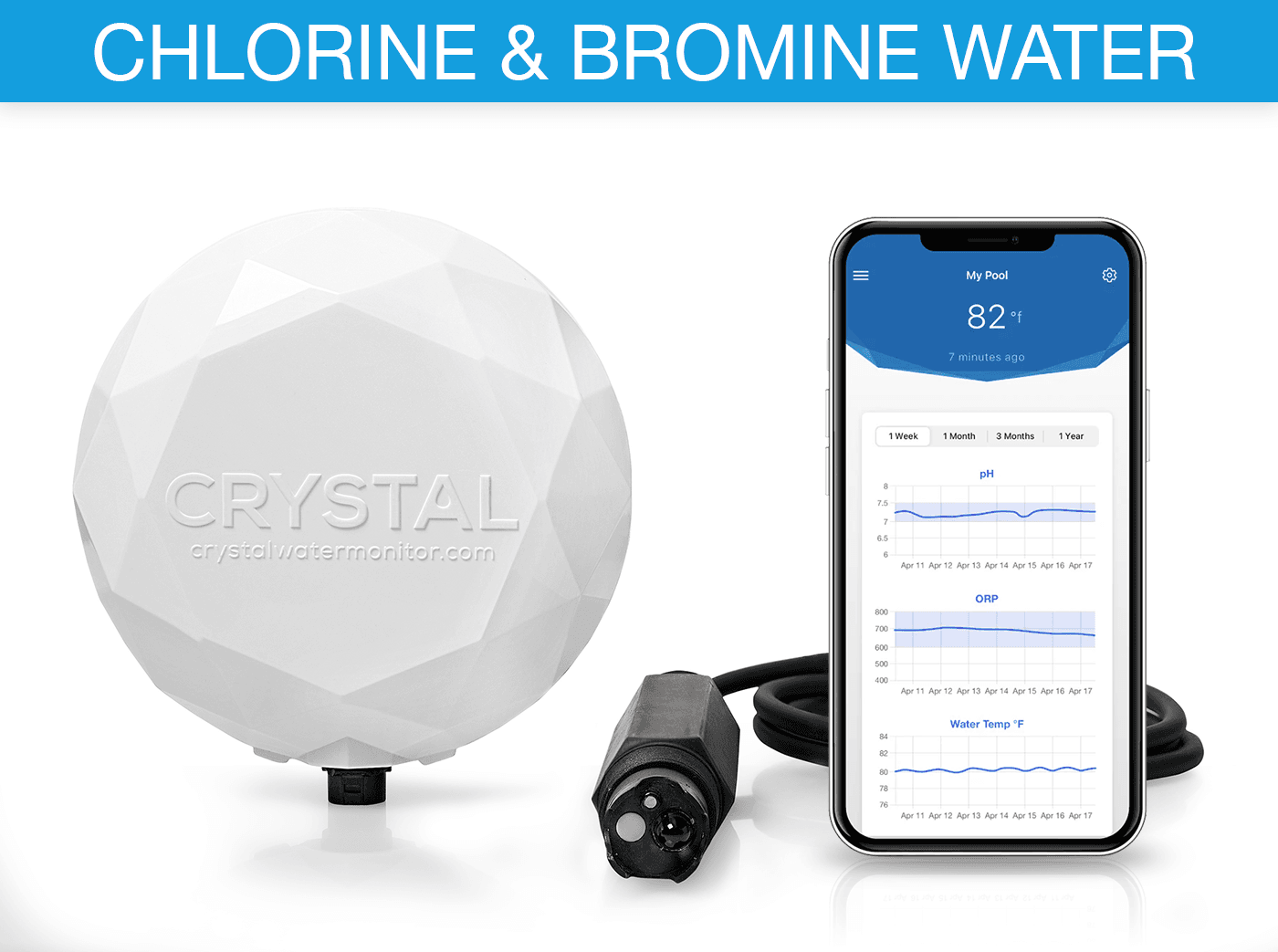
Different monitors measure different things. For example, WaterGuru's support materials describe cassettes that can measure free chlorine, pH, total alkalinity, cyanuric acid, and calcium hardness depending on the cassette. Crystal Water Monitor support says its sensors measure pH, ORP, and temperature, with monthly strip input for other readings.

Here is the practical version:

ReadingWhy it mattersMonitor value
pHAffects comfort and chlorine behaviorVery useful
Free chlorineMain sanitizer in chlorine poolsVery useful if directly measured
ORPIndicates oxidation potential, not the same as free chlorineUseful but needs understanding
TemperatureHelps trends and comfortNice to have
Total alkalinityHelps pH stabilityUseful, often less urgent day to day
CYA/stabilizerChanges chlorine behavior outdoorsUseful, but not always changing daily
Calcium hardnessMatters for surfaces and scalingUseful occasionally
SaltImportant for salt systemsUseful for saltwater pools

A monitor that measures fewer things is not automatically bad. A monitor that measures numbers you do not understand is not automatically good.

Should you choose a smart monitor, digital tester, or drop test kit?

Most pool owners should think of these as layers, not enemies. A smart monitor watches trends. A digital tester can make spot checks easier. A drop test kit is still the reliable adult in the room when something seems off.

OptionBest forUpsideDownside
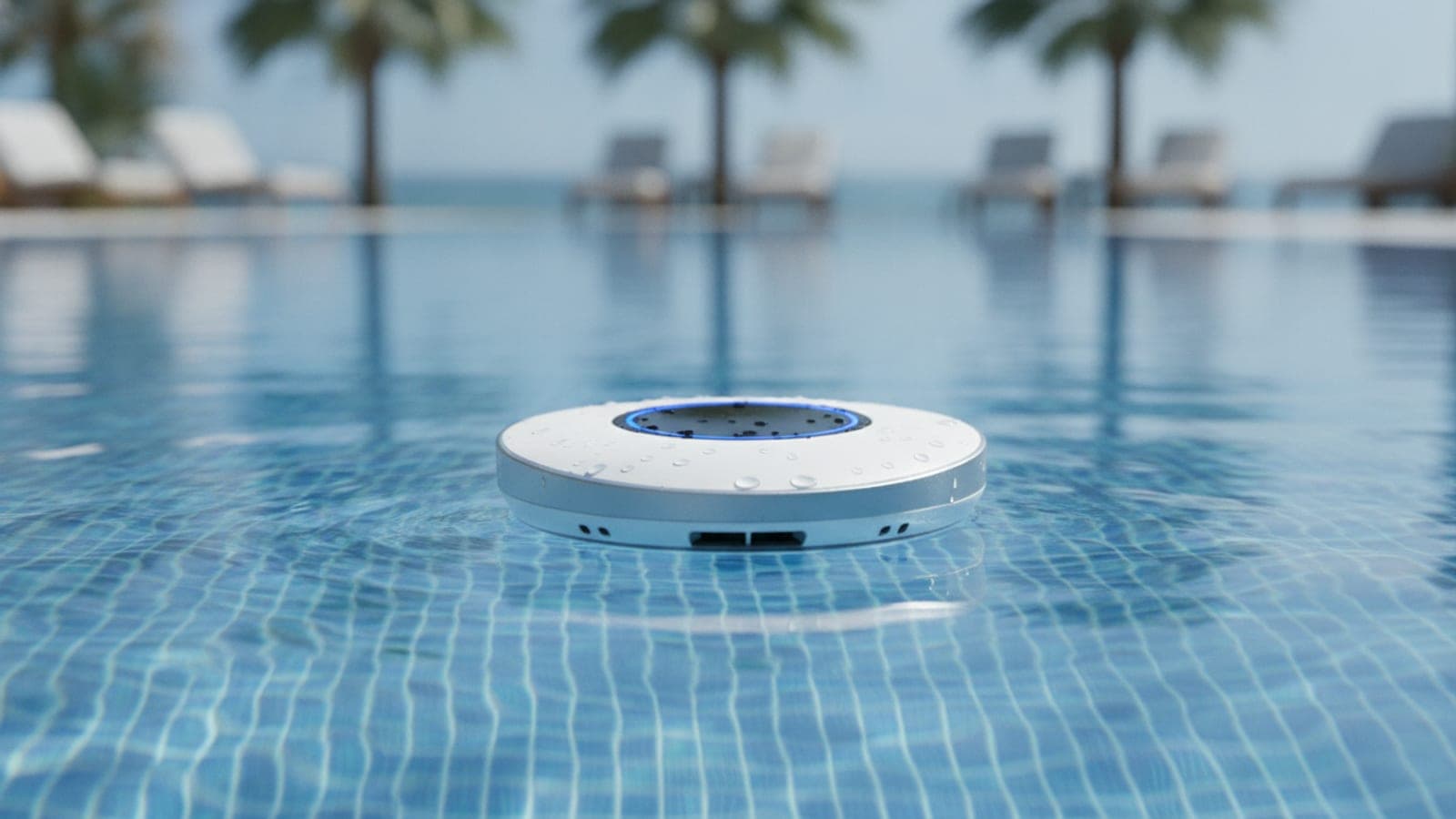
Smart floating/skimmer monitorOwners who want alerts and trendsConvenience and remindersOngoing costs, app/cloud dependency
Digital handheld testerOwners who dislike color matchingEasier readings than stripsReagents, calibration, device care
Drop test kitOwners who want control and verificationReliable, detailed, no app requiredTakes more time and attention
Test stripsQuick checks and backupCheap and fastLess precise, easy to misread

This page should not insult test strips. They have a place. It should also not pretend every smart monitor is a laboratory in a floaty outfit.

The best setup for many owners is a smart monitor for routine awareness plus a proper kit for confirmation, especially before using the pool pH calculator, chlorine calculator, or CYA calculator.

What hidden costs should you check?

The price on the monitor is only the first number. The real cost can include cartridges, reagents, sensors, subscriptions, replacement parts, batteries, shipping, and your tolerance for app drama.

Before buying, check:

  • Does it require a subscription?
  • Are cartridges or reagent packs required?
  • How often are they replaced?
  • What does the device measure without an add-on?
  • Does it need Wi-Fi at the pool?
  • Is the app required?
  • What happens if the company stops supporting the product?
  • Is there a warranty on the device or sensors?
  • Can you use your own chemicals?
  • Is it compatible with saltwater pools or hot tubs?

That cloud-service question matters. Pool gear can last for years. Apps and services do not always behave like ladders and leaf nets. If a product depends heavily on a subscription or cloud platform, the ongoing support is part of the product.

Which type of pool owner benefits most?

The best candidates for smart monitoring are owners who actually act on alerts and want fewer surprises. The worst candidates are people who want a device to make chemistry disappear.

Owner typeMonitor usefulnessWhy
Frequent travelerHighAlerts can catch problems early
Saltwater pool ownerMedium to highTrends help, but salt systems still need checks
New pool ownerMediumHelpful reminders, but basics still matter
Rental property ownerHighRemote visibility can be valuable
Hands-on chemistry nerdMediumMay prefer full manual control
Tiny seasonal pool ownerLow to mediumA good kit may be enough
Person who ignores alertsLowThe device cannot care on your behalf

If you already test every week and your water stays boring, a smart monitor may be a luxury. If you constantly forget until the pool looks like a science project, it may pay for itself in avoided chaos.

What should the comparison table show?

A useful comparison should not rank products on vibes. It should show what each monitor measures, what it costs to keep using, and how dependent it is on cartridges, subscriptions, or cloud services.

Use this structure:

Product slotMeasuresOngoing costApp requiredBest forVerify before publishing
Smart monitor pickConfirm exact parametersCartridge/subscriptionYes/NoBusy homeownersCurrent device specs
Budget tester pickpH/chlorine/basic readingsReagents or stripsNoSimple weekly testingReagent availability
Salt pool pickSalt-related compatibilitySensor/reagent costsMaybeSalt system ownersSalt compatibility
Backup kit pickManual chemistry testsReagentsNoVerificationTest range and refills

[AFFILIATE_MODULE: best-pool-water-monitors]

  • Smart water monitor.
  • Digital pool tester.
  • Drop test kit.
  • Reagent refill kit.
  • Test strips as backup.
  • Salt test kit.

This article should pull final product cards from verified product records. Do not invent rankings. If a monitor changes its cassette, subscription, app, or measured parameters, update the product card.

What affiliate products belong on this page?

The obvious affiliate products are smart monitors, but the better page includes a sensible stack:

  • Smart monitor for convenience.
  • Drop kit for confirmation.
  • Replacement reagents or cassettes.
  • Salt test strips or digital salt tester.
  • Storage case.
  • Basic chemical products tied to calculator pages.

The module should avoid fear. Something like "Never guess again" sounds nice, but it is not quite true. Better: "Watch your water trends, then confirm unusual readings before making big chemical changes."

That sounds less dramatic. It is also how real pool ownership works.

What does a worked buying decision look like?

Say a homeowner has a saltwater pool, travels for work, and keeps discovering low chlorine after sunny weeks. They do not need a random gadget. They need a monitoring setup that helps them catch drift before the pool clouds up.

A good path:

  1. Read pool chemistry basics.
  2. Confirm pool volume.
  3. Pick a monitor or tester that helps with pH and sanitizer awareness.
  4. Keep a backup kit for CYA, alkalinity, salt, and confirmation.
  5. Use the chlorine calculator only after confirming the reading.
  6. Track whether the salt cell, pump runtime, or stabilizer is the real problem.

The monitor helps because it creates a pattern. If chlorine drops every sunny weekend, the answer might not be "buy more chlorine forever." It could be CYA, salt-cell output, pump runtime, cell scale, or heavy swimmer load.

When should you skip the smart monitor?

Skip the smart monitor if the ongoing cost bothers you, Wi-Fi near the pool is terrible, you hate app-based devices, or your pool is small and easy to test manually. Also skip it if you expect it to replace every water decision.

A test kit and a weekly routine still solve many pools. The weekly pool maintenance checklist is boring on purpose. Boring water is the goal.

Buy the monitor when it fits your actual behavior. Not the behavior you imagine for yourself while reading product pages at 11:47 p.m.

External sources to verify before publishing

Frequently asked questions

Are smart pool water monitors worth it?

They can be worth it for owners who forget to test, travel often, manage a salt pool, or want alerts. They are not a full replacement for understanding basic pool chemistry or verifying odd readings with a reliable test kit.

What should a pool water monitor measure?

At minimum, a useful monitor should help with sanitizer and pH decisions. Some systems also track temperature, ORP, alkalinity, CYA, calcium hardness, flow, or salt-related information depending on the device and cartridge.

Can a smart monitor replace a drop test kit?

Not completely. A smart monitor can reduce routine guesswork, but a good test kit is still useful for verification, troubleshooting, opening, closing, algae recovery, and unusual readings.

What is the biggest downside of smart pool monitors?

The biggest downside is ongoing cost and dependency. Some monitors require cassettes, reagents, subscriptions, sensors, Wi-Fi, or cloud services. Check those costs before buying.

Should beginners buy a smart monitor first?

Beginners should first understand pH, chlorine, alkalinity, stabilizer, and pool volume. A monitor can help, but it should not become a black box that tells you to add things you do not understand.
The weekly skim

One short email a week: what to test, what to buy, and what to skip. No daily drip. Unsubscribe anytime.

Keep reading