PoolGearGuide

Converting a Chlorine Pool to Saltwater: What Changes?

By the PoolGearGuide editorial team · Updated 2026-07-03

Share

To convert a chlorine pool to saltwater, you add a properly sized salt chlorine generator, balance the water, add the right amount of pool salt, and set the system to make chlorine for you. The important twist: a saltwater pool is still a chlorine pool. It just has a little chlorine factory bolted to the plumbing.

Key takeaways

What actually changes when you convert to saltwater?

The biggest change is how chlorine gets into the water. Instead of adding all chlorine manually, a salt chlorine generator uses electricity and dissolved salt to produce chlorine as water passes through the cell.

That changes your routine, but it does not delete pool maintenance from your life. Sorry. The pool is not moving out and getting a job.

Before and after:

TaskTraditional chlorine poolSaltwater pool
Sanitizer sourceAdded manually through liquid, tablets, or other productsGenerated by salt cell from dissolved salt
Chlorine testingStill requiredStill required
pH testingRequiredRequired, often watched closely
Salt testingUsually not centralRequired
Cell inspectionNot applicableRequired periodically
Chemical storageOften more chlorine products on handUsually fewer routine chlorine products, but still chemicals
Upfront equipmentLower if no generatorHigher because generator and cell are added

The conversion can make routine chlorination easier. It does not make testing optional. A salt system that is set wrong can still leave you with low chlorine, algae, scale, or cloudy water.

For the full routine, link to saltwater pool maintenance for beginners.

Is a saltwater pool still a chlorine pool?

Yes. A saltwater pool is still sanitized with chlorine. The difference is that the chlorine is generated on-site from salt instead of only being poured, tabbed, or shocked into the water.

This matters because people often compare “chlorine vs saltwater” like they are opposites. They are not. The better comparison is:

Pool typeWhat sanitizes the water?
Traditional chlorine poolChlorine added manually
Saltwater poolChlorine generated from salt by the salt cell

CDC guidance still matters because chlorine and pH are still central to swimmer safety. CDC recommends pool pH between 7.0 and 7.8 and at least 1 ppm free chlorine in pools, or at least 2 ppm when cyanuric acid is used.

So if a salesperson says saltwater means “no chlorine,” translate that to “nope.”

What equipment do you need for a conversion?

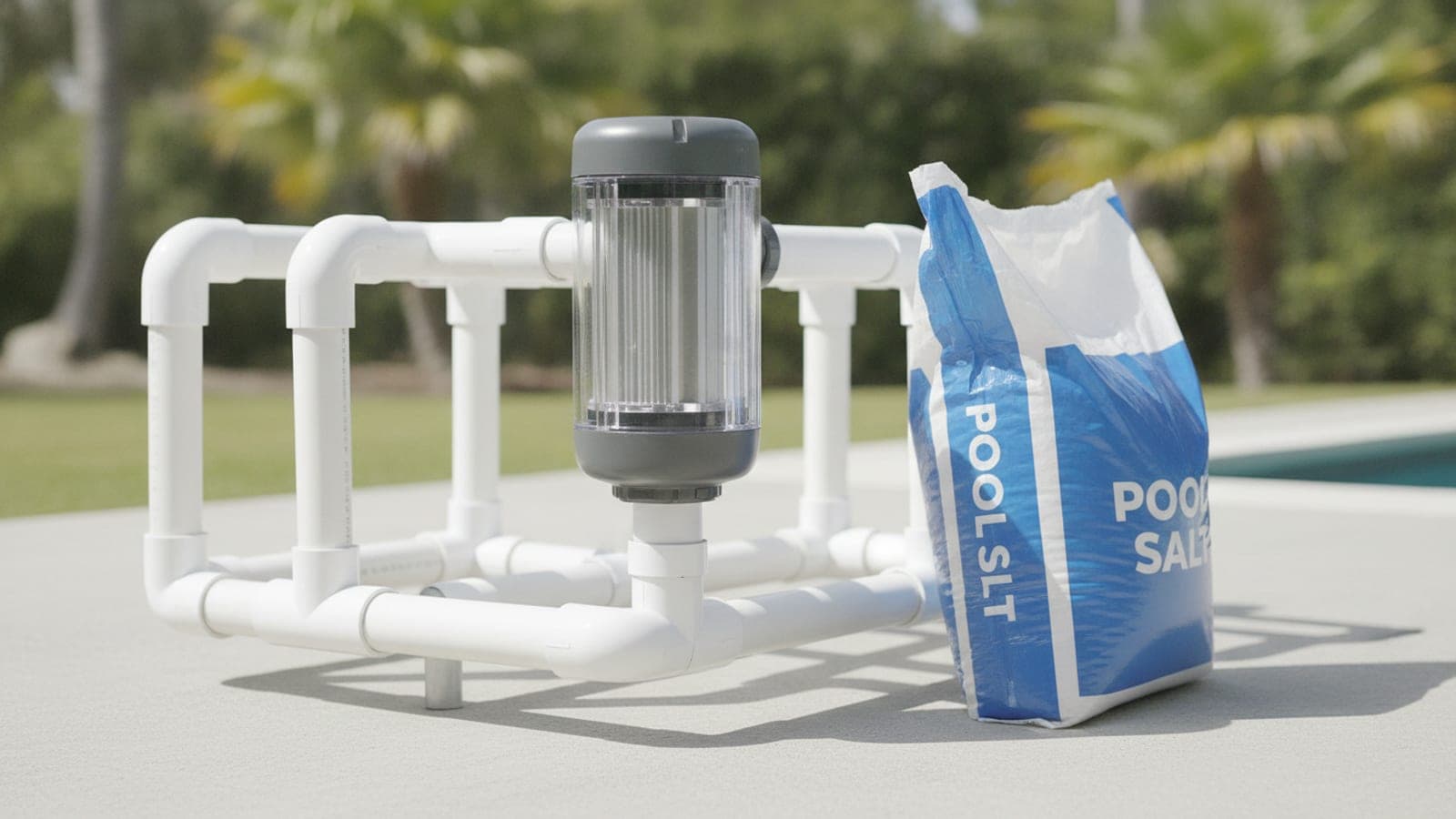
A saltwater conversion usually needs a salt chlorine generator system, a correctly sized salt cell, pool-grade salt, a salinity test method, and balanced water. The generator is the engine. The salt is the fuel. The test kit is the adult in the room.

Core items:

  • Salt chlorine generator control unit
  • Salt cell sized for your pool volume
  • Flow switch or sensor, depending on system
  • Professional installation supplies, if needed
  • Pool-grade salt
  • Salt test strips or digital salinity meter
  • Full water test kit
  • Salt cell cleaning stand or cap, if recommended

Sizing is important. Many owners choose a salt cell rated above their actual pool volume so it does not have to run at maximum output all the time. A cell that is too small may struggle during hot weather, heavy use, or long sunny stretches.

This is also where equipment compatibility matters. Check:

  • Pool volume
  • Plumbing size
  • Pump schedule
  • Automation system
  • Heater and metal component compatibility
  • Warranty requirements
  • Manufacturer installation instructions

If your equipment pad looks like three generations of homeowners made decisions with a flashlight, get a qualified installer involved.

How much salt do you add?

The amount of salt depends on pool volume, current salt level, and the target range for your exact salt system. Do not add salt until you know all three.

Use the pool salt calculator after testing the current salinity and confirming gallons with the pool volume calculator.

Different systems use different salt targets. Hayward says the ideal salt level is 2,700–3,400 ppm, with 3,200 ppm optimal. Pentair’s IntelliChlor Plus/LT page says 3,600 ppm is the ideal salt level for that system.

That difference is why “add X bags” advice can be dangerous. One pool’s perfect salt level can be another system’s warning light.

A practical planning table:

StepWhat to do
Measure pool volumeEstimate gallons before buying salt
Test current saltSome water already contains salt from prior chemicals
Check generator manualFind the system-specific target
Calculate pounds neededConvert to 40-lb bag count if needed
Add in stagesBrush and circulate until dissolved
RetestConfirm before adding more

Never add salt directly into the skimmer unless your manufacturer says to. Spread it across the pool, brush it around, and let the pump circulate.

Do you need to drain the pool first?

Most chlorine-to-salt conversions do not require draining the pool if the water is clear, balanced, and not overloaded with other problems. You are usually adding salt to existing water, not starting from scratch.

You might need partial drain/refill if:

  • Cyanuric acid is extremely high
  • Calcium hardness is too high for your surface and climate
  • Salt is already above the target
  • Metals or stains are a known problem
  • The water has been neglected for a long time
  • The pool has a chemical conflict that cannot be corrected normally

Before converting, test the full panel:

ReadingWhy it matters
Free chlorineConfirms sanitizer status
pHAffects comfort, equipment, and chlorine performance
Total alkalinityHelps control pH drift
Calcium hardnessScale risk matters with salt cells
Cyanuric acidProtects chlorine outdoors but can get too high
SaltEstablishes starting point
MetalsHelps prevent staining surprises

If the pool is green, convert later. Clear and balance first. A salt system is not a magic algae eraser. It is more like a steady worker. It does not enjoy inheriting a swamp.

How does maintenance change after converting?

After converting, you still test water, brush, clean filters, and manage chemistry. The routine shifts from adding chlorine regularly to monitoring chlorine production, salt level, pH, and cell condition.

Common post-conversion tasks:

  • Test free chlorine and pH often at first
  • Adjust generator output by season and use
  • Test salt level periodically
  • Inspect the salt cell for scale
  • Keep pH from drifting high
  • Maintain cyanuric acid in the range recommended for your system
  • Clean the filter as needed
  • Brush steps, corners, and low-flow spots

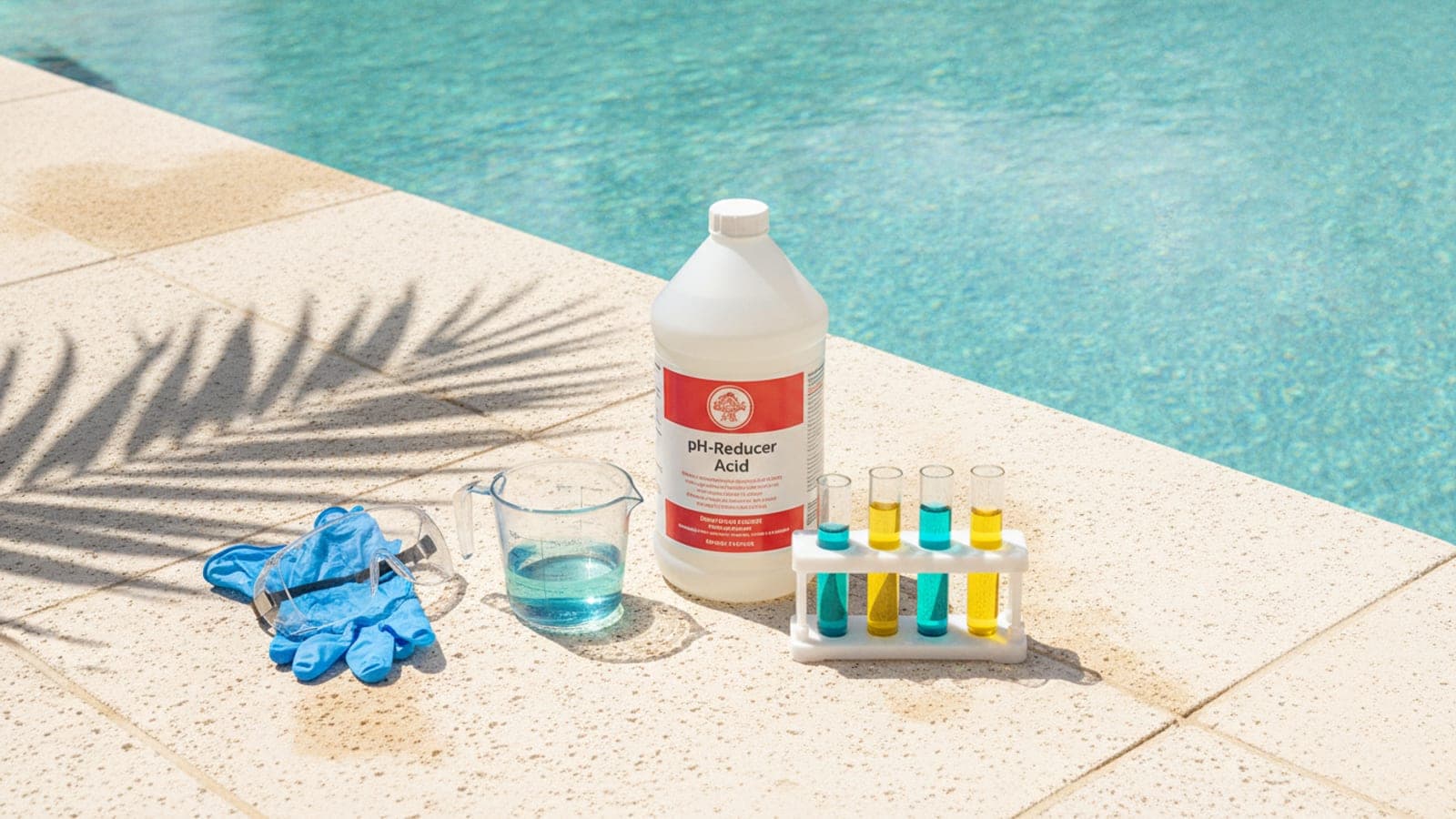
Saltwater pools often have pH drift upward. If that happens, connect this guide to how to lower pH in a pool safely and the pool acid calculator.

A salt system can make chlorine steadier, but it will not skim leaves, vacuum sand, clean filter cartridges, or explain why someone put mulch in the pool. You still own a pool.

What can go wrong with a salt conversion?

Most salt conversions are straightforward, but the annoying problems usually come from sizing, scale, poor testing, or expecting the generator to fix unrelated issues.

Common issues:

ProblemLikely causeBetter move
Low chlorineOutput too low, cell undersized, pump runtime too shortIncrease output/runtime and test again
High pHAeration, cell operation, high alkalinityUse acid carefully and manage TA
Scale on cellHigh pH, high calcium, high alkalinityBalance water and clean cell per manual
Low salt warningNot enough salt or bad readingTest salinity independently
High saltToo much salt addedPartial drain/refill may be needed
Cell wears out earlyHeavy demand, scale, poor chemistryMaintain balance and size properly

Use the salt cell replacement cost calculator to help readers understand future replacement planning. Salt cells are consumable parts. They are not forever equipment, even if everyone politely pretends at checkout.

What should you buy for a saltwater conversion?

Buy the system, testing tools, and safety gear before buying a mountain of salt. The generator choice matters more than the bag stack in the garage.

Affiliate disclosure: We may earn a commission if you buy through links on this page. As an Amazon Associate, we earn from qualifying purchases.

Recommended product module:

  • Salt chlorine generator: Sized for your pool and compatible with your equipment.
  • Replacement salt cell: Useful to research now, even if you do not need one yet.
  • Pool-grade salt: Use the type recommended by your system.
  • Digital salinity tester: Helpful for confirming system readings.
  • Salt test strips: A simple backup test method.
  • Full drop test kit: Still needed for chlorine, pH, alkalinity, and more.
  • Cell cleaning stand: Only if your cell manufacturer recommends acid cleaning.
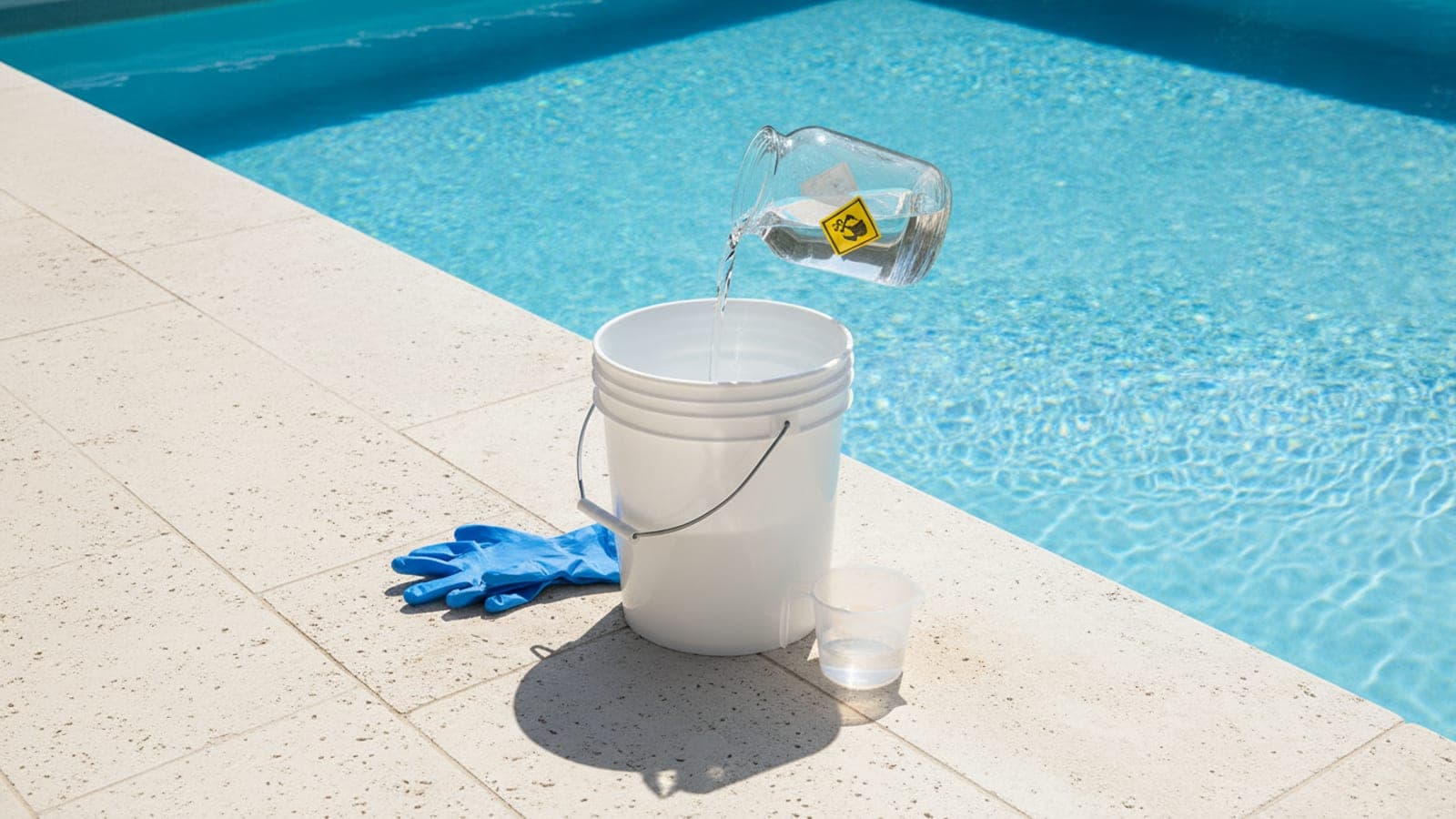
  • Chemical-resistant gloves and goggles: Especially if cleaning a scaled cell.

Do not buy based only on the lowest price. Check warranty, cell replacement cost, max pool size, automation compatibility, and whether replacement parts are easy to find.

Who should not convert to saltwater?

You may want to pause on converting if your pool already has water-balance problems, questionable equipment, incompatible surfaces or fixtures, or a budget that does not include future cell replacement.

Be cautious if:

  • The pool has existing metal staining
  • Stone, coping, or nearby materials may be sensitive to salt exposure
  • Your equipment pad needs plumbing repairs first
  • You cannot run the pump long enough for chlorine production
  • The pool already has high salt
  • You dislike testing water
  • You expect saltwater to mean maintenance-free

That last one matters. If you want a pool that needs no attention, the correct product is a painting of a pool.

For the side-by-side decision, link to saltwater vs chlorine pool.

Is converting worth it?

Converting can be worth it if you want steadier chlorine production, fewer routine chlorine additions, and a softer-feeling maintenance rhythm. It may not be worth it if the equipment cost, cell replacement, and pH management outweigh the convenience.

Use this decision table:

Convert if...Think twice if...
You want more automatic chlorine productionYou want zero maintenance
You are comfortable testing salt and pHYou rarely test water now
Your equipment is compatibleYour plumbing or equipment needs repairs first
You understand cell replacement costThe upfront system cost stretches the budget
You have a clear, balanced poolYou are trying to fix algae with new equipment

The simple verdict: saltwater is a convenience upgrade, not a chemistry escape hatch. Done well, it can make pool care easier. Done blindly, it just gives you a more expensive way to be confused.

Frequently asked questions

Can you convert a chlorine pool to saltwater?

Yes. Most pools can be converted by adding a properly sized salt chlorine generator, adding the correct amount of pool salt, balancing the water, and setting the system output. Equipment compatibility and manufacturer instructions matter.

Is a saltwater pool still a chlorine pool?

Yes. A saltwater system makes chlorine from salt. The water may feel different and the routine changes, but chlorine is still the sanitizer.

Do I need to drain my pool to convert to saltwater?

Usually no, unless the water has a separate problem that requires draining. Most conversions add salt to existing water after the pool is balanced and the equipment is installed.

How much salt do I add when converting?

Use your pool volume, current salt reading, and the salt system's target range. Different manufacturers use different targets, so check the manual before adding bags.

What changes after converting to saltwater?

You still test water, brush, clean filters, and manage pH. The big change is that the salt cell generates chlorine instead of you adding all chlorine manually.

Is converting to saltwater worth it?

It can be worth it if you want steadier chlorine production and less manual chlorination, but you need to account for equipment cost, salt cell replacement, pH management, and compatibility with your pool.
The weekly skim

One short email a week: what to test, what to buy, and what to skip. No daily drip. Unsubscribe anytime.

Keep reading