PoolGearGuide

Pool Filter Cartridge Cleaner: When to Clean vs Replace

By the PoolGearGuide editorial team · Updated 2026-07-03

Share

Pool filter cartridge cleaner is worth using when a normal hose rinse does not remove oils, scale, sunscreen, pollen, or sticky grime from the pleats. If the cartridge is torn, crushed, brittle, or permanently clogged, cleaner is not magic. That cartridge has retired.

Key takeaways

  • Start with a careful hose rinse before reaching for chemical cleaner.
  • Use cartridge cleaner for oily or stubborn buildup, not as a substitute for routine maintenance.
  • Replace the cartridge when damaged pleats, weak flow, or high pressure keep coming back after cleaning.
  • Record your clean-filter pressure. That number tells you when the filter is getting loaded.
  • Turn off the pump and relieve pressure before opening any filter housing. Filter safety is not optional.

Table of contents

What does pool filter cartridge cleaner actually do?

Pool filter cartridge cleaner helps break down buildup that water alone does not remove well. It is most useful for oily, sticky, or mineral-related grime lodged in the pleats.

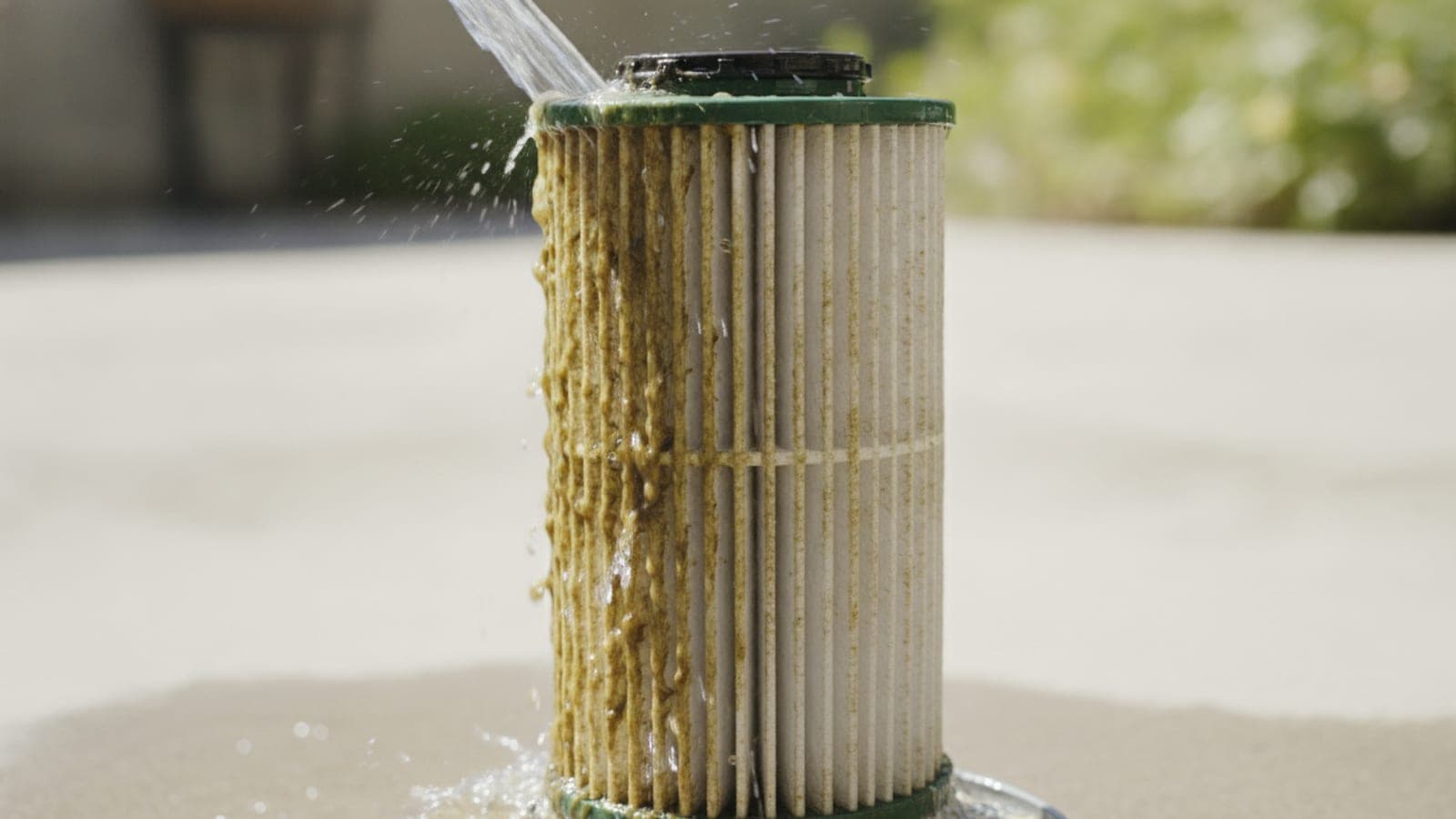
A cartridge filter works by pushing water through pleated media. Dirt, pollen, hair, sunscreen, and fine debris collect in those folds. A hose rinse removes a lot of the loose stuff. Cleaner is for the clingy stuff.

Think of it like washing a dinner plate. If it only has crumbs, water handles it. If it has greasy sauce, you need soap. If the plate is cracked in half, no soap on earth is the answer.

Cartridge cleaner is not the fix for every filter problem. If your filter is too small, the pump is oversized, the cartridge is old, or the water chemistry is a mess, cleaner may help for a week and then the same problem returns wearing a tiny fake mustache.

When is a hose rinse enough?

A hose rinse is enough when the pleats are mostly loaded with loose dirt, leaves, bugs, pollen, or normal debris. If water pressure and flow improve after the rinse, you probably did not need a separate cleaner.

A good rinse is slower than people expect. The goal is to open the pleats and push debris out from top to bottom. Do not blast the cartridge with a pressure washer. High pressure can damage the fabric and pleat structure.

Use this quick decision table:

Filter conditionBest first moveWhy
Loose dirt in pleatsHose rinseWater can flush it out
Slight pressure riseHose rinse and inspectNormal debris load
Greasy feel or sunscreen filmCartridge cleanerOils may cling after rinsing
White crust or scaleProduct-specific cleaning approachMineral buildup may need special treatment
Torn or crushed pleatsReplace cartridgeCleaner cannot rebuild fabric
High pressure returns fastInspect system and cartridge ageCould be clogging, damage, algae, or sizing

If the cartridge looks decent and your pressure returns close to clean starting pressure, keep using it. Pool ownership already has enough purchases waiting in the bushes.

When should you use cartridge cleaner?

Use cartridge cleaner when the filter still looks dirty or behaves dirty after a thorough rinse. The signs are stubborn film, oily pleats, poor flow, or pressure that does not drop enough after cleaning.

Common reasons to use cleaner:

  • Heavy sunscreen and body oil use.
  • Lots of swimmers.
  • Pollen season.
  • Recent algae cleanup.
  • Clarifier or floc misuse.
  • Fine dust that packed into the pleats.
  • Scale or mineral buildup, depending on your water.

Follow the cleaner label exactly. Some products are spray-and-rinse. Others require soaking. Some should not be mixed with other chemicals. This is where “I saw a guy do it online” needs to sit quietly.

If the product says to rinse before soaking, rinse first. If it says to soak for a certain time, do that. If it says not to mix with acid, chlorine, or other products, believe the label. EPA pool chemical safety guidance exists because pool chemicals can create fires, toxic vapors, and injuries when stored or handled badly.

When should you replace the cartridge instead?

Replace the cartridge when physical damage or permanent clogging keeps it from doing its job. Cleaning can remove dirt. It cannot fix torn fabric, collapsed pleats, broken end caps, or exhausted filter media.

Replace if you see:

  • Torn pleats.
  • Cracked end caps.
  • Frayed bands.
  • Collapsed or crushed pleats.
  • Brittle fabric.
  • Heavy staining that does not rinse or clean out.
  • Return flow that stays weak after cleaning.
  • Pressure that climbs quickly after every cleaning.
  • Debris returning to the pool.

A cartridge can look “not that bad” and still be done. If the fabric is loaded deep with oils and fine debris, the pool will tell you through flow, pressure, and water clarity.

Worked example

Say your filter normally runs at 12 PSI after cleaning. Lately it climbs to 22 PSI after only two days, even after a long rinse. You inspect the cartridge and the pleats are flattened, fuzzy, and partly collapsed. That is not a cleaner problem anymore. That is a replacement problem.

Now say the filter normally runs at 12 PSI, climbs to 20 PSI after a pollen-heavy week, and drops back to 13 PSI after rinsing. That cartridge still has a job. Let it work.

How do you clean a cartridge filter safely?

Clean a cartridge filter by shutting off the pump, relieving pressure, opening the housing according to the manual, removing the cartridge, rinsing between pleats, using cleaner only when needed, and reassembling carefully. Do not open a pressurized filter.

A safe basic flow:

  1. Turn off the pump at the timer or breaker.
  2. Confirm the system will not restart automatically.
  3. Open the manual air relief valve if your filter has one.
  4. Wait for pressure to drop.
  5. Open the filter housing according to the manual.
  6. Remove the cartridge carefully.
  7. Rinse from top to bottom between pleats.
  8. Apply cleaner if needed and follow the label.
  9. Rinse again thoroughly.
  10. Inspect O-rings, clamps, bands, and housing parts.
  11. Reassemble exactly as directed.
  12. Restart the pump and check for leaks.
  13. Record the new clean pressure.

Pentair’s filter safety materials emphasize proper servicing steps and pressure relief before working on pool filters. Even if you own another brand, the lesson is the same: trapped pressure deserves respect.

Do not rush the reassembly. A filter housing is not where you want “probably fine” energy.

What does the pressure gauge tell you?

The pressure gauge tells you how hard the system is working to push water through the filter. A rising number usually means the filter is loading with debris, though valves, pump speed, and plumbing can also affect pressure.

The useful number is not the gauge reading by itself. It is the difference between current pressure and your clean starting pressure.

Pentair says on its Clean & Clear Plus cartridge filter page that when the pressure gauge shows the system running 10 PSI higher than starting pressure, it is time for cleaning. Your own filter manual may differ, so use the manual as final authority.

Track this:

ReadingMeaningAction
Clean pressure after serviceBaselineWrite it down
Slightly higher pressureNormal loadingWatch it
Around manual's cleaning thresholdFilter needs serviceClean or inspect
Pressure rises fast after cleaningDeeper problemInspect cartridge, water, flow
Very low pressure with weak flowPossible pump/air/valve issueCheck baskets, prime, valves

A broken gauge is also possible. If the needle never moves, reads oddly, or stays stuck after the pump turns off, replace it before building a theory around bad data.

Why does the pool stay cloudy after cleaning the filter?

A pool can stay cloudy after filter cleaning because the filter was only one part of the problem. Cloudy water can come from low sanitizer, bad pH, poor circulation, algae, high debris load, damaged cartridges, or particles too fine for the current setup.

Use this diagnosis path:

  1. Test free chlorine and pH.
  2. Check CYA if chlorine keeps disappearing or underperforming.
  3. Confirm pump run time.
  4. Check filter pressure and return flow.
  5. Inspect cartridge condition.
  6. Brush walls and steps.
  7. Avoid adding clarifier until sanitizer, pH, and filtration make sense.

If the water is cloudy, use how to clear cloudy pool water. If the filter is clean but the water remains dull, your chemistry or circulation may be the real villain.

One sneaky issue: a filter can be clean but undersized. If the cartridge is too small for the pool, pump, or debris load, it may clog quickly and need constant attention. That is a design problem wearing a maintenance costume.

What should you buy before cleaning a cartridge filter?

Buy only what helps you clean safely and decide honestly whether the cartridge is still usable. Do not buy a cleaner, soak bucket, mystery magic spray, and replacement set before you have even opened the filter.

What you need

  • Garden hose with a controlled spray nozzle.
  • Pool filter cartridge cleaner for oily or stubborn buildup.
  • Replacement cartridge if the old one is torn, crushed, or permanently clogged.
  • Filter pressure gauge if yours is stuck or unreadable.
  • Silicone lubricant only if approved for your filter O-ring.
  • Gloves and eye protection when using chemical cleaner.
  • A clean hard surface for rinsing.

Affiliate disclosure: PoolPros may earn a commission when you buy through product links. Choose replacement cartridges by exact filter model number, not by “looks about right.” Pool equipment loves punishing almost-right purchases.

How do cartridge filters compare with sand filters?

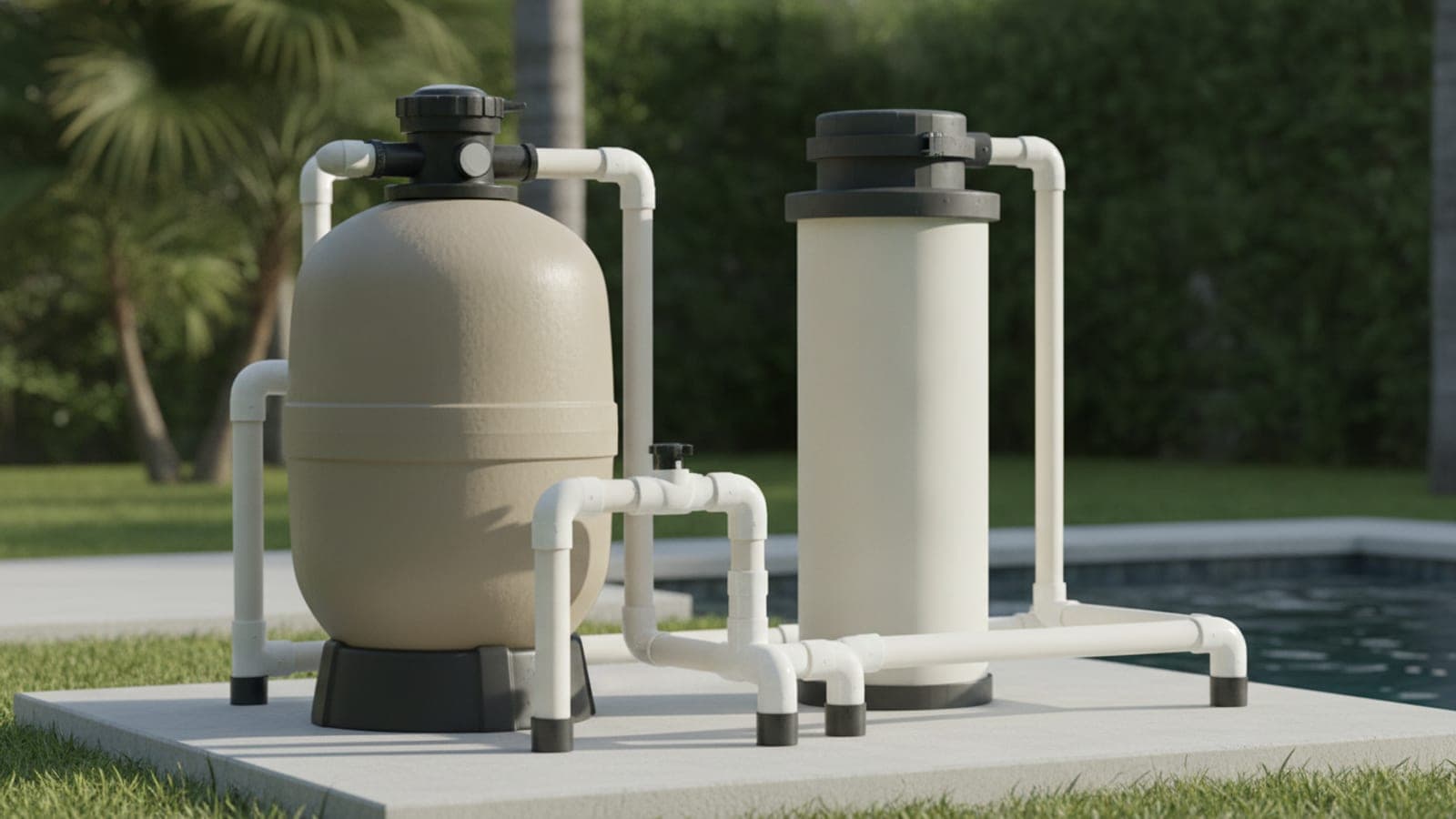
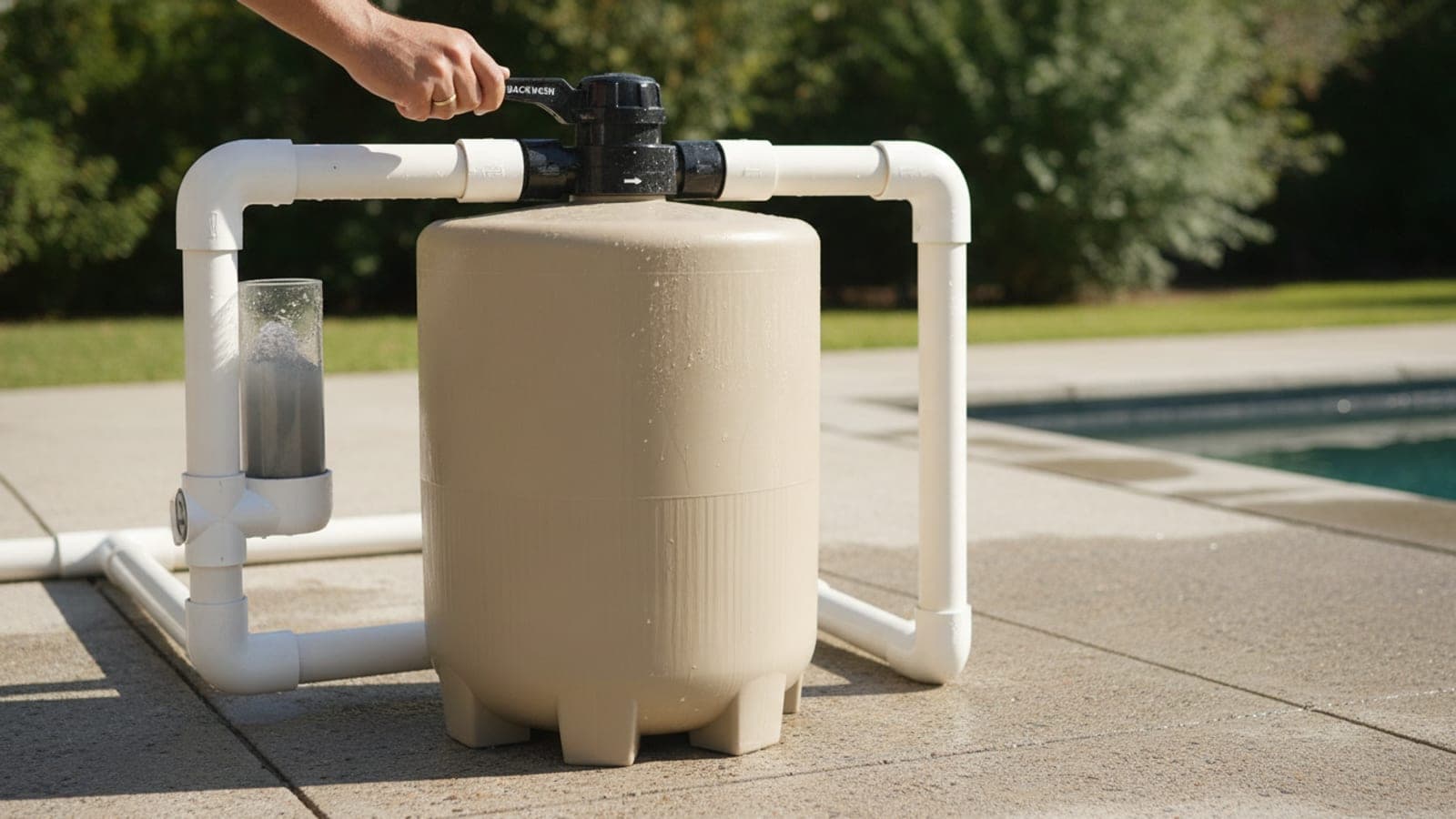
Cartridge filters usually avoid backwashing and can be efficient for many residential pools, while sand filters are often simpler to clean by backwashing but use water during that process. The better choice depends on your pool, debris, budget, and maintenance tolerance.

Quick comparison:

Filter typeCleaning styleMain advantageMain annoyance
CartridgeRemove and rinse cartridgeNo routine backwashingManual cleaning takes time
SandBackwash and rinseSimple cleaning processUses water and can require sand service later
DEBackwash/service gridsVery fine filtrationMore involved maintenance

If you are comparing systems, read sand filter vs cartridge filter. If your current cartridge filter works well, you probably do not need to switch just because sand sounds easier. Every filter type has chores. The trick is picking the chore you will actually do.

Cartridge filters reward patient cleaning. Rinse the pleats, use cleaner when the grime calls for it, replace the cartridge when it is done, and stop asking a $20 bottle to rescue a filter that has clearly left the group chat.

Frequently asked questions

Do I need pool filter cartridge cleaner every time I clean the filter?

No. Many routine cleanings only need a proper hose rinse. Cartridge cleaner is more useful when oils, sunscreen, scale, or stubborn grime remain after rinsing.

When should I clean a pool cartridge filter?

A common trigger is rising filter pressure compared with your clean starting pressure, weak return flow, cloudy water, or visible debris in the pleats. Always follow your filter manual.

When should I replace a cartridge filter instead of cleaning it?

Replace it when the pleats are crushed, torn, brittle, frayed, collapsed, or the cartridge no longer restores flow after a careful cleaning.

Can I pressure wash a pool filter cartridge?

Usually, no. High pressure can damage the pleats and fabric. A garden hose with a controlled spray is safer for most cartridges.

Why is my pool still cloudy after cleaning the cartridge?

The filter may still be dirty, undersized, damaged, or bypassing debris. Cloudy water can also come from poor sanitizer, pH, circulation, algae, or fine particles too small for the current setup.
The weekly skim

One short email a week: what to test, what to buy, and what to skip. No daily drip. Unsubscribe anytime.

Keep reading