PoolGearGuide

Sand Filter vs Cartridge Filter: Which One Is Less of a Chore?

By the PoolGearGuide editorial team · Updated 2026-07-03

Share

Sand filter vs cartridge filter comes down to the chore you prefer: backwashing a sand filter or opening and rinsing a cartridge filter. Sand is usually simpler to clean quickly. Cartridge filters usually use less routine cleaning water and avoid the backwash dance.

Key takeaways

  • Sand filters are usually easier to clean because you backwash and rinse.
  • Cartridge filters require manual rinsing, but they do not routinely send water to waste.
  • The right filter depends on pool size, pump flow, debris load, water restrictions, and your tolerance for maintenance.
  • A dirty, undersized, or damaged filter of either type can cause cloudy water.
  • Filter choice does not replace good chemistry, circulation, and brushing. Sorry. The pool still wants a relationship.

Table of contents

What is the real difference between sand and cartridge filters?

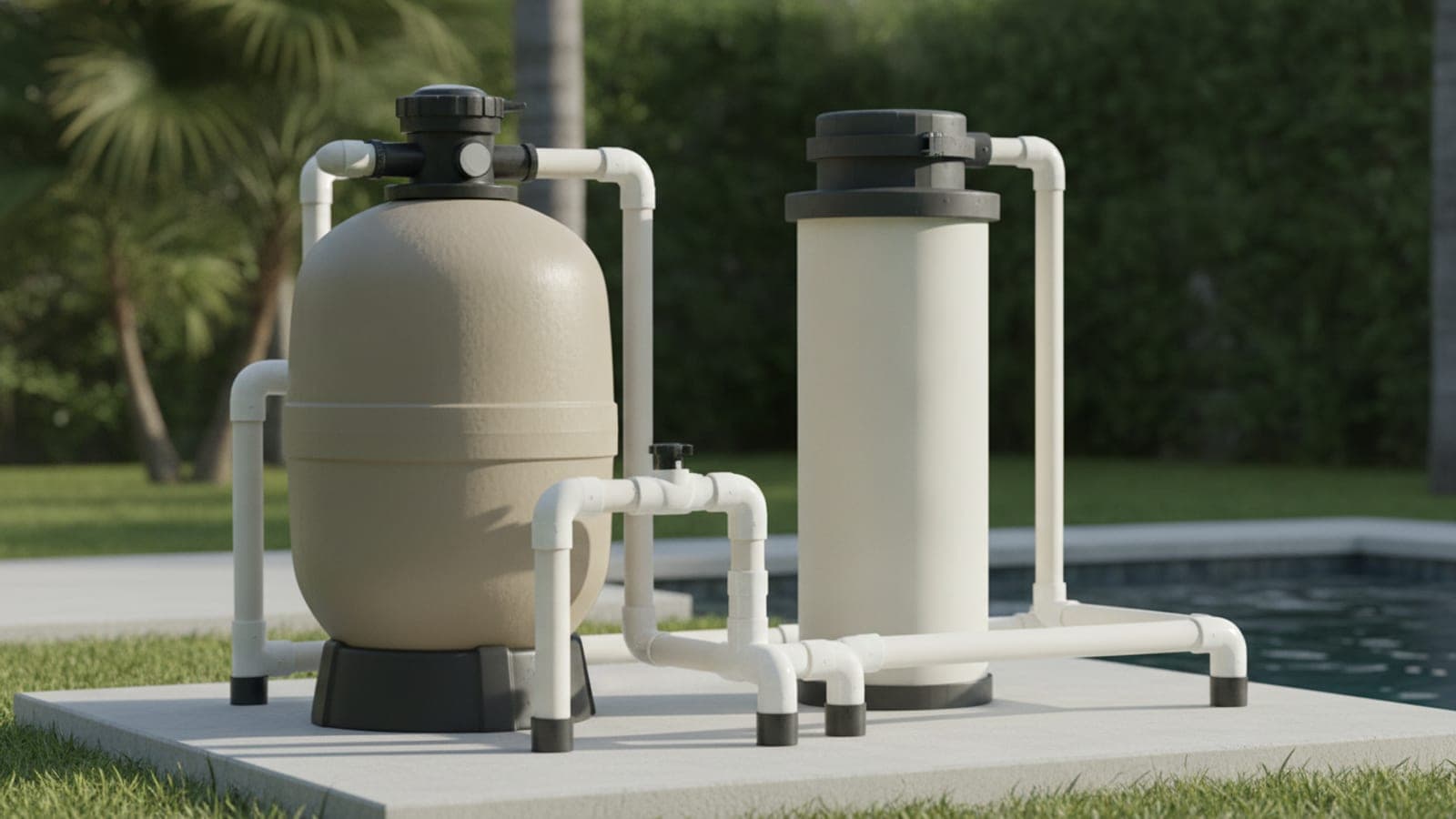
A sand filter pushes pool water through a tank of filter media and cleans itself by reversing flow during backwashing. A cartridge filter pushes water through pleated filter elements that you remove and rinse.

Both filters have the same basic job: catch debris so the pool water looks and behaves better. The difference is how they catch that debris and how you clean the mess afterward.

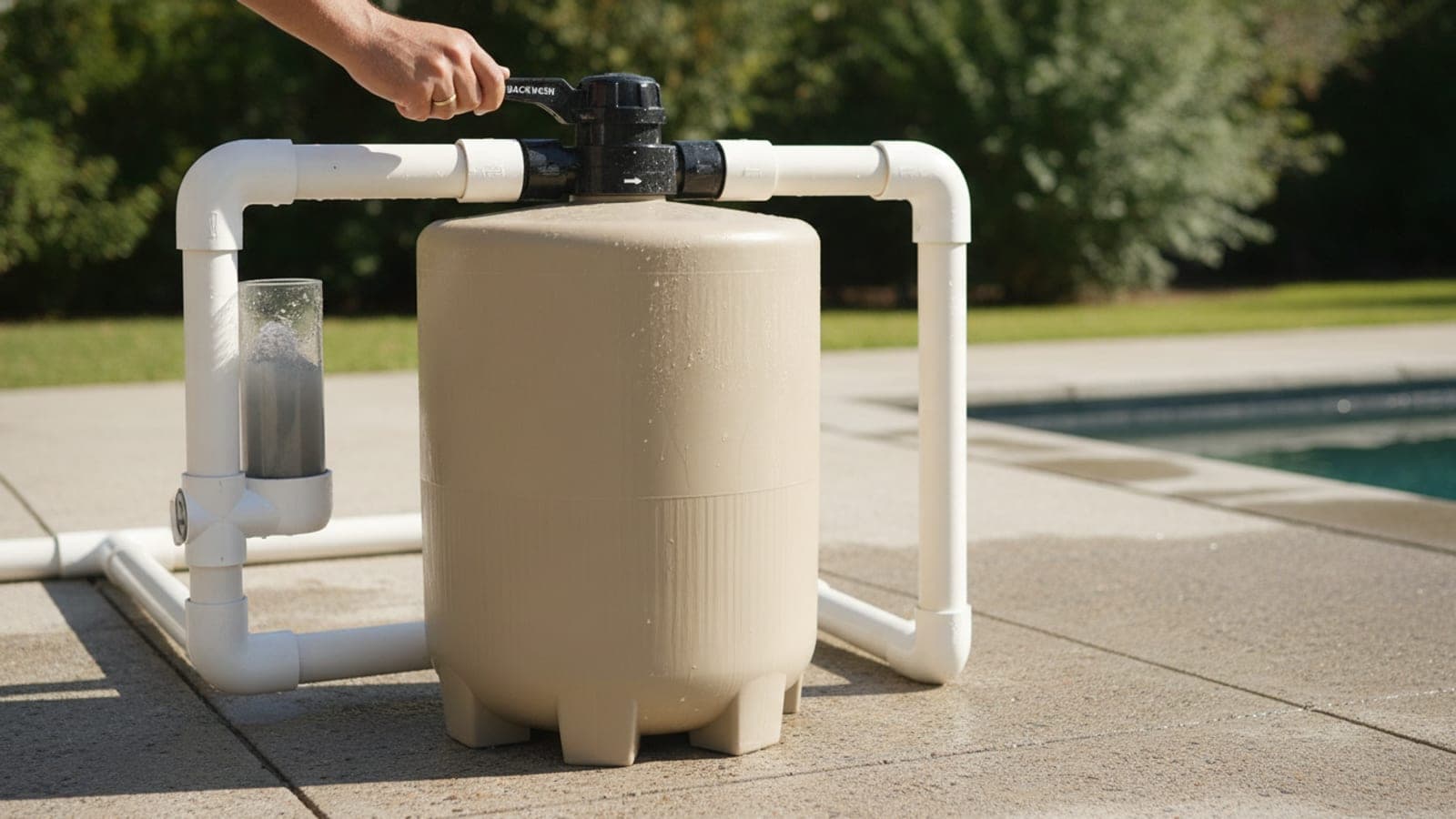
A sand filter is a tank with sand or compatible filter media inside. When the filter gets dirty, you typically backwash, which sends water backward through the filter and out to waste. Then you rinse and return to normal filtration.

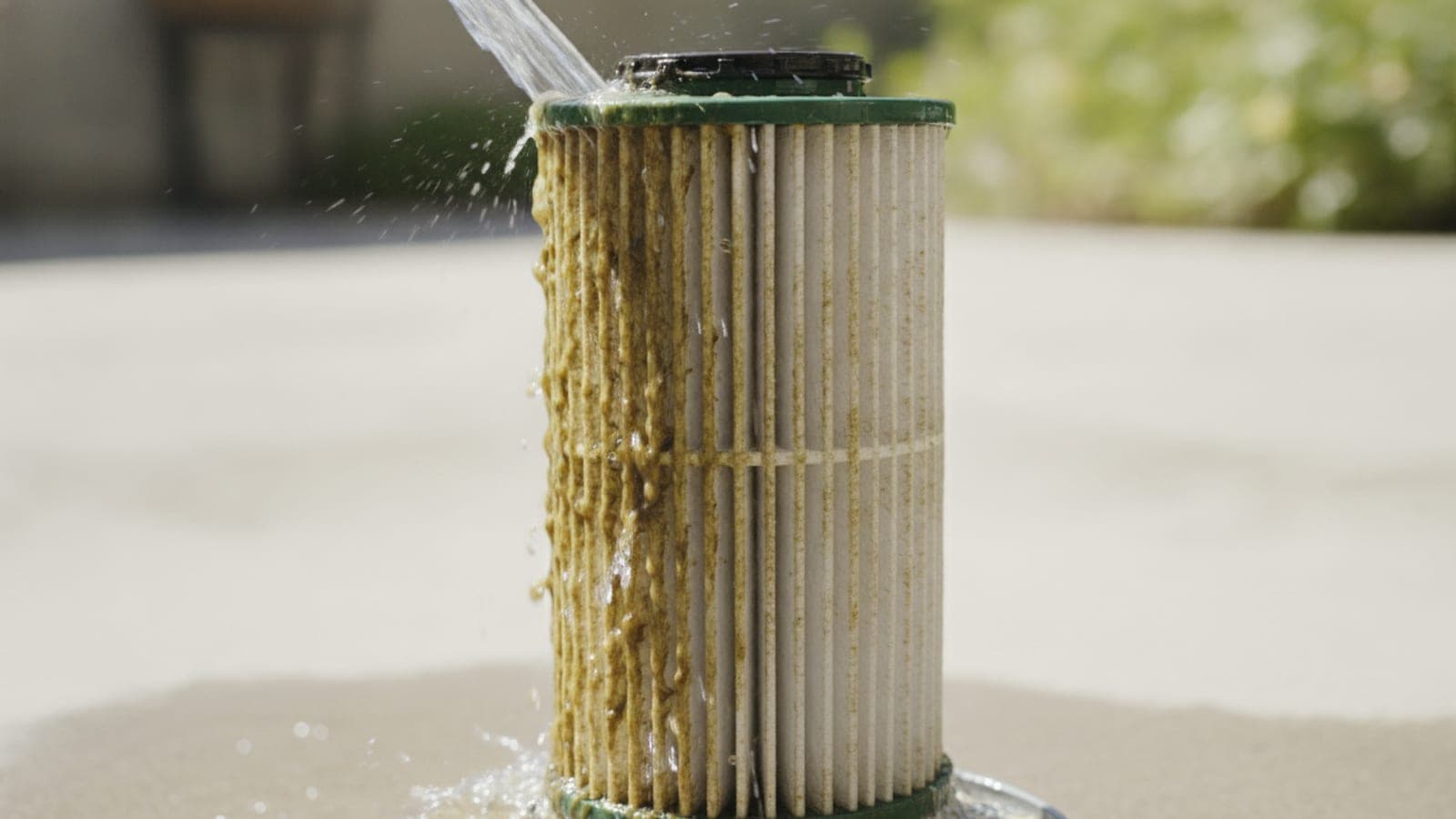
A cartridge filter uses one or more pleated cartridges. When it gets dirty, you shut off the pump, relieve pressure, open the housing, remove the cartridge, and rinse the pleats. Sometimes you use pool filter cartridge cleaner for oils, sunscreen, or stubborn grime.

Neither one is “set it and forget it.” Pools do not offer that setting.

Which one is easier to clean?

Sand filters are usually easier for quick cleaning because backwashing is done at the equipment pad without removing filter elements. Cartridge filters take more hands-on work because you have to open the housing and rinse the cartridge pleats.

Here is the normal-person version:

ChoreSand filterCartridge filter
Routine cleaningBackwash and rinseRemove and hose off cartridge
Mess levelWater to waste lineWet cartridge cleaning area
Physical effortLowerMedium
Time per cleaningOften quickUsually longer
Precision neededValve sequence mattersPleat rinsing matters
Common mistakeForgetting rinse after backwashDamaging pleats with too much pressure

Sand wins for “I want this done before lunch.” Cartridge can win if you hate wasting water or do not have a convenient place to discharge backwash water.

A sand filter still needs correct valve handling. Turn off the pump before moving a multiport valve. Follow the manual. The valve is not a fidget toy.

Which one uses less water?

Cartridge filters usually use less water for routine cleaning because they are rinsed with a hose instead of backwashed to waste. Sand filters can use more water because backwashing intentionally sends dirty water out of the system.

This matters more if:

  • Your area has water restrictions.
  • You pay a lot for water.
  • Your yard has nowhere good to send backwash water.
  • You have a saltwater pool and do not want to dilute salt more often than necessary.
  • You are trying to keep chemical levels steadier.

Backwashing is not bad. It is just part of owning a sand filter. But if water conservation is high on your list, cartridge deserves a serious look.

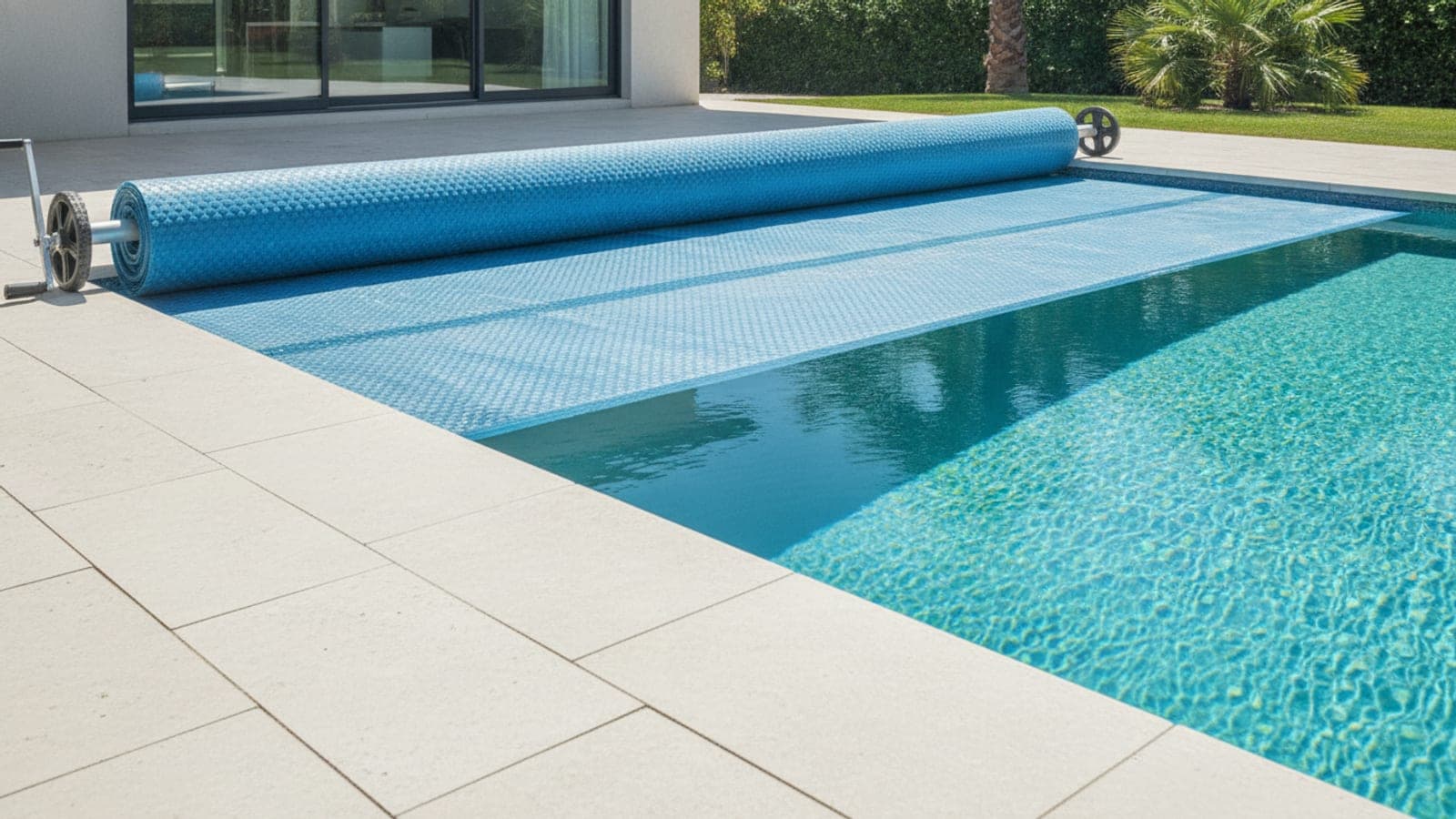
EPA WaterSense notes that pool covers can prevent up to 95% of pool water evaporation, which is not filter-specific, but it points to a bigger idea: water loss matters. If you care about saving water, filter cleaning method, leaks, splash-out, and evaporation all belong in the same conversation.

Which one is better for cloudy water?

A cartridge filter can be very effective for many cloudy-water problems, but filter type alone does not decide water clarity. Cloudy water often comes from poor sanitizer, bad pH, algae, low circulation, dirty media, or a filter that is undersized or damaged.

Use this table before blaming the filter type:

SymptomCould be filter-related?Also check
Cloudy after heavy swimmingMaybeChlorine, pH, run time
Cloudy after algae cleanupYesDead algae load, filter cleaning, brushing
Weak return flowYesPump basket, valves, filter pressure
Dirt returning to poolYesDamaged laterals, cartridge tears, bypass issues
Cloudy but pressure normalMaybe notChemistry, circulation pattern, fine particles

If your pool is cloudy, use how to clear cloudy pool water before replacing equipment. A new filter will not fix bad sanitizer math. It will simply become a clean witness to the crime.

How do sand and cartridge filters compare on maintenance?

Sand filters trade easier routine cleaning for occasional media service and backwash water. Cartridge filters trade less backwashing for more hands-on cartridge cleaning and eventual cartridge replacement.

CategorySand filterCartridge filter
Routine serviceBackwash/rinseRemove/rinse cartridges
Water use during cleaningHigherUsually lower
Replacement itemSand/media over timeCartridge elements over time
Good for leaf-heavy poolsGood with proper sizingGood with proper sizing, may need frequent rinsing
Good for low-water-use goalsLess idealOften better
Beginner friendlinessSimple conceptSimple concept, more hands-on
Best owner typeWants quick equipment-pad cleaningDoes not mind rinsing cartridges

The filter pressure gauge matters for both. You need a clean starting pressure after service. Then you watch for pressure rise or flow drop. Hayward and Pentair manuals commonly reference cleaning/backwashing based on pressure rising above clean starting pressure, but your own manual should be the final authority.

Do not clean based only on a calendar. A pool under oak trees after a storm is not living the same life as a screened pool with two careful swimmers.

How does pump size affect filter choice?

Pump size affects filter choice because too much flow through too little filter can reduce performance, increase pressure, and make maintenance more annoying. The pump and filter should be matched as a system.

A common equipment mistake is treating horsepower like bragging rights. Bigger is not automatically better. If the pump is oversized for the plumbing and filter, the system may run loud, inefficiently, or harshly.

Use the pool pump size calculator before buying a pump or changing filter type. Then use the pool pump run time calculator to build a reasonable schedule.

ENERGY STAR says variable-speed and multi-speed pumps can help cut energy costs and run quieter, and slower filtration can improve filtering effectiveness. That matters because a good filter still needs sensible flow. Blasting water through the system like you are trying to pressure-wash the moon is not the goal.

Which filter is better for above-ground pools?

For many above-ground pools, either sand or cartridge can work if it is sized properly and maintained consistently. Smaller above-ground pools often come with cartridge systems, while larger above-ground setups may use sand filters for easier backwashing.

Choose cartridge if:

  • You want less backwash water.
  • You do not mind rinsing the filter by hand.
  • The pool is small to medium.
  • You have a good spot to clean cartridges.

Choose sand if:

  • You want simpler cleaning at the pad.
  • You have heavy debris.
  • You have a good place for backwash discharge.
  • You prefer a filter style that feels more “equipment pad” and less “rinse this giant accordion.”

For a small seasonal above-ground pool, cartridge may be perfectly fine. For a big above-ground pool with lots of leaves, sand may feel easier. But the included filter in budget kits is sometimes undersized. If water clarity is a constant fight, the problem may be filter capacity, not your moral character.

Which filter is better for inground pools?

For inground pools, the better filter depends on pool size, pump flow, debris load, water restrictions, and how much maintenance you will actually do. Cartridge filters are popular for owners who want to avoid backwashing, while sand filters are popular for straightforward service.

An inground pool with heavy leaf load, large surface area, and frequent storms needs more filter capacity than a small screened pool. Do not choose only by filter type. Choose by sizing, service access, replacement cost, plumbing layout, and maintenance behavior.

Ask these before switching:

  1. Is my current filter actually the problem?
  2. Is it sized correctly?
  3. Is the pump matched to the filter?
  4. Is the media or cartridge simply overdue for service?
  5. Is cloudy water coming from chemistry instead?
  6. Do I have a good backwash discharge location?
  7. Do I have a good place to rinse cartridges?

If your sand filter is old but works well, replacing it with cartridge may not change your life. If your cartridge filter constantly clogs because it is undersized, switching or upsizing might be a relief.

What should you buy with each filter type?

Buy support items that make maintenance easier and safer. The right accessory depends on the filter you own.

What you need for a cartridge filter

  • Replacement cartridges by exact model number.
  • Pool filter cartridge cleaner.
  • Hose spray nozzle.
  • O-ring lubricant approved for your filter.
  • Replacement pressure gauge if yours is unreliable.
  • Gloves and eye protection for cleaner use.

What you need for a sand filter

  • Correct filter sand or approved media for your filter.
  • Multiport valve parts if worn.
  • Backwash hose if needed.
  • Replacement pressure gauge.
  • Unions or plumbing parts if upgrading.
  • Owner's manual or model documentation.

Affiliate disclosure: PoolPros may earn a commission when you buy through product links. Check your filter model, plumbing size, and manual before ordering anything. Pool equipment returns are a special kind of weekend sadness.

Which one should you choose?

Choose a sand filter if you want simpler backwashing and have a good place to discharge water. Choose a cartridge filter if you prefer lower routine water waste and do not mind removing and rinsing cartridges.

Here is the simple decision table:

Your situationBetter fit
You want fastest routine cleaningSand filter
You dislike backwash water lossCartridge filter
You have water restrictionsCartridge filter
You hate opening equipment housingsSand filter
You have no good backwash discharge areaCartridge filter
You want simple seasonal above-ground careDepends on pool size
You already own a working filterMaintain it before replacing it

If you are building or upgrading the whole pad, compare filter type, pump size, plumbing, energy use, and maintenance access together. A pool system is a team sport. The filter cannot carry a bad pump schedule, poor chemistry, and a leaf hurricane all by itself.

The less annoying choice is the one you will maintain correctly. Sand is easier at the valve. Cartridge uses less routine discharge water. Both can keep a pool clear when the system is sized well and the owner is not trying to run the whole thing on vibes and one heroic chlorine tablet.

Frequently asked questions

Is a sand filter better than a cartridge filter?

Not always. Sand filters are easier to backwash, while cartridge filters avoid routine backwashing and can be a good fit for owners who do not mind removing and rinsing cartridges.

Which filter is easier to clean?

Sand filters are usually easier for quick cleaning because you backwash and rinse. Cartridge filters require opening the tank and rinsing pleats, but they do not require routine backwashing.

Which filter uses less water?

Cartridge filters usually use less water for routine cleaning because they are rinsed instead of backwashed to waste. Actual water use depends on how often you clean and how dirty the pool gets.

Can a cartridge filter fix cloudy water better than a sand filter?

Sometimes, but cloudy water is not only a filter-type problem. Sanitizer, pH, circulation, algae, and filter condition matter just as much.

Should I replace a sand filter with a cartridge filter?

Only if the maintenance tradeoff fits you and the filter is sized correctly for your pool and pump. Do not switch just because the current filter needs normal service.
The weekly skim

One short email a week: what to test, what to buy, and what to skip. No daily drip. Unsubscribe anytime.

Keep reading