PoolGearGuide

Saltwater vs Chlorine Pool: Which One Is Less Annoying?

By the PoolGearGuide editorial team · Updated 2026-07-03

Share

A saltwater vs chlorine pool comparison is really a choice between making chlorine on-site with a salt system or adding chlorine products yourself. Saltwater is not chlorine-free. It is chlorine with a machine doing part of the boring job, which is either wonderful or one more expensive thing with lights.

Key takeaways

Is a saltwater pool actually different from a chlorine pool?

A saltwater pool is different in how chlorine gets into the water, not in what sanitizes the water. A salt chlorine generator uses dissolved salt to produce chlorine, so the pool is still a chlorine pool in the way that matters for sanitation.

Traditional chlorine pool:

  • You add chlorine products manually or through a feeder.
  • The product may be liquid chlorine, tablets, granular shock, or another sanitizer product.
  • The equipment is simpler.
  • You manage the supply more directly.

Saltwater pool:

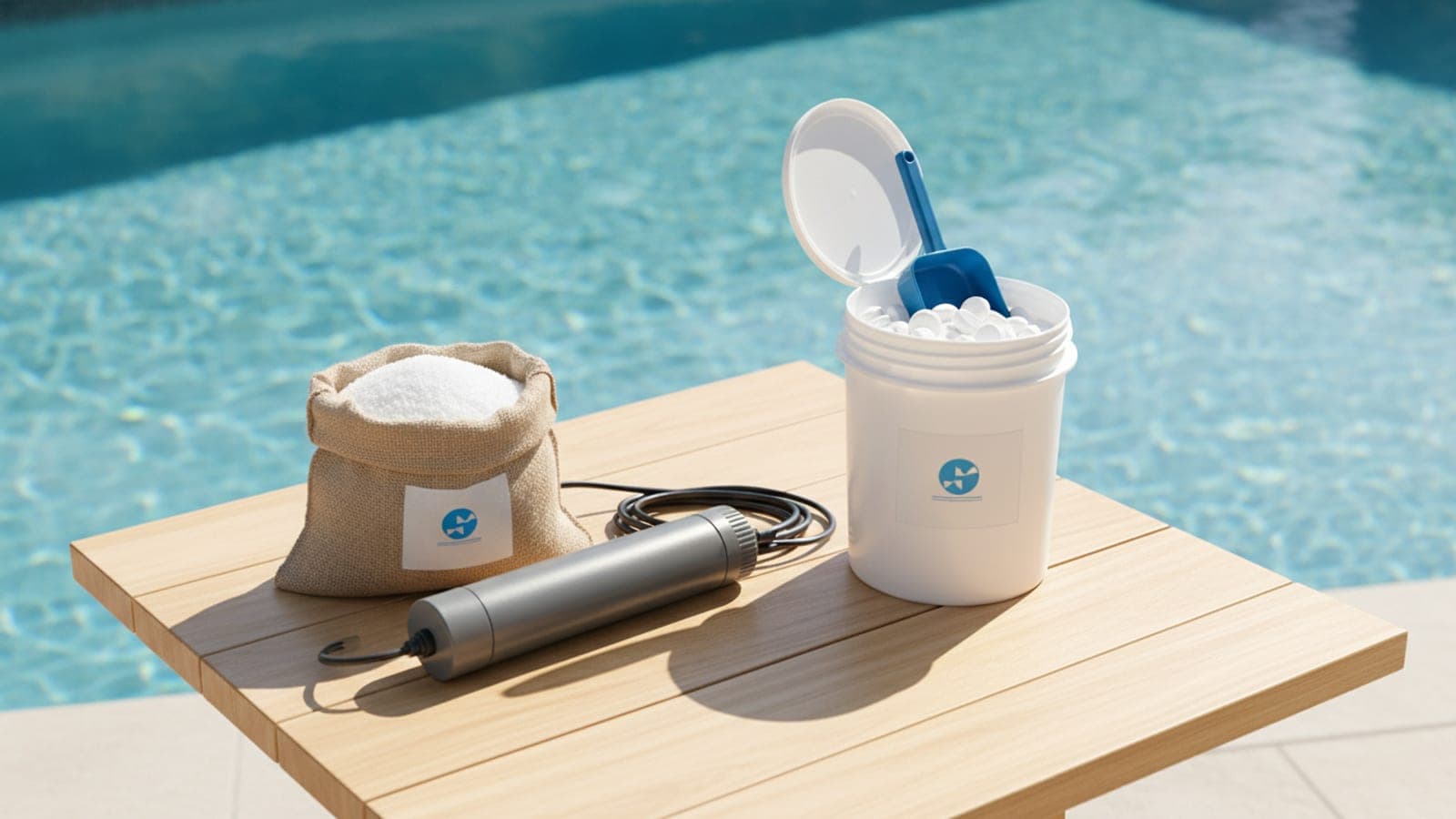
  • You add salt to the pool water.
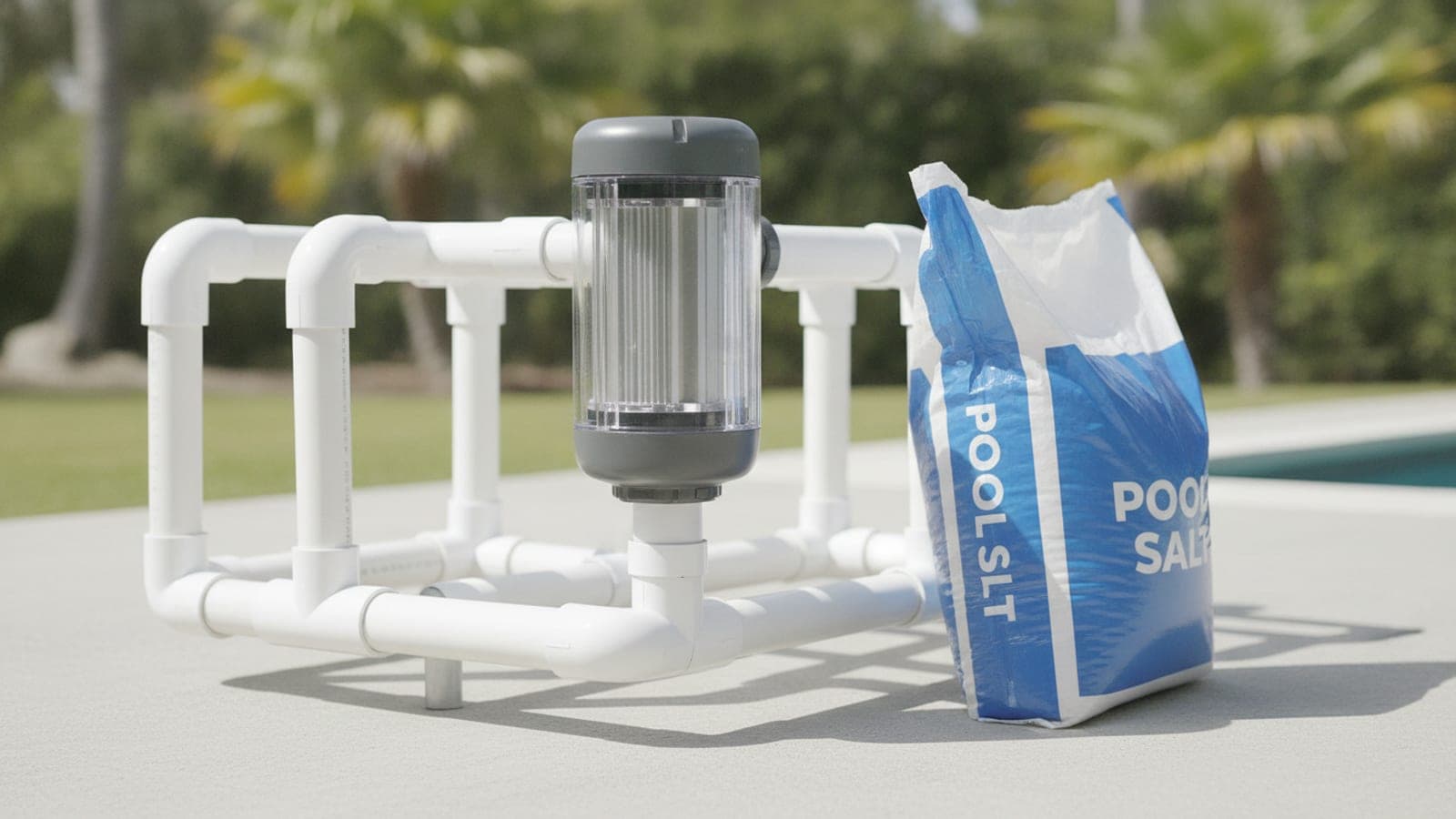
  • A salt cell produces chlorine when the pump and system run.
  • You adjust output percentage and pump schedule.
  • You clean and eventually replace the salt cell.

CDC's pool guidance discusses chlorine as a disinfectant and recommends pH and chlorine minimums for pools. That applies to both traditional chlorine pools and saltwater pools because the salt system's job is to produce chlorine. CDC home pool treatment and testing

The marketing makes saltwater sound like a spa vacation. The plumbing reality is calmer: saltwater is automated chlorination with extra hardware.

Which pool is easier to maintain?

A saltwater pool can be easier for routine chlorination because the cell makes chlorine steadily, but it is not maintenance-free. You still test the water, manage pH, check salt level, clean the cell, and respond when the system complains.

TaskTraditional chlorineSaltwater
Add daily/weekly sanitizerMore manualMore automated
Test chlorine and pHYesYes
Manage pHYesOften very important
Buy chlorine productsRegularlyLess often, but may still need backup chlorine
Add saltNoYes, when low
Clean generator cellNoYes
Replace cellNoEventually
Troubleshoot electronicsLessMore

Saltwater wins when you want steadier chlorine and hate the weekly chlorine-buying routine. Traditional chlorine wins when you want simpler equipment and lower upfront complexity.

The annoying truth: both pools need testing. A salt cell does not know your CYA, calcium hardness, swimmer load, sunscreen level, pollen attack, or whether your neighbor's oak tree is trying to become part of your filter.

Use the saltwater pool maintenance guide if you already own a salt pool. Use pool chemistry basics if you are still learning what the numbers mean.

Which one costs less over time?

Traditional chlorine usually costs less upfront. Saltwater usually costs more upfront because you buy the generator, cell, plumbing/electrical work if needed, and salt. Long-term cost depends on chlorine prices, cell life, pump schedule, pool size, and whether you avoid service calls.

Do not compare only the price of salt against the price of chlorine. That makes saltwater look like it wins by a landslide and politely ignores the expensive cell sitting in the equipment pad like a future invoice.

Cost categoryTraditional chlorineSaltwater
Upfront equipmentLowerHigher
Routine sanitizer purchaseHigherLower in many cases
Replacement partsLowerSalt cell replacement matters
Electricity connection/controlUsually simplerMay need proper installation
Emergency backup chemicalsYesStill useful
Testing suppliesYesYes

A worked example:

A homeowner compares a traditional chlorine pool against a saltwater conversion. The salt system costs more upfront, but they expect to buy less chlorine each month. The real question is not “is salt cheaper than chlorine?” It is:

Extra salt-system cost + future cell replacement - chlorine savings = real difference

That is why the salt cell replacement cost calculator matters. If the cell replacement is due soon, the math changes. If the salt system is new and working well, the daily convenience may be worth more than the spreadsheet.

How does the water feel different?

Saltwater pools often feel gentler to many swimmers, but the difference is not magic and does not mean the water is automatically balanced. Comfort still depends on pH, sanitizer level, combined chlorine, alkalinity, and overall water balance.

Saltwater pools usually operate at a much lower salt level than seawater. Hayward says the ideal salt level for its salt chlorinator is 2,700 to 3,400 ppm, with 3,200 ppm optimal. Pentair says 3,600 ppm is the ideal salt level for certain IntelliChlor Plus and LT systems. Seawater is far saltier than that, which is why a pool should not taste like you accidentally installed the Atlantic. Hayward salt guidance Pentair IntelliChlor salt guidance

Use the pool salt calculator before adding salt. Different systems have different targets, and too much salt usually means dilution, not a cute correction product.

Feel complaintPossible cause
Burning eyespH, chloramines, sanitizer imbalance
Dry skinpH, high sanitizer, water balance, personal sensitivity
Strong chlorine smellOften combined chlorine/chloramines, not “too clean” water
Salty tasteSalt level, splash, personal sensitivity
Itchy feelpH, sanitizer, metals, contaminants, or other irritants

Comfort is a result, not a label. A badly managed saltwater pool can feel worse than a well-managed traditional chlorine pool.

What can go wrong with a saltwater pool?

Saltwater pool problems usually involve low salt, high salt, pH drift, scale on the cell, inadequate chlorine output, flow errors, cold-water limits, or a cell nearing the end of its useful life. The system is helpful, but it is not psychic.

Common saltwater problems:

ProblemWhat it may meanFirst check
Low salt warningSalt is low, sensor issue, dilution after rain/refillIndependent salt test
High salt warningToo much salt or reading errorTest before draining
Low chlorineOutput too low, pump run time too short, dirty cell, high demandChlorine test and cell setting
pH keeps risingSalt system/aeration/alkalinity patternpH and alkalinity
White flakesScale from high pH/calcium/cell conditionsCell inspection and water balance
Flow warningPump/filter/flow switch issueBasket, filter, valves, flow

A salt system is only as good as the water balance around it. High pH and scaling can make the cell less effective. Poor circulation can keep chlorine from being produced long enough. High CYA or algae can make the cell look weak when the real issue is chlorine demand.

Use the CYA calculator and pool pH calculator before blaming the cell.

What can go wrong with a traditional chlorine pool?

Traditional chlorine pool problems usually involve inconsistent dosing, rising stabilizer from tablets, low chlorine after heat or rain, storage safety, and buying the wrong product for the problem. Simpler equipment does not mean zero decisions.

Common chlorine-pool problems:

ProblemPossible causeFirst check
Chlorine disappears fastSunlight, low CYA, algae, heavy useCYA and combined chlorine/context
CYA keeps risingHeavy trichlor/dichlor useStabilizer test
pH trends lowAcidic chlorinating productspH and alkalinity
Cloudy water after shockFilter, pH, dead algae, fine particlesCloudy pool path
Chemical storage messToo many products stored togetherSafety cleanup

EPA's pool chemical safety alert focuses on preventing fires, toxic vapor releases, and injuries from unsafe storage and handling. That matters for traditional chlorine pools because owners may store liquid chlorine, tablets, shock, acid, and other products in the same garage corner. EPA pool chemical safety alert

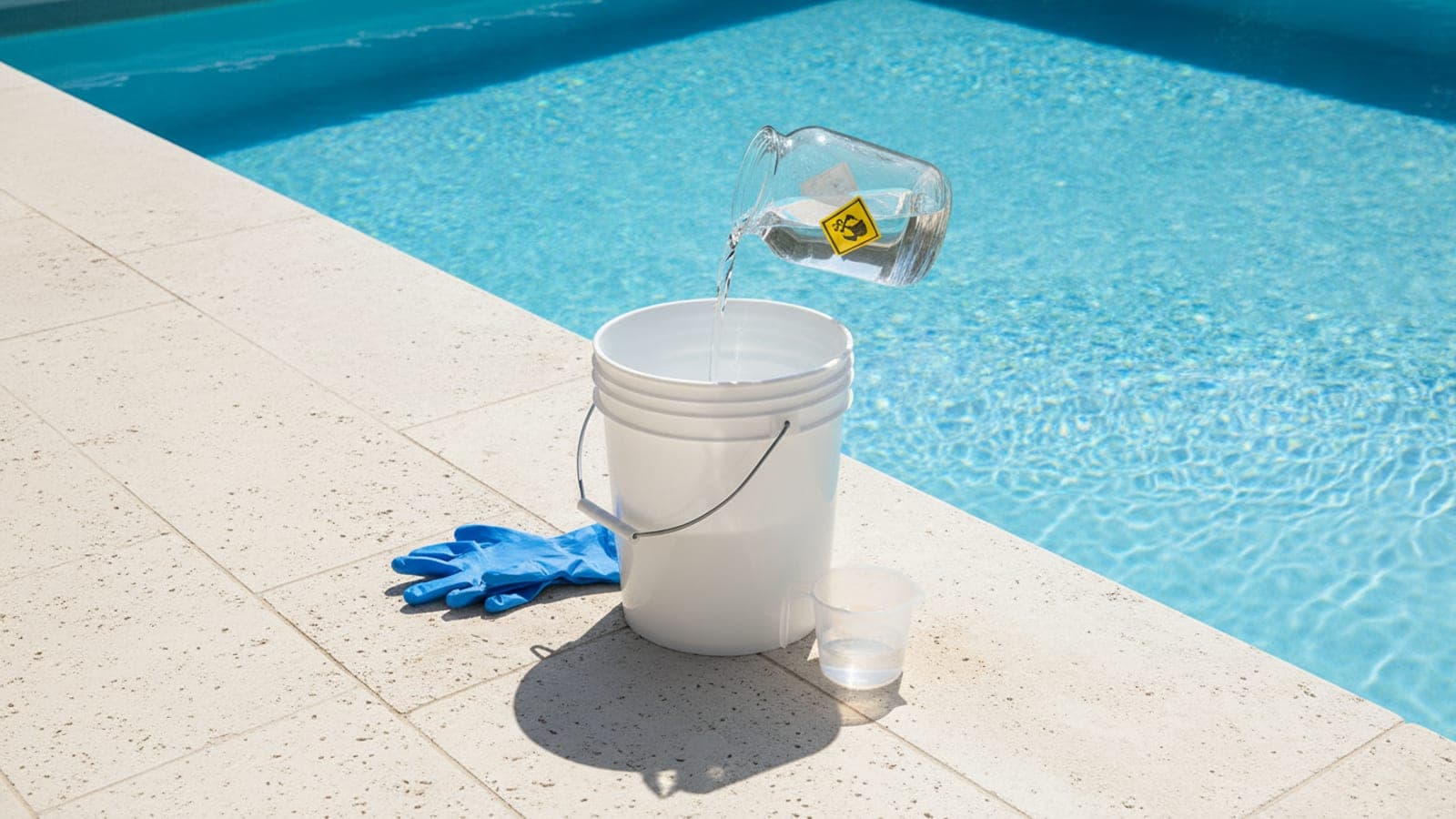
Never mix pool chemicals. Do not store acid and chlorine together. Read labels. Wear eye and hand protection. Pool chemicals are useful, not casual.

Which is better for above-ground pools?

For above-ground pools, the better choice depends on pool size, equipment compatibility, budget, and how long you expect to keep the pool. Traditional chlorine is often simpler for seasonal or lower-cost pools. Saltwater can be convenient for larger above-ground pools with compatible equipment.

Above-ground pool situationBetter fit
Small seasonal poolTraditional chlorine is usually simpler
Large framed pool used all summerSaltwater may be worth considering
Budget kit with basic pumpTraditional chlorine may avoid equipment mismatch
Owner hates buying chlorineSaltwater may reduce routine hassle
Pool gets drained/stored oftenTraditional chlorine may be easier
Owner wants automationSaltwater or smart dosing may appeal

Check the pool frame, liner, pump, plumbing, and manufacturer guidance before adding a salt system. Saltwater can be compatible with many above-ground setups, but “fits my pool” beats “the box looked friendly.”

What should you buy for each setup?

The right buying list depends on which system you choose. Both need testing supplies. Both need chemical safety gear. Saltwater adds salt-specific testing and cell care. Traditional chlorine adds routine sanitizer storage and feeder decisions.

ProductSaltwater poolTraditional chlorine pool
Full test kitYesYes
Salt test kitYesNo
Pool saltYesNo
Replacement cellEventuallyNo
Liquid chlorine backupUsefulMain sanitizer option
Chlorine tabletsSometimes not neededCommon option
Acid/pH reducerOften neededOften needed
Safety gearYesYes

Do not build this page as a hard sell for one system. Build it as a decision guide. Then let the affiliate modules match the decision.

Who should choose saltwater, and who should stick with chlorine?

Choose saltwater if you want steadier automated chlorination, are comfortable with equipment maintenance, and can handle the upfront cost and future cell replacement. Stick with traditional chlorine if you want simpler equipment, lower upfront cost, and direct control over sanitizer.

Here is the clean decision table.

Choose thisIf this sounds like you
Saltwater“I want less weekly chlorine handling and I am okay maintaining a cell.”
Traditional chlorine“I want simple equipment and lower upfront cost.”
Saltwater“My pool is used often, and I like automation.”
Traditional chlorine“My pool is small, seasonal, or budget-focused.”
Saltwater“I will test salt, pH, chlorine, and clean the cell.”
Traditional chlorine“I prefer replacing jugs/tablets over replacing electronics.”

The honest answer: saltwater is usually less annoying day to day when it is set up well. Chlorine is often less annoying mechanically because there is less equipment to diagnose. Pick the annoyance you can live with.

Next steps:

Either system can be easy. Either system can also become your least favorite hobby if you stop testing and start guessing.

Frequently asked questions

Is a saltwater pool still a chlorine pool?

Yes. A saltwater pool uses a salt chlorine generator to make chlorine from salt in the water. It is not chlorine-free.

Is a saltwater pool easier than a chlorine pool?

It can be easier for daily chlorination because the cell makes chlorine automatically, but you still test water, manage pH, clean the cell, add salt, and replace the cell eventually.

Which is cheaper, saltwater or chlorine?

A traditional chlorine pool is usually cheaper upfront. A saltwater system may lower routine chlorine buying, but the salt system and future cell replacement change the long-term math.

Does a saltwater pool taste like the ocean?

No. Pool salt levels are much lower than seawater. You may notice a softer or slightly salty feel, but it should not feel like swimming in the ocean.

Can I convert a chlorine pool to saltwater?

Often yes, but you need the right salt chlorine generator, enough plumbing/electrical setup, salt level management, and compatible equipment. Confirm with a qualified installer for your pool.
The weekly skim

One short email a week: what to test, what to buy, and what to skip. No daily drip. Unsubscribe anytime.

Keep reading