PoolGearGuide

What Is the Ideal Pool pH?

By the PoolGearGuide editorial team · Updated 2026-07-03

Share

The ideal pool pH is usually treated as a narrow comfort zone, not a trophy number. For many backyard pools, aiming around 7.4 to 7.6 is practical, while CDC recommends pool pH between 7.0 and 7.8. The job is not to worship 7.5. The job is to keep water comfortable, sanitizer useful, and equipment from quietly plotting revenge.

Key takeaways

What is the ideal pool pH for most home pools?

The ideal pool pH for most home pools is commonly managed near 7.4 to 7.6, with CDC recommending a broader range of 7.0 to 7.8. Think of 7.4 to 7.6 as the calm middle lane and 7.0 to 7.8 as the guardrails.

That middle zone is popular because it tends to balance swimmer comfort, sanitizer performance, and equipment protection. It is not magic. Your pool is still affected by chlorine level, cyanuric acid, total alkalinity, calcium hardness, water temperature, rain, fill water, and how many people cannonballed into it last weekend.

If your pH is 7.5 and the water is clear, sanitizer is appropriate, and alkalinity is stable, you do not need to perform a backyard chemistry ceremony. Keep records, test again soon, and move on with your life.

pH readingPractical meaningWhat to do next
Below 7.0Too low for CDC's recommended pool rangeRetest, check alkalinity, raise carefully
7.0 to 7.2Low side of rangeWatch comfort and corrosion risk
7.3 to 7.6Comfortable target zone for many poolsMaintain and retest normally
7.7 to 7.8Upper side of rangeWatch scaling, cloudiness, and chlorine demand
Above 7.8Too high for CDC's recommended rangeLower carefully and retest

Use the pool pH calculator only after you know your gallons. If you are guessing volume, start with the pool volume calculator first.

Why does pH matter if the water already looks clear?

Clear water can still be uncomfortable, corrosive, scale-prone, or under-sanitized. pH helps explain how the water feels and how hard the rest of your pool system has to work.

This is the sneaky part. A pool can look like a resort brochure and still have pH drifting out of range. Your eyes do not measure water balance. They just tell you whether the pool is currently pretty enough to lie to you.

pH affects several everyday pool problems:

  • Eye and skin comfort
  • Chlorine performance and stability
  • Cloudiness risk
  • Scale on tile, heaters, salt cells, and surfaces
  • Corrosion risk for metal parts
  • How predictable chemical adjustments feel

The best pH habit is boring: test, adjust only when needed, and write the result down. A tiny pool notebook beats memory, especially if your memory is mostly snacks and passwords.

What happens when pool pH is too high?

High pool pH can make water more scale-prone, more likely to cloud, and harder to manage. It often shows up with high alkalinity, high calcium hardness, saltwater systems, water features, or lots of aeration.

Signs that pH may be too high include:

  • Cloudy or dull-looking water
  • Scale on tile, spillways, or salt cells
  • Rough deposits on surfaces
  • Chlorine that seems to disappear faster than expected
  • Eye irritation even though chlorine is present
  • pH that keeps returning high after small acid doses

High pH is not always a one-bottle problem. If total alkalinity is high, the water has a bigger buffer pushing pH upward. In that case, dumping random acid into the pool can become the pool version of arguing with a printer. You may win one moment and lose again five minutes later.

Use the pool acid calculator for small corrections, but look at alkalinity too. If both pH and alkalinity are high, the pool alkalinity calculator will help you decide whether pH is the headline or just the loud sidekick.

What happens when pool pH is too low?

Low pool pH can feel harsh and may increase corrosion risk. It can irritate swimmers and create trouble for metal components, heaters, ladders, lights, fasteners, and some surface finishes.

Signs that pH may be too low include:

  • Eye or skin irritation
  • Rapid pH drops after rain or chemical additions
  • Metal staining concerns
  • Etching concerns on some surfaces
  • Low total alkalinity
  • Test results that swing around instead of staying steady

Low pH often gets paired with low alkalinity. When alkalinity is too low, pH does not have much bumper protection. The result is jumpy water. You add something, it moves too much, you panic, then the pool store receipt gets longer.

If pH is low and alkalinity is also low, fix the buffer first or at least account for it. If pH is low and alkalinity is fine, a careful pH adjustment may be enough. Read the label on any soda ash or pH increaser product and add in small steps.

How do chlorine and pH work together?

Chlorine and pH are separate readings, but they affect the same goal: safe, comfortable water. CDC's home-pool guidance gives pH and chlorine recommendations together because one number alone does not tell the whole story.

Do not treat a normal pH as permission to ignore chlorine. A pool with perfect pH and weak sanitizer is not a victory. It is just balanced water with bad supervision.

The relationship gets even more interesting when cyanuric acid is present. Cyanuric acid, also called CYA or stabilizer, helps protect outdoor chlorine from sunlight. But too much CYA can complicate chlorine management. That is why your CYA calculator, pool chlorine calculator, and pH test belong in the same mental folder.

A simple order for routine checks:

  1. Test free chlorine and pH.
  2. Check alkalinity if pH is drifting.
  3. Check CYA if chlorine keeps vanishing or seems weak.
  4. Confirm pool volume before dosing.
  5. Add one product at a time and retest.

How does alkalinity affect ideal pool pH?

Total alkalinity helps buffer pH, which means it affects how quickly pH moves. If alkalinity is far off, pH adjustments can feel like trying to park a shopping cart with one bad wheel.

Alkalinity is not the same as pH. pH tells you how acidic or basic the water is right now. Total alkalinity tells you how much buffering capacity the water has against pH movement.

SituationWhat usually happensBetter next step
pH high, alkalinity highpH often keeps risingLower carefully and retest over time
pH low, alkalinity lowpH may swing easilyRaise alkalinity before chasing pH
pH high, alkalinity normalSmaller pH correction may workUse acid carefully and retest
pH low, alkalinity normalpH increaser may be enoughAdd slowly and circulate
pH normal, alkalinity oddDo not panic yetWatch trend and surface/equipment needs

This is why PoolPros should not build pH content as a lonely island. The article should link to the pH calculator, acid calculator, alkalinity calculator, and the pool chemistry basics guide. That internal-link cluster is not just good SEO. It mirrors how pool water actually behaves.

What should you use to test pH?

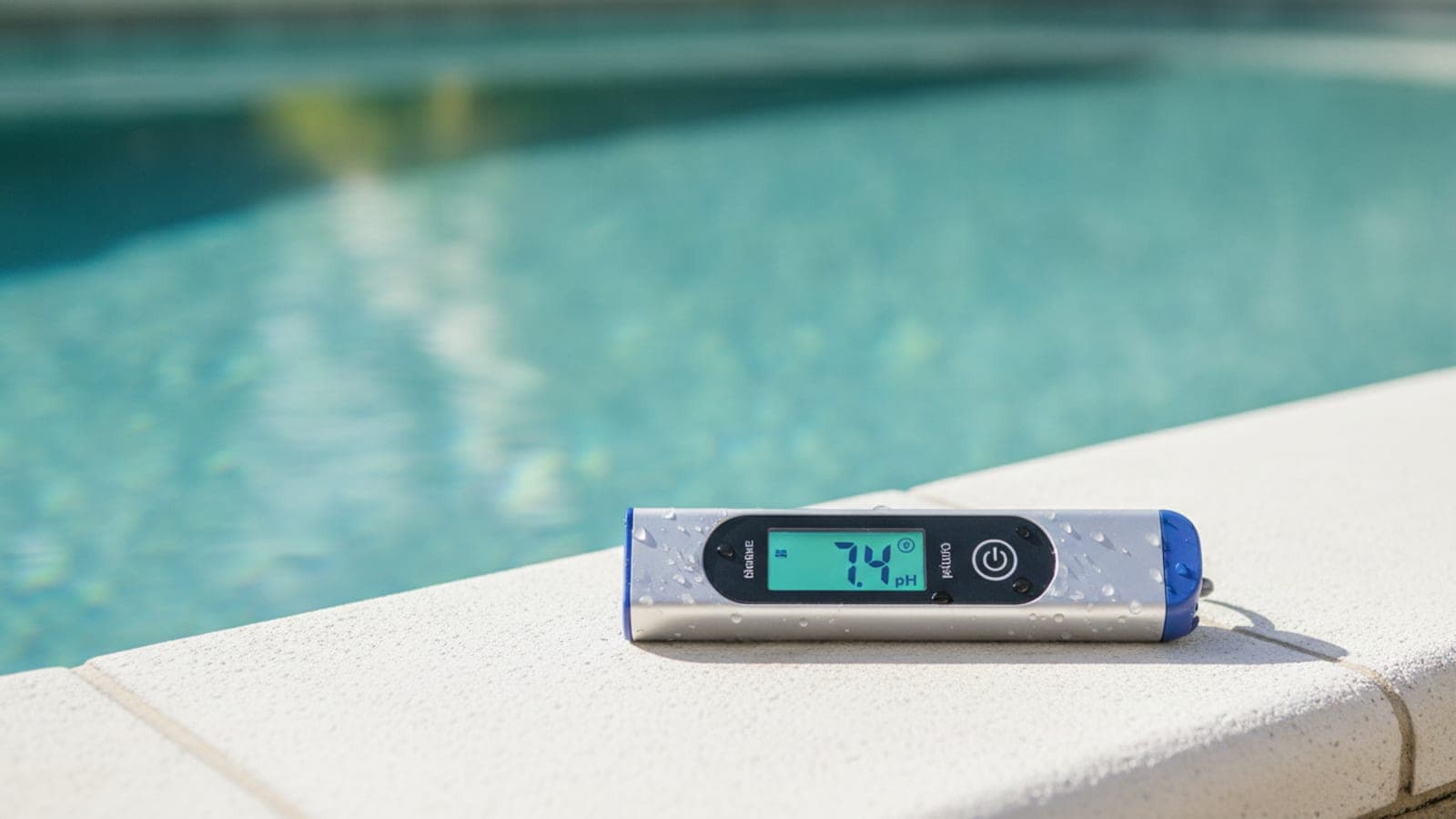
Use a reliable test method that gives you a clear reading before you add chemicals. Test strips are convenient, but a drop test kit or quality digital meter can be better when you are making dosing decisions.

The right testing tool depends on how serious the adjustment is.

Testing optionBest forWatch out for
Test stripsQuick checks during the weekColor matching can be vague
Drop test kitRoutine dosing decisionsTakes a little more time
Digital meterFrequent testing and easy readingNeeds calibration and care
Pool store testOccasional confirmationDo not buy every bottle suggested automatically

Rinse testing containers, use fresh reagents, and keep test products stored correctly. Expired or badly stored test materials can make you chase a number that was never real.

How should you adjust pool pH without making things worse?

Adjust pool pH by confirming the reading, checking pool volume, reviewing alkalinity, adding the correct product in small steps, circulating, and retesting. The slower path is usually faster than overcorrecting twice.

Here is the calm version:

  1. Test pH and free chlorine.
  2. Test total alkalinity if pH is drifting or far from range.
  3. Confirm gallons with the pool volume calculator.
  4. Use the right calculator: pH increaser for low pH, acid for high pH.
  5. Read the product label.
  6. Add less than the full correction if the pool has been unstable.
  7. Run the pump.
  8. Retest after circulation.
  9. Repeat only if the new reading confirms it.

Worked example: say your 15,000-gallon pool tests at pH 8.0 and total alkalinity is also high. You do not want to pour acid like you are putting out a cartoon fire. Use the acid calculator for a conservative dose, circulate, retest, and expect this to be a process if alkalinity is the reason pH keeps floating upward.

What should you buy before chasing pH?

The useful pH products are not exciting, which is good. You want boring tools that prevent expensive guessing.

Recommended product cards:

  • Full drop test kit for chlorine, pH, alkalinity, calcium hardness, and CYA
  • Digital pool test meter for easier frequent checks
  • Muriatic acid or dry acid for lowering pH, based on label directions
  • Soda ash or pH increaser for raising pH
  • Alkalinity increaser for low-buffer water
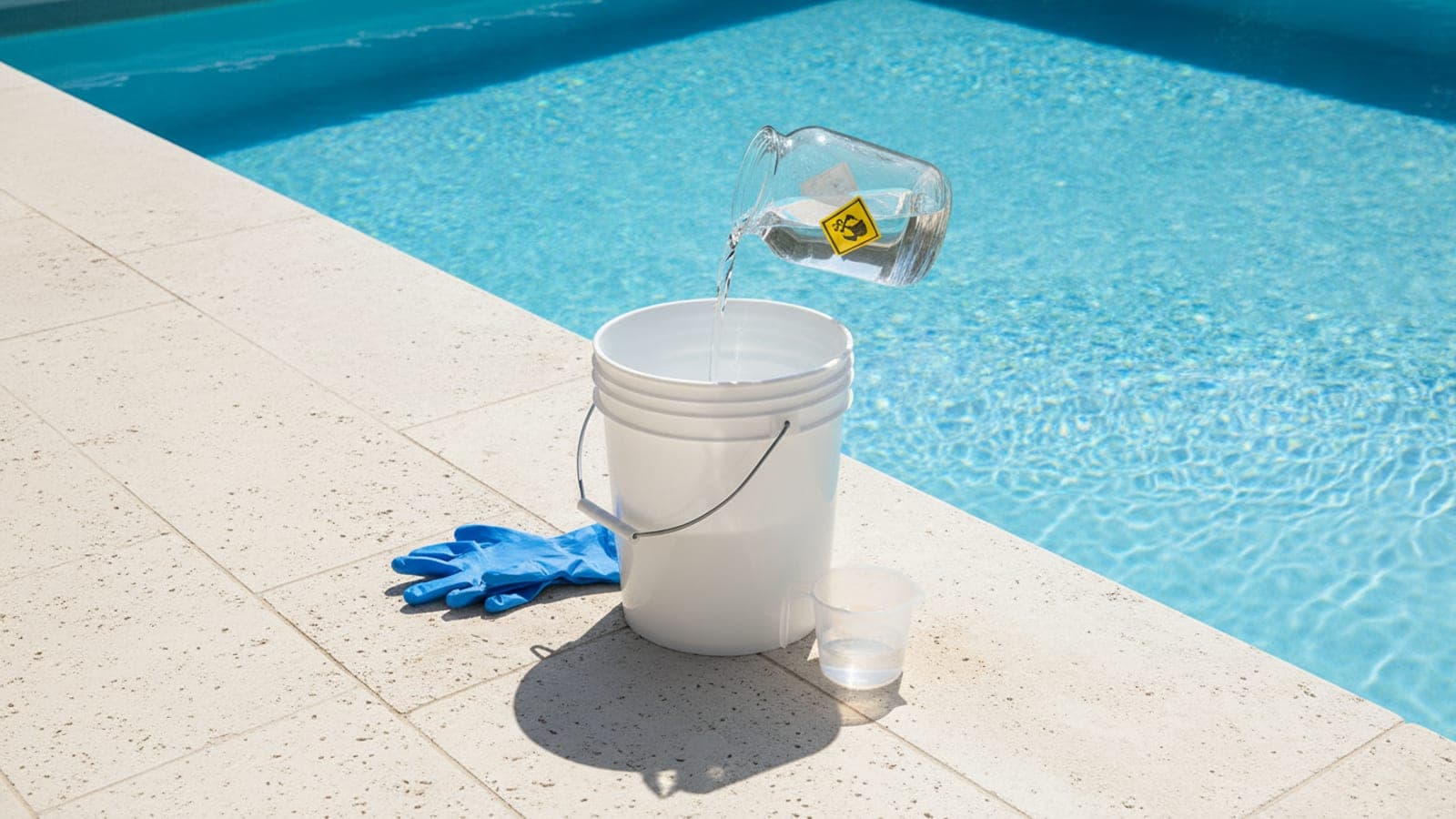
  • Chemical-resistant gloves and safety goggles
  • Measuring cup or chemical-safe dosing container used only for pool products

Disclosure: We may earn a commission if you buy through product links on this page. As an Amazon Associate, we earn from qualifying purchases.

Product links should sit after the diagnosis, not before it. A homeowner who knows whether pH is high, low, or being pushed around by alkalinity is a much better buyer than someone panic-clicking bottles because the water looked at them funny.

When is pH a symptom instead of the main problem?

pH is a symptom when the same correction keeps failing. If pH returns high or low again and again, look for the force moving it.

Common causes include:

  • High or low total alkalinity
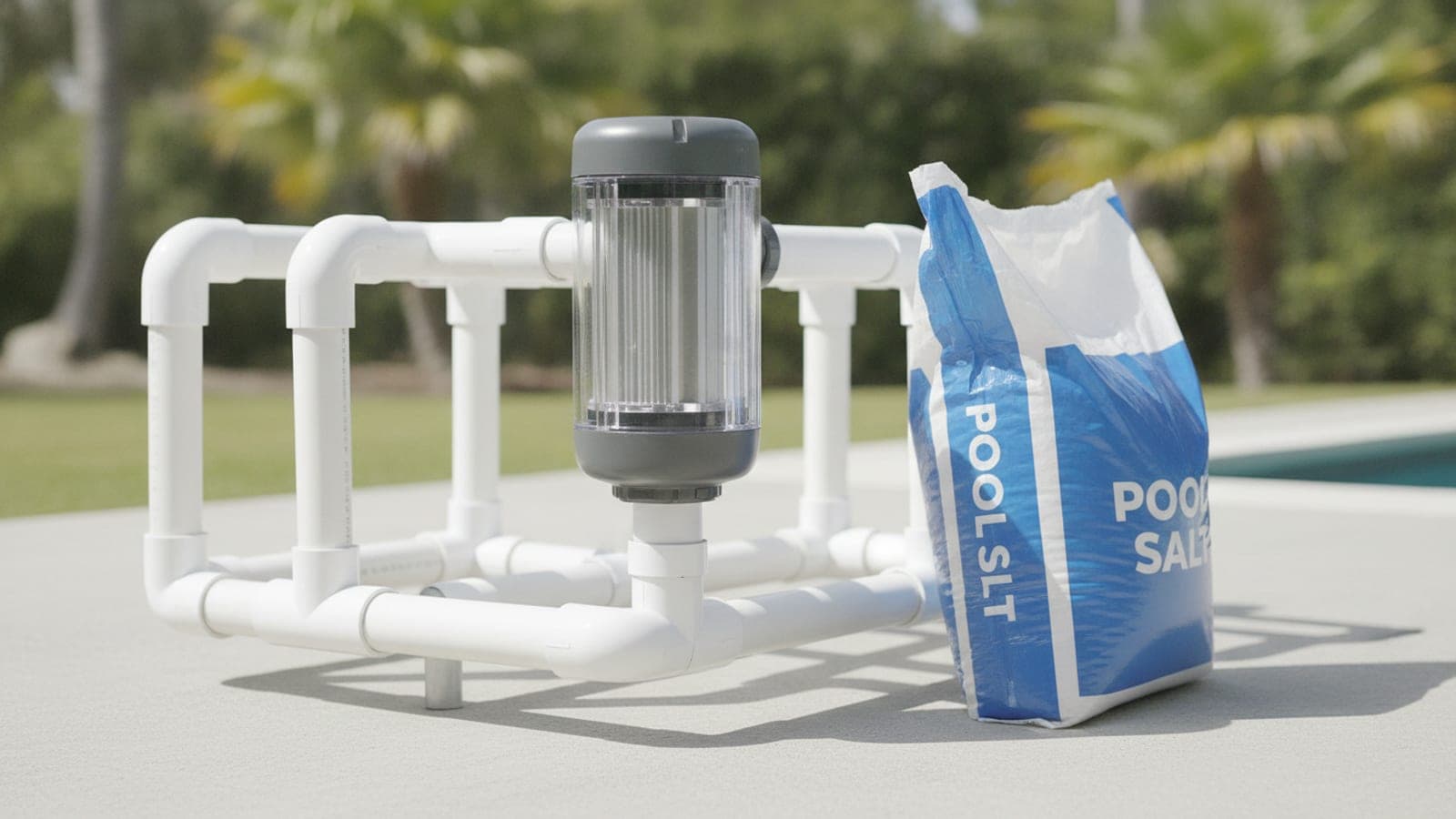
  • Saltwater chlorine generator operation
  • Waterfalls, spillovers, bubblers, or aeration
  • New plaster or curing surface materials
  • Rain and fill-water chemistry
  • Heavy swimming and sunscreen load
  • Overuse of acidic or basic chemicals
  • Testing error or old reagents

Do not keep dosing blind. Use the pH calculator for the immediate number, then trace the pattern. If the pool is cloudy, green, staining, scaling, or irritating swimmers, move into a troubleshooting guide instead of treating pH as the only villain.

Start with pool chemistry basics, then branch into how to raise pH or how to lower pH. That gives readers a clear path instead of a chemical aisle panic spiral.

External sources to verify before publishing

Frequently asked questions

What is the ideal pool pH?

A practical target for many home pools is around 7.4 to 7.6, while CDC recommends keeping pool pH between 7.0 and 7.8. Use your product labels, equipment guidance, and local pool professional advice for your exact setup.

Is 7.8 pH too high for a pool?

A pH of 7.8 is at the upper edge of CDC's recommended range. It may still be swimmable if chlorine is appropriate, but it can make scaling and cloudy water more likely if alkalinity or calcium hardness are also high.

Is 7.0 pH too low for a pool?

A pH of 7.0 is within CDC's stated range, but it is low enough that many homeowners would retest and watch for eye comfort, corrosion risk, and fast movement downward.

Why does pool pH keep rising?

Pool pH commonly rises from aeration, high alkalinity, saltwater chlorine generators, new plaster, water features, spillovers, heavy use, and some chemical additions.

Should I fix pH or alkalinity first?

If total alkalinity is far outside range, address that first because alkalinity buffers pH. If alkalinity is close and pH is slightly off, adjust pH carefully and retest.

Can I swim if pool pH is off?

Do not swim if sanitizer is too low, water is cloudy, or chemical labels say to wait. If pH is outside the recommended range, correct it and retest before swimming.
The weekly skim

One short email a week: what to test, what to buy, and what to skip. No daily drip. Unsubscribe anytime.

Keep reading