
Quick verdict
A straightforward value buy for the tablet chlorine every pool needs anyway. Buy the biggest bucket you'll use in a season.
Ideal for
- Everyday chlorine maintenance via floater or inline chlorinator
- Bulk buyers
- Owners tracking price per pound
Not ideal for
- Pools with already-high cyanuric acid
- Spas/hot tubs (use spa-specific products)
The full picture
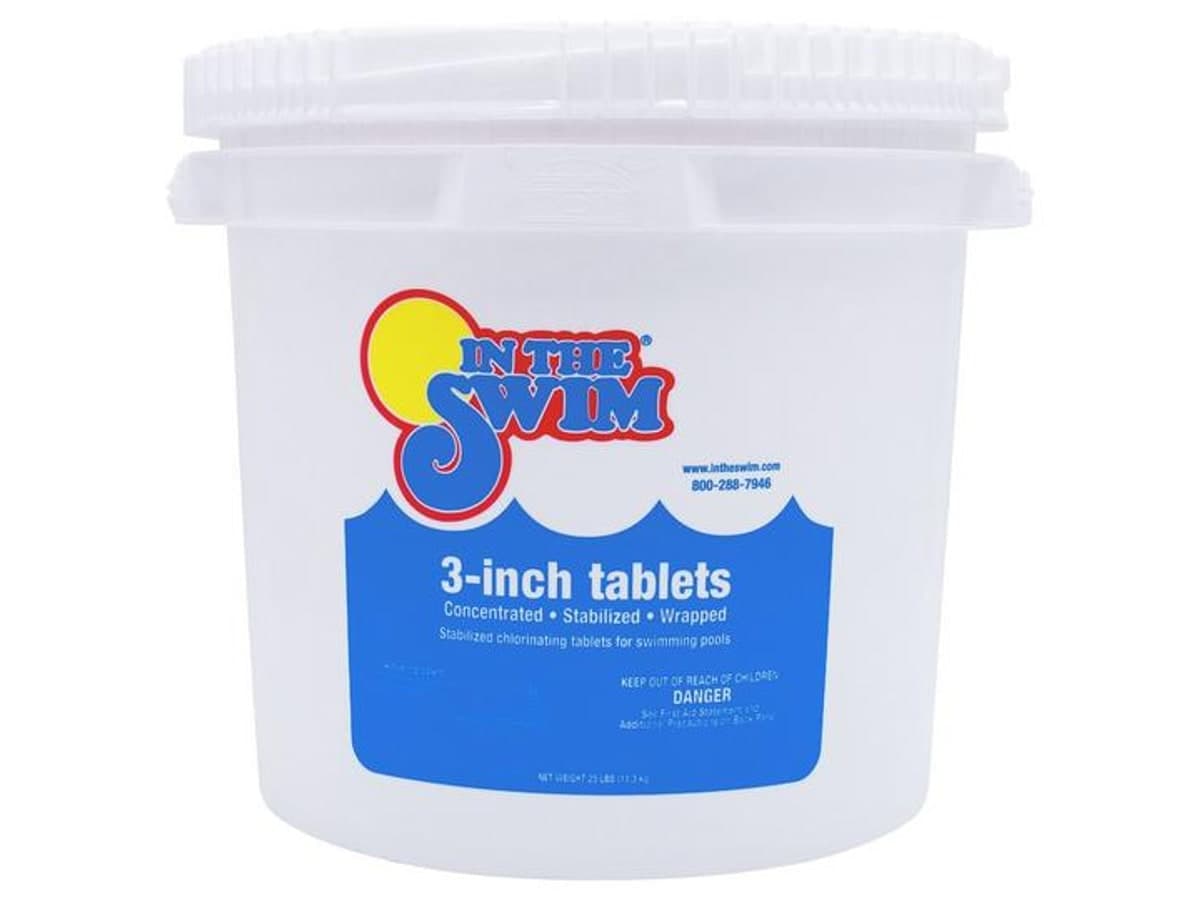
Trichlor tablets are how most pools hold a steady chlorine residual between shocks, and the practical differences between brands come down to purity, wrapping, and price per pound. In The Swim's 3-inch tablets are individually wrapped (no chlorine dust cloud when you open the bucket), slow-dissolving, and typically priced below big-box brands per pound when bought in larger buckets. The chemistry caveat applies to every trichlor tablet, not just these: they're stabilized, so they add cyanuric acid continuously. Test CYA monthly and switch your shock to cal-hypo when it trends high.
In The Swim 3-Inch Stabilized Chlorine Tablets at a glance
- Type
- Stabilized chlorine tablets (trichlor)
- How often
- Continuous via floater or inline chlorinator; typically 1–3 tablets per week per 10,000 gallons
- Size / volume
- 10–50 lb buckets
- Active ingredient
- Trichloro-s-triazinetrione (trichlor), ~90% available chlorine
- Coverage
- Scales with pool volume; see label
- Compatible pools
- Chlorine pools; never place tablets directly on vinyl or fiberglass surfaces
- Safety
- Never mix with cal-hypo or any other chemical — violent reaction risk. Use a floater or chlorinator, not the skimmer, if your pump doesn't run continuously.
- Storage
- Cool, dry, ventilated; keep bucket sealed; never store near cal-hypo shock.
Source: Compiled from In The Swim product labeling and standard trichlor chemistry. Follow the label on your package for dosing.
This is a research-based review — our analysis draws on manufacturer specifications, manuals, warranty terms, and verified owner feedback rather than our own hands-on testing, and we note where a detail couldn't be confirmed. How we review
Performance breakdown
Research-based editorial judgments from specs, warranty terms, and verified owner feedback — not lab measurements. How we score
Pros and cons
What works
- Individually wrapped — no dust, no touching tablets
- Competitive price per pound in larger buckets
- Slow, steady dissolve in floaters and chlorinators
- 90% available chlorine (standard full-strength trichlor)
What doesn't
- Adds cyanuric acid with every tablet (inherent to trichlor)
- Lowers pH over time — watch alkalinity
- Bucket shipping in summer heat occasionally draws complaints
Best alternatives to In The Swim 3-Inch Stabilized Chlorine Tablets
LaMotte
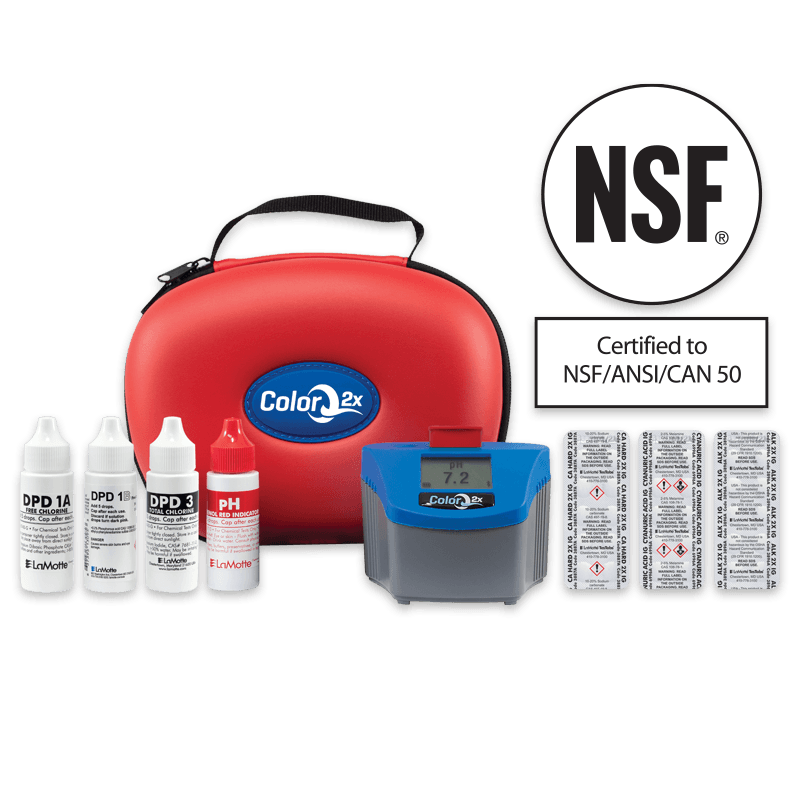
LaMotte ColorQ 2X Pro 7 Digital Tester
Best digital tester
A digital photometer that reads seven parameters and removes the color-matching guesswork from testing.
In The Swim
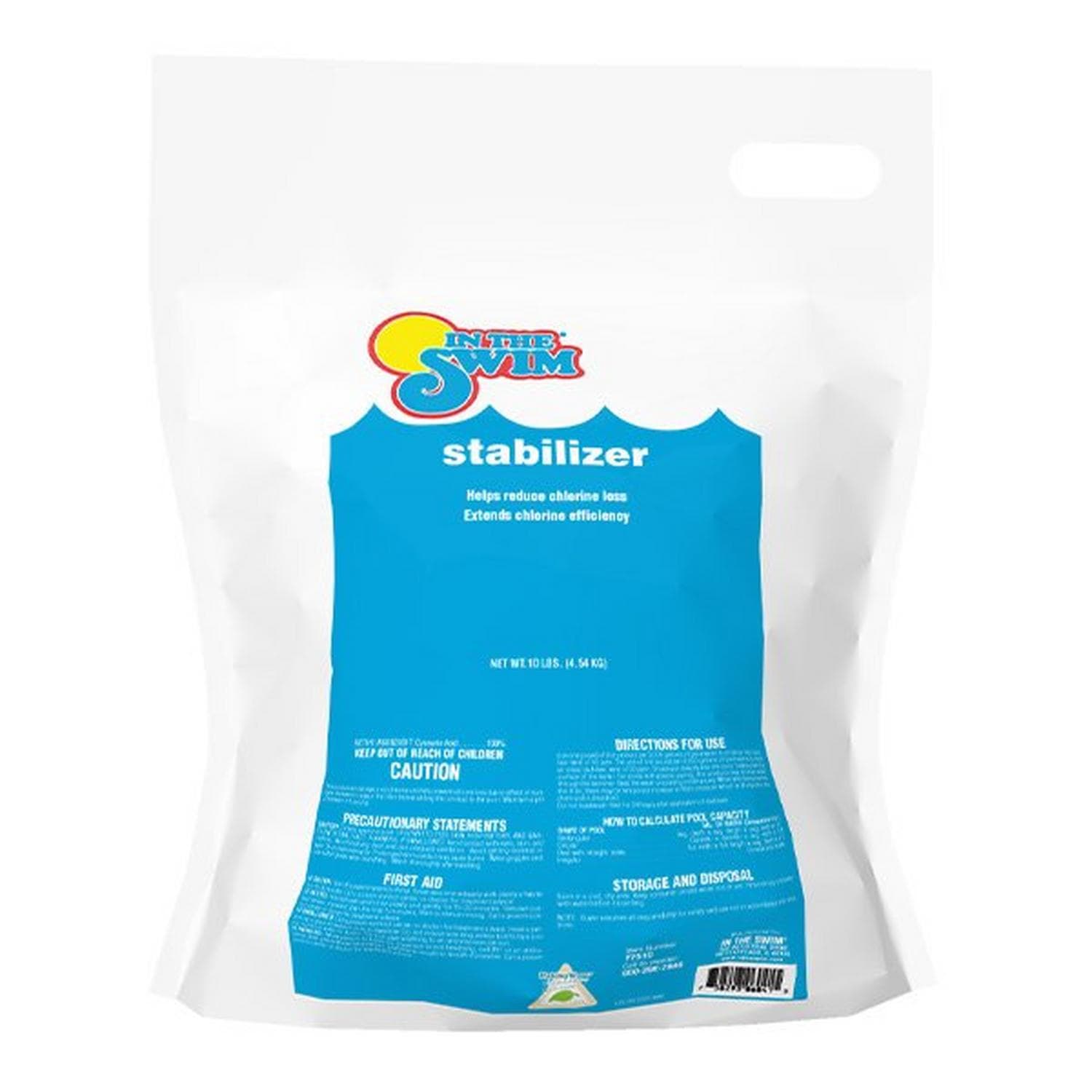
In The Swim Pool Stabilizer (Cyanuric Acid, 10 lb)
Protect chlorine (CYA)
Cyanuric acid that shields chlorine from sunlight — without it, the sun burns off your sanitizer in hours.
In The Swim
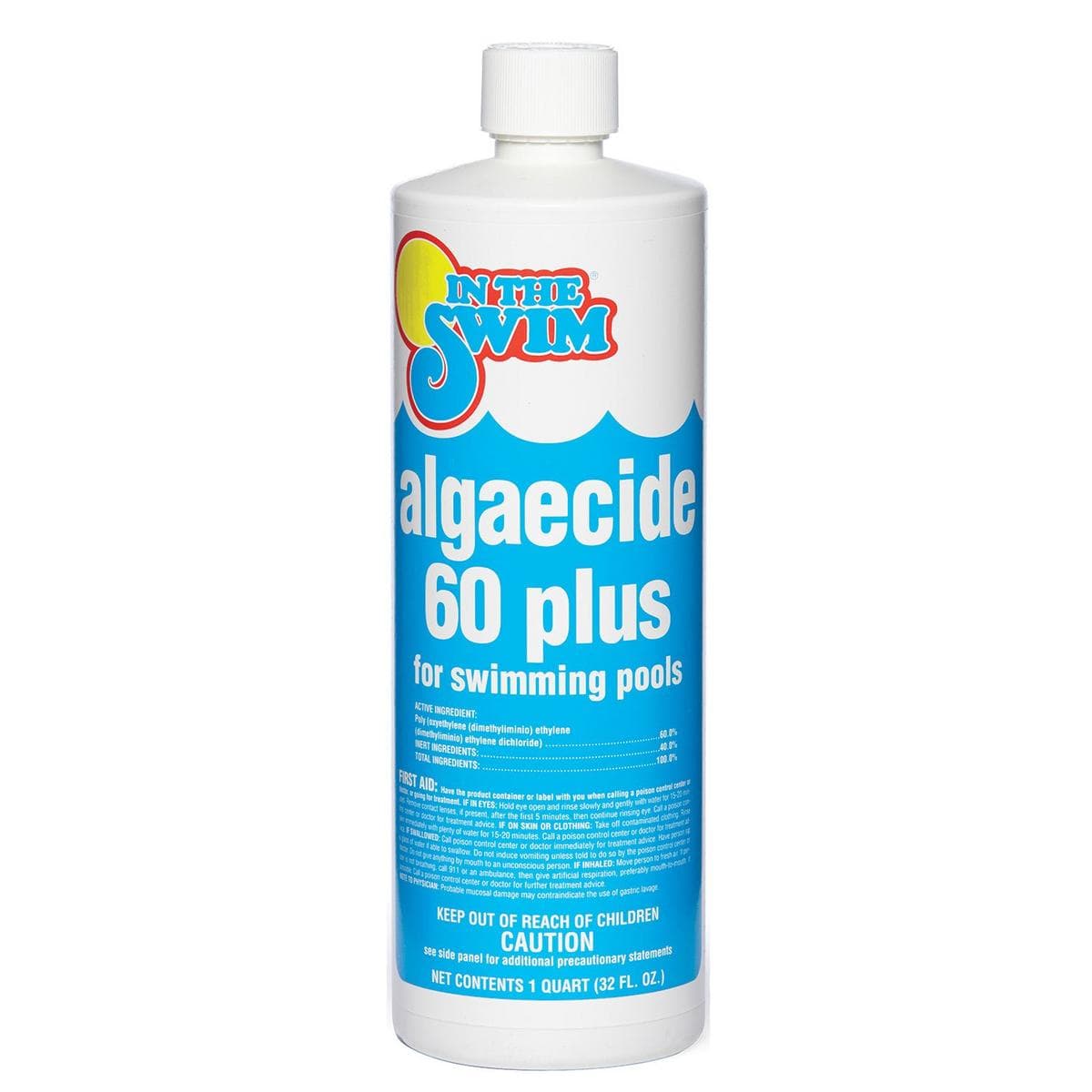
In The Swim Algaecide 60 Plus (1 Quart)
Prevent algae
A concentrated, non-metallic poly-quat algaecide that prevents algae blooms without staining or foaming.
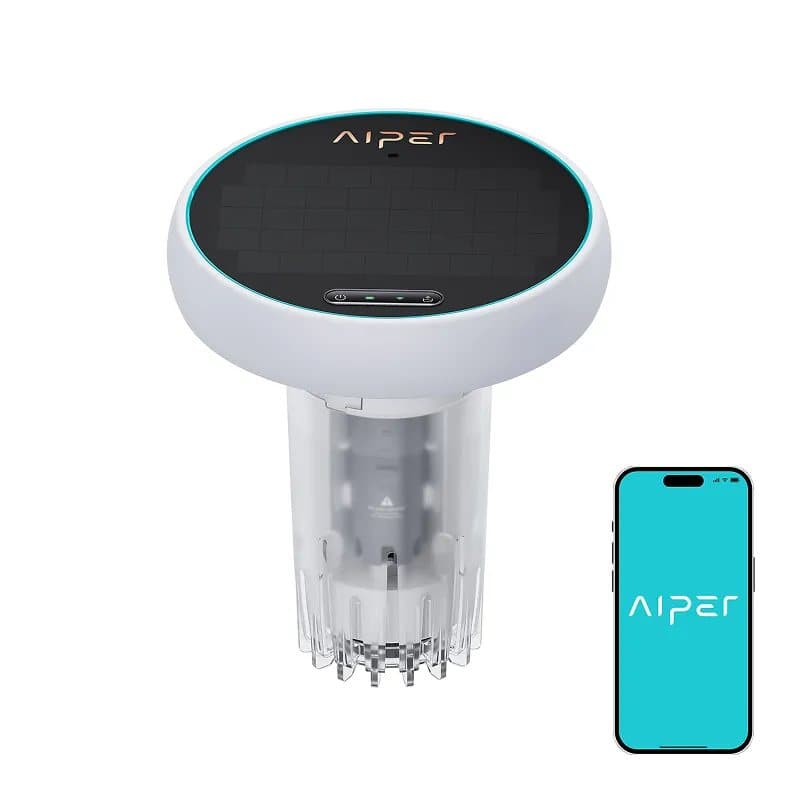
Aiper
Aiper HydroComm Pro 5-in-1 Smart Pool Monitor
Best for Aiper Scuba X owners
The HydroComm monitor plus an underwater-communication station for Aiper Scuba X robots: 5-in-1 water testing and one-click robot retrieval in one solar device.
Frequently asked questions
Can I put chlorine tablets in my skimmer?
Only if your pump runs 24/7. When the pump stops, acidic chlorinated water sits in the skimmer and plumbing and corrodes equipment. A floater or inline chlorinator is safer for most setups.