
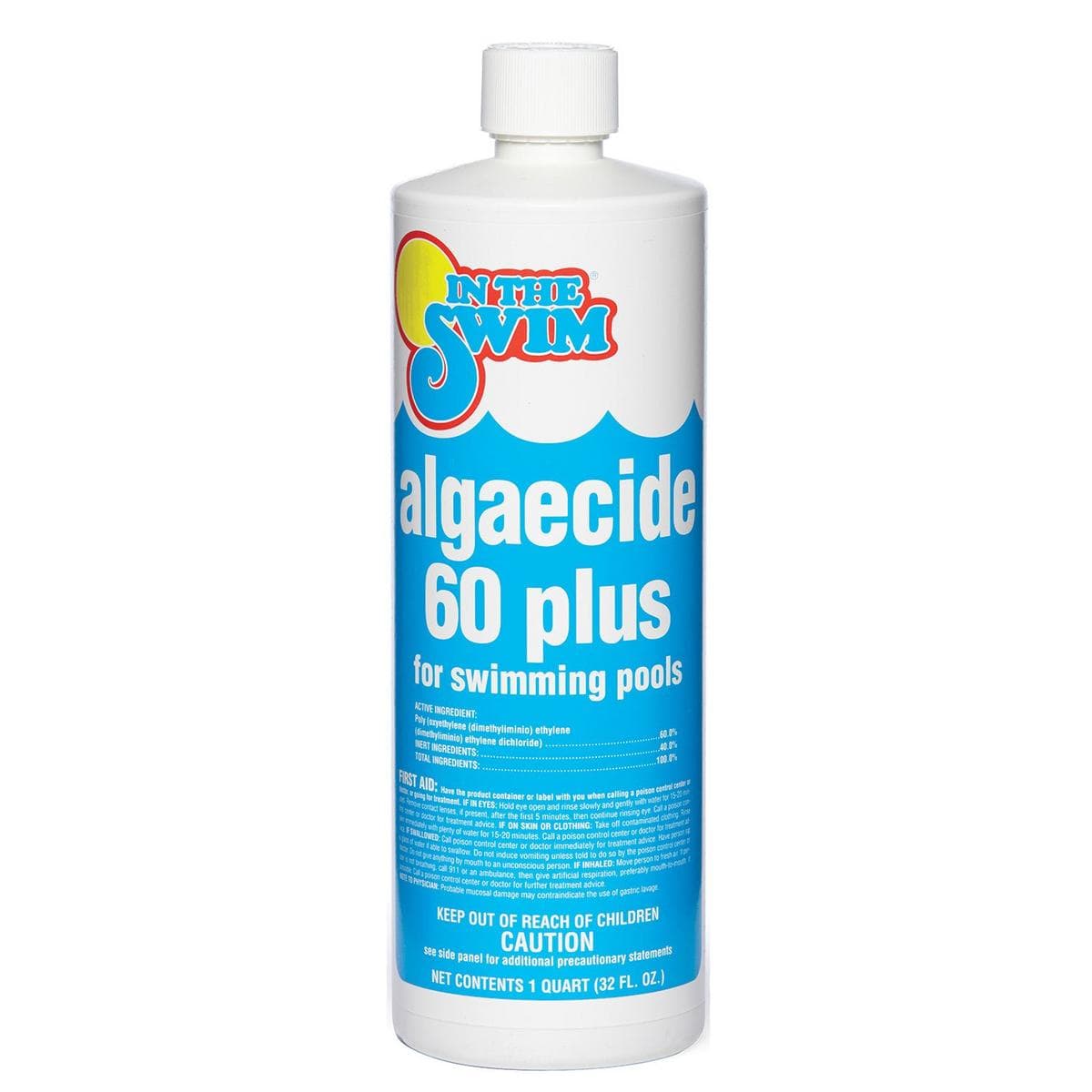
Quick verdict
The safe, non-staining algaecide for weekly prevention. Poly-quat beats copper formulas on staining and foaming — use it to prevent, not rescue.
Ideal for
- Weekly algae prevention
- Salt and all pool types
- Hot climates / after storms
Not ideal for
- Rescuing an active green bloom alone (shock first)
- Owners wanting a copper-based algaecide
The full picture
Chlorine does most of the sanitizing, but a good algaecide is cheap insurance against green water — especially in heat, after storms, or when chlorine dips. In The Swim Algaecide 60 Plus is a 60% poly-quat (non-metallic) formula, which matters: metallic (copper) algaecides can stain surfaces and cloud water, while poly-quat is non-staining, low-odor, and non-foaming. It's compatible with chlorine, bromine, biguanide, and salt systems, making it a safe universal choice. Use it as a weekly preventative (6–11 oz per 10,000 gallons initially, less for maintenance), not a rescue for an existing bloom — algae that's already established needs shock plus brushing first, then algaecide to keep it from returning.
In The Swim Algaecide 60 Plus (1 Quart) at a glance
- Type
- Algaecide (algae preventative)
- How often
- Weekly maintenance dose
- Size / volume
- 1 quart
- Active ingredient
- 60% poly[oxyethylene] (poly-quat), non-metallic
- Coverage
- 6–11 oz per 10,000 gal initial; less for weekly maintenance
- Compatible pools
- Chlorine, bromine, biguanide, and salt
- Safety
- Keep from children; add to water with pump running; don’t mix with other chemicals.
- Storage
- Store cool and sealed; keep from freezing.
Source: Compiled from manufacturer specifications, label directions, industry practice, and aggregated owner feedback. Follow label instructions; specs and prices change — confirm before buying.
This is a research-based review — our analysis draws on manufacturer specifications, manuals, warranty terms, and verified owner feedback rather than our own hands-on testing, and we note where a detail couldn't be confirmed. How we review
The in-depth review
Chlorine does most of the sanitizing, but a good algaecide is cheap insurance against green water — especially in heat, after storms, or when chlorine dips. This is a smart one to keep on the shelf.
Why poly-quat matters
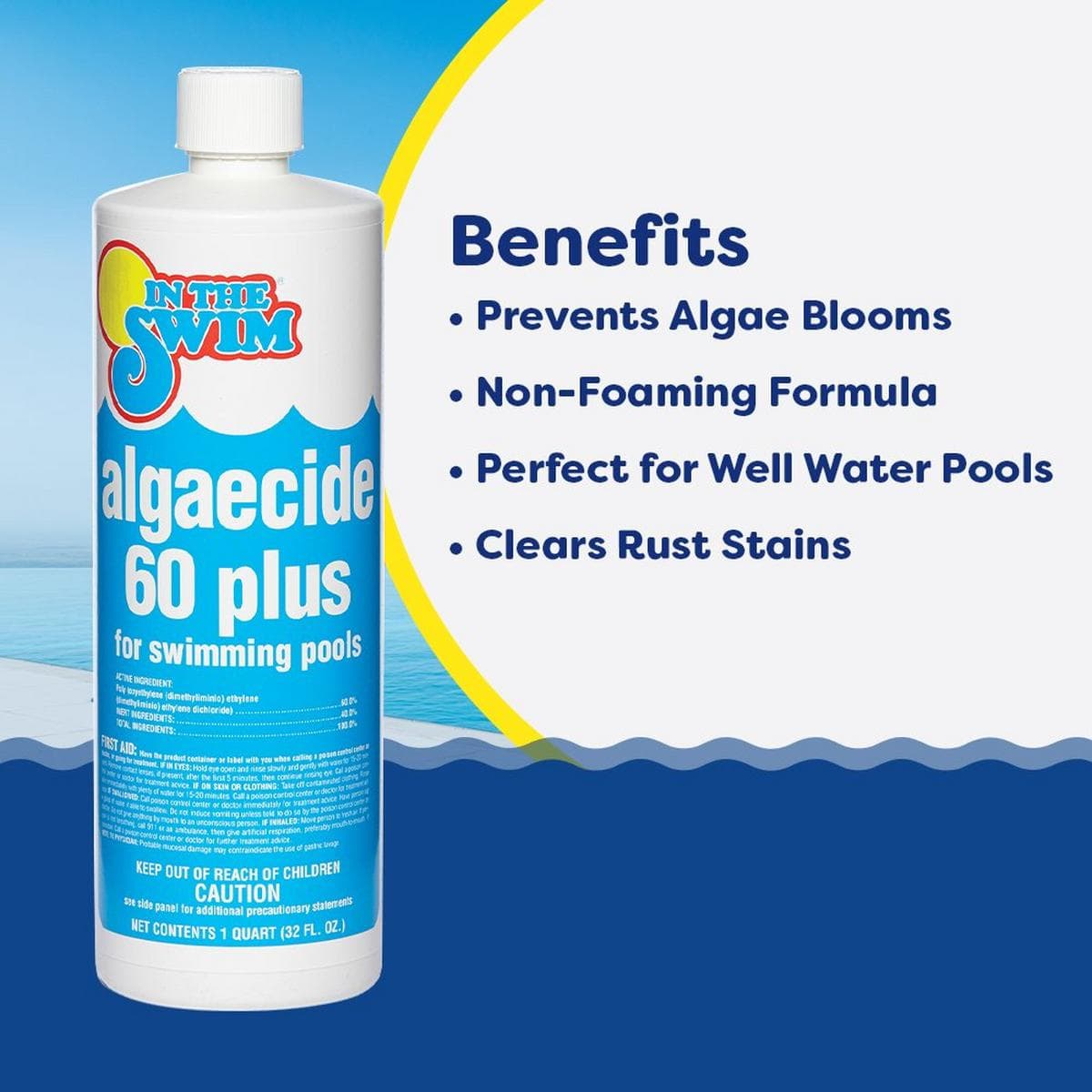
Algaecide 60 Plus is a 60% poly-quat (non-metallic) formula, and that's the key spec. Metallic copper algaecides can stain plaster and metal and cloud water; poly-quat is non-staining, low-odor, and non-foaming. It's compatible with chlorine, bromine, biguanide, and salt systems, so it's a safe universal pick regardless of how you sanitize.
How to use it
Treat it as weekly prevention, not a rescue. Dose 6–11 oz per 10,000 gallons initially, less for maintenance. An algaecide won't clear a pool that's already green — that needs shock and brushing first; algaecide then keeps the algae from coming back. And it never replaces chlorine; it supplements it.
Who needs it
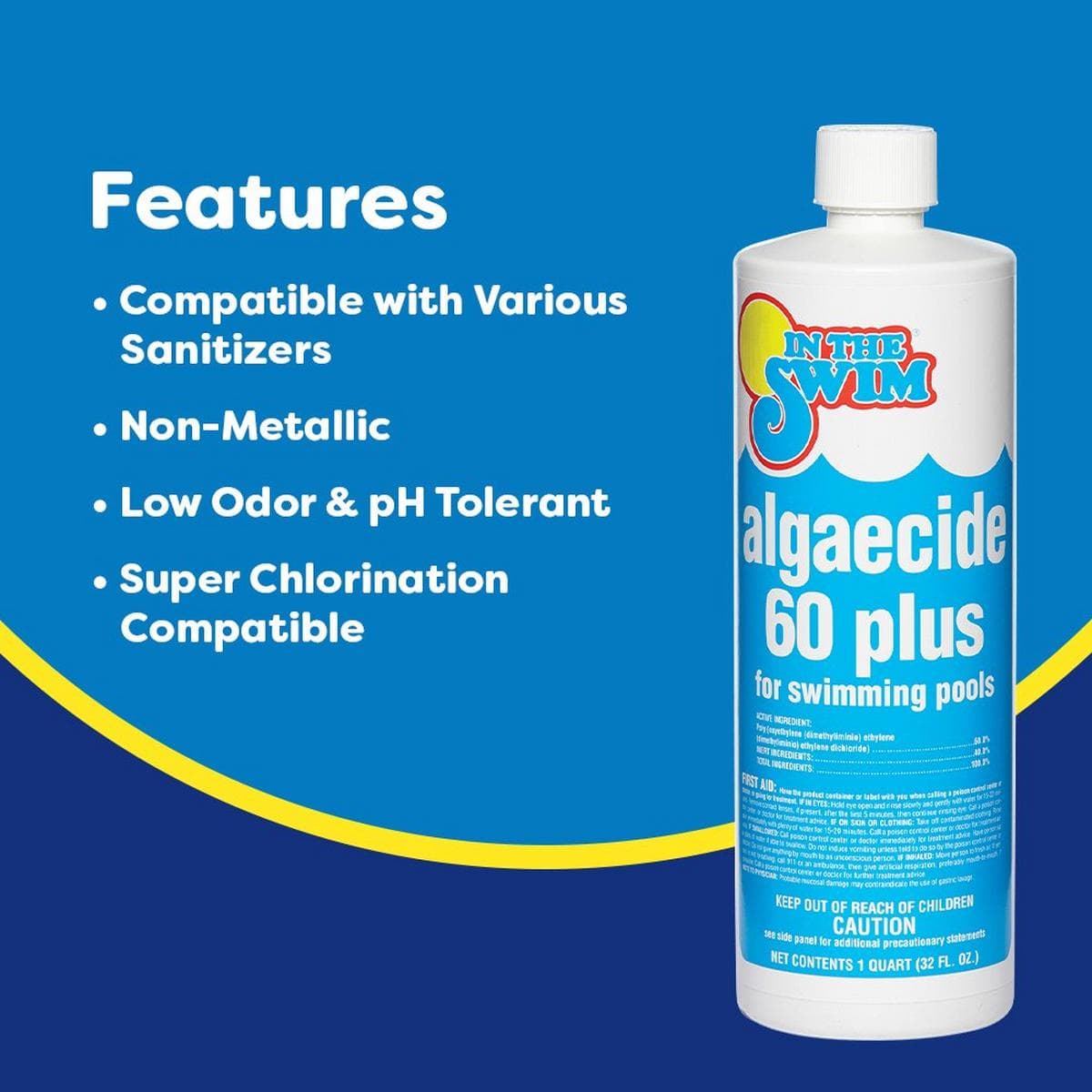
Anyone who wants insurance against blooms, especially in hot climates, after storms, or on pools where chlorine occasionally dips. Skip a copper algaecide in favor of this if you've ever fought metal stains.
Performance breakdown
Research-based editorial judgments from specs, warranty terms, and verified owner feedback — not lab measurements. How we score
Pros and cons
What works
- Non-metallic — won’t stain like copper algaecides
- Low-odor and non-foaming
- Compatible with salt and all sanitizers
- Cheap weekly insurance
What doesn't
- Prevents, not rescues active blooms
- Poly-quat can foam if badly over-dosed
- Needs regular dosing to work
- Not a substitute for chlorine
Best alternatives to In The Swim Algaecide 60 Plus (1 Quart)
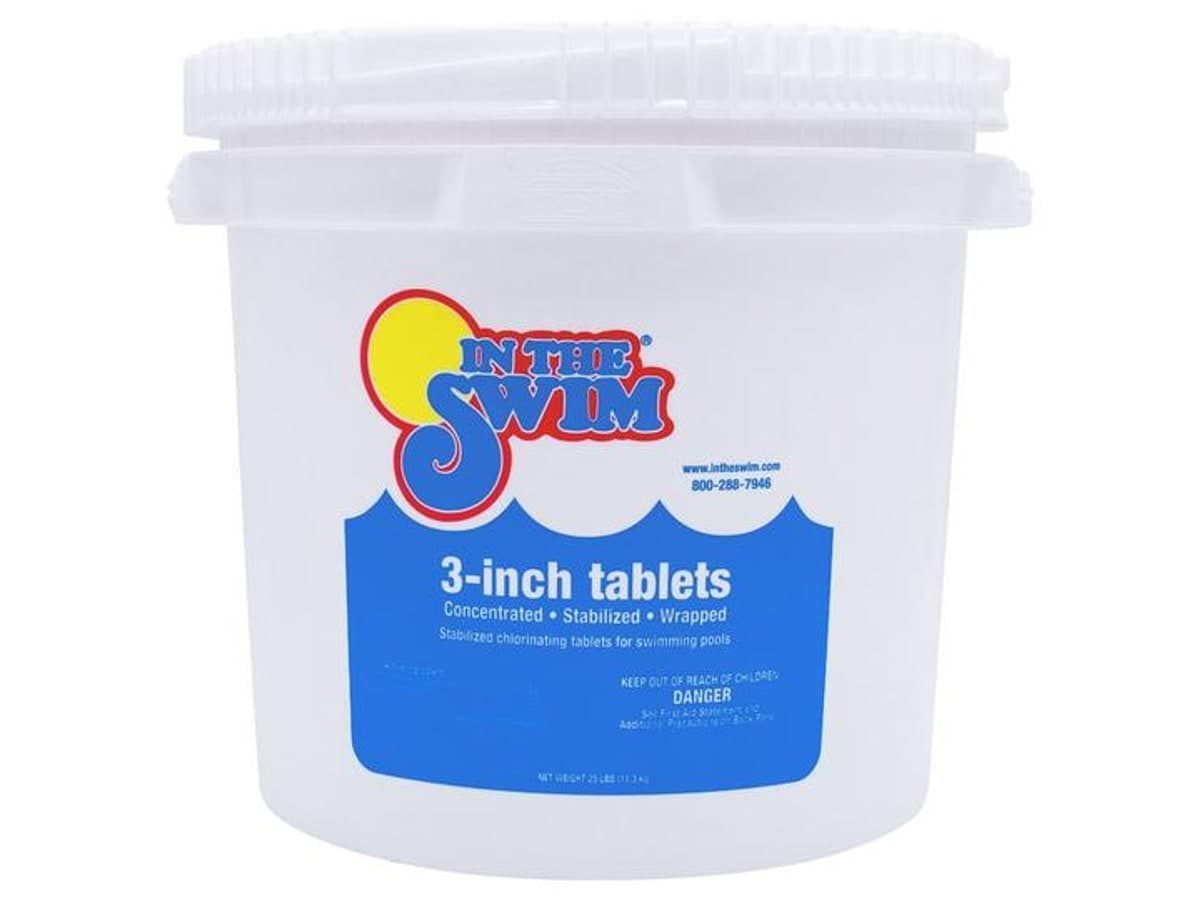
In The Swim
In The Swim 3-Inch Stabilized Chlorine Tablets
Best value chlorine tablets
Individually wrapped trichlor tablets from a specialty retailer that competes hard on per-pound price — the maintenance backbone for most residential pools.
LaMotte
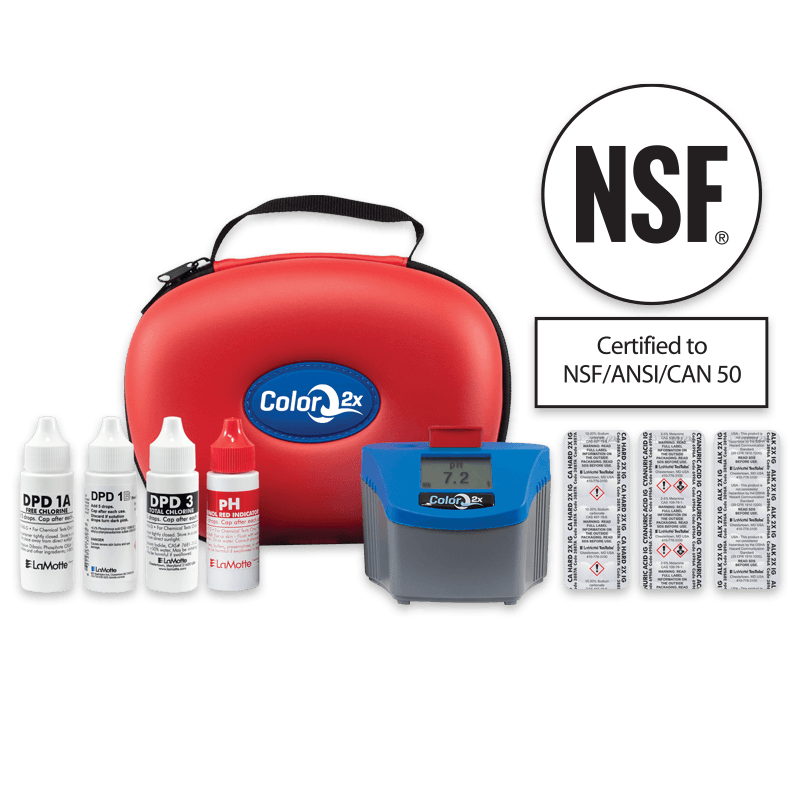
LaMotte ColorQ 2X Pro 7 Digital Tester
Best digital tester
A digital photometer that reads seven parameters and removes the color-matching guesswork from testing.
In The Swim
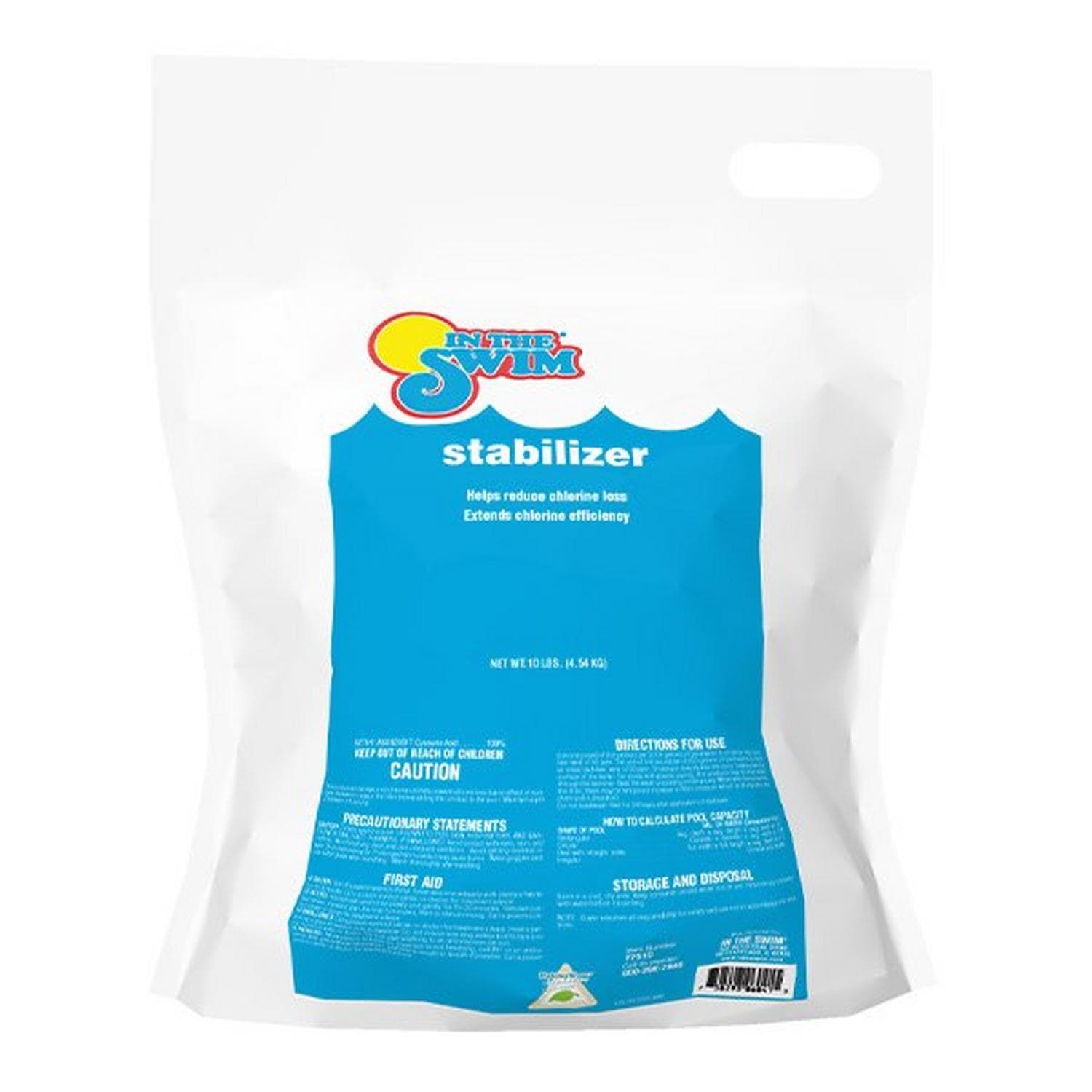
In The Swim Pool Stabilizer (Cyanuric Acid, 10 lb)
Protect chlorine (CYA)
Cyanuric acid that shields chlorine from sunlight — without it, the sun burns off your sanitizer in hours.
Aiper
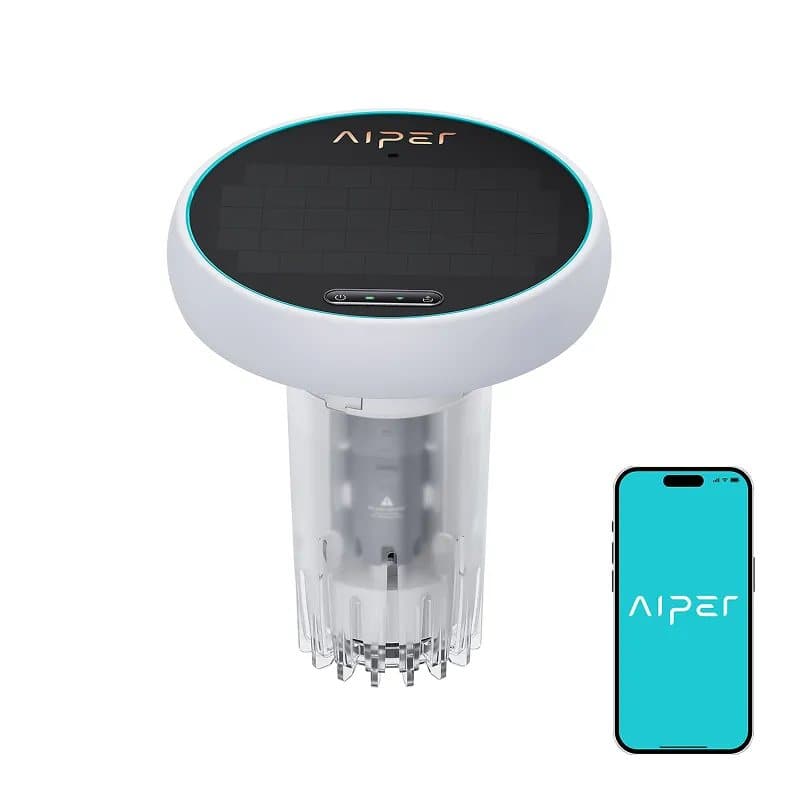
Aiper HydroComm Pro 5-in-1 Smart Pool Monitor
Best for Aiper Scuba X owners
The HydroComm monitor plus an underwater-communication station for Aiper Scuba X robots: 5-in-1 water testing and one-click robot retrieval in one solar device.
Frequently asked questions
Why non-metallic (poly-quat) over copper algaecide?
Copper-based algaecides can stain plaster and metal fixtures and cloud water, especially if over-dosed. Poly-quat formulas like this are non-staining, low-odor, and non-foaming, which makes them a safer universal choice.
Will algaecide clear my already-green pool?
Not on its own. An active bloom needs shock (a big chlorine dose) plus brushing first; algaecide is best as a preventative afterward to stop algae from coming back.
Is it safe for salt pools?
Yes — it’s compatible with salt systems as well as chlorine, bromine, and biguanide pools, so it works regardless of how you sanitize.
How often should I add it?
A weekly maintenance dose is typical, with a larger initial dose (6–11 oz per 10,000 gallons). More in heat or after heavy rain; less if your chlorine is consistently strong.
Does it replace chlorine?
No — chlorine is your sanitizer; algaecide is a supplemental preventative. Keep chlorine in range and use algaecide as backup, not as a substitute.
Why did it foam?
Poly-quat can foam if significantly over-dosed. Stick to label rates; if you see foam, it usually dissipates with circulation and time, and you should hold off on adding more.