
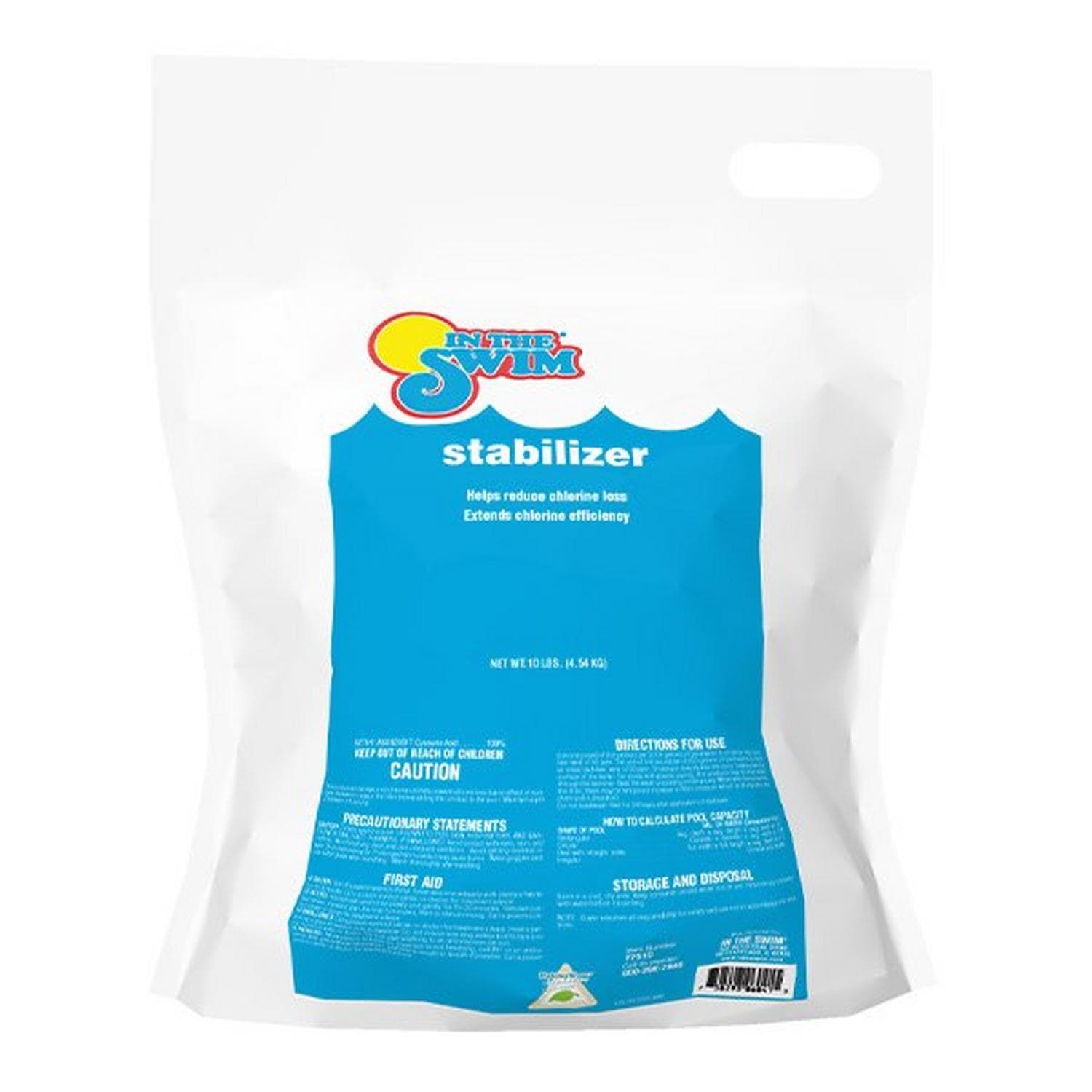
Quick verdict
Essential sunscreen for chlorine on outdoor pools. Add conservatively — CYA only comes down by draining and refilling.
Ideal for
- Outdoor chlorine pools with low CYA
- Pools losing chlorine fast in sun
- New fills / after heavy dilution
Not ideal for
- Pools already at 30–50+ ppm CYA
- Indoor pools (little UV)
- Pools already high from trichlor tabs
The full picture
Cyanuric acid (CYA, or stabilizer/conditioner) acts like sunscreen for chlorine: without it, UV destroys free chlorine astonishingly fast, and you burn through sanitizer chasing a level you can't hold. In The Swim Pool Stabilizer is 100% cyanuric acid that brings an outdoor pool into the ideal 30–50 ppm range, cutting chlorine loss dramatically. The catch is that CYA only goes up — the only way to lower it is dilution — so add conservatively and retest. Note that stabilized chlorine (trichlor tabs, dichlor shock) already adds CYA over a season, so pools using those may not need much extra. Essential for any outdoor chlorine pool that isn't already high in CYA.
In The Swim Pool Stabilizer (Cyanuric Acid, 10 lb) at a glance
- Type
- Stabilizer / conditioner (raises cyanuric acid)
- How often
- Once to reach 30–50 ppm; top up after major dilution
- Size / volume
- 10 lb
- Active ingredient
- 100% cyanuric acid
- Coverage
- ~13 oz per 10,000 gal raises CYA ~10 ppm; ideal 30–50 ppm
- Compatible pools
- Outdoor chlorine and salt pools
- Safety
- Slow to dissolve — add via skimmer sock or broadcast and brush; keep from children.
- Storage
- Store cool, dry, and sealed.
Source: Compiled from manufacturer specifications, label directions, industry practice, and aggregated owner feedback. Follow label instructions; specs and prices change — confirm before buying.
This is a research-based review — our analysis draws on manufacturer specifications, manuals, warranty terms, and verified owner feedback rather than our own hands-on testing, and we note where a detail couldn't be confirmed. How we review
The in-depth review
Cyanuric acid (CYA) is sunscreen for chlorine. Without it, UV destroys free chlorine astonishingly fast, and you burn through sanitizer chasing a level you can't hold. In The Swim Pool Stabilizer fixes that.
What it does
It's 100% cyanuric acid that brings an outdoor pool into the ideal 30–50 ppm range, dramatically cutting UV chlorine loss. The one rule to remember: CYA only goes up. The only way to lower it is to dilute by draining and refilling, so you add conservatively — about 13 oz per 10,000 gallons raises CYA ~10 ppm — and retest.
The catch worth knowing
If you use trichlor tablets or dichlor shock, those are "stabilized" and already add CYA every dose. Many tab users find CYA creeps up on its own and need little or no extra stabilizer — so test before you add. Too much CYA makes chlorine sluggish, which is its own headache.
Who needs it
Any outdoor chlorine or salt pool with low CYA, especially after a fresh fill or heavy dilution. Indoor pools barely need it, and pools already high from stabilized chlorine should hold off.
Performance breakdown
Research-based editorial judgments from specs, warranty terms, and verified owner feedback — not lab measurements. How we score
Pros and cons
What works
- Dramatically reduces UV chlorine loss
- Pure cyanuric acid
- A little goes a long way
- Works for chlorine and salt pools
What doesn't
- Only goes up — dilution is the only way down
- Slow to dissolve
- Too much makes chlorine sluggish
- Not needed if trichlor tabs already raise CYA
Best alternatives to In The Swim Pool Stabilizer (Cyanuric Acid, 10 lb)
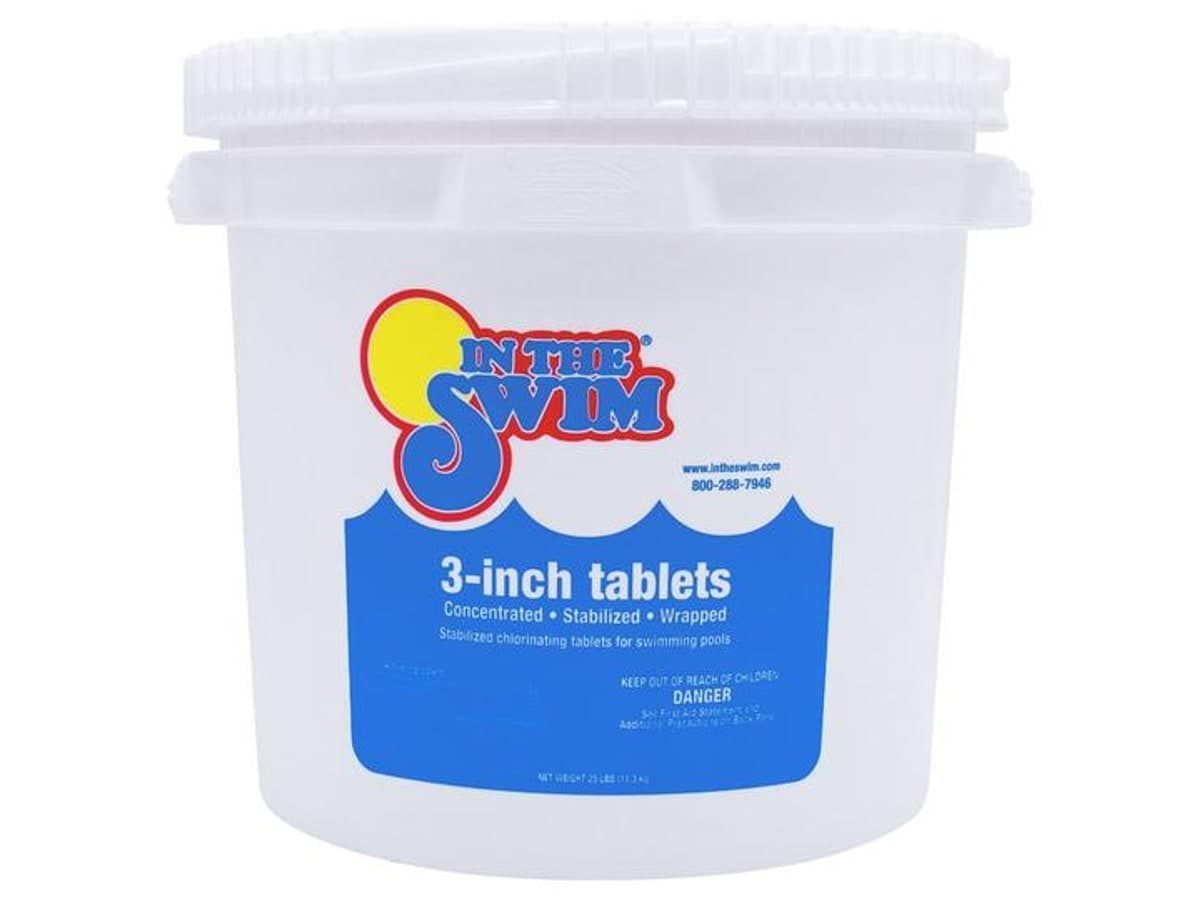
In The Swim
In The Swim 3-Inch Stabilized Chlorine Tablets
Best value chlorine tablets
Individually wrapped trichlor tablets from a specialty retailer that competes hard on per-pound price — the maintenance backbone for most residential pools.
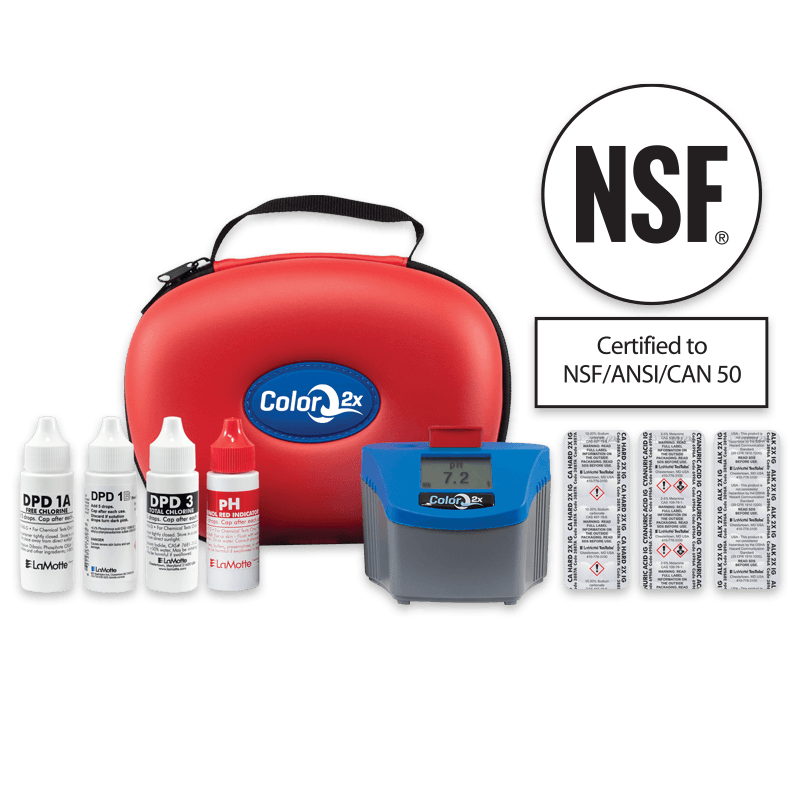
LaMotte
LaMotte ColorQ 2X Pro 7 Digital Tester
Best digital tester
A digital photometer that reads seven parameters and removes the color-matching guesswork from testing.
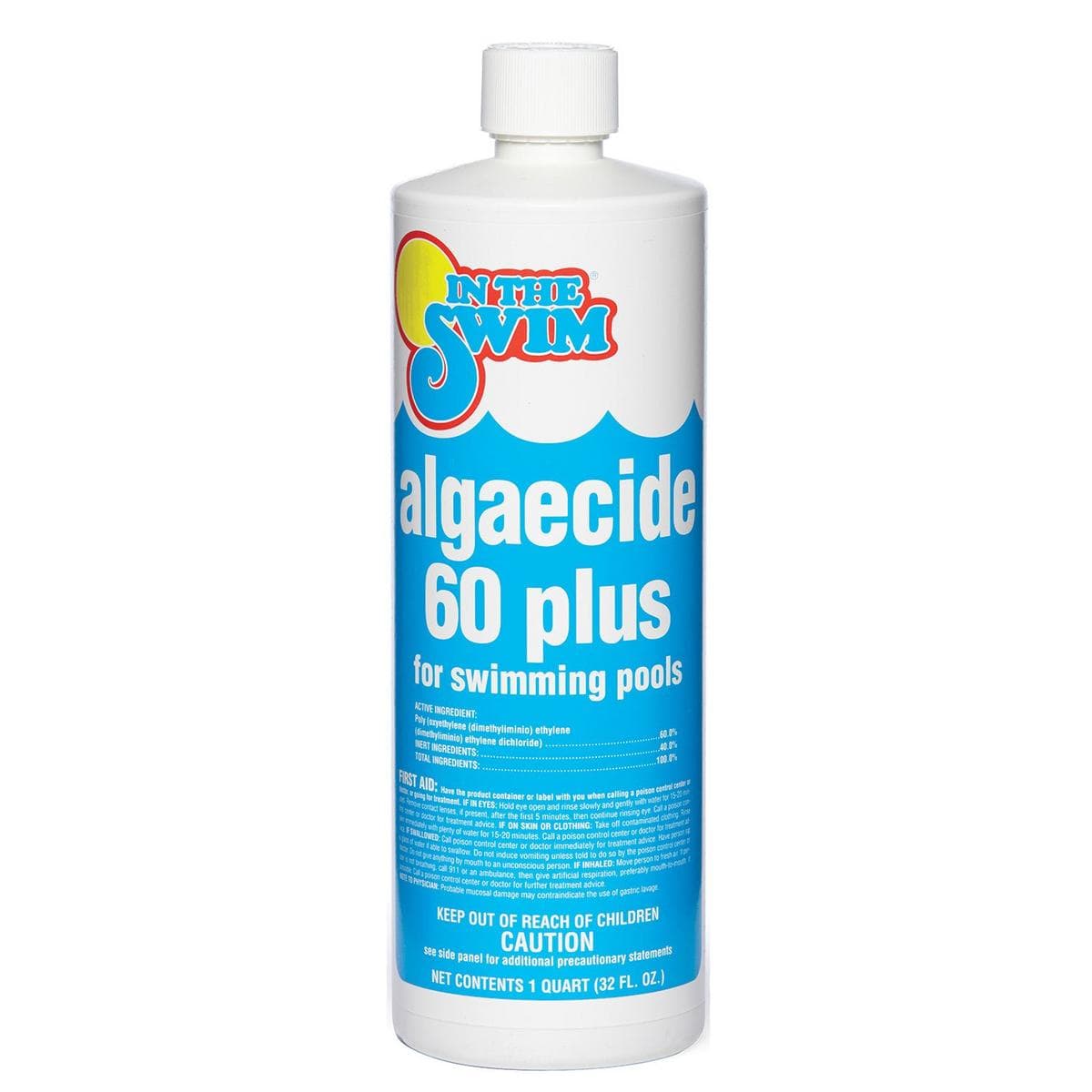
In The Swim
In The Swim Algaecide 60 Plus (1 Quart)
Prevent algae
A concentrated, non-metallic poly-quat algaecide that prevents algae blooms without staining or foaming.
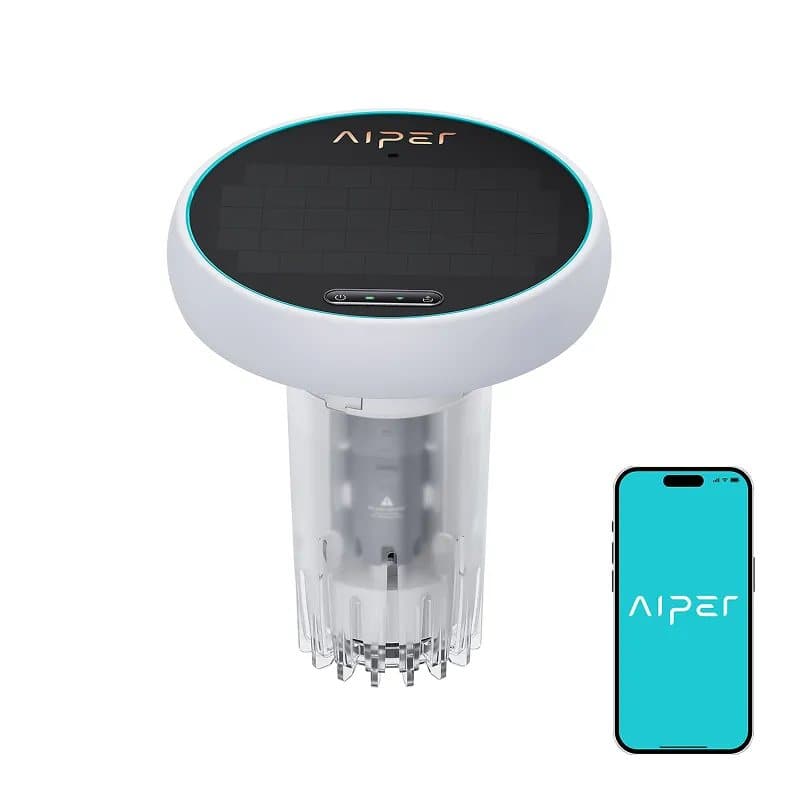
Aiper
Aiper HydroComm Pro 5-in-1 Smart Pool Monitor
Best for Aiper Scuba X owners
The HydroComm monitor plus an underwater-communication station for Aiper Scuba X robots: 5-in-1 water testing and one-click robot retrieval in one solar device.
Frequently asked questions
What does cyanuric acid actually do?
It protects free chlorine from being destroyed by sunlight (UV). Without stabilizer, an outdoor pool can lose most of its chlorine within hours; with CYA at 30–50 ppm, chlorine lasts far longer.
How do I lower CYA if it’s too high?
You can’t chemically — the only reliable way is to dilute by draining part of the pool and refilling with fresh water. That’s why you add stabilizer conservatively and retest.
Do I need stabilizer if I use chlorine tablets?
Often not much — trichlor tablets and dichlor shock are "stabilized" and add CYA every time you use them. Test first; many tab-users find CYA creeps up on its own and needs no extra stabilizer.
Why is it so slow to dissolve?
Cyanuric acid dissolves slowly. The easiest method is a sock in the skimmer basket, or broadcast it and brush; avoid backwashing/cleaning the filter for a couple of days while it dissolves.
What’s the ideal CYA level?
For most outdoor chlorine pools, 30–50 ppm. Salt pools often run a bit higher (some target 60–80 ppm) to protect chlorine that’s generated continuously. Our CYA calculator helps you dose to target.
Can too much CYA cause problems?
Yes — excessive CYA makes chlorine sluggish, so you need higher chlorine levels to sanitize effectively. That’s the main reason to add it gradually and avoid overshooting.