
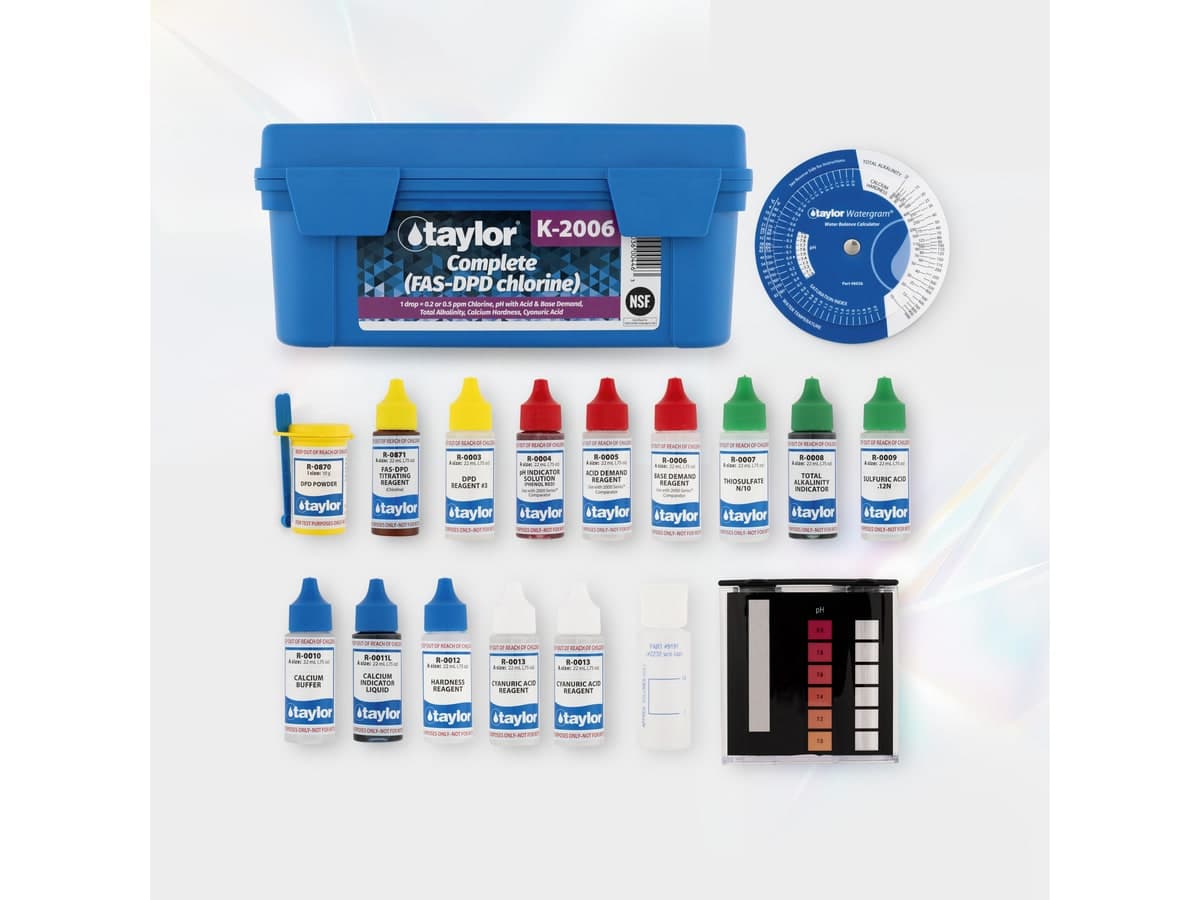
Quick verdict
The single highest-leverage maintenance purchase for any pool owner. Pays for itself in chemicals you stop wasting.
Ideal for
- Every pool owner willing to spend 10 minutes learning drop tests
- Troubleshooting persistent water problems
- Salt and high-CYA pools where strip accuracy collapses
Not ideal for
- Owners who genuinely won't do more than dip a strip
The full picture
The K-2006's FAS-DPD chlorine test reads free and combined chlorine to 0.2 ppm precision — the difference between guessing and knowing whether your sanitizer is actually working. It also covers pH (with acid/base demand), alkalinity, calcium hardness, and cyanuric acid: everything needed to run a pool by the numbers. The learning curve is real but short, and reagent refills cost far less than replacing the kit. If you buy one maintenance item this season, owner consensus and pool-industry practice agree: this is it.
Taylor K-2006 Complete Test Kit (FAS-DPD) at a glance
- Type
- Water test kit (drop-based, FAS-DPD)
- How often
- Test 1–3x weekly in season
- Size / volume
- 0.75 oz reagents (K-2006); K-2006C has 2 oz reagents
- Active ingredient
- Titration reagents (FAS-DPD chlorine method)
- Coverage
- Any pool size
- Compatible pools
- All pool types including salt
- Safety
- Reagents are chemicals — keep from children; don't ingest.
- Storage
- Store cool and dark; most reagents last about a year — replace annually for accuracy.
Source: Compiled from Taylor Technologies documentation, industry practice, and aggregated owner feedback.
This is a research-based review — our analysis draws on manufacturer specifications, manuals, warranty terms, and verified owner feedback rather than our own hands-on testing, and we note where a detail couldn't be confirmed. How we review
Performance breakdown
Research-based editorial judgments from specs, warranty terms, and verified owner feedback — not lab measurements. How we score
Pros and cons
What works
- FAS-DPD chlorine precision to ~0.2 ppm
- Covers all five core water parameters
- Cheap reagent refills instead of kit replacement
- Industry-standard method used by pool pros
What doesn't
- Costs more upfront than strips
- Small learning curve
- Reagents need annual replacement
- Base K-2006 reagent bottles are small — K-2006C is better value for full-season use
Best alternatives to Taylor K-2006 Complete Test Kit (FAS-DPD)
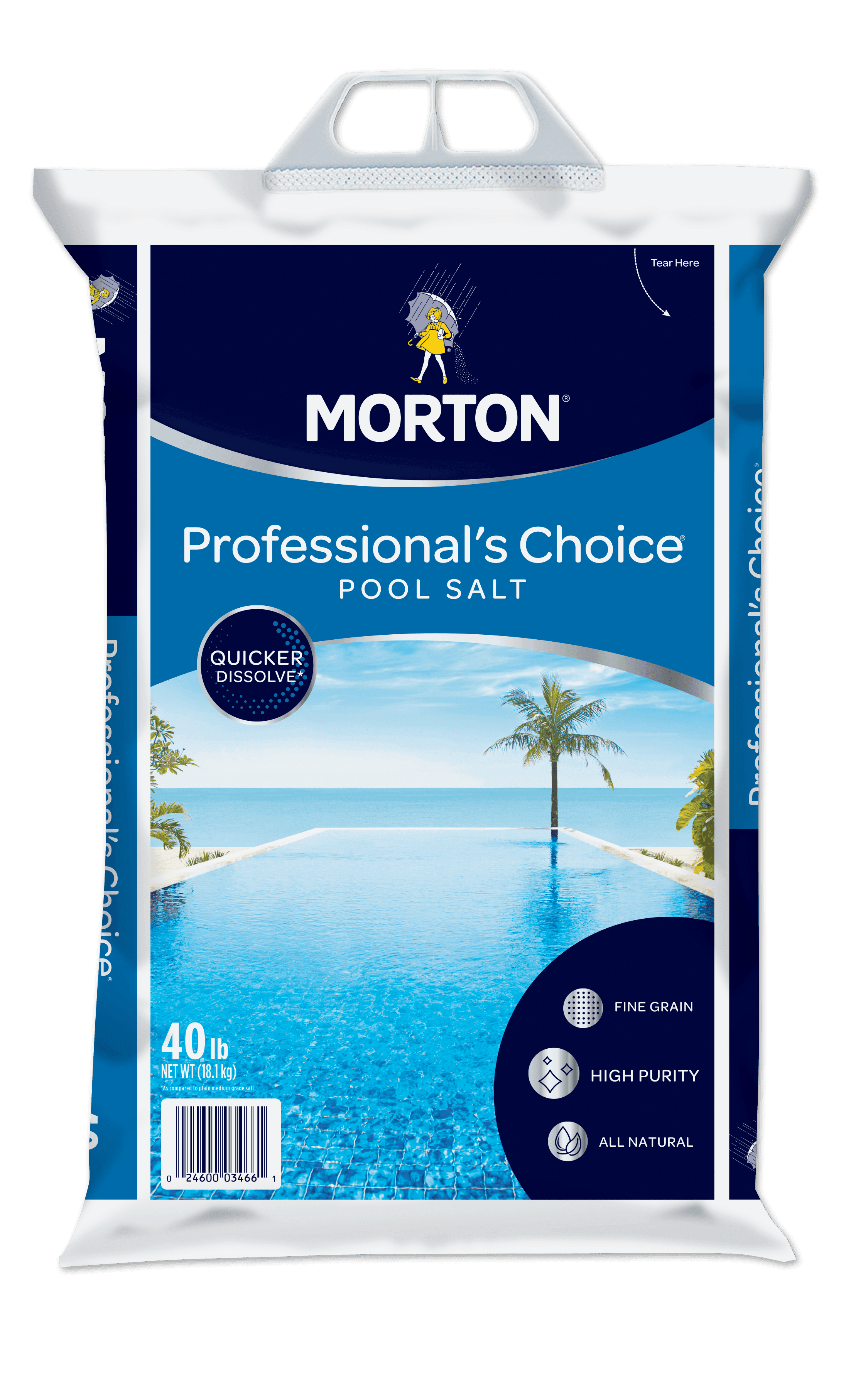
Morton
Morton Pool Salt (40 lb)
For salt systems
High-purity pool salt for salt chlorine generators — the raw material your salt system turns into chlorine.
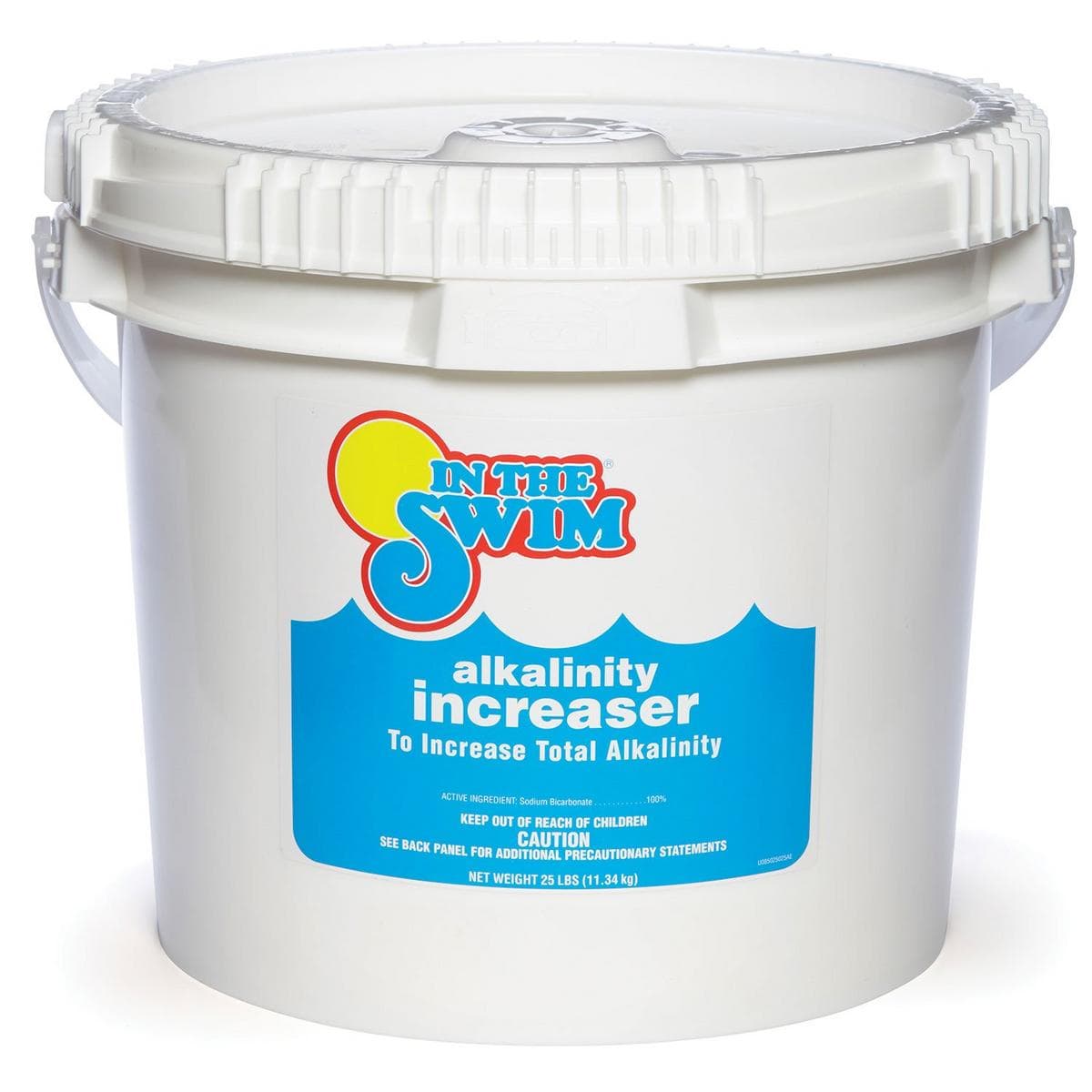
In The Swim
In The Swim Alkalinity Increaser (Sodium Bicarbonate, 25 lb)
Raise alkalinity
Pure sodium bicarbonate to raise total alkalinity — the buffer that keeps your pH from bouncing around.
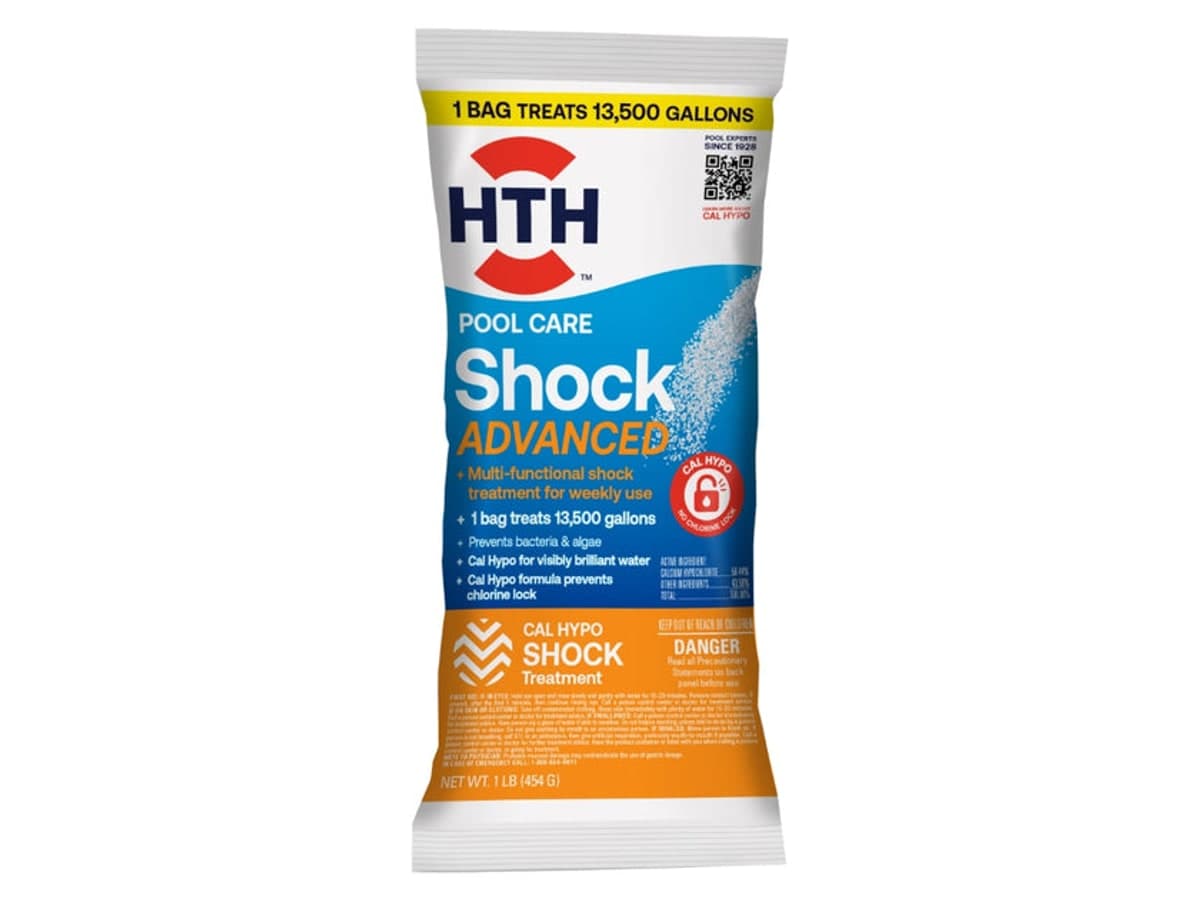
HTH
HTH Super Shock Treatment (Cal-Hypo, 1 lb bags)
Best default shock
Widely available calcium hypochlorite shock that raises chlorine fast without adding cyanuric acid — the right default for most pools.
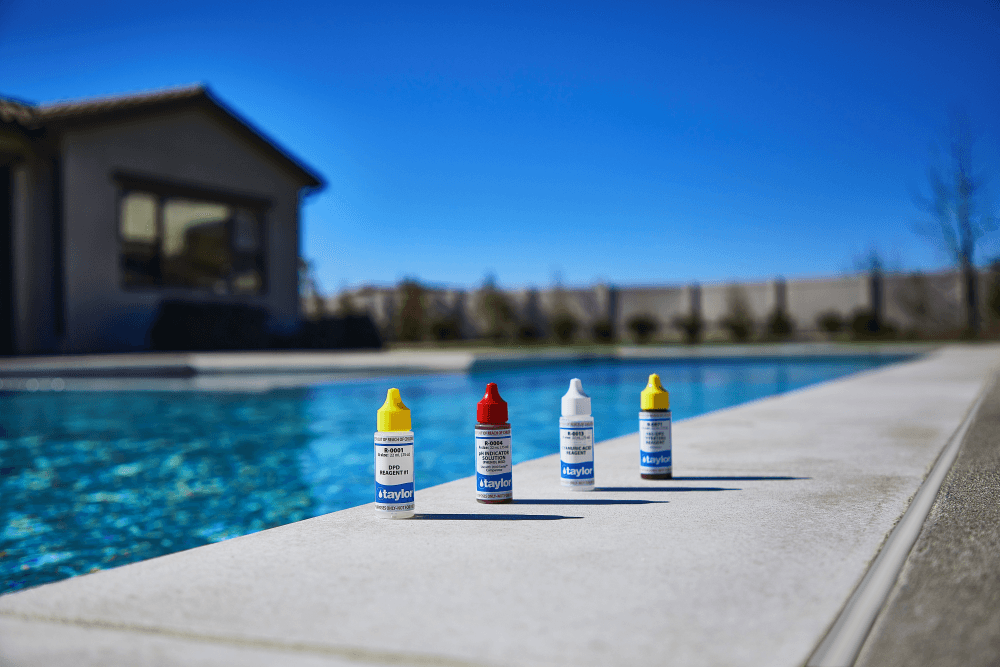
Taylor
Taylor Reagent Refill Set
Best kit refresh
Fresh reagents for your Taylor kit — because expired reagents read wrong, not just weak.
Frequently asked questions
K-2006 vs K-2005 — what's the difference?
The K-2006 uses the FAS-DPD titration method for chlorine (precise, reads combined chlorine directly); the K-2005 uses the older DPD color-match method. For most owners the K-2006 is worth it.
Should I get the K-2006 or K-2006C?
Same tests; the C version has 2 oz reagent bottles instead of 0.75 oz. If you'll test weekly all season, the C is the better per-test value.