The best pool brush for most people is a wide nylon brush on a sturdy telescopic pole, because nylon is safe on every pool surface and handles ordinary weekly wall cleaning. If you have a hard plaster, concrete, or gunite pool with a stubborn algae problem, add a stainless steel brush for the rough jobs. Vinyl and fiberglass owners should stay nylon-only, since metal bristles can scratch or tear those surfaces.
Here is how the picks compare before we get into the details.
| Pick | Best for | Watch out for |
|---|---|---|
| Telescopic Pool Pole (8–16 ft) | Reaching every wall and the deep end | The pole matters as much as the brush |
| Poolmaster Classic Vacuum Head | Floor scrubbing plus vacuuming | It is a vac head, not a wall brush |
| Pool Skimmer Socks (Basket Filters) | Catching the algae you brush loose | They clog fast during a bloom |
| Pool Filter Cartridge Cleaner Tool | Cleaning the filter after heavy brushing | Only helps cartridge filters |
| Poolmaster Heavy-Duty Leaf Rake | Clearing debris before you brush | Not a scrubbing tool |
| ProTuff Pool Net Leaf Skimmer Rake | Deep-water leaf and clump removal | Skimming, not wall work |
A quick term check before we go. Algae is the green, yellow (mustard), or black film that grows on pool surfaces when sanitizer runs low and circulation is weak. Brushing does not kill it. Brushing tears it off the wall so your chlorine or algaecide can reach it, and stirs it into the water where the filter can grab it. If your chemistry is off, no brush will win. Start with the numbers in our pool chemistry basics without the lab coat guide, then brush.
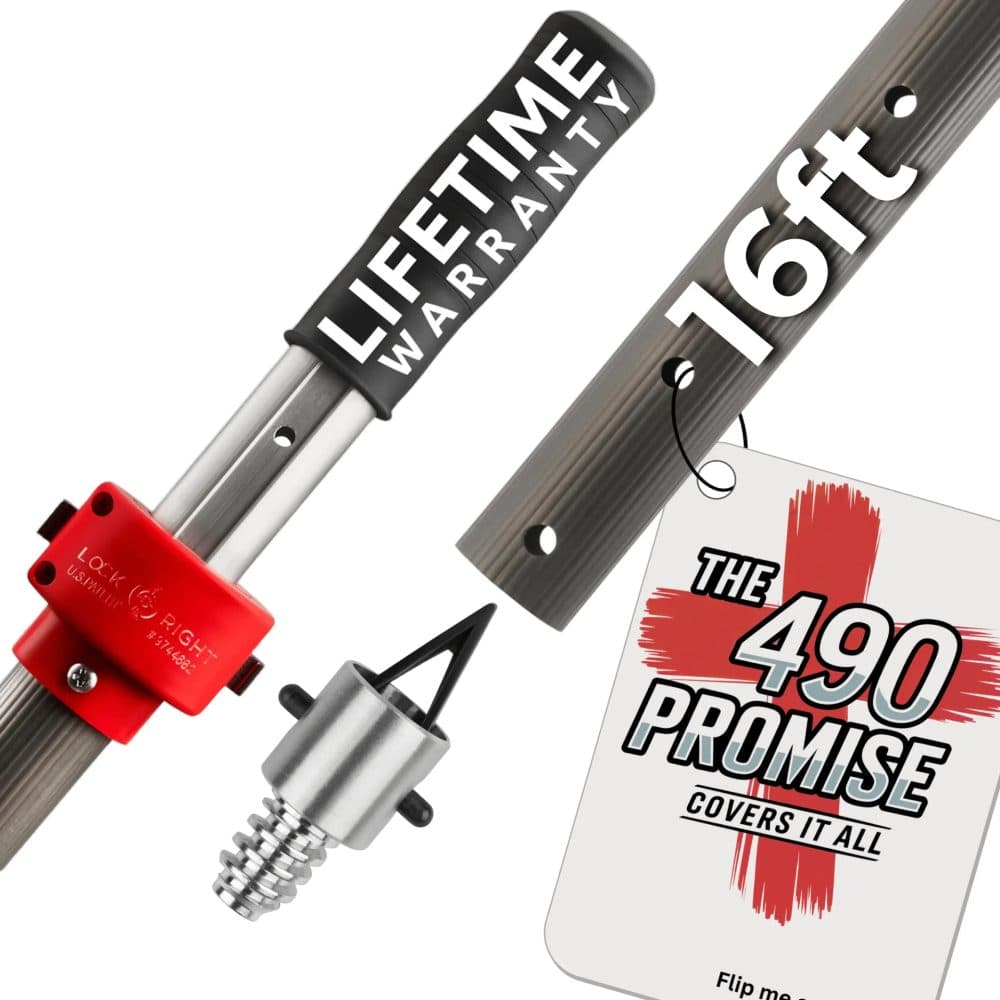
Best all-around setup: Telescopic Pool Pole (8–16 ft)
Mid-range
Almost every complaint about pool brushing traces back to the pole, not the brush. A brush head is only as good as your ability to press it firmly against a deep-end wall from the deck, and a short or wobbly pole makes that miserable. This telescoping pole extends across a wide range, which covers small above-ground pools up to larger in-ground deep ends.
The tradeoff is that telescopic poles live or die on the cam or button lock. A pole that slips under pressure is worse than a fixed one. Look at owner reports for how the lock holds up over a season of sun and chlorine, and rinse the pole after use so grit does not seize the joints. Most standard brush heads and accessories clip onto the same universal pole end, so one good pole serves many attachments.
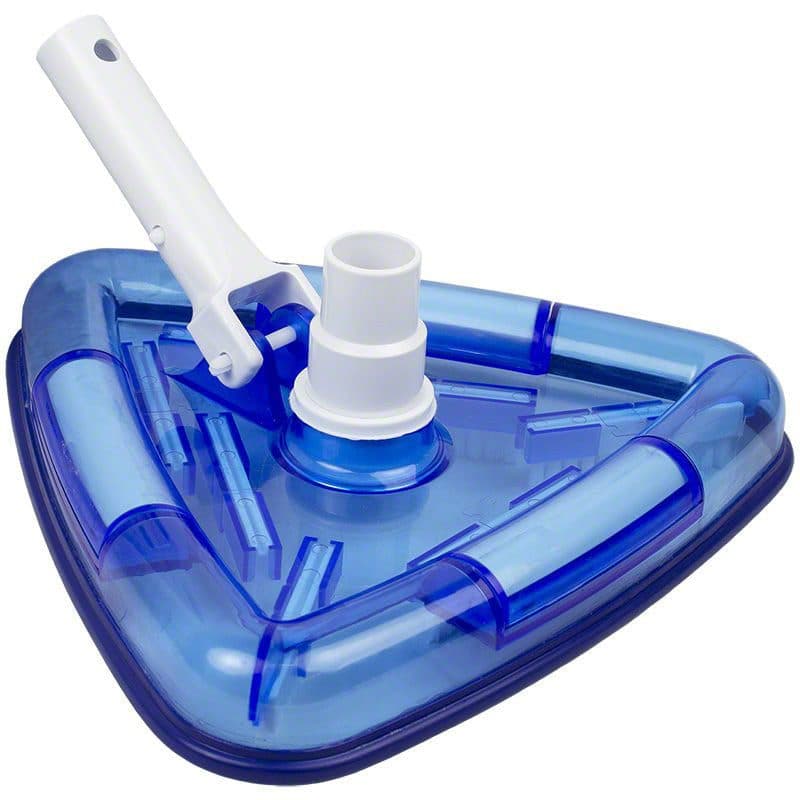
Best for the pool floor: Poolmaster Classic Vacuum Head
Budget
Algae does not stop at the waterline. It settles on the floor and pools in the deep end, and a wall brush alone leaves that behind. The Poolmaster Classic Vacuum Head has bristles or a wheeled edge that scrub the floor while it vacuums, so you agitate and remove settled algae in one pass when hooked to your pump and hose.
The catch is that this is a vacuum head, not a dedicated scrub brush, so it shines on flat floors and struggles on tight steps and sharp corners. Pair it with a hose like the Poolmaster 1.5-Inch Pool Vacuum Hose and the pole above. If you are dealing with a full bloom, brush the walls first, let it settle, then vacuum the floor so you are not just kicking the same algae back into the water.
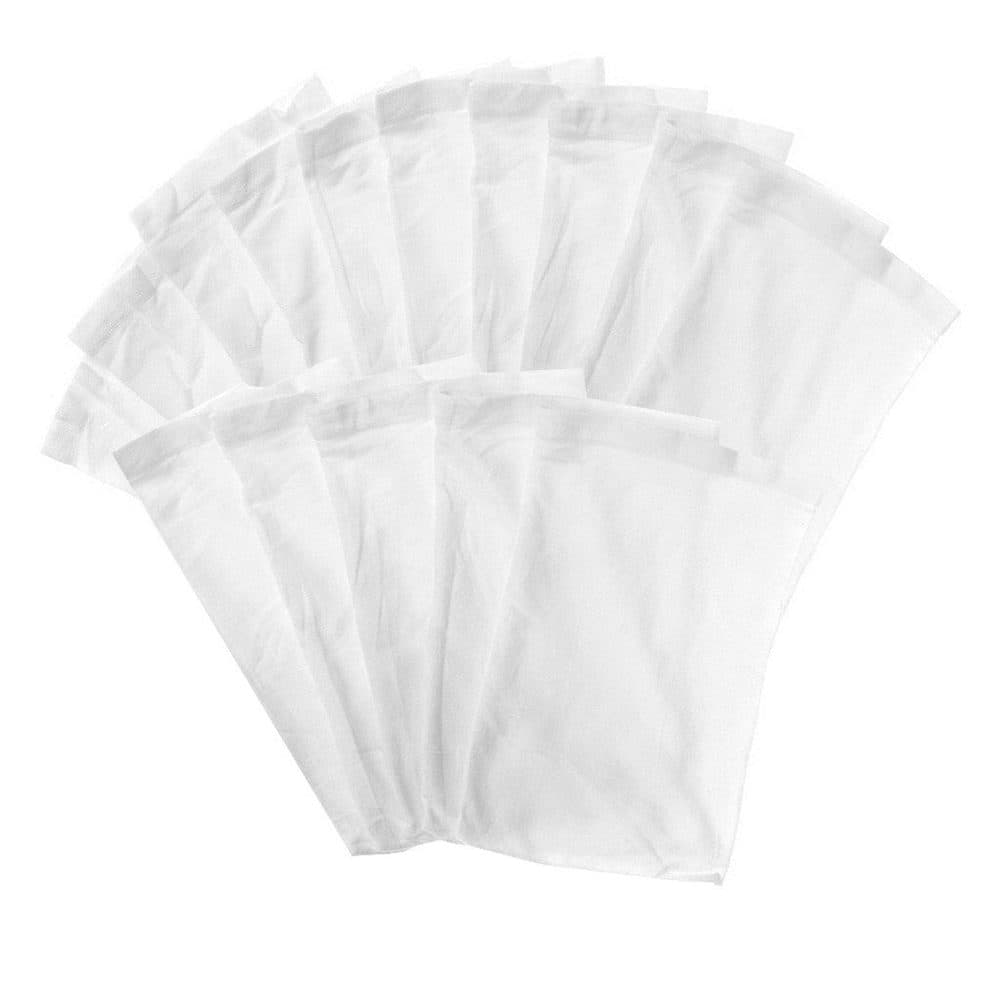
Best for catching loose algae: Pool Skimmer Socks (Basket Filters)
Budget
When you brush hard, a cloud of algae and fine debris lifts into the water, and a lot of it heads straight for your skimmer basket and pump. Pool Skimmer Socks (Basket Filters) are fine mesh sleeves that slip over the skimmer basket and trap that fine material before it reaches the pump and filter. During a green-water recovery they save your filter a lot of grief.
The honest tradeoff is that they clog fast when there is a lot of algae in suspension, so you will be rinsing or swapping them often during a bloom. That is a feature, not a flaw, since a clogged sock means it caught what you did not want in the pump. Buy a multipack and treat them as semi-disposable during heavy cleanups.
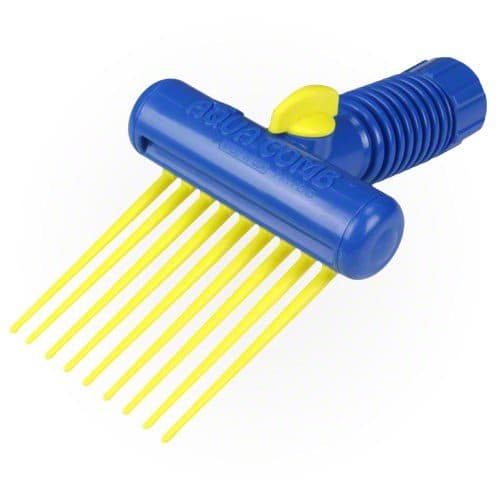
Best for post-brush filter cleanup: Pool Filter Cartridge Cleaner Tool
Budget
Heavy brushing sends a season of gunk into your filter, and a clogged filter cripples the circulation you need to clear algae. The Pool Filter Cartridge Cleaner Tool attaches to a garden hose and fans water into the pleats to flush out trapped debris faster and more thoroughly than a thumb over the hose end.
The obvious limit is that it only helps if you run a cartridge filter. Sand and DE filters clean differently (backwashing or manual DE recharge), so this tool does nothing for them. If you do have cartridges, clean them after any big brushing session, because a dirty cartridge is often the reason algae keeps coming back after you thought you had it beaten.
Best for pre-brush debris: Poolmaster Heavy-Duty Leaf Rake
Budget
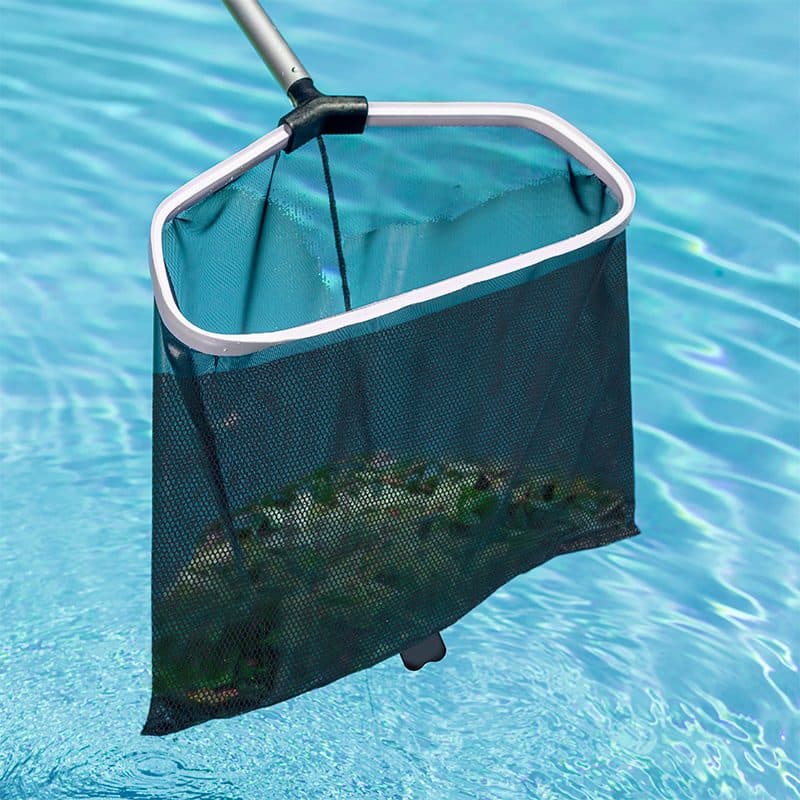
Brushing a pool full of leaves just chops the leaves into smaller pieces that sink and rot. Clear the surface and floor debris first, and the Poolmaster Heavy-Duty Leaf Rake has a deep bag that scoops both floating and settled leaves in fewer passes than a flat skimmer net.
It is not a scrubbing tool, so do not expect it to touch wall algae. Think of it as step one: rake out the leaves, then brush the walls, then vacuum. Clearing debris first also means the algae you brush loose has somewhere to go besides clinging to a floor full of leaf litter.
Best for deep-water scooping: ProTuff Pool Net Leaf Skimmer Rake
Mid-range
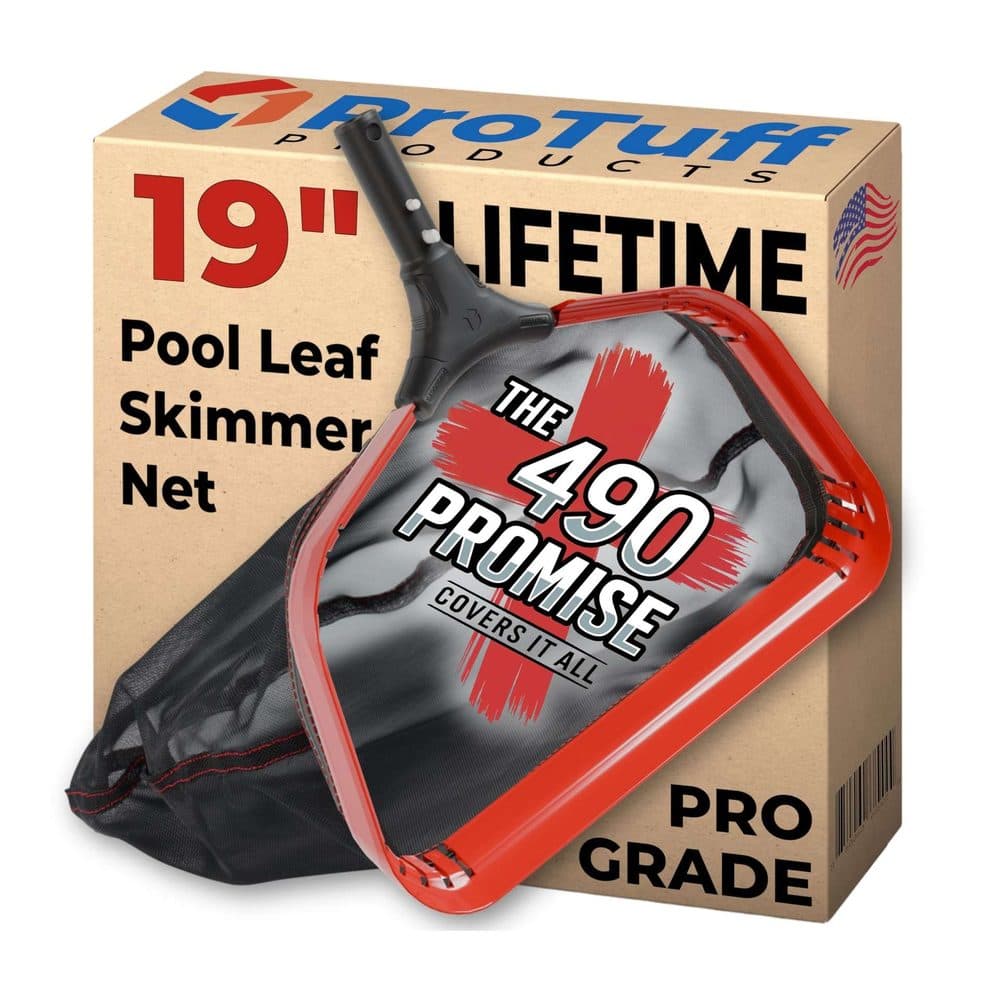
For pools under heavy tree cover, a stronger deep net earns its keep. The ProTuff Pool Net Leaf Skimmer Rake is built for pulling up larger, heavier clumps from the deep end without the bag collapsing, which matters when you are reaching the bottom from the deck on the same pole as your brush.
Like any net, it skims and scoops but does not scrub, so it is a companion to your brush rather than a replacement. Owner reports tend to praise the sturdier frame over budget nets that bend on the first heavy load. If your main battle is organic debris feeding algae, a net like this plus a weekly brush covers most of the fight.
What to actually buy for walls and algae
If you buy one thing, buy a good telescopic pole and a wide nylon brush head, then match anything metal strictly to a hard plaster, concrete, or gunite surface. Round out the kit from our pool accessories lineup with a skimmer sock, a net, and a filter cleaner so the algae you brush loose actually leaves the water. Salt pool owners can brush on the same schedule, and our saltwater pool maintenance for beginners guide covers how a salt cell fits the routine. Hot tub owners face the same film on a smaller scale, covered in hot tub maintenance for beginners without the chemical panic.
One safety note, because a clean pool is only worth so much. Never leave a young child unattended near water, and treat layered barriers and supervision as the real safety plan, not the water color. The guidance at Pool Safely and the CPSC drowning prevention toolkit is worth a read before the season starts. If algae keeps returning no matter how you brush and dose, that usually points to a circulation or chemistry problem a local pro can diagnose faster than another round of scrubbing.
Frequently asked questions
What kind of pool brush kills algae fastest?
A stiff stainless steel brush knocks algae loose fastest on plaster, concrete, and gunite because the metal bristles scrape into the pores where algae hides. It does not kill anything on its own, though. Brushing exposes the algae so your chlorine or algaecide can actually reach and finish it.
Can I use a steel brush on a vinyl or fiberglass pool?
No. Stainless bristles can scratch or tear vinyl liners and dull fiberglass gelcoat, and once a liner is nicked it can leak. Stick with a soft nylon brush on those surfaces. Save the steel for hard plaster, concrete, or gunite only.
How wide should my pool brush be?
An 18-inch brush is the common all-around choice because it covers a lot of wall per pass without being too heavy to control. Smaller pools or people who want more scrubbing pressure sometimes prefer a narrower head. It depends on your pool size and how much arm you want to put into it.
How often should I brush the walls?
Once a week is a reasonable baseline, focused on shady spots, steps, corners, and behind ladders where circulation is weak and algae starts. During an active algae bloom you may brush daily until the water clears. Warmer water and heavy use push that frequency up.
Does the pole matter as much as the brush?
It matters more than people expect. A flimsy or too-short pole makes brushing tiring and keeps you from reaching the deep-end walls and floor. A sturdy telescopic pole that locks firmly lets you put real pressure behind the brush without the head wobbling.