PoolGearGuide

Pool Chemistry Basics Without the Lab Coat

By the PoolGearGuide editorial team · Updated 2026-07-03

Share

Pool chemistry basics are not about memorizing a tiny backyard periodic table. They are about testing the right numbers, changing one thing at a time, and not turning your pool into a dramatic science fair because one strip looked suspicious.

Key takeaways

What are the pool chemistry basics you actually need?

The pool chemistry basics you actually need are pool volume, free chlorine, pH, total alkalinity, cyanuric acid, calcium hardness, and a safe chemical routine. Everything else is either a supporting detail, a special case, or pool-store theater with better lighting.

Here is the short version.

NumberWhat it tells youWhy it matters
Pool volumeHow many gallons you treatControls every chemical dose
Free chlorineActive sanitizer levelHelps kill germs and control algae
pHHow acidic or basic the water isAffects comfort, equipment, and sanitizer performance
Total alkalinitypH buffering capacityHelps pH resist wild swings
Cyanuric acidChlorine stabilizer levelProtects chlorine outdoors but can build up
Calcium hardnessDissolved calcium levelHelps prevent scaling or aggressive water
Water temperatureChemistry speed and comfort clueWarm water burns chlorine faster

A new pool owner usually wants a magic order. There is no perfect order for every pool, but there is a sensible one: know your gallons, test carefully, fix the most important number first, then retest before doing more.

CDC's home pool guidance says disinfectant and pH are the first defense against germs, with recommended pH between 7.0 and 7.8 for pools. That does not mean every other number is decoration. It means you should not obsess over a tiny alkalinity shift while chlorine is sitting at zero and the water looks like a pond with ambition. CDC home pool testing guidance

Why does pool volume come before every chemical dose?

Pool volume comes first because chemical dosing is based on gallons. If your pool is 12,000 gallons and you treat it like 20,000, the math will betray you before breakfast.

Use the pool volume calculator before you rely on any chlorine, acid, alkalinity, salt, stabilizer, or shock calculator. Even a rough but honest gallon estimate is better than guessing from the shape of the pool.

A worked example:

PoolRough gallonsResult if you dose for 20,000 gallons
Small above-ground pool5,000Dose can be about 4x too strong
Medium backyard pool12,000Dose can be about 67% too strong
Large inground pool25,000Dose can be too weak

This is why two people can add the same jug of chlorine and get completely different outcomes. One has a small round above-ground pool. The other has an inground pool that looks like it was designed by a hotel.

Do not chase chemistry until the volume is close. The calculator should let users save their pool volume so every chemistry page can use it again. That turns one tool into a whole site system.

What should free chlorine tell you?

Free chlorine tells you how much sanitizer is available to work in the water right now. If it is too low, algae and germs get a vote. If it is too high, swimmers may need to wait and the water can become unpleasant.

CDC recommends at least 1 ppm free chlorine in pools when cyanuric acid is not used, and at least 2 ppm in pools when cyanuric acid is used. CDC also recommends pH between 7.0 and 7.8. CDC home pool water treatment and testing

That is the public-health floor, not a perfect target for every backyard pool in every climate. Outdoor pools with sunlight, heavy swimmer load, warm water, or stabilizer often need more careful management.

SituationWhat to checkHelpful next page
Chlorine keeps droppingCYA, sunlight, organics, algae, heavy usePool chlorine calculator
Chlorine is highRecent shock, feeder too high, salt output too highPool chlorine too high
Water is greenChlorine demand, algae, filtrationGreen pool guide
Water is cloudyFilter, pH, chlorine, fine particlesCloudy pool guide

A good rule: chlorine problems are often not only chlorine problems. Low chlorine might be caused by algae, sunlight, weak circulation, old test results, low salt-system output, or stabilizer that has crept too high.

Why does pH make everything feel worse when it is off?

pH matters because it affects swimmer comfort, equipment protection, and sanitizer performance. When pH is off, the pool can irritate eyes, feel unpleasant, scale equipment, corrode parts, or make chlorine less effective.

The frustrating part is that pH is easy to move and easy to overmove. Add too much acid, and you are low. Add too much soda ash, and you are high. Then alkalinity joins the conversation with a folding chair.

Use the pool pH calculator for conservative adjustments. It should never encourage one massive chemical dump. It should suggest a measured amount, then ask the owner to circulate and retest.

pH resultWhat it usually meansFirst move
Low pHWater is more acidicCheck alkalinity, then raise carefully
High pHWater is more basicCheck alkalinity, then lower carefully
pH rises constantlyAeration, high alkalinity, salt system, plaster curingFix the cause, not only the number
pH drops constantlyLow alkalinity, acidic products, rain, heavy trichlor useCheck sanitizer type and alkalinity

Do not add acid and soda ash on the same panicked afternoon. That is not maintenance. That is a backyard chemistry slap fight.

What does total alkalinity actually do?

Total alkalinity is the water's ability to resist pH changes. Think of it as the pH's shock absorber, not the same number with a different hat.

If total alkalinity is low, pH can swing quickly. If total alkalinity is high, pH may resist adjustment and drift upward. That is why some owners keep lowering pH, watching it bounce back, and developing a personal grudge against the test kit.

Use the pool alkalinity calculator when total alkalinity is clearly out of range. If it is only a little off and the pool looks good, do not immediately start throwing products like you are feeding ducks.

ProblemPossible alkalinity clueWhat to do next
pH keeps crashingTA may be too lowRaise TA gradually
pH keeps risingTA may be too highLower pH and manage aeration carefully
Cloudy water after adding productsOvershooting or poor circulationPause, circulate, retest
Scaling on tile or cellHigh pH, high calcium, high TACheck the full set, not one number

Alkalinity is also why pool calculators should talk to each other. A pH calculator should ask for alkalinity. An alkalinity calculator should warn that pH may shift. A good site saves the reader from bouncing between pages with a wet paper notebook.

What is cyanuric acid, and why does it cause arguments?

Cyanuric acid, often called CYA or stabilizer, helps protect outdoor chlorine from sunlight. The problem is that too little leaves chlorine exposed, while too much can reduce chlorine's punch and make the pool harder to manage.

This is where pool advice gets spicy. Some people act like stabilizer is magic sunscreen. Others act like it is the villain in a low-budget pool movie. The practical answer is boring and better: test it, know what sanitizer you use, and adjust slowly.

Use the CYA calculator before adding stabilizer. Unlike chlorine, CYA does not disappear quickly in ordinary daily use. If it gets too high, dilution is often the real fix.

Sanitizer habitCYA effectWatch for
Liquid chlorineDoes not add CYANeed separate stabilizer outdoors
Cal-hypo shockDoes not add CYAAdds calcium instead
Dichlor or trichlorAdds CYAStabilizer can creep upward
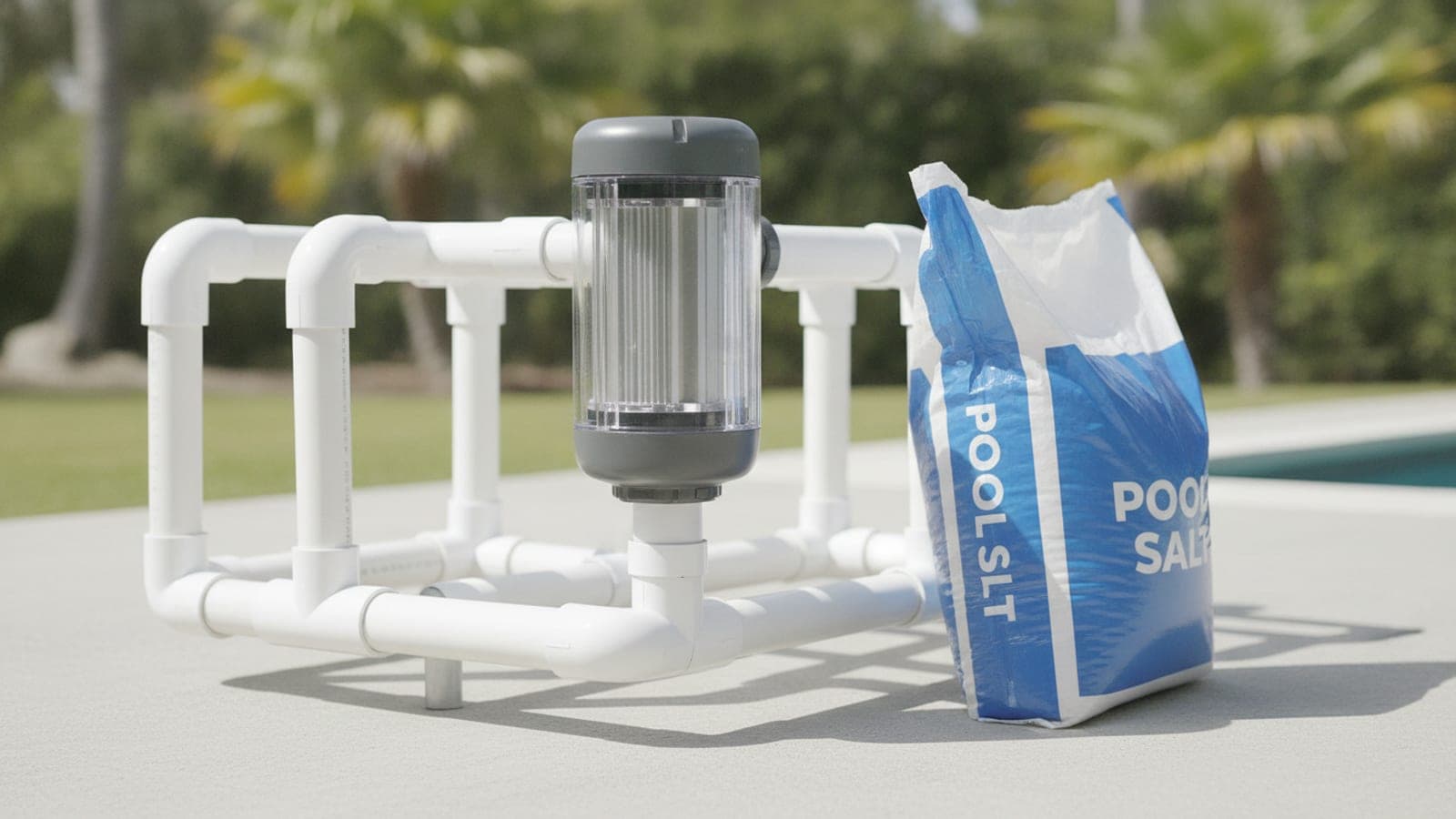
Saltwater chlorine generatorUsually needs some CYA outdoorsCheck cell/manual guidance

CDC says not to use cyanuric acid or chlorine products with cyanuric acid in hot tubs. For pools, CDC gives different chlorine minimums depending on whether CYA is used. That is a useful reminder: stabilizer changes the conversation. CDC pool and hot tub treatment guidance

When does calcium hardness matter?

Calcium hardness matters because water that is too aggressive can damage surfaces, while water with too much scale potential can leave deposits on tile, heaters, salt cells, and equipment. It matters most in plaster pools, hard-water regions, heated pools, and saltwater systems with scale-prone cells.

Vinyl and fiberglass pools still need balanced water, but plaster pools are where calcium usually gets the most attention. If you have a plaster surface, heater, or salt cell, do not ignore hardness while chasing chlorine alone.

Pool situationWhy calcium matters
Plaster poolWater balance affects surface life
Saltwater poolScale can form on the salt cell
Heated poolScale risk can increase in hot equipment
Hard fill waterCalcium may rise over time through top-offs
Soft fill waterWater may need careful balancing

This is not a reason to buy every calcium product on the shelf. It is a reason to test with a better kit and understand your fill water. Some pool problems are not made in the pool. They come from the hose.

What order should you balance pool chemicals in?

A sensible balancing order is volume first, then sanitizer and pH, then alkalinity, stabilizer, and calcium hardness as needed. Do not try to correct six numbers at once unless you enjoy not knowing which thing caused the new problem.

Here is a practical order for normal backyard care.

StepWhat to doWhy
1Estimate gallonsDosing depends on volume
2Test free chlorine and pHSafety and comfort checks
3Check total alkalinityHelps explain pH behavior
4Check CYAExplains chlorine loss or weakness outdoors
5Check calcium hardnessProtects surfaces/equipment
6Adjust one thing at a timePrevents mystery soup
7Circulate and retestConfirms the change worked

A worked example:

A 15,000-gallon outdoor pool has low chlorine, pH at 8.0, total alkalinity high, and cloudy water. The wrong move is to add shock, acid, clarifier, algaecide, and a prayer in one afternoon.

The better move:

  1. Confirm the volume.
  2. Lower pH carefully using the pool acid calculator.
  3. Circulate and retest.
  4. Bring chlorine up with the pool chlorine calculator.
  5. Run the pump and clean the filter.
  6. Use the cloudy water path if it still looks milky after chemistry and filtration have had time to work.

Simple beats dramatic.

What should beginners buy first?

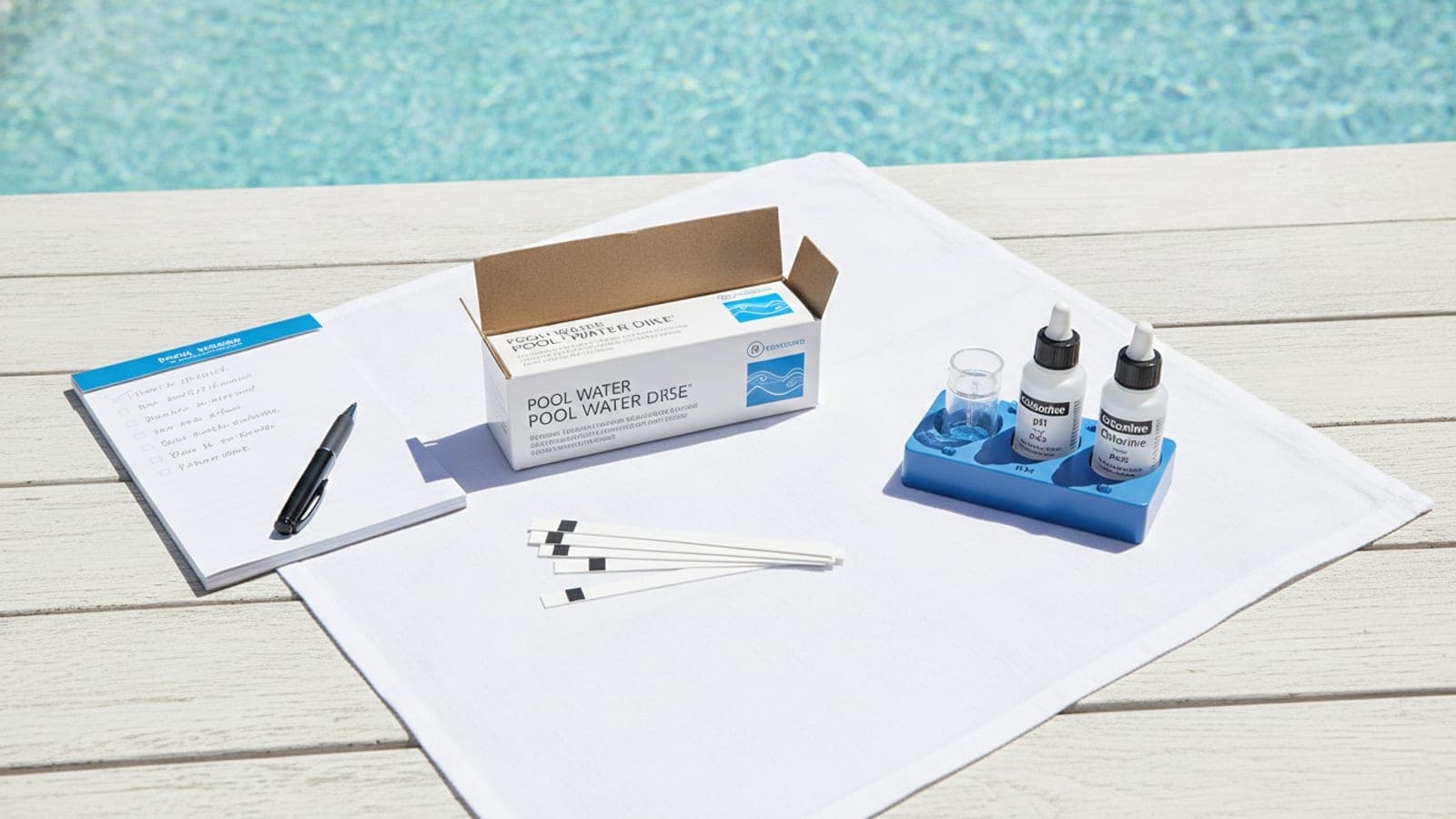
Beginners should buy a good test kit before buying a cabinet full of chemicals. Testing is what turns pool care from guessing into maintenance.

A sensible starter kit:

ItemWhy it earns shelf space
Drop test kitBetter dosing decisions than vague strips
Test stripsFast between full tests
Liquid chlorineSimple sanitizer option with no CYA added
Muriatic acid or dry acidLowers pH carefully
Soda ash or boraxRaises pH when needed
Alkalinity increaserRaises total alkalinity
StabilizerHelps outdoor chlorine survive sunlight
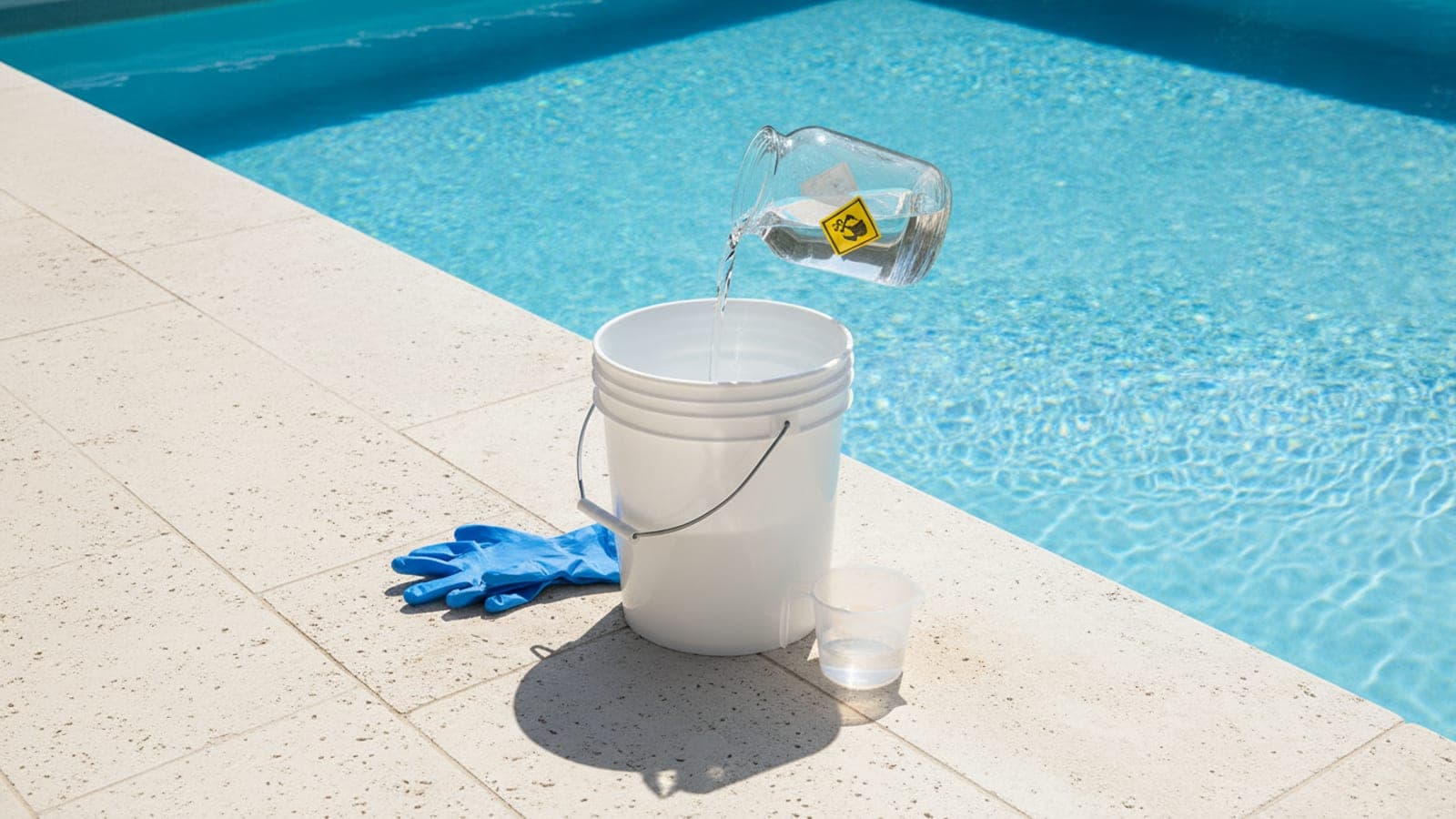
Gloves and eye protectionPool chemicals deserve respect
Dedicated measuring cupDo not borrow one from the kitchen

EPA's pool chemical safety alert focuses on preventing fires, toxic vapors, and injuries from unsafe storage and handling. The National Pesticide Information Center also says to read the entire product label and store pool products away from children and pets. EPA pool chemical safety alert NPIC pool chemical fact sheet

That means no mystery buckets, no mixing products, no pouring water into chemicals unless the label specifically says so, and no storing acid next to chlorine like they are friendly neighbors.

What should you do when the numbers disagree?

When pool test numbers disagree, retest with a clean sample, check the test method, and compare against a better kit before making a big chemical move. Bad testing can create a real problem from an imaginary one.

Common causes of weird readings:

  • Old test strips.
  • Wet fingers in the strip bottle.
  • Testing right after adding chemicals.
  • Sampling water from the return jet.
  • Dirty test vials.
  • Sun-faded color blocks.
  • Misreading pH colors in poor light.
  • Salt system readings that do not match an independent test.

Use a simple test log. Date, time, water temperature, chlorine, pH, alkalinity, CYA, calcium, what you added, and what happened next. It is boring in the best way. Boring records beat dramatic guessing.

A good PoolPros article should end by sending the reader somewhere useful:

Get the basics right, and most pools stop acting like a part-time job.

Frequently asked questions

What are the most important pool chemistry basics?

Start with free chlorine, pH, total alkalinity, cyanuric acid, calcium hardness, and pool volume. Those numbers explain most ordinary pool problems.

What should I test first in my pool?

Test free chlorine and pH first because they affect whether the water is sanitary and comfortable. Then check alkalinity, cyanuric acid, and calcium hardness.

Can I use test strips for pool chemistry?

Test strips are useful for quick checks, but a drop test kit is usually better for careful dosing decisions because it gives clearer readings.

Why does pool pH matter so much?

pH affects swimmer comfort, equipment protection, and how well chlorine or bromine works. CDC recommends keeping pool pH between 7.0 and 7.8.

What is the biggest beginner mistake with pool chemicals?

Adding products before testing. Guessing leads to overcorrection, cloudy water, scaling, irritation, and a shelf full of bottles you did not need.

Should I balance pH or alkalinity first?

If alkalinity is far outside range, fix that first because alkalinity buffers pH. If alkalinity is close and pH is only slightly off, adjust pH carefully and retest.
The weekly skim

One short email a week: what to test, what to buy, and what to skip. No daily drip. Unsubscribe anytime.

Keep reading