PoolGearGuide

How Long Does It Take to Set Up an Above-Ground Pool?

By the PoolGearGuide editorial team · Updated 2026-07-03

Share

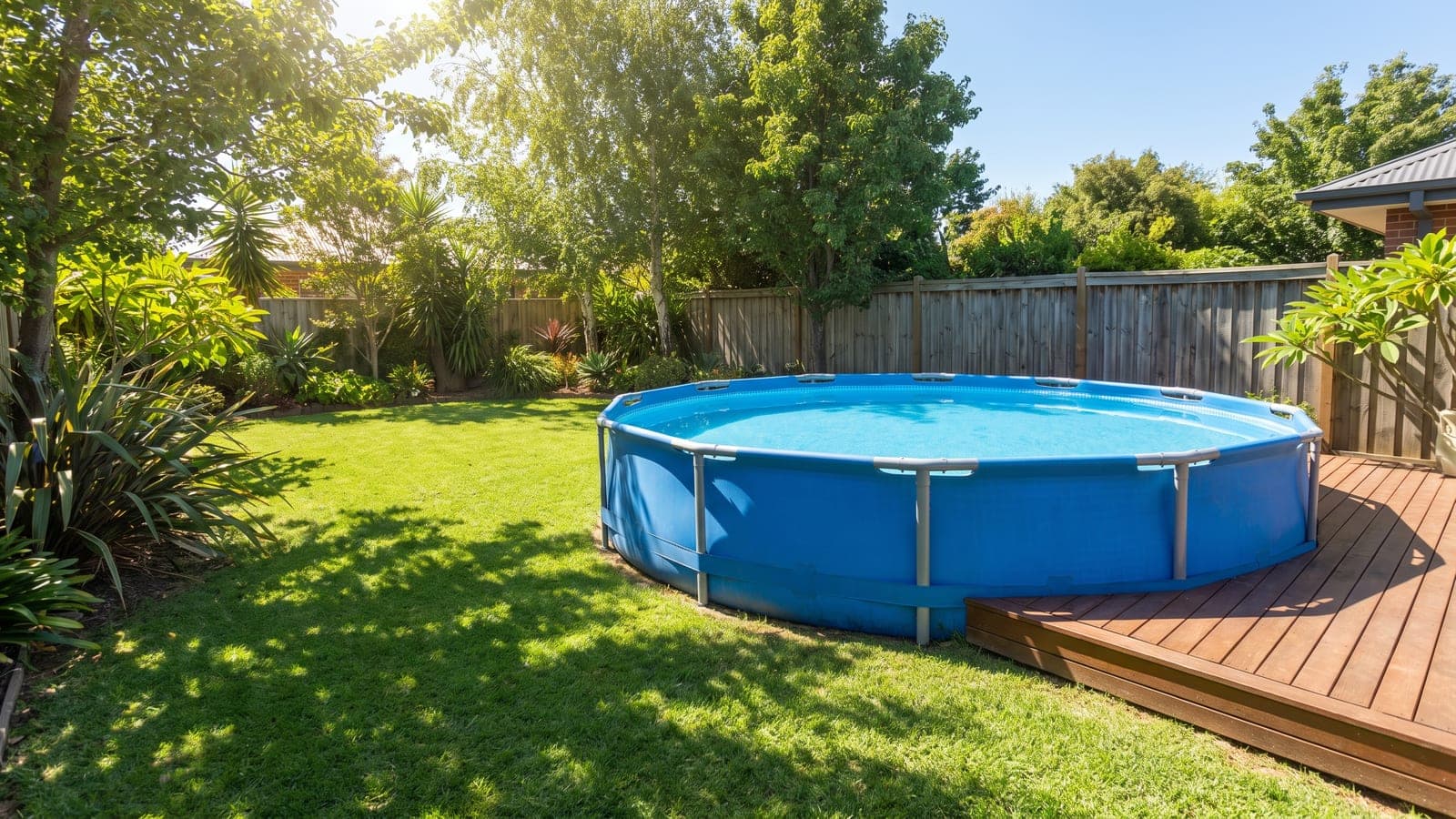
Above ground pool setup time is usually one day for the visible assembly and several days for the whole job if you count ground prep, filling, equipment setup, and getting the water ready. The frame may go up quickly. The ground, water, and chemistry are where the schedule gets real.

If a box says “easy setup,” read that as “assembly can be easy when the site is already ready.” It does not mean your lumpy yard will suddenly become a billiard table because the pool arrived with cheerful instructions.

Key takeaways:

  • Assembly is only one part of setup; ground prep and filling often take longer.
  • Larger pools need more time for leveling, water fill, circulation, and first chemical balance.
  • Do not rush the level base. A tilted pool is not a charming quirk.
  • The pool is not ready for swimming until the water is circulating and tests in a safe range.
  • Build a weekend plan, not a “two hours after delivery” fantasy.

Table of contents

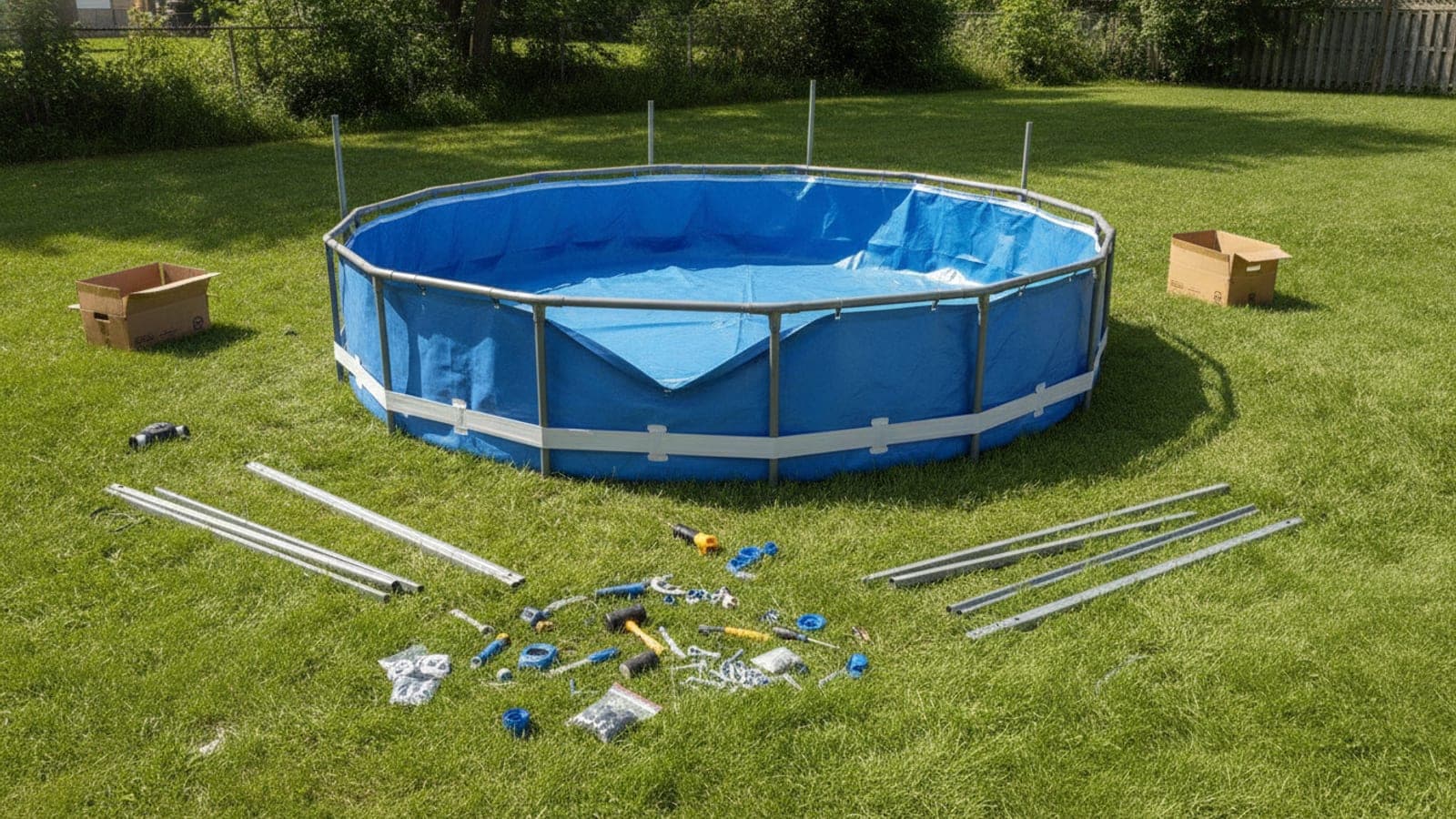
![Above-ground pool frame being assembled on a leveled backyard base]([ADD IMAGE URL])

What is a realistic above-ground pool setup timeline?

A realistic above-ground pool setup timeline is one to three days for a simple seasonal pool and longer for larger pools, site prep, landscaping, electrical work, or professional installation. The pool frame is not the whole job.

Here is a practical timeline:

StepTypical timingWhat can slow it down
Site measuring30–60 minutesObstacles, setbacks, confusing yard shape
Ground prepSeveral hours to multiple daysSlope, rocks, roots, drainage, soil
Pool assemblyA few hours to a dayLarger frames, missing parts, unclear instructions
FillingSeveral hours to more than a dayHose flow, pool size, water source
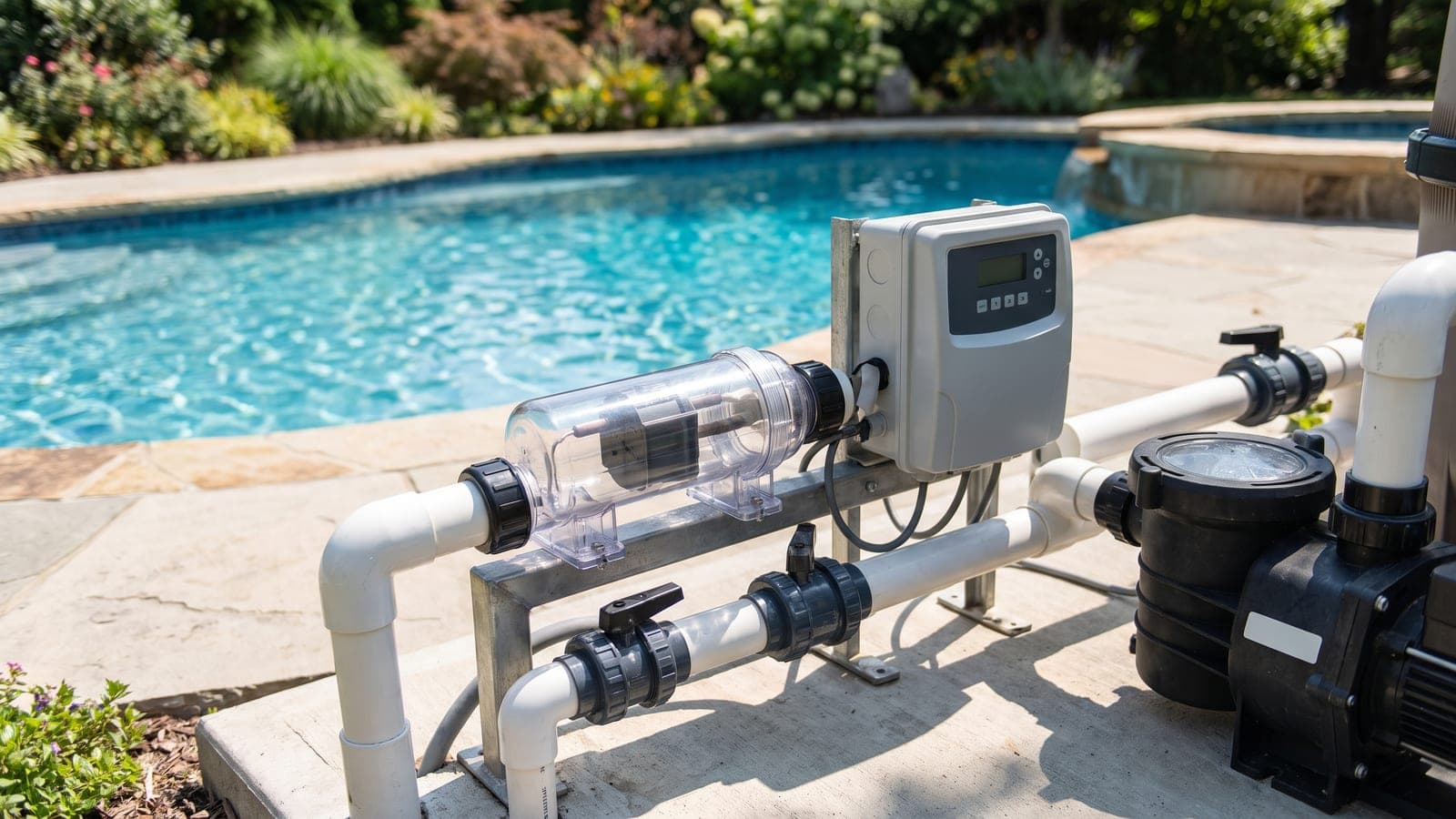
Pump/filter setup1–3 hoursHose fit, adapters, priming, leaks
First water balanceSame day to several daysFill water chemistry, cloudy water, low chlorine

The shorter timelines assume the site is already flat, level, clean, and ready. Most backyards have opinions. Some of those opinions involve roots.

Why does ground prep take so long?

Ground prep takes so long because the pool needs a flat, solid, level base that supports the full water load evenly. This is the part that feels boring until it saves the pool.

Bestway’s pool assembly guidance says the ground should be flat, solid, and level, and warns against sand as leveling material because it can shift. A Bestway owner’s manual also says the selected location must uniformly support the pool’s weight and be cleared of debris like stones and twigs.

Do not skip this step because the weather is nice and the kids are circling the box.

Ground prep can include:

  • Removing grass, roots, rocks, and sharp debris.
  • Digging down high spots instead of building up low spots loosely.
  • Checking level in multiple directions.
  • Installing a ground cloth or pad.
  • Planning drainage away from the pool.
  • Making sure the equipment area will not sit in mud.

A pool that is out of level can push unevenly on the walls. That is not a “we’ll fix it later” problem. Once it is full, later has become much heavier.

How long does assembly take after the site is ready?

Pool assembly can be fairly quick once the site is truly ready. Smaller frame pools may go together in a few hours, while larger steel-frame, oval, or hard-sided pools may take much longer and require more people.

Read the manual before the setup day. Not during. During is when one person is holding a liner, another person is looking for Part C, and everyone suddenly becomes a civil engineer.

Assembly time depends on:

  • Pool type.
  • Frame material.
  • Pool size.
  • Number of helpers.
  • Weather.
  • Whether parts are organized.
  • Whether the manual was read before the family argument began.

For big pools, do a dry parts check first. Missing pins, clamps, gaskets, or hose adapters can freeze the project at the worst possible moment.

How long does filling the pool take?

Filling time depends on the pool volume and your water flow. Larger pools can take many hours, and some can run into the next day depending on hose output and water source.

Use the pool volume calculator before setup day so you know roughly how much water you are dealing with. It also helps with chemical dosing after the pool is full.

Do not walk away completely while filling. Watch for:

  • Wrinkles in the liner.
  • Uneven wall height.
  • Bulging.
  • Leaks.
  • Hose movement.
  • Soft spots under the base.
  • Kids trying to “help” with sticks.

Stop early if the pool looks uneven. It is much easier to fix at a few inches of water than at full depth.

When is the water safe to swim in?

The water is ready for swimming when the pool is filled, the pump is circulating, and your test results are in a safe range. Clear water alone does not prove safe water.

CDC recommends pool pH between 7.0 and 7.8 and gives minimum chlorine guidance based on whether cyanuric acid is used. For home pools, use CDC guidance, your product labels, and your local pool professional when needed.

First-fill water can need:

  • pH adjustment.
  • Chlorine or sanitizer.
  • Stabilizer for outdoor chlorine pools.
  • Salt for saltwater systems.
  • Filtration time.
  • Brushing to mix chemicals.

Use the pool pH calculator, pool chlorine calculator, and pool pump run time calculator once the pool is filled.

What mistakes slow setup down?

The biggest setup delays come from assuming the pool kit includes everything and assuming the ground is “close enough.” Close enough is not a building method.

Common slowdowns:

MistakeWhy it hurts
Not reading the manualWrong sequence, missing parts, avoidable rework
Skipping ground prepUneven water line, wall stress, delays
Buying no ground padHigher liner risk and rough bottom feel
No hose planSlow filling or awkward water access
No electrical planUnsafe pump setup or extension-cord improvising
No test kitWater is filled but not ready
No coverDebris moves in before the first swim

The pool does not care that you are excited. It cares about level ground and connected hoses.

What tools and supplies should be ready before day one?

Have supplies ready before setup so you are not making three store trips in wet shoes. Most above-ground pool delays are small missing-item delays stacked into a full afternoon.

What you need module:

  • Ground cloth or pool pad.
  • Leveling tools.
  • Tape measure.
  • Work gloves.
  • Hose and adapters.
  • Pool cover.
  • Filter cartridges or filter media.
  • Test kit.
  • Starter chlorine or salt system products.
  • Skimmer net and brush.
  • Storage bin for small parts.

Affiliate placement idea: show “above-ground setup day kit” with ground pad, cover, test kit, starter chemicals, skimmer, brush, and cartridge replacements.

![Pool startup supplies beside an above-ground pool including test kit hose skimmer and cover]([ADD IMAGE URL])

What is a good first-weekend plan?

A good first-weekend plan gives day one to the site and assembly, then day two to water, circulation, and balancing. That sounds slower than the box photo, but it is much less chaotic.

Sample plan:

Friday evening:

  • Check parts.
  • Read the manual.
  • Mark the layout.
  • Confirm tools and supplies.

Saturday:

  • Prep and level the site.
  • Add ground cloth or pad.
  • Assemble the pool.
  • Start filling slowly.
  • Watch the liner and walls.

Sunday:

  • Finish filling.
  • Connect pump/filter.
  • Test water.
  • Add chemicals based on calculator results and labels.
  • Brush and circulate.
  • Install cover.

Swimming may happen Sunday. It may happen Monday. The pool does not owe you a schedule.

When should you hire help?

Hire help when the ground is sloped, rocky, root-filled, poorly drained, or near anything that makes you say, “Eh, it’ll probably be fine.” That sentence has caused a lot of expensive weekends.

Professional help can make sense for:

  • Major leveling.
  • Retaining edges.
  • Electrical work.
  • Large hard-sided pools.
  • Drainage correction.
  • Deck integration.
  • Safety barrier planning.

You can DIY a lot of above-ground pool setups. But if the site is complicated, spending money before the pool is full is usually cheaper than fixing a full pool that was installed wrong.

What should you not schedule on setup weekend?

Do not schedule a party, a first swim promise, or a “quick morning setup” around a brand-new above-ground pool. The pool may cooperate. The ground may not. The hose may be slow. The pump may need a missing adapter. The water may need balancing.

Avoid committing to:

  • A same-day pool party.
  • Overnight filling with no checks.
  • Leaving the pump area unfinished.
  • Balancing chemicals without a test kit.
  • Installing in high wind.
  • Installing on wet, soft ground after heavy rain.

A better plan is to treat setup weekend as a project weekend and swimming as the reward after the water is right. That sounds less exciting, but it prevents the classic new-pool scene where everyone is standing around a half-filled pool asking why the wall looks crooked.

How should the article calculator help readers?

This page should include a setup timeline calculator that asks for pool type, approximate gallons, ground condition, number of helpers, and water source. The output should give a realistic setup window and a checklist for what must be ready before water goes in.

Good calculator outputs include:

  • Estimated assembly time.
  • Estimated fill-time range based on user-entered hose flow.
  • Ground prep warning if the yard is sloped.
  • First-water checklist.
  • Links to the pool volume, chlorine, pH, and pump run-time calculators.

That is more useful than a generic “sets up fast” claim. Fast is nice. Correct is better.

Frequently asked questions

How long does it take to set up an above-ground pool?

Simple frame pools can be assembled in a day, but the full process often takes longer once you include ground prep, filling, equipment setup, and water balancing.

What part takes the longest?

Ground leveling and filling usually take longer than snapping the frame together.

Can I swim the same day I set it up?

Sometimes, but only after the pool is filled, circulation is working, and the water tests in a safe range.

Do larger above-ground pools take much longer?

Yes. Larger pools take longer to level, assemble, fill, circulate, and balance.

Should I pay someone to prep the ground?

If the yard is sloped, rocky, soft, or drainage-heavy, professional prep can be worth it.
The weekly skim

One short email a week: what to test, what to buy, and what to skip. No daily drip. Unsubscribe anytime.

Keep reading