PoolGearGuide

How to Close a Pool for Winter Without Guessing

By the PoolGearGuide editorial team · Updated 2026-07-03

Share

Closing a pool for winter is not just throwing on a cover and hoping spring forgives you. The goal is to leave clean, balanced water and protected equipment, so reopening does not feel like rescuing a pond.

Key takeaways

  • Clean the pool before closing. Leaves and algae do not become charming over winter.
  • Balance water before the cover goes on, using actual test results.
  • Protect plumbing and equipment according to your pool type and local freeze risk.
  • Use the pool volume calculator before dosing closing chemicals.
  • A winter cover helps, but it cannot fix a dirty pool underneath.

Table of contents

What is the goal when closing a pool for winter?

The goal is to close clean water, protect equipment, and keep debris out. You are not trying to pickle the pool forever. You are trying to make spring boring.

A good closing does four jobs:

  1. Removes debris before it stains or decays.
  2. Balances water so it is less harsh on surfaces and equipment.
  3. Protects plumbing from freeze damage where that applies.
  4. Covers the pool so leaves, sunlight, and winter weather do less damage.

If you close dirty water, the cover hides the problem. It does not solve it. The pool remembers. Pools are petty like that.

What should you do before adding closing chemicals?

Brush, skim, vacuum, clean baskets, clean the filter, and remove as much debris as possible before adding closing chemicals. Chemicals work better when they are not fighting a leaf casserole.

Pre-closing cleanup checklist:

  • Skim the surface.
  • Remove leaves from the floor.
  • Brush walls, steps, benches, and corners.
  • Vacuum manually or run the pool robot if water is clear enough.
  • Empty skimmer and pump baskets.
  • Backwash or clean the filter.
  • Remove ladders, rails, toys, and accessories if required.
  • Check for leaks or unusual water loss.

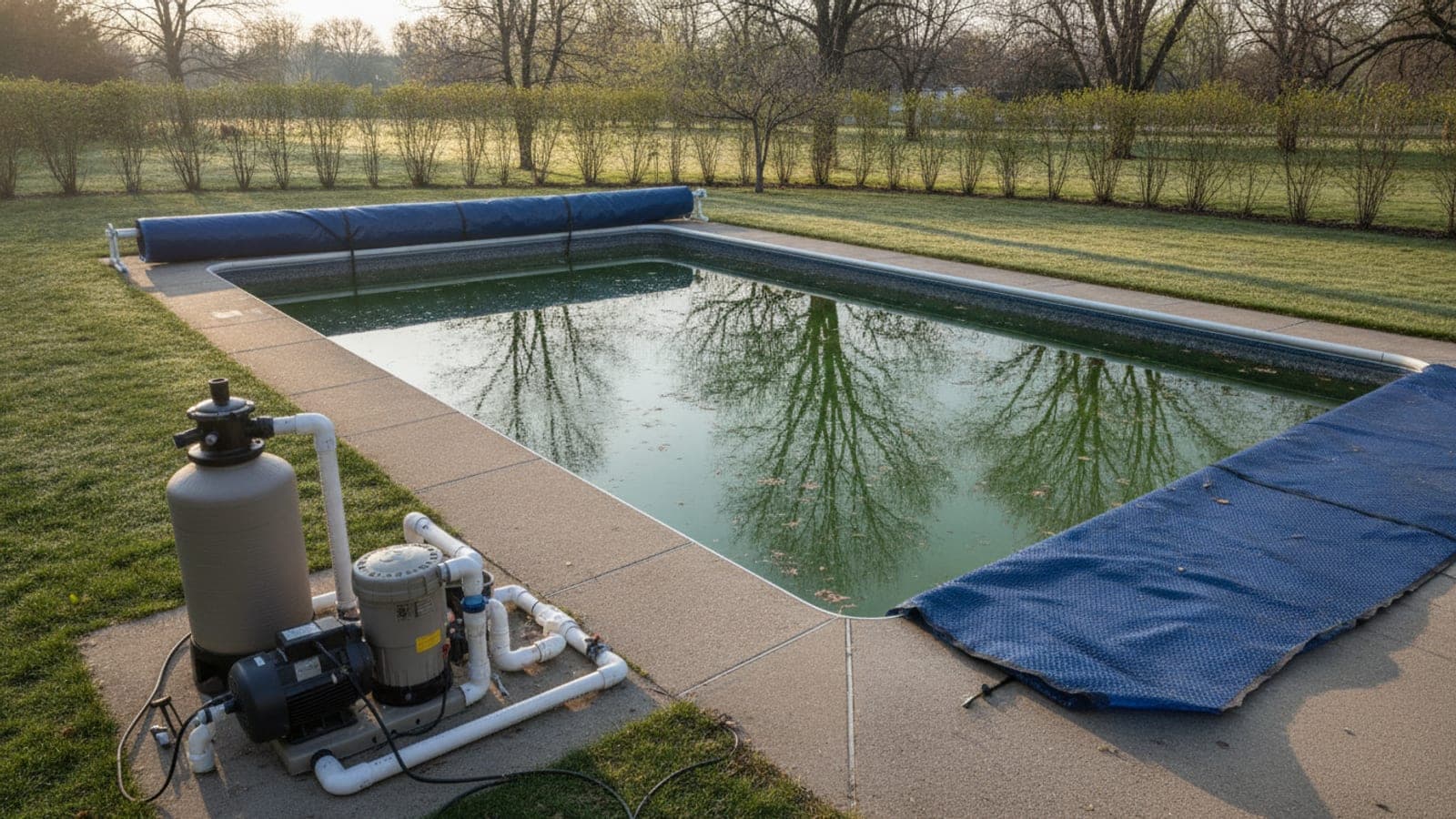
If the pool is cloudy, use the cloudy pool water diagnosis path before closing. If it is green, use the green pool cleanup guide. Covering green water is technically possible. So is putting dirty dishes in the oven and calling the kitchen clean.

What water chemistry should you check before closing?

Check pH, chlorine, total alkalinity, calcium hardness if relevant to your pool surface, cyanuric acid, and salt if you have a saltwater pool. The exact targets depend on pool type, product labels, and equipment instructions.

Use this as a closing test map:

TestWhy it matters before closingHelpful page
pHComfort, sanitizer behavior, surface/equipment protectionPool pH calculator
Free chlorineHelps close with sanitized waterPool chlorine calculator
Total alkalinityHelps pH resist swingsPool alkalinity calculator
Pool volumeNeeded for every dosePool volume calculator
SaltImportant before shutting down a salt systemPool salt calculator

CDC’s home pool guidance gives a general pH range of 7.0–7.8 and minimum chlorine guidance for pools. Your closing products and equipment manual may give more specific instructions, so use them for exact dosing.

Do not chase perfection for three days if the water is already in a reasonable range. Closing chemistry is about avoiding obvious problems, not entering the pool in a science fair.

Should you shock the pool before winter?

Many pools benefit from shocking before closing, especially if sanitizer is low, the water had algae pressure, or the pool has been used heavily. Test first and follow the product label.

Shock is not a substitute for cleaning. If there are leaves, mud, algae, and sunscreen soup in the water, shock has to fight all of that before it can leave you with a clean closing.

A simple shock decision table:

Pool conditionShock before closing?Notes
Clear water, sanitizer in rangeMaybe light treatmentFollow product label
Low chlorineUsually yesUse volume-based dosing
Green waterCleanup firstDo not close green if avoidable
High CYABe carefulStabilized products may make it worse
Vinyl linerFollow label closelyAvoid undissolved granules sitting on liner
Salt poolOften still needs chlorine attentionSalt cell may be off in cold water

Use the pool shock calculator for planning, but let the product label win. Labels are not light reading, but they do matter.

How do you protect the pump, filter, heater, and plumbing?

Winter protection depends on your climate and equipment. In freezing areas, the big job is removing or protecting water from lines and equipment so it cannot freeze, expand, and break expensive things.

Common closing tasks include:

  • Turn off power to pool equipment as appropriate.
  • Remove drain plugs from pump, filter, heater, and chlorinator where required.
  • Drain equipment according to manuals.
  • Blow out plumbing lines if your pool requires it.
  • Install winter plugs or gizmos.
  • Set valves to winter positions if applicable.
  • Remove pressure gauges or small parts that should be stored indoors.
  • Store salt cells, cartridges, baskets, and accessories as the manufacturer recommends.

This is the section where local climate matters. A pool in Minnesota and a pool in Central Florida are not having the same winter. If your area freezes and you are not sure how to blow out lines, hire a pool pro. The cost of help is often less than replacing cracked plumbing or a damaged heater.

Inground vs above-ground winter protection

Pool typeCommon winter concernWhat to verify
Inground with underground linesFreeze damage in plumbingLine blowout and plugs
Above-ground with hosesHoses and fittings crackingDrain and store removable parts
Saltwater poolCell care and low-temp shutdownManufacturer instructions
Cartridge filterDirty cartridge stored wetClean/dry or replace
Sand filterValve/filter drained correctlyDrain cap and valve position
HeaterWater left insideManual-specific drain steps

Do you need to lower the water level?

Lowering the water level depends on the pool, cover, skimmer, return fittings, and winterizing method. Do not lower water just because a neighbor does it. Their pool may be different, and also their hot takes about pool care may be crimes.

Some pools are lowered below the skimmer or returns. Some safety covers require a certain support water level. Some above-ground pools need enough water left in place to support the liner and wall.

Before lowering water, check:

  • Cover manufacturer instructions.
  • Pool builder or manufacturer guidance.
  • Skimmer and return winterizing method.
  • Local freeze conditions.
  • Whether hydrostatic pressure or groundwater is a concern for your pool type.

If you lose water after closing and are not sure whether it is normal, the pool evaporation calculator can help with diagnosis later. A covered winter pool should not be treated exactly like an uncovered summer pool, but unexplained large drops still deserve attention.

What winter products are actually useful?

Useful winter products are the ones matched to your pool’s real needs: cover, plugs, air pillow for some above-ground pools, winterizing chemicals, stain/scale control when appropriate, and safety gear.

Here is the practical version:

ProductUseful whenWatch out for
Winter coverMost outdoor seasonal poolsPoor fit, torn straps, standing water
Cover pumpSolid covers that collect waterRunning dry or clogged intake
Winter plugsLines/fittings need sealingWrong size
Air pillowSome above-ground pool coversOverinflating or using as a magic shield
Winterizing kitConvenienceAdding products your water does not need
Enzyme productOrganic debris problemsNot a substitute for cleaning
Stain/scale productMetal or scale-prone poolsProduct compatibility

What you need

Affiliate disclosure: We may earn a commission if you buy through links on this page. Your price should not change.

Suggested product cards:

  • Winterizing kit.
  • Solid or safety cover.
  • Cover pump.
  • Winter plugs/gizmos.
  • Air pillow for above-ground pools where appropriate.
  • Test kit.
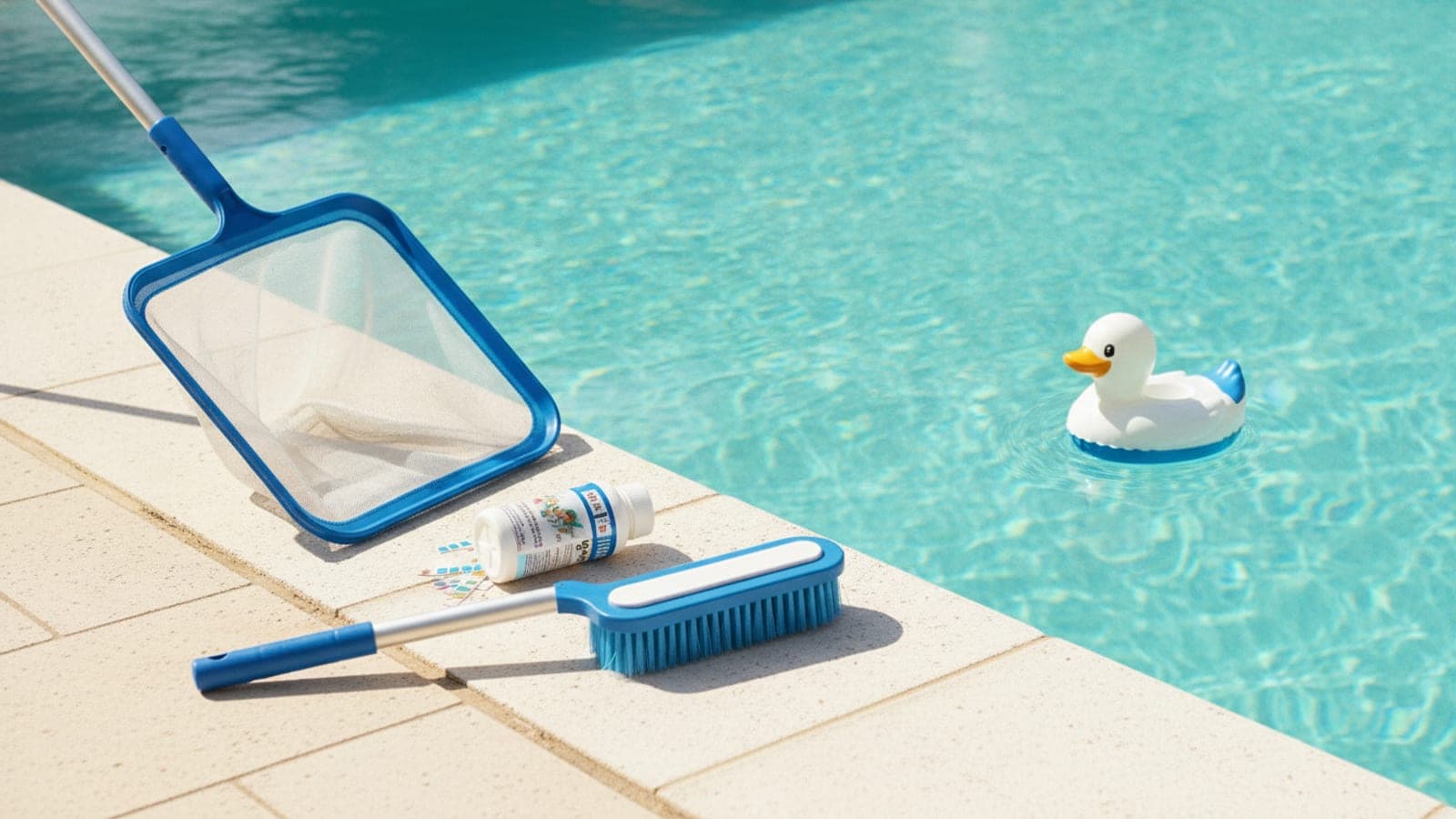
  • Pool brush and leaf net.
  • Safety gloves and goggles.

How do you choose and manage the cover?

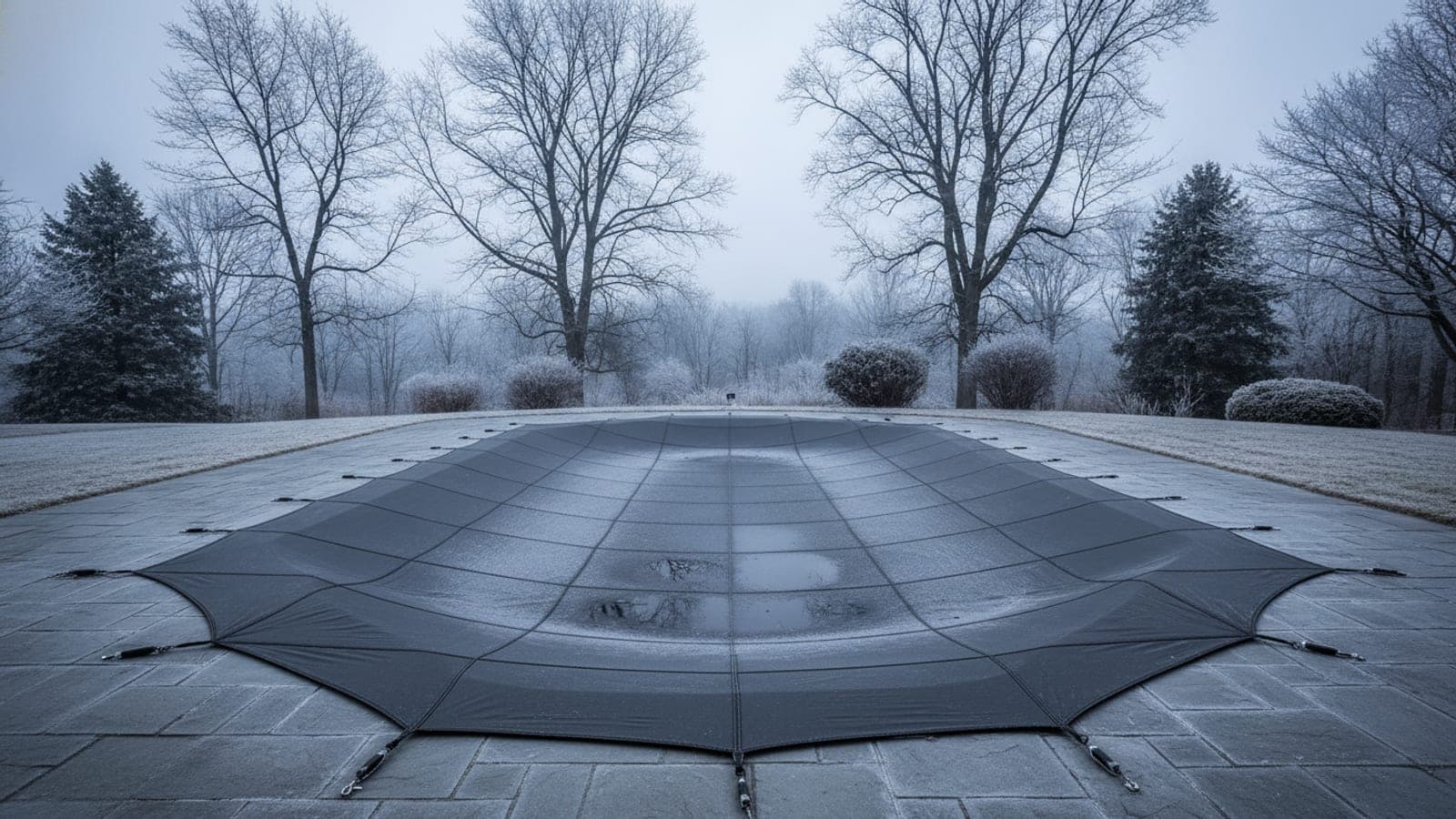
Choose a cover based on pool type, safety needs, debris load, and how much maintenance you are willing to do during winter. A cover is not a “set it and forget it” object. It is more like a roof you occasionally have to babysit.

Solid covers block sunlight and debris but collect rainwater and need a cover pump. Mesh covers drain better but can allow fine debris and sunlight through. Safety covers can be excellent, but they must be installed and tensioned correctly.

The Department of Energy notes that pool covers reduce evaporation and can reduce heating costs. That is most relevant for operating season and heated pools, but it reinforces the larger point: covers matter because water, heat, sunlight, and debris are always trying to make pool ownership more annoying.

During winter:

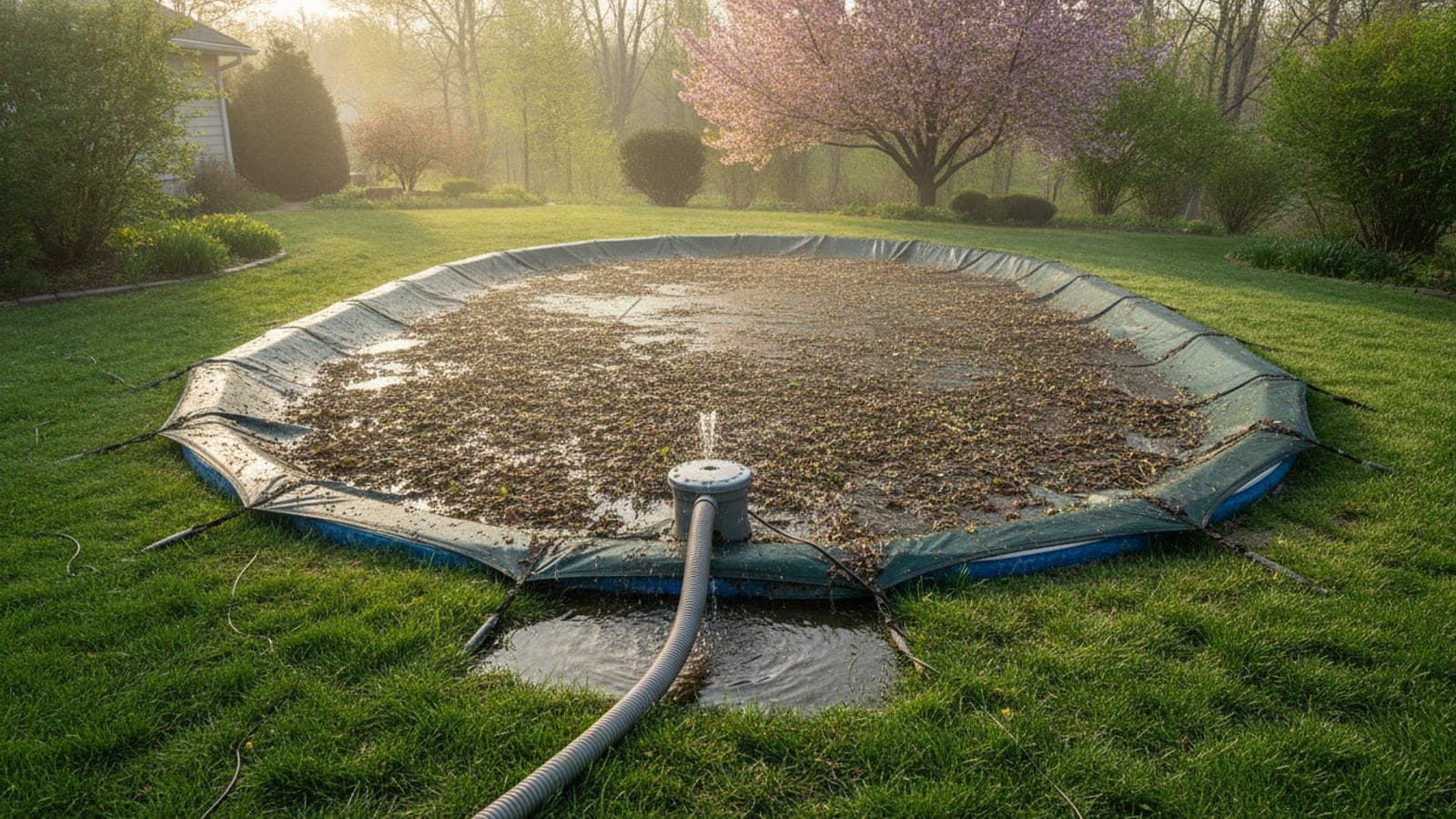
  • Pump standing water off solid covers.
  • Remove heavy leaf piles.
  • Check straps, anchors, cables, and water bags.
  • Keep sharp branches away.
  • Do not let kids or pets treat the cover like a trampoline.
  • Check water level under the cover when weather allows.

What closing mistakes make spring worse?

The biggest mistakes are closing dirty water, skipping testing, ignoring equipment instructions, storing chemicals badly, and assuming the cover will do all the work.

Avoid these:

  1. Closing while the pool is green.
  2. Adding chemicals without knowing gallons.
  3. Skipping pH and alkalinity.
  4. Leaving debris on the floor.
  5. Forgetting to clean the filter.
  6. Not protecting freeze-risk plumbing.
  7. Using the wrong plug sizes.
  8. Letting cover water sit all winter.
  9. Storing wet chemicals near other chemicals.
  10. Forgetting what you did.

Take photos of the equipment pad before and after closing. Put plugs, gauges, baskets, and small parts in a labeled bag. Future-you will act like this was your idea all along.

Pool chemical safety also matters at closing because half-used products often get shoved into garages. CDC and EPA both warn against poor storage and accidental mixing. Keep products dry, closed, labeled, separated, and out of reach.

FAQ

The FAQ for this article is stored in the page frontmatter so it can render clean FAQ cards and FAQPage schema.

Frequently asked questions

When should I close my pool for winter?

Close it when swimming season is realistically over and before freezing weather creates risk for plumbing and equipment. In many climates, waiting until water is cooler can reduce algae pressure, but do not wait so long that equipment is exposed to freeze damage.

Do I have to lower the water to close a pool?

It depends on the pool type, cover type, and equipment setup. Some pools need water lowered below the skimmer or return. Others do not. Follow your cover and equipment instructions.

Should I shock before closing?

Often, yes, but test first and follow the product label. Closing a dirty, low-sanitizer pool usually means a worse opening in spring.

Can I close a green pool?

You can physically cover it, but it is usually a bad trade. Closing green water tends to create a nastier spring opening. Clean and balance the water first if possible.

Do I need a winterizing kit?

A winterizing kit can be convenient, but it should not replace testing, cleaning, draining or blowing out lines where needed, and following your pool equipment instructions.
The weekly skim

One short email a week: what to test, what to buy, and what to skip. No daily drip. Unsubscribe anytime.

Keep reading