A swim spa costs less and fits a small yard, while a lap pool costs more and needs real length, so your budget and your available space usually make the call for you. If your yard is tight and you mainly want exercise and warm-water soaking, a swim spa is the practical pick. If you have the room and want true back-and-forth swimming, a lap pool earns its higher price.
Let me define both first. A swim spa is a self-contained fiberglass or acrylic shell, roughly the size of a large hot tub, with a jet system that pushes a current so you swim in place. A lap pool is a long, narrow pool (often 40 feet or more) built for swimming actual laps end to end. Both let you swim at home. They just get there in very different ways.
Which one is cheaper to install?
The swim spa almost always wins on install cost. It arrives as a finished shell, so the job is a level pad, a crane or dolly to set it, and electrical (sometimes gas) hookup. There is no excavation.
A lap pool, especially in-ground, adds digging, plumbing, decking, and often a permit-heavy build. Those line items add up fast. I will not quote you a dollar figure here because your soil, access, and local labor rates swing it wildly, so get two or three local quotes before you fall in love with either option.
Above-ground and vinyl lap pools cost less than gunite, but they still need more length and site work than a swim spa on a slab.
Which one needs less yard?
Space is where swim spas really pull ahead. A swim spa footprint is commonly 12 to 16 feet long and can sit on an existing patio or a reinforced deck. That is a big deal for city lots and small suburban yards.
A lap pool needs length to feel like a lap pool. Anything much shorter than 40 feet starts to feel like a big bathtub, and you also owe deck space and setback distances from property lines. Check your local zoning setbacks early, because they can quietly shrink where a long pool can legally go.
If you want the swim-in-place experience without buying a full swim spa, some owners add a jet system to a small existing pool. Products like the iGarden Swim Jet P Series and iGarden Swim Jet X Series create a current you swim against, which can turn a modest pool into a fitness pool.
Which one is more work to maintain?
A swim spa holds far less water, which cuts both ways. Small volume heats cheaply and balances quickly, but the chemistry also swings faster, so you test more often. Treat it closer to a hot tub than a pool, and our guide on hot tub maintenance for beginners without the chemical panic covers that rhythm.
A lap pool holds a lot of water, so heating costs more, but the chemistry is more stable day to day. Either way you are managing chlorine, pH, and CYA (cyanuric acid, the stabilizer that protects chlorine from sunlight). If you are new to any of that, start with our pool chemistry basics without the lab coat.
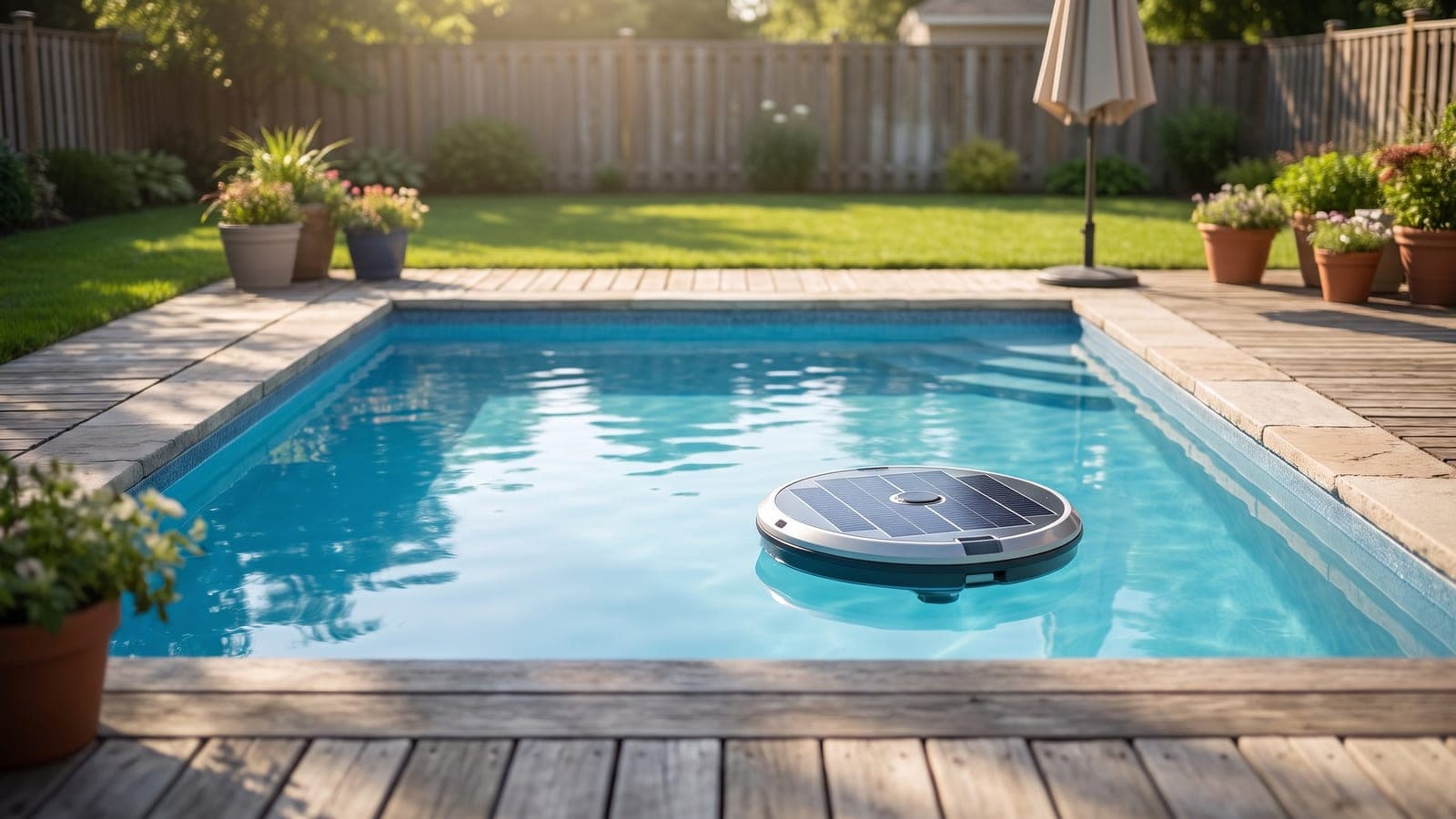
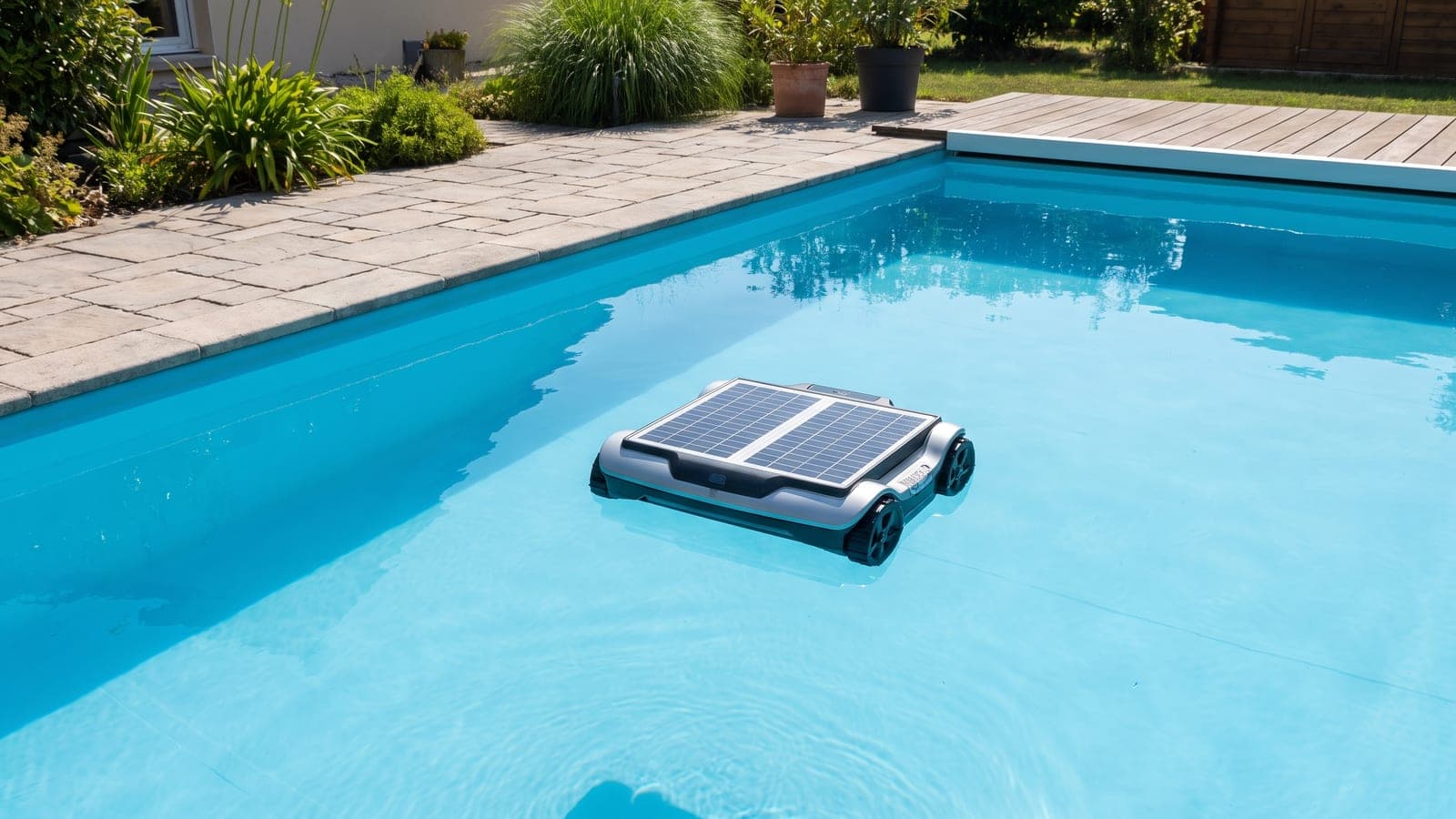
Both surfaces collect leaves and bugs, and skimming by hand gets old. A solar robotic skimmer such as the Betta SE Plus or the Aiper Surfer S2 quietly patrols the surface and pushes debris to the skimmer, and you can compare more options on our robotic skimmers page.
Which one fits your life?
Pick a swim spa if your yard is small, you want year-round warm water, and swimming in place plus soaking sounds good. Many owners also run theirs as a hot tub, which is a nice two-in-one.
Pick a lap pool if you have the length, you want real distance swimming, and you like the option of a larger recreational pool for family use. If you plan to run it as a saltwater pool, our saltwater pool maintenance for beginners guide walks through the salt cell and startup steps.
Whichever you choose, plan the safety side up front. Fencing, covers, and drain-safe equipment matter more than any feature, and the standards at poolsafely.gov are a solid starting checklist. Get the boring parts right, and the swimming part takes care of itself.
Frequently asked questions
Is a swim spa cheaper than a lap pool?
Usually yes, especially once you count excavation and decking for an in-ground lap pool. A swim spa is a self-contained shell you set on a pad, so the install is simpler. Exact totals depend on your site, model, and any electrical or gas work, so get local quotes.
Can you actually swim laps in a swim spa?
You swim in place against a jet current, not back and forth. Fitness swimmers can get a real workout once they dial in the flow speed, but it feels different from touching a wall. If flip-turns and distance matter to you, a lap pool wins.
How much space does each one need?
A swim spa fits in a footprint roughly the size of a large hot tub, often 12 to 16 feet long, so it can share a patio or deck. A lap pool wants real length, commonly 40 feet or more for satisfying laps, plus deck and setbacks. Check your local setback rules before you plan.
Which one costs more to run each month?
A swim spa heats a small volume, so heating is efficient, but it stays warm year round and the jet pump draws power during swims. A lap pool holds far more water and costs more to heat, though you can cut that with a cover and a variable speed pump. It depends on your climate and how often you use it.
Do swim spas need the same chemicals as pools?
They use similar sanitizer and pH balancing, but the small hot water volume swings faster, so you test more often. Many owners treat a swim spa more like a hot tub than a pool. See our hot tub and pool chemistry guides for the specifics.