PoolGearGuide

Pool Closing Checklist Generator

By the PoolGearGuide editorial team · Updated 2026-07-03

Share

A pool closing checklist should not be a random pile of winter products. It should be a step-by-step plan that starts with clean water, protects the equipment, handles the cover correctly, and leaves you with fewer spring surprises.

Closing a pool is not glamorous. Nobody is bragging at dinner about their skimmer plug technique. But a careful closing can save you from green water, cracked fittings, mystery leaks, sagging covers, and that special spring feeling of wondering what exactly died under the tarp.

Key takeaways

  • A pool closing checklist works best when it is customized by pool type, cover type, equipment, and freeze risk.
  • Test and balance the water before closing instead of throwing in a mystery winter cocktail.
  • Clean the pool first because leaves, dirt, pollen, and algae do not become easier after sitting all winter.
  • Protect plumbing and equipment carefully if your area freezes.
  • Save photos and notes during closing so opening the pool is less of a detective show.

Table of contents

What should a pool closing checklist actually do?

A pool closing checklist should protect three things: the water, the equipment, and your future patience. If a checklist only says "add winter kit and cover pool," it is not a checklist. It is a shrug wearing a pool hat.

The point is not to make closing complicated. The point is to put the steps in the right order. Clean first. Test next. Adjust carefully. Handle equipment according to the manual. Put the cover on in a way that will survive weather, leaves, pets, wind, and the one neighbor tree that contributes like it pays dues.

A good closing checklist should answer:

  • Is this pool above-ground or inground?
  • Is the pool saltwater or traditionally chlorinated?
  • Is the climate freeze-prone?
  • Is the cover solid, mesh, safety, automatic, or a basic winter tarp?
  • Does the pool have a heater, salt cell, automation, fountain, cleaner line, or attached spa?
  • Are the lines being blown out professionally or handled by the owner?
  • Does the water need final chemistry adjustment before closing?

This is why a generator is better than a static checklist. A Florida pool owner using a light cover has a different closing problem than a Michigan pool owner protecting underground plumbing from freeze damage.

What should the pool closing checklist generator ask?

The generator should ask only the questions needed to produce a practical list. Too many questions and people quit. Too few questions and the checklist becomes dangerously generic.

Use these inputs:

InputWhy it mattersExample checklist change
Pool typeAbove-ground and inground closings differAdds air pillow or line-plug steps
ClimateFreeze risk changes plumbing stepsAdds freeze-protection warning
Pool volumeDosing depends on gallonsLinks to the volume calculator
Sanitizer typeSalt cells need special attentionAdds salt cell inspection/removal note
Cover typeMesh and solid covers behave differentlyAdds cover pump or water-level guidance
EquipmentHeaters, pumps, filters, and valves need careAdds manual-specific shutdown prompts
Water conditionGreen or cloudy water should be fixed firstLinks to green/cloudy water guides
Owner comfortSome jobs are DIY; some are notSuggests hiring a pro for line blowout

The output should not just be a printable list. It should also recommend the related tools: pool volume calculator, pool shock calculator, and the full guide on how to close a pool for winter.

What should you do one week before closing?

One week before closing, stop pretending the pool is going to fix itself. This is the cleanup window. Brush, skim, vacuum, clean the filter, test the water, and make sure the equipment is working before you cover the whole situation like nothing happened.

A good one-week plan looks like this:

  1. Skim leaves and surface debris.
  2. Brush walls, steps, ladders, benches, and the waterline.
  3. Vacuum or run the robot long enough to remove settled dirt.
  4. Empty baskets and clean the pump strainer.
  5. Clean or backwash the filter if needed.
  6. Test pH, free chlorine, total alkalinity, and stabilizer.
  7. Inspect the cover, plugs, air pillow, cover pump, and winter gear.
  8. Read the manuals for heaters, salt systems, pumps, filters, and automation.

That last one is boring. It is also where expensive equipment gets saved. A heater, salt cell, cartridge filter, or automation system may have specific winterizing steps. If the manual says to drain a component, remove a part, or avoid a chemical concentration, do that instead of trusting a stranger in a comment section named PoolWizard1978.

What water numbers should you check before closing?

Before closing, check the same core numbers you care about during the season: pH, sanitizer, total alkalinity, stabilizer, and overall clarity. CDC guidance for home pools says pH should be in the 7.0 to 7.8 range and gives chlorine guidance for treated water, but your product labels and equipment manuals still matter.

The pool does not need to be perfect forever. It needs to be clean, sanitary, and stable enough to go under cover without turning into soup.

Use this simple approach:

NumberWhy it matters before closingTool to use
pHAffects comfort, surfaces, and chlorine behaviorpH calculator
Free chlorineHelps sanitize before cover goes onchlorine calculator
Total alkalinityBuffers pH movementalkalinity calculator
CYA/stabilizerChanges how chlorine behaves outdoorsCYA calculator
Water clarityDirty water closes badlycloudy water guide

Do not mix chemicals in a bucket. Do not add products back-to-back without circulation time unless the label specifically allows it. Do not store incompatible chemicals together in the garage. EPA's pool chemical safety alert exists because pool chemicals can cause fires, toxic vapor releases, and injuries when handled poorly.

What should you clean before the cover goes on?

Clean the pool as if you are opening it tomorrow. Anything left behind has months to stain, decay, clog, sink, or quietly make your spring opening worse.

Focus on:

  • Leaves and acorns.
  • Pollen and fine dust.
  • Algae on walls or steps.
  • Debris in corners.
  • Waterline grime.
  • Pump and skimmer baskets.
  • Filter cartridges, grids, or sand-filter pressure issues.
  • Ladders, rails, and removable accessories.

A robotic pool cleaner can help here, but it is not magic. If the water is already green, brush and chemistry matter. If the pool is full of leaves, a leaf rake or skimmer may be faster than asking a robot to eat a salad bar.

This is where the closing generator should show a "cleaning gear" product block:

[AFFILIATE_MODULE: closing-cleanup]

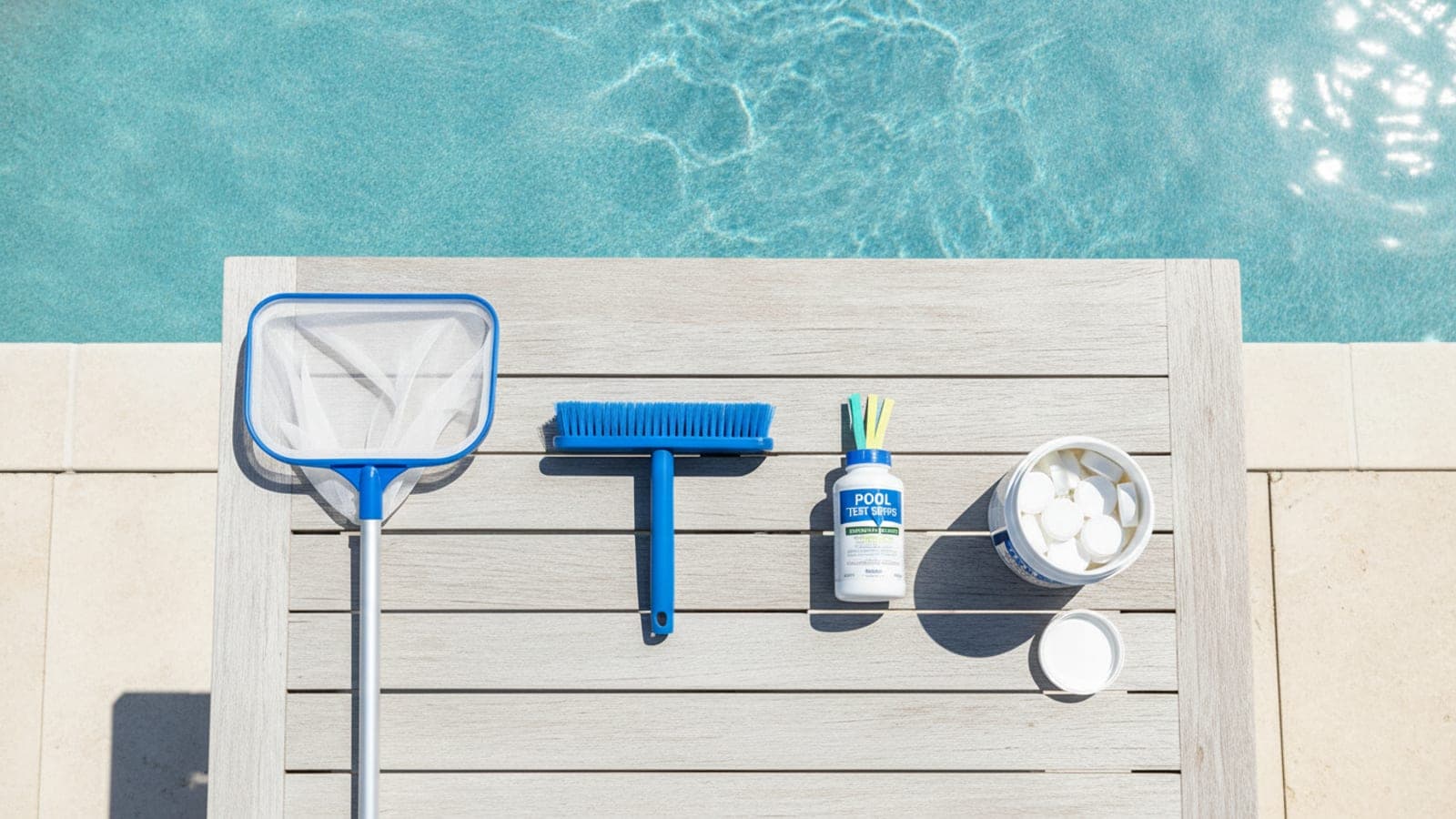
  • Leaf rake.
  • Heavy-duty skimmer net.
  • Pool brush.
  • Manual vacuum hose/head.
  • Robotic cleaner filter basket.
  • Fine filter panels.

How do above-ground and inground closing steps differ?

Above-ground pools usually have simpler equipment, but they can be more vulnerable to cover stress, wall pressure, and bad winter setup. Inground pools often involve more plumbing, equipment, valves, heaters, automation, and freeze-protection details.

Closing areaAbove-ground poolInground pool
CoverOften uses cable/winch winter coverMay use safety, mesh, solid, or automatic cover
PlumbingShorter exposed lines are commonUnderground lines may need professional blowout
Water levelDepends on cover and skimmer setupDepends on cover type, tile line, and winterizing plan
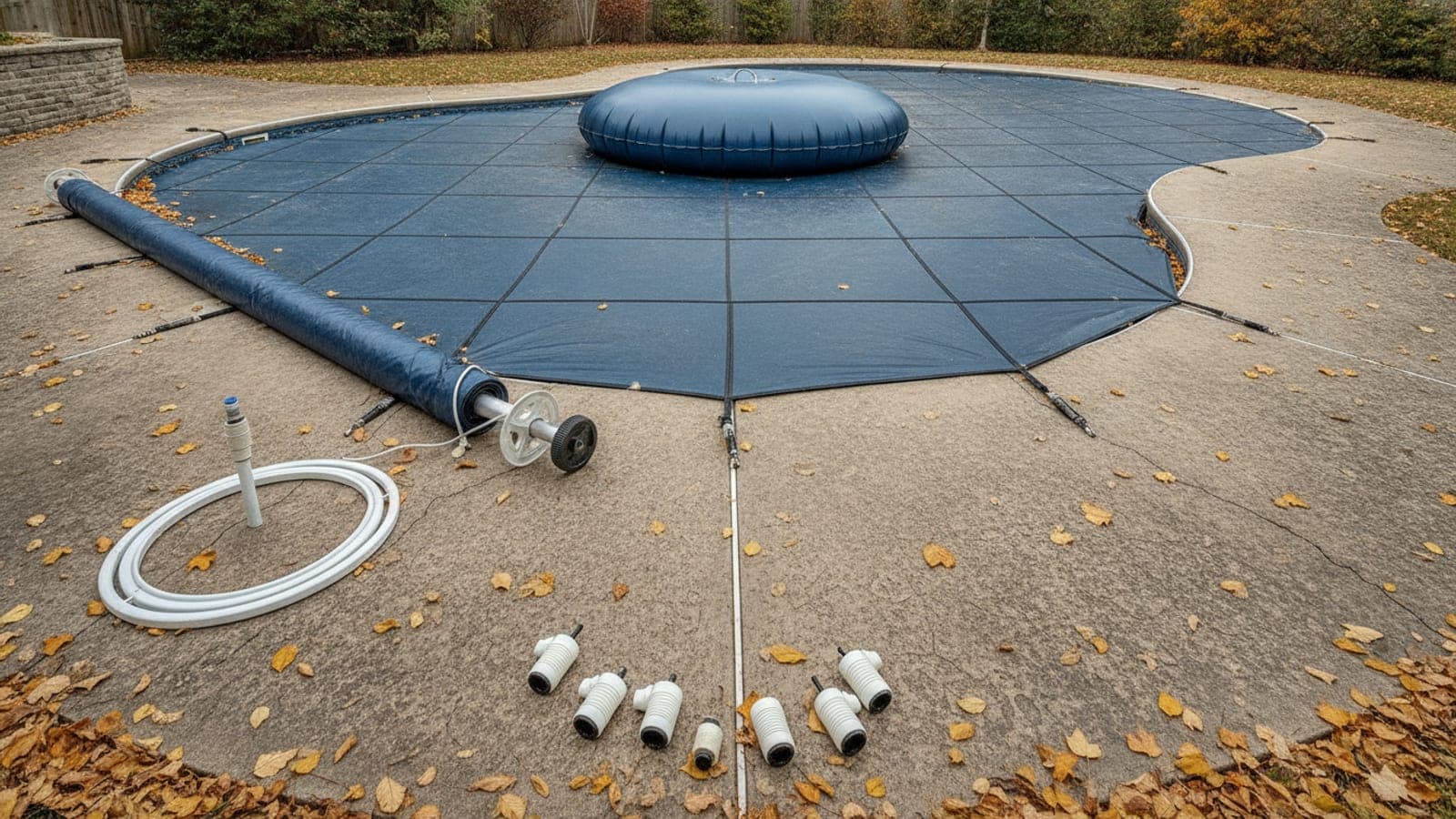
AccessoriesAir pillow may be usedPlugs, skimmer gizmos, safety cover anchors
EquipmentPump/filter may be disconnected or protectedPump, filter, heater, valves, cleaner lines, automation
DIY riskCover damage and wall stressFreeze damage and expensive equipment mistakes

The generator should include a clear warning: if you live where hard freezes happen and you are not confident blowing out lines, hire a pool professional. A bad closing can be much more expensive than a closing appointment.

What supplies should the affiliate module show?

The best affiliate module for a pool closing checklist should be useful, not a winter-product yard sale. Show products based on the user's pool type and cover type.

For above-ground pools:

[AFFILIATE_MODULE: above-ground-closing-kit]

  • Winter cover.
  • Air pillow.
  • Cover cable and winch.
  • Wall bags or cover clips.
  • Winter plugs.
  • Skimmer guard.
  • Test kit.
  • Leaf net.

For inground pools:

[AFFILIATE_MODULE: inground-closing-kit]

  • Safety cover accessories.
  • Cover pump if using a solid cover.
  • Winter plugs.
  • Skimmer protection.
  • Antifreeze only where appropriate and label-approved.
  • Test kit.
  • Brush and leaf rake.
  • Equipment cover or storage accessories.

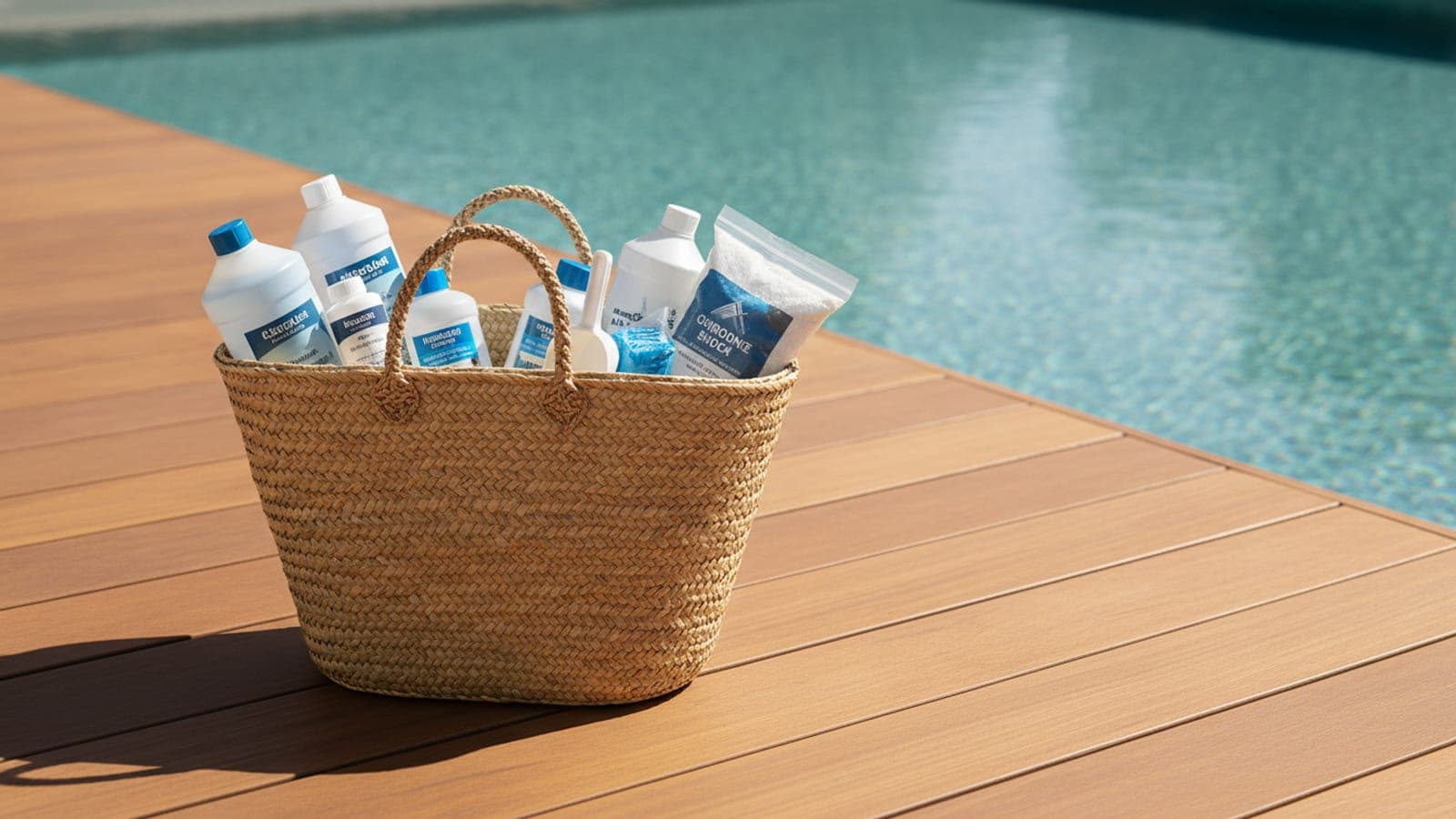
For chemical products, keep the copy cautious. The module should say: "Buy based on your water test, pool volume, and product label." That is less exciting than pretending one magic closing bottle handles every pool. It is also much more honest.

What does a worked closing plan look like?

Here is a simple scenario.

A homeowner has a 24-foot round above-ground pool with a basic winter cover, a sand filter, and a cold winter climate. The water is clear, but leaves are starting to fall.

The checklist might output:

  1. Measure or confirm pool volume with the pool volume calculator.
  2. Skim and vacuum leaves before they sink.
  3. Brush walls, ladder area, and floor seams.
  4. Test pH, free chlorine, total alkalinity, and stabilizer.
  5. Adjust water only according to test results and product labels.
  6. Run the pump long enough to circulate final adjustments.
  7. Backwash or clean the filter according to the manual.
  8. Lower water only according to the cover/skimmer setup.
  9. Remove hoses and drain equipment where required.
  10. Install winter plugs and skimmer protection.
  11. Add the air pillow and center it reasonably.
  12. Install the winter cover, cable, and winch.
  13. Take photos of the setup for spring reference.

That plan is not fancy. It is clear. Clear wins.

What mistakes make spring opening worse?

The biggest pool closing mistakes are closing dirty water, ignoring the equipment manual, handling chemicals carelessly, using the wrong cover setup, and forgetting what you did.

Avoid these:

  • Closing a green pool because "winter will handle it."
  • Adding shock, algaecide, clarifier, and mystery potion at the same time.
  • Leaving piles of leaves under the cover.
  • Letting a solid cover collect heavy water with no pump plan.
  • Forgetting to drain or winterize equipment in freeze zones.
  • Using missing, cracked, or wrong-size plugs.
  • Assuming every YouTube closing applies to your pool.
  • Throwing away packaging and instructions before reading them.

The final step is simple: make a note in your phone with the closing date, water level, chemicals used, cover setup, and anything broken or missing. Future you will not remember. Future you is very busy being annoyed in April.

External sources to verify before publishing

Frequently asked questions

What should be on a pool closing checklist?

A useful pool closing checklist should cover water testing, cleaning, equipment shutdown, water level, plugs, lines, cover setup, chemical handling, and final spring notes. The exact steps depend on your pool type, climate, cover, and equipment.

Should I shock the pool before closing it?

Many owners shock before closing, but the timing and product amount should come from your water test, pool volume, and product label. Do not add chemicals randomly right before covering the pool.

Do above-ground and inground pools need different closing checklists?

Yes. Above-ground pools often involve air pillows, winter covers, and simpler plumbing. Inground pools may involve blowing out lines, plugs, skimmers, drains, valves, heaters, automation, and more equipment-specific steps.

When should I close my pool?

Close when the swimming season is over and the water is consistently cool enough that algae growth slows. In many colder climates, owners close after the heat breaks but before hard freezes become a problem.

Can a checklist replace a pool professional?

No. A checklist helps you prepare and avoid missed steps. Hire a professional if you are unsure about blowing out lines, winterizing a heater, handling freeze-prone plumbing, or protecting expensive equipment.
The weekly skim

One short email a week: what to test, what to buy, and what to skip. No daily drip. Unsubscribe anytime.

Keep reading