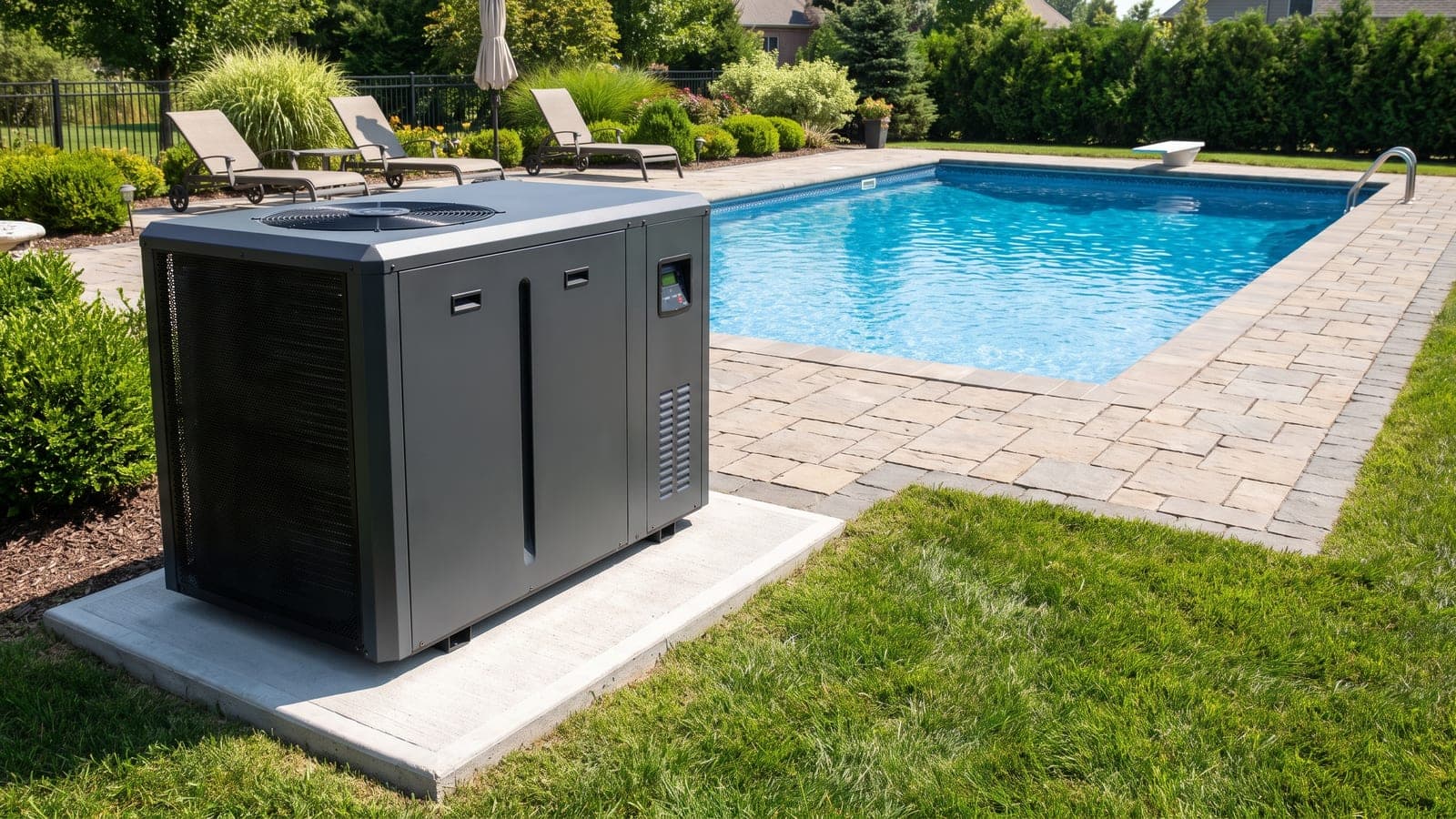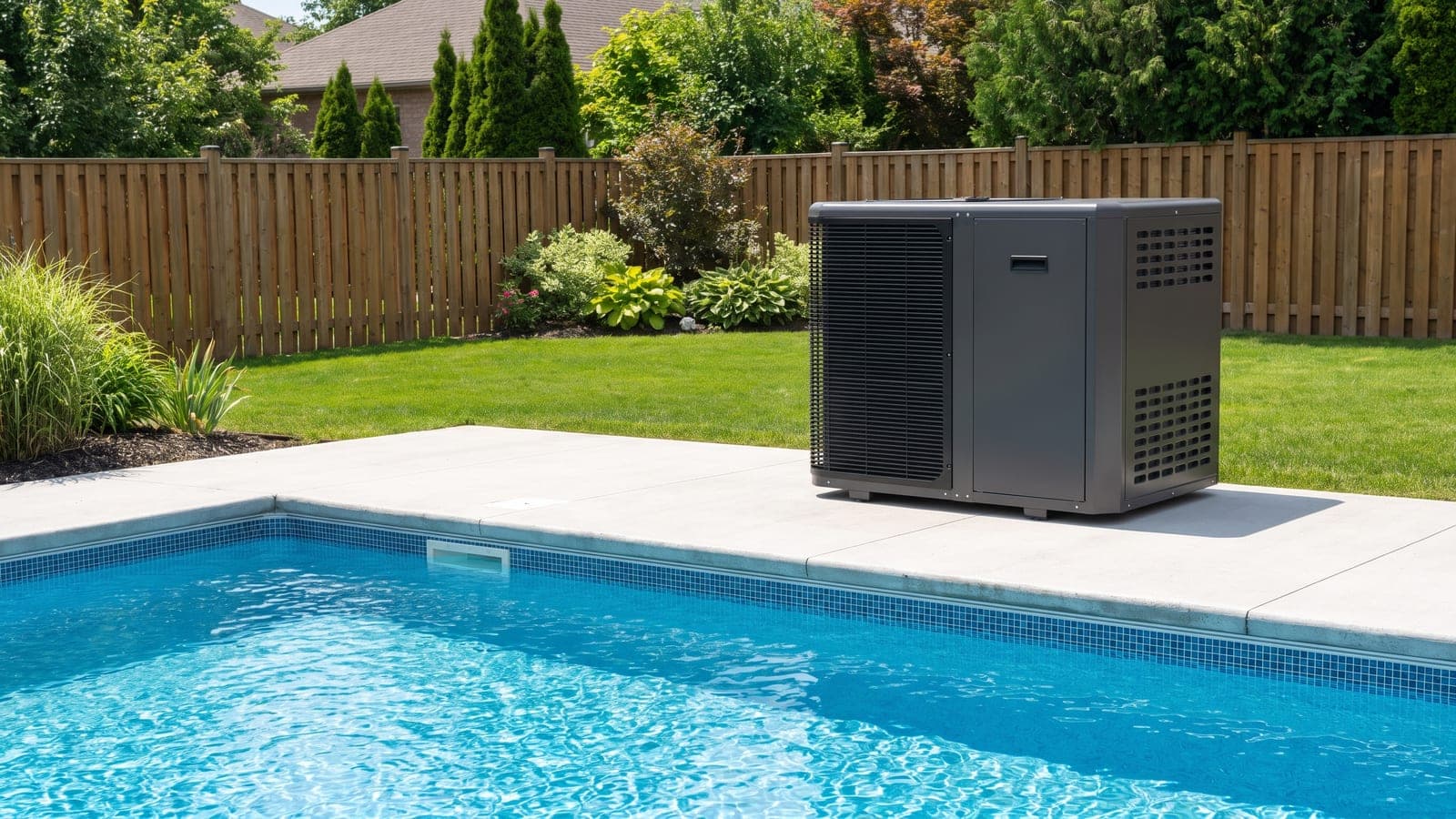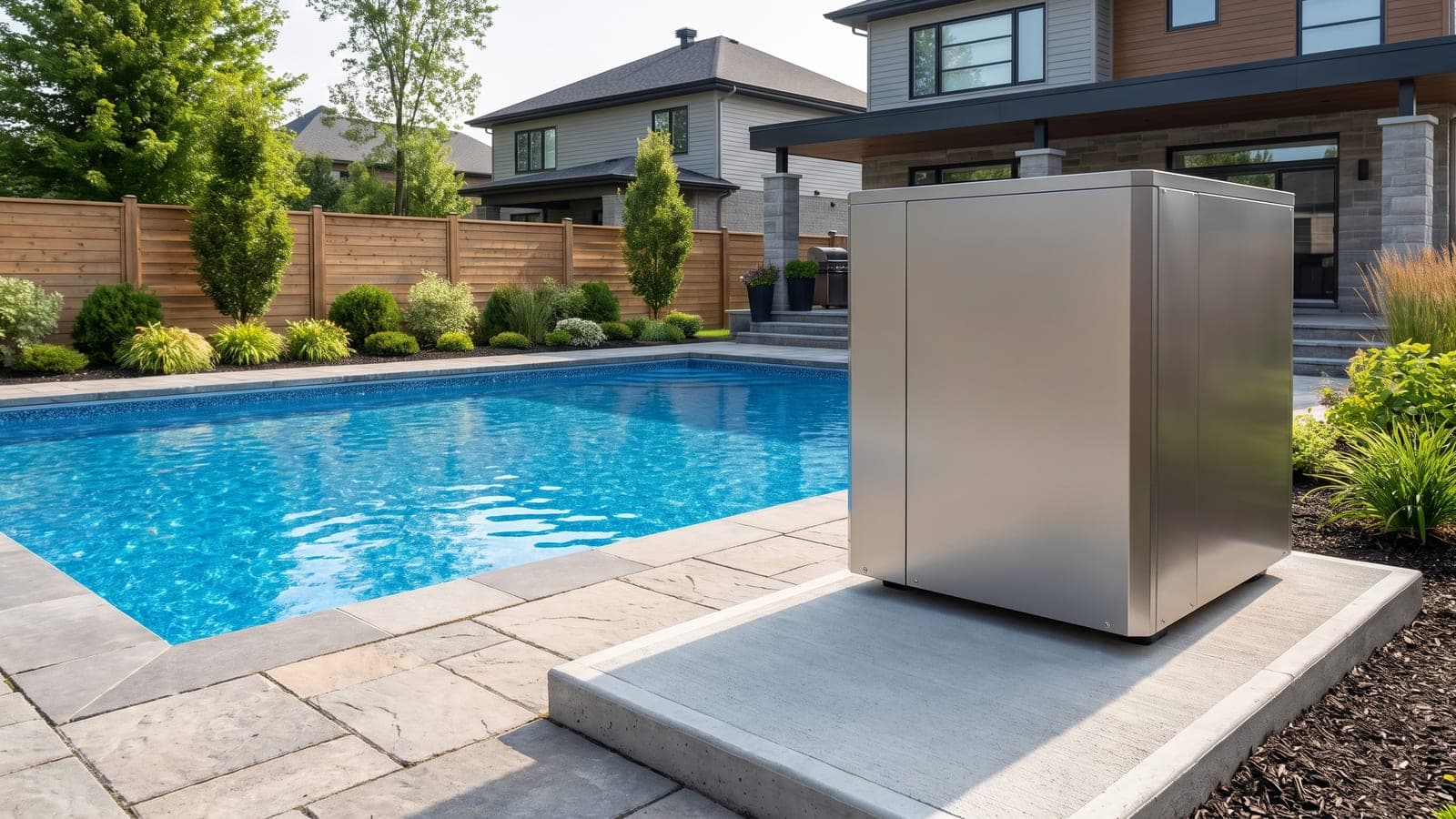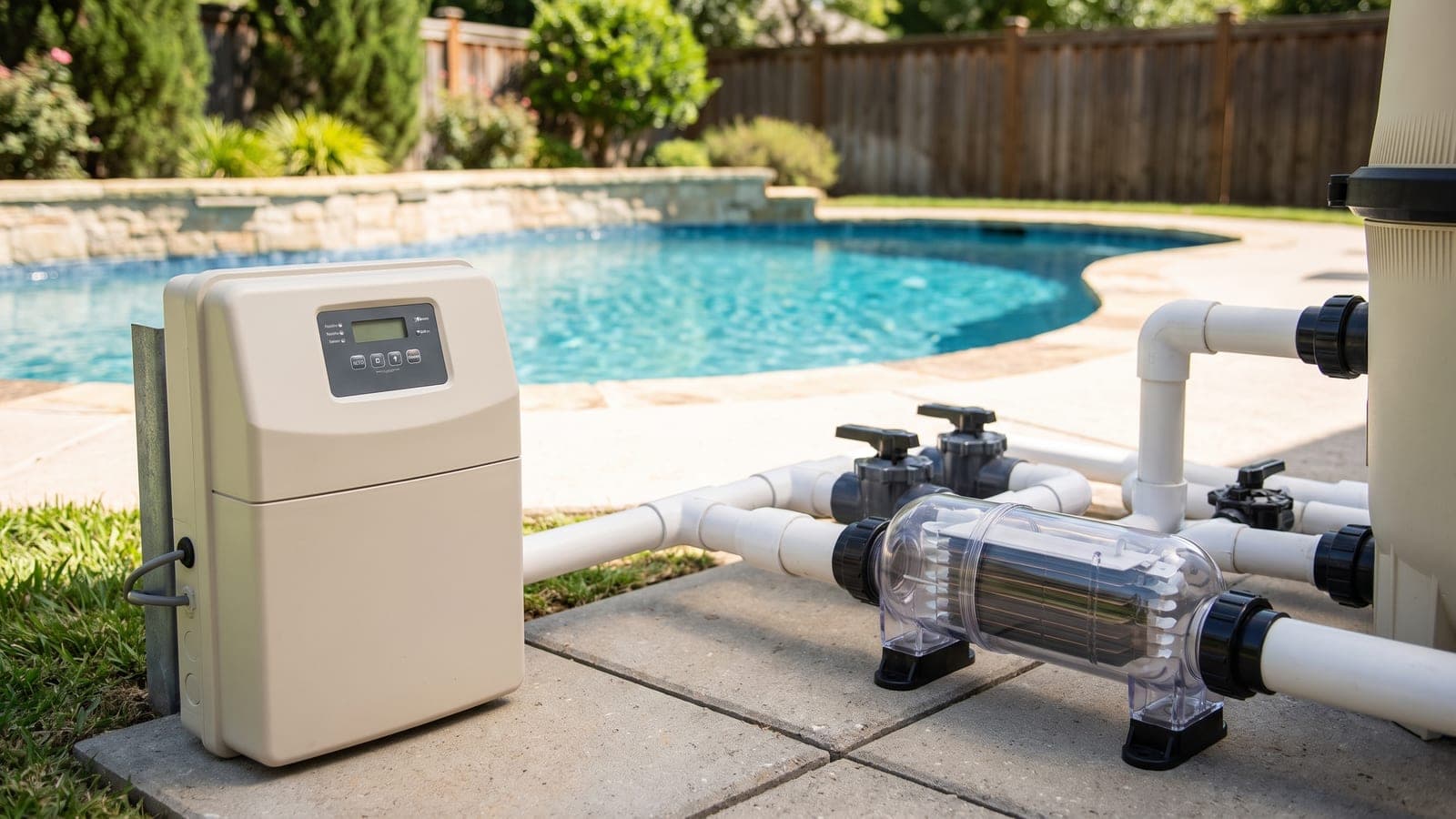
The heater most above-ground owners should get is a heat pump, because it runs on regular electricity, sips power compared to gas, and pairs well with the modest gallon counts these pools hold. Gas heaters still win when you need to heat a cold pool fast or you live somewhere the air drops below about 50 degrees F, since heat pumps slow down in cold air. Below are our picks by situation, matched to real above-ground sizes and owner reports.
| Pick | Best for | Watch out for |
|---|---|---|
| FibroPool FH255 55,000 BTU Heat Pump | Most mid-size pools | Slow heating on chilly days |
| FibroPool FH135 35,000 BTU Heat Pump | Small pools, tight budgets | Undersized for big pools |
| Hayward HeatPro 90,000 BTU Heat Pump | Large above-grounds | Needs a dedicated circuit |
| FibroPool FH285-i Inverter Heat Pump (62,000 BTU) | Quiet, efficient running | Higher upfront cost |
| Pentair MasterTemp 125K Natural Gas Heater | Fast heat, cold climates | Higher fuel cost per hour |
| XtremepowerUS 137,000 BTU Heat Pump | Big pools on a budget | Thinner support and docs |
Best overall: FibroPool FH255 55,000 BTU Heat Pump
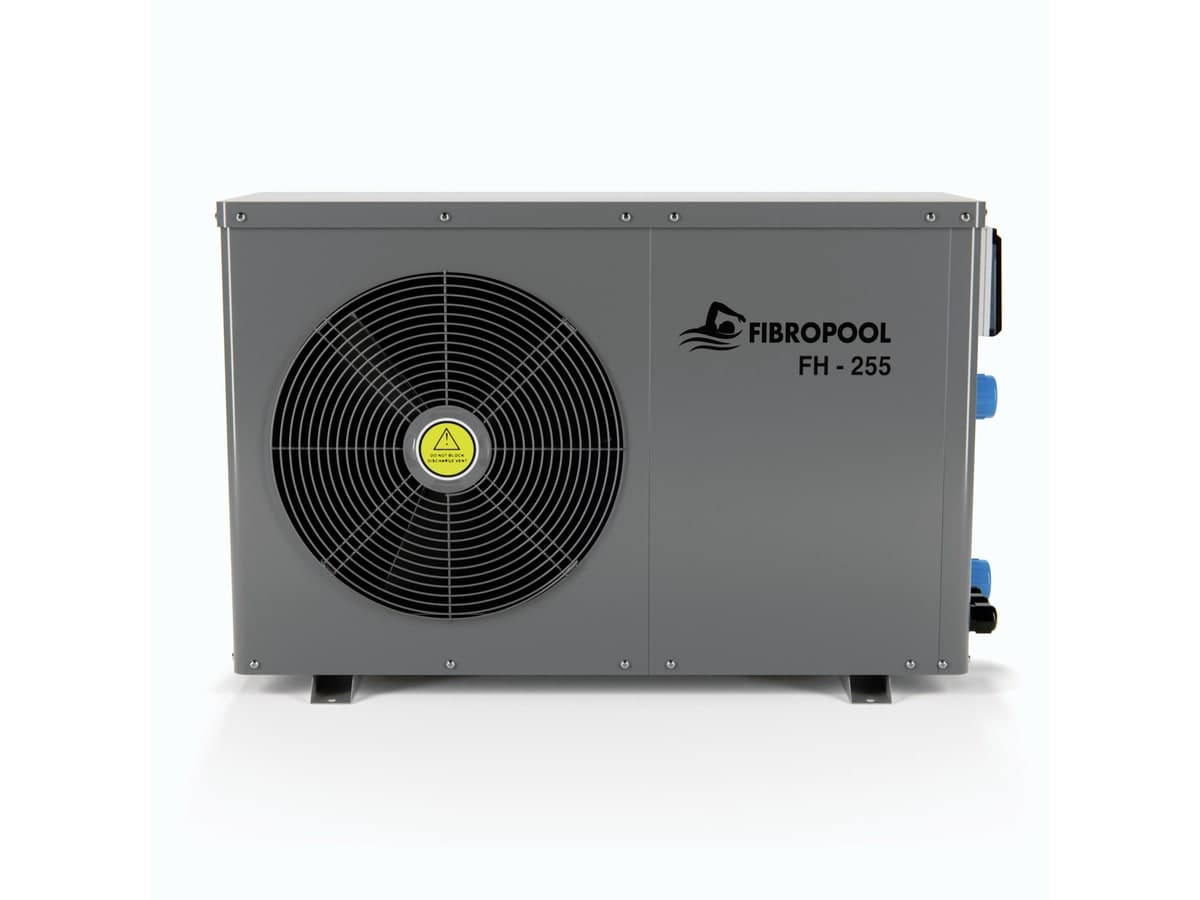
Mid-range
This one fits the sweet spot for above-ground pools, roughly 8,000 to 15,000 gallons, and it plugs into the electric-first setup most backyards already have. A heat pump moves heat from the air into your water instead of burning fuel, which is why owners report much lower running costs than a gas unit. The U.S. Department of Energy lists heat pumps among the most efficient ways to heat a pool.
The tradeoff is patience. Heat pumps raise water a few degrees per hour, not per minute, so a cold spring pool can take a day or two to reach swim temperature. Add a solar cover and it holds that heat overnight instead of losing it to the air.
Best for small pools: FibroPool FH135 35,000 BTU Heat Pump
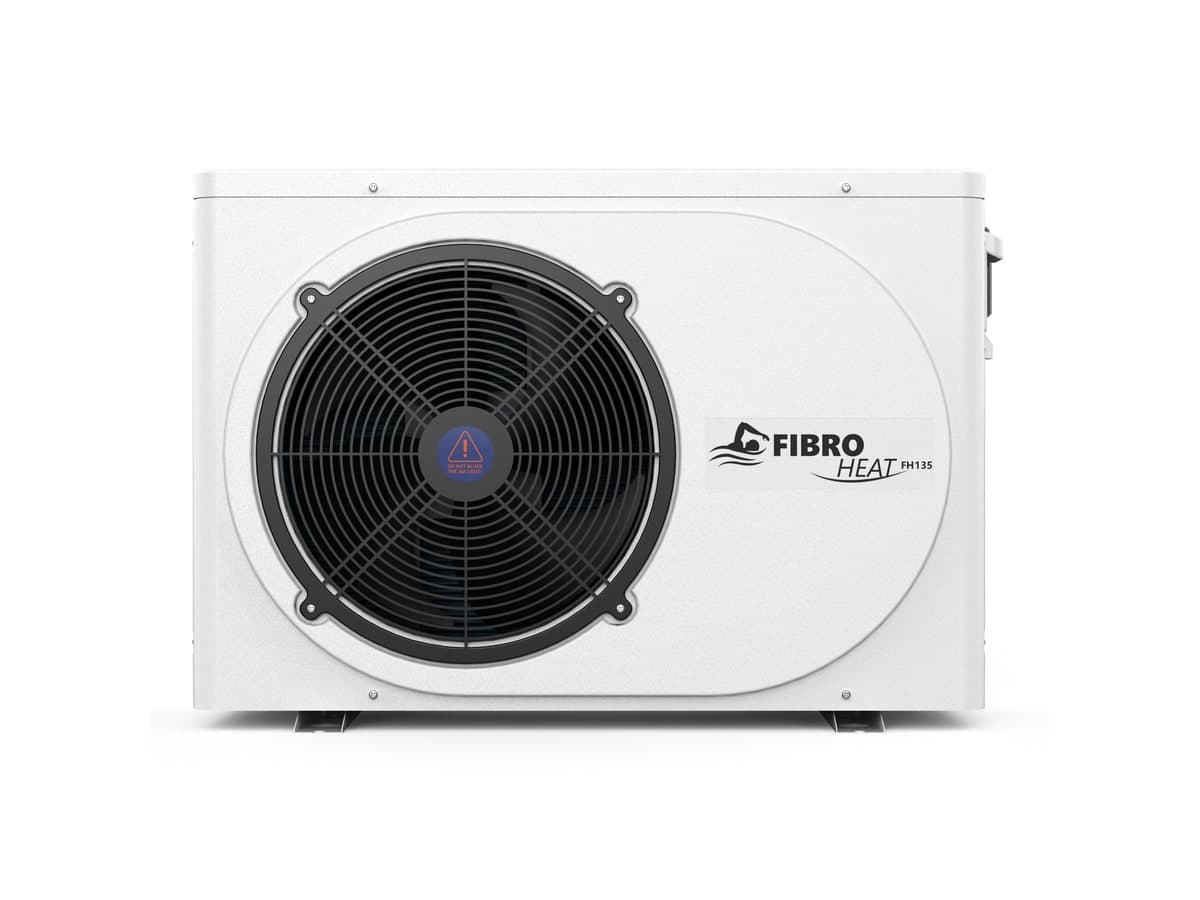
Budget
If your pool is under about 8,000 gallons, a smaller round or oval, this lower-BTU unit is the right match and it keeps the price down. Buying more BTU than your gallons need just wastes money, so sizing down here is smart, not cheap. Owners of small above-grounds report steady, comfortable temperatures without a big electric spike.
The catch is that it is genuinely undersized for anything large. Put this on a 15,000-gallon pool and you will wait forever for it to warm up. Match the BTU to your gallons using the sizing chart in the listing before you commit.
Best for large pools: Hayward HeatPro 90,000 BTU Heat Pump
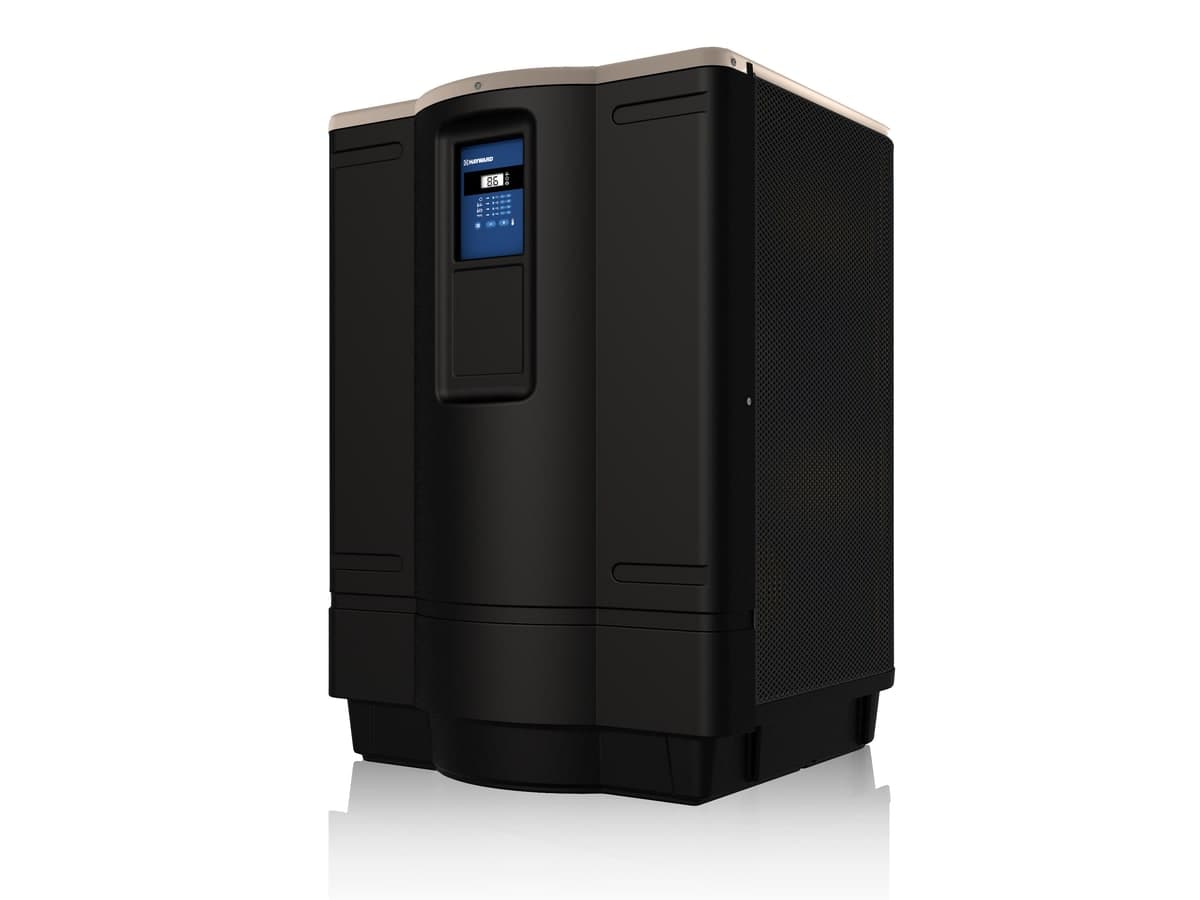
Premium
For the biggest above-ground pools, the ones pushing 15,000 gallons or more, this Hayward has the output to keep up. More BTU means faster recovery after a cool night, and Hayward is a name most pool pros already stock parts for. Owners like the titanium heat exchanger, which shrugs off salt and aggressive water chemistry.
Plan for the electrical side. A heat pump this size usually needs its own dedicated circuit, so budget for an electrician if your panel is not ready. That wiring cost is a one-time hit, not a running one.
Best quiet and efficient: FibroPool FH285-i Inverter Heat Pump (62,000 BTU)
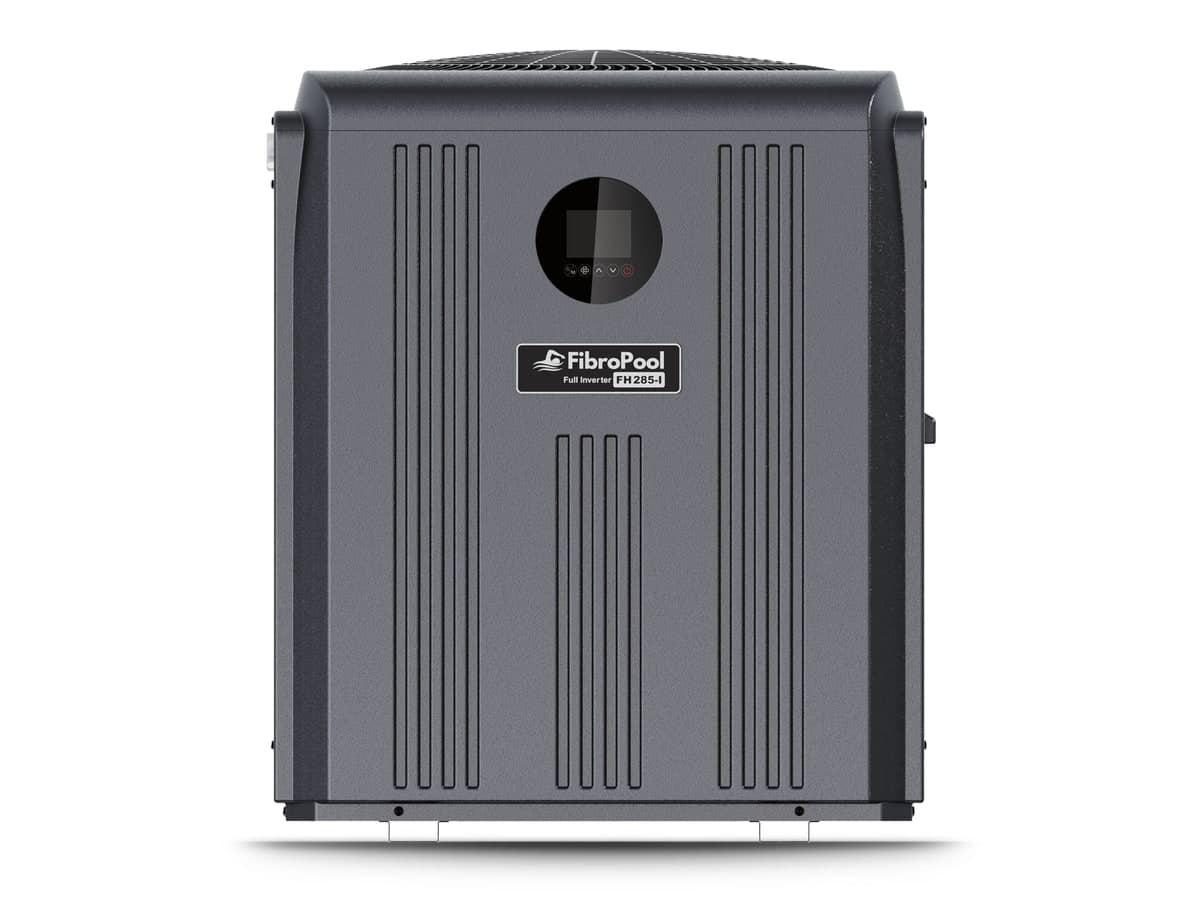
Mid-range
Inverter heat pumps vary their fan and compressor speed instead of slamming on and off, which makes them quieter and easier on your electric bill during long runs. If your pool sits close to a patio or a neighbor, the lower noise is worth a lot. The variable speed also holds a set temperature more steadily than a single-speed unit.
The tradeoff is the sticker price, which runs higher than a basic on-off heat pump. You earn some of that back over seasons of lower running cost, but it is a longer payback. If you heat all summer, the math leans in its favor.
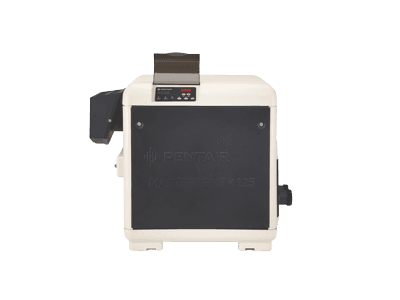
Best for fast heat and cold climates: Pentair MasterTemp 125K Natural Gas Heater
Mid-range
When you need warm water this weekend, or you live where the air gets too cold for a heat pump to work well, gas is the answer. A gas heater warms water fast regardless of outside air temperature, so it shines for short bursts and shoulder-season swims. Pentair is a widely serviced brand, which helps when you need parts.
The tradeoff is running cost. Burning natural gas or propane costs more per hour than a heat pump moving the same heat, so this is best if you heat occasionally rather than all day. It also needs a proper gas line and venting, which is a job for a licensed pro.
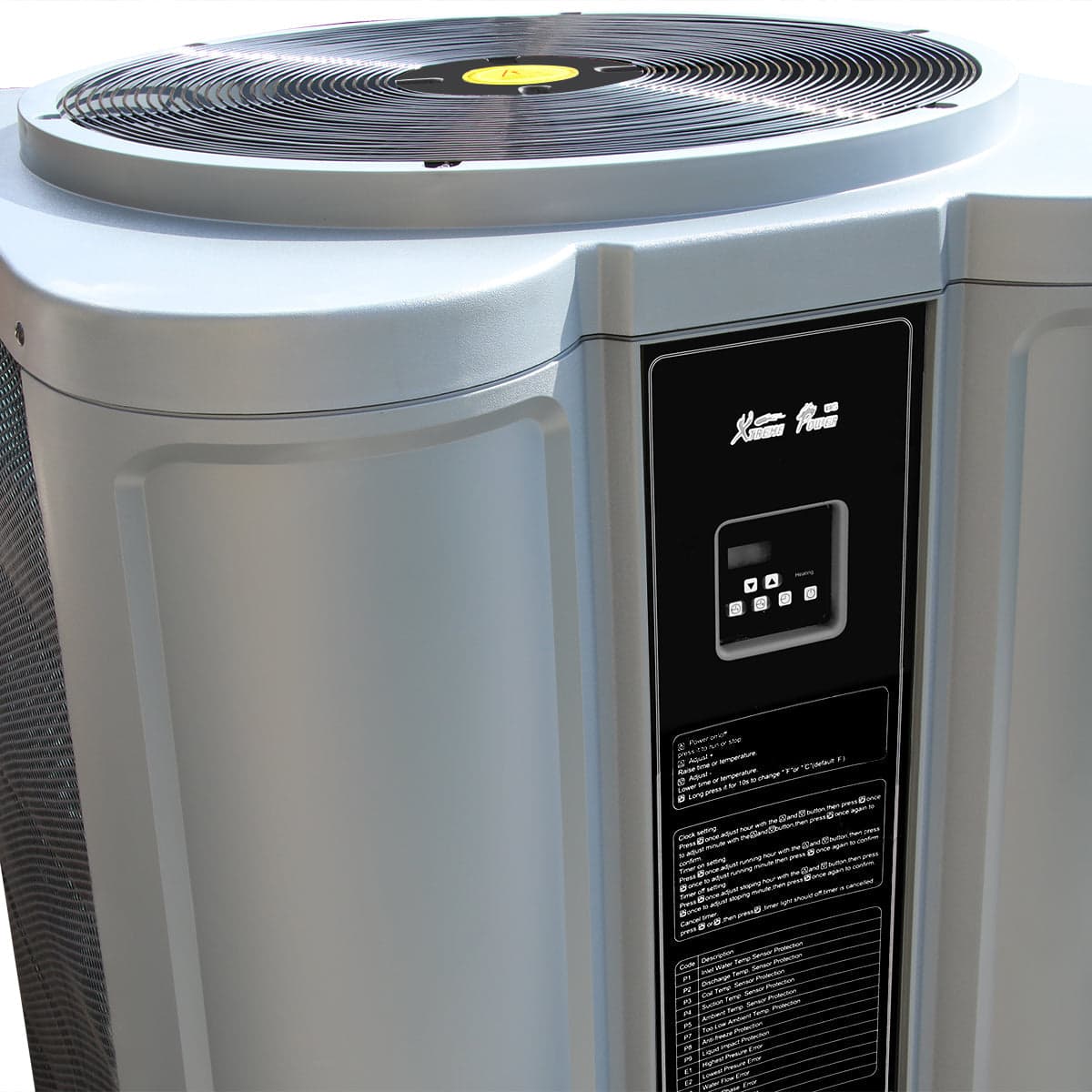
Best big pool on a budget: XtremepowerUS 137,000 BTU Heat Pump
Budget
If you have a large above-ground pool and a small budget, this high-BTU heat pump gives you a lot of output for the price. The big number means it can heat a sizeable pool at a lower upfront cost than the premium brands. For owners who want warm water without a top-tier price tag, it is a reasonable swing.
The honest tradeoff is support and documentation, which owners describe as thinner than the big names. Keep the manual, follow the sizing chart, and be ready to do a little more homework yourself. If long-term parts availability matters to you, weigh that against the savings.
How to pick the right size and keep costs down
Start with gallons. Above-ground pools usually run 5,000 to 15,000 gallons, and your heater should match that, not a pool twice the size. Bigger BTU heats faster but costs more, so use the sizing chart in the listing or manual rather than guessing.
Then protect the heat you pay for. A solar cover is the highest-value add-on, since the Department of Energy points out that evaporation is where pools lose the most heat. Run your pump on a schedule that pairs with the heater, and if you are watching efficiency, ENERGY STAR keeps a list of certified pool pumps worth checking.
Keep your water balanced too. Off chemistry can scale or corrode a heat exchanger, so read our guide on pool chemistry basics without the lab coat before you fire up a new heater. Salt pool owners should follow the saltwater pool maintenance for beginners guide to keep metal parts safe, and if you also run a spa, the hot tub maintenance for beginners without the chemical panic guide covers the same heat-and-balance ideas at a smaller scale.
Ready to compare models side by side? Browse the full lineup on our pool heaters page and match one to your gallons.
Frequently asked questions
Do I need a gas heater or a heat pump for an above-ground pool?
Most above-ground owners are happiest with a heat pump because it runs on standard electricity and costs far less per hour than gas. Pick gas only if you need to heat fast for a weekend or your pool sits in a cold climate where a heat pump struggles below about 50 degrees F. It depends on your electric rates, your climate, and how quickly you need warm water.
What size heat pump do I need for an above-ground pool?
A rough rule is bigger BTU equals faster heating, and above-ground pools of 5,000 to 15,000 gallons usually land in the 35,000 to 90,000 BTU range. The right number depends on your gallons, how many degrees you want to raise the water, wind exposure, and whether you use a cover. Check the sizing chart in the product listing or manual before you buy.
How much does it cost to run a pool heater?
Heat pumps are the cheapest to run because they move heat instead of burning fuel, often several times more efficient than gas per unit of heat. Gas heaters warm water quickly but can cost a lot per hour depending on natural gas or propane prices. Your actual cost depends on local energy rates, run time, and how well you cover the pool.
Will a solar cover reduce how much I run the heater?
Yes, and it is the single best add-on for any heated pool. The U.S. Department of Energy notes that covers cut evaporation, which is where most pool heat is lost overnight. A cover keeps the water you paid to heat, so the heater cycles less and your bill drops.
Can I add a heater to a saltwater above-ground pool?
Yes, but make sure the heater has a corrosion-resistant heat exchanger, usually titanium in a heat pump, so the salt does not eat it. Most modern heat pumps are salt-friendly, but confirm it in the specs before buying. Keep your salt and chemistry balanced as covered in our saltwater guide to protect any metal equipment.