The best heat pump pool heater for lower running costs is one that is sized correctly for your pool and runs on an efficient inverter compressor, and for most backyards that points to the FibroPool FH285-i Inverter Heat Pump (62,000 BTU) or a Hayward HeatPro. A heat pump moves heat from the outside air into your water instead of burning fuel to create it, so it costs far less to run than gas once it is going. The tradeoff is patience, since heat pumps warm water slowly and lose steam in cold air.
Use the calculator above to size this to your pool. Getting the BTU count right matters more than the brand, because an undersized unit runs constantly and an oversized one costs more than you needed to spend.
Quick comparison
| Pick | Best for | Watch out for |
|---|---|---|
| FibroPool FH285-i Inverter Heat Pump (62,000 BTU) | Best overall efficiency | Higher price than on/off models |
| Hayward HeatPro 90,000 BTU Heat Pump | Mid-size in-ground pools | Slow warm-up from cold |
| Hayward HeatPro 140,000 BTU Heat Pump | Large pools | Needs a suitable electrical circuit |
| FibroPool FH135 35,000 BTU Heat Pump | Small above-ground pools | Underpowered for big volumes |
| FibroPool FH255 55,000 BTU Heat Pump | Budget mid-size heating | Basic on/off compressor |
| Pentair UltraTemp 140K Heat Pump | Quiet, feature-rich pick | Premium price |
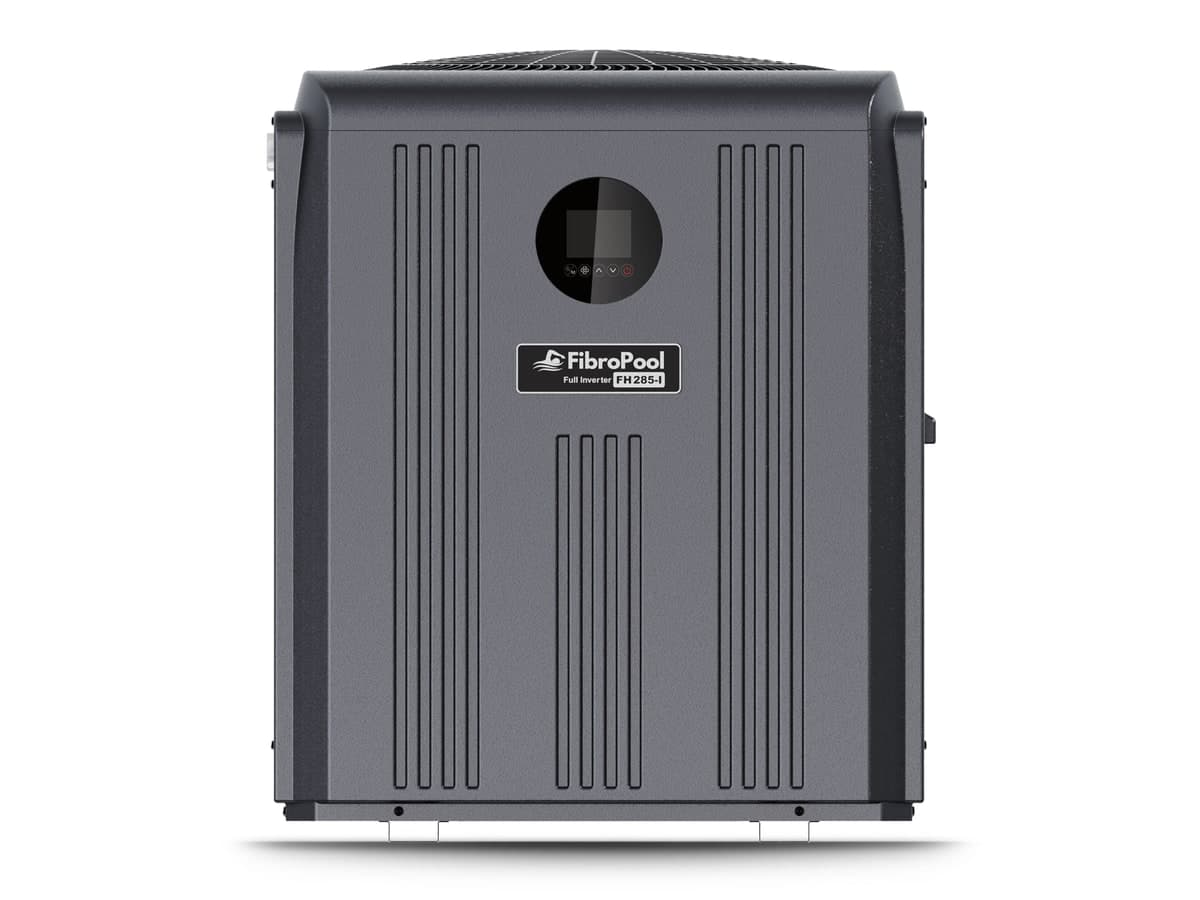
Best overall: FibroPool FH285-i Inverter Heat Pump (62,000 BTU)
Mid-range
This one fits owners who heat their pool often and want the lowest running cost per hour. An inverter heat pump varies its compressor and fan speed instead of slamming on and off, which usually means quieter running and better efficiency when it is just holding a temperature. For a small to mid-size pool that you swim in through the season, that steady low-speed operation is where the savings live.
The tradeoff is the sticker price, since inverter units cost more than basic models with the same BTU rating. If you only fire the heater up a few weekends a year, you may not run it enough to earn back the premium. Owner reports also note that BTU output like the 62,000 figure is measured at a specific air and water temperature, so real output drops on cold nights.
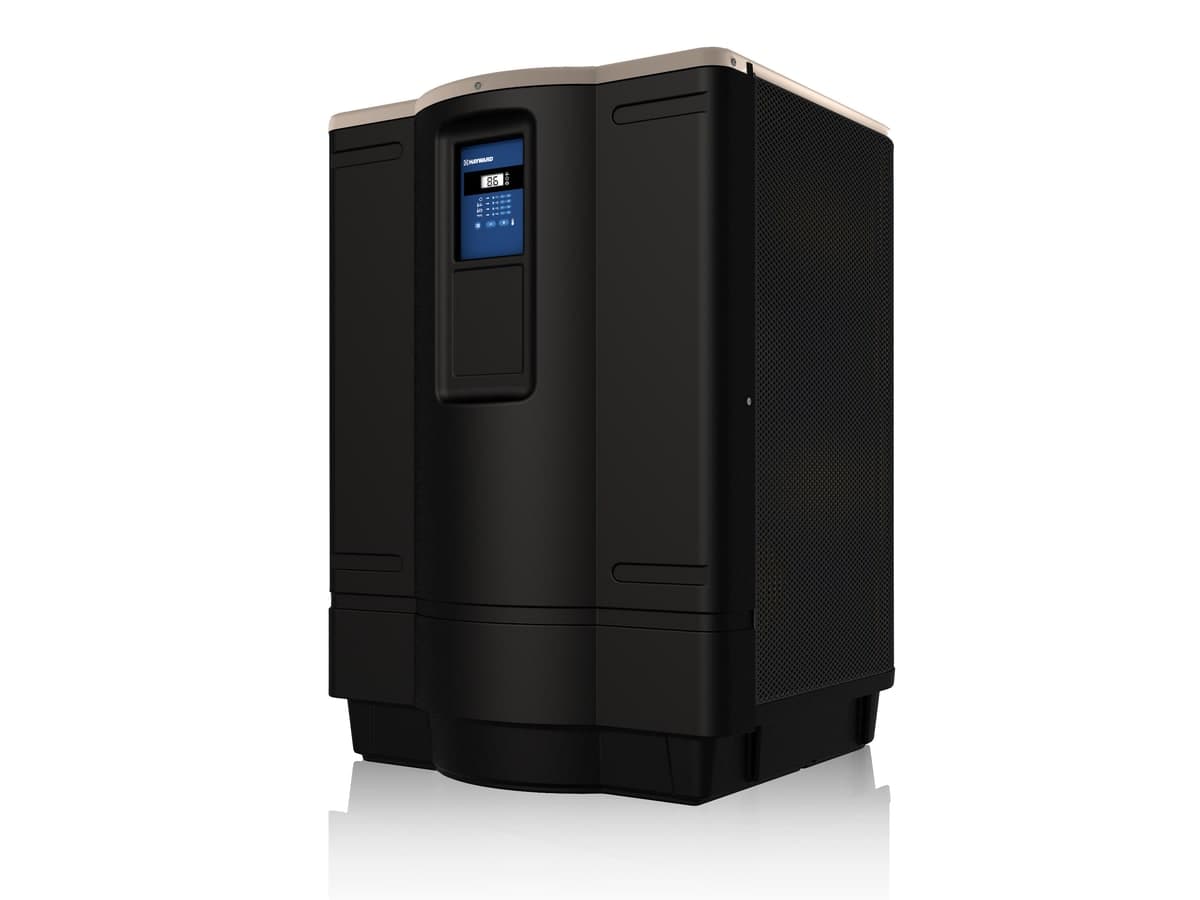
Best for mid-size in-ground pools: Hayward HeatPro 90,000 BTU Heat Pump
Premium
This size suits a typical in-ground pool in the 10,000 to 20,000 gallon range in a warm-to-moderate climate. Hayward is a mainstream brand with wide parts and service support, which matters on equipment you expect to keep for a decade. The 90,000 BTU rating gives it enough muscle to hold swim temperature without running flat out all day.
The main watch-out is warm-up speed. Like all heat pumps, it is built to maintain heat rather than deliver a fast blast, so bringing a cold pool up several degrees can take a day or more. A solar cover shrinks that gap by cutting overnight heat loss, which is where the Department of Energy says most pool heat escapes.
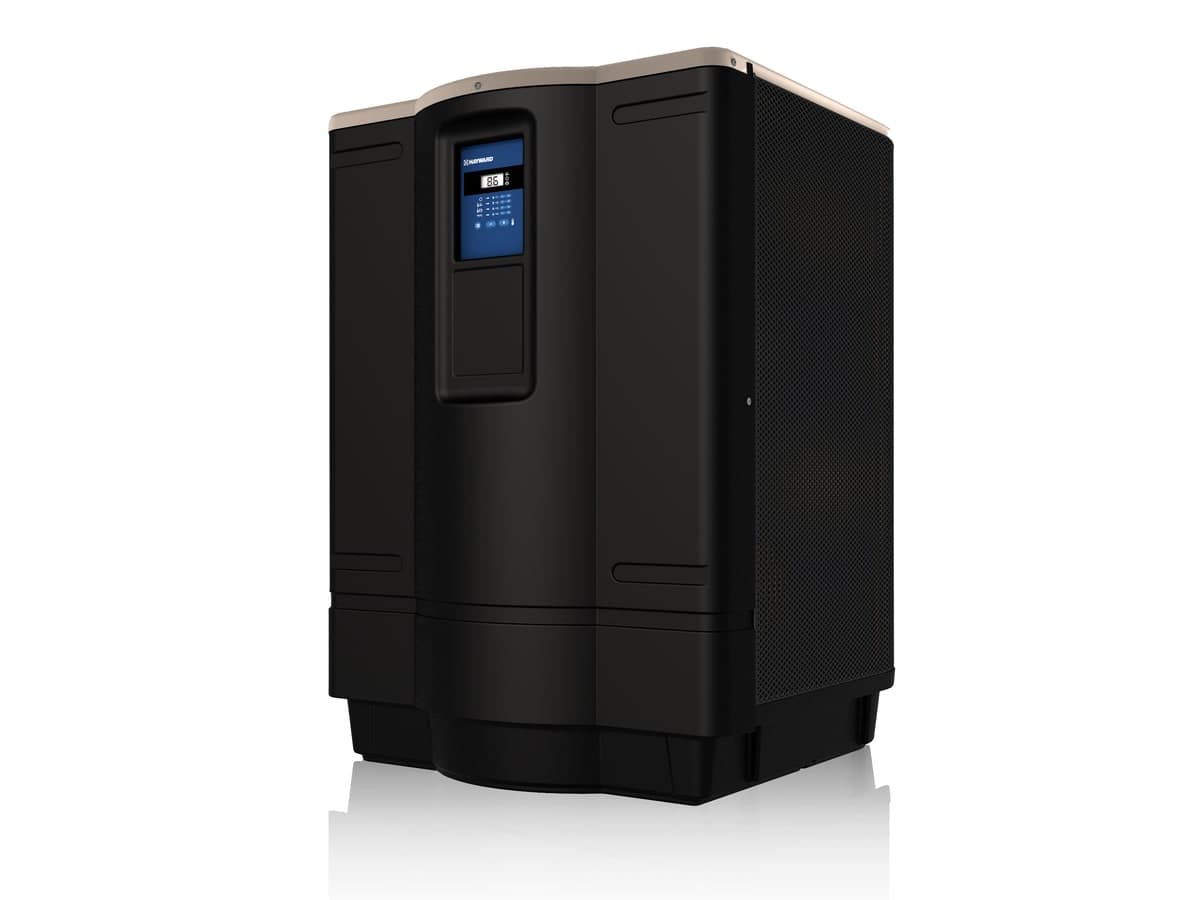
Best for large pools: Hayward HeatPro 140,000 BTU Heat Pump
Premium
Big pools need big BTUs, and this is the pick for large in-ground pools or anyone in a cooler climate who wants a fighting chance against chilly nights. More heating capacity means the unit spends less time maxed out, which helps it keep up as the season shoulders get cold.
Plan for the electrical side before you buy. A heater this size draws serious current and usually needs a dedicated circuit, so factor an electrician into the budget. If your run times are long, pairing it with a variable speed pump keeps the water moving efficiently and holds down the pump side of your power bill.
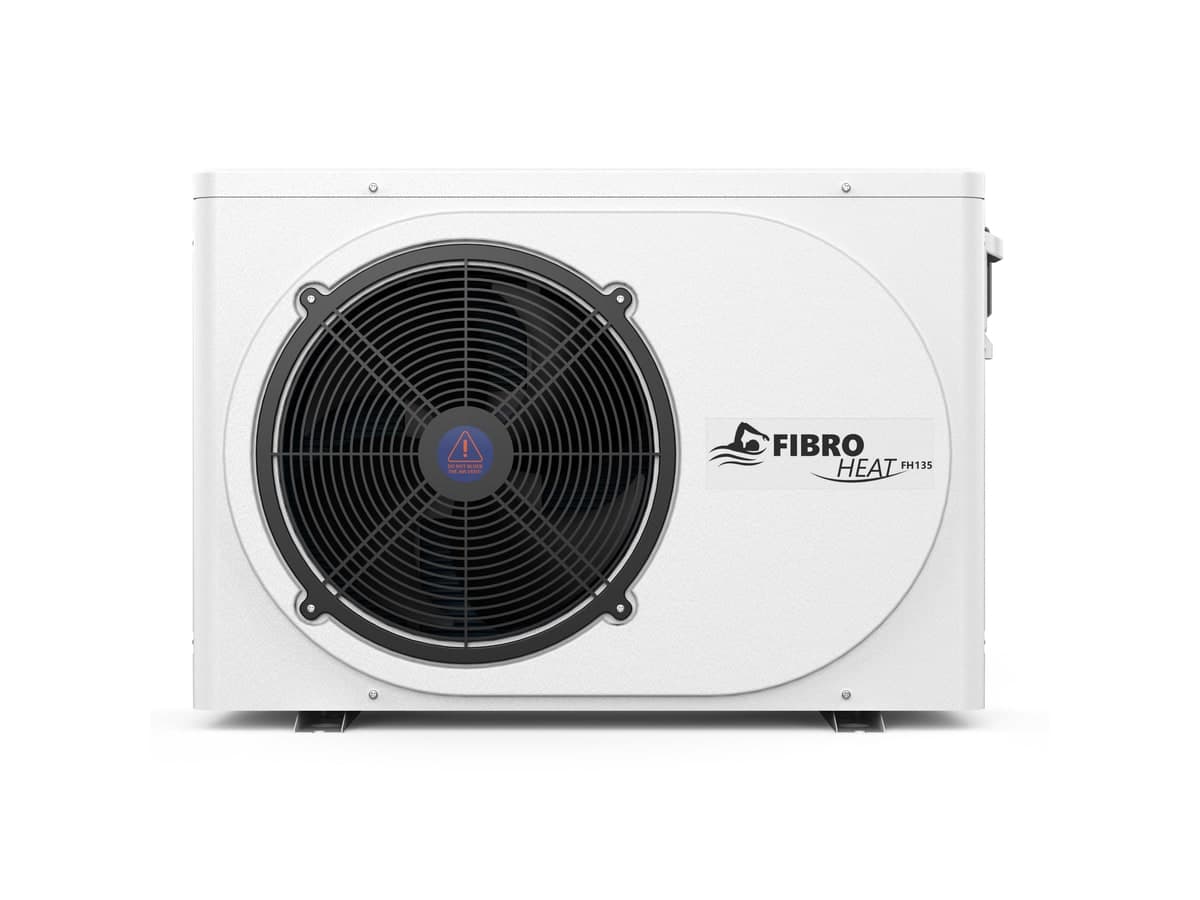
Best for small above-ground pools: FibroPool FH135 35,000 BTU Heat Pump
Budget
For a small above-ground pool, a compact 35,000 BTU unit is often all you need, and buying bigger just wastes money. FibroPool aims at the above-ground and smaller in-ground crowd, and this model is sized for pools in the low thousands of gallons. It is an easy match for a seasonal pool you want a few degrees warmer.
Do not ask it to heat a big in-ground pool, because it will run nonstop and still fall short. Check the listing for the recommended gallon range and honestly measure your pool first. If your water is already comfortable and you just want to stretch the season, this is the right amount of heater.
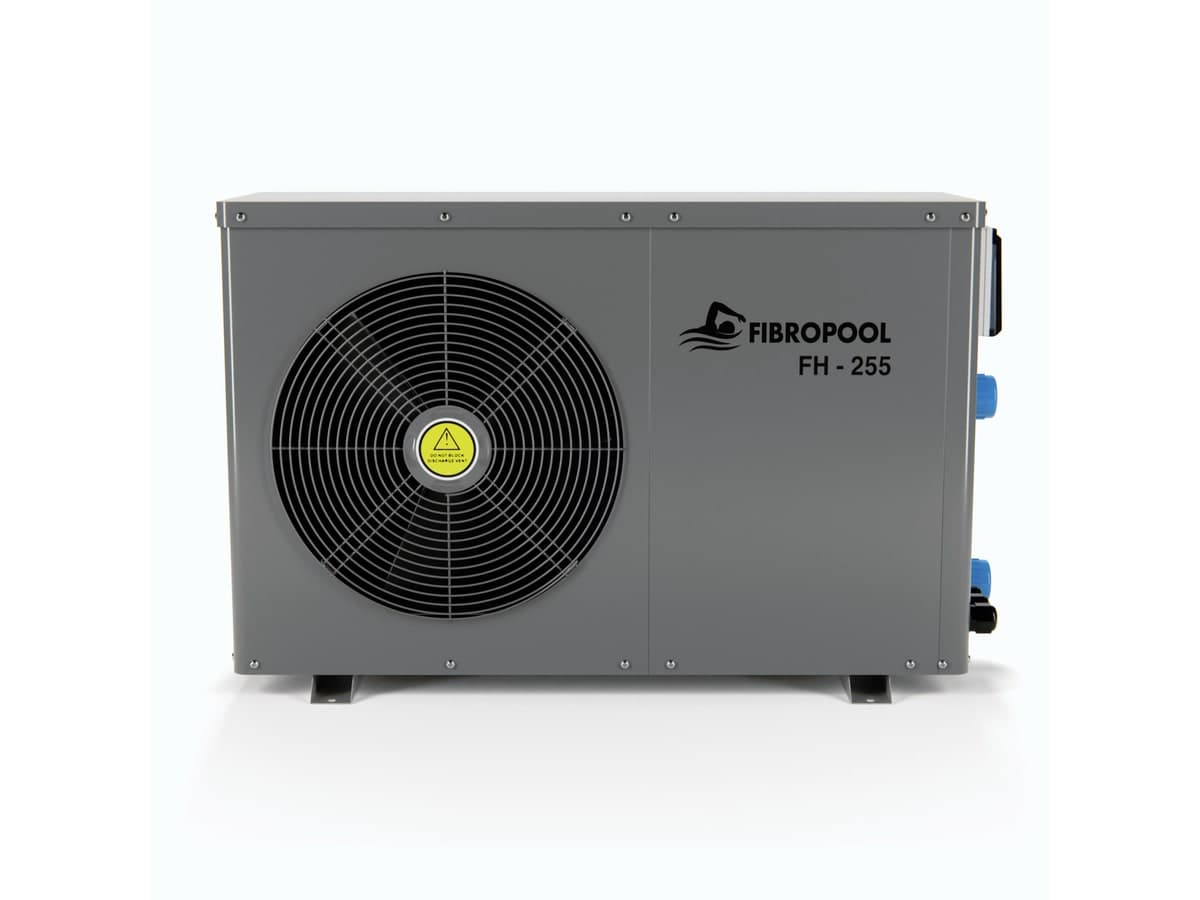
Best budget mid-size pick: FibroPool FH255 55,000 BTU Heat Pump
Mid-range
If you want to warm a mid-size pool without paying inverter prices, this on/off compressor unit is the value play. At 55,000 BTU it bridges the gap between the small FH135 and full-size in-ground heaters, and it keeps the cost down by skipping the variable-speed hardware. For owners heating a modest pool on a budget, that is a fair trade.
The tradeoff is efficiency and noise. A basic on/off compressor cycles harder and is not as quiet or as economical at low load as an inverter, so your running cost per hour will be a bit higher. It is still far cheaper to operate than gas, just not the absolute leader on the power meter.
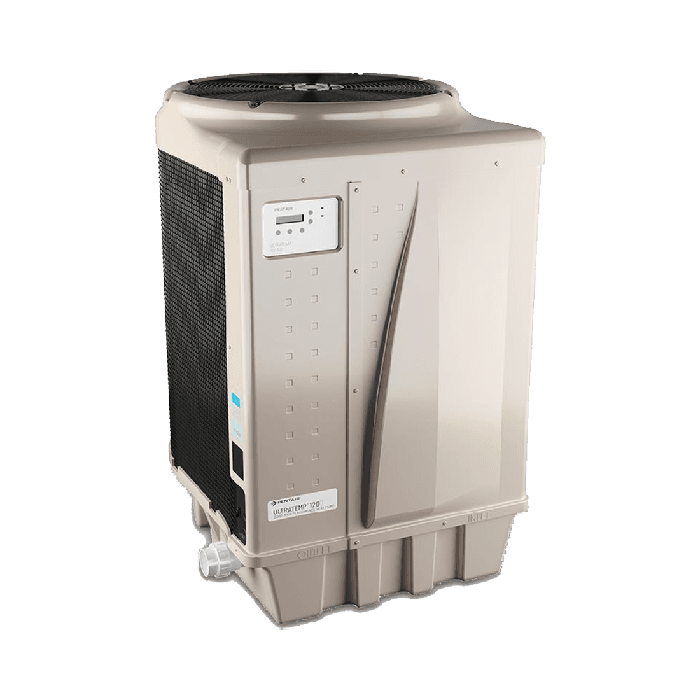
Best quiet, feature-rich pick: Pentair UltraTemp 140K Heat Pump
Premium
Owners who want a large, well-appointed unit and value quiet operation tend to land on Pentair. The UltraTemp targets bigger pools with a focus on efficient, low-noise running and digital controls that play nicely with automation systems. If your equipment pad sits near a patio, the sound difference is worth something.
The cost is the cost. Premium brands like Pentair carry premium prices, and you pay for the build quality and the ecosystem. If you already run Pentair pumps and automation, the integration can be worth it, but a value shopper will find cheaper BTUs elsewhere.
How to keep your running costs down
The heater is only half the equation. A pool cover is the single biggest lever on running cost, because most heat leaves through the surface overnight, a point both the Department of Energy and its pool-cover guidance make plainly. Cover the pool when you are not using it and your heater works far less.
Right-sizing matters too. An undersized heat pump runs constantly and never quite catches up, while an oversized one costs more up front for capacity you do not use. Pair the heater with an efficient pump (ENERGY STAR lists qualified pool pumps) and stable water chemistry so the whole system runs smoothly. Our pool chemistry basics guide covers keeping pH and chlorine in range, and if you run salt, the saltwater pool maintenance guide walks through cell care.
Browse the full lineup on our pool heaters page to compare BTU sizes side by side, and if you also run a spa, the hot tub maintenance guide keeps that side simple. When exact BTU output, electrical requirements, or gallon ratings matter, check the specific model listing and manual, since those numbers shift with air temperature and pool size.
Frequently asked questions
Do heat pump pool heaters really cost less to run than gas?
In most climates, yes, because a heat pump moves heat from the air instead of burning fuel to make it. The Department of Energy notes heat pumps have low operating costs even though they cost more up front. The catch is they heat slowly and lose efficiency in cold air, so a very cold or short season can change the math.
What size heat pump do I need for my pool?
It depends on your pool volume in gallons, how warm you want the water, and how cold your nights get. A small above-ground pool might be happy on 35,000 to 55,000 BTU, while a big in-ground pool often needs 120,000 BTU or more. Use the calculator above and check the model listing, since sizing charts vary by manufacturer.
What is an inverter heat pump and is it worth it?
An inverter heat pump varies its compressor and fan speed instead of running full blast then shutting off. That usually means quieter operation and better efficiency at low speed, which can trim running costs. The tradeoff is a higher purchase price, so it pays off best on pools you heat often.
How long does a heat pump take to warm a pool?
Slower than gas, often a day or two to bring a cool pool up to swim temperature. Heat pumps are built to hold a set temperature rather than deliver a fast burst of heat. A cover makes a big difference, since most heat loss happens at the water surface overnight.
Will a heat pump work in cold weather?
Down to a point. Most air-source heat pumps lose output as the air drops toward the 45 to 50 degree range, and below that they struggle. If you want to swim in near-freezing weather or extend into deep winter, a gas heater is usually the better tool for the job.