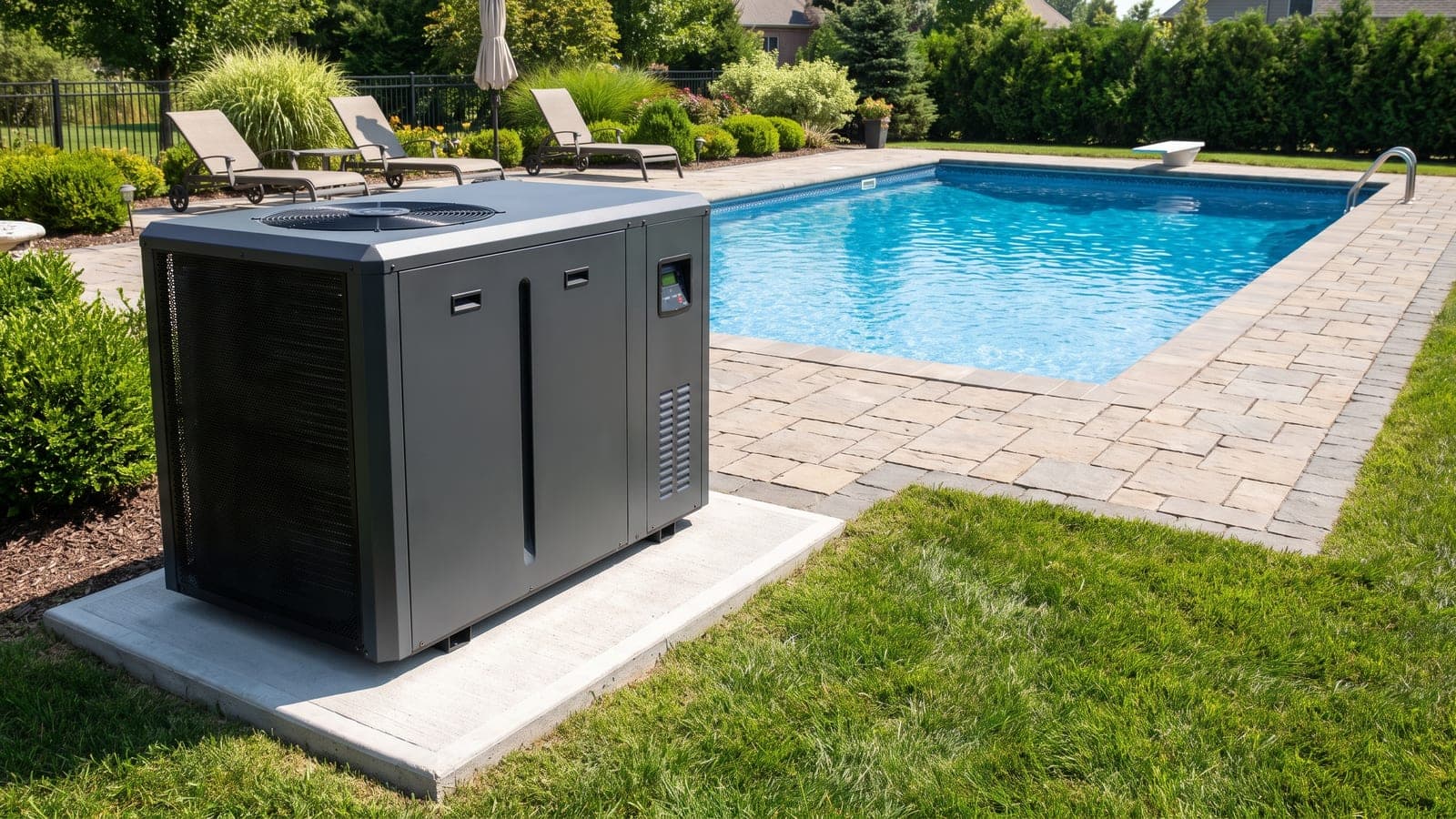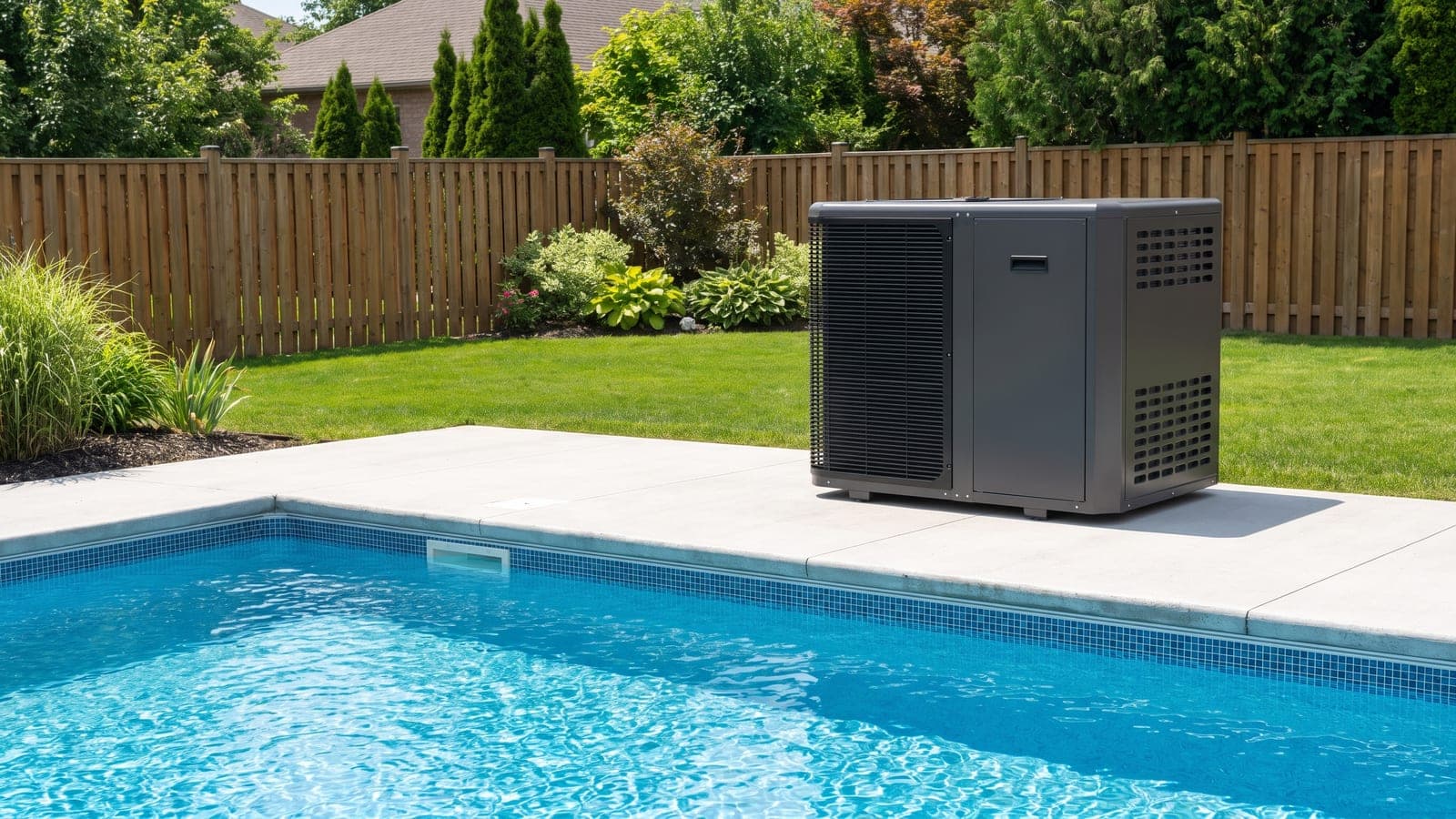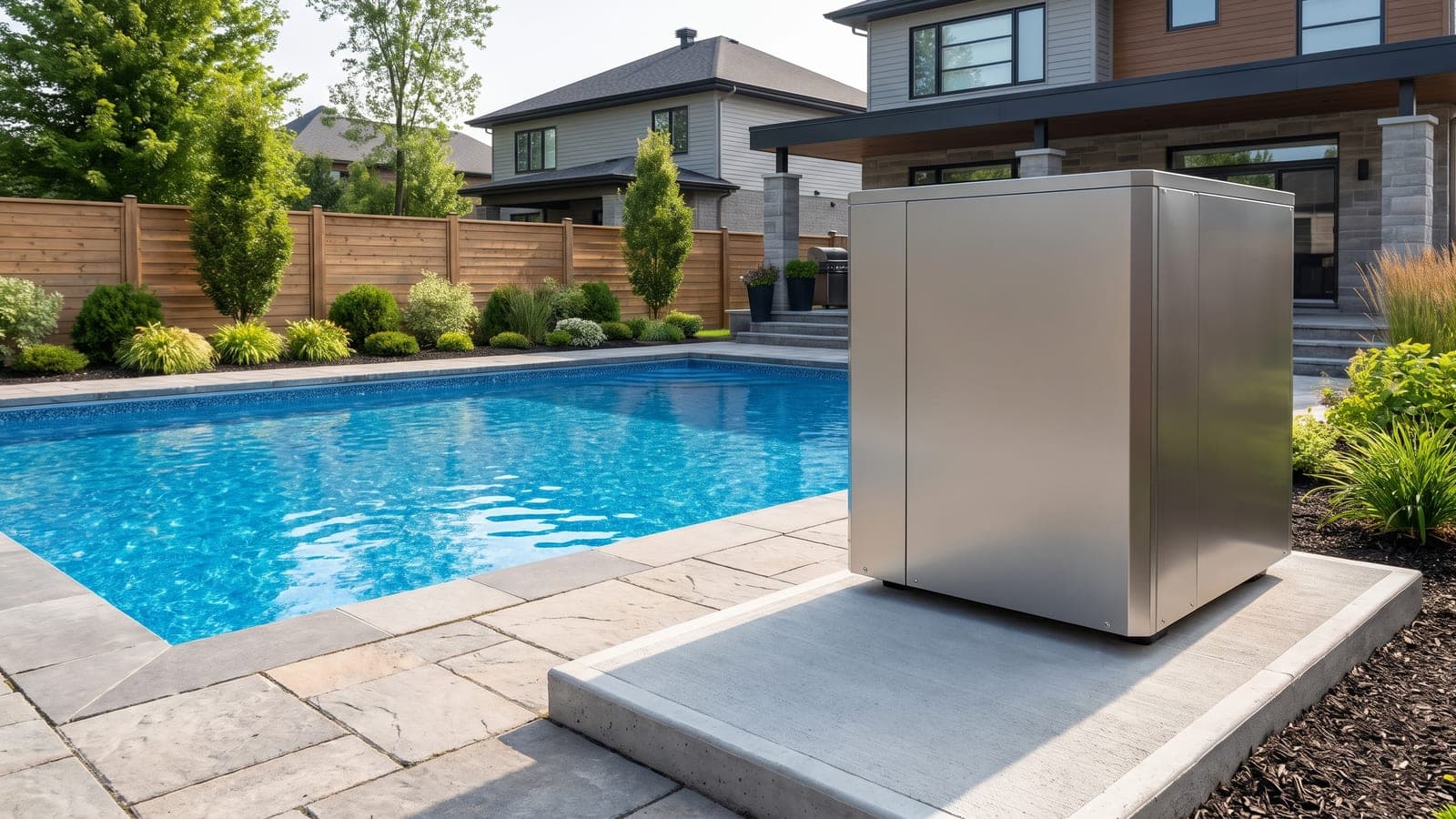
The right pool heater for most people is a heat pump, because it costs the least to run once the season is warm and it fits the way most families actually swim. Pick a gas heater instead if you want the water hot fast, heat in cold weather, or only warm the pool for weekend guests. Below are the picks by situation, plus a table so you can match a heater to your yard in about a minute.
Use the calculator above to size this to your pool. Heater sizing comes down to your gallons, the temperature rise you want, and how exposed your yard is to wind, so a number that fits a small screened pool in Florida is wrong for a big open pool up north.
A quick vocabulary note. BTU (British Thermal Units per hour) is how fast a heater adds heat: bigger number, faster warm-up. A heat pump does not make heat, it moves warmth from the outside air into your water, which is why it sips electricity but slows down when the air gets cold. A gas heater burns natural gas or propane on demand, so it works in any weather but costs more per hour.
The picks at a glance
| Pick | Best for | Watch out for |
|---|---|---|
| FibroPool FH255 55,000 BTU Heat Pump | Small pools, low running cost | Slow on big pools or cold air |
| Hayward HeatPro 140,000 BTU Heat Pump | Large in-ground pools | Needs a dedicated circuit, heavy unit |
| FibroPool FH285-i Inverter Heat Pump (62,000 BTU) | Quiet, steady daily heat | Costs more up front than on/off models |
| Pentair MasterTemp 125K Natural Gas Heater | Fast heat, weekend warmers | Higher fuel cost, needs gas line |
| Raypak 266,000 BTU Digital Natural Gas Heater | Big pools and spas, cold climates | Overkill and thirsty for small pools |
| XtremepowerUS 137,000 BTU Heat Pump | Budget large-pool heat pump | Fewer dealer service options |
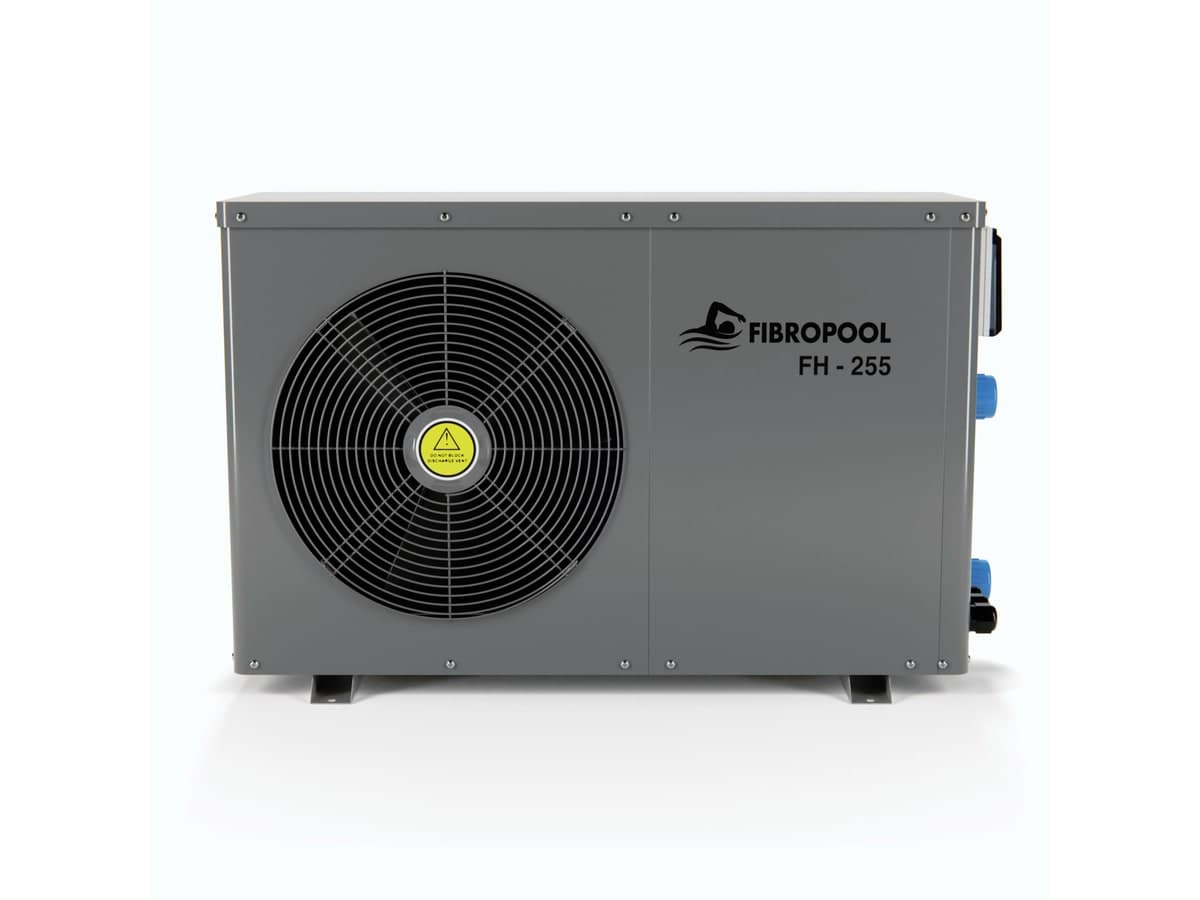
Best overall: FibroPool FH255 55,000 BTU Heat Pump
Mid-range
This one fits the most common backyard situation: an above-ground or small in-ground pool where you want warm water all season without a scary electric bill. A mid-size heat pump like this leans on the outside air to do the work, so its running cost stays low once daytime temperatures are reasonable. Owner reports tend to praise the quiet operation and simple install for a unit this size.
The tradeoff is patience and climate. A heat pump warms water gradually, often a degree or two an hour depending on conditions, so you plan ahead instead of flipping a switch before a party. In cool spring or fall air it slows down, which is the nature of every heat pump, not a flaw in this model.
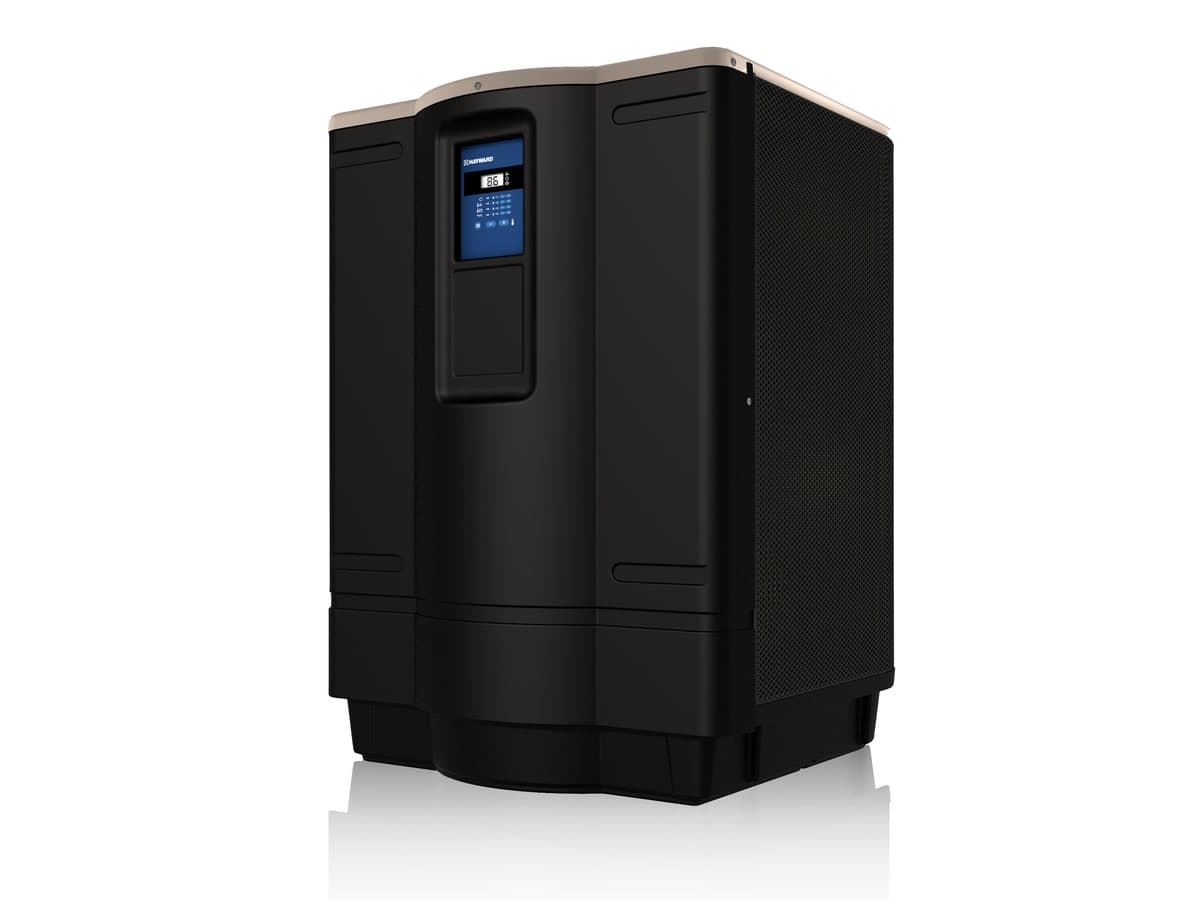
Best for large pools: Hayward HeatPro 140,000 BTU Heat Pump
Premium
Big in-ground pools need big BTUs, and this is where a high-output heat pump earns its keep. The extra capacity means a larger volume of water still heats in a sensible amount of time while keeping the low per-month running cost that makes heat pumps popular. Hayward is a mainstream brand, so parts and service techs are easy to find in most areas.
Plan for the install. A unit this size usually wants a dedicated electrical circuit, a level pad, and clear airflow around the fan, so budget for an electrician if your panel is not ready. It is a heavy, physically large box, so measure your equipment pad before you order.
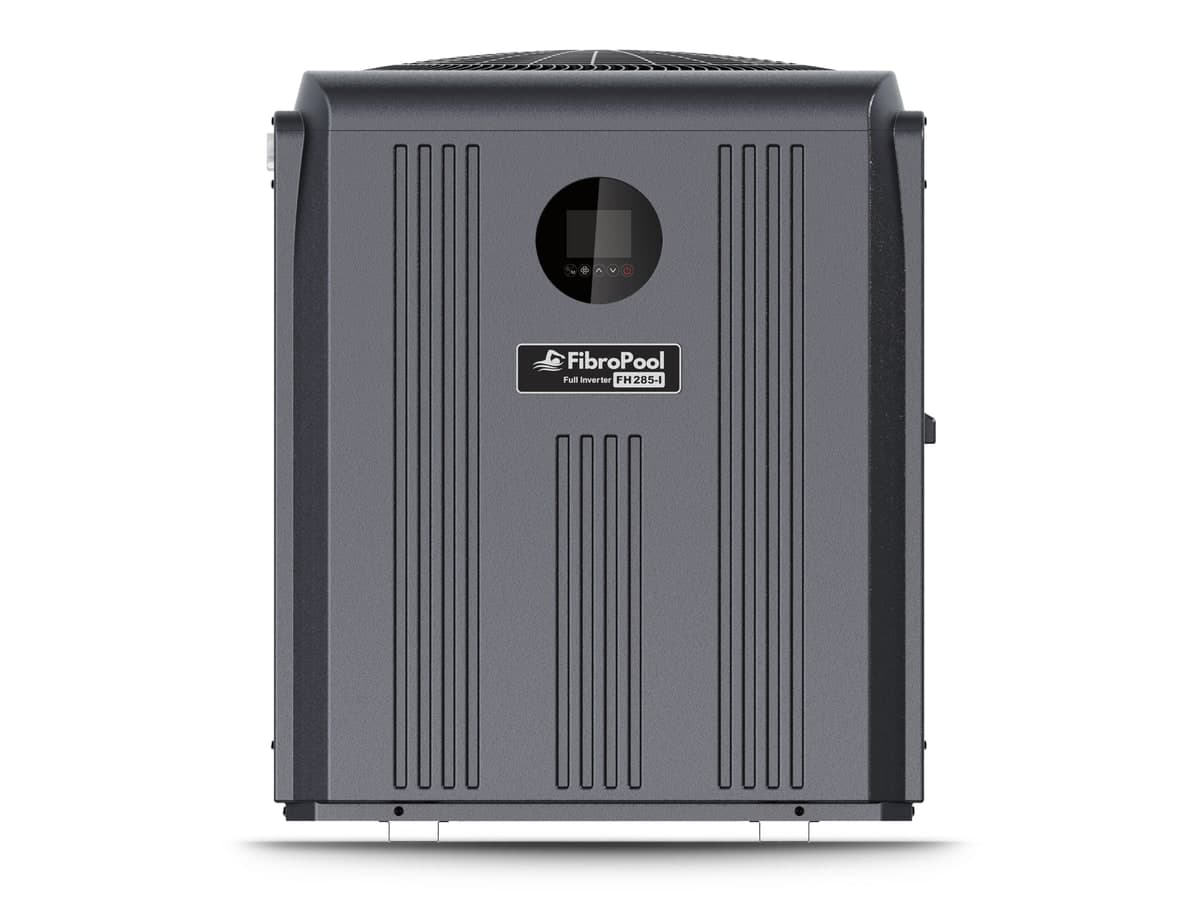
Best quiet pick: FibroPool FH285-i Inverter Heat Pump (62,000 BTU)
Mid-range
If your equipment pad sits near a patio or a neighbor's fence, an inverter heat pump is the calm choice. Inverter models vary the fan and compressor speed instead of slamming on and off, which usually means less noise and steadier temperatures. They also tend to hold efficiency a little better in cooler air than a basic on/off heat pump.
The catch is the sticker. Inverter units generally cost more up front than a standard heat pump of similar output. If you run your heater a lot across a long season, the quieter operation and efficiency can pay that back over time, but check the listing specs against your own run hours.
Best for fast heat: Pentair MasterTemp 125K Natural Gas Heater
Mid-range
When you only heat the pool for weekends or the occasional cold snap, gas makes sense. A gas heater delivers heat on demand regardless of the outside temperature, so you can warm the water the morning of a gathering instead of the day before. This is a well-known model with a strong service network, which matters for a fuel-burning appliance.
The tradeoff is operating cost and plumbing. Burning gas costs more per hour than moving air-heat, so a gas heater rewards short bursts of use, not all-day heating. You also need a proper gas line and venting, so factor a licensed installer into the budget.
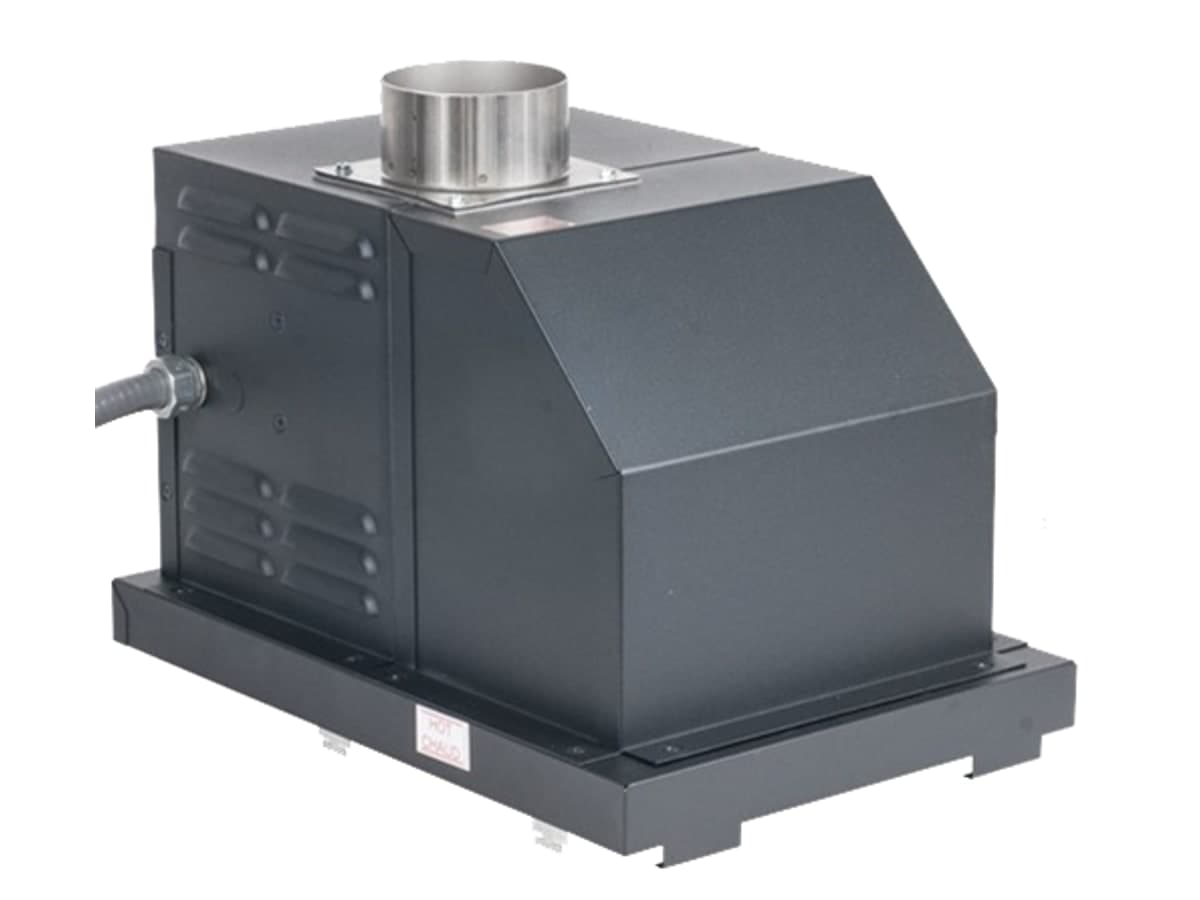
Best for big pools and cold climates: Raypak 266,000 BTU Digital Natural Gas Heater
Premium
For a large pool, an attached spa, or a northern climate where a heat pump gives up, high-output gas is the workhorse. That large BTU rating means fast temperature rise even on a big body of water, and it will heat a spa quickly when you want a soak. The digital controls make setting and holding a target temperature straightforward.
Right-size it, though. A heater this powerful is overkill for a small pool and will burn fuel you do not need to spend. Match the output to your gallons and desired rise, and lean on the calculator above plus the manual so you do not buy more heater than your pool can use.
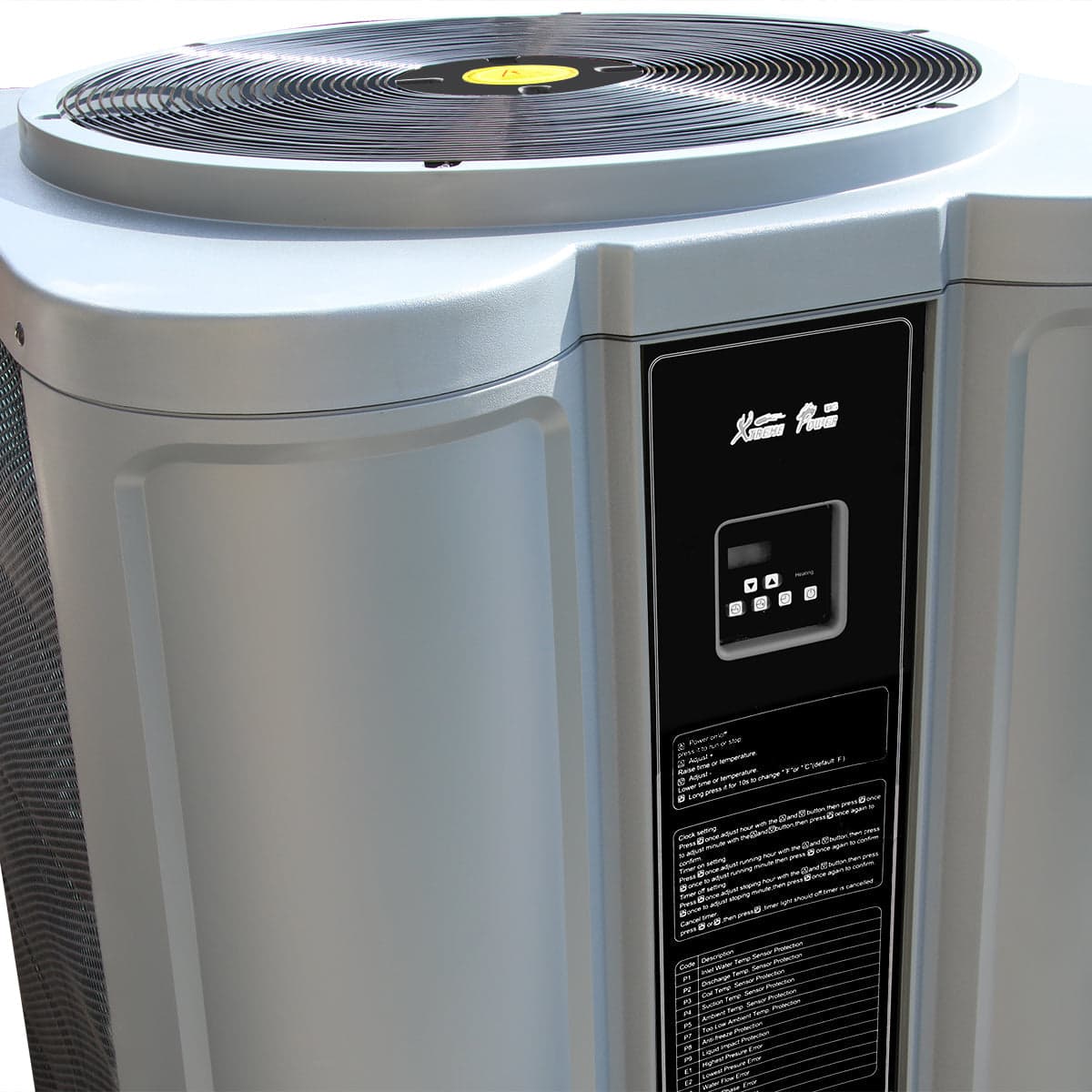
Best budget large-pool option: XtremepowerUS 137,000 BTU Heat Pump
Budget
If you want heat-pump running costs on a bigger pool without a premium price, this is the value angle. A higher-BTU heat pump at a lower buy-in gets you the same basic advantage, low per-month cost by pulling heat from the air, on a larger volume of water. For budget-minded owners of medium to large pools, that combination is appealing.
Temper expectations on support. Value brands often have thinner dealer and service networks than the big names, so confirm warranty terms and parts availability in the listing before you commit. As with any heat pump, cold air slows it down, so it shines in warm and shoulder-season weather rather than deep cold.
How to choose between gas, heat pump, and inverter
Start with how you swim. If you heat all season and want the lowest monthly cost, a heat pump wins, and an inverter version if noise or steady temperature matters. If you heat in short bursts or need reliable heat in cold weather, gas is the better tool even though it costs more per hour to run. The Department of Energy's swimming pool heating overview is a solid, unbiased primer if you want to go deeper, and Energy Star's pool pump guidance is worth a read since your pump moves the water your heater warms.
Then account for climate and exposure. Heat pumps thrive in warm air and slow down as it cools, while gas does not care about the weather. A windy, unshaded pool loses heat fast no matter the heater, which is where a cover changes everything.
The cheapest upgrade is a cover
Before you obsess over BTUs, buy a cover. The Department of Energy's pool covers guide points to evaporation as the largest source of pool heat loss, and a cover cuts that loss dramatically, so every heater works less and costs less with one on overnight. Pairing any heater with a solar or thermal cover is the highest-return move in this whole comparison.
Two more habits stretch your heating dollar. Keep your water balanced so your heat exchanger lasts, and our pool chemistry basics guide covers the pH and chlorine side without the lab coat. For a saltwater setup, a corrosion-resistant heater matters, and our saltwater maintenance guide keeps salt and pH in a friendly range.
What to do next
Sort your priorities in one line: lowest running cost points to a heat pump, fast or cold-weather heat points to gas, and a quiet patio points to an inverter. Then size it honestly to your gallons and climate rather than guessing high. Browse the current pool heaters lineup to compare the picks above, and if you are also warming a spa, our hot tub maintenance guide keeps that side simple. Match the heater to how you actually swim and you will not overspend on the box or the bill.
Frequently asked questions
Is a gas heater or heat pump cheaper to run?
A heat pump is almost always cheaper per month because it moves heat from the air instead of burning fuel to make it. Gas costs more to operate but heats faster and works in cold weather when a heat pump slows down. Your local gas and electric rates decide the real gap, so check both before you buy.
What size pool heater do I need?
It depends on your pool's gallons, the temperature rise you want, and how windy and exposed your yard is. A bigger BTU number heats faster but costs more up front. Use the calculator above to get a starting range, then confirm against the model's manual and your local climate.
How cold is too cold for a pool heat pump?
Most standard heat pumps lose efficiency below roughly 50 degrees F and can struggle in the 40s, because there is less heat in the air to pull from. Inverter models hold up a bit better in cooler air. If you want reliable heat in a cold snap, a gas heater is the safer bet.
Do I really need a pool cover if I have a heater?
Yes, and it may be the single biggest money saver you have. The Department of Energy notes that evaporation is the largest source of pool heat loss, so a cover keeps the heat you paid for in the water. Any heater works less and costs less with a cover on overnight.
Can I run a pool heater on a saltwater pool?
Yes, but you want a heater with a corrosion-resistant heat exchanger, and many modern units use titanium for exactly that reason. Keep your water balanced so salt and pH do not chew up the equipment. See our saltwater maintenance guide for the basics.