The fastest way to warm a pool is a natural gas heater, and for most in-ground pools the Raypak 266,000 BTU Digital Natural Gas Heater is the pick that gets you swimming soonest. Gas heaters make their own heat by burning fuel, so they do not slow down on cold days the way heat pumps do. If you want warm water this afternoon instead of two days from now, this is the category you want.
One honesty note. A few models below are heat pumps, not gas burners. They are here as slower, cheaper-to-run alternatives so the tradeoff is clear, and each is labeled. If speed is your only goal, stay in the gas rows.
| Pick | Best for | Watch out for |
|---|---|---|
| Raypak 266,000 BTU Digital Natural Gas Heater | Fastest heat, large pools | Needs a real gas line and pro install |
| Pentair MasterTemp 125K Natural Gas Heater | Smaller pools and spas | Undersized for big in-ground pools |
| Hayward Universal H-Series 150K Natural Gas Heater | Mid-size pools | Still slower than a 250K-plus unit |
| Hayward HeatPro 140,000 BTU Heat Pump | Low running cost | Slow, weak in cold weather |
| Pentair UltraTemp 140K Heat Pump | Quiet efficiency | Not a fast-heat option |
| FibroPool FH285-i Inverter Heat Pump (62,000 BTU) | Small pools on a budget | Long heat-up times |
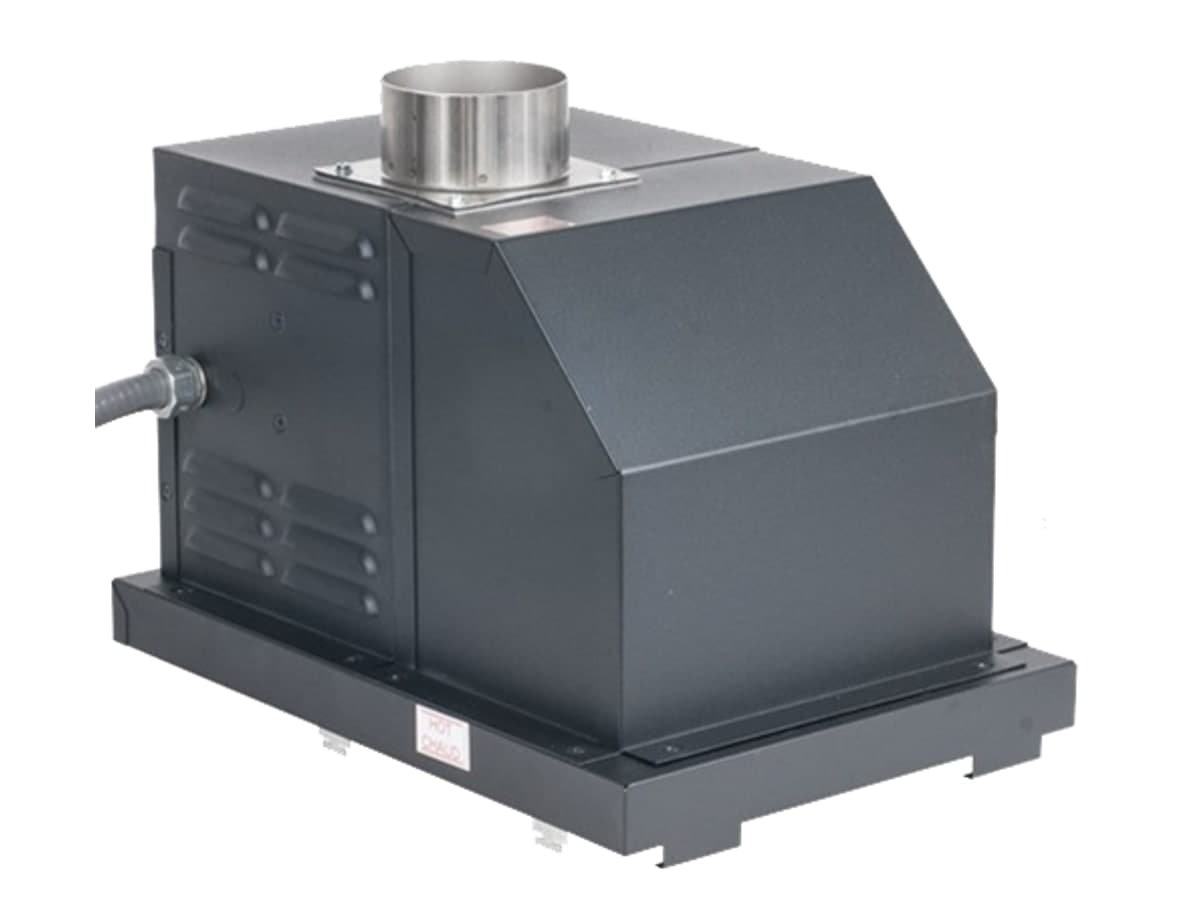
Best overall for fast heat: Raypak 266,000 BTU Digital Natural Gas Heater
Premium
This one earns the top spot on raw output. A 266,000 BTU natural gas burner puts a lot of heat into the water fast, which is what fast heat means. BTU stands for British Thermal Units, the standard measure of heating power, and more of them over a given pool volume means quicker warm-ups. For a full-size in-ground pool you want swim-ready on short notice, this is the sensible target.
The tradeoff is infrastructure. High-output gas heaters want a properly sized gas line and a licensed installer, and running that many BTUs costs real money per hour. Confirm your gas supply against the manual first, because an undersized line will choke the burner and cost you the speed you paid for.
Best for smaller pools and spas: Pentair MasterTemp 125K Natural Gas Heater
Mid-range
If your pool is on the smaller side, or you mostly want to heat a spa, a 125,000 BTU unit is often the smarter buy. Over a smaller volume of water, that output still heats quickly without the fuel bill of a giant burner. Owners tend to like the compact footprint and the digital controls for dialing in a target temperature.
The catch is simple math. Put this heater on a big in-ground pool and warm-ups get slow, because the same BTUs are spread over far more gallons. Match the model to your pool volume, and lean toward the larger heaters below if you have a full-size pool.
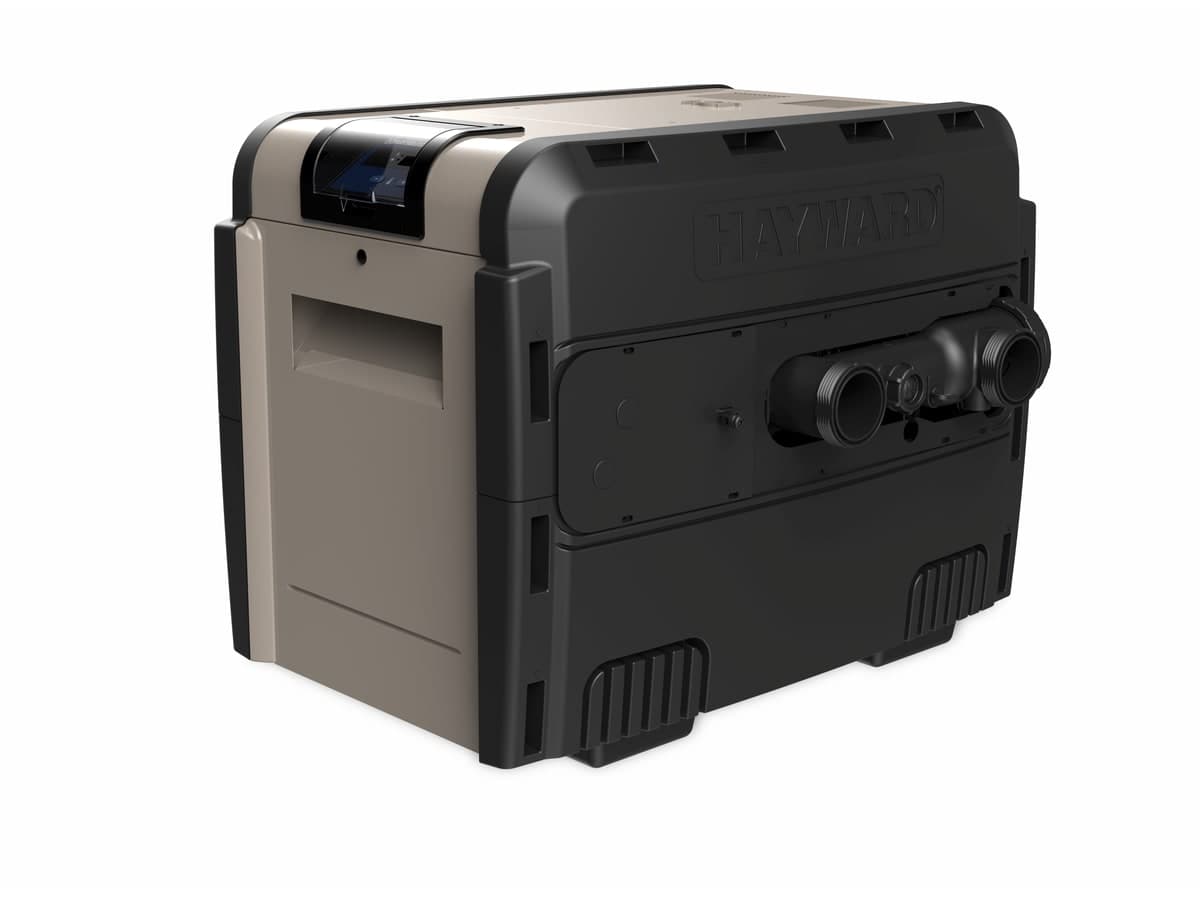
Best for mid-size pools: Hayward Universal H-Series 150K Natural Gas Heater
Premium
The H-Series at 150,000 BTU sits in a useful middle. It brings more speed than a 125K unit while staying friendlier to install and run than the big 266K burner. For a mid-size pool where you want reasonable heat-up times without going all in on output, this is a balanced choice. The Universal design is also built to work with various pad setups, which owners appreciate on retrofits.
Just keep expectations honest. This is faster than a heat pump but still slower than a 250,000-plus BTU heater on a large pool. If your pool is on the bigger end and you hate waiting, size up rather than stretching this one thin.
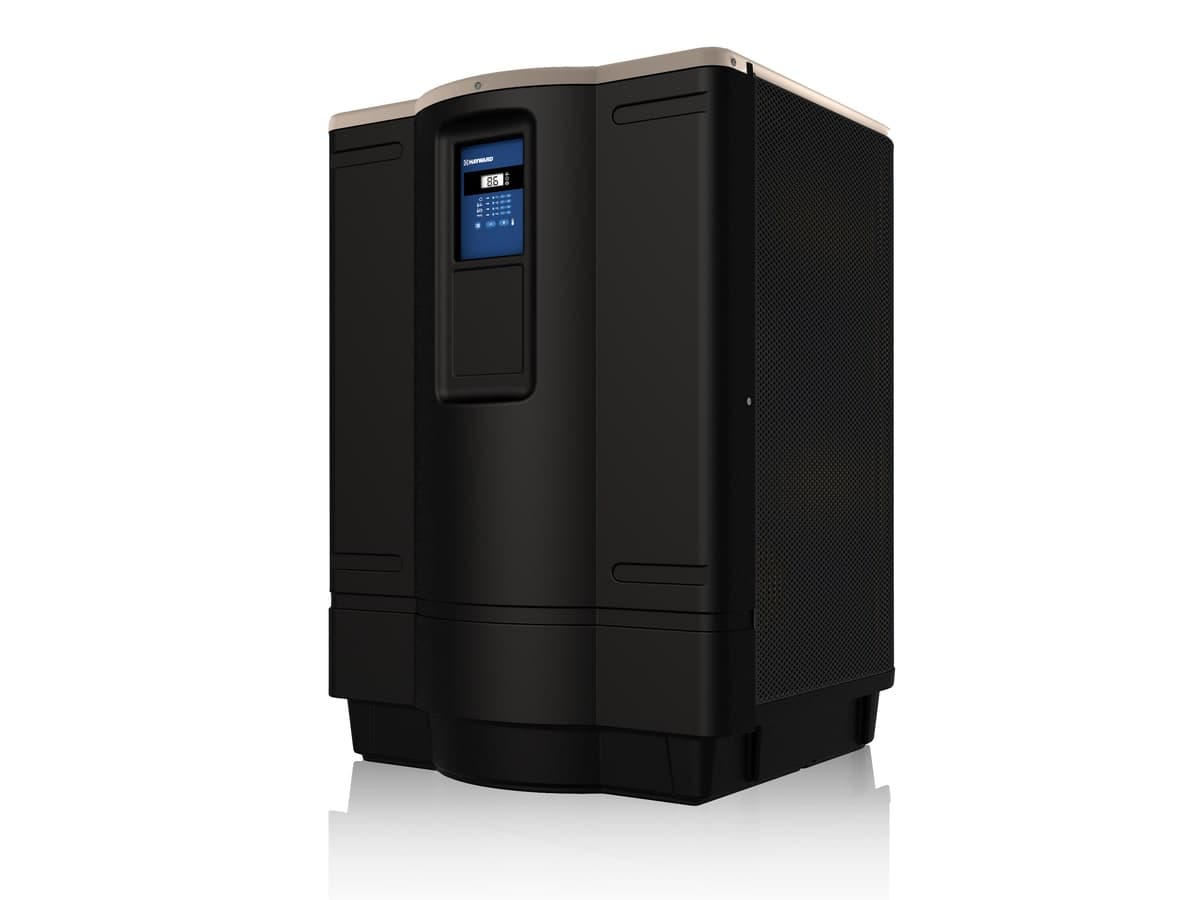
Best low running cost alternative: Hayward HeatPro 140,000 BTU Heat Pump
Premium
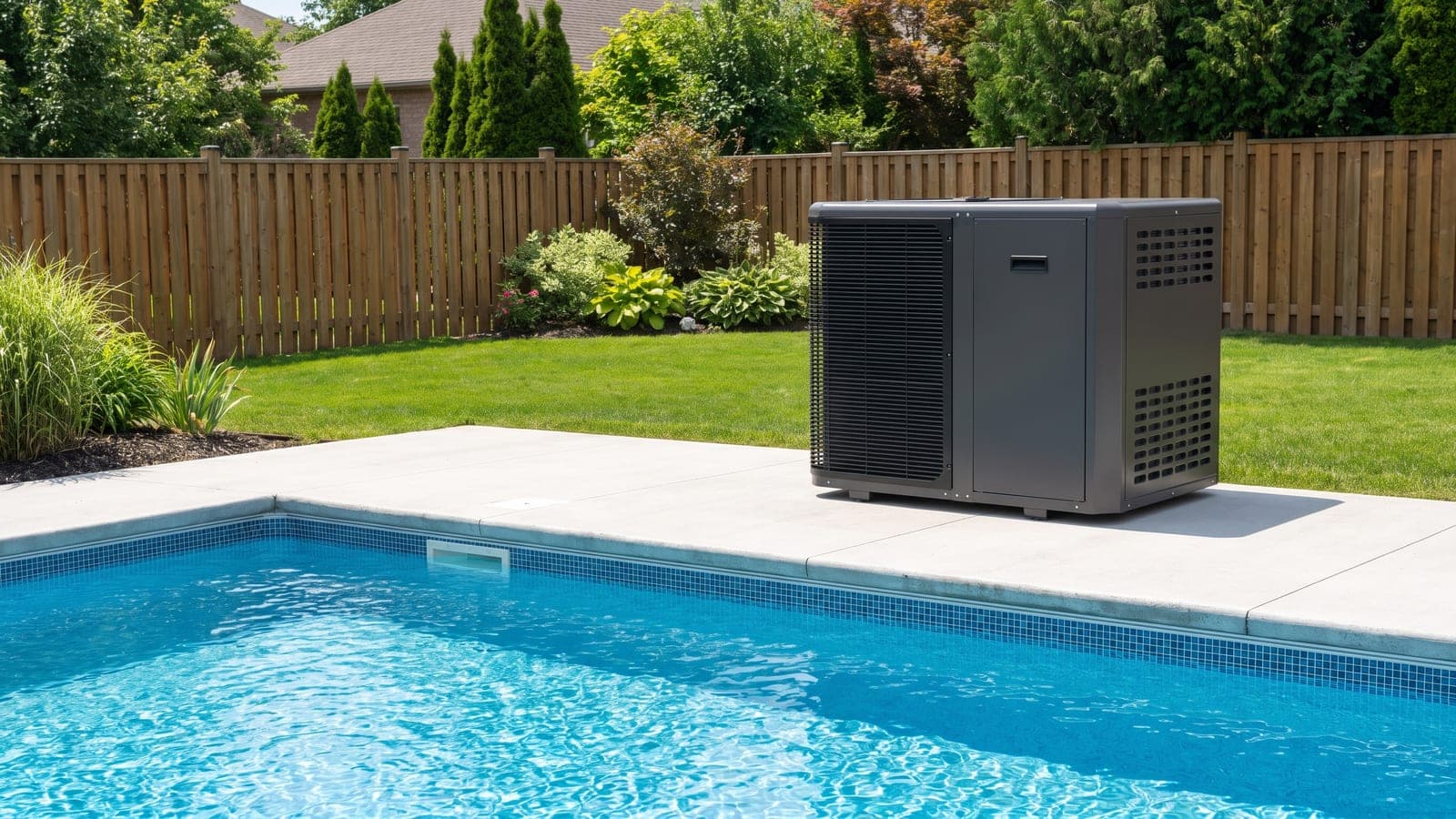
Here is the first non-gas option, included on purpose. A heat pump does not burn fuel, it moves warmth from the outside air into the water, so it costs much less per hour to run. The HeatPro's 140,000 BTU rating is strong for its category, and owners report steady, efficient heating over long swim seasons.
The tradeoff is speed and weather. Heat pumps warm water slowly and lose output as the air gets cold, so they are best for maintaining temperature, not for fast on-demand heat. If your goal is patient, low-cost warmth rather than same-day swimming, this is a fair swap.
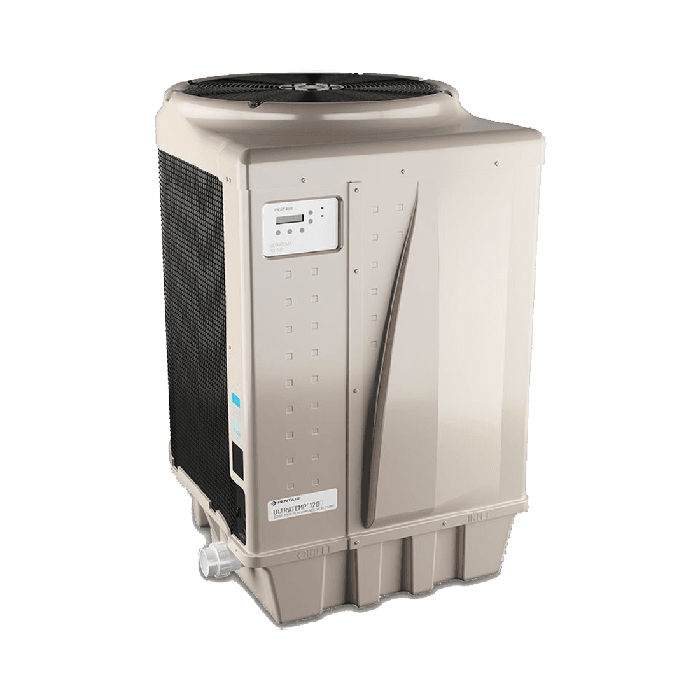
Best quiet efficiency: Pentair UltraTemp 140K Heat Pump
Premium
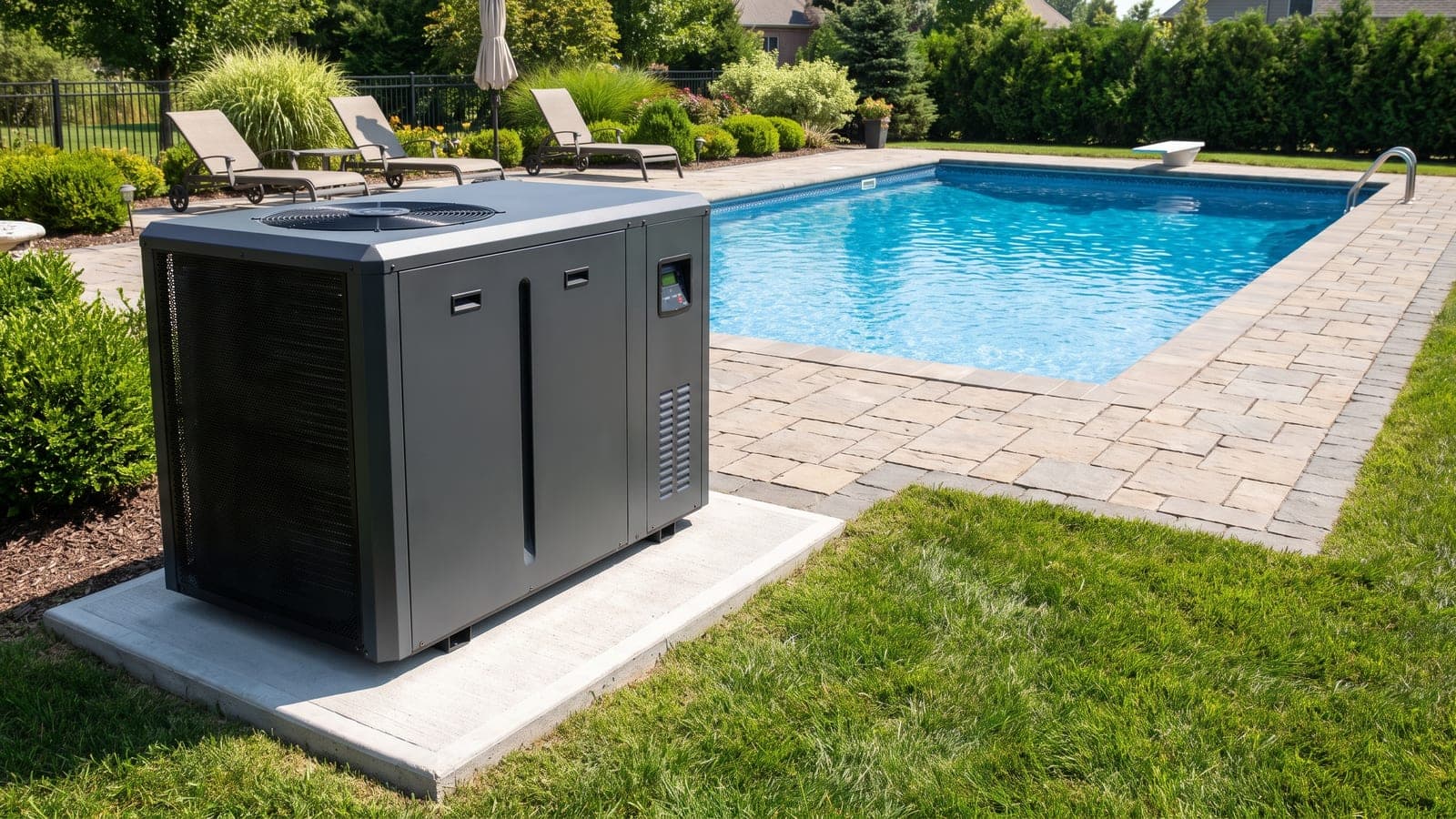
Another heat pump, and a good one if noise and running cost matter more than speed. The UltraTemp is designed to run efficiently and relatively quietly, which is a real plus if your equipment pad sits near a patio or a neighbor's fence. For pool owners who run their heater for hours to hold a comfortable temperature, that efficiency adds up.
The honest limit is the same as any heat pump. This is not a fast-heat unit, and cold snaps drag its output down. Pair it with a cover to hold the heat it works to build, since the Department of Energy points to covers as the biggest single way to cut pool heating cost.
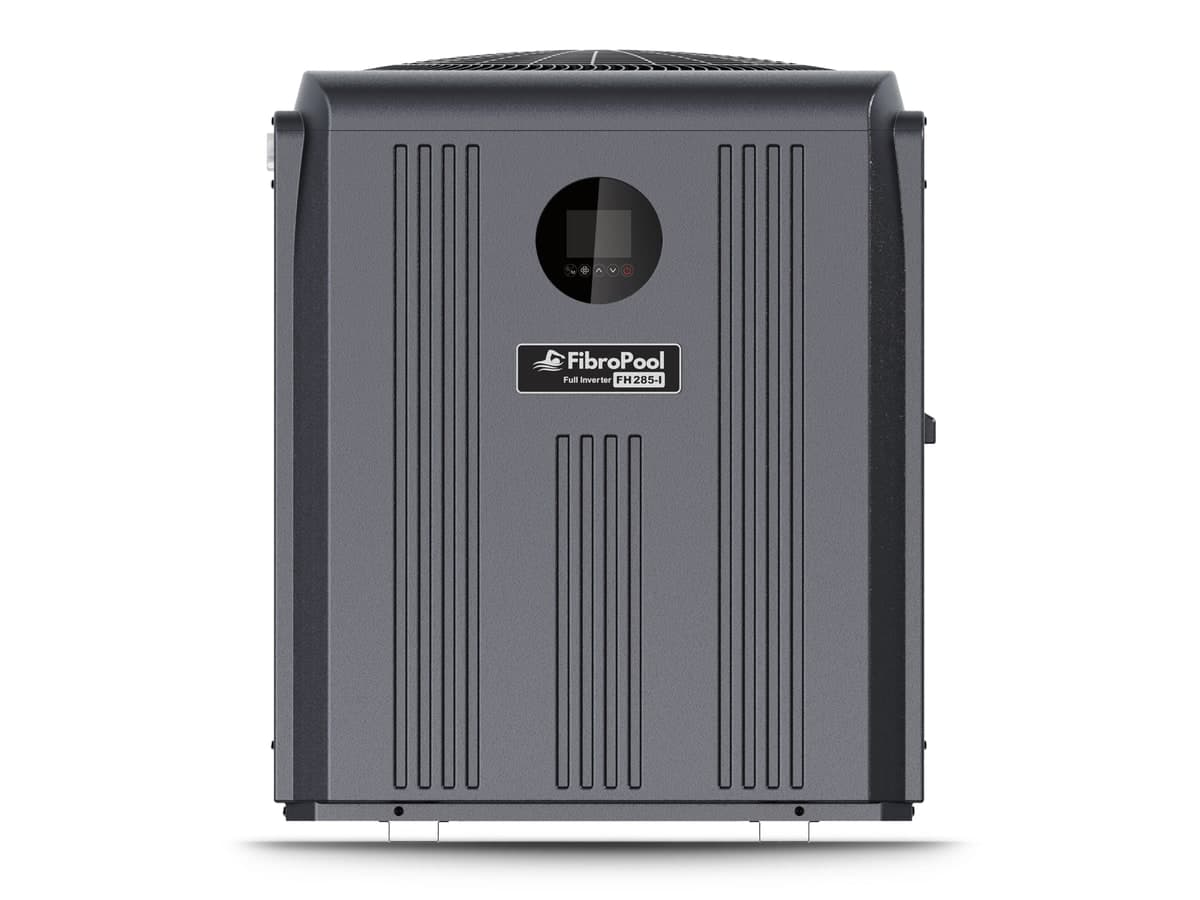
Best budget pick for small pools: FibroPool FH285-i Inverter Heat Pump (62,000 BTU)
Mid-range
For a small pool, spa, or plunge pool on a tight budget, this inverter heat pump is an easy entry point. At 62,000 BTU it is modest, but over a small volume of water it can hold a comfortable temperature at a low running cost. Inverter models also ramp their power up and down, which helps efficiency once the water is at target.
Do not expect fast heat here. On anything larger than a small pool the heat-up times get long, and cold weather saps performance further. This is a maintain-the-temperature tool, not a warm-it-up-today tool, so buy it for the right job.
How to pick and size for real speed
Fast heat comes down to BTUs per gallon. The more heating power over a given pool volume, the quicker the water warms, which is why the big gas heaters win and the small heat pumps trail. Learn your pool volume in gallons, then match a heater output that hits your heat-up goal against the manufacturer's sizing chart.
Fuel and install matter too. Natural gas is usually cheaper to run if a line already reaches your house, while propane works anywhere but costs more per hour. High-output gas heaters need proper gas supply and a licensed installer, so get a quote before you commit. The Department of Energy's pool heating guide is a solid primer, and the ENERGY STAR resource helps with efficient pad choices.
One more move pays off no matter which heater you choose: use a cover. Most heat escapes at the water surface, and a cover cuts that loss dramatically, so you heat less often and hold temperature longer. Keep your water balanced too, because scale and corrosion shorten heater life. Our pool chemistry basics without the lab coat guide covers the testing routine, and if you run a spa, hot tub maintenance for beginners without the chemical panic is a good companion. Salt pool owners should skim saltwater pool maintenance for beginners. When you are ready to compare models, browse the current pool heaters lineup.
Frequently asked questions
How fast will a gas heater actually warm my pool?
For most residential pools, a properly sized gas heater raises the water 1 to 3 degrees per hour, so a full warm-up from cold can take several hours. The exact time depends on your pool volume in gallons, the heater's BTU rating, air temperature, and whether you run a cover. Bigger BTU output over a smaller pool means faster heat.
Do I need natural gas or propane?
It depends on what your property already has. If a natural gas line runs to your house, that is usually the cheaper fuel to run over time. Propane works anywhere with a tank but generally costs more per hour of heating, so check local fuel prices and your gas line before you buy.
Are gas heaters really faster than heat pumps?
Yes, for raw speed a gas heater almost always wins because it makes its own heat by burning fuel instead of pulling warmth from the air. Heat pumps are cheaper to run but slow, and they lose output on cold days. If you want warm water on demand for weekend use, gas is the fast option.
What size BTU heater do I need?
As a rough rule, match higher BTU output to larger pools and faster heat-up goals. A small spa or plunge pool may be happy with a lower output unit, while a full-size in-ground pool usually wants 250,000 BTU or more for quick recovery. Always confirm sizing against your pool volume and the manufacturer's chart.
Will a pool cover really change how I size the heater?
A cover makes a big difference because most heat loss happens at the water surface through evaporation. The Department of Energy notes covers are the single biggest way to cut heating cost. With a cover you can often size down or heat far less often, so factor it in before buying the biggest burner you can find.