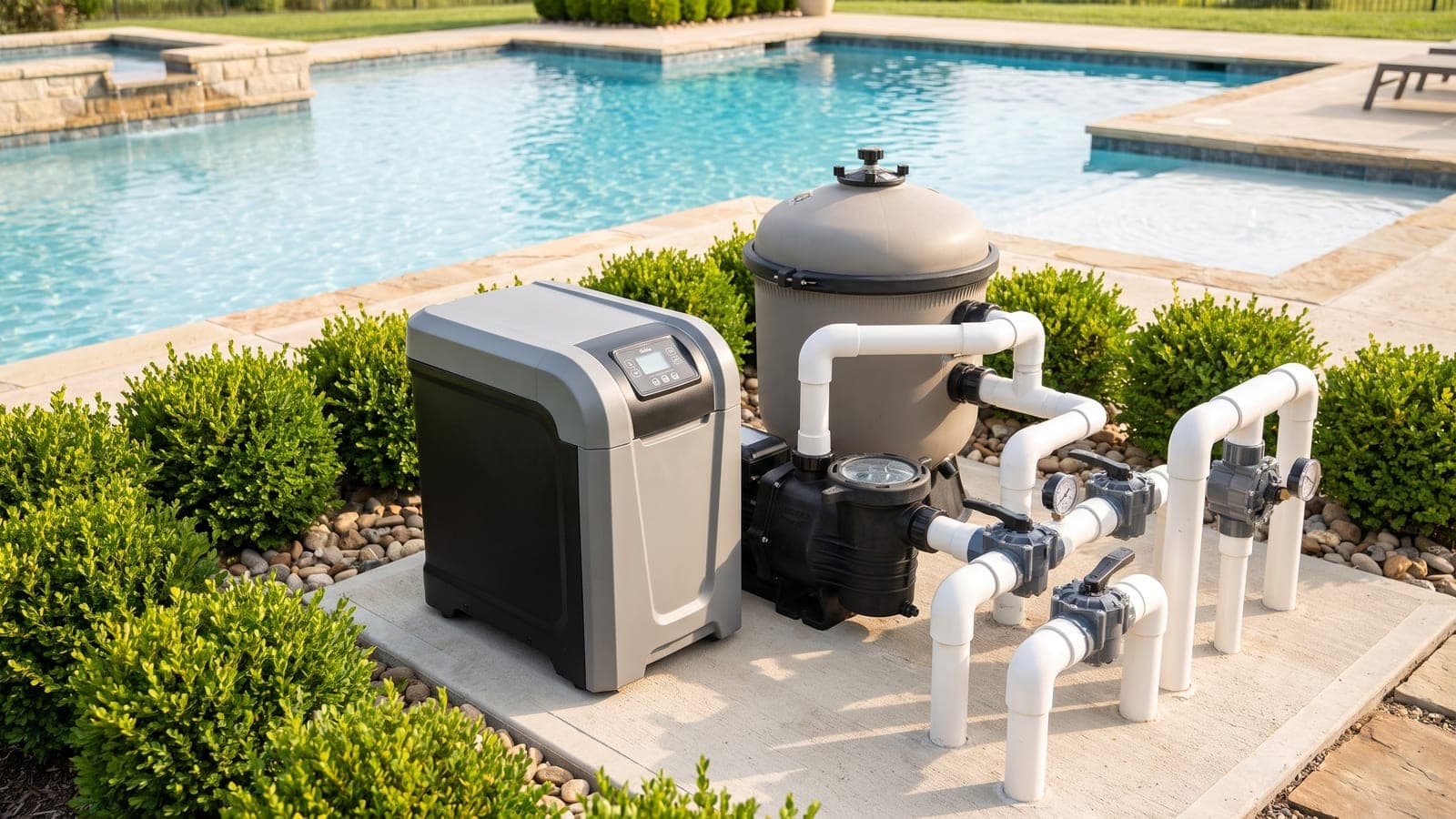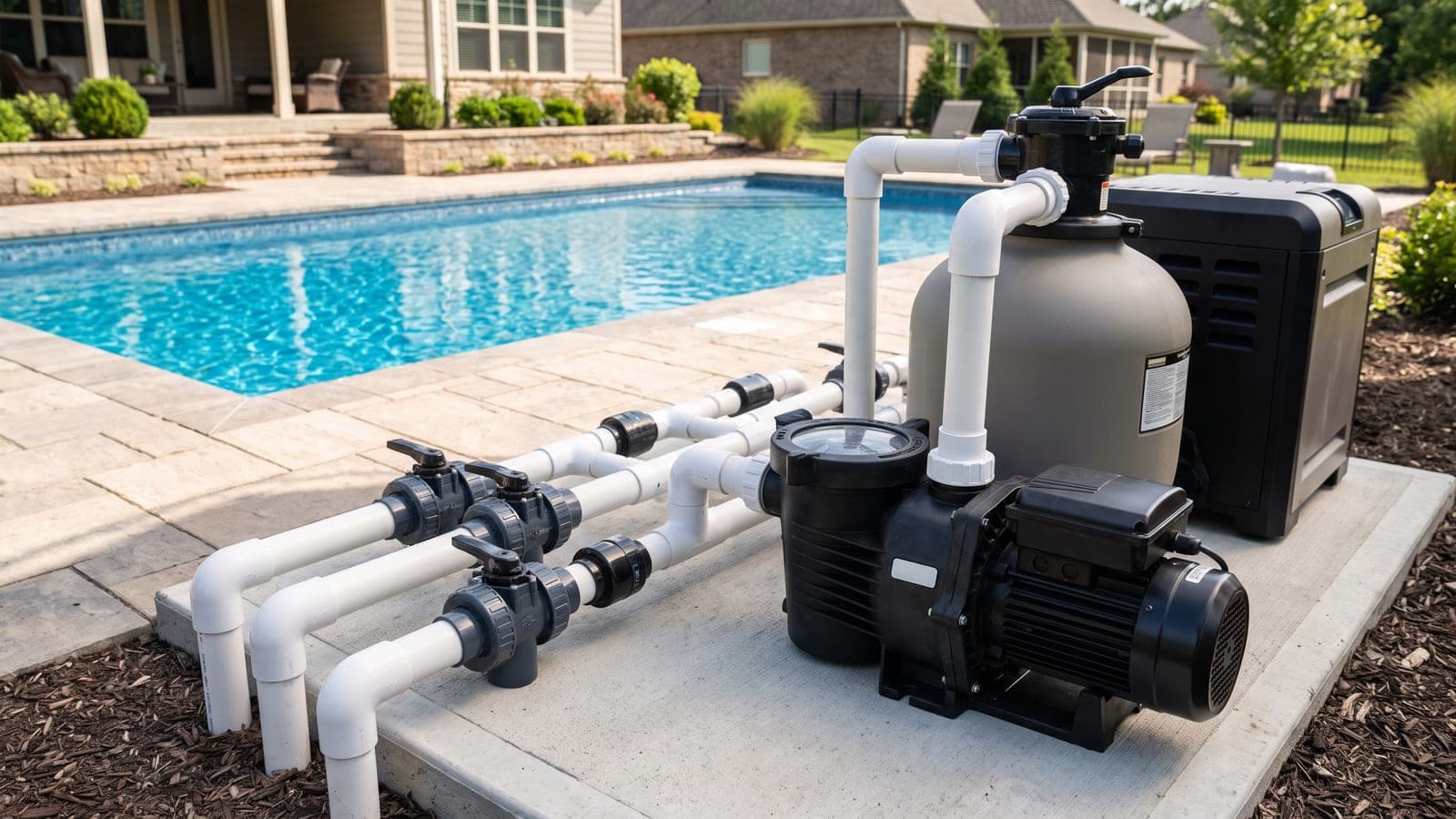
The best pool pump for most above-ground pools is a right-sized variable-speed pump, and the Hayward MaxFlo VS Variable-Speed Pump is the easiest one to recommend for a typical backyard setup. Variable-speed means the motor can run at different RPMs instead of one fixed speed, so it can crawl along quietly for long stretches and sip power. If your pool is on the smaller side and money is tight, a solid single-purpose pick like the Black+Decker Variable-Speed Pool Pump still gets the job done for less.
A quick note on sizing before the picks: match the pump to your filter and your pool volume, not just the horsepower number on the box. An oversized pump can outrun a small sand or cartridge filter and waste energy. The U.S. Department of Energy has a plain guide to choosing and operating an efficient pool pump, and ENERGY STAR keeps a list of certified pool pumps worth checking against any model below.
| Pick | Best for | Watch out for |
|---|---|---|
| Hayward MaxFlo VS Variable-Speed Pump | Most above-ground pools | PVC union plumbing, may need adapters |
| Black+Decker Variable-Speed Pool Pump | Value shoppers | Smaller support network |
| Hayward TriStar VS Pump | Larger above-ground pools | More pump than a tiny pool needs |
| Pentair SuperFlo VS Variable-Speed Pump | Quiet daytime running | Fewer speed presets than premium models |
| Jandy VS FloPro Pump | Simple setup and controls | Check fitting size vs your hoses |
| Pentair IntelliFlo3 VSF Pump | Big pools and automation fans | Overkill and cost for small pools |
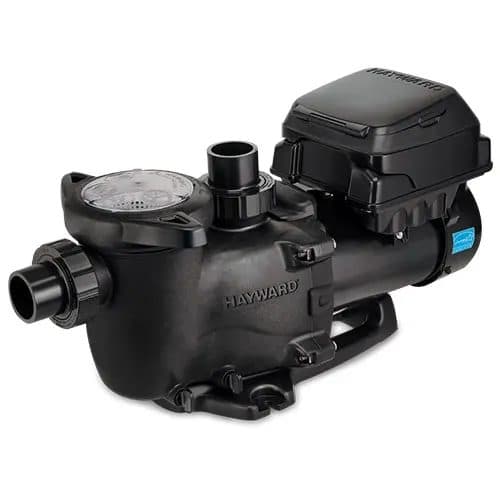
Best overall: Hayward MaxFlo VS Variable-Speed Pump
Premium
The Hayward MaxFlo VS Variable-Speed Pump fits the sweet spot for most above-ground and smaller in-ground pools. It is a mid-size variable-speed pump with programmable speeds, so you can set a long low-RPM cycle that filters quietly and keeps power use down. Owner reports generally praise how quiet it runs at reduced speed compared to an old single-speed motor.
The tradeoff is plumbing. Like most modern pumps it uses PVC union connections, so if your above-ground pool has hose fittings low on the wall you may need adapters. Confirm your fitting size and the pump's mounting height against the manual before you buy.
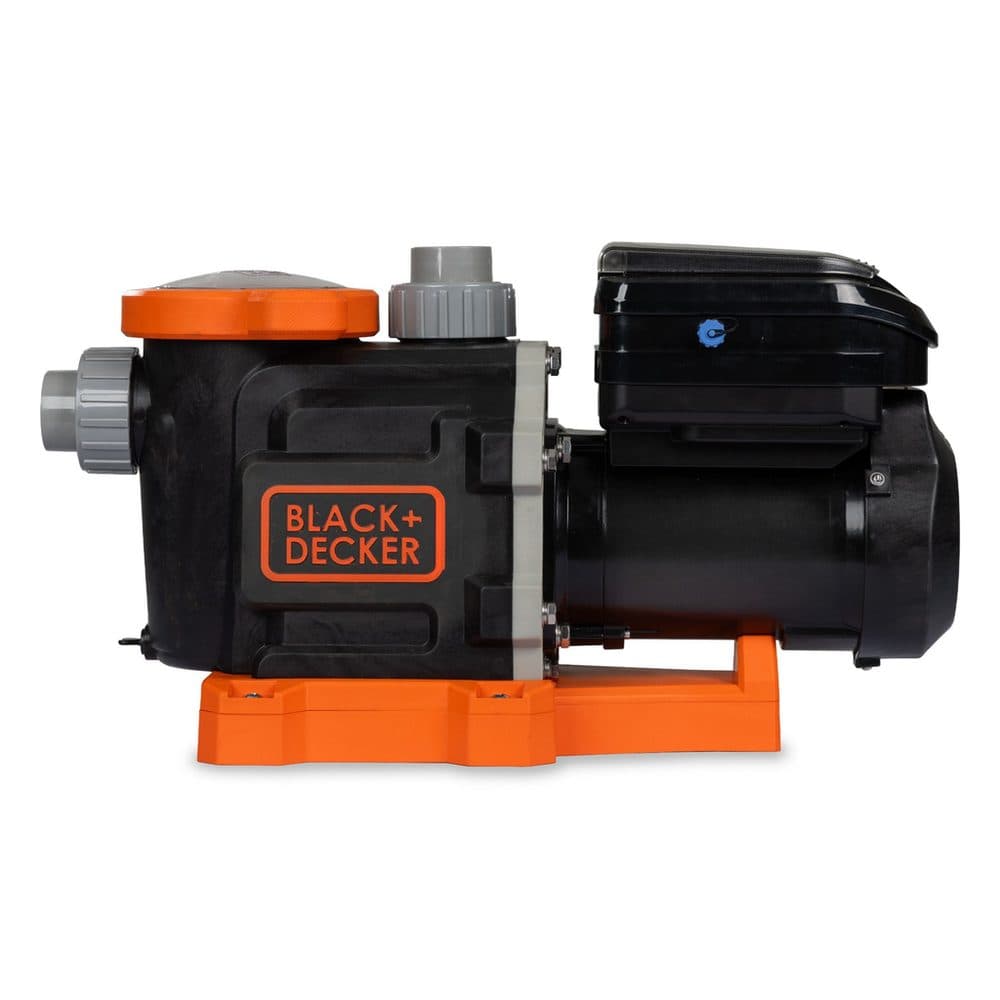
Best value: Black+Decker Variable-Speed Pool Pump
Premium
The Black+Decker Variable-Speed Pool Pump is aimed at owners who want variable-speed savings without a premium price. It offers programmable speeds and a motor that runs efficiently at low RPM, which is where a pump spends most of its life. For a small to mid-size above-ground pool, that is often all you need.
The tradeoff is the support network. Hayward and Pentair have wide dealer and parts coverage after years in the field, while this line is newer to many local pool shops. Warranty terms and parts availability vary, so read the listing and manual rather than assuming.
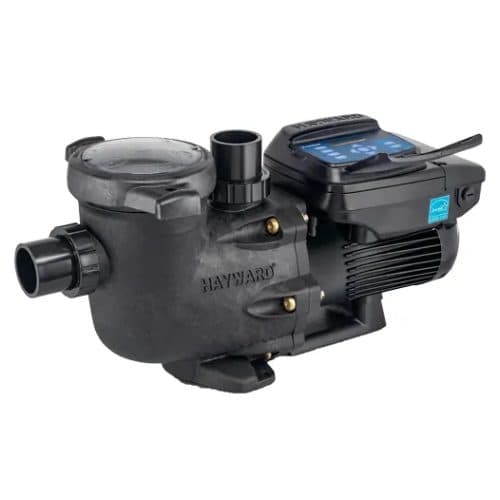
Best for larger above-ground pools: Hayward TriStar VS Pump
Luxury
The Hayward TriStar VS Pump steps up for bigger above-ground pools, longer plumbing runs, or an oversized sand filter. It moves more water and holds efficiency well at moderate speeds, which helps if you have a large volume to turn over each day. Owners with demanding setups tend to like the headroom.
The tradeoff is simple: it is more pump than a small round pool needs. On a 5,000 gallon starter pool you would rarely use its full capability, and a smaller model would cost less to buy. Size it to your actual volume and filter.
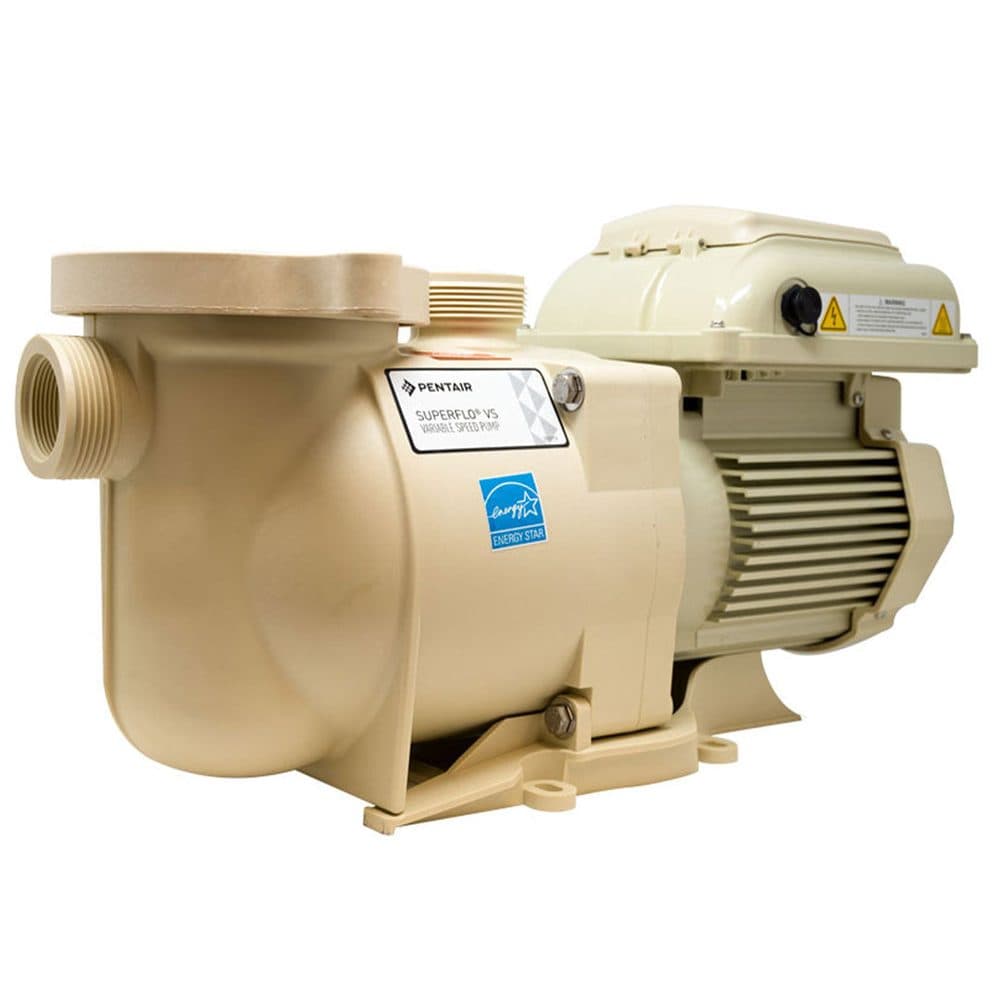
Best for quiet daytime running: Pentair SuperFlo VS Variable-Speed Pump
Premium
The Pentair SuperFlo VS Variable-Speed Pump is a strong choice if noise is your main worry. At low RPM the motor is barely working, so it runs much quieter than a single-speed pump at full tilt near a fence line. Running a long slow cycle during the day also filters more gently, which many owners prefer.
The tradeoff is fewer bells and whistles than Pentair's top models. It covers the speeds most backyards need but skips the deeper automation of the flagship line. For a standard above-ground pool, that is usually a fair trade.
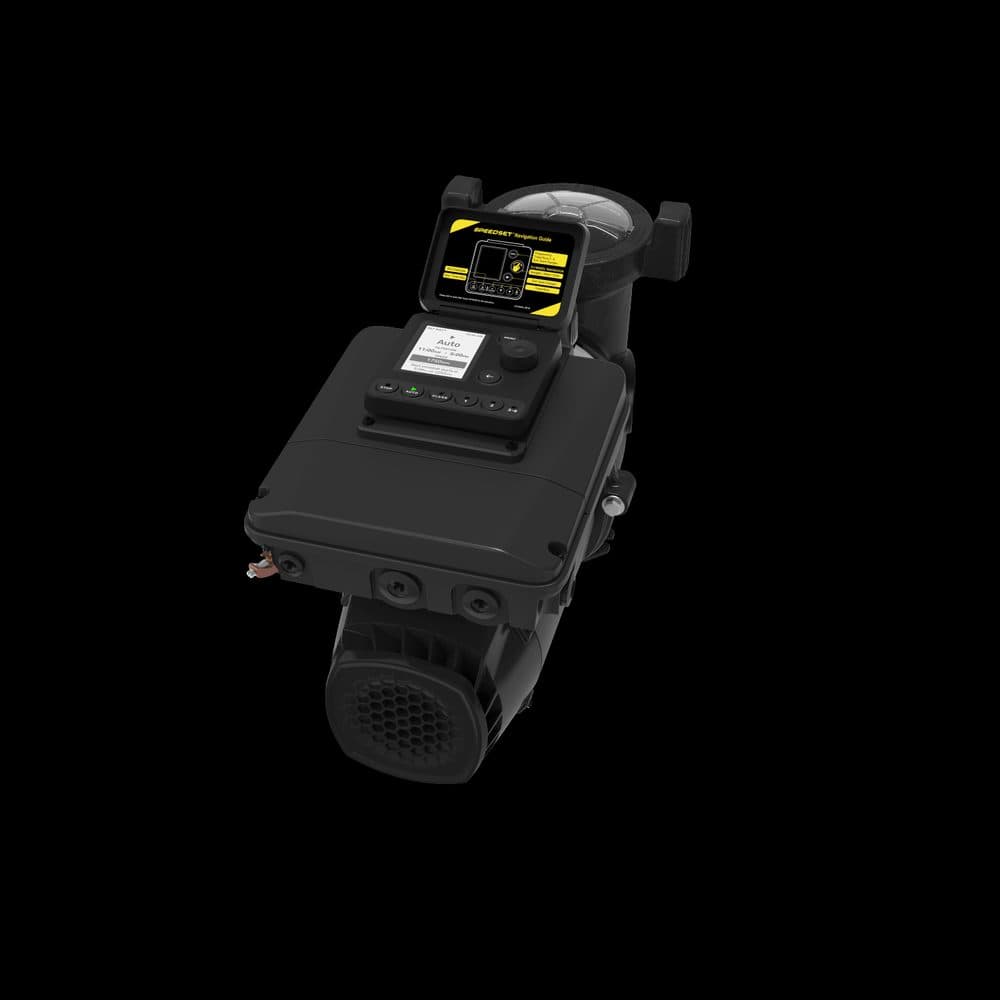
Best simple setup: Jandy VS FloPro Pump
Premium
The Jandy VS FloPro Pump leans toward straightforward install and controls, which suits owners who do not want to fuss with a complex interface. It brings variable-speed efficiency with a clear set of programmable speeds, so you can dial in a daily cycle and mostly leave it alone.
The tradeoff, as always with above-ground pools, is the connection. Check the fitting size against your existing hoses and confirm the pump will prime from its mounting position. A quick look at the manual saves a second trip to the hardware store.
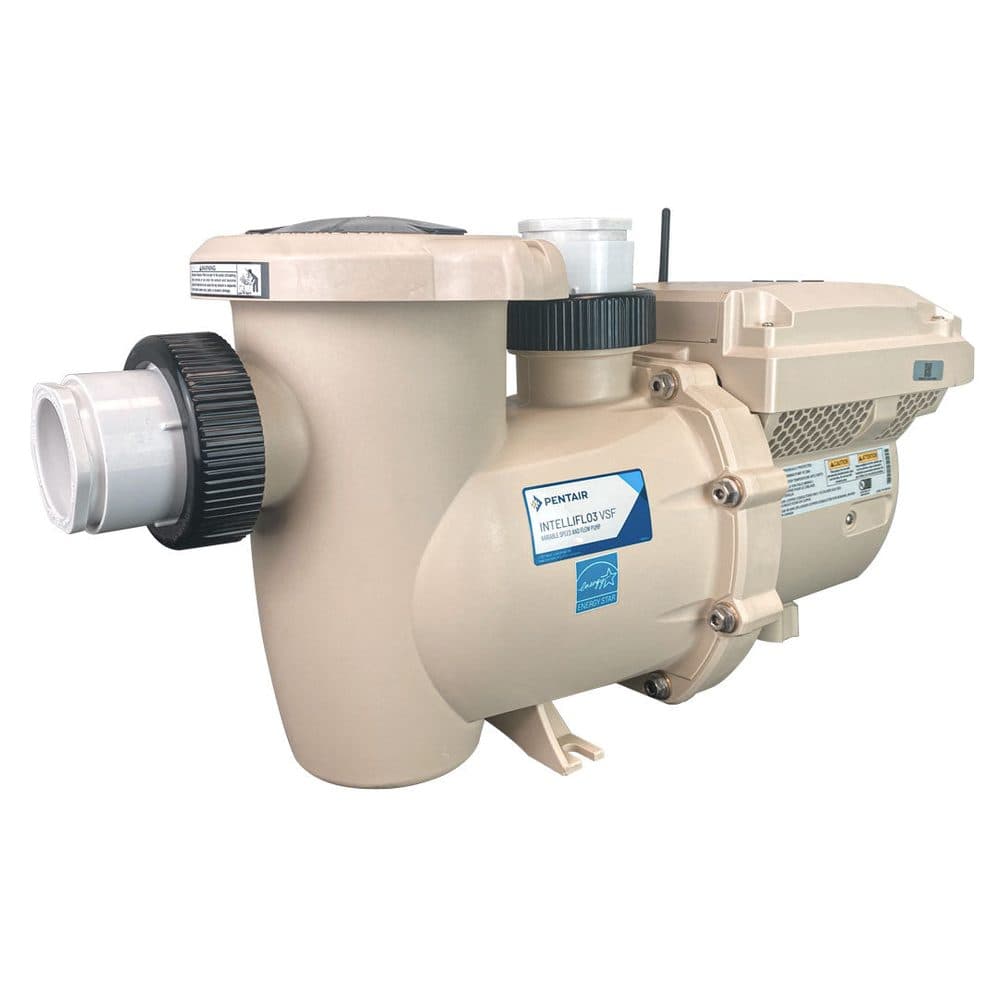
Best for big pools and automation: Pentair IntelliFlo3 VSF Pump
Luxury
The Pentair IntelliFlo3 VSF Pump is the high-end option, built for large pools and owners who want fine flow control and automation. It is a variable-speed-and-flow pump, meaning it can target a flow rate rather than just an RPM, which is handy on complex systems. For a large above-ground pool paired with a big filter, it has plenty of muscle.
The tradeoff is cost and complexity. On a small round pool it is far more pump and price than the job calls for, and its features go mostly unused. Save this one for a genuinely large or feature-heavy setup.
Getting the most from your new pump
A good pump filters better when the water chemistry is in range, so keep your testing routine steady. Our pool chemistry basics without the lab coat guide covers what to test and add, and saltwater owners should skim saltwater pool maintenance for beginners since salt cells add their own flow needs.
If you are still gathering fittings, timers, or hoses, browse our pool accessories page. And if a hot tub shares the backyard, hot tub maintenance for beginners without the chemical panic keeps that side simple too. Whichever pump you pick, size it to your filter and pool volume first, then let variable speed do the quiet, low-cost work.
Frequently asked questions
Do I really need a variable-speed pump for an above-ground pool?
Not legally in every state, but it usually pays off. A variable-speed pump (a motor that runs at chooseable RPMs instead of one fixed speed) can run slow for long stretches and use far less power than a single-speed. For a small above-ground pool the savings are smaller than on a big in-ground pool, so weigh the higher upfront cost against your local electric rate.
What size pump does my above-ground pool need?
Match the pump to your filter and pool volume, not just horsepower. Most above-ground pools in the 5,000 to 20,000 gallon range are fine with a small to mid-size pump run long enough to turn the water over once or twice a day. Oversized pumps can outrun a small cartridge or sand filter, so check the filter's flow rating in the manual first.
Will an in-ground style pump work on my above-ground pool?
Sometimes, but the plumbing is the catch. Above-ground pools usually use hose fittings low on the pool wall, while many in-ground pumps use rigid PVC unions. You can adapt one to the other, but it means extra fittings, and a pump mounted above water level may not self-prime well. Check the fitting size and the pump's mounting height before buying.
How many hours a day should I run the pump?
Enough to turn the water over about once a day, then adjust for how the water looks. On a variable-speed pump many owners run a long low-speed cycle of 8 to 12 hours instead of a short high-speed blast, which filters better and quieter. Heavy use, heat, or algae means more runtime, so treat the manual's number as a starting point.
Are these pumps loud enough to bother the neighbors?
Single-speed pumps at full speed can be noticeable, especially older ones near a fence line. Variable-speed pumps run much quieter at low RPM because the motor is barely working. If noise matters, run the pump slow during the day and reserve any high-speed burst for a time that will not annoy anyone.