
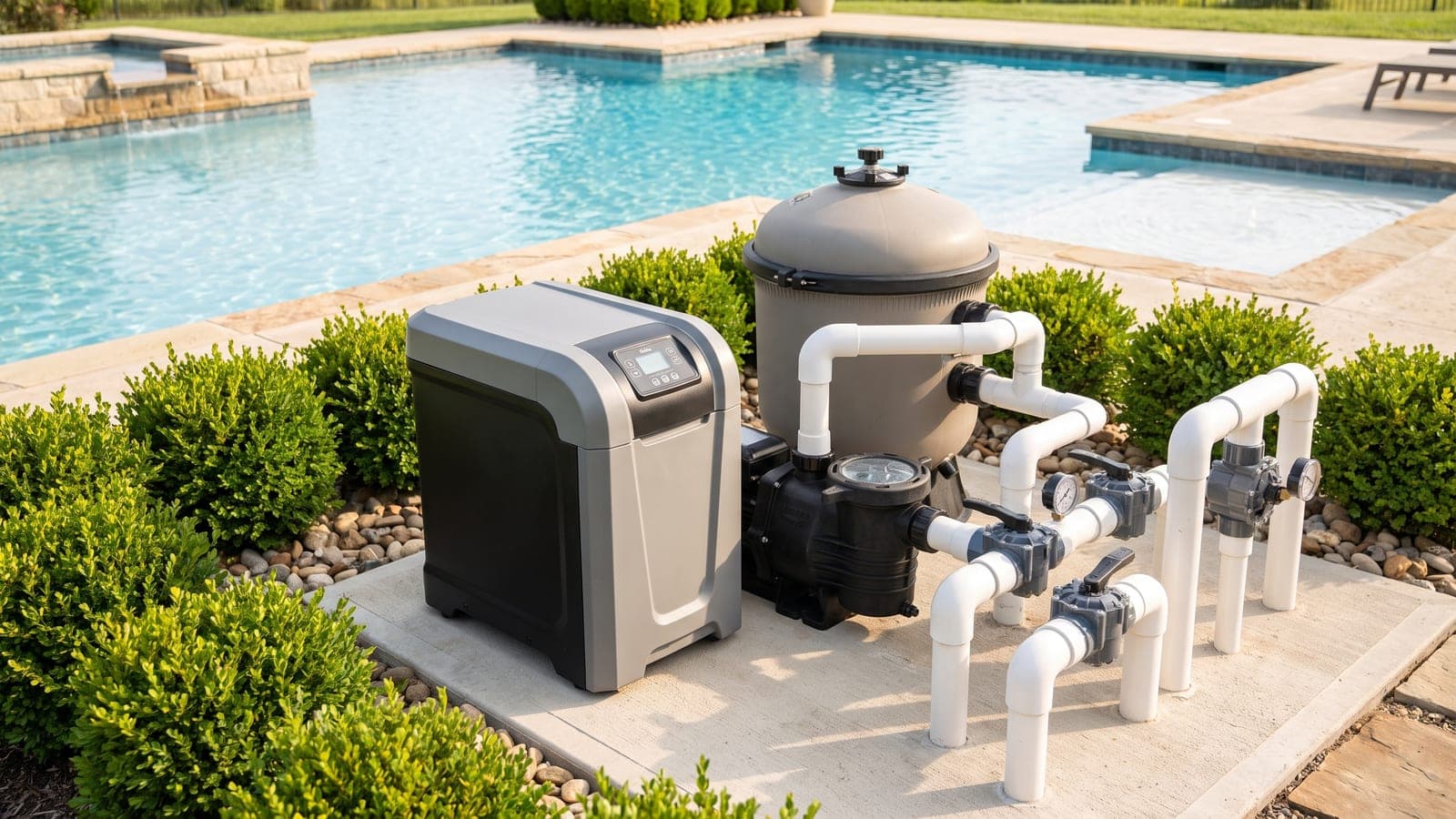
The pump most people should get is the Hayward MaxFlo VS Variable-Speed Pump: it fits typical residential pools, runs quietly at low speed, and trades a higher sticker price for an electric bill that drops fast. If you have a big pool or lots of water features, step up to the Pentair IntelliFlo3 VSF Pump or Hayward TriStar VS Pump instead. A variable-speed pump (a pool pump whose motor can slow down instead of running full blast all day) saves money because you run it many hours at a low, cheap speed rather than a few hours at a power-hungry one.
Use the calculator above to size this to your pool. Horsepower on the box does not tell the whole story: your gallons, your pipe diameter, and your filter all decide what actually works. The U.S. Department of Energy and ENERGY STAR both note that a properly sized variable-speed pump is one of the biggest energy savers you can add to a pool.
| Pick | Best for | Watch out for |
|---|---|---|
| Hayward MaxFlo VS Variable-Speed Pump | Most typical residential pools | Not the choice for very large pools |
| Pentair IntelliFlo3 VSF Pump | Large pools and water features | Highest upfront cost |
| Hayward TriStar VS Pump | High-flow, spa-heavy setups | Overkill for a small pool |
| Pentair SuperFlo VS Variable-Speed Pump | Balanced value pick | Fewer programmable speeds than premium models |
| Jandy VS FloPro Pump | Jandy or iAquaLink systems | Best value inside its own ecosystem |
| Black+Decker Variable-Speed Pump | Budget-minded upgraders | Smaller dealer and parts network |
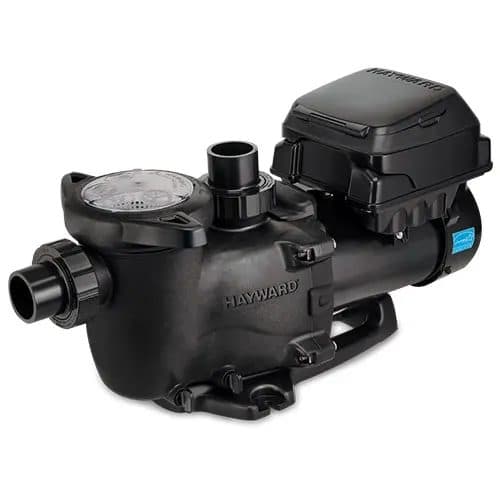
Best overall: Hayward MaxFlo VS Variable-Speed Pump
Premium
This one fits the widest slice of backyards. Most residential pools in the 10,000 to 25,000 gallon range do not need a monster pump, they need one that can loaf along at low speed for 8 to 12 hours and sip power. The Hayward MaxFlo VS Variable-Speed Pump is built around that job, with programmable speeds so you set it once and forget it.
The tradeoff is ceiling. If you run a large pool, an oversized heater, or several water features at once, you may want more flow than a mid-range pump comfortably delivers. For a standard rectangle with a cartridge or sand filter, though, it hits the sweet spot of quiet, efficient, and not wildly expensive. Check the listing for your exact voltage and plumbing size before you order.
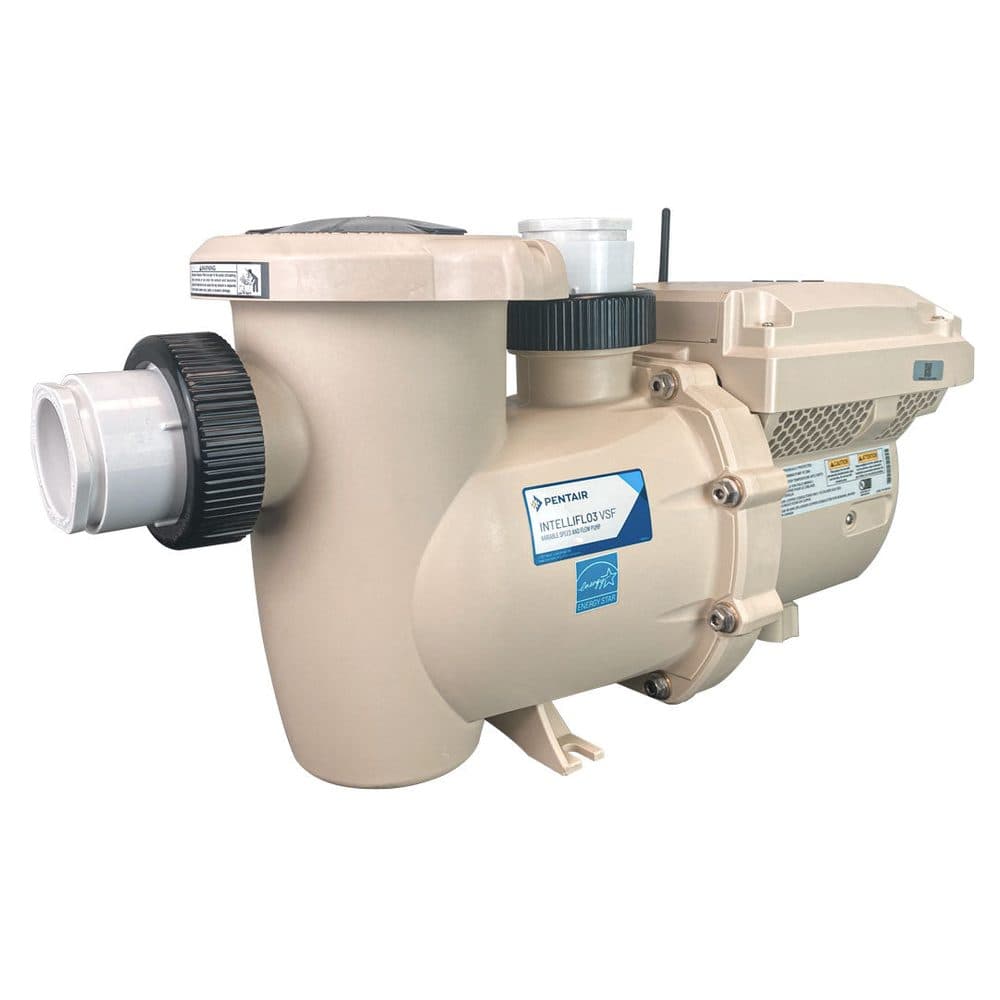
Best for large pools: Pentair IntelliFlo3 VSF Pump
Luxury
If your pool pushes past 25,000 gallons or feeds a spa, waterfall, and spillway, the Pentair IntelliFlo3 VSF Pump is the workhorse to look at. It is designed for high total flow and lots of programmable speed steps, so you can dial in a slow filtration speed for daily use and a higher speed for features or vacuuming. That flexibility is where variable speed earns its keep.
The catch is cost. This sits at the top of the price range, and it is more pump than a small pool will ever use. If you buy it for a modest backyard, you are paying for capacity you will not touch. Match the pump to your real flow needs (the calculator above helps), not to the biggest number on the shelf.
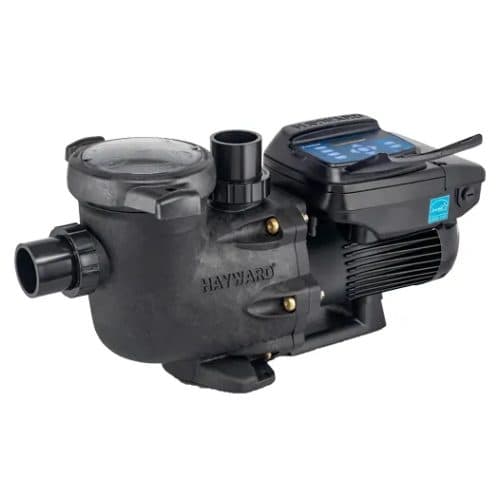
Best for high-flow spa setups: Hayward TriStar VS Pump
Luxury
For setups that demand strong, steady flow, the Hayward TriStar VS Pump is a serious performer. Owners with attached spas, in-floor cleaning systems, or long plumbing runs report that it moves water well while still throttling down to an efficient trickle for everyday filtering. That range from low to high is exactly what a feature-heavy pool wants.
The tradeoff is simple: it is overkill for a small aboveground or a plain 12,000 gallon pool. You would spend more upfront and never use the top end. Reserve this for pools that genuinely need muscle, and confirm your filter can handle the flow so you are not choking a strong pump with an undersized filter.
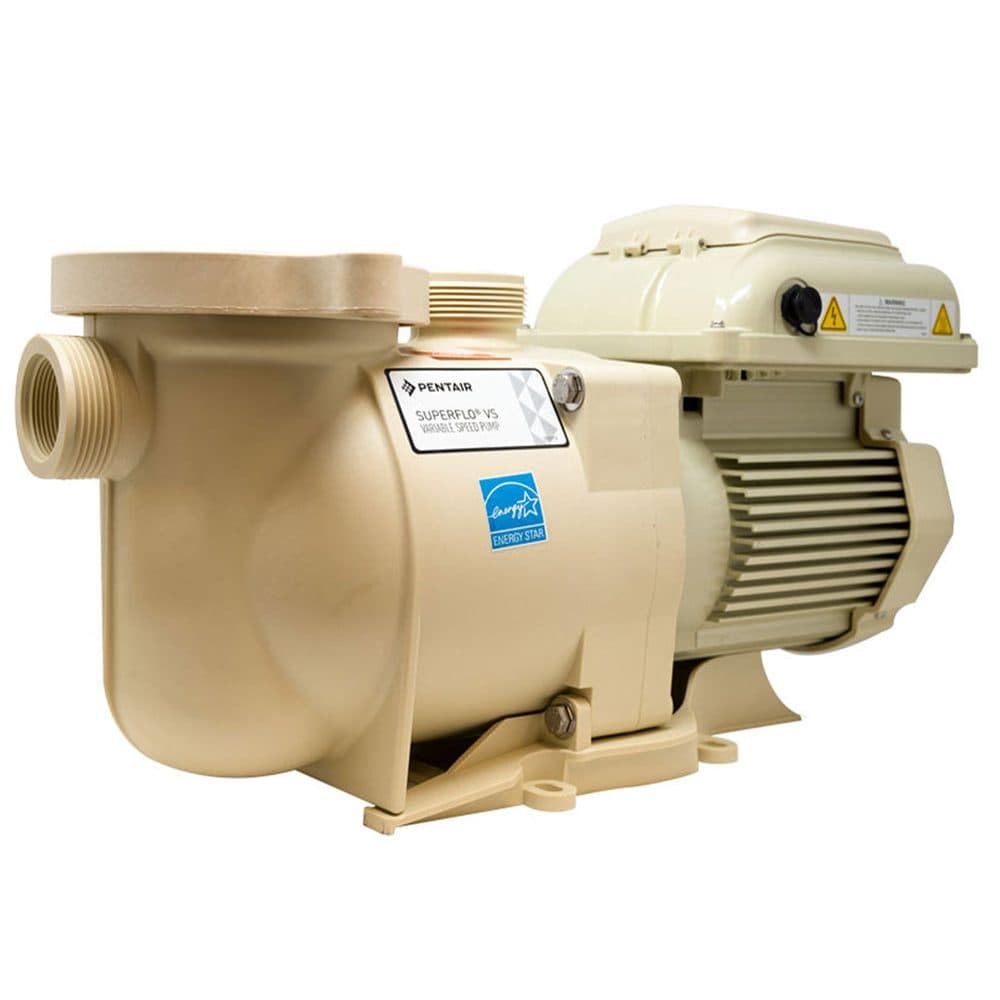
Best value: Pentair SuperFlo VS Variable-Speed Pump
Premium
The Pentair SuperFlo VS Variable-Speed Pump lands in the middle in the best way: real variable-speed savings without the flagship price. For a typical residential pool, it gives you the core benefit (running long and slow to cut watts) at a friendlier cost than the top-tier models. That makes it an easy recommendation for owners upgrading from a tired single-speed motor.
You give up a little polish. It generally offers fewer programmable speed presets and less advanced automation than premium units. For most people running one low speed most of the day and a higher speed for cleaning, that is plenty. If you want deep automation integration, look higher up the line.
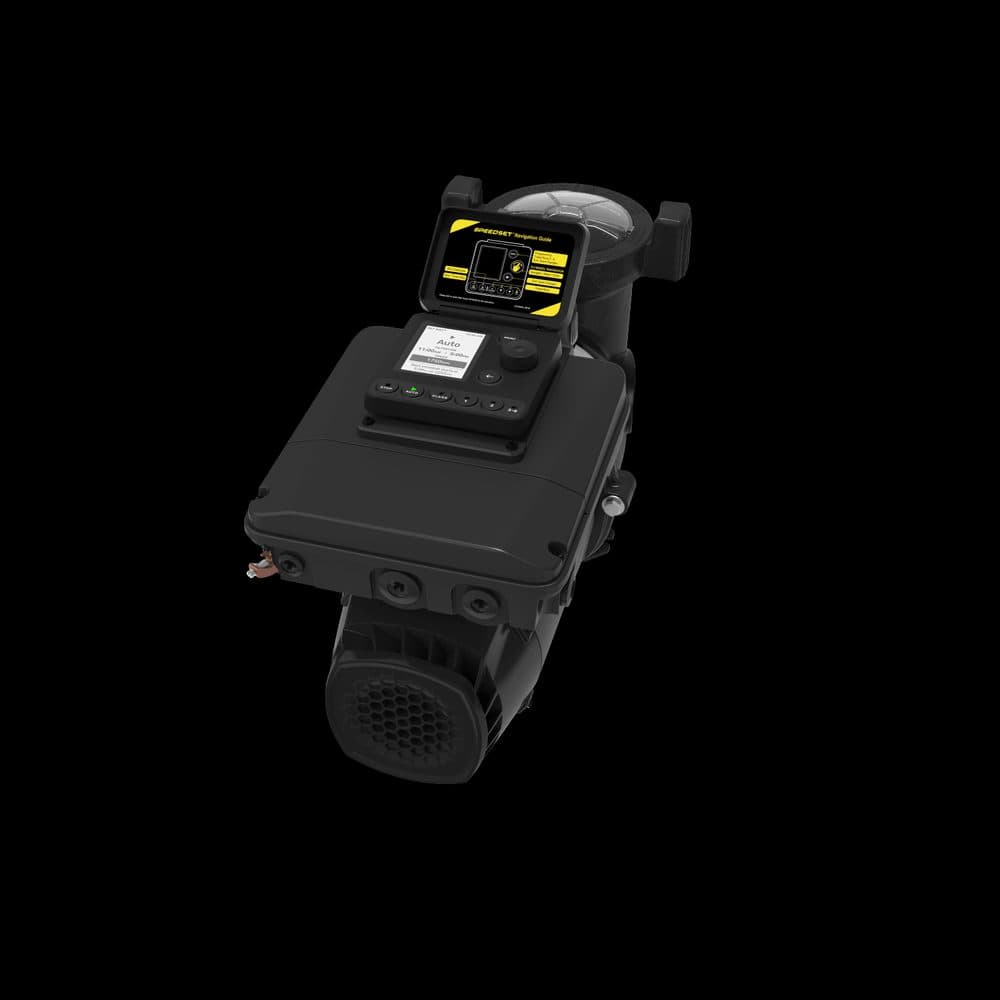
Best for Jandy systems: Jandy VS FloPro Pump
Premium
If your equipment pad already runs Jandy gear or an iAquaLink automation system, the Jandy VS FloPro Pump is the natural fit. It talks nicely to that ecosystem, which makes scheduling speeds and folding the pump into whole-pool automation much smoother than mixing brands. For owners committed to Jandy, that integration is worth real money in saved hassle.
Outside that ecosystem, the case is weaker. As a standalone pump it competes with everything else on this list, so the strongest reason to pick it is that you are already living in Jandy's world. Check compatibility with your existing controller before buying, since automation features vary by model and firmware.
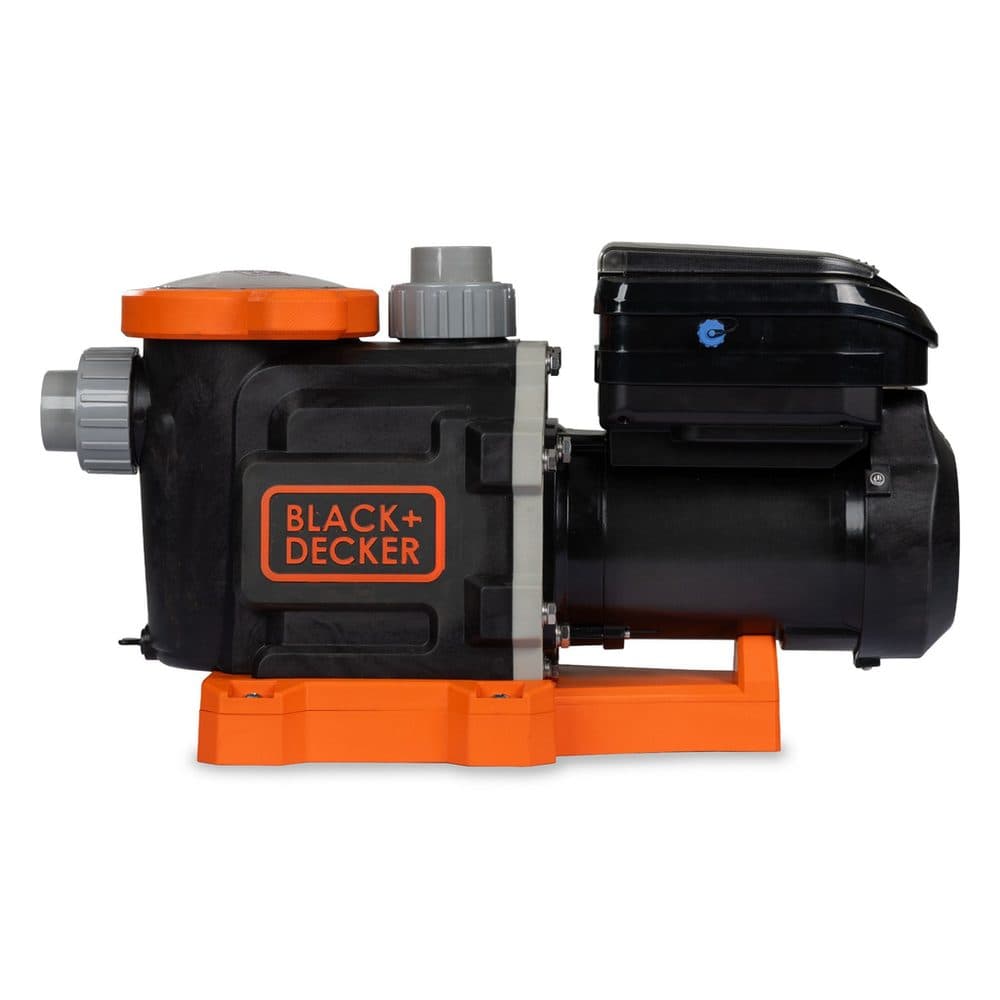
Best budget option: Black+Decker Variable-Speed Pool Pump
Premium
For owners who want variable-speed savings without a premium badge, the Black+Decker Variable-Speed Pump is the value entry here. It brings the fundamental win (a slow, efficient daily speed instead of a single-speed motor running flat out) at a lower cost of entry. For a straightforward residential pool, that is often all you need to start trimming the bill.
The tradeoff is the support network. The big brands have deeper dealer coverage and parts availability, so weigh how easy service and replacement parts will be in your area. Read recent owner reviews on the listing, and confirm the warranty terms and voltage before you commit.
How much can a variable-speed pump actually save?
The savings come from physics, not marketing. A single-speed pump runs its motor at full power the whole time it is on. A variable-speed pump can drop to a low RPM where it draws a small fraction of those watts, and because slow water filters more thoroughly, you can run longer and still come out way ahead. ENERGY STAR and the Department of Energy both flag pool pumps as one of the larger electrical loads in a home with a pool, which is why the upgrade pays back over time.
Your real number depends on your electric rate, your pool volume, and your runtime. Someone in a high-rate area running an old single-speed pump many hours a day will see the fastest payback. Someone with a small pool and cheap power will save less in dollars, though the pump still runs quieter and gentler.
What to check before you buy
Start with size. A pump that is too big for your plumbing just makes noise and cavitates, so run the numbers with the pool pump size calculator and check your filter's maximum flow rating. Full-size 2 inch plumbing and a generously sized filter let a variable-speed pump do its slow, quiet, efficient thing.
Then check the boring details that cause returns: voltage (115V versus 230V), whether the unions match your existing plumbing, and whether local code or a rebate program requires a specific model. Many utilities offer rebates on qualifying variable-speed pumps, so it is worth a search before you check out. A few pump-related accessories like unions and a timer live over on our pool accessories page if you need them for the swap.
Keep the rest of the pool dialed in
A great pump moves water, but it does not balance it. Clean, well-circulated water still needs correct chemistry, so if pH and chlorine are a mystery, start with pool chemistry basics without the lab coat. Running the right chemistry actually lets you filter fewer hours, which stacks more savings on top of the pump upgrade.
If you have a saltwater pool, the low-and-slow runtime of a variable-speed pump pairs well with a salt cell, and our saltwater pool maintenance for beginners guide covers how to keep runtime and salt levels in sync. And if that variable-speed logic has you eyeing your spa, the same efficiency thinking shows up in hot tub maintenance for beginners without the chemical panic.
For most backyards, the honest answer is: get the Hayward MaxFlo VS Variable-Speed Pump if your pool is average-sized, step up to the Pentair IntelliFlo3 VSF Pump or Hayward TriStar VS Pump if it is big or feature-heavy, and reach for the Black+Decker Variable-Speed Pump if the budget is tight. Size it right first, and the lower bill follows.
Frequently asked questions
Will a variable-speed pump really lower my electric bill?
Usually yes, because you run most of the day at a low speed that draws a fraction of the watts a single-speed pump pulls. The U.S. Department of Energy and ENERGY STAR both point to large savings versus older single-speed motors. Your actual number depends on your electric rate, pool size, and how many hours you run.
How many hours a day should I run a variable-speed pump?
Most owners run 8 to 12 hours at a low speed instead of a few hours on high, since slow-and-long filters better and uses less energy. The right runtime depends on your pool volume, filter type, and how dirty the water gets. Start with the manual's suggestion and adjust until the water stays clear.
What size variable-speed pump do I need?
It depends on your pool's gallons, your plumbing size, and your filter, not just horsepower on the box. An oversized pump on skinny pipes just makes noise and wastes money. Use the calculator above and check your filter's flow rating before buying.
Do I need a new filter or plumbing to switch to variable speed?
Not always, but it helps. A variable-speed pump shines when paired with a larger filter and full-size (2 inch) plumbing so water moves slowly with less resistance. If your filter is undersized, you may not get the full efficiency benefit.
Are variable-speed pumps hard to install yourself?
Swapping a pump is doable for a handy owner, but the wiring can be 115V or 230V and some models need a dedicated circuit. If you are not comfortable with the electrical side, hire a licensed pro. Getting the voltage or bonding wrong is a safety issue, not just a warranty one.