The pool most families should get is a mid-size steel-frame round in the 14 to 18 foot range, because it fits a normal backyard, sets up in an afternoon, and holds enough water for a few kids without swallowing the whole lawn. If you have the space and want room to actually swim, size up to a 24 foot round or a large rectangular model. Everyone else can save money and hassle by staying smaller.
Above-ground pools come in three rough tiers: simple frame pools for splashing, reinforced steel-frame pools for real family use, and large rectangular pools that behave almost like an installed pool. Your yard size, how level the ground is, and your budget decide which tier makes sense. Use the calculator above to size this to your pool, since ground prep and gear often cost as much as the pool itself.
One thing before the picks. Every pool here needs a barrier and supervision plan. Kids can get into water fast, so read the CPSC drowning-prevention toolkit and Pool Safely before your first fill, and use a ladder that locks or lifts away.
Comparison table
| Pick | Best for | Watch out for |
|---|---|---|
| Intex Ultra XTR Frame Pool (18 ft x 48 in) | Most families | Needs level ground and a real pad |
| Bestway Steel Pro MAX Pool (14 ft x 48 in) | Value all-rounder | Included pump is basic |
| Bestway Steel Pro MAX Pool (12 ft x 30 in) | Small yards and toddlers | Shallow, kids outgrow it |
| Intex Ultra XTR Frame Pool (24 ft x 52 in) | Big families who swim | Huge footprint and water bill |
| Intex Ultra XTR Rectangular Pool (32 ft x 16 ft x 52 in) | Lap-style swimming | Serious space and setup |
| Bestway Power Steel Oval Pool (16 ft x 10 ft x 42 in) | Narrow long yards | Oval frames need careful leveling |
Which above-ground pool fits most families?
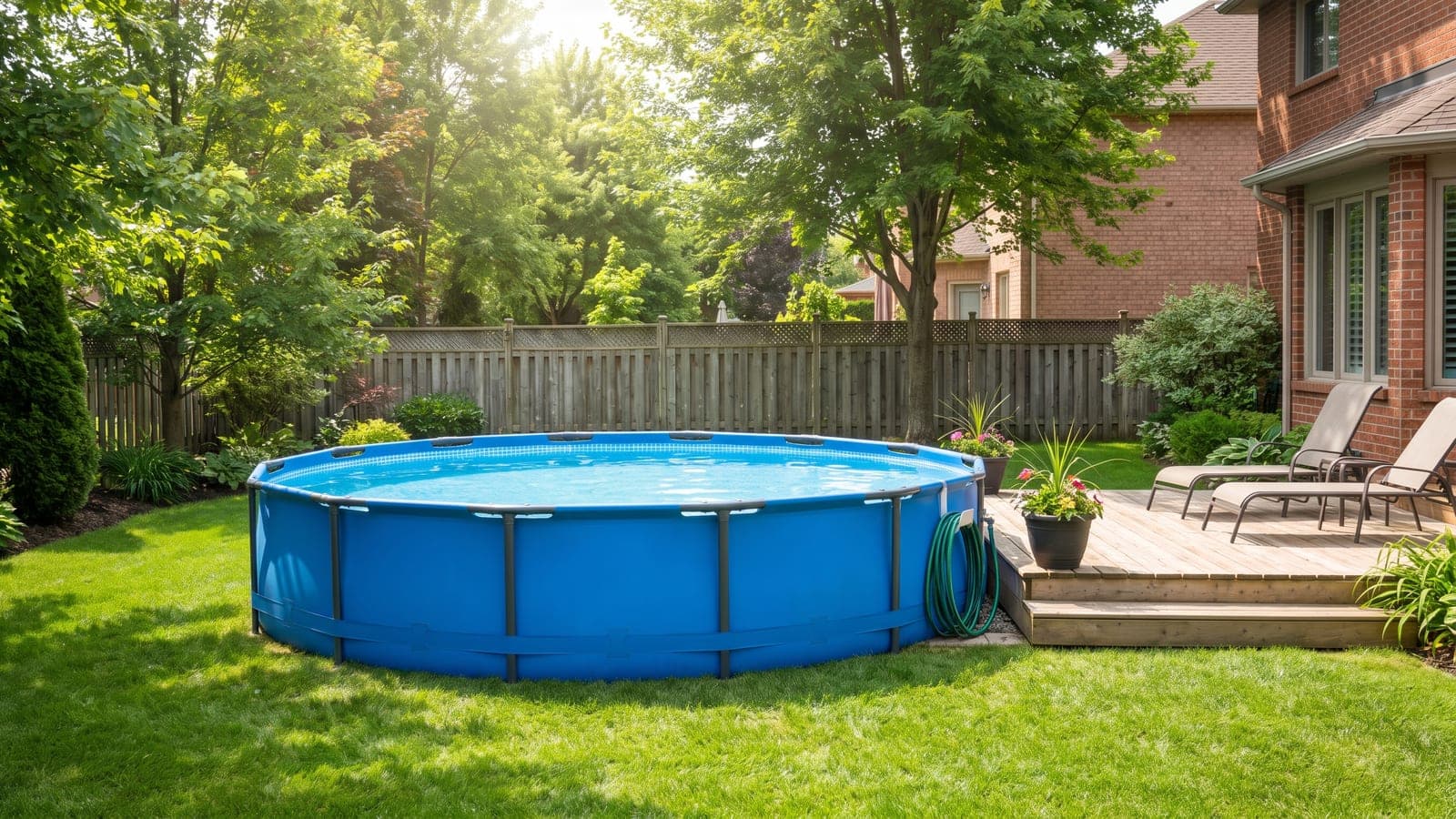
For the widest mix of yards and budgets, the Intex Ultra XTR Frame Pool (18 ft x 48 in) is the safe default. The 18 foot round shape gives several people room to move, and the roughly 48 inch wall is deep enough for adults to cool off without being so deep it worries you with small kids. Intex rates the XTR line for reinforced frames and stronger liners, which owner reports generally back up over multiple seasons.
The tradeoff is prep. A pool this size holds thousands of gallons, so it must go on ground that is flat and firm, ideally with a pad or ground cloth underneath. If your yard slopes, budget time and possibly a load of sand or pavers to level it, because an unlevel wall is the most common cause of early failure.
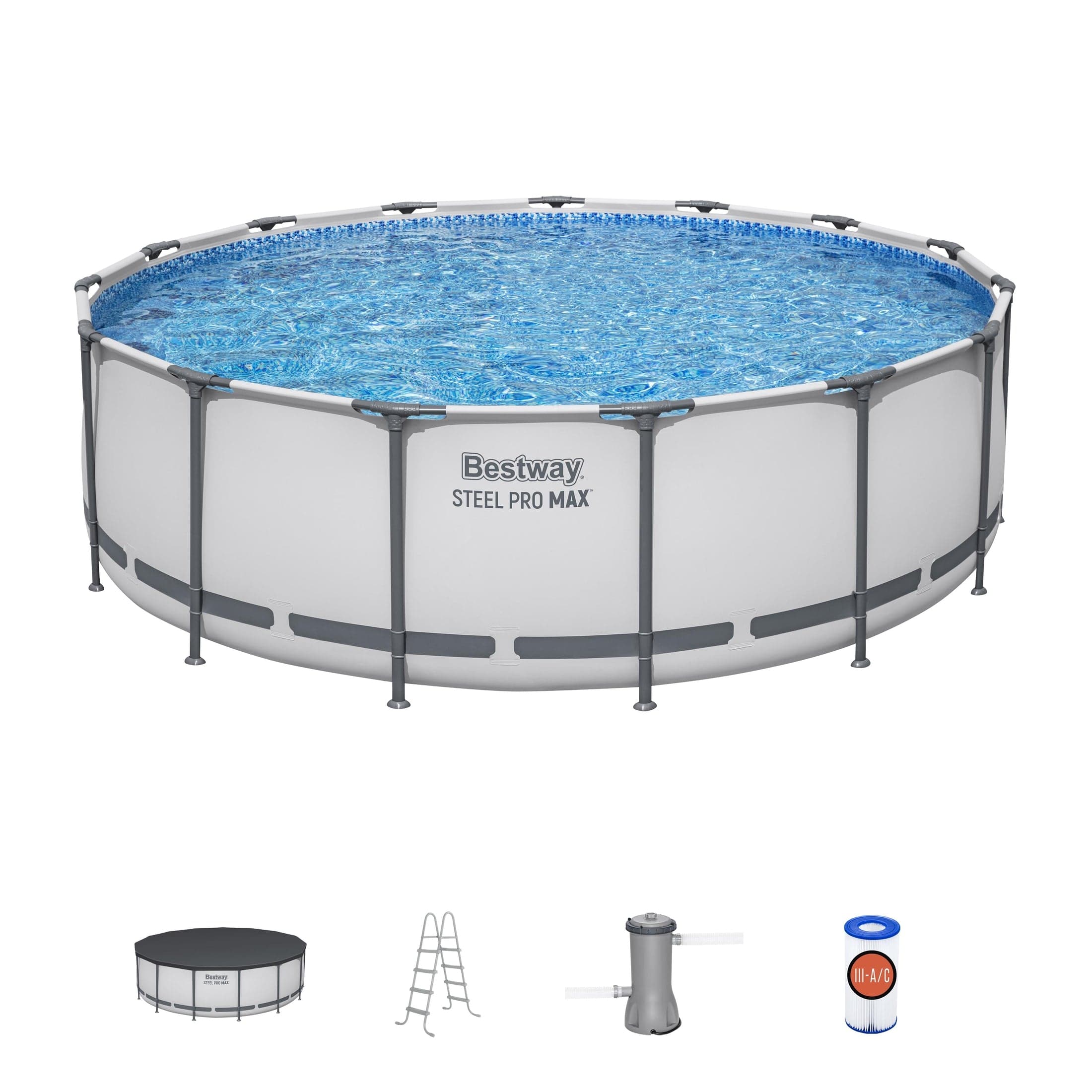
Best value all-rounder: Bestway Steel Pro MAX Pool (14 ft x 48 in)
Budget
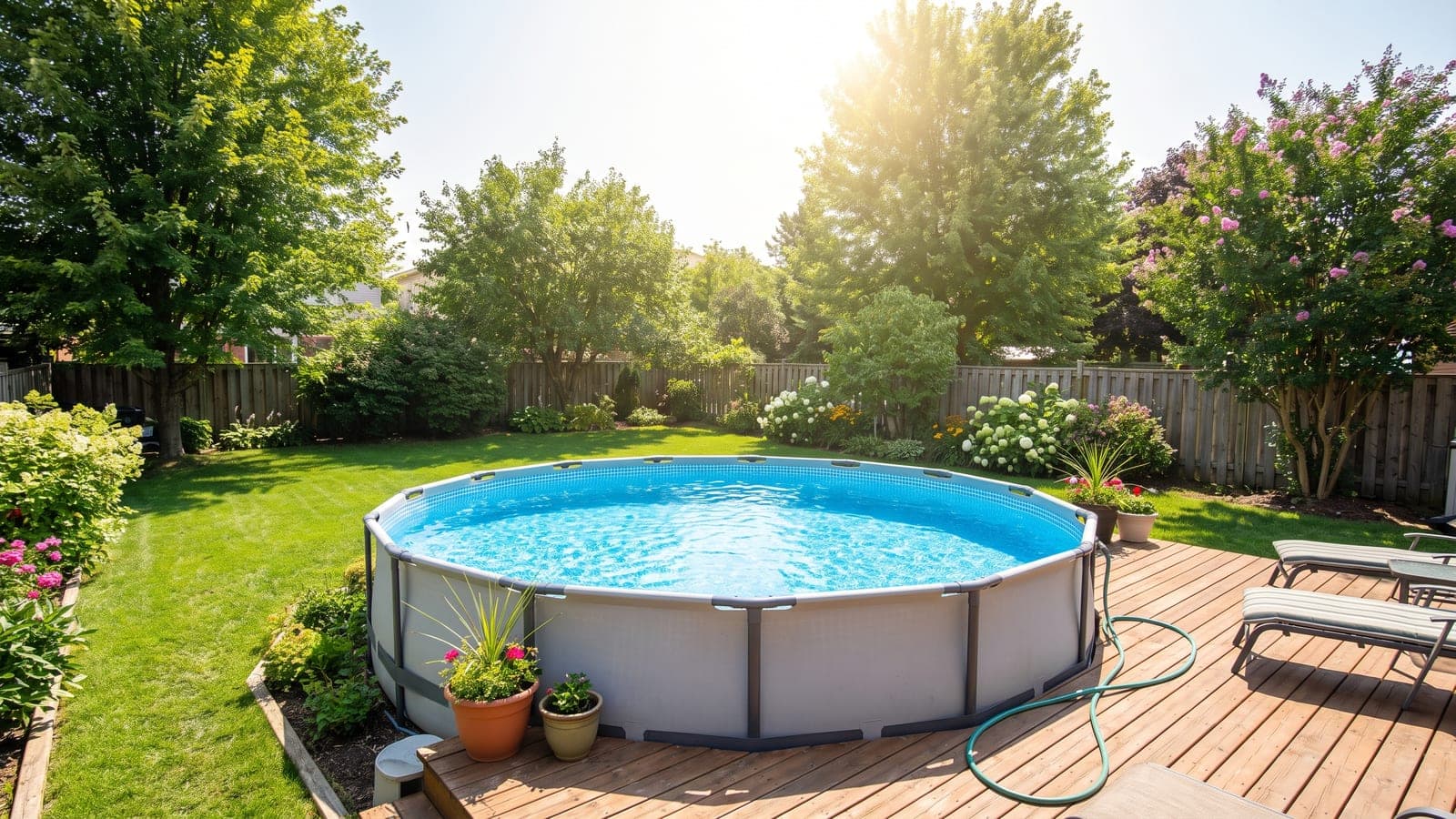
The Bestway Steel Pro MAX Pool (14 ft x 48 in) hits a sweet spot for families who want a real pool without a large-pool price. The 14 foot round takes up less yard than the 18 footers, still gives a near-48 inch depth for grown-ups, and usually ships with a filter pump and ladder to get you started.
The catch is that the included pump and filter are sized to be adequate, not powerful. Many owners run it fine as-is, but if you have a heavy bather load or lots of trees dropping debris, plan on a stronger cartridge or sand filter later. Keep the water tested and balanced and this pool earns its keep. See our pool chemistry basics guide for the routine.
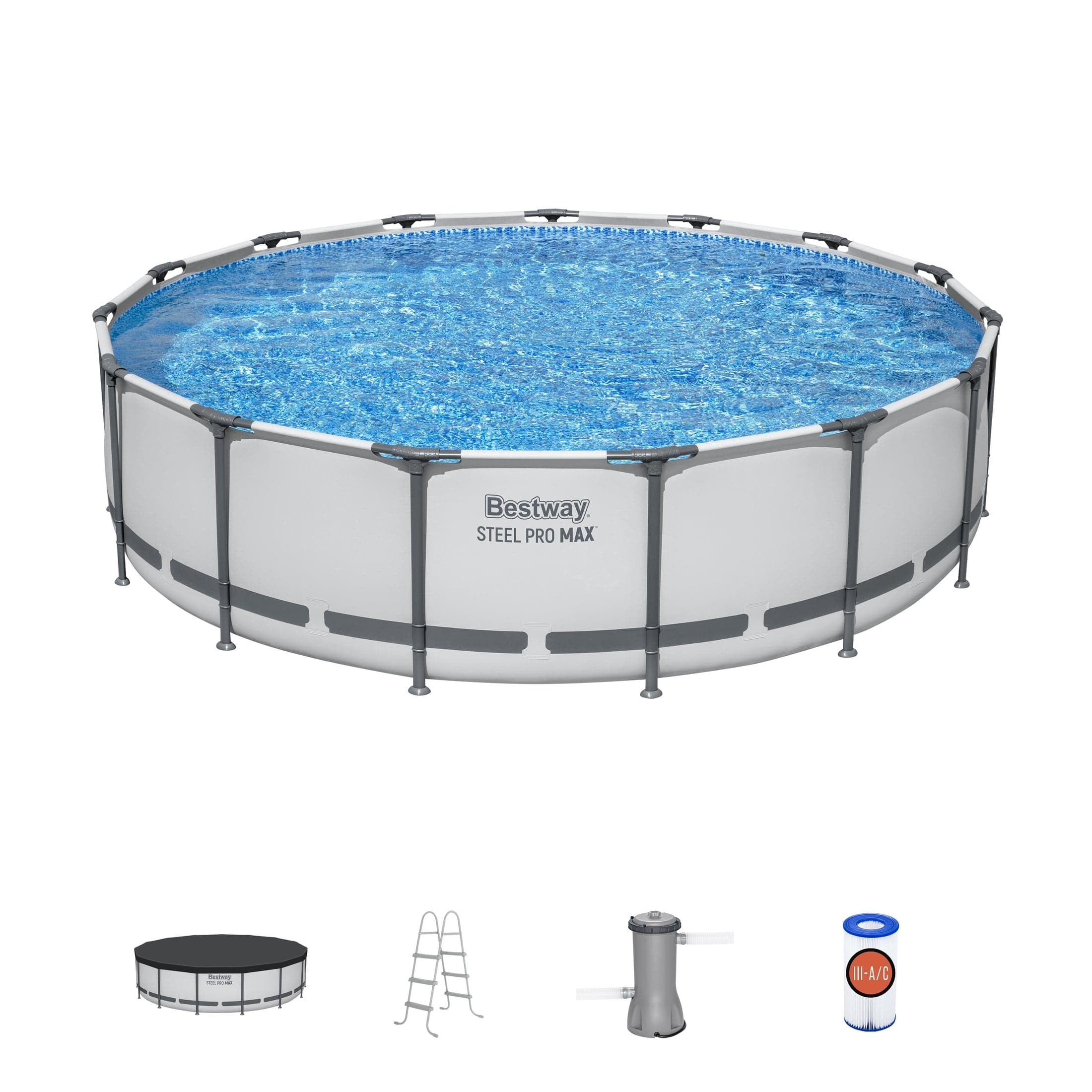
Best for small yards and toddlers: Bestway Steel Pro MAX Pool (12 ft x 30 in)
Budget
If your yard is tight or your swimmers are mostly little, the Bestway Steel Pro MAX Pool (12 ft x 30 in) is the easy pick. The 12 foot round fits patios and small lawns, and the roughly 30 inch wall means shallower water that is friendlier for toddlers under close supervision. It also fills and drains faster, which matters if you plan to take it down each season.
The obvious limit is depth. Adults will not swim in 30 inches, and kids outgrow it in a couple of years. Think of this as a starter or a small-space pool, not a forever pool. If you expect the family to want more water soon, spend up now rather than buying twice.
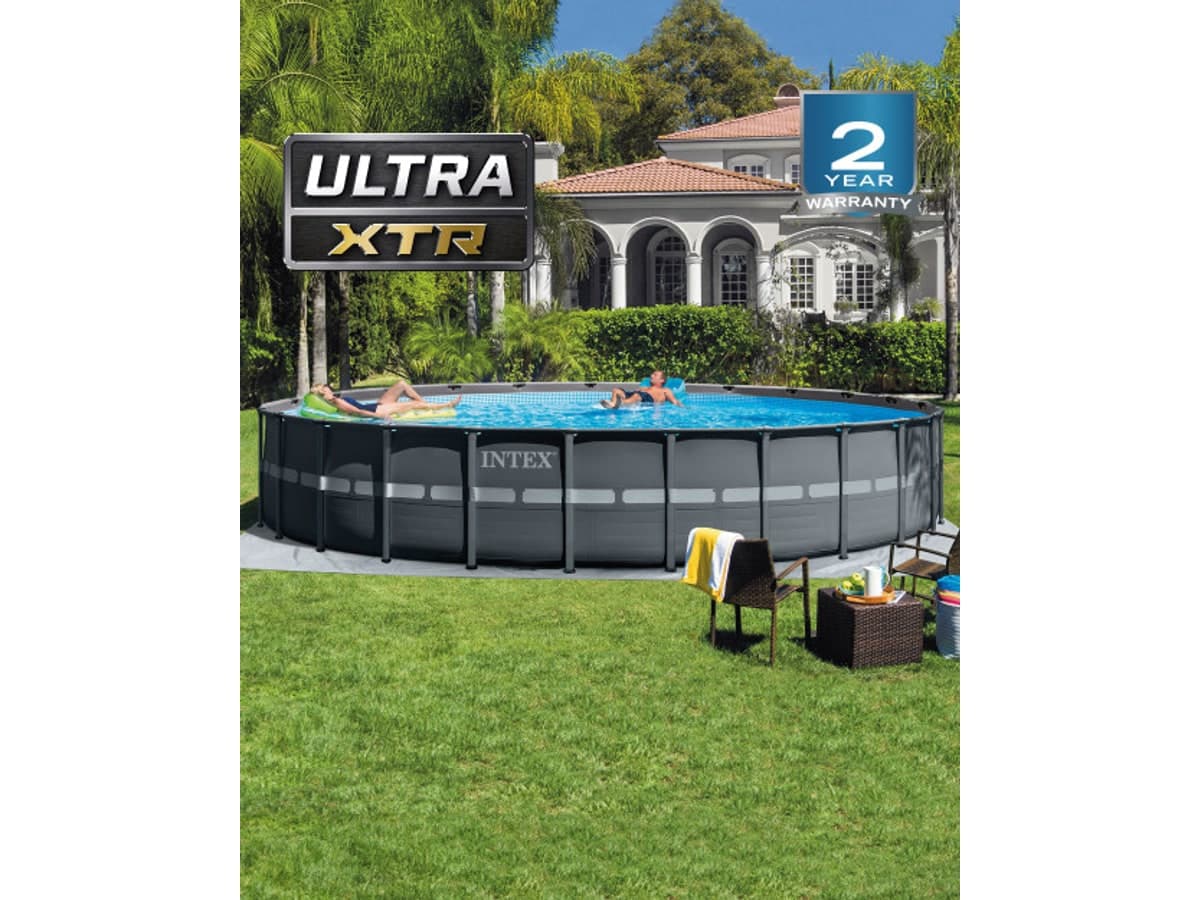
Best for big families who swim: Intex Ultra XTR Frame Pool (24 ft x 52 in)
Premium
When you have a large family and a big flat yard, the Intex Ultra XTR Frame Pool (24 ft x 52 in) delivers close to real-pool volume. The 24 foot round with a roughly 52 inch wall gives adults room to actually swim and floats a crowd on a hot afternoon. The XTR reinforced frame is built for the larger water load.
Two warnings. First, the footprint is genuine backyard real estate, so measure carefully and leave room to walk around all sides. Second, this much water is expensive to fill and takes longer to heat and balance. A pool this size is where a solar cover and a good filter really pay off, and where many owners consider a salt system to cut manual chlorine dosing. Our saltwater maintenance guide covers whether that is worth it for you.
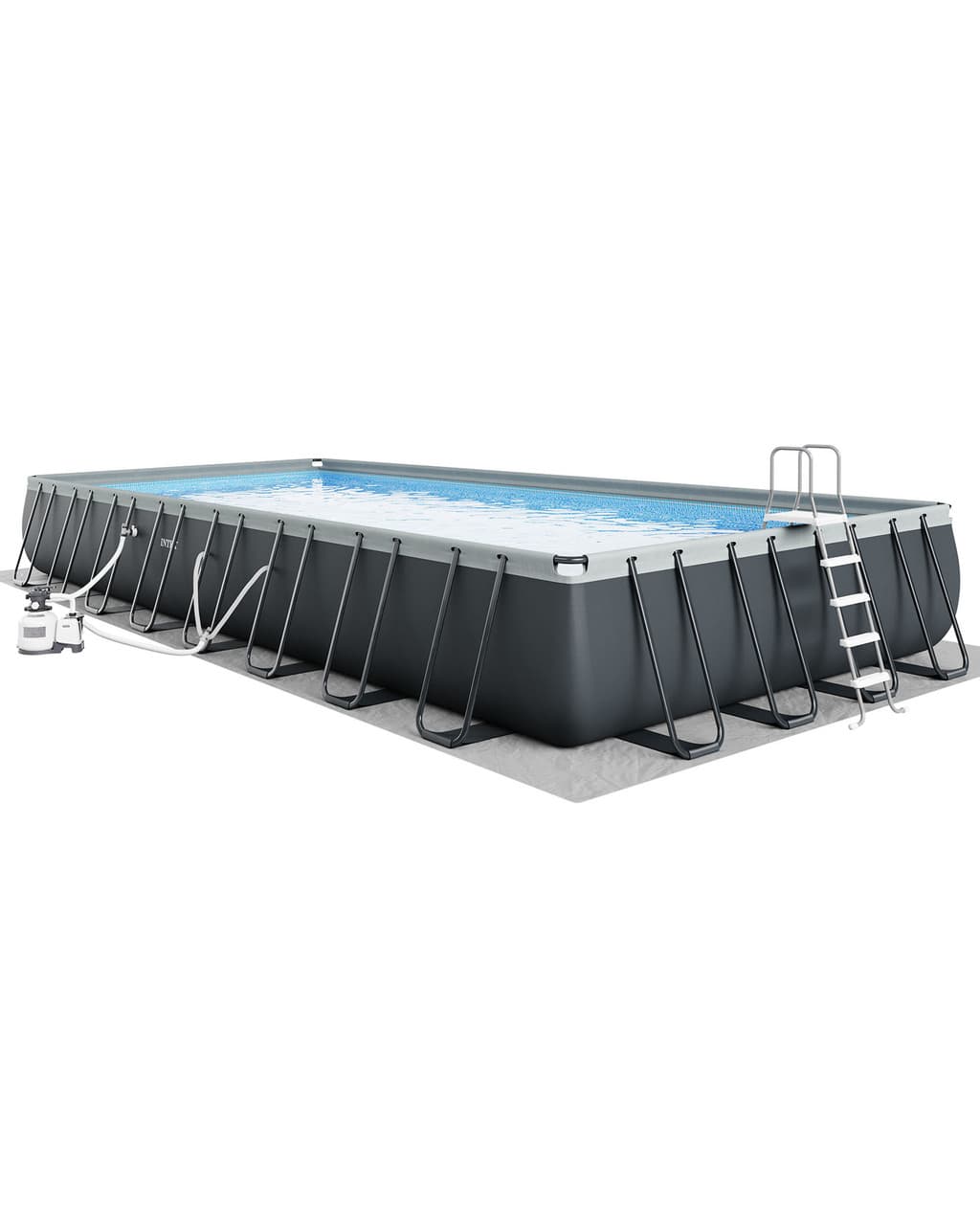
Best for lap-style swimming: Intex Ultra XTR Rectangular Pool (32 ft x 16 ft x 52 in)
Premium
For families who want length to swim rather than a round to lounge in, the Intex Ultra XTR Rectangular Pool (32 ft x 16 ft x 52 in) is the standout. The long rectangular shape suits actual back-and-forth swimming, water games, and larger groups, and the roughly 52 inch depth works for adults.
This is the most demanding pool here to site and maintain. It needs a large, level, firm area, careful frame assembly, and a filtration setup matched to the big volume. If you have the space and want the closest thing to an installed pool without the installation, it is compelling. If your yard or patience is limited, one of the round picks is the smarter buy.
Best for narrow long yards: Bestway Power Steel Oval Pool (16 ft x 10 ft x 42 in)
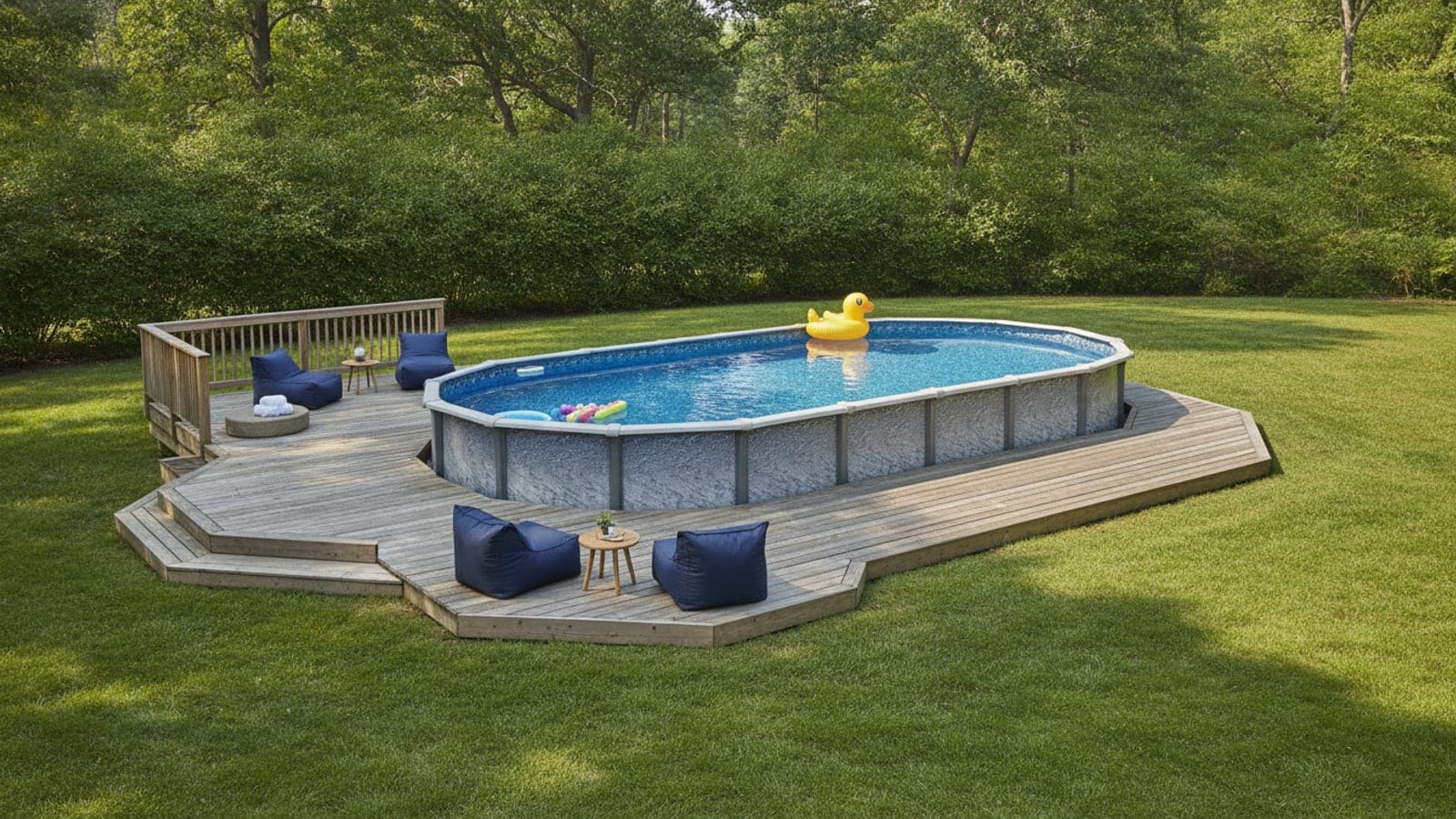
Not every yard is a square, and the Bestway Power Steel Oval Pool (16 ft x 10 ft x 42 in) is built for the long, narrow ones. The oval shape gives more usable swimming length than a same-area round while fitting between a fence and a walkway. The roughly 42 inch wall is a comfortable middle depth for mixed-age families.
The tradeoff with ovals is leveling. Oval frames rely on side supports and are less forgiving of uneven ground than a round pool, so the prep work matters even more here. Get the base flat and firm and this shape uses an awkward yard well.
What to buy alongside the pool
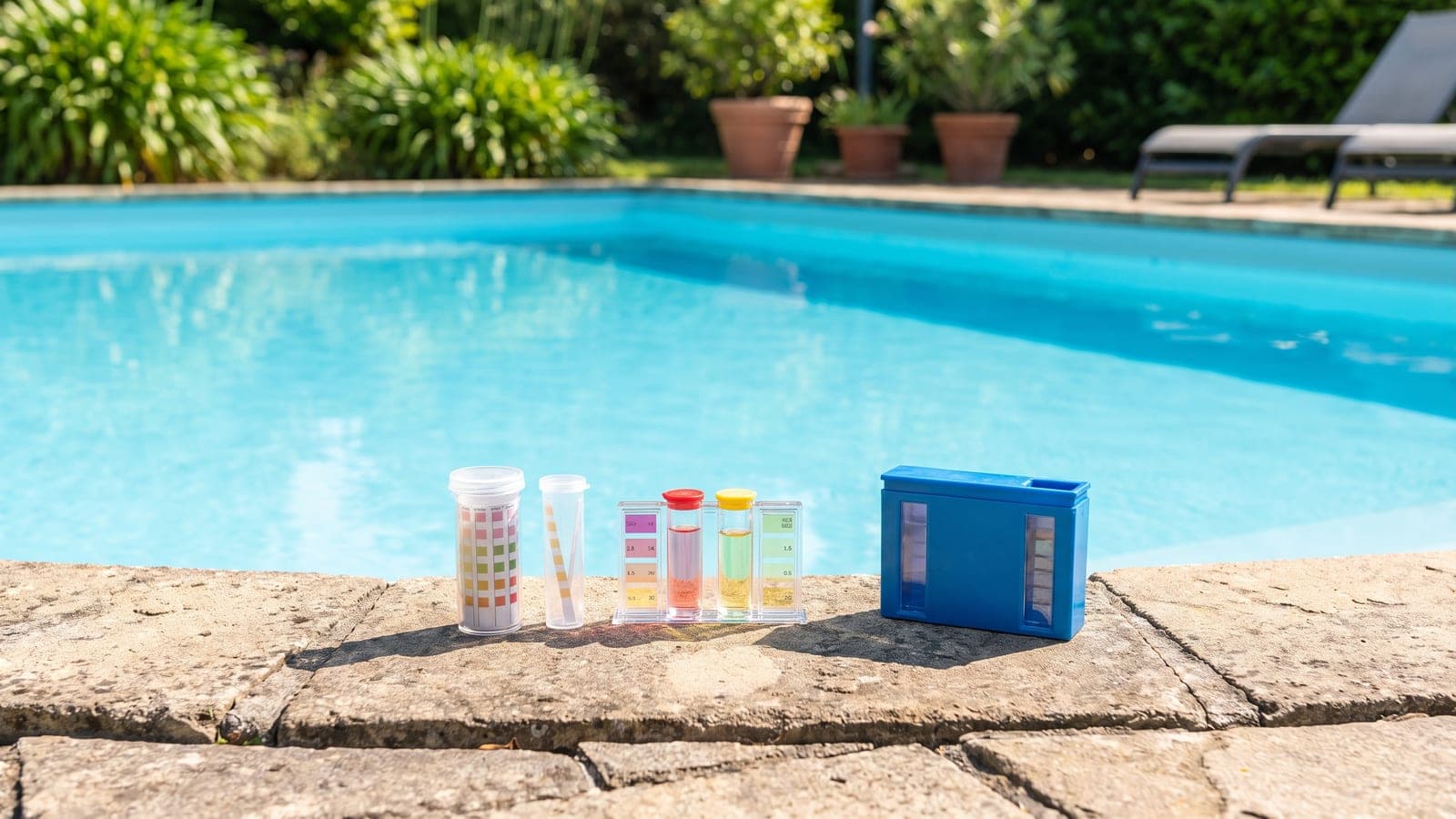
The pool is only part of the cost. Plan for a ground cloth or foam pad, a stronger filter if your kit's is basic, a test kit, and a solar cover to hold heat and cut evaporation. A lockable or removable ladder is not optional with kids around.
Browse the full lineup on our above-ground pools page to compare sizes side by side, and run the numbers with the calculator above before you buy. If your family is also eyeing a hot tub, the same test-and-balance habits carry over, and our hot tub maintenance guide keeps that simple too.
Whichever you pick, the deciding factors are the same: level ground, a filter matched to the water volume, and a safety plan you actually follow. Get those right and almost any pool on this list makes a good family summer.
Frequently asked questions
How big of an above-ground pool do I need for a family of four?
For general splashing and cooling off, most families of four are happy with a round pool in the 14 to 18 foot range. If you want room to actually swim laps or float several people at once, look at 24 foot round or a large rectangular model. It depends on how much yard you can spare and how level the ground is.
Are metal frame pools safe for kids?
They are safe when set up on level ground, filled correctly, and supervised. The bigger risk with any pool is unsupervised access, not the frame itself. Use a lockable or removable ladder and follow the CPSC and Pool Safely drowning-prevention guidance.
How long do these above-ground pools last?
Owner reports vary a lot, from two or three seasons up to eight or more, depending on the model, sun exposure, and winter care. Steel-framed pools with reinforced liners tend to outlast simpler pools. Draining and storing seasonal pools each winter, or winterizing permanent ones, extends their life.
Do I need a special pump or can I use the one it comes with?
Most kits include a pump and filter sized for that pool's volume, which is fine to start. Larger pools benefit from a stronger cartridge or sand filter, and some owners upgrade after year one. Check the manual for the flow rating and cartridge type before buying replacements.
How do I keep the water clean without a chemistry degree?
Test the water a couple of times a week and keep chlorine and pH in range. Our pool chemistry basics guide walks through it in plain English, and saltwater is an option if you prefer fewer manual chlorine additions. It really does depend on your bather load and how much sun the pool gets.