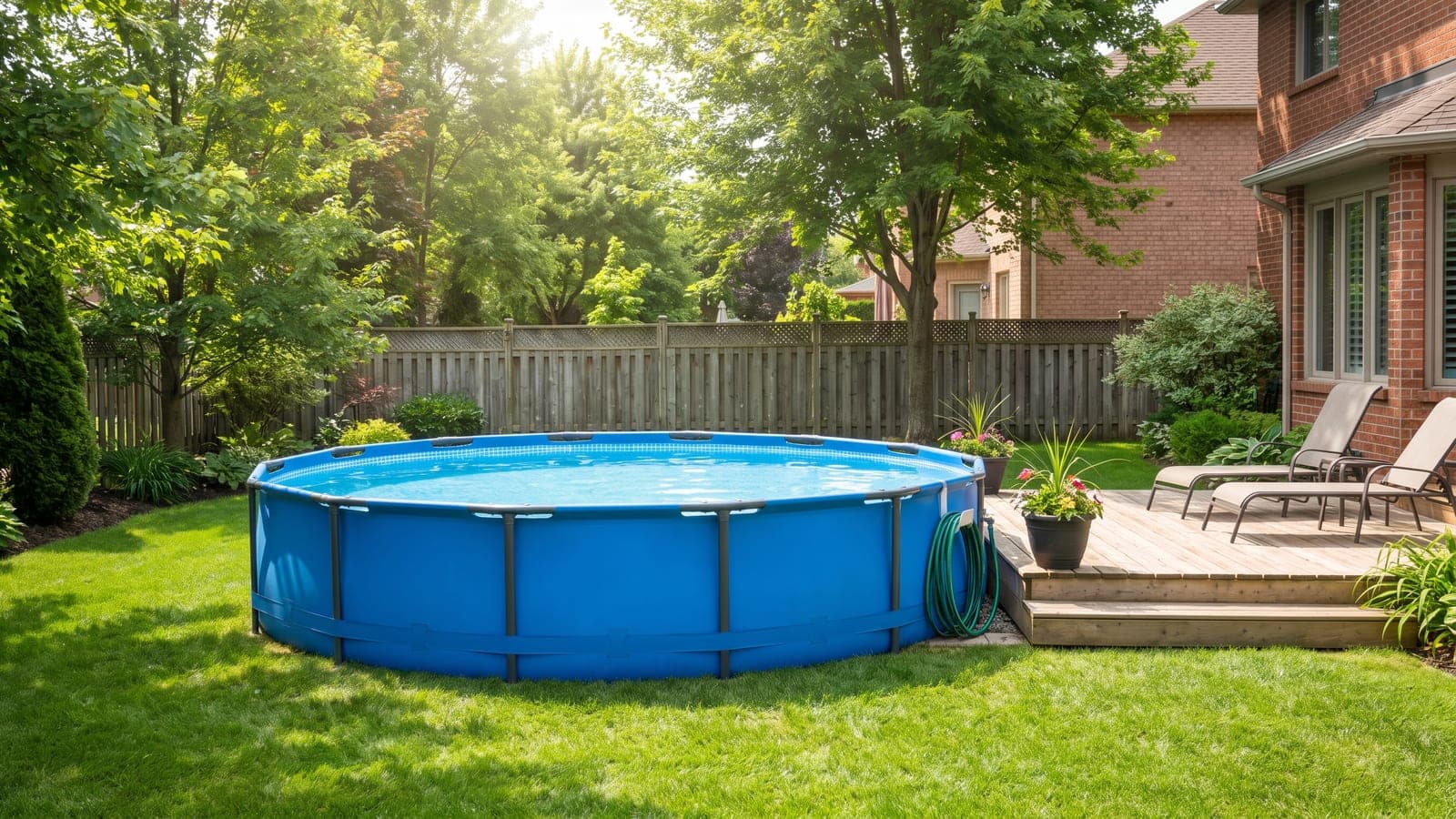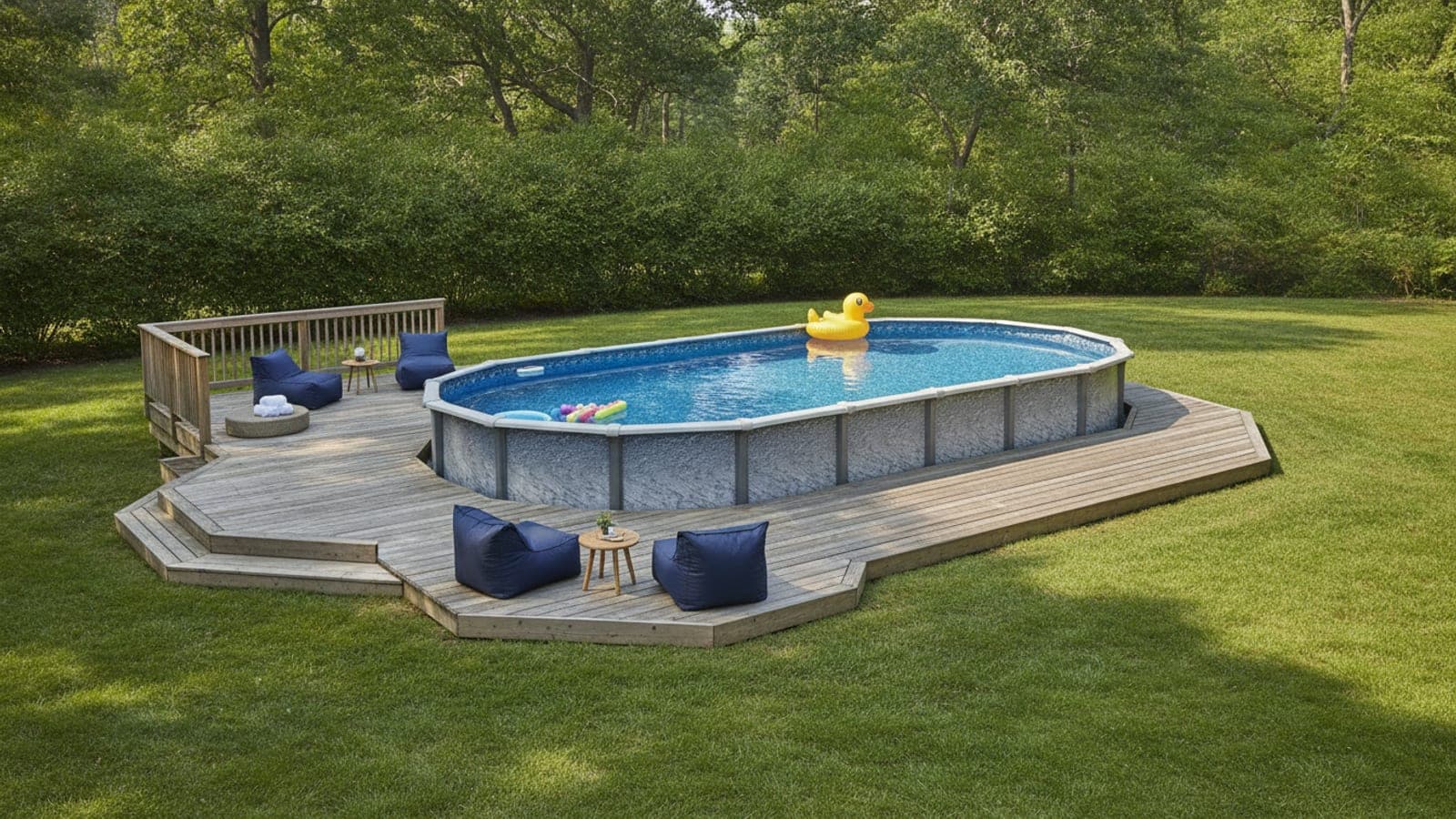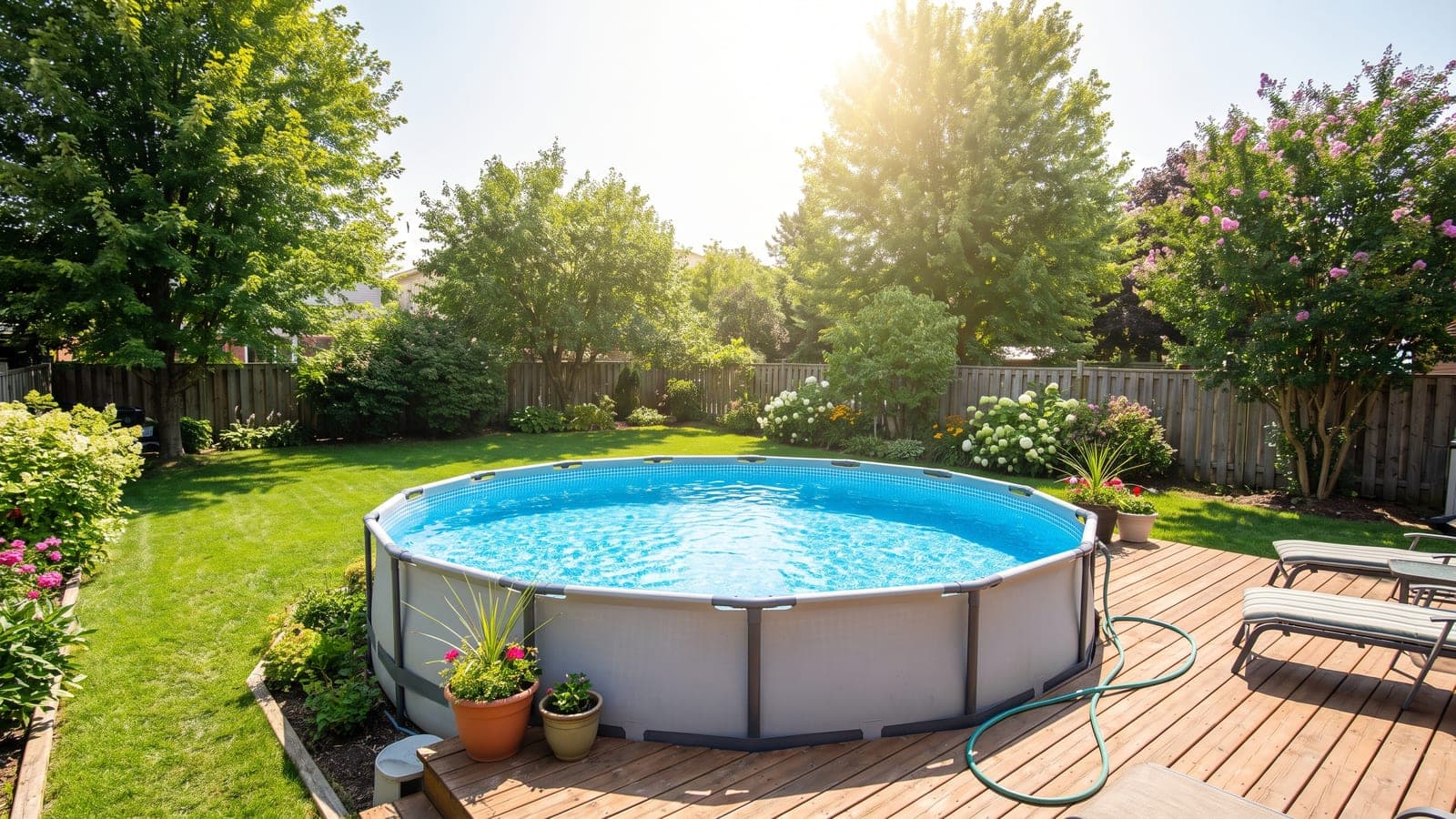
The best above-ground pools you can leave up all year are rigid steel-frame models, because their metal-strut walls handle freeze and soil pressure that soft inflatable-ring pools cannot. For most backyards, an Intex Ultra XTR Frame Pool (18 ft x 52 in) hits the sweet spot: big enough to swim in, tall enough for real depth, and built on a galvanized steel frame that stays put through a winterized off-season. Below are six picks by size, shape, and budget, so you can match the pool to your yard and your climate.
A quick honesty note. "Leave up all year" does not mean "ignore all year." Even a sturdy frame pool needs proper winterizing, a good cover, and a check on your model's rated freeze and snow limits in the manual. See the full lineup on our above-ground pools page.
| Pick | Best for | Watch out for |
|---|---|---|
| Intex Ultra XTR Frame Pool (18 ft x 52 in) | Most backyards, all-year | Needs level ground and a real cover |
| Bestway Steel Pro MAX Pool (14 ft x 48 in) | Value, smaller yards | Thinner frame, watch snow load |
| Intex Ultra XTR Frame Pool (26 ft x 52 in) | Big families, large lots | Heavy water bill to heat and treat |
| Intex Ultra XTR Rectangular Pool (32 ft x 16 ft x 52 in) | Lap-style swimming | Large footprint, higher cost |
| Bestway Power Steel Oval Pool (16 ft x 10 ft x 42 in) | Narrow or long yards | Oval bracing needs flat ground |
| Bestway Steel Pro MAX Pool (12 ft x 30 in) | Budget, kids, tight space | Shallow, not a swim pool |
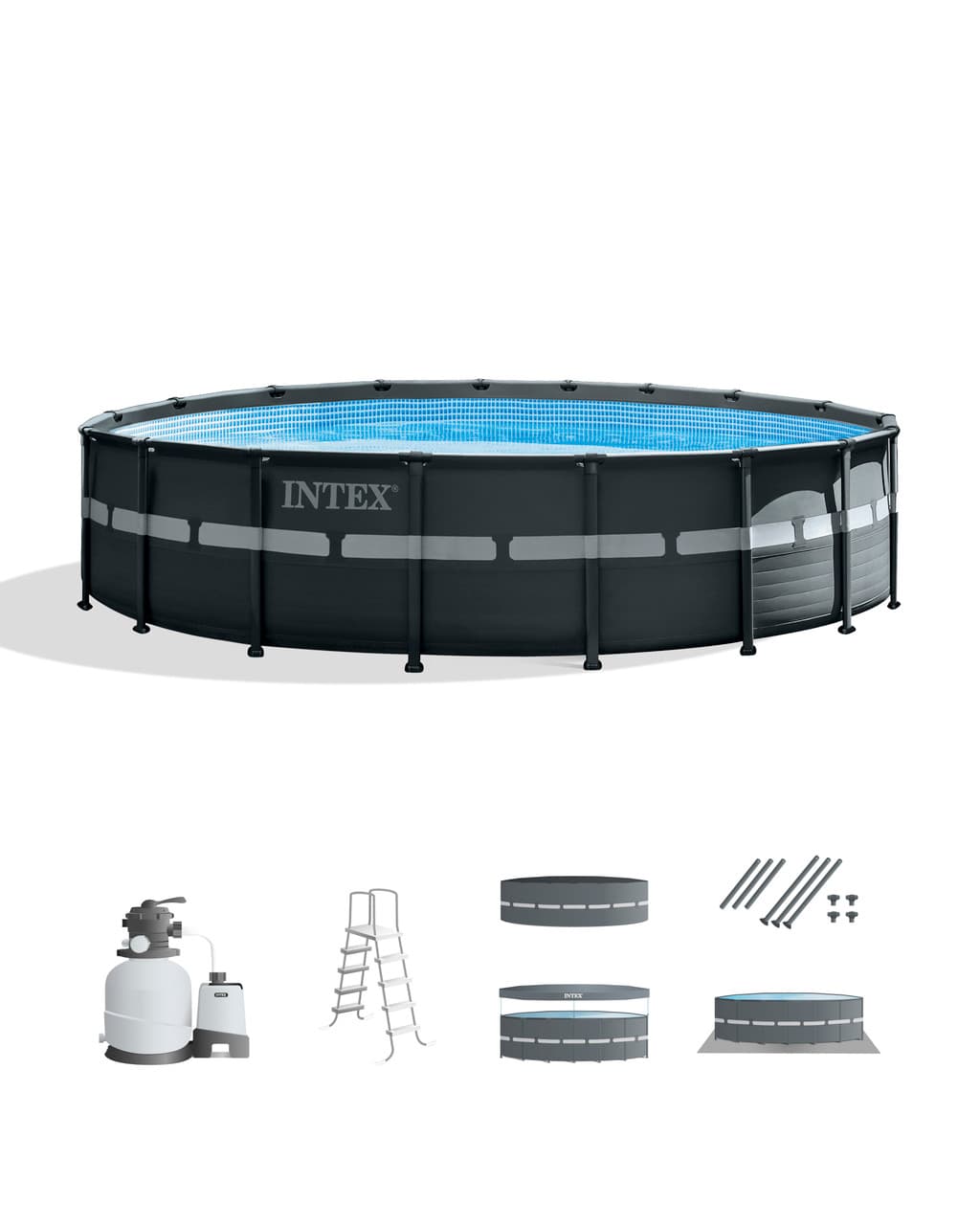
Best overall: Intex Ultra XTR Frame Pool (18 ft x 52 in)
Mid-range
This is the pool most people should get if they want to set it up once and keep it standing. The XTR line uses a galvanized steel frame and a heavier three-ply liner than Intex's entry pools, and the 52-inch wall gives you enough depth to actually float and swim. At 18 feet round it fits a lot of yards without eating the whole lawn.
The tradeoff is prep. You need genuinely level ground (a couple of inches of slope will stress a corner over a winter), and you should budget for a solid winter cover and an air pillow. Owner reports are generally strong on frame durability when the base is level, and weaker when it is not, so the ground work matters more than the pool.
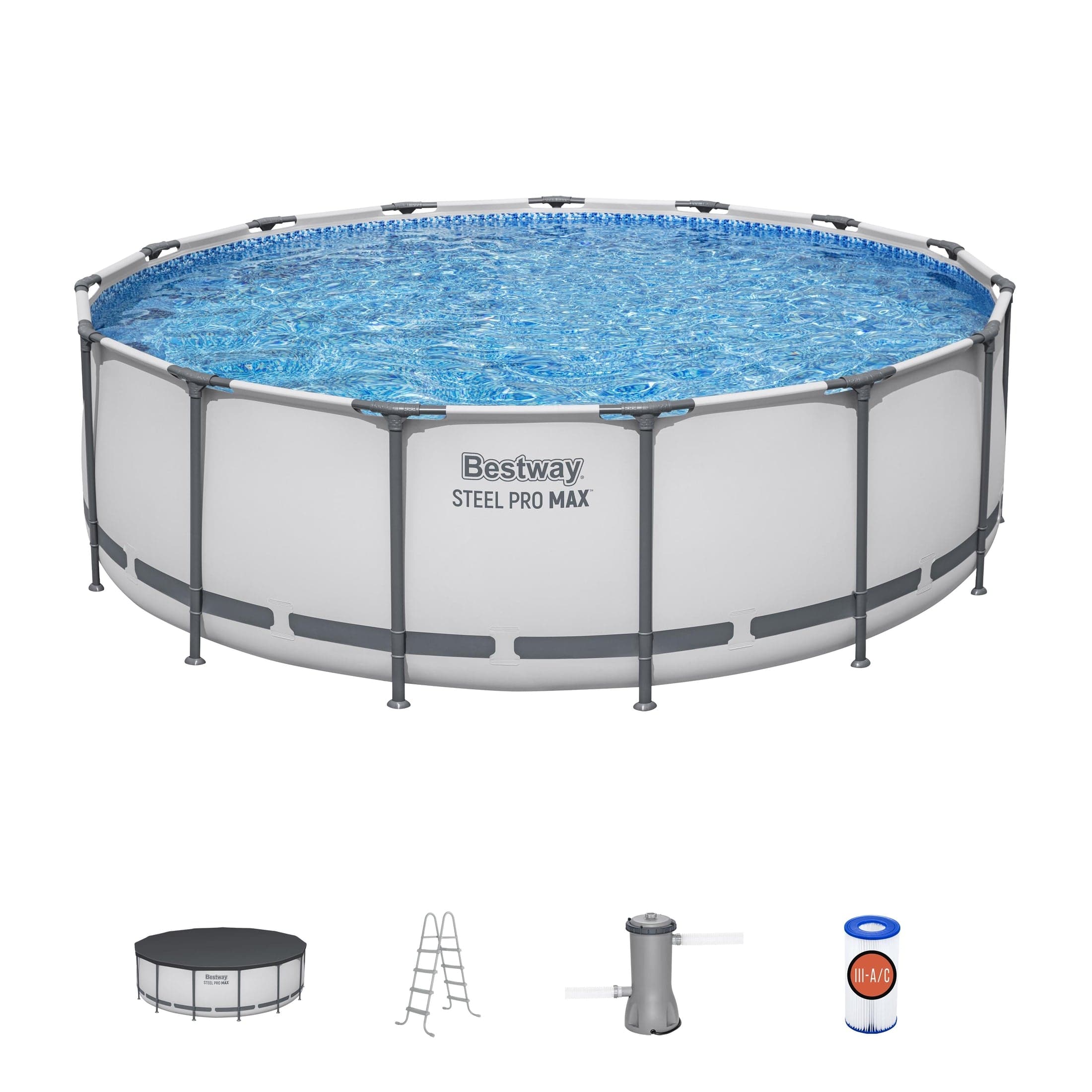
Best value: Bestway Steel Pro MAX Pool (14 ft x 48 in)
Budget
If you want a leave-it-up pool without the top-tier price, this is a sensible middle. The 48-inch wall is deep enough for adults to enjoy, 14 feet round suits a modest yard, and the steel-frame design is far better suited to an off-season than any inflatable-ring pool.
Watch the snow load if you are in a heavy-winter region. Value frame pools use lighter struts than premium lines, so an air pillow to shed snow off the cover and occasional raking become important. Check the manual for the rated limits before you assume it will shrug off a blizzard.
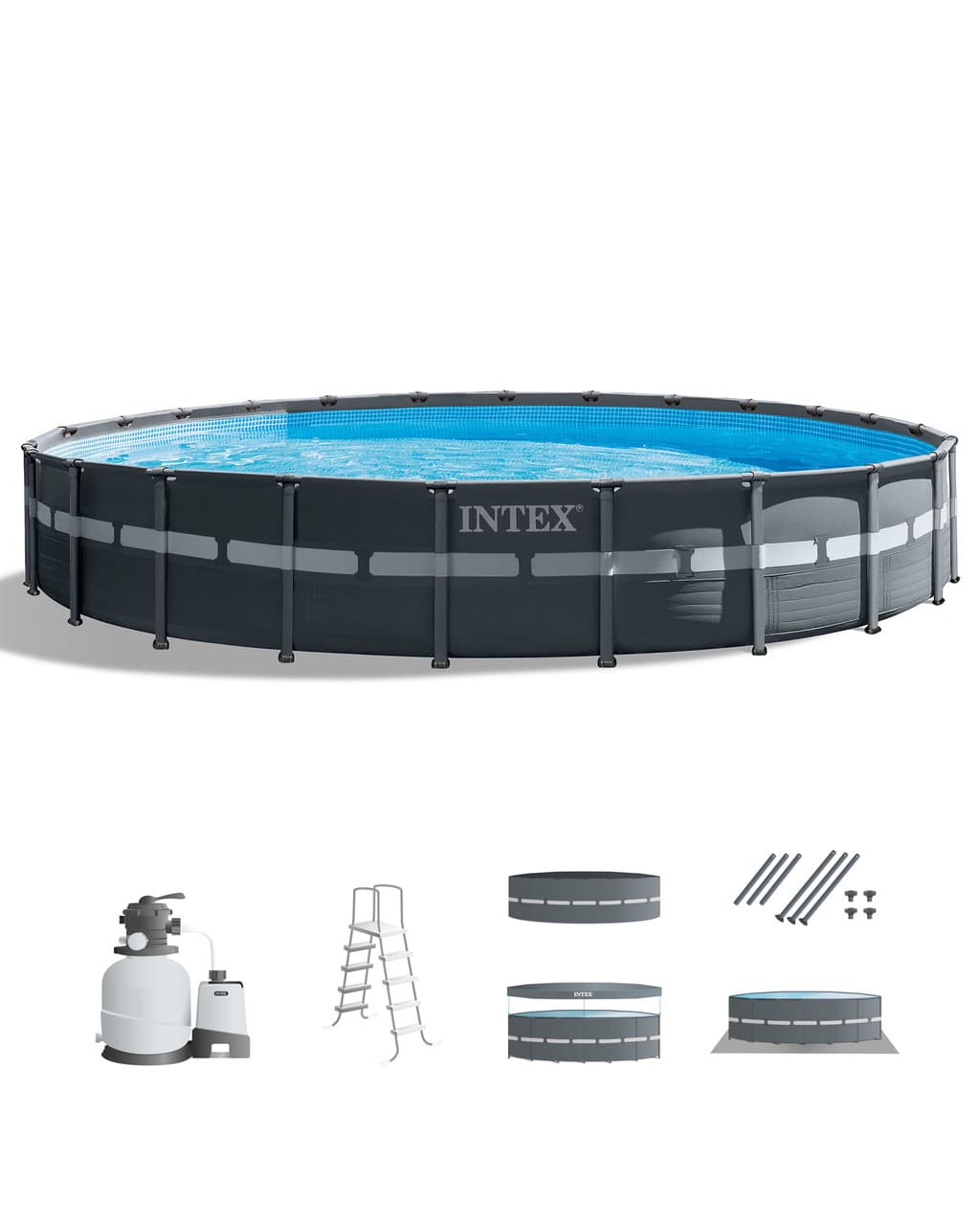
Best for big families: Intex Ultra XTR Frame Pool (26 ft x 52 in)
Premium
When you have the lot and the crowd, size wins. At 26 feet round with a 52-inch wall, this holds a large volume of water, which is both the appeal and the catch. More water means more room to swim and steadier chemistry, since a big volume resists the wild pH and chlorine swings a small pool gets on a hot afternoon.
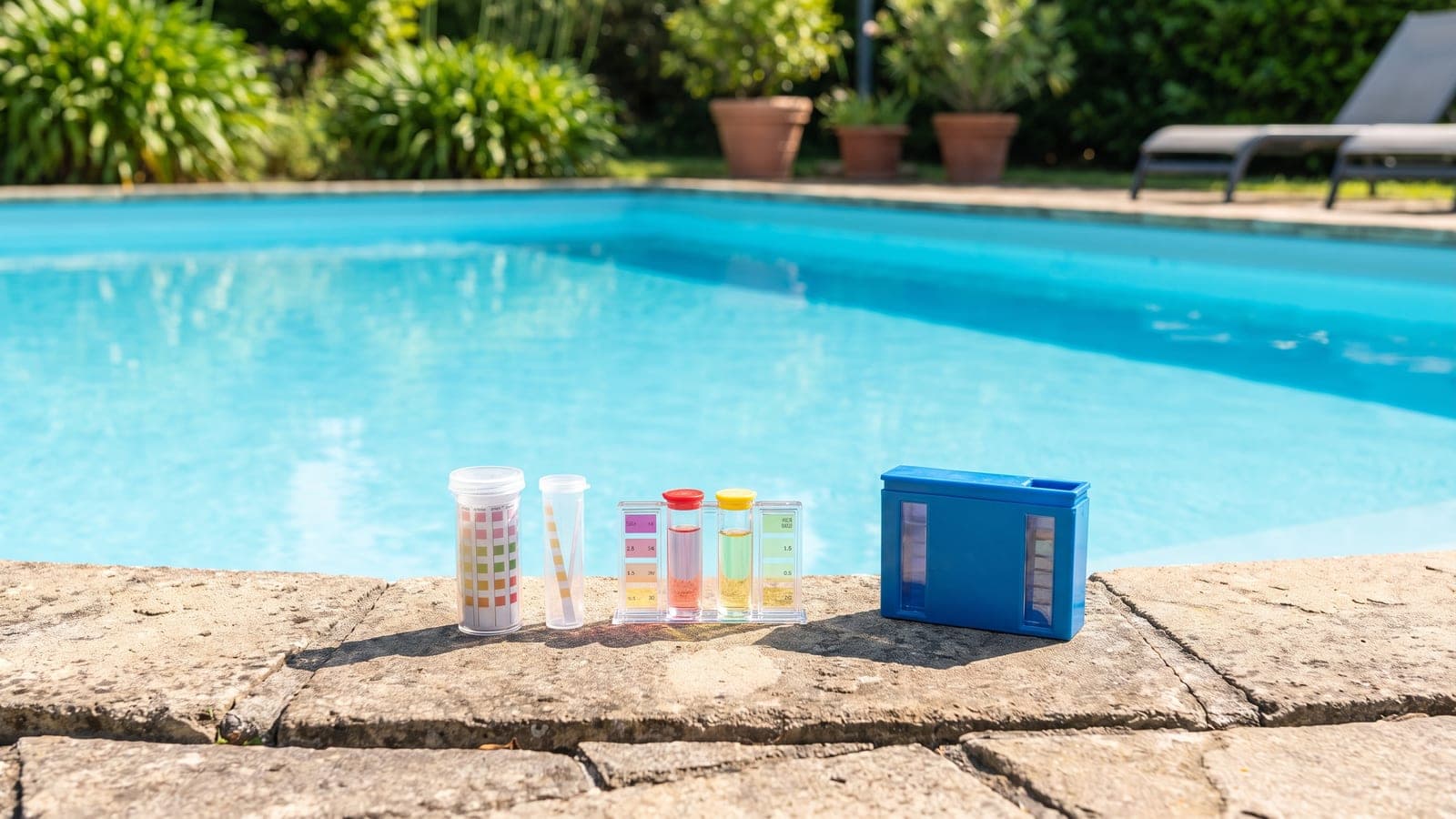
The catch is running cost. More gallons cost more to heat, more chemicals to balance, and more time to circulate, so a right-sized filter and a heater plan matter. If chemistry feels intimidating, start with our pool chemistry basics guide before the pool arrives.
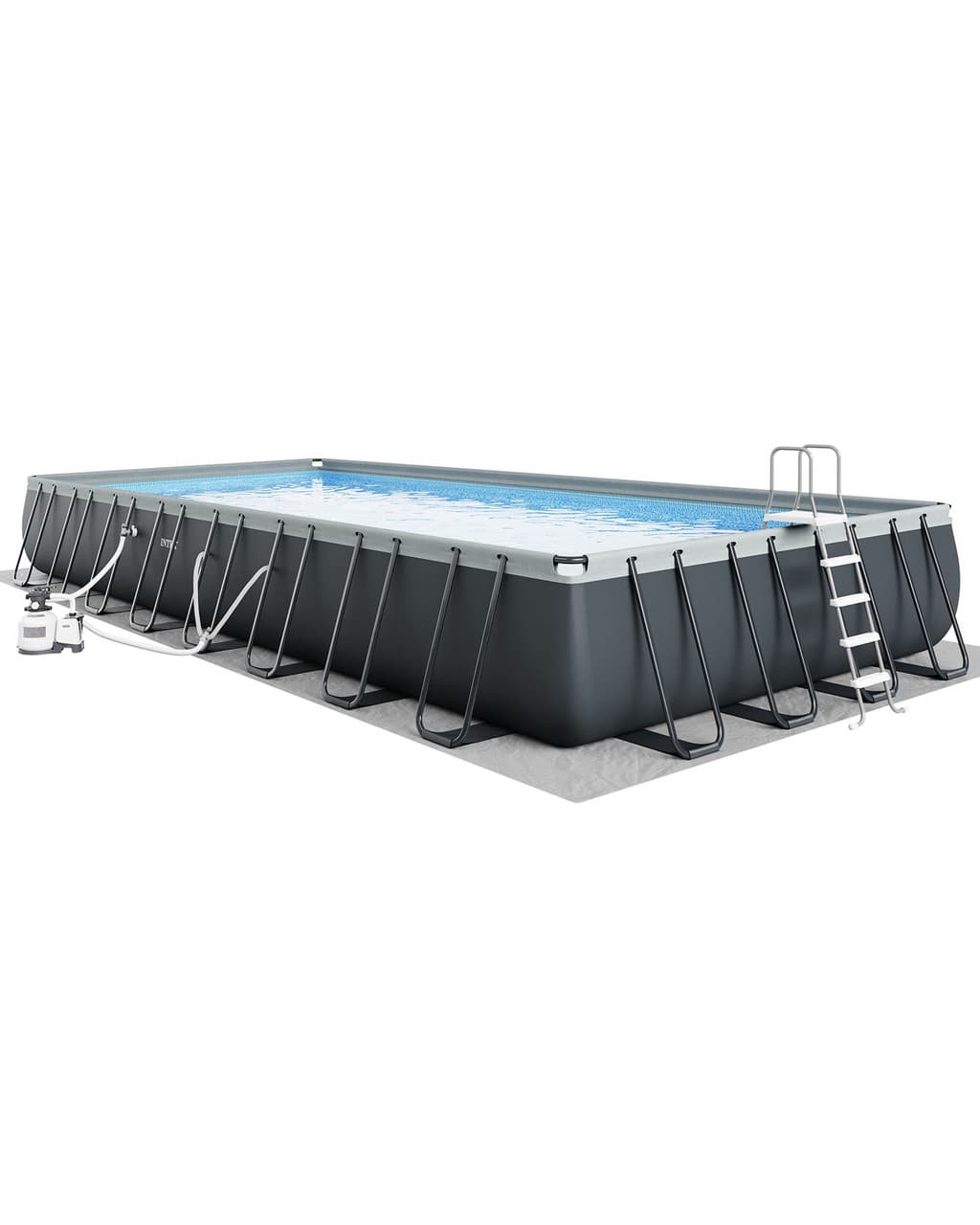
Best for lap-style swimming: Intex Ultra XTR Rectangular Pool (32 ft x 16 ft x 52 in)
Premium
Round pools are great for lounging, but if you want to swim in something closer to a straight line, the rectangular XTR is the pick here. The 32 by 16 foot footprint and 52-inch wall give you a genuine swimming lane and a deep, roomy shape that a round pool of similar area cannot match.
Two tradeoffs. It needs a large, flat, well-prepared area, and rectangular frames carry more corner stress than round ones, so leveling is not optional. It is also one of the pricier options to fill, treat, and heat, so plan the equipment before you commit the yard.
Best for narrow yards: Bestway Power Steel Oval Pool (16 ft x 10 ft x 42 in)
Oval pools solve a common problem: a yard that is long but not wide. At 16 by 10 feet, this Power Steel model tucks into a strip of yard where a big round pool would never fit, while still giving a usable swim area. The steel frame keeps it in the leave-up category rather than the seasonal-inflatable one.
The 42-inch wall is shallower than the 52-inch pools, so it is more of a cool-off and play pool than a deep swimmer. Ovals also rely on side bracing that needs genuinely flat, firm ground, so skimping on the base will show up as an uneven wall by spring.
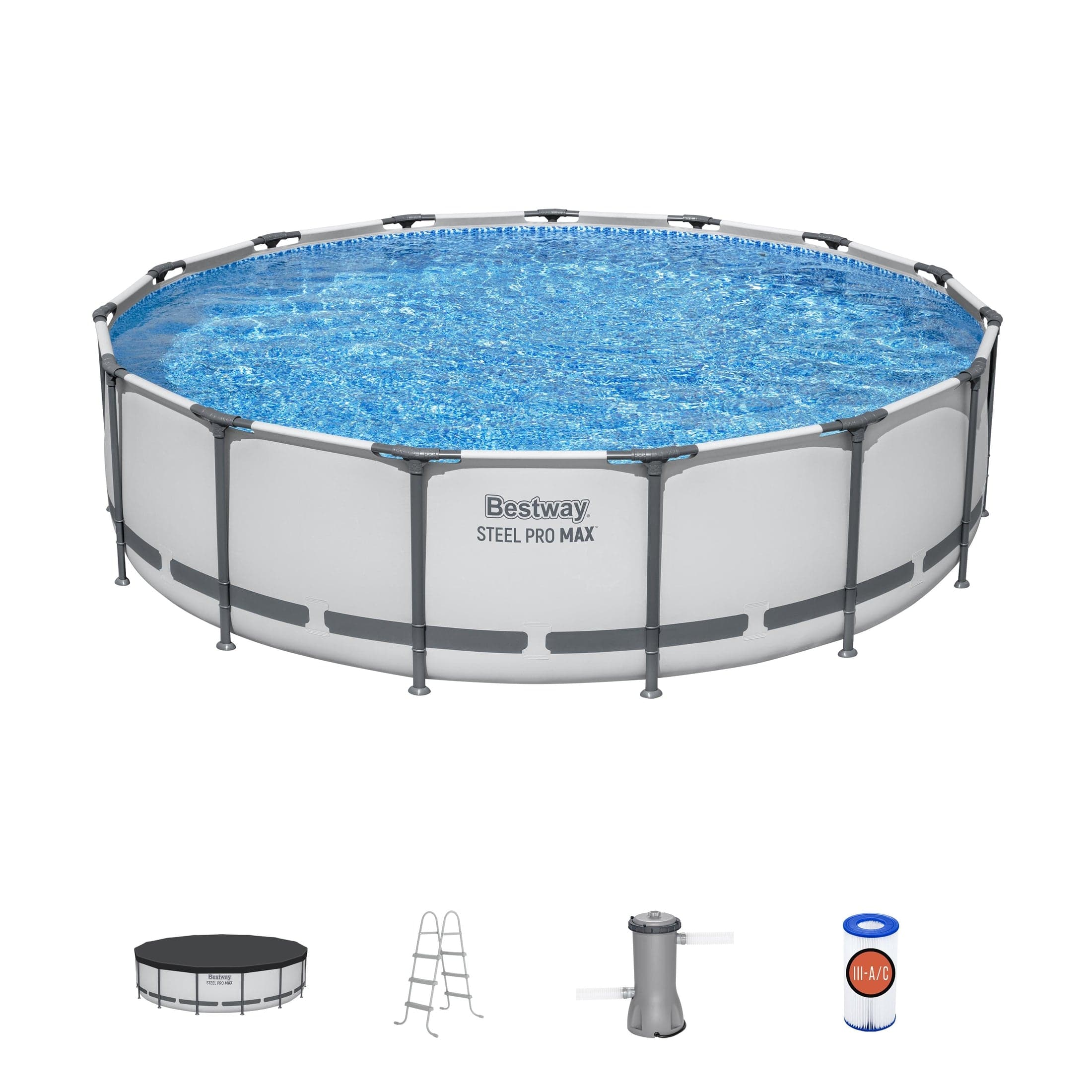
Best budget and small-space: Bestway Steel Pro MAX Pool (12 ft x 30 in)
Budget
For a tight patio, a young family, or a first pool, this is the low-cost entry. At 12 feet round with a 30-inch wall, it sets up fast, uses less water, and costs the least to fill and treat. It is a steel-frame design, so with proper winterizing it can stay up rather than being torn down each fall.
The obvious tradeoff is depth. A 30-inch wall is a splash-and-cool pool, not a swim pool, and shallow water heats and swings chemistry fast, so you will test more often. If you later want a spa instead, our hot tub maintenance guide covers that path.
How to actually leave one up all year
Whatever you pick, three things decide whether it survives the off-season. First, level ground, since an unlevel frame is the most common cause of winter wall failure. Second, a real winter cover plus an air pillow to keep snow and ice from pooling dead-center. Third, correct water level: lower it below the skimmer and return, but do not fully drain, because the remaining water braces the walls.
Safety is not seasonal. A standing pool is a year-round drowning risk, so keep the ladder removed or locked when the pool is unattended, secure the cover, and follow layered barriers. The CPSC drowning-prevention toolkit at https://www.cpsc.gov/safety-education/neighborhood-safety-network/toolkits/drowning-prevention and https://www.poolsafely.gov/ both lay out the fencing, alarm, and supervision steps worth reading before your first fill.
If you plan to run a salt system to cut down on hand-dosing, know that the salt cell and chlorinator add a few winterizing steps of their own. Our saltwater pool maintenance guide walks through what to drain, remove, and store so the equipment is ready again in spring.
Frequently asked questions
Can you really leave an above-ground pool up all winter?
Yes, if it is a rigid steel-frame pool and you winterize it properly. Soft-sided inflatable-ring pools are not built for freeze loads and should come down. Always follow your model's manual, because rated snow and freeze limits vary.
Do I have to drain it for winter?
In most freezing climates you lower the water below the skimmer and return, not drain it fully. Water left in the pool actually helps brace the walls against soil pressure. Draining an above-ground pool completely in winter can let the liner shift or the walls collapse, so check your manual first.
How much snow can these frames hold?
It depends entirely on the model, and most consumer steel-frame pools are not rated for heavy standing snow load. Use an air pillow under the cover to shed snow and ice, and rake heavy accumulation off. If you get deep snow, ask the manufacturer for the rated limit.
Which pool is easiest to keep clean all year?
Round pools with a simple cartridge or sand filter are the least fussy for most backyards. Bigger water volume is more forgiving on chemistry swings but costs more to heat and treat. Salt systems reduce hands-on dosing but add equipment to winterize.
Do I need a fence around an above-ground pool?
Often yes, and rules vary by town, so check your local code before you buy. At minimum, remove or lock the ladder when the pool is unattended and use a safety cover. See CPSC and Pool Safely for layered drowning-prevention steps.