Above-ground pools usually last about 5 to 15 years, and where your pool lands in that range comes down to the type you bought, how you treat the water, and your winters. A budget soft-sided pool might give you three or four good summers. A well-built steel-wall pool with balanced water and a cover can push past a decade.
Lifespan is really two clocks running at once. The frame and wall are one clock, and the liner is the other. The liner almost always wears out first, so knowing that split is the key to getting your money's worth.
How long does each type of above-ground pool last?
Not all above-ground pools age the same way. The build quality sets the ceiling.
Inflatable and simple ring pools are the shortest-lived, often 2 to 5 years. They are thin, they flex constantly, and sun degrades the material fast.
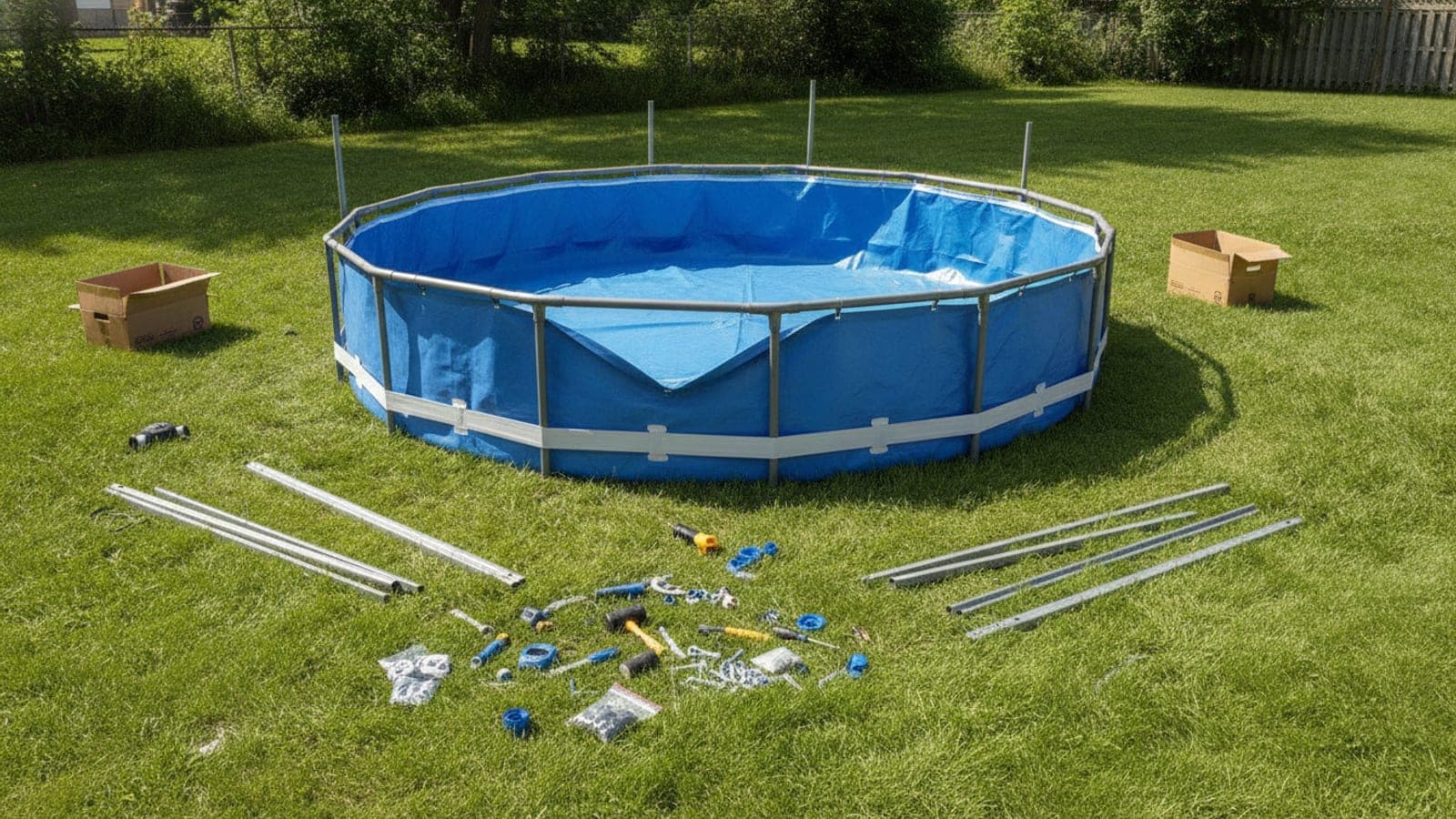
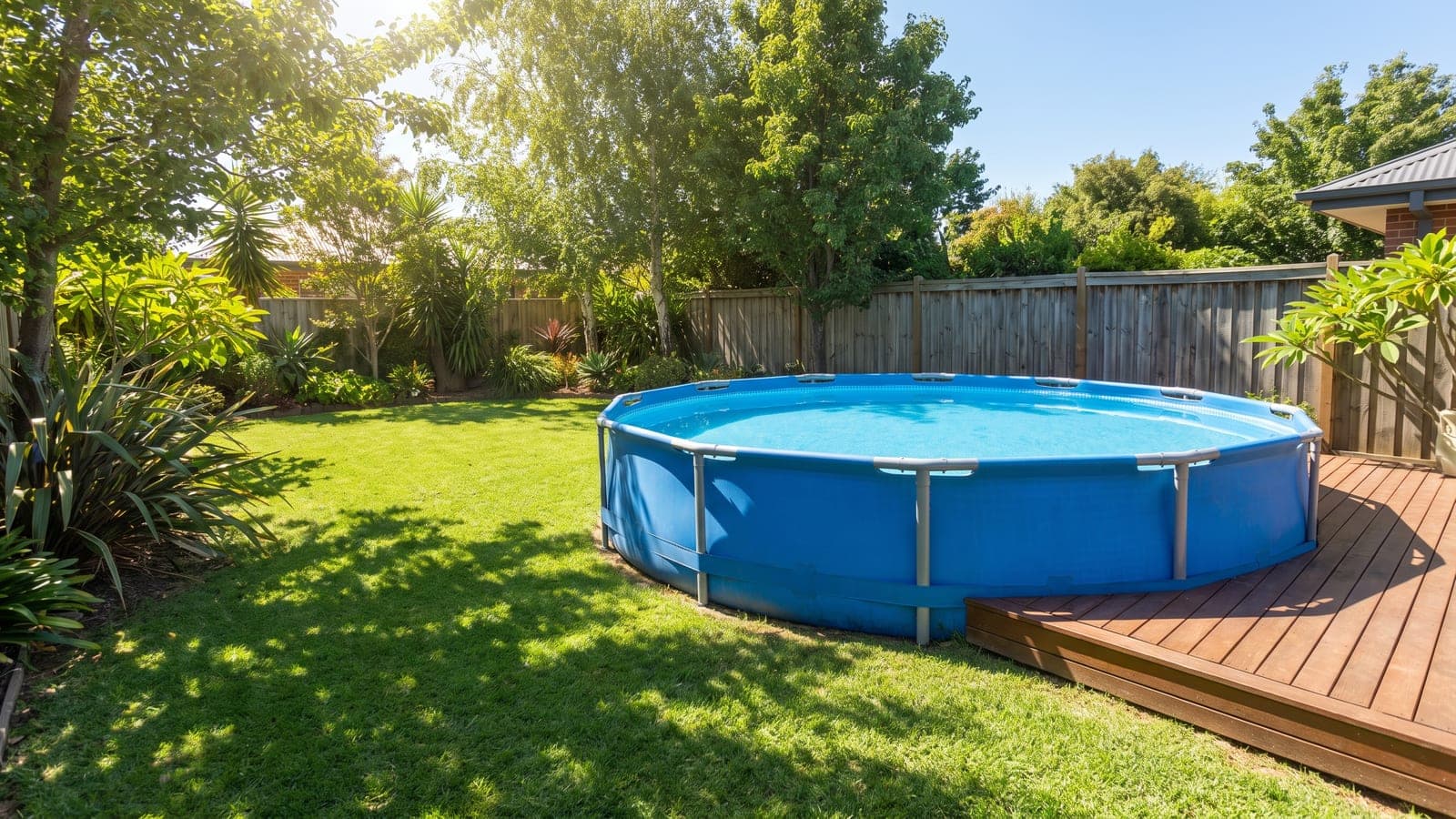
Metal-frame pools, the kind with a printed liner stretched over a pipe frame, tend to run 4 to 8 years. Something like the Intex Prism Frame Pool (18 ft x 48 in) fits here: solid for the price, but the liner and frame connectors are the weak points over time.
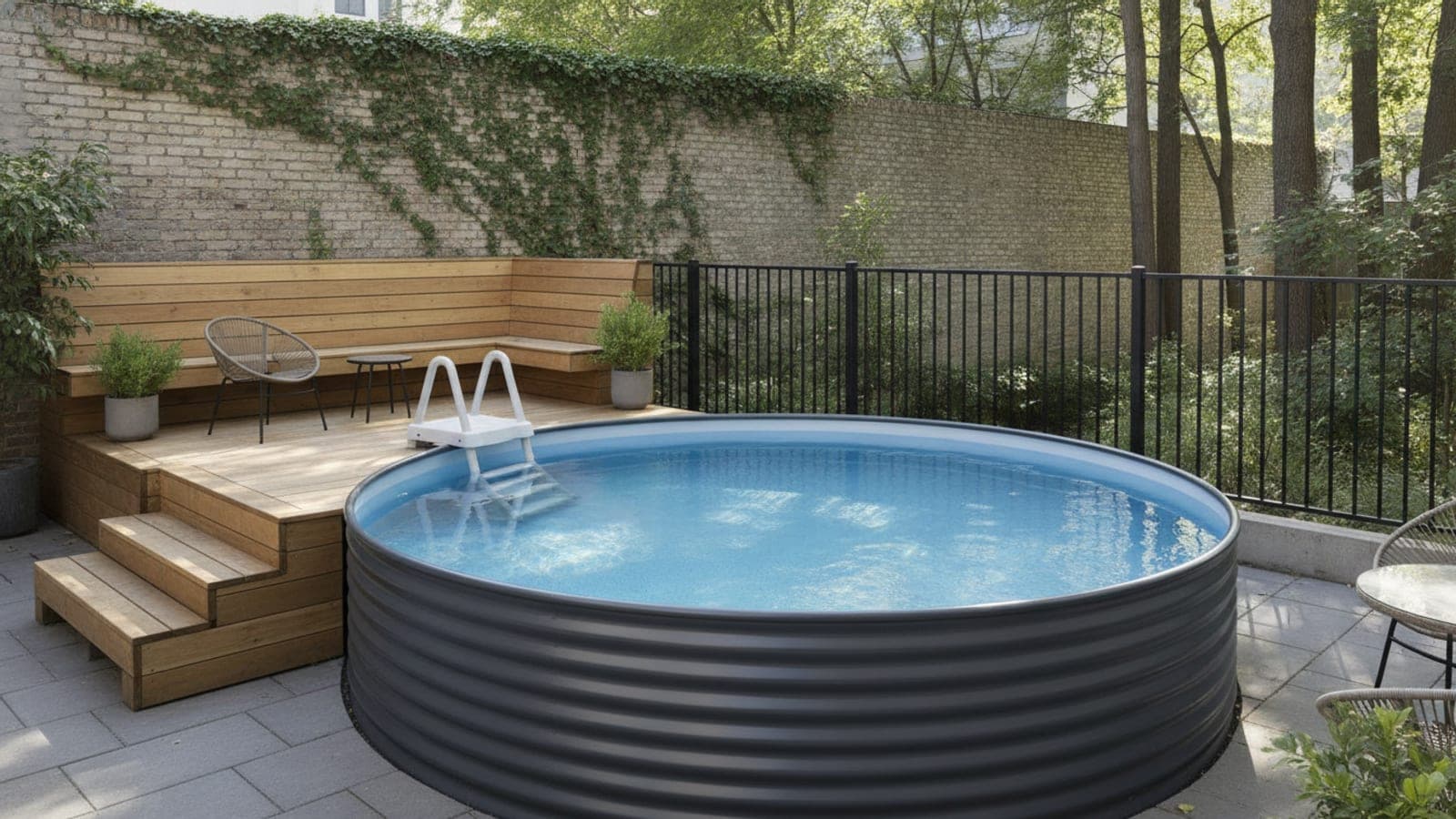
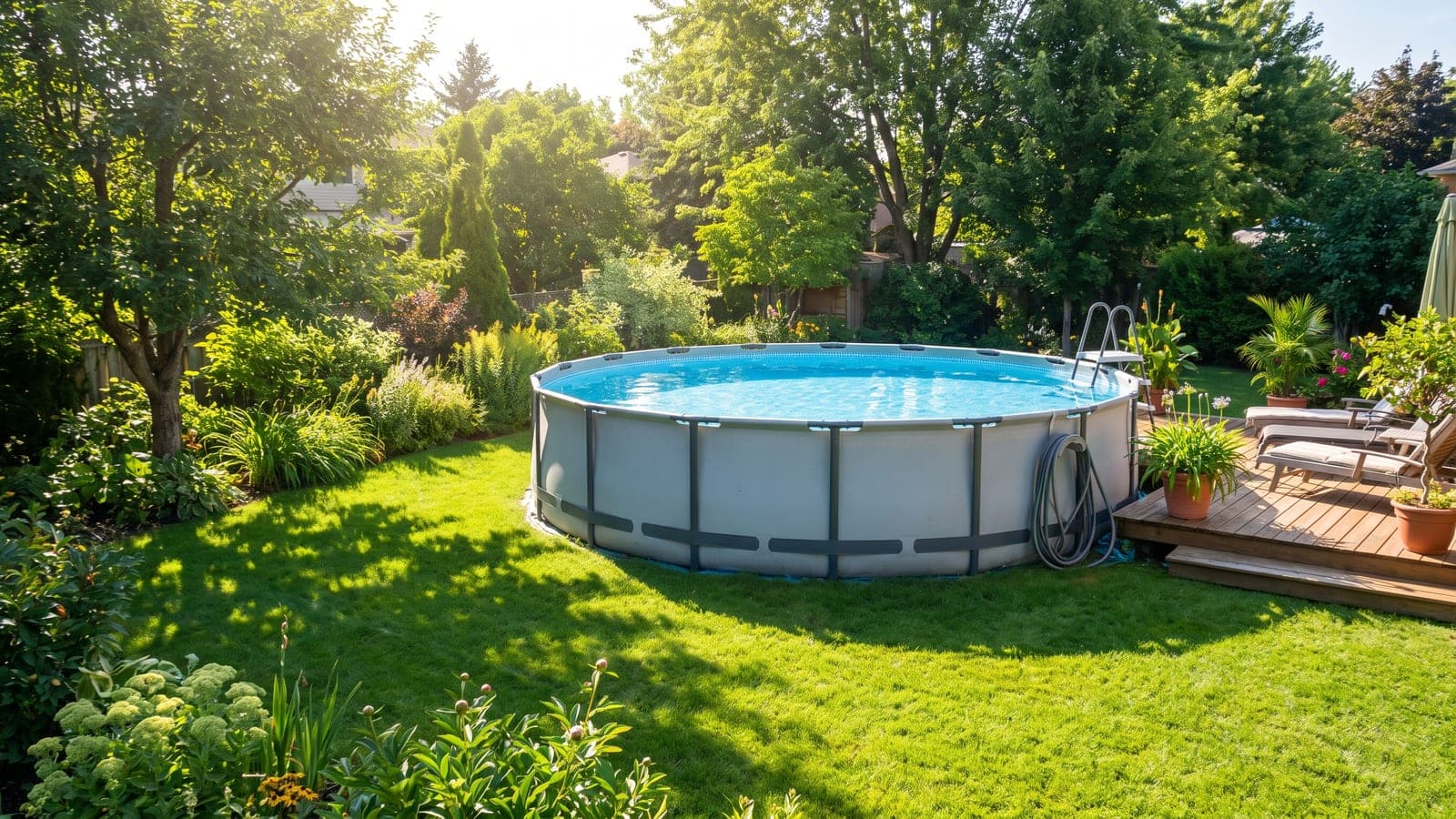
Heavier frame pools with reinforced walls and stronger supports, such as the Intex Ultra XTR Frame Pool (18 ft x 52 in), sit higher, roughly 6 to 12 years with good care. Steel-wall pools built for permanent installation can reach 10 to 15 years or more, though the liner inside will still need replacing along the way.
Why does the liner wear out first?
The liner is a vinyl bladder that holds your water, and it takes the most abuse. Sunlight (UV) makes vinyl brittle. Unbalanced water attacks it from the inside. Every temperature swing stretches and shrinks it a little.
Most liners last 5 to 9 years. You will see the end coming as fading, stiffness, small wrinkles that will not smooth out, and eventually a slow leak. The good news is that on many frame and steel-wall pools you can replace the liner and keep the rest of the pool. Check your model, because some cheaper pools do not sell a separate liner, which means the whole thing is disposable.
What shortens an above-ground pool's life the most?
Bad water chemistry is the top killer, and it is the one you fully control. Water that runs too acidic (low pH) corrodes metal parts and hardens vinyl. Water that swings high on chlorine bleaches and weakens the liner. Getting the basics right is the cheapest life-extension there is, and our pool chemistry basics guide walks through what to test and add.
Sun exposure is next. A pool baking in full sun with no cover ages faster than a shaded one. Debris matters too, because leaves and dirt left sitting stain and stress the liner.
Winter is the wildcard. Ice and snow load can crush frames that were never built to hold weight. Many soft-sided and lightweight frame pools are supposed to come down before it freezes, so read the manual instead of guessing.
How do I make my above-ground pool last longer?
Small habits add real years. Here is where your effort pays off most.
- Keep water balanced. Test at least weekly in season and hold pH, chlorine, and cyanuric acid (CYA, the stabilizer that protects chlorine from sunlight) in range.
- Use a cover. It blocks UV, keeps debris out, and slows evaporation.
- Rinse and skim often. Less junk sitting on the liner means less staining and wear.
- Store soft-sided pools for winter. Drain, dry, fold, and keep them somewhere that will not freeze or invite mice.
- Winterize sturdier pools properly. A winterizing kit and a solid cover protect the liner and plumbing through the cold.
If you run a saltwater setup, the maintenance rhythm is a little different, and our saltwater pool maintenance guide covers the salt-cell side. The same balance-first thinking that keeps a small hot tub healthy, covered in our hot tub maintenance guide, applies here too.
When should I replace instead of repair?
Replace when the structure fails, not just the liner. A rusted-through wall, a bent or cracked frame, or repeated leaks you cannot trace all point to the end. Chasing patches on a failing wall is money down the drain and a safety concern once the wall can no longer hold water pressure.
If the frame and wall are still solid and only the liner is shot, a liner swap is usually the smarter spend. When you are ready to compare full replacements, our roundup of above-ground pools lays out the options by size and build.
Whatever you buy or keep, safety outlives the pool itself. Barriers, alarms, and never leaving kids unattended matter every season, and both the CPSC drowning prevention toolkit and Pool Safely are worth a read before your next swim.
Frequently asked questions
How long does an above-ground pool actually last?
Most above-ground pools last somewhere between 5 and 15 years. Soft-sided inflatable and simple frame pools sit at the low end, while sturdy steel-wall pools with good care can reach the high end. It depends heavily on climate, water chemistry, and whether the pool is taken down for winter.
What part of an above-ground pool fails first?
The liner is usually the first thing to go, often in 5 to 9 years. Sun, unbalanced water, and normal wear make it brittle until it cracks or leaks. On many pools you can replace just the liner and keep the frame going for years.
Does leaving a pool up all winter shorten its life?
It can, especially with soft-sided and lightweight frame pools that were not designed to hold weight from ice and snow. Check your manual, because some models must come down before freezing weather. Sturdier steel-wall pools often stay up year-round with a proper cover and winterizing.
Can I make my above-ground pool last longer?
Yes. Keeping water balanced, using a cover, rinsing off debris, and storing soft-sided pools over winter all add years. The single biggest lever is steady water chemistry, since harsh or neglected water eats liners and metal parts.
Is it worth repairing an old above-ground pool or replacing it?
If only the liner is worn and the frame and wall are solid, a liner swap is usually the cheaper move. Once the metal wall rusts through or the frame bends, replacement is safer and often cheaper than chasing leaks. Check the specific model, since not every pool sells replacement parts.