The short answer: get a handheld vacuum if you mostly spot-clean a small pool or spa, a manual vacuum if you want the cheapest full-pool clean and do not mind the labor, and a robotic cleaner if you have a large pool, heavy debris, or better things to do on a Saturday. Each one trades money for effort in a different way, so the right pick depends on your pool size, the debris you fight, and how much you enjoy pushing a pole around.
Let me define the three types before we compare them, because the names get muddy online.
What is the difference between the three vacuum types?
A manual pool vacuum is a vacuum head on a telescopic pole, connected by hose to your pool's suction line or a dedicated vacuum port. Your pump does the sucking. You walk the head across the floor by hand, and the dirt goes to your filter. It is the old-school method and the cheapest to buy.
A robotic pool cleaner is a self-contained robot that drops in the water, runs on low-voltage power, and drives itself around scrubbing and filtering. It has its own motor and debris basket, so it does not touch your pump or filter at all. It is the most hands-off and the most expensive.
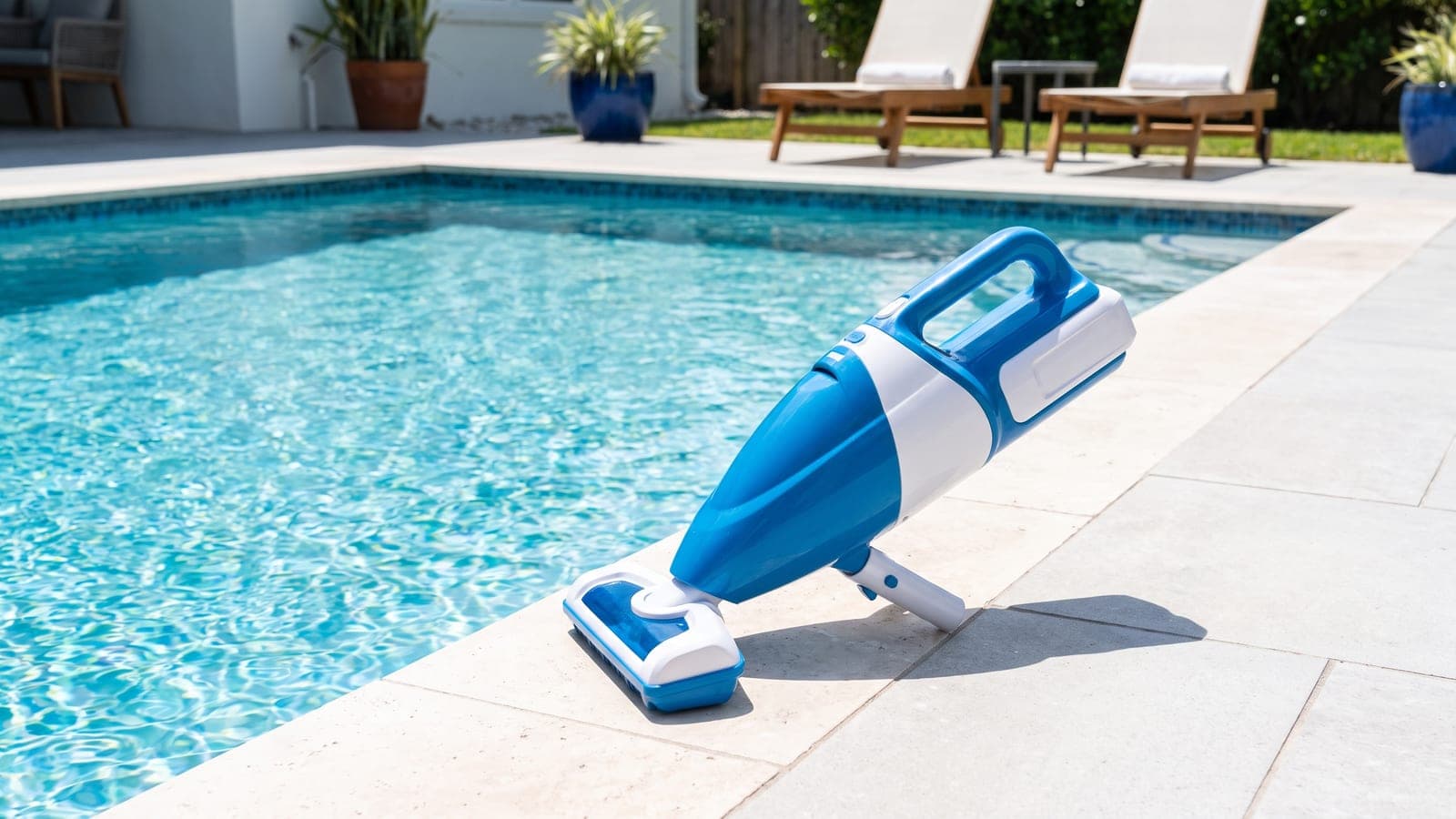
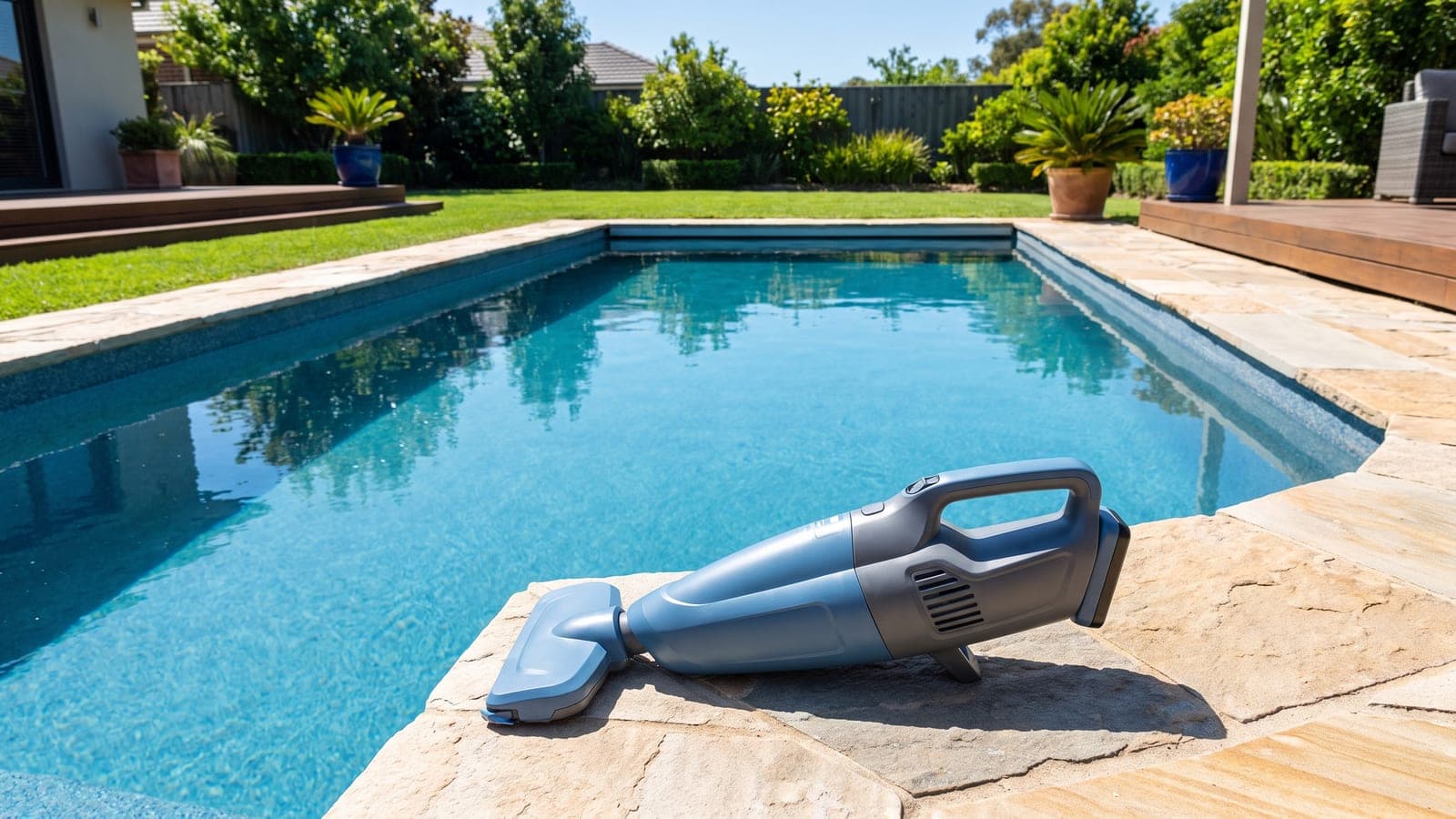
A handheld pool vacuum is a cordless, battery-powered wand with a suction head and an internal filter. No hose, no pump, no cords. You dunk it, aim it at the mess, and it captures debris in a small chamber. Think of it as the spot-cleaning tool of the group. You can browse current options on our handheld vacuums page.
Which vacuum is best for a small pool or spa?
A handheld usually wins here. Small pools, plunge pools, spas, and hot tubs do not have enough floor to justify a robot, and dragging out a hose for a five-minute job is annoying. A cordless handheld like the Aiper Handheld Cordless Pool Vacuum or the Pool Blaster Catfish Ultra (Gen 2) Cordless Pool Vacuum lets you clean a few leaves or a sand patch in minutes, then rinse the filter and be done.
For hot tubs specifically, a purpose-built unit such as the Aiper Spa Vacuum for Hot Tub (Cordless Handheld) fits the tight footwells better than a full-size pool tool. If you run a spa, our hot tub maintenance guide walks through the water side so the vacuum is not fighting cloudy chemistry.
The tradeoff: handheld battery run times are short, often in the range of 30 to 90 minutes per charge depending on the model, so check the listing. That is plenty for a spa and tiring for a big pool.
Which vacuum is best for a large or leafy pool?
A robotic cleaner is the comfortable answer for large in-ground pools, especially under heavy tree cover. It runs on its own while you do something else, scrubs the floor and often the walls, and catches leaves in its own basket instead of clogging your filter. Over a season that saved labor adds up.
Robots cost the most up front, and they are electronics sitting in water, so they can need repairs down the road. Pull the robot out when it finishes rather than leaving it to soak, and store it in the shade. That habit stretches its life.
A manual vacuum is the budget alternative for a big pool. It costs the least to buy, but you supply the muscle, and a large floor is a real workout. Manual vacuuming also stirs fine debris if you rush, so go slow and overlap your passes.
Which vacuum is the cheapest to own?
Manual, almost always. A vacuum head, hose, and telescopic pole are the lowest-cost entry into pool cleaning, and there is no battery to replace or robot motor to fail. The catch is your time and effort, week after week.
Handhelds sit in the middle. They cost more than a manual kit but far less than a robot, and the main long-term cost is the rechargeable battery, which eventually wears down. Units like the Pool Blaster Max Li Cordless Pool Vacuum are built for repeated full-size use, while smaller spot vacuums target quick jobs.
Robots cost the most to buy and to repair, but they buy back the most time. If you value your weekend hours, that math can still favor the robot.
How do I decide which one to buy?
Start with three questions. How big is your pool in gallons, what kind of debris do you fight most (fine dust, sand, or big leaves), and how much hands-on time are you willing to spend each week.
Small pool or spa, light debris, low patience: get a handheld. Large pool, heavy leaves, want it automated: get a robot. Any size, tight budget, do not mind the labor: get a manual setup. Many owners end up with two tools, a robot for the weekly clean and a handheld for spot jobs and steps.
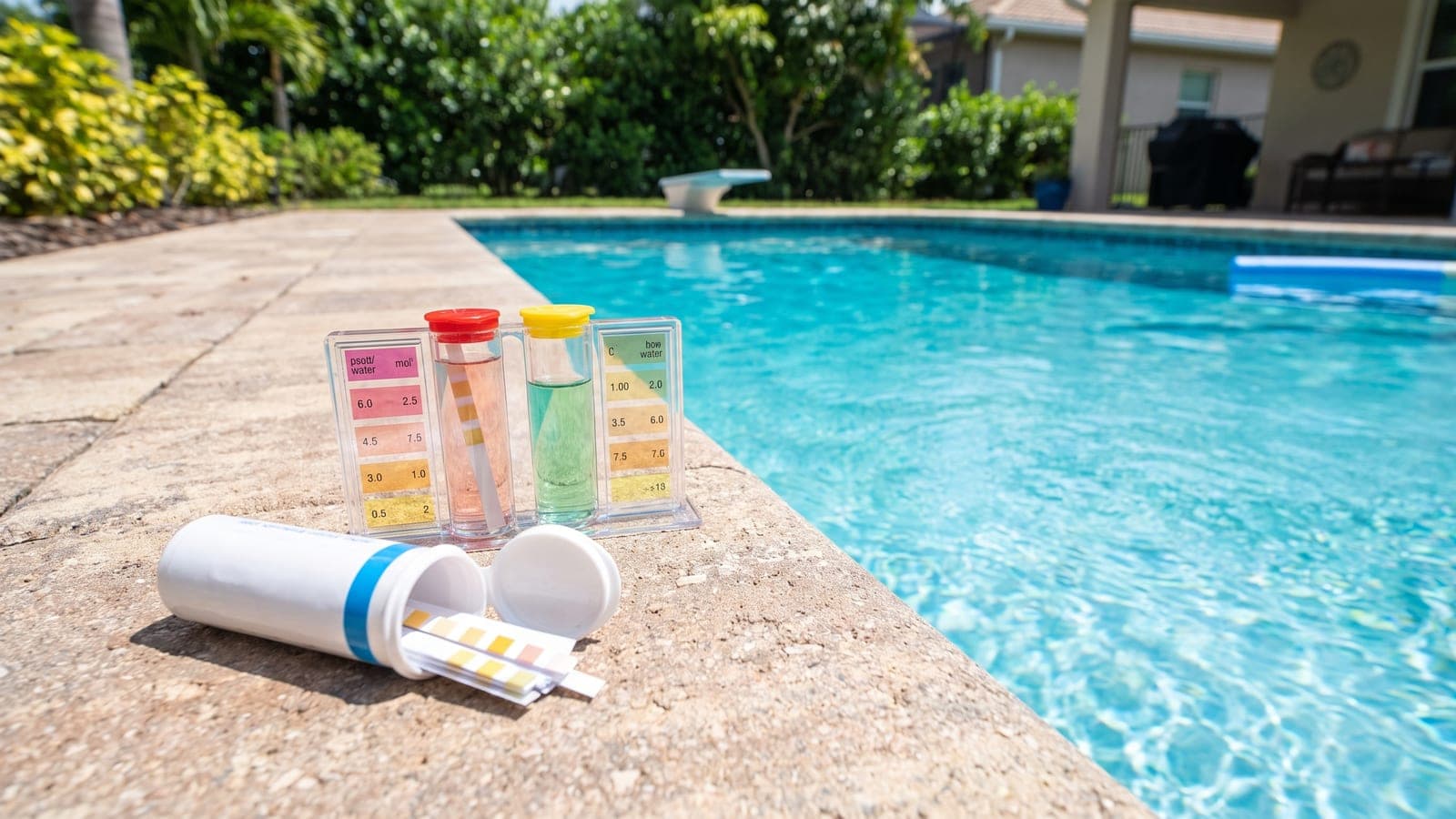
Whatever you pick, keep your water balanced first. A vacuum removes debris, not cloudiness, and unbalanced water makes more gunk settle out. Our pool chemistry basics guide covers pH, chlorine, and CYA (cyanuric acid, the stabilizer that protects chlorine from sunlight) in plain terms, and salt-pool owners can check the saltwater maintenance guide too.
One safety note that applies to every vacuum: never let kids treat cleaning gear as pool toys, and stay attentive around water, since drowning is fast and silent. The CPSC drowning prevention resources are worth a read before your next pool day.
Frequently asked questions
Do I still need a manual vacuum if I own a robot?
Often yes, as a backup. Robots skip tight steps, ladder corners, and sudden storm messes, and a manual head or handheld unit handles those spot jobs fast. Many owners keep a cheap manual setup even after buying a robot.
Will a handheld vacuum clean my whole in-ground pool?
It can, but it is slow going on anything larger than a small pool or spa. Handhelds shine for spot cleaning, steps, and quick touch-ups. For a full large-pool clean most owners prefer a robot or manual vacuum tied to the pump.
Are robotic pool cleaners worth the higher price?
For big pools or heavy leaf drop, usually yes, because they run on their own and save hours each week. For a small pool or tight budget, a manual or handheld setup may cover you fine. It depends on pool size and how much debris you fight.
Can these vacuums pick up fine sand and algae dust?
Fine debris is the hardest job for any vacuum. Manual vacuums can stir it into a cloud, robots vary by filter fineness, and handhelds depend on their cartridge rating. Balancing your water first, covered in our chemistry guide, reduces how much fine gunk forms.
Does a saltwater pool need a different kind of vacuum?
No, the vacuum type is the same. Salt does not change how a manual, robotic, or handheld unit works, though rinsing metal parts after use helps them last. See our saltwater maintenance guide for the water-side details.