Your pool vacuum lost suction almost always because air is getting into the system, something is clogged, or the water is too low to feed the pump. Those three causes cover most cases, and you can check all of them in about ten minutes without tools. Here is the order to work through so you fix it fast and get back to swimming.
First, a quick definition. "Suction" here is the pull your pump creates that drags water (and dirt) through the vacuum head, up the hose, and into your filter. Anything that lets air sneak in, or blocks the water path, steals that pull.
Is it an air leak?
Air in the line is the number one reason suction dies. If you see bubbles coming back into the pool through the return jets, or the pump basket is full of swirling air, you have a leak.
Start with the hose. Before you connect a suction-side vacuum, the hose has to be full of water, not air. Feed the whole hose down into the pool and let it fill until bubbles stop rising, then cap the end against the vacuum port. A hose full of air will lose prime the second you turn the pump on.
Next, check the pump lid, the lid O-ring, and every threaded fitting on the suction side. A dry, cracked, or misseated O-ring is a classic slow air leak. A smear of pool-safe silicone lubricant on the O-ring often fixes it. If the pump basket lid will not seal, the water level in the basket keeps dropping and suction fades within a minute of starting.
Is the hose or vacuum head clogged?
A single acorn, a wad of leaves, or a stuck pebble can block the vacuum head throat or wedge inside the hose. When that happens you get strong suction at the skimmer but almost nothing at the head.
Lift the vacuum head out of the water with the pump running for a few seconds. You should feel a firm pull at the opening. If you feel nothing, disconnect the hose and look through it toward the light. Run water from a garden hose through it to push out any blockage.
While you are there, empty the pump basket and the skimmer basket. A basket packed with leaves restricts flow just as badly as a clog in the hose. This is also a good moment to skim the surface so fresh debris does not get pulled straight back in.
Is your filter dirty or clogged?
Your vacuum can only pull as hard as your filter will let water pass. A cartridge caked in oils and fine grit, or a sand or DE filter overdue for a backwash, throttles the entire system.
Check your filter pressure gauge. If it reads eight to ten PSI above the clean starting pressure noted in your equipment manual, the filter needs attention. Clean the cartridge with a hose (or a filter cleaner for stubborn buildup), or backwash a sand or DE filter until the sight glass runs clear.
Clogged filters often creep up slowly, so owners blame the vacuum when the filter is the real culprit. If suction snaps back the moment the filter is clean, you found it.
Is the water level too low?
If your water sits below the middle of the skimmer opening, the skimmer starts sucking air along with water, and suction collapses. This is common after a hot week of evaporation or a big splash-out party.
Top the pool off with a garden hose until the water sits at the middle of the skimmer mouth. Give it a minute and retest. This one fix quietly solves a lot of "my vacuum died" calls.
Keeping water at the right level and the area around the pool clear also matters for safety, not just suction. The CPSC's drowning prevention toolkit is a good reminder that pool equipment and layers of protection go hand in hand.
What if it is a cordless handheld vacuum?
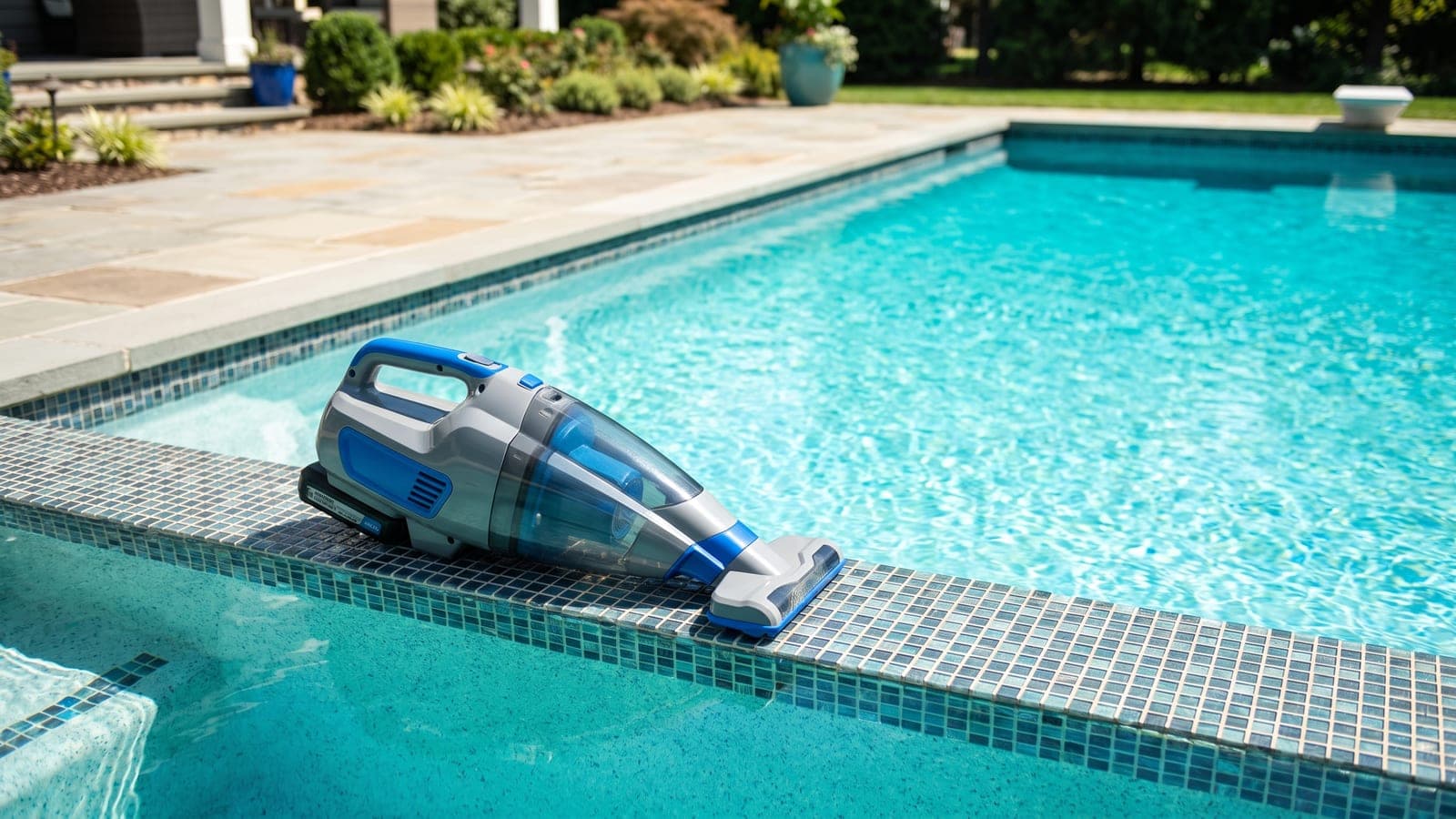
Cordless handheld vacuums work differently. They have their own small battery-powered pump and do not connect to your skimmer or pool pump at all, so air leaks and priming are not part of the picture.
If a handheld feels weak, check three things: a full debris canister, a clogged intake screen or brush head, and a low battery. Rinse the canister and intake, make sure the filter mesh is seated, and give it a full charge. A tired battery near the end of its life will also cut runtime and pull.
For spot-cleaning a step or a single dirty corner, a unit like the Pool Blaster Catfish Ultra (Gen 2) Cordless Pool Vacuum is easy to pull out and use. For larger jobs or a longer reach on a full-size pool, the Aiper PilotFlow X1 Handheld Cordless Pool Vacuum gives you more capacity before you have to stop and empty it. You can compare options on our handheld vacuums page.
When to call a pro
If you have chased air leaks, cleared clogs, cleaned the filter, and topped off the water and suction is still weak, the problem may be a failing pump impeller, a cracked suction line underground, or a worn pump seal. Those are worth a service call rather than more guessing.
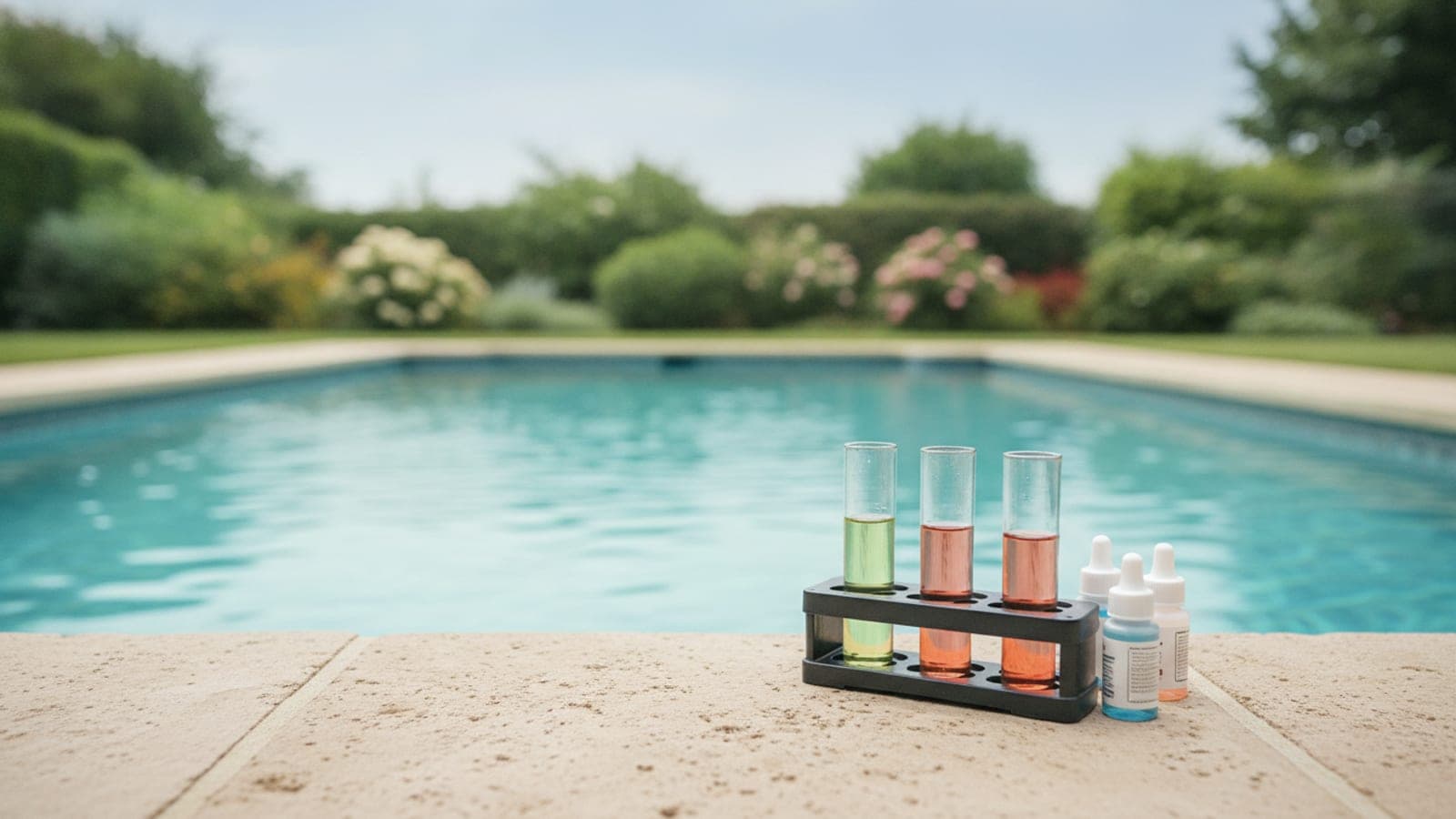
Weak suction sometimes rides along with cloudy or unbalanced water, so it is worth confirming your chemistry is not adding to the mess. Our pool chemistry basics guide walks through what to test and add. Salt pool owners can check the saltwater pool maintenance guide, and if your headache is actually a spa, the hot tub maintenance guide covers the smaller-volume version of the same cleanup.
Work the list in order (air, clogs, filter, water level) and you will find the cause on most pools before you ever reach for a phone.
Frequently asked questions
Why does my pool vacuum have suction at the skimmer but not at the head?
That usually means air is leaking into the hose or the hose has a clog partway down. Pull the hose, fill it completely with water before reconnecting, and check every connection for a loose fit. If suction still drops, inspect the hose for a split or pinhole.
Can a dirty filter really stop my vacuum from working?
Yes. A clogged cartridge or a sand/DE filter that needs backwashing chokes the whole system, so the vacuum head barely pulls. Clean or backwash the filter, then try again. If suction jumps right back, the filter was the problem.
Do I need to prime a cordless handheld vacuum too?
No. Cordless handheld vacuums have their own battery-powered pump and do not tie into your pump or skimmer, so there is no priming or air-leak step. If a handheld feels weak, it is almost always a full debris canister, a clogged intake, or a low battery.
Why does my vacuum lose suction only when I reach the deep end?
Longer hose runs and greater depth ask more from your pump, so a marginal air leak or a weak pump shows up worst at the far end. Check that the hose is long enough to avoid stretching, and confirm the pump is fully primed. A weak or aging pump may simply run out of pull at depth.
Is low water level enough to kill vacuum suction?
It can be. If water drops below the middle of the skimmer mouth, the skimmer starts gulping air and your suction collapses. Top the pool off to mid-skimmer and see if suction returns before you chase other causes.